



Gangnam
Dr. Yoon-Gon Ryu
Aesthetic Medicine Specialist
Flagship clinic · KOL for leading lifting & regenerative devices · Featured in Authority Magazine (2026)

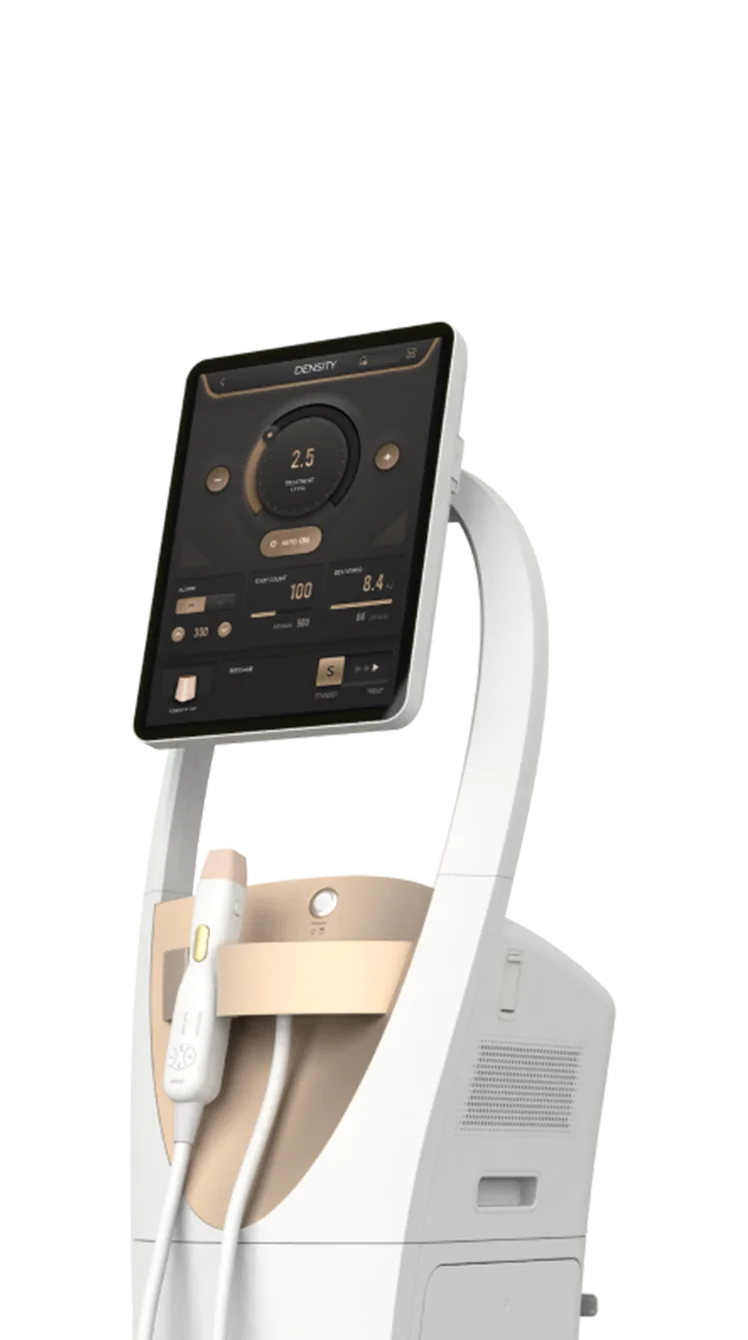
A good glass skin plan usually blends 2 to 3 injectable skin boosters over a short series, so the clinic you pick matters more than any single product name.
To choose a good glass skin clinic near Hongdae in Seoul, look for doctor-led skin assessment, a tailored mix of injectable skin boosters such as HA, polynucleotide, or PDLLA, honest expectations across a short series, and clear English support. Patients near Hongdae (Hongik Univ.) Station are cared for across our Seoul locations, Gangnam and Myeongdong.
One-on-One guidance from a dedicated doctor, ensuring your skin is professionally monitored and treated from start to finish.
Fluent assistance in English, Japanese, and Chinese, making communication clear, respectful and comfortable for international patients.
Over 100,000 patients worldwide have received our personalized dermatological care, highlighting our expertise and reliable results.
Glass skin describes a smooth, luminous, evenly hydrated complexion, and the treatments that build it are injectable skin boosters delivered into the upper skin layers rather than a single laser or one-off facial. A good clinic near Hongdae does not sell you a fixed product before it has looked at your skin. Instead, the clinic’s doctors assess your hydration, pore texture, fine lines, and tone, then match the right booster or blend to what your skin needs across a short series of sessions.
The strongest signal of quality is honest, individualised planning. Glass skin is a gradual, cumulative result, not a same-day transformation, so a trustworthy clinic explains realistic timelines, spacing between sessions, and how many visits your skin is likely to need. It should also offer a genuine range of boosters, including hyaluronic acid for hydration, polynucleotide for skin quality, and PDLLA for firmness, so the plan fits you rather than forcing one product onto everyone.
Access and communication matter too, especially for international patients. Reberry Clinic supports patients in English, and those searching around Hongdae (Hongik Univ.) Station are looked after at our Seoul locations in Gangnam and Myeongdong, both easy to reach from 홍대입구역. Cost is discussed transparently at consultation, because it depends on which boosters and how many sessions your plan involves.
Curious how results actually look? See real glass facial before and after photos from our Seoul clinics, or read the full Korean glass facial protocol guide.
Glass skin injectable boosters work by placing hydrating and skin-conditioning agents into the superficial dermis, where they improve moisture retention, texture, and firmness from within rather than only on the surface. Hyaluronic acid boosters bind large volumes of water to plump and hydrate the skin, softening fine lines and giving that dewy look. Polynucleotide boosters, derived from purified DNA fragments, support dermal fibroblasts and skin-quality parameters, which is why they are among the most popular skin boosters in Korea. PDLLA (poly-D,L-lactic acid) boosters act as collagen stimulators, gradually encouraging the skin to firm and refine over several weeks. Because each agent targets a different aspect of glass skin, a well-designed plan often layers 2 to 3 of them across a series spaced roughly 2 to 4 weeks apart, and the clinic’s doctors choose the mix and depth based on your skin assessment.
One Reberry Clinic, multiple Seoul-area locations. Pricing & current promotions are listed on each branch's own site — tap a clinic to view pricing & book.
Our flagship in the heart of Gangnam.
In Seoul's shopping & tourism heart.
A beauty stop between flights.
The newest Reberry Clinic — in Seoul's trend district.
ONE REBERRY CLINIC · MFDS-REGISTERED DEVICES · MULTILINGUAL CARE AT EVERY LOCATION
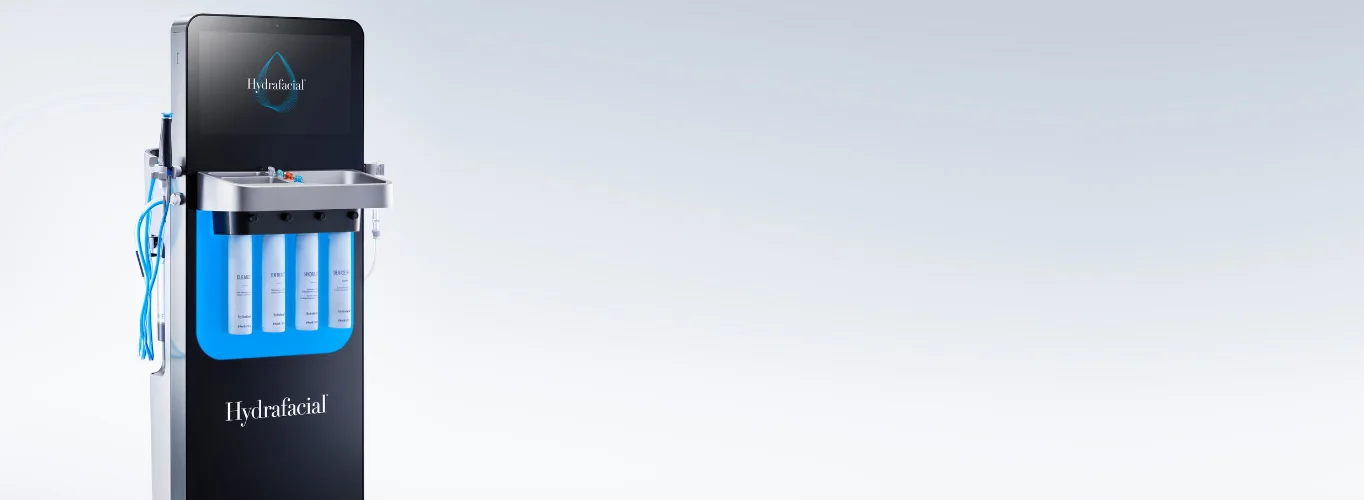
A good clinic has 1 of its doctors examine your hydration, pores, and tone first, rather than selling a fixed product before any assessment.
Confirm the clinic offers at least 2 to 3 booster types (HA, polynucleotide, PDLLA) so the plan can be matched to your skin, not to stock.
Glass skin usually builds over 2 to 4 sessions spaced roughly 2 to 4 weeks apart, so be cautious of any clinic promising it in a single visit.
A trustworthy clinic explains that results are gradual and vary per person, and avoids claims that sound too perfect for a 100 percent guaranteed look.
Confirm English support and a transparent, consultation-based cost, since the total depends on which boosters and how many of the sessions you need.

See representative outcomes from Reberry Clinic. Results build gradually and vary by individual; your plan is assessed at consultation.
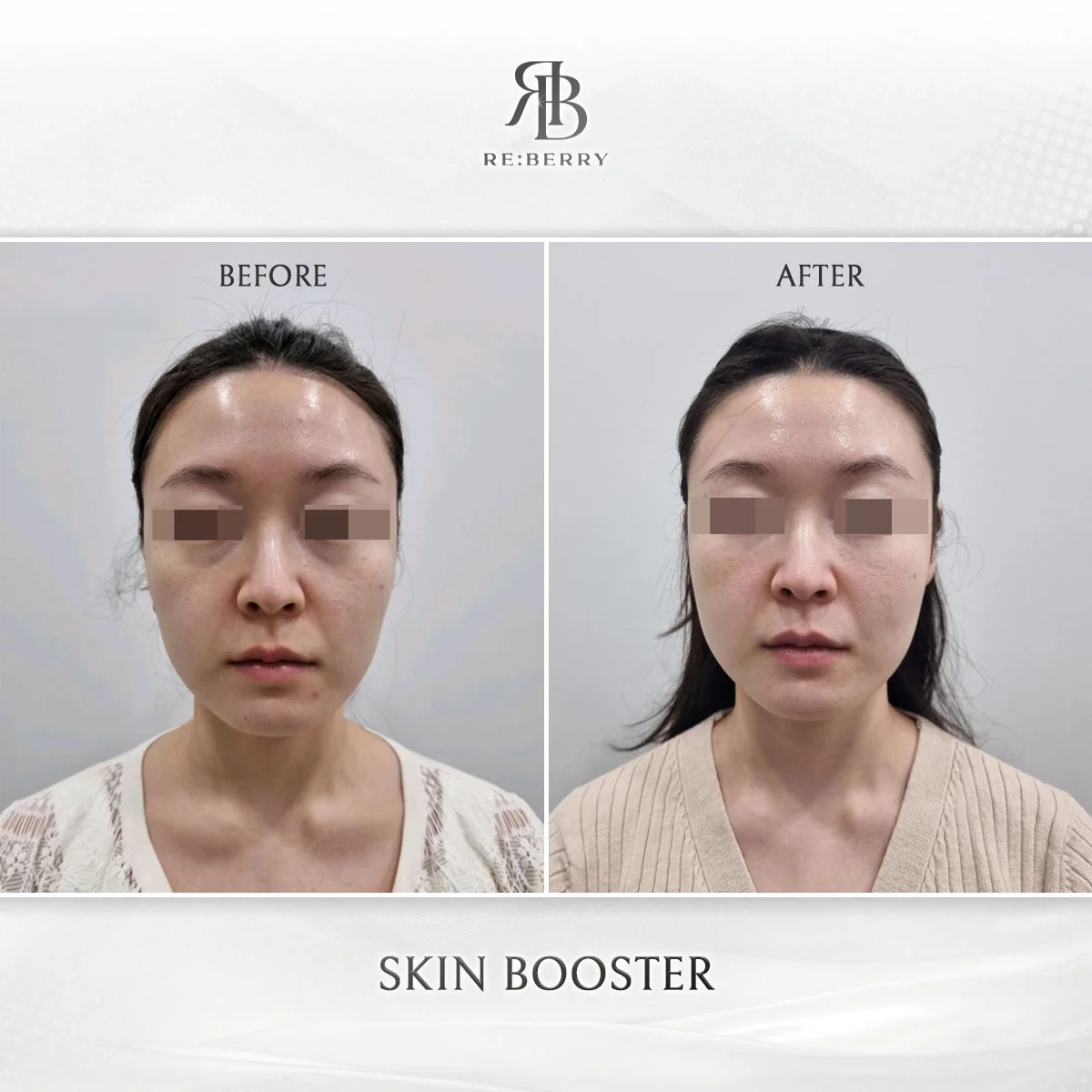
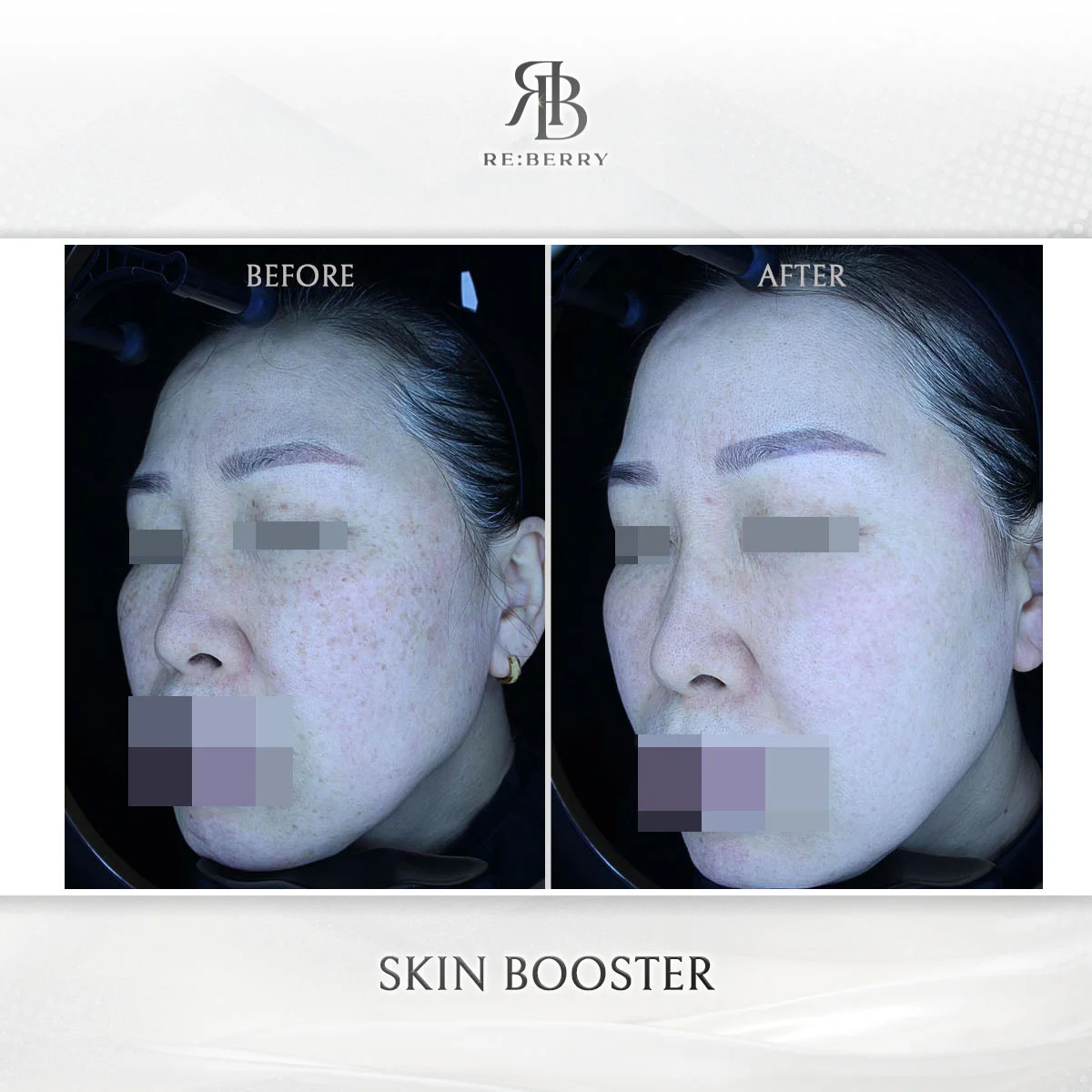
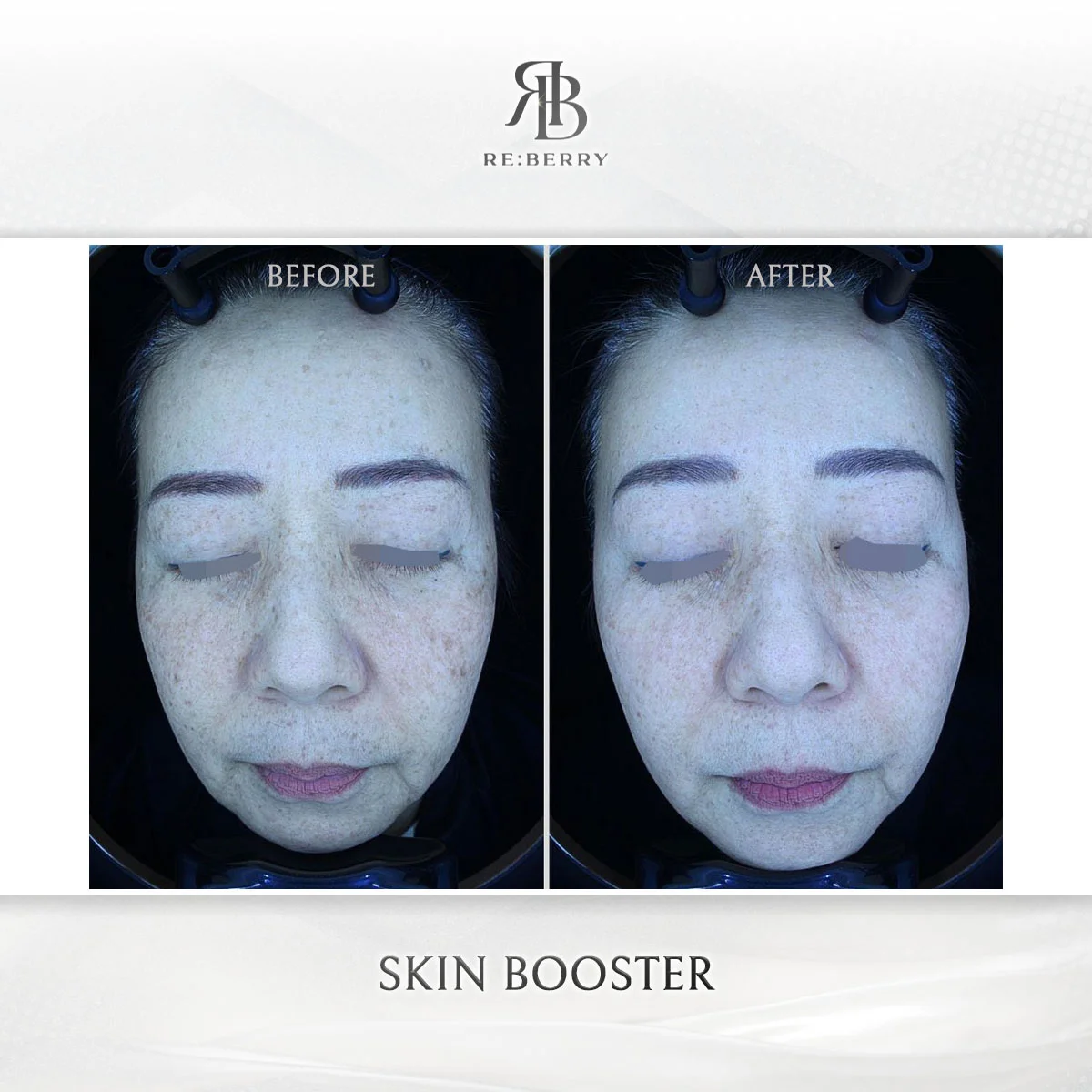
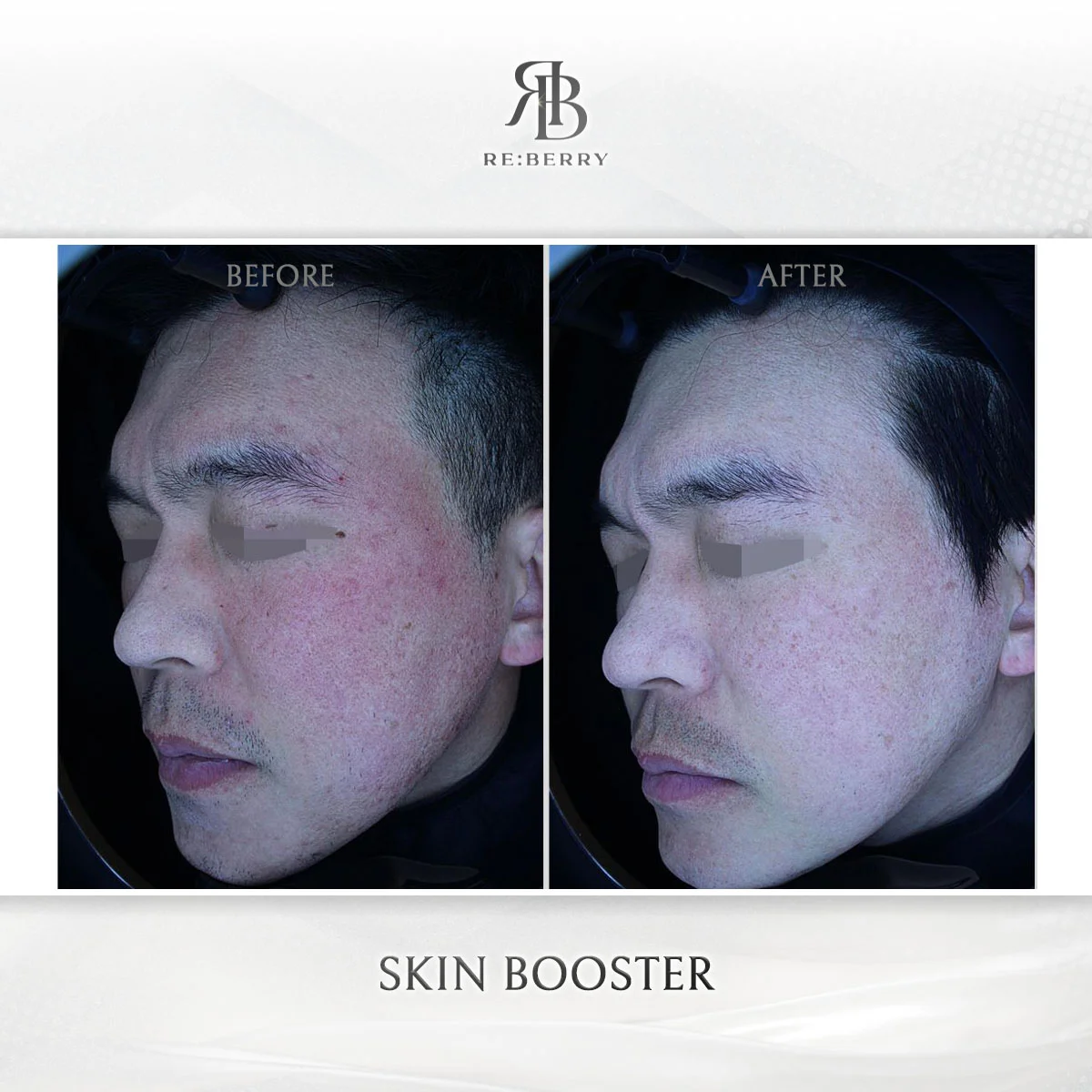
The clinic’s doctors assess your hydration, pores, texture, and tone in English, then recommend which boosters your glass skin plan needs and what drives the cost.
A single booster session usually takes about 20 to 40 minutes, including numbing time, and you can typically return to light daily activities afterwards.
Glass skin runs as a short course, so the plan is mapped across a series of visits rather than promised in one appointment.
Hydration can look fresher relatively soon, while skin quality and firmness build gradually over several weeks as the series progresses.
Results are maintained with occasional top-up sessions and a supportive skincare routine, both discussed at consultation for long-term planning.



Choose a clinic where a doctor assesses your skin first, offers a real range of boosters, and explains a realistic series rather than a one-day promise. Patients near Hongdae (Hongik Univ.) Station are cared for at our Seoul locations. See our glass skin treatment page for details.
Patients searching around Hongdae (Hongik Univ.) Station are cared for across our Seoul locations in Gangnam and Myeongdong, both easily reached from 홍대입구역 with full English support. Our team helps you pick the most convenient Seoul location and coordinate your glass skin consultation around your schedule.
Glass skin is smooth, evenly hydrated, luminous skin, built mainly with injectable skin boosters placed in the upper skin layers. Depending on your needs, a plan may use hyaluronic acid for hydration, polynucleotide for skin quality, or PDLLA for firmness, layered across a short series rather than achieved in one session.
Most adults wanting smoother, dewier, more even skin are suitable, especially those with dullness, dehydration lines, or rough texture. A consultation confirms which boosters fit your skin type and goals. You can explore options first on our glass skin page before your visit.
Discomfort is usually mild because numbing cream is applied before injectable boosters, and the needles used are very fine. Most patients describe brief pinpricks rather than significant pain. Sensitivity varies by person and area, and the clinic’s doctors adjust technique and depth to keep each session as comfortable as possible.
Downtime is typically minimal, with most people returning to daily activities the same day. You may see small bumps, pinpoint marks, or slight redness that usually settle within 1 to 3 days. Your doctor gives aftercare guidance so you can plan sessions around work or travel.
Hydration-based freshness can appear relatively soon, often within days, while skin quality and firmness build gradually over several weeks as the series progresses. Because glass skin is cumulative, the fullest effect is seen after completing your planned sessions rather than after a single visit.
Results generally last several months and vary by booster type, your skin, and lifestyle, since glass skin is maintained rather than fixed once. Occasional top-up sessions and good skincare help sustain the look. A supportive skin care routine protects your results between visits.
Most plans involve a short series of about 2 to 4 sessions spaced roughly 2 to 4 weeks apart, though the exact number depends on your starting skin quality and goals. Your doctor sets the schedule after assessment and adjusts it as your skin responds across the series.
Yes, boosters are often combined with each other or with gentle treatments to target hydration, texture, and firmness together. Your doctor sequences them so the skin is not over-stressed. Some patients also pair boosters with a hydrafacial for added surface radiance.
Injectable skin boosters are widely used and generally considered safe when performed by trained doctors who match the product and depth to your skin. Temporary redness, bruising, or small bumps can occur and usually settle quickly. A consultation reviews your history to reduce risks and confirm suitability.
HA boosters mainly hydrate, polynucleotide boosters support overall skin quality and texture, and PDLLA boosters gradually firm the skin through collagen stimulation. Many glass skin plans blend them. You can read more about injectable options on our injection treatment page.
Gentle cleansing, daily sunscreen, and consistent hydration help maintain results, while avoiding heavy sun and harsh actives right after sessions protects the skin. Your doctor tailors aftercare to your booster type. A steady skin care routine extends the glow between visits.
Yes, be cautious of any clinic promising flawless, same-day glass skin, since real results are gradual and vary per person. A good clinic explains realistic timelines and avoids claims that sound too perfect. Honest planning and a doctor-led assessment are stronger signals of quality than dramatic promises.
Cost depends on which boosters your plan uses and how many sessions your skin needs, so there is no single fixed price. The clinic’s doctors confirm a transparent, individualised cost at consultation in English, after assessing your skin, rather than quoting a one-size-fits-all figure upfront.
For a first session, 2 to 3 days is comfortable, allowing a consultation, the treatment, and a short review. Because glass skin runs as a course, many international patients begin in Seoul and continue on return trips. Our English-speaking team coordinates timing around your travel.
Yes, flying within a day or so is generally fine, since injectable boosters are minimally invasive. Cabin air is drying, so moisturise well and protect treated skin from sun. If you notice minor swelling or marks, they usually settle quickly, and your doctor advises on travel aftercare.
International patients can complete a glass skin series across one or more visits, and the clinic offers remote check-ins in English between trips so the plan stays on track. Your treatment notes are kept on file for continuity, and your doctor advises when a top-up session is worthwhile.
| HA Skin Booster | Polynucleotide (Rejuran-type) | PDLLA Booster (Juvelook-type) | |
|---|---|---|---|
| Mechanism | Hyaluronic acid that binds water for deep hydration | Purified DNA fragments that support skin-quality and fibroblasts | Poly-D,L-lactic acid that stimulates gradual collagen |
| Best for | Dryness, dullness, fine dehydration lines | Overall skin quality, texture, resilience | Firmness, refinement, longer-term skin support |
| Pain / comfort | Mild; numbing cream typically used | Mild to moderate; numbing typically used | Mild to moderate; numbing typically used |
| Downtime | Minimal; possible small bumps that settle | Minimal; possible pinpoint marks briefly | Minimal to mild; brief tenderness possible |
| Results timeline | Fresh hydration relatively soon, building over the series | Skin quality improves gradually over the series | Gradual firming over several weeks |
| Cost factors | Depends on product and number of sessions | Depends on product and number of sessions | Depends on product and number of sessions |
Real verified reviews from our Google Business Profile, across all Reberry Clinic locations.
PULLED LIVE FROM GOOGLE · GANGNAM · MYEONGDONG · INCHEON AIRPORT
Your treatment is planned and performed by experienced, MFDS-registered doctors across our Seoul-area clinics, with multilingual support for international patients.
Flagship clinic · KOL for leading lifting & regenerative devices · Featured in Authority Magazine (2026)

Multilingual tourist care beside Myeongdong Cathedral

Fast, effective care 20 minutes from the terminals
Message us on WhatsApp for a free consultation in English about the right glass skin booster plan for your skin.