



Gangnam
Dr. Yoon-Gon Ryu
Aesthetic Medicine Specialist
Flagship clinic · for leading lifting & regenerative devices · Featured in Authority Magazine (2026)

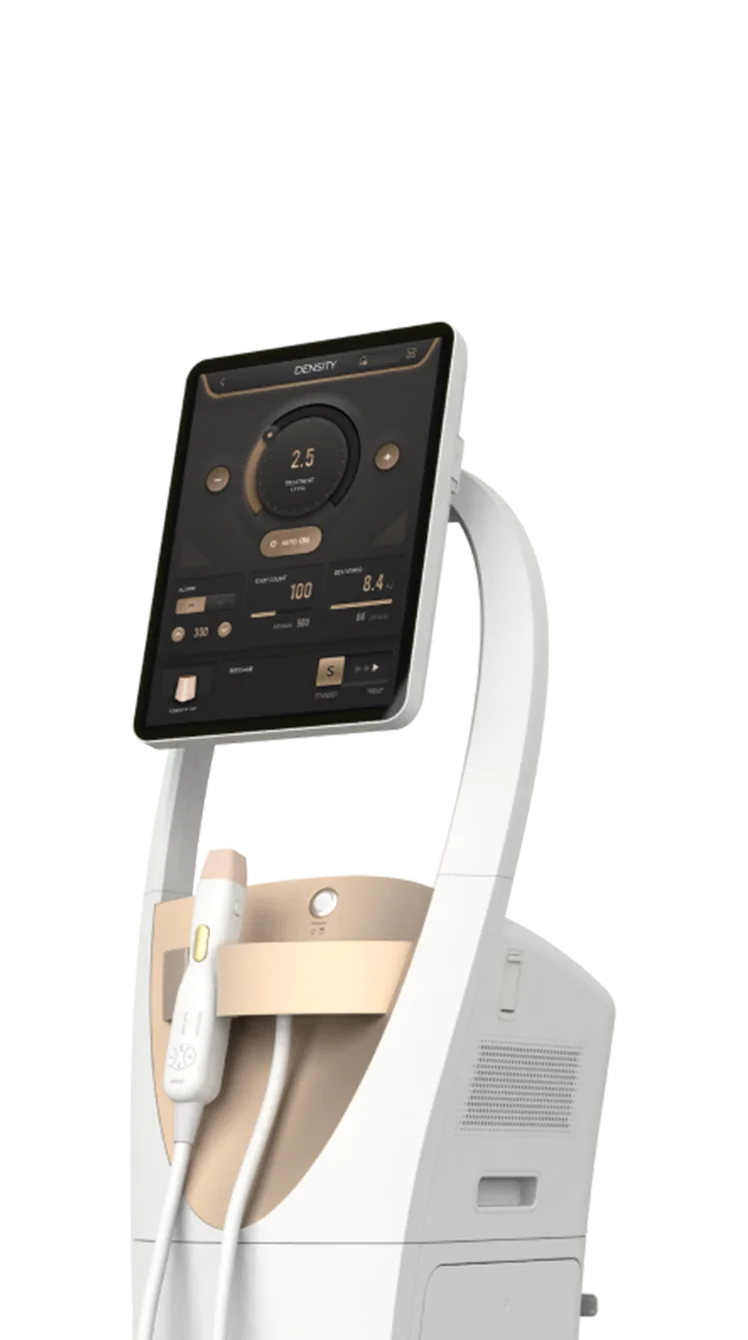
The glass skin look rests on 3 pillars: hydration, even tone, and smooth texture, so a good clinic assesses all three before recommending a plan.
To choose a good glass skin treatment clinic near Incheon Airport, look for a doctor who assesses your hydration, tone, and texture, then uses real injectable skin boosters such as hyaluronic acid, polynucleotides, or PDLLA with gentle protocols. At our Incheon Airport (Yeongjongdo) location, Dr. Sunbeen Kim plans consultation-led glass skin care in English.
One-on-One guidance from a dedicated doctor, ensuring your skin is professionally monitored and treated from start to finish.
Fluent assistance in English, Japanese, and Chinese, making communication clear, respectful and comfortable for international patients.
Over 100,000 patients worldwide have received our personalized dermatological care, highlighting our expertise and reliable results.
Glass skin describes a clear, luminous, poreless-looking complexion, and achieving it is less about one hero treatment than about improving skin quality itself. A good clinic understands that the look rests on three pillars: deep hydration, even tone, and smooth texture. Rather than selling a single fixed procedure, it assesses which of these your skin needs most and builds from there. That doctor-led judgement is the real differentiator between clinics.
The core tools are injectable skin boosters, which place hydrating and regenerating ingredients directly into the skin: hyaluronic acid for water-binding smoothness, polynucleotides for elasticity and repair, or PDLLA for gradual collagen stimulation. These are paired with gentle protocols, careful cleansing, barrier support, and pigment care, so the glow is genuine rather than a short-lived surface shine. A clinic that skips assessment and pushes one product for everyone is a warning sign.
At Reberry Clinic, glass skin care is consultation-led. At our Incheon Airport (Yeongjongdo) location near ICN, Dr. Sunbeen Kim, Medical Director, evaluates your hydration, tone, and texture, explains which boosters fit, and paces sessions realistically in English. The near-airport setting suits transit and stopover patients who want to fit skin care into a trip through Korea.
You can compare glass facial before and after photos, or explore the complete Korean glass facial treatment page.
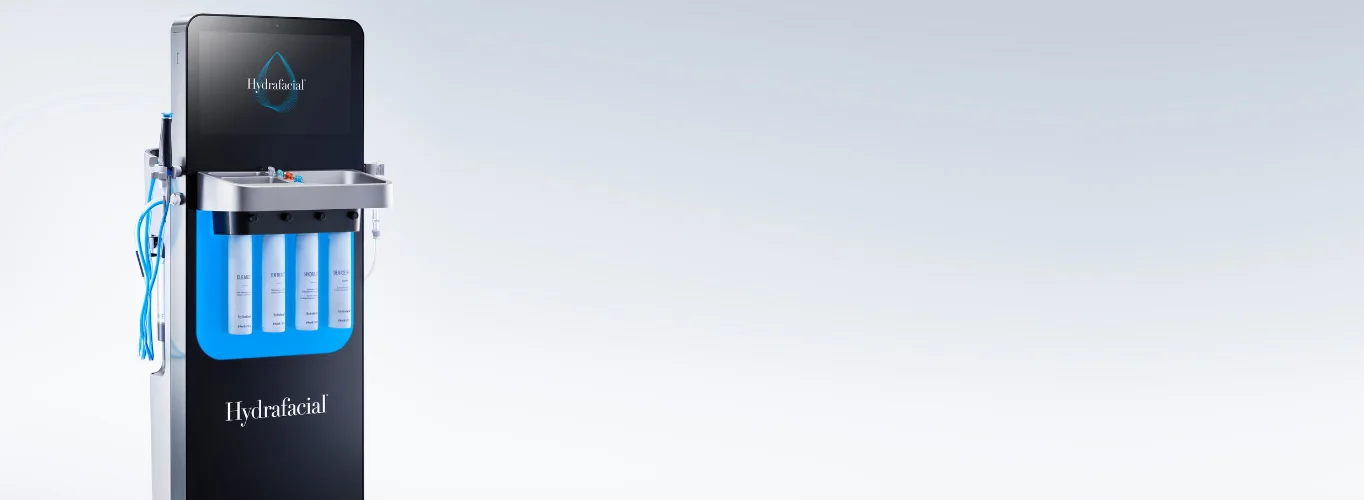
Genuine glass skin comes from improving the skin’s internal quality, so the main tools are injectable skin boosters delivered through microinjections rather than a single laser or peel. Hyaluronic acid boosters bind water in the dermis, plumping fine lines and giving that dewy, hydrated smoothness that defines the look. Polynucleotides, regenerative DNA-derived fragments, support elasticity, dermal repair, and a healthier skin texture over a short series. PDLLA (poly-D,L-lactic acid) works more gradually, stimulating your own collagen so firmness and glow build over weeks. Because these ingredients act inside the skin, results look natural rather than like a temporary highlight. Around the injections, gentle protocols matter: barrier-friendly cleansing, hydration, and targeted pigment care so tone evens out and pores appear refined. The delicate nature of skin-quality work means conservative technique and spaced sessions, a clinic reaching for aggressive settings to force a fast result on already-healthy skin is a red flag. The best clinics sequence boosters and supportive care to the specific balance of hydration, tone, and texture a doctor finds in your skin, which is why an honest assessment comes before any recommendation.
One Reberry Clinic, multiple Seoul-area locations. Pricing & current promotions are listed on each branch's own site — tap a clinic to view pricing & book.
Our flagship in the heart of Gangnam.
In Seoul's shopping & tourism heart.
A beauty stop between flights.
The newest Reberry Clinic — in Seoul's trend district.
ONE REBERRY CLINIC · MFDS-REGISTERED DEVICES · MULTILINGUAL CARE AT EVERY LOCATION
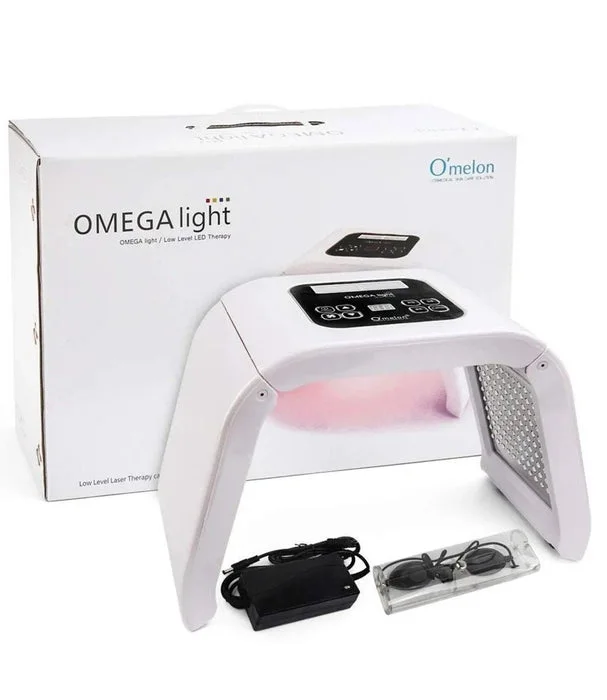

A good clinic evaluates your skin across the 3 pillars, hydration, tone, and texture, before recommending any booster or protocol.
Look for at least 2 evidence-based injectables like HA, polynucleotides, or PDLLA, not 1 unnamed product promised to fix everything at once.
Glass skin builds over a short course, often around 3 sessions spaced weeks apart, rather than from 1 dramatic treatment.
Reputable clinics quote after assessment, so treat any 1 fixed price promised before examination with caution.
Gentle cleansing, hydration, and pigment care should support the injections, since forcing 1 aggressive step can harm the barrier.
For international patients, check that at least 1 remote review is offered so results continue after you fly home.

Before-and-after photos are being updated.
At our Incheon Airport (Yeongjongdo) location, Dr. Sunbeen Kim, Medical Director, assesses your hydration, tone, and texture in English and explains which boosters fit.
Once a plan is agreed, a first booster session usually takes about 20 to 40 minutes including numbing, depending on the area treated.
Glass skin plans typically run as a short series of around 3 sessions spaced several weeks apart, so results layer gradually.
Hydration and glow can appear within about 2 weeks, while firmness from PDLLA builds over roughly 8 to 12 weeks.
Results are maintained with occasional top-ups, daily sunscreen, and barrier-friendly skincare, since glass skin reflects ongoing skin health.



Choose a clinic that assesses your hydration, tone, and texture before recommending anything, uses real injectable skin boosters like HA, polynucleotides, or PDLLA, and quotes honestly after examining your skin. You can start with our glass facial skin page to understand the approach.
Glass skin comes from improving skin quality across three pillars: hydration, even tone, and smooth texture. Injectable skin boosters deliver hydrating and regenerating ingredients into the skin, paired with gentle protocols and pigment care. A single product rarely does it all, which is why a doctor-led, sequenced plan produces a genuine glow.
There is no single best booster; the right one depends on your skin. Hyaluronic acid suits dehydration, polynucleotides suit texture and elasticity, and PDLLA suits gradual firmness. A good clinic often combines them across a series. Explore how these fit on our glass facial skin page before your consultation.
Most glass skin plans run as a short series, often around 3 sessions spaced several weeks apart, because skin-quality improvement builds gradually rather than in one visit. The exact number depends on your baseline hydration and texture, which the Medical Director reviews and adjusts between sessions rather than fixing rigidly in advance.
Injectable skin boosters feel like small pricks, and a topical numbing cream is applied first to keep sessions comfortable. Most people tolerate them well, with only brief stinging. The Medical Director uses gentle technique suited to skin-quality work and explains exactly what to expect for your plan before starting.
Downtime is usually short: boosters may leave tiny bumps or minor bruising for a day or two, and slight redness can occur. Most people resume normal activities quickly. Supporting recovery with a gentle skin care routine and sun protection helps the skin settle smoothly between sessions.
Hydration and a dewy look can appear within about 2 weeks of HA boosters, while firmness and lasting glow from PDLLA build over roughly 8 to 12 weeks. Because results are progressive, a good clinic sets realistic timelines rather than promising instant glass skin from a single appointment.
Results typically last several months and vary with skin type, lifestyle, and skincare, so this is not a one-time fix. Periodic top-up sessions and daily sunscreen help sustain the glow. Because glass skin reflects ongoing skin health, consistent barrier care at home is key to keeping results longer.
Yes, part of the glass skin approach is refining texture and evening tone, so pores appear smaller and pigment looks more uniform. Boosters improve hydration and quality, while supportive pigment care evens tone. For stubborn pigment, ask about related options such as laser treatment at consultation.
It is generally considered safe when a trained doctor assesses your skin and uses gentle, conservative technique. A consultation screens for contraindications like active infection or keloid history and reduces risks such as prolonged redness or small bumps. The Medical Director explains precautions and aftercare clearly before any injections begin.
Adults with dull, dehydrated, or uneven-looking skin who want improved hydration, tone, and texture are typically good candidates. Active acne flares or certain conditions may need treating first. A consultation confirms which boosters suit your skin and rules out contraindications, so the plan is safe and realistic for you.
No, glass skin skin boosters improve skin quality from within rather than adding volume or reshaping contours like a dermal filler. Boosters spread hydrating and regenerating ingredients through the skin for smoothness and glow. If you also want volume, that is a separate discussion the Medical Director can cover at your consultation.
Daily broad-spectrum sunscreen, gentle hydration, and avoiding harsh scrubs or heat for a day or two protect the skin after boosters. Avoid picking treated areas. A barrier-friendly skin care routine maintains hydration and helps sustain the glow between sessions, which is central to keeping glass skin looking healthy.
Be cautious of a single fixed price promised before your skin is examined, since good glass skin plans are individualised after assessing hydration, tone, and texture. Reputable clinics explain cost transparently once they know what your skin needs. Consultation-led planning, rather than a rushed package, signals a trustworthy clinic.
Glass skin treatment is available at our Incheon Airport (Yeongjongdo) location near ICN, led by Dr. Sunbeen Kim, Medical Director, with English support. Its position close to the airport suits transit and stopover patients. You can also ask about our Gangnam and Myeongdong locations in Seoul during your consultation.
For a first booster session, 1 to 2 days is comfortable, allowing a consultation and treatment with short downtime. Because plans run as a series, many international patients begin at our Incheon Airport (Yeongjongdo) location and continue on return visits. Our English-speaking team coordinates timing around your travel schedule.
Yes, flying within a day is generally fine because skin boosters are minimally invasive with short downtime, which suits our near-airport setting. Cabin air is drying, so moisturise well and avoid strong sun on treated skin. The Medical Director will advise on brief travel precautions if you had a fuller session.
International patients can begin a glass skin series in Korea and continue with remote check-ins in English between trips, so the plan stays on track as skin improves. Your treatment notes are kept on file for continuity. Supportive at-home skin care maintains the glow until your next visit.
| HA Skin Boosters | Polynucleotide Boosters | PDLLA Boosters | |
|---|---|---|---|
| Mechanism | Hyaluronic acid binds water for hydration and smoothness | DNA-derived fragments support elasticity and repair | Poly-D,L-lactic acid stimulates gradual collagen |
| Best for | Dehydrated, dull skin wanting a dewy glow | Texture, elasticity, and overall skin quality | Firmness and glow built slowly over time |
| Pain / comfort | Small injection pricks; numbing used | Small pricks; numbing used | Small pricks; numbing used |
| Downtime | Tiny bumps or minor bruising for a day or two | Brief redness or small bumps | Brief redness; occasional swelling |
| Results timeline | Hydration visible within a couple of weeks | Builds over a short series of sessions | Gradual, maturing over roughly 8 to 12 weeks |
| Cost context | Depends on product and sessions; set at consult | Depends on product and sessions; set at consult | Depends on product and sessions; set at consult |
Real verified reviews from our Google Business Profile, across all Reberry Clinic locations.
PULLED LIVE FROM GOOGLE · GANGNAM · MYEONGDONG · INCHEON AIRPORT
Your treatment is planned and performed by experienced, MFDS-registered doctors across our Seoul-area clinics, with multilingual support for international patients.
Flagship clinic · for leading lifting & regenerative devices · Featured in Authority Magazine (2026)

Multilingual tourist care beside Myeongdong Cathedral

Fast, effective care 20 minutes from the terminals
Message us on WhatsApp for a free consultation in English about a glass skin plan at our Incheon Airport (Yeongjongdo) location.