



Gangnam
Dr. Yoon-Gon Ryu
Aesthetic Medicine Specialist
Flagship clinic · KOL for leading lifting & regenerative devices · Featured in Authority Magazine (2026)


Plan 2 to 3 days for a single low-downtime session, and stack more days or return visits when a treatment needs a course or a few days of visible recovery.
For most low-downtime skin treatments, 2 to 3 days in Seoul is enough for a consultation, the session, and a short review. Treatments with a few days of visible recovery, like fractional resurfacing, are best scheduled early in a 5 to 7 day stay. Courses that need 3 to 6 sessions are usually split across return visits.
One-on-One guidance from a dedicated doctor, ensuring your skin is professionally monitored and treated from start to finish.
Fluent assistance in English, Japanese, and Chinese, making communication clear, respectful and comfortable for international patients.
Over 100,000 patients worldwide have received our personalized dermatological care, highlighting our expertise and reliable results.
Two factors decide how long to stay in Seoul for skin treatment: downtime and session spacing. Downtime is how many days of visible redness, swelling, or peeling a treatment causes. Session spacing is how far apart repeat sessions must sit, which is usually 2 to 4 weeks, meaning a full course rarely fits into a single short trip. Once you know these two numbers for your chosen treatment, the day count almost plans itself.
Low-downtime treatments, such as laser toning, skin boosters, hydrating facials, and light skin-quality injections, typically allow you to be presentable within hours to a day, so 2 to 3 days covers a consultation, the session, and a quick check. Treatments that resurface the skin more deeply, like fractional lasers, can leave a few days of redness or fine peeling, so a 5 to 7 day stay with the procedure booked early is more comfortable than treating the day before you fly.
Because most programmes are courses rather than one-off events, many international patients start their plan in Seoul and continue over return visits, with remote check-ins between trips. At Reberry Clinic’s Myeongdong (Seoul) location, 5, Myeongdong 10-gil, Jung-gu, about 5 minutes from Myeongdong Station, the clinic’s doctors map the schedule around your travel in English.
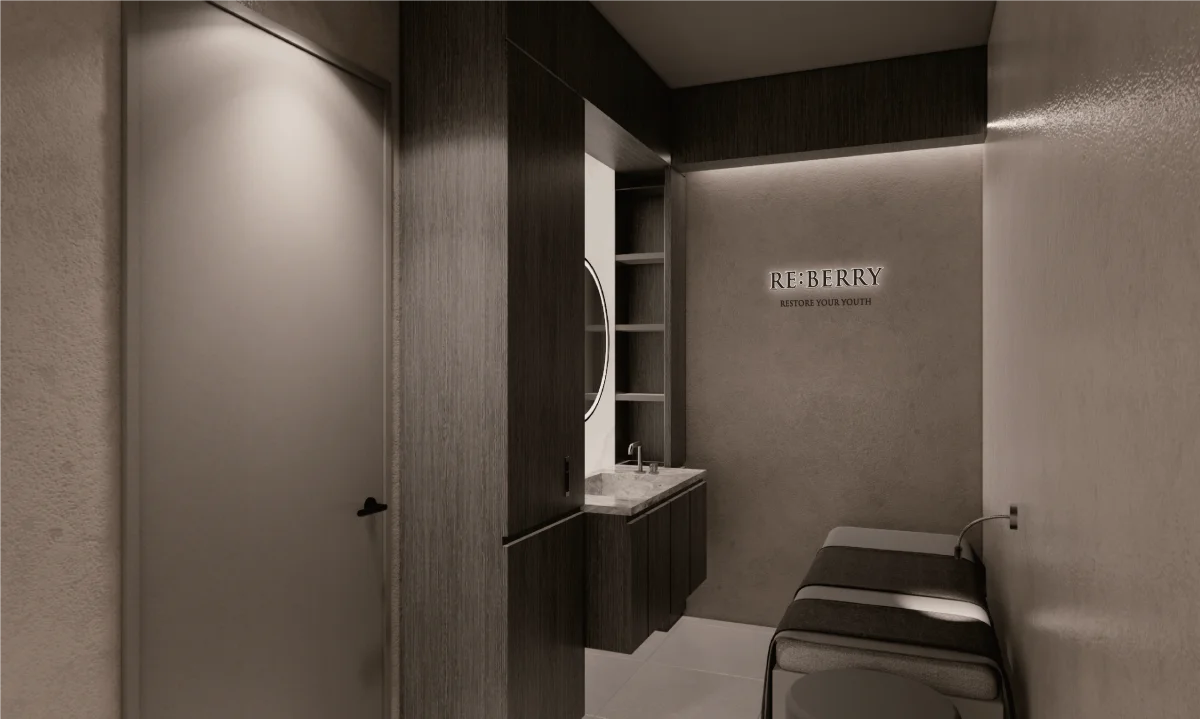
When your days in Seoul are limited, choosing the right clinic matters as much as choosing the right treatment. A good clinic gives an honest downtime estimate for your specific treatment before you book, so you can schedule it early enough in your stay rather than risk flying home with visible redness. Look for a real doctor consultation that assesses your skin and confirms whether a single session fits your trip or whether a course spread across 3 to 6 visits is more realistic. Genuine English support at both reception and consultation is essential for international patients working to a tight schedule. Favour clinics that explain session spacing of 2 to 4 weeks plainly and offer follow-up or remote check-ins from abroad, rather than pressing everything into one visit. Be cautious of promises that sound too perfect or a plan that ignores your travel dates, since honest scheduling accounts for downtime, healing, and realistic session counts. These signals help you pick a clinic that fits your days, not one that overpromises within them.
One Reberry Clinic, multiple Seoul-area locations. Pricing & current promotions are listed on each branch's own site — tap a clinic to view pricing & book.
Our flagship in the heart of Gangnam.
In Seoul's shopping & tourism heart.
A beauty stop between flights.
The newest Reberry Clinic — in Seoul's trend district.
ONE REBERRY CLINIC · MFDS-REGISTERED DEVICES · MULTILINGUAL CARE AT EVERY LOCATION

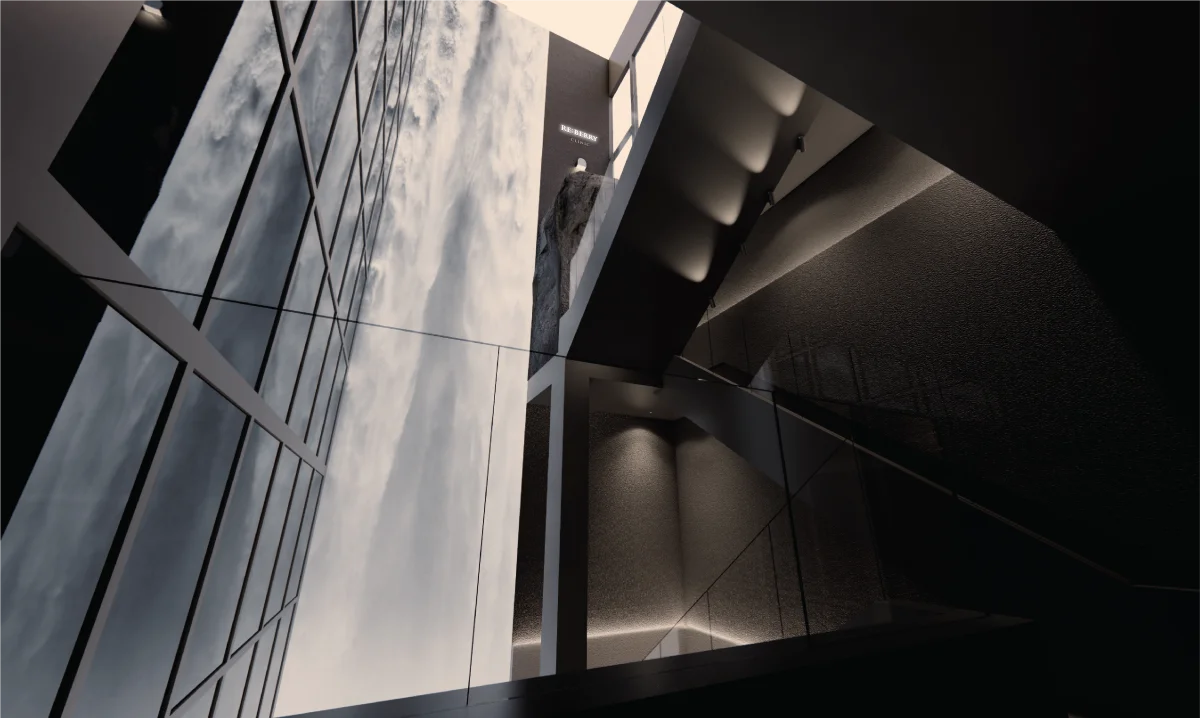
Ask the downtime for your treatment; low-downtime sessions need about 1 day of buffer, while resurfacing may need 3 to 5 days of recovery.
Book any treatment with visible recovery in the first 1 to 2 days of your stay, never the day before you fly home.
Confirm whether 1 session suits your trip or whether a course of 3 to 6 sessions, spaced 2 to 4 weeks apart, is realistic.
If a course needs weeks between sessions, plan to complete 1 or 2 in Seoul and continue on later trips with remote check-ins.
The clinic’s doctors set the exact timing in English based on your treatment, skin, and travel dates rather than a generic day count.
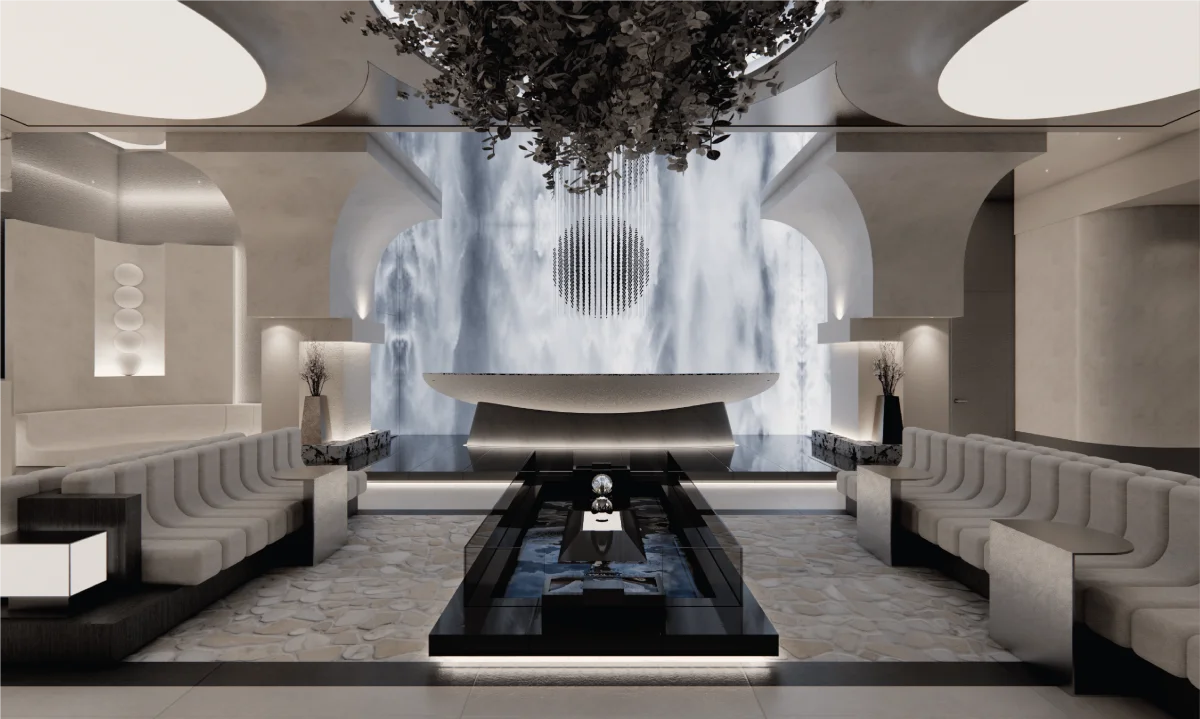
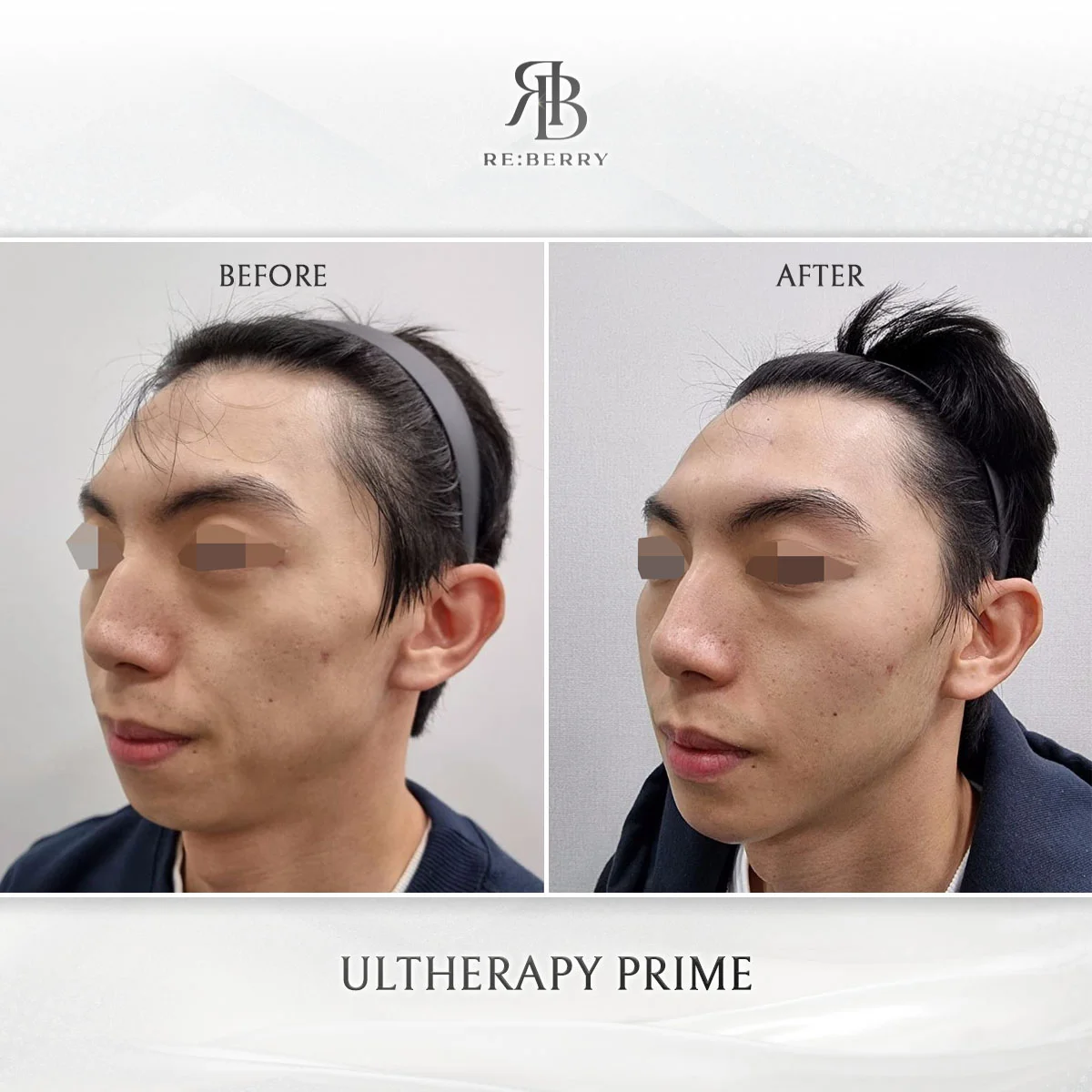
See representative outcomes from Reberry Clinic. Results build gradually and vary by individual; your plan is assessed at consultation.
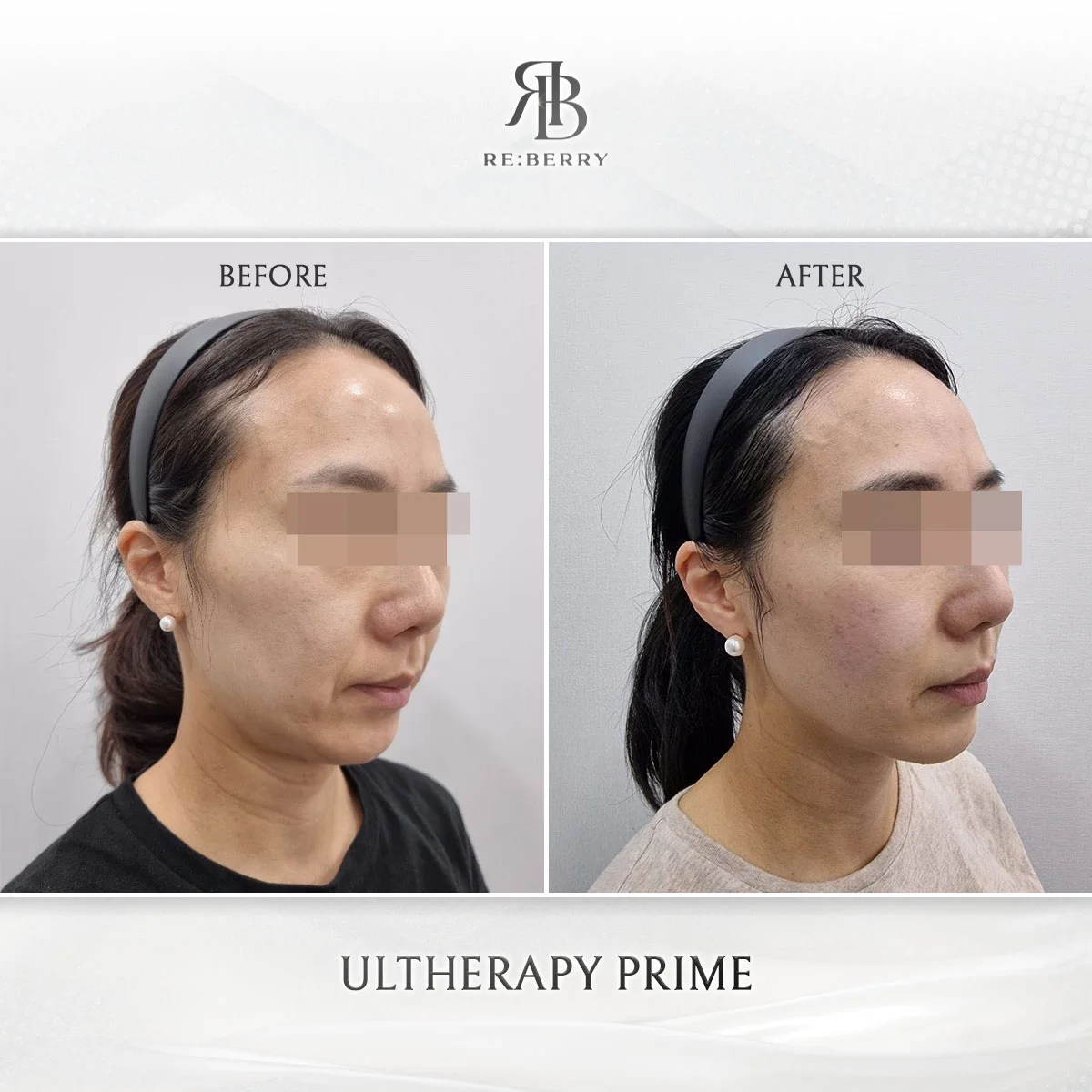
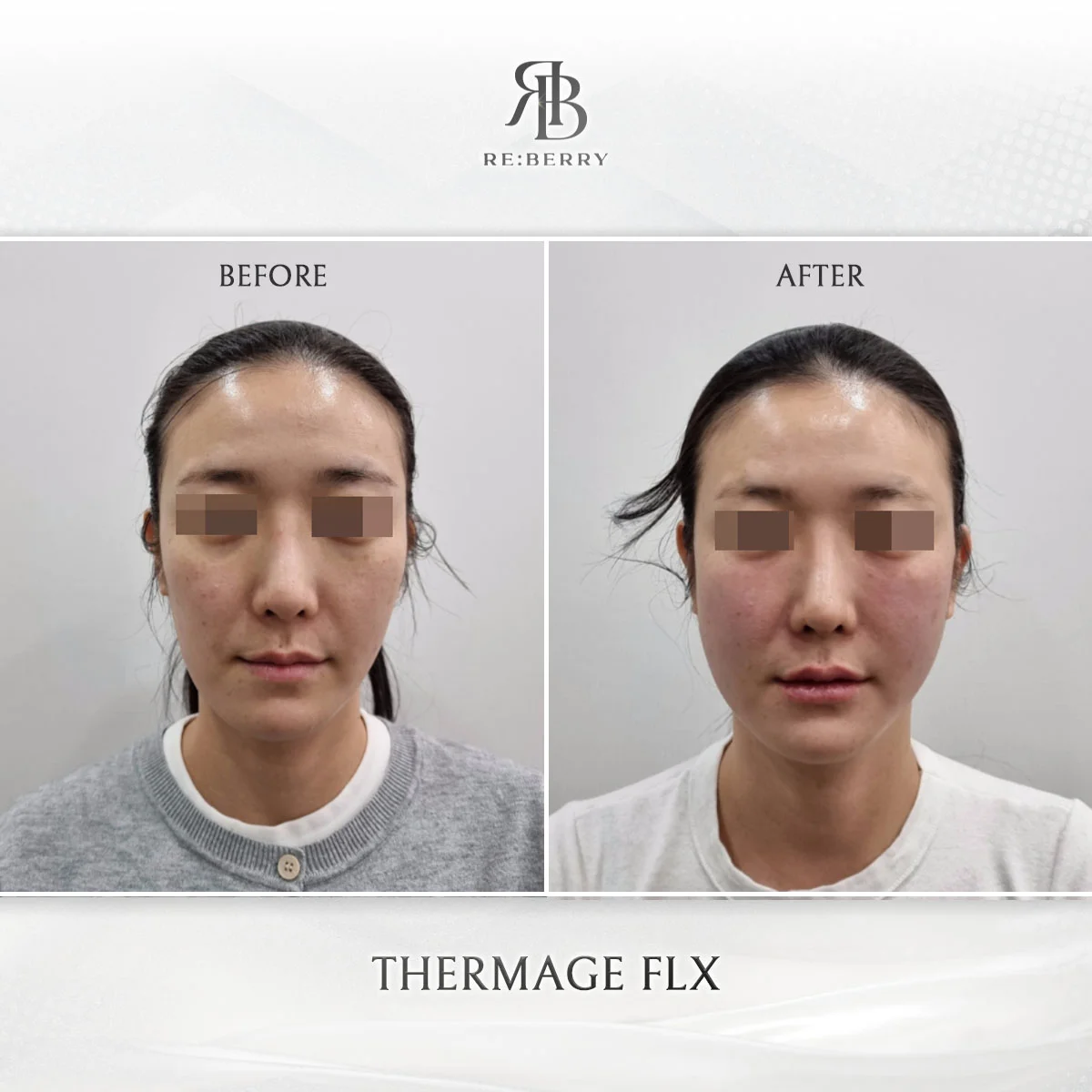
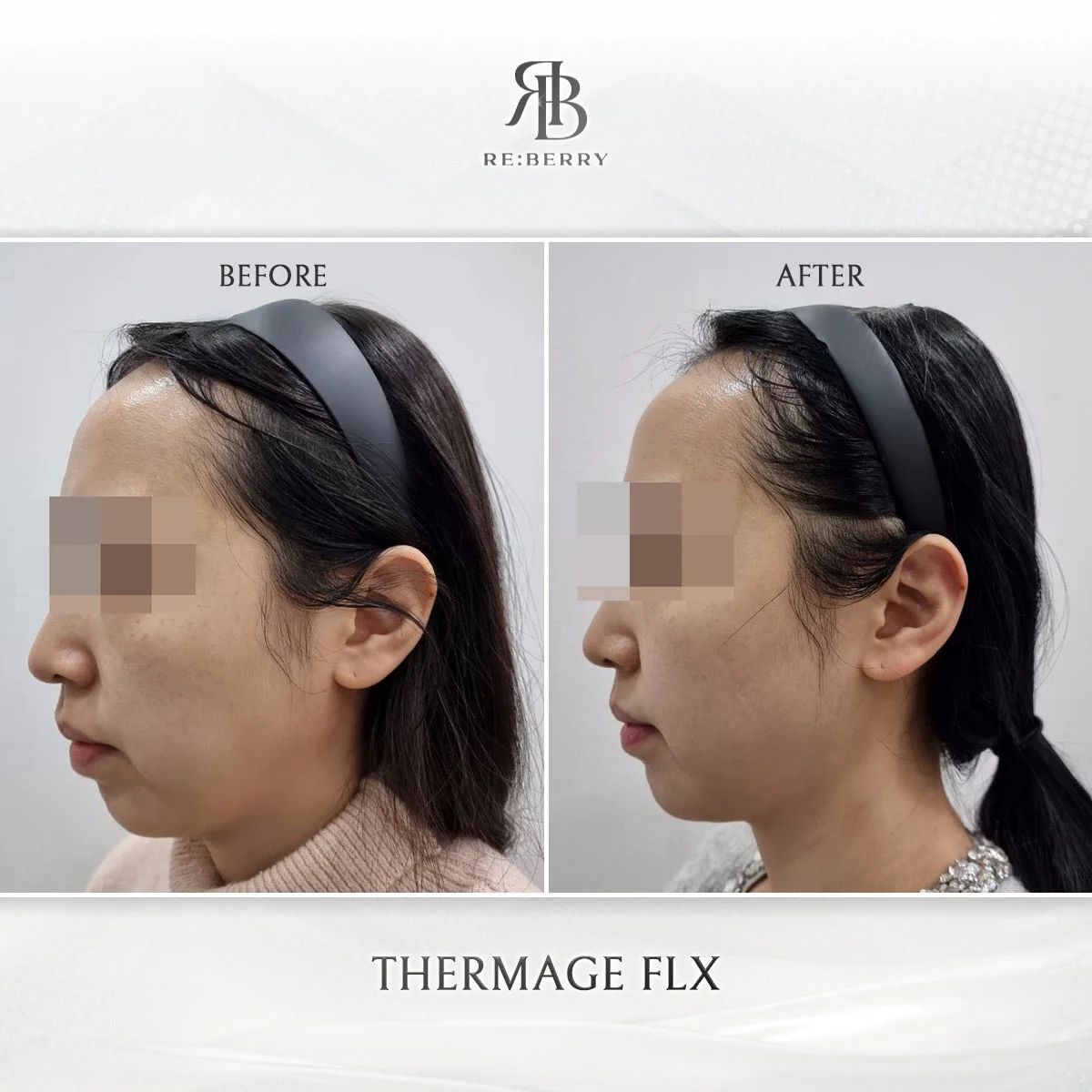
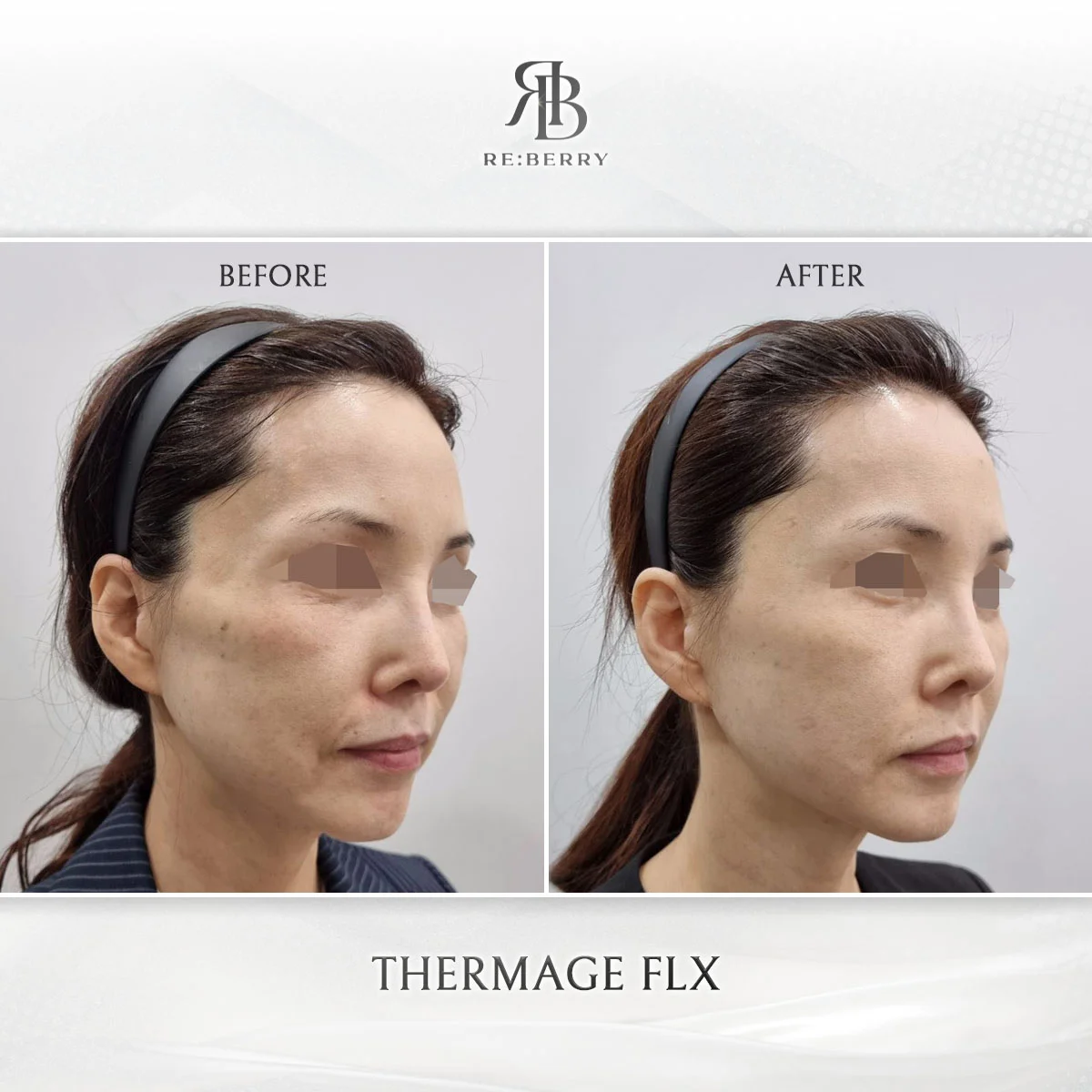
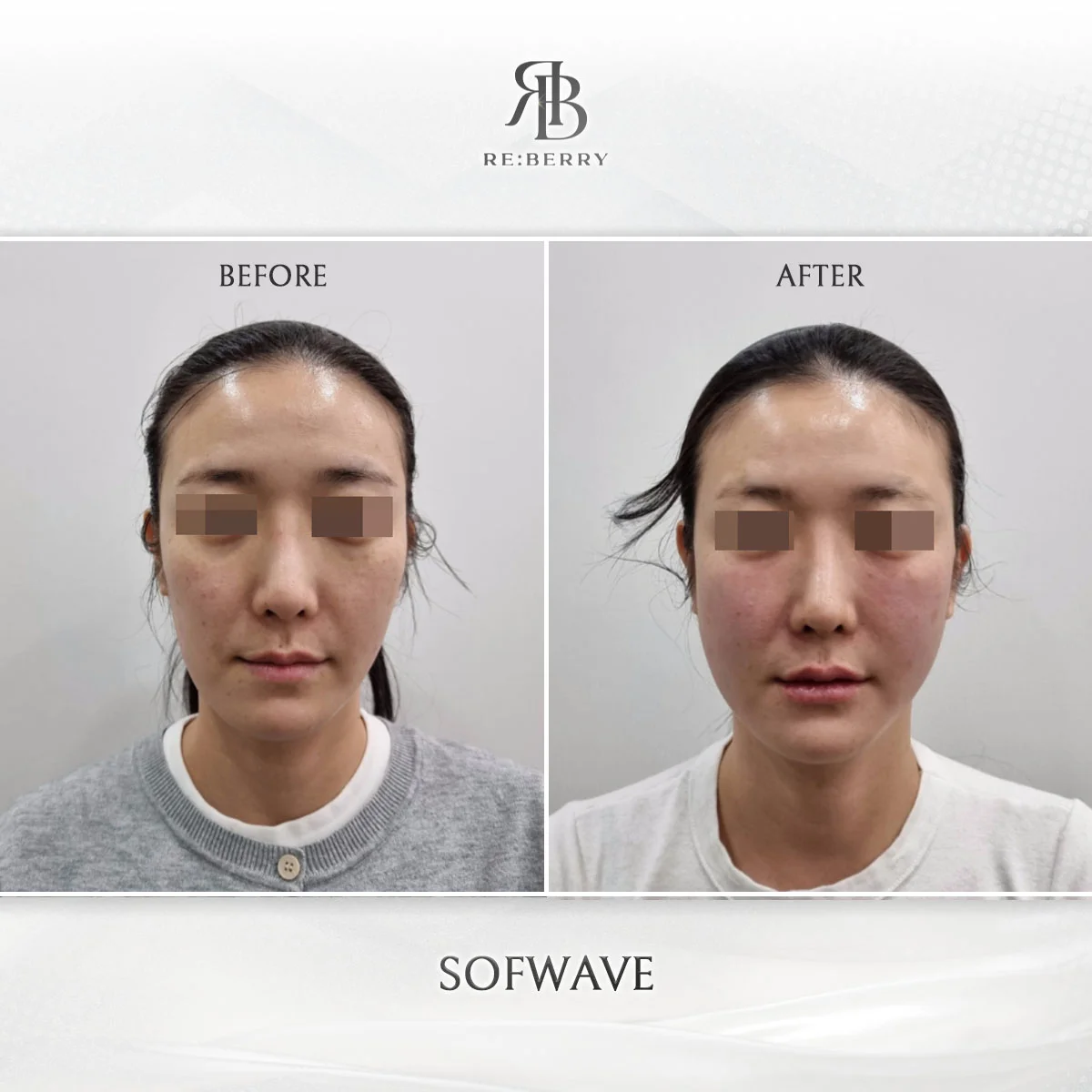
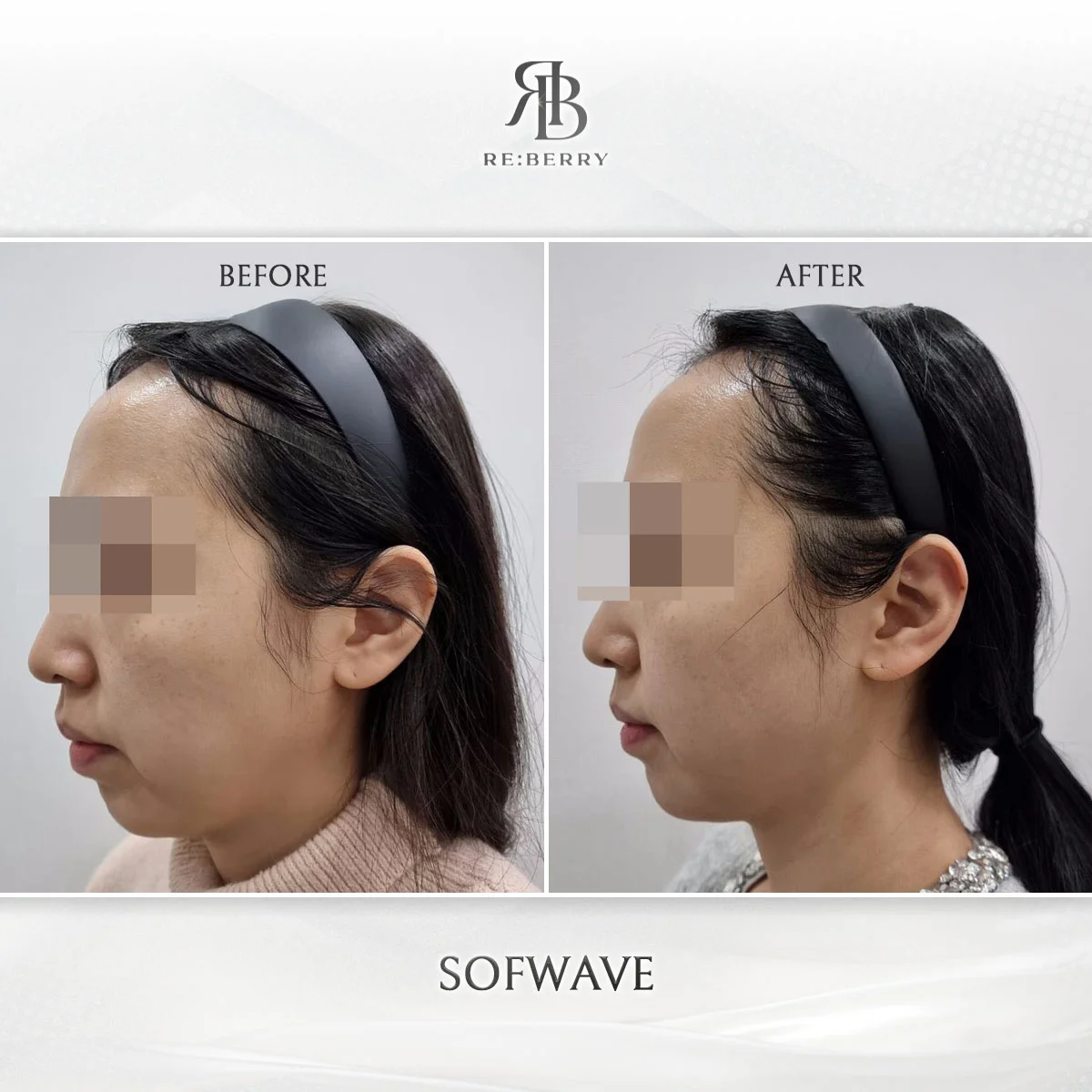
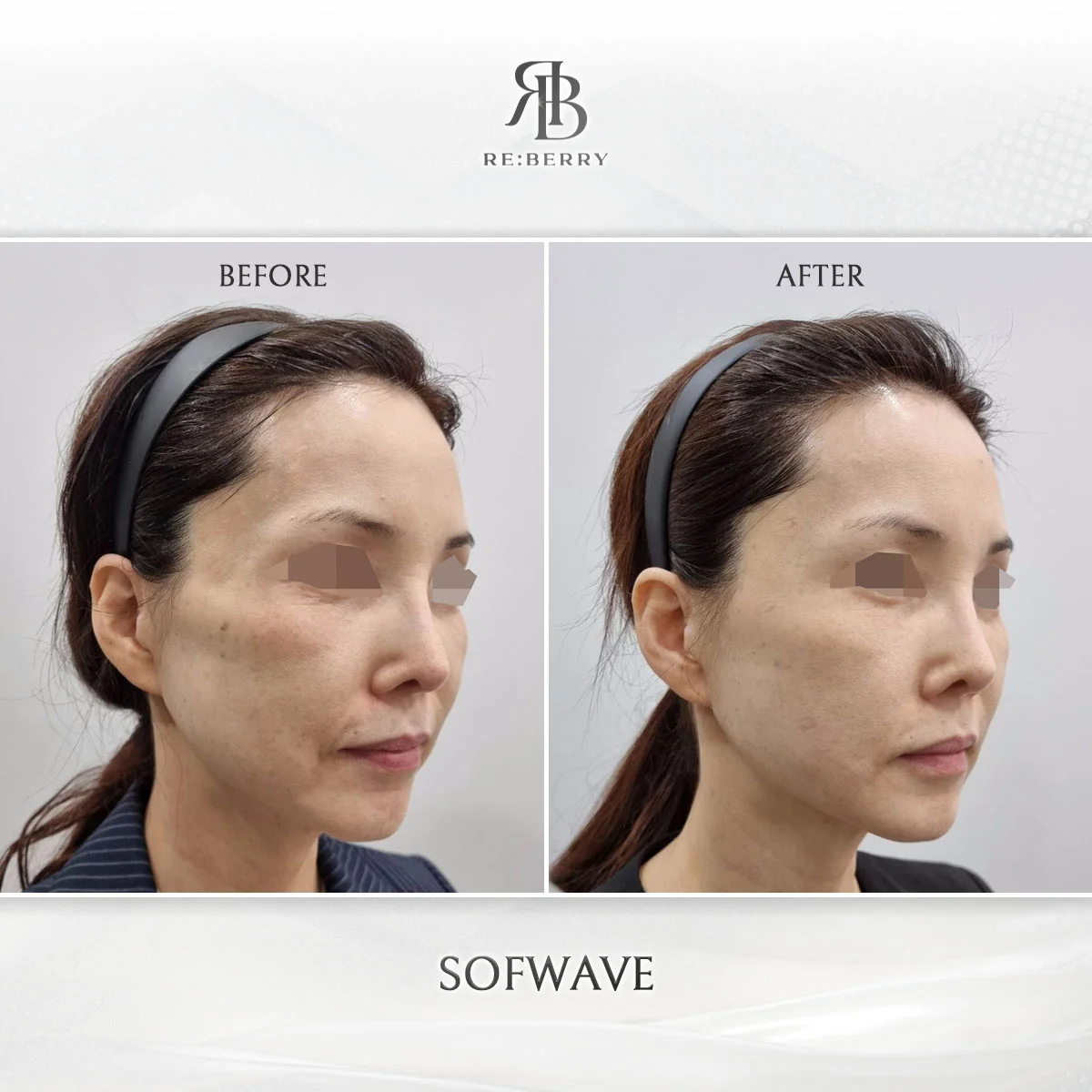
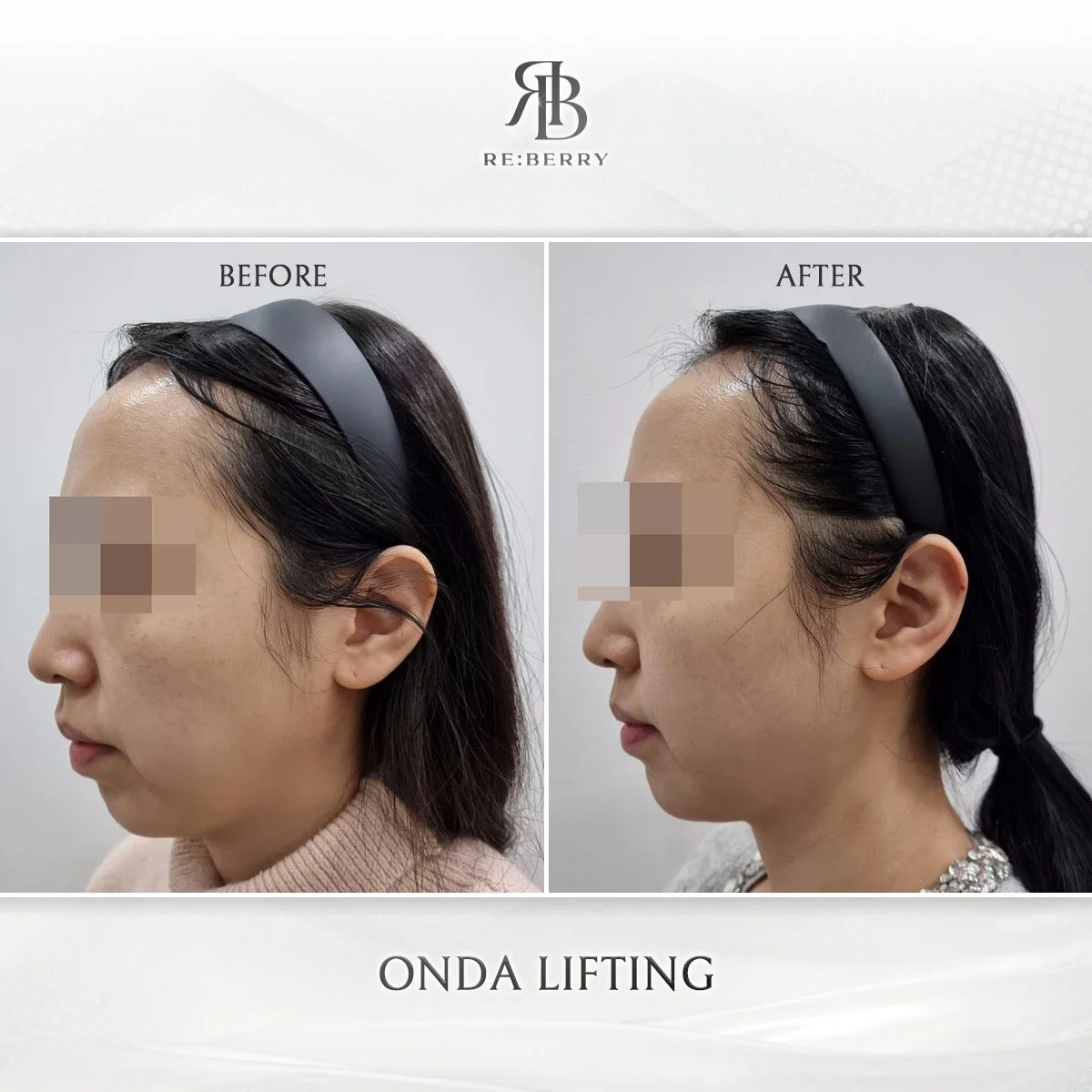
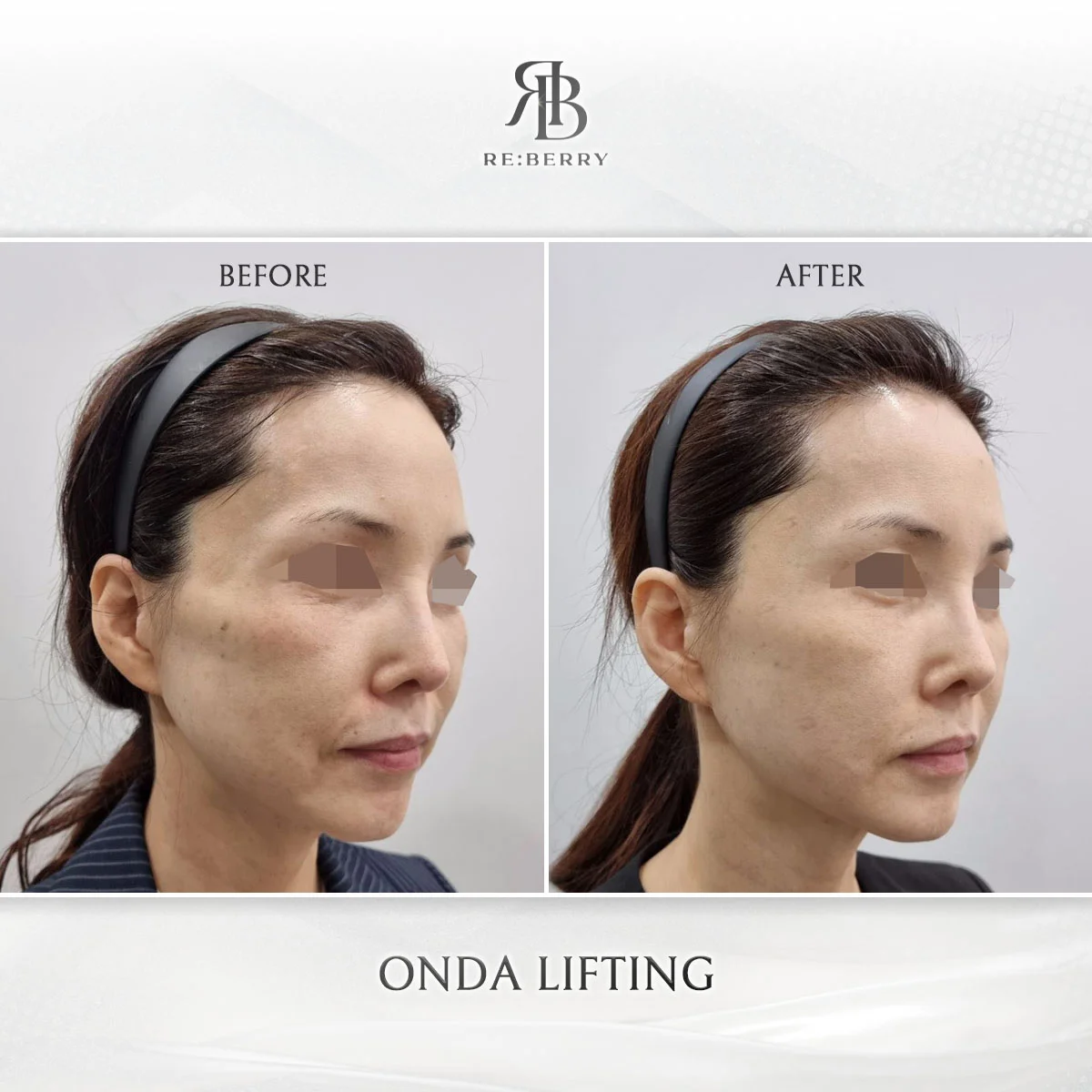
The clinic’s doctors assess your skin, confirm downtime for your treatment, and map the schedule around your travel dates in English.
Most low-downtime sessions take about 20 to 40 minutes, so a first visit fits easily into a 2 to 3 day central Seoul stay.
Programmes often run as a course, so the plan is spread across sessions and, where needed, across separate trips to Seoul.
Improvements typically build over weeks as sessions accumulate, and your doctor reviews progress to adjust timing and spacing.
Daily sun protection and a suitable routine help sustain results, with maintenance sessions planned around future visits.



For most low-downtime treatments, 2 to 3 days covers a consultation, the session, and a short review. Treatments with visible recovery, like fractional resurfacing, suit a 5 to 7 day stay booked early. You can plan your treatment on our skin care page before setting dates.
Laser toning is a low-downtime treatment, so most people are presentable within hours to about a day, with only mild transient redness. That makes it well suited to a short 2 to 3 day trip. Your doctor confirms the exact recovery for your skin at consultation before scheduling around your travel.
Fractional resurfacing typically causes about 3 to 7 days of redness or fine peeling, depending on the laser and settings. That is why it is booked early in a 5 to 7 day stay rather than the day before you fly. Review the approach on our laser treatment page.
For most low-downtime treatments, flying within a day is generally fine, though cabin air is drying, so moisturise and protect treated skin. After deeper resurfacing, it is better to let visible redness settle first. Your doctor advises on fly-home timing based on the specific treatment you have.
Many skin programmes run as a course of 3 to 6 sessions spaced 2 to 4 weeks apart, so a full course rarely fits one short trip. Most international patients complete 1 or 2 sessions in Seoul and continue on later visits, planning a supportive skin care routine in between.
Low-downtime options like laser toning, skin boosters, and hydrating facials fit a 2 to 3 day stay because recovery is measured in hours to a day. These deliver a refresh without visible peeling. Your doctor helps choose one suited to your skin and your available days at consultation.
Pick a clinic that gives an honest downtime estimate before booking, runs a real doctor consultation, and offers English support and follow-up. Be wary of a plan that ignores your travel dates. Our Myeongdong location schedules skin care around your trip rather than pressing everything into one visit.
Schedule anything with visible recovery in the first 1 to 2 days so redness or peeling can settle before you fly. Low-downtime sessions can sit anywhere in the trip. Your doctor sequences treatments around your itinerary so you are not travelling home mid-recovery.
Skin boosters are generally low-downtime, with brief redness or tiny injection marks that usually settle within a day or so. They suit short trips well, though most work best as a short course over weeks. You can read more on our Rejuran Healer page to plan spacing.
Most repeat sessions sit 2 to 4 weeks apart to let the skin respond and recover between treatments. That spacing is why courses usually cross multiple trips rather than a single stay. Your doctor sets the exact interval for your treatment and reviews it as your skin progresses.
Often yes, when the treatments are compatible and sequenced sensibly, since combination plans can be efficient and studies report high satisfaction with minimal downtime. Your doctor decides the safe order and spacing, sometimes adding a hydrating hydrafacial to support recovery between stronger sessions.
Yes. Our Myeongdong (Seoul) location at 5, Myeongdong 10-gil, Jung-gu is about 5 minutes from Myeongdong Station, in the central shopping and hotel core. That central position saves commuting time on a tight schedule, so more of your limited days go to your trip rather than travel.
A single day can cover a consultation and one low-downtime treatment if scheduled in advance, though it leaves little buffer for recovery or a review. For anything with visible downtime or a course, a slightly longer stay is safer. Confirm feasibility with the clinic before you travel.
International patients can complete a course across visits, with remote check-ins in English between trips so the plan stays on track. Your treatment notes are kept on file for continuity, and you can continue supportive skin care at home until your next session.
It can, because skin type influences which devices and settings are used, and deeper tones may need more conservative laser settings that alter recovery. Your doctor accounts for this at consultation, so the day count and downtime estimate are matched to your skin rather than a one-size-fits-all figure.
It is better to confirm the treatment at an in-person consultation, since the right choice depends on your skin, goals, and travel dates. You can share your concerns in advance so the team pre-plans options, then finalise the schedule on arrival to fit your available days comfortably.
| Low-Downtime Session | Resurfacing / Fractional Laser | Multi-Session Course | |
|---|---|---|---|
| Examples | Laser toning, skin boosters, hydrating facials | Fractional or ablative resurfacing lasers | Pigment, skin-quality, or firming programmes |
| Typical downtime | Hours to about 1 day | About 3 to 7 days of redness or fine peeling | Varies by the modalities in the plan |
| Days in Seoul | About 2 to 3 days for one visit | About 5 to 7 days, procedure booked early | Split across return visits, weeks apart |
| Best scheduling | Any point in a short trip | First 1 to 2 days of the stay | Start in Seoul, continue on later trips |
| Fly-home timing | Usually next day is comfortable | Allow visible recovery before flying | Depends on the last session's downtime |
| Follow-up | Often none needed short term | A review before departure is helpful | Remote check-ins in English between trips |
Real verified reviews from our Google Business Profile, across all Reberry Clinic locations.
PULLED LIVE FROM GOOGLE · GANGNAM · MYEONGDONG · INCHEON AIRPORT
Your treatment is planned and performed by experienced, MFDS-registered doctors across our Seoul-area clinics, with multilingual support for international patients.
Flagship clinic · KOL for leading lifting & regenerative devices · Featured in Authority Magazine (2026)

Multilingual tourist care beside Myeongdong Cathedral

Fast, effective care 20 minutes from the terminals
Message us on WhatsApp for a free consultation in English and we will schedule your treatment around your travel dates.