
Gangnam
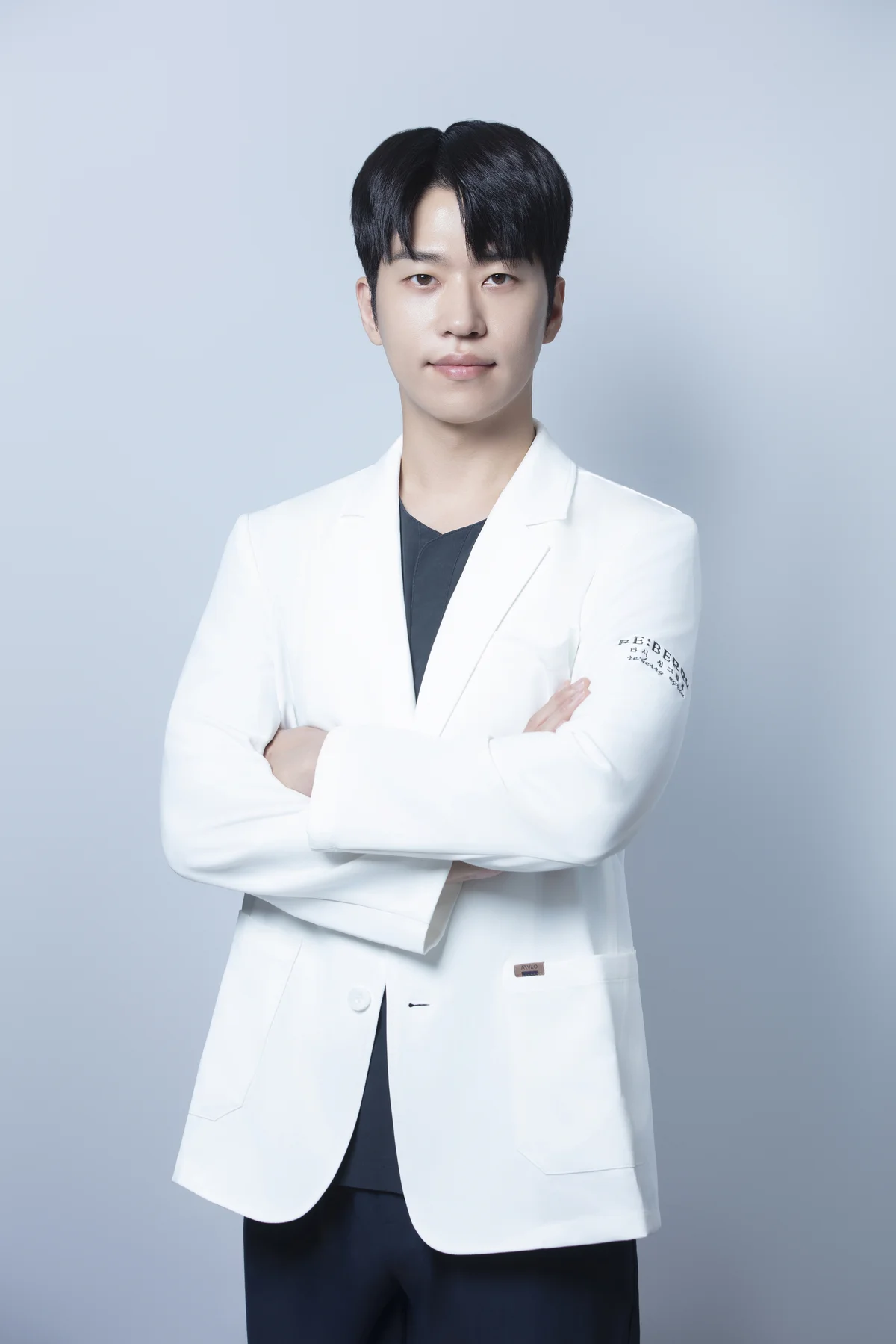
Dr. Yoongon Ryu
Aesthetic Medicine Specialist
Flagship clinic · KOL for leading lifting & regenerative devices

Keloids are recurrence-prone, so the right clinic combines 2 or more modalities (laser plus intralesional steroid) and follows you for at least 12 months.
To choose a keloid treatment clinic in Seoul, look for a doctor-led clinic that combines modalities such as pulsed-dye or fractional laser with intralesional steroid, explains recurrence honestly, and schedules follow-up over about 12 months. Reberry Clinic assesses each keloid at consultation across our Seoul locations, with English support throughout.
One-on-One guidance from a dedicated doctor, ensuring your skin is professionally monitored and treated from start to finish.
Fluent assistance in English, Japanese, and Chinese, making communication clear, respectful and comfortable for international patients.
Over 100,000 patients worldwide have received our personalized dermatological care, highlighting our expertise and reliable results.
A keloid is scar tissue that grows beyond the original wound because collagen overproduces during healing. Unlike a flat scar, keloids are stubborn and prone to coming back, so the clinic you choose matters as much as the device it owns. A good keloid clinic in Seoul does not rely on a single tool; it grades your keloid, then combines approaches such as laser with intralesional steroid injections to flatten, soften, and calm the scar over a planned course.
The second thing to look for is honesty about recurrence. Keloids can return even after successful flattening, so a trustworthy clinic frames treatment as ongoing management, schedules review visits, and monitors you for around 12 months rather than promising a one-visit fix. Ask how the clinic handles a keloid that recurs, and whether follow-up is built into the plan.
At Reberry Clinic, keloid care is consultation-led. The clinic’s doctors assess the scar’s size, location, age, and your skin type, then explain which combination fits you and why, in English. International patients are supported in Seoul at our Gangnam and Myeongdong locations, so treatment can be planned around travel.
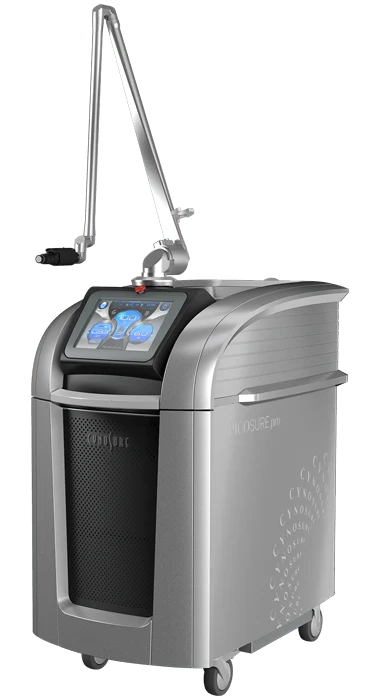
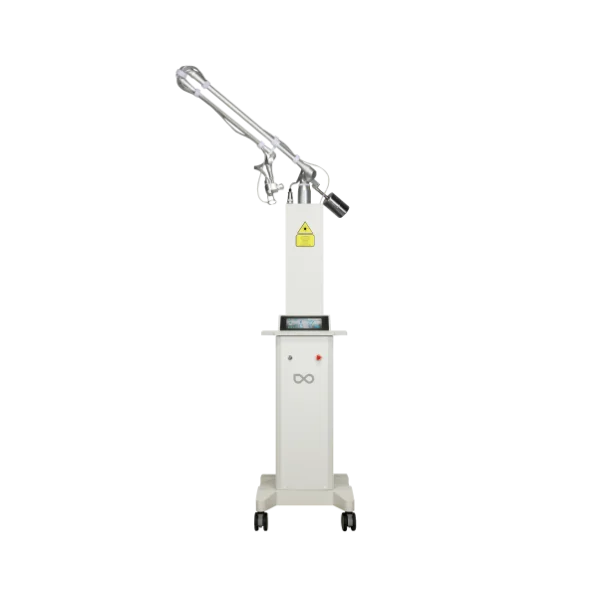
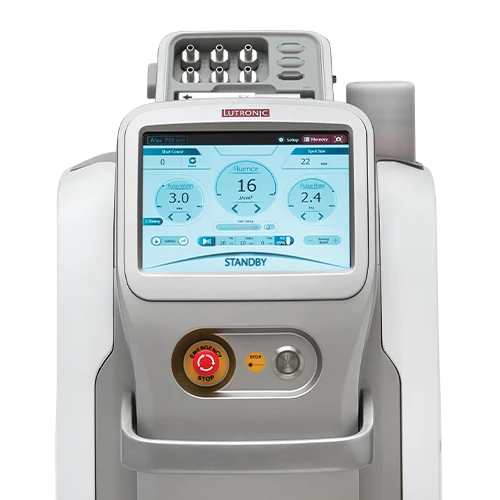
For keloids, the modality that carries the most evidence is a combination rather than a stand-alone device. Vascular and resurfacing lasers such as the pulsed-dye laser and fractional CO2 laser reduce redness, soften raised tissue, and can improve how well an injected steroid penetrates, while intralesional corticosteroid injections calm the overactive collagen that drives the keloid. A capable Seoul clinic layers these: laser passes to remodel the scar, steroid to suppress regrowth, and sometimes cryotherapy or pressure care as support. Because keloids behave differently by size, age, and body site, the clinic should tailor the sequence and number of sessions rather than apply one protocol to everyone. It should also adjust laser settings for your skin type, since deeper tones carry a higher risk of post-inflammatory pigment change and need more conservative energy. When you compare clinics, favour one that can explain this combined logic clearly and shows it understands keloids as a recurrence-prone condition, not a quick cosmetic touch-up.
One Reberry Clinic, multiple Seoul-area locations. Pricing & current promotions are listed on each branch's own site — tap a clinic to view pricing & book.
Our flagship in the heart of Gangnam.
In Seoul's shopping & tourism heart.
A beauty stop between flights.
The newest Reberry Clinic — in Seoul's trend district.
ONE REBERRY CLINIC · MFDS-REGISTERED DEVICES · MULTILINGUAL CARE AT EVERY LOCATION
A good clinic grades your keloid across 4 factors (size, age, location, skin type) before proposing anything, not from a photo alone.
Confirm the clinic combines at least 2 approaches, such as laser plus intralesional steroid, since combination therapy outperforms single-agent treatment for keloids.
Ask how laser energy is adjusted for your skin tone, because post-inflammatory pigmentation appears in roughly 1 in 4 Asian-skin laser cases if settings are not managed.
A reliable clinic states that keloids can recur and schedules review over about 12 months, rather than claiming a single-session cure.
Expect a qualitative, consultation-based cost across a series of 3 to 5 or more sessions, plus English support and clear aftercare.
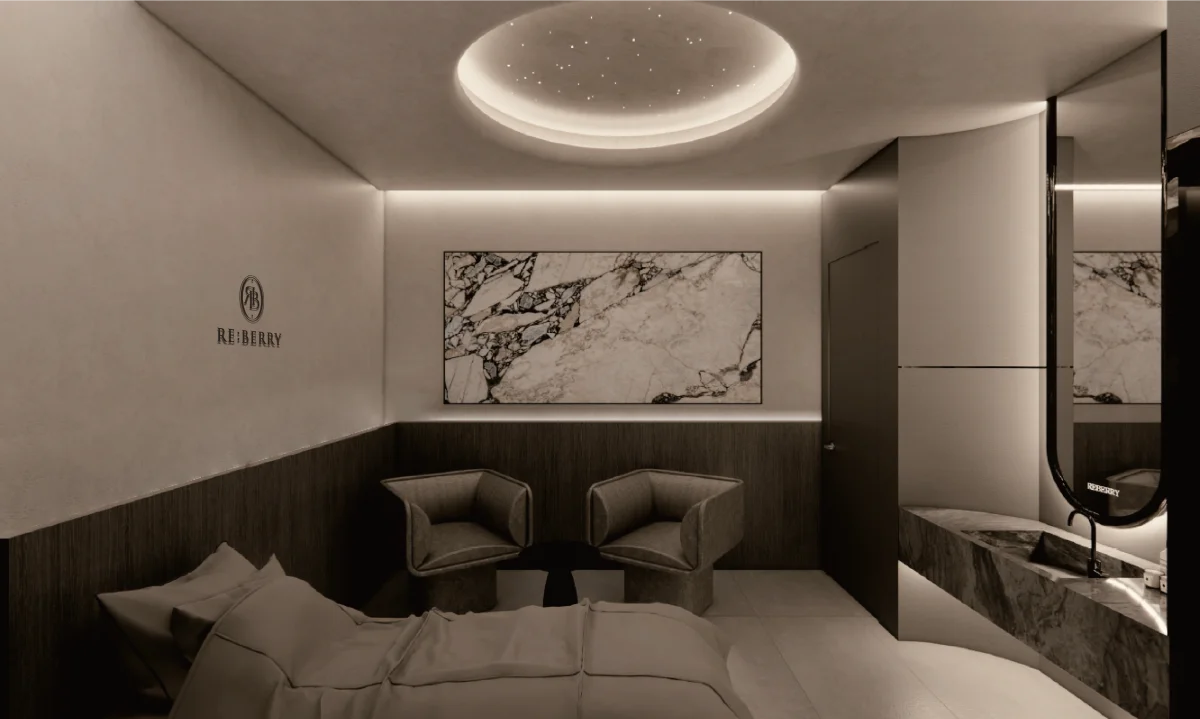
See representative outcomes from Reberry Clinic. Results build gradually and vary by individual; your plan is assessed at consultation.
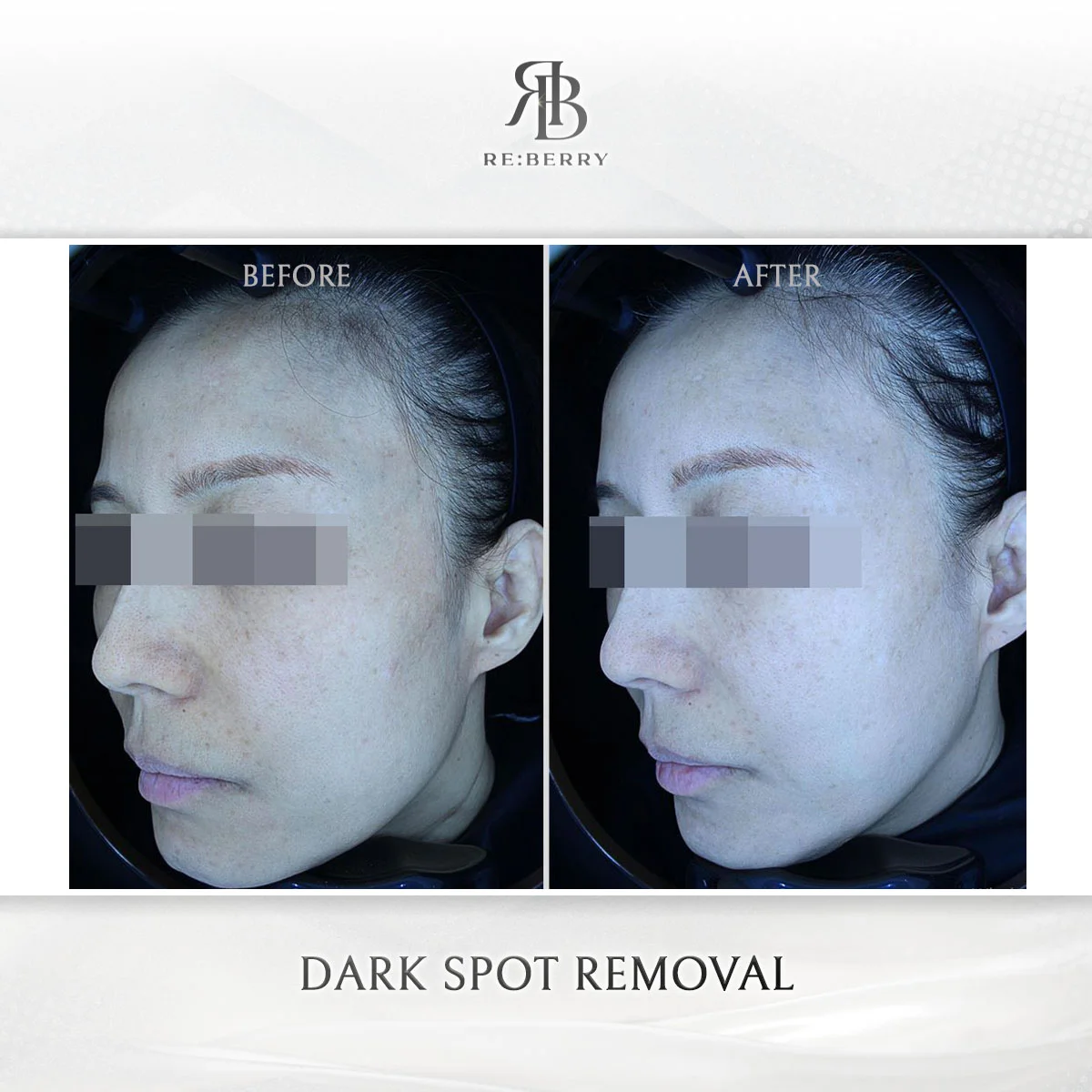
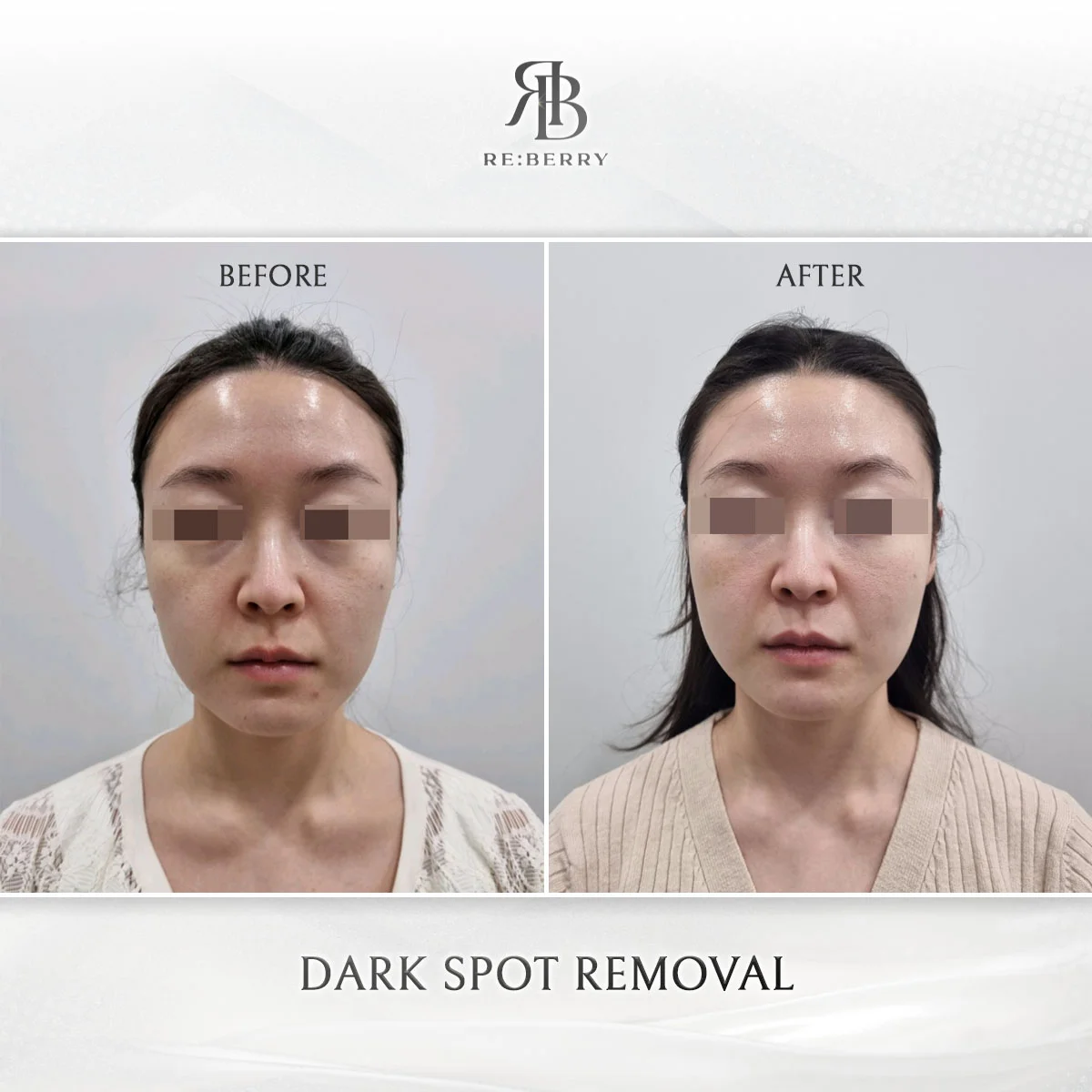
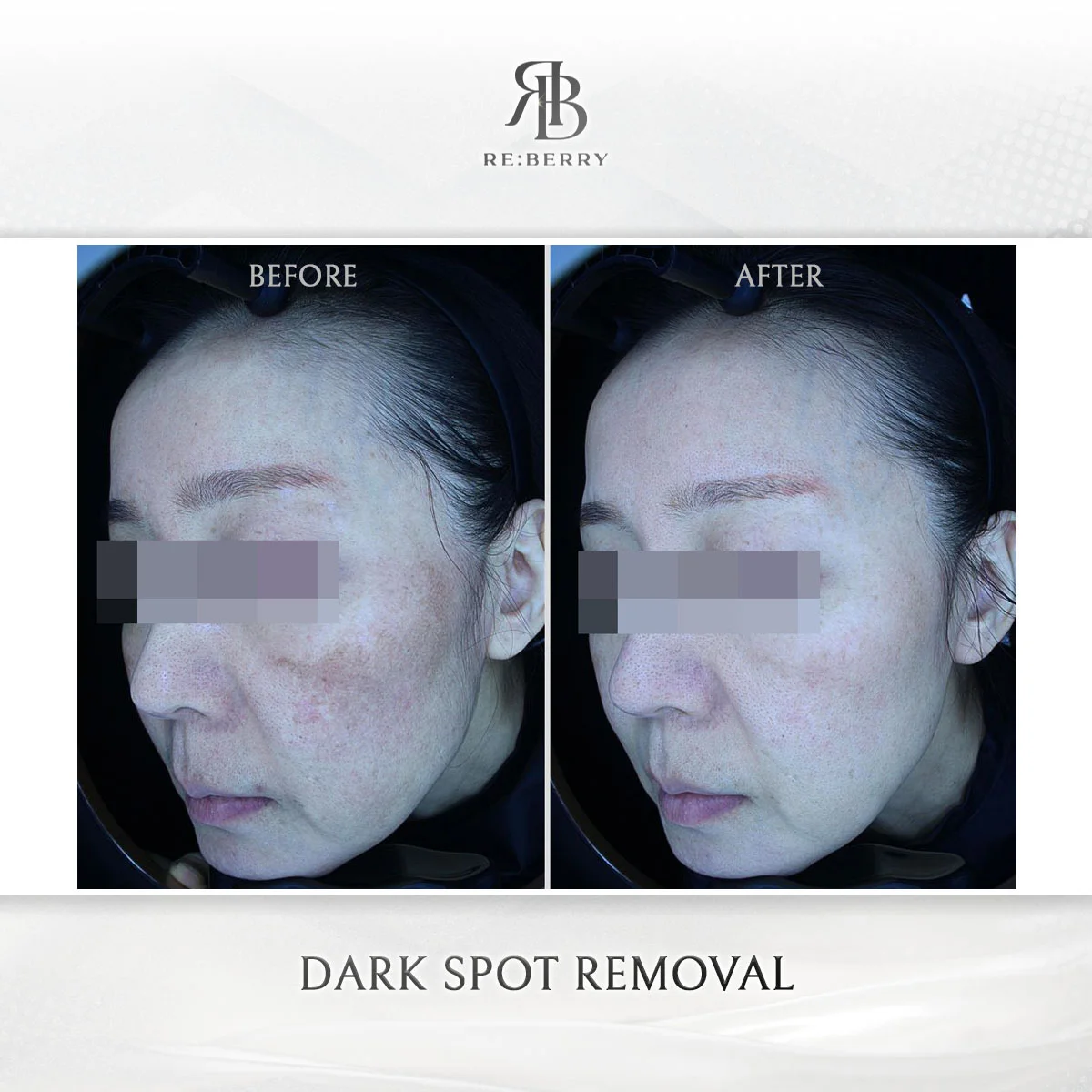
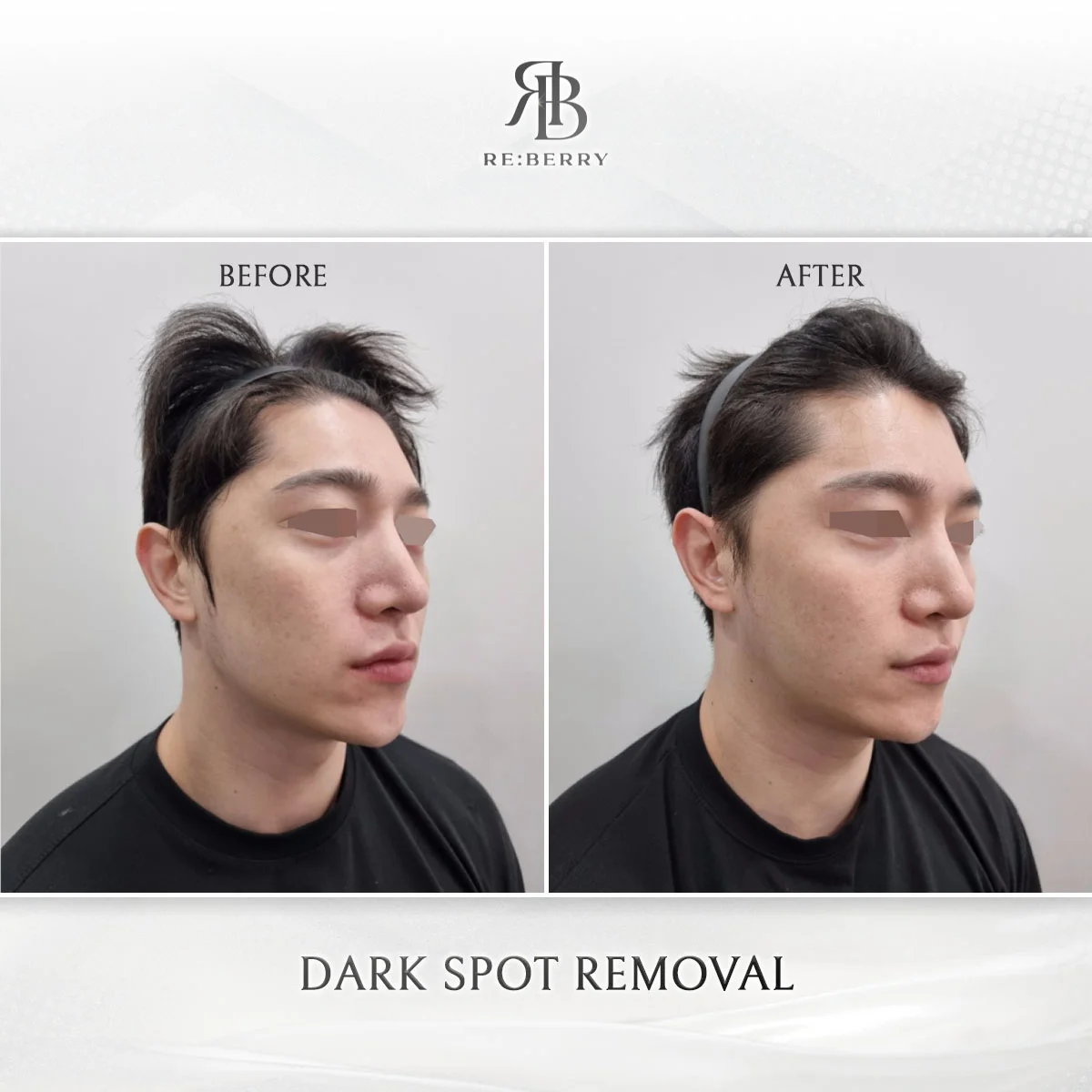
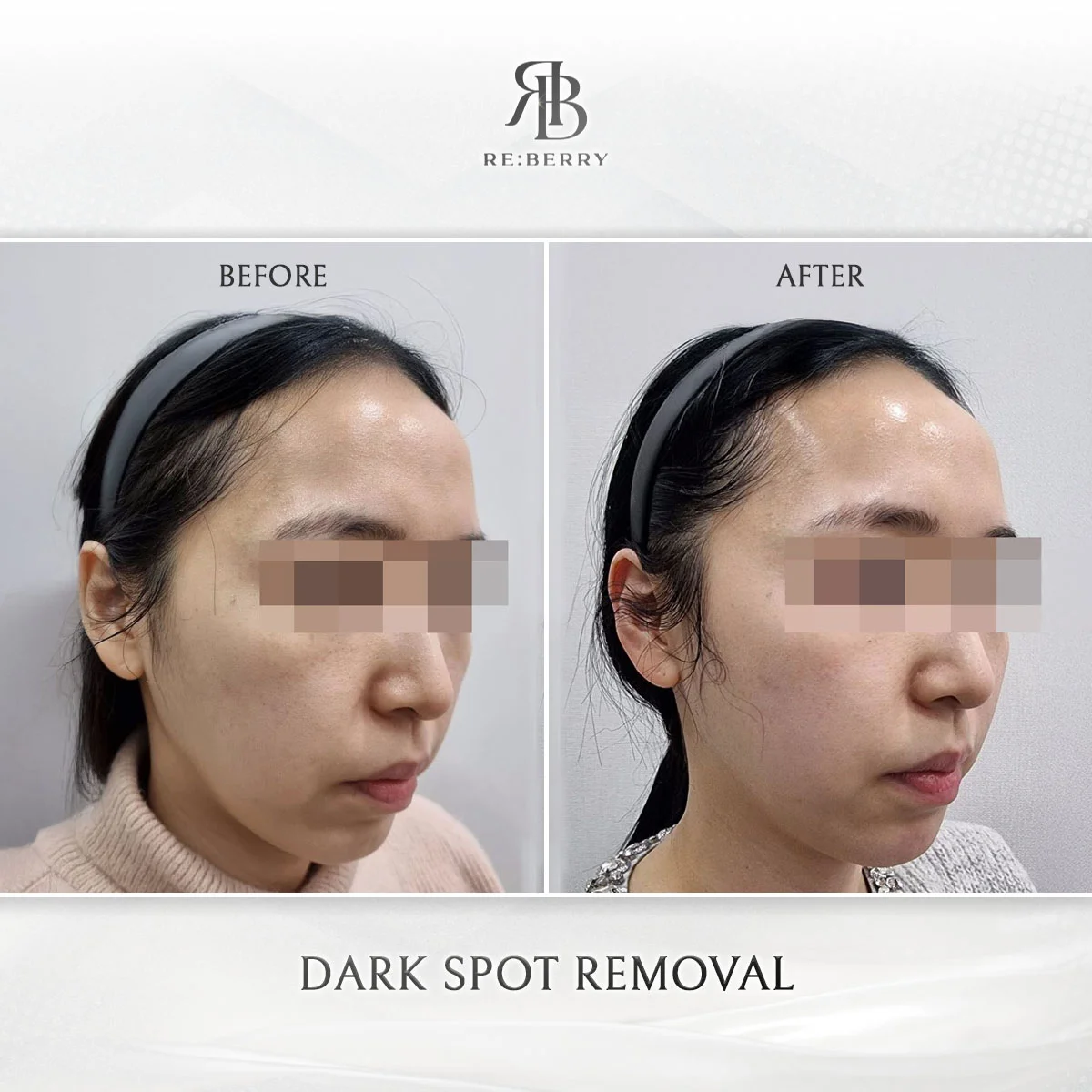
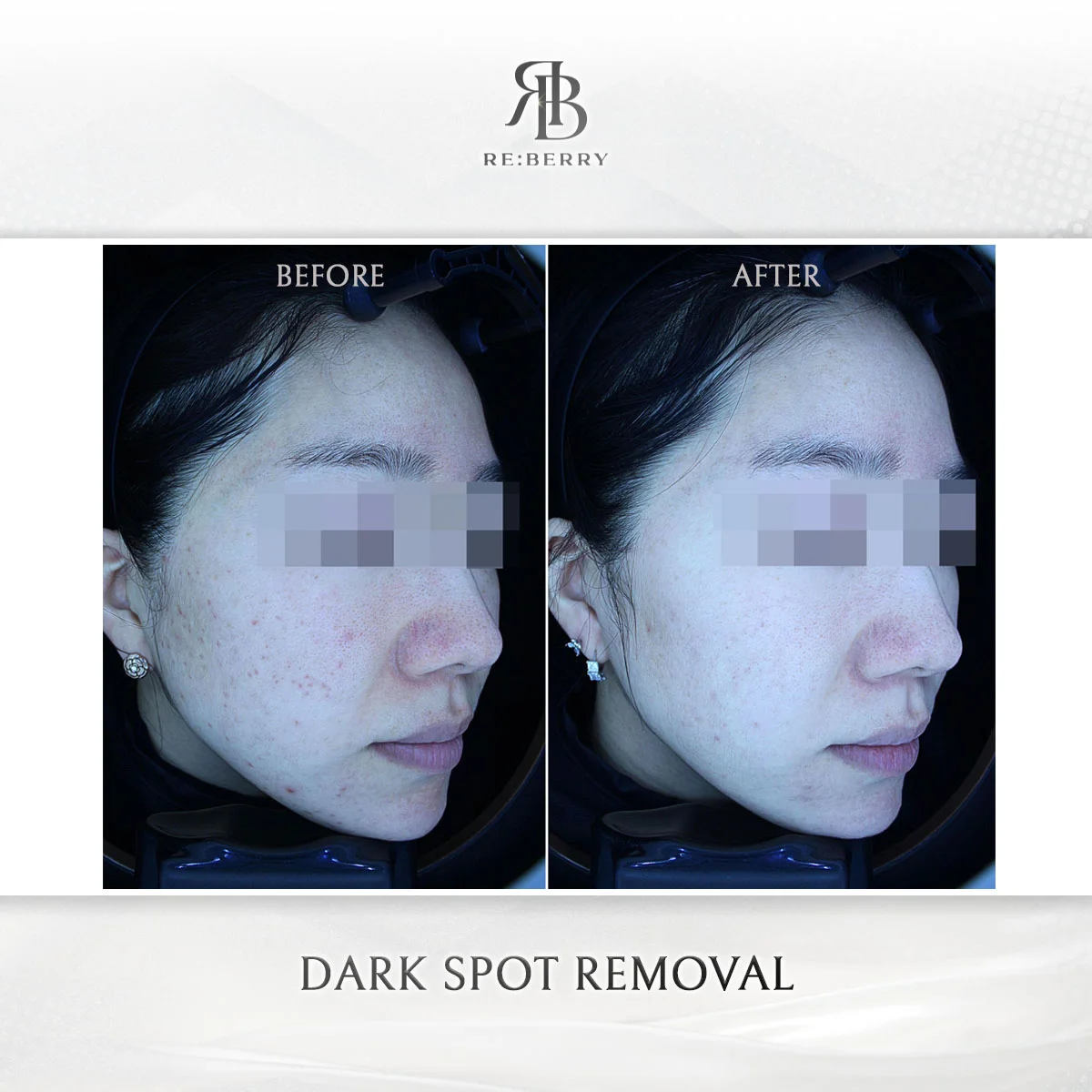
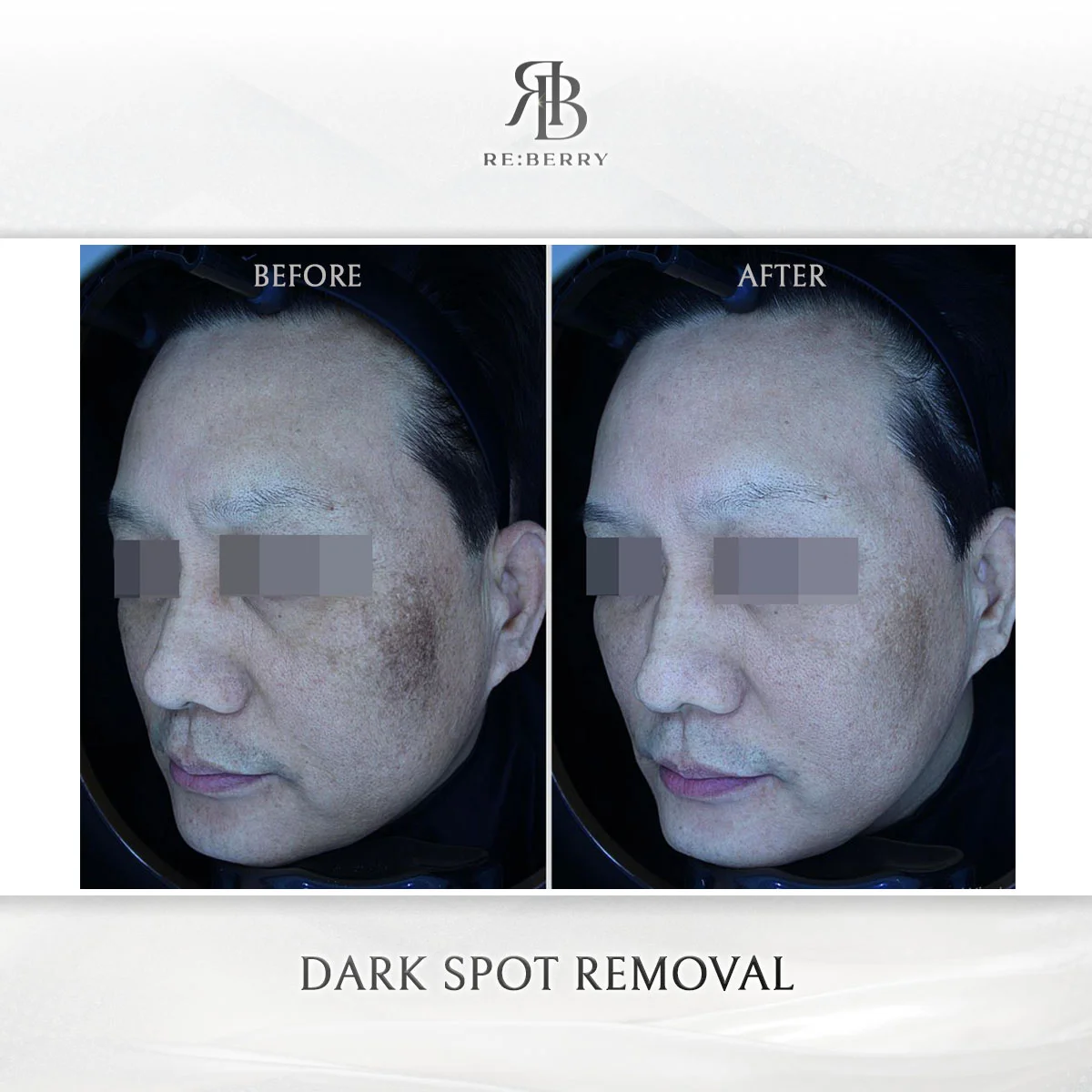
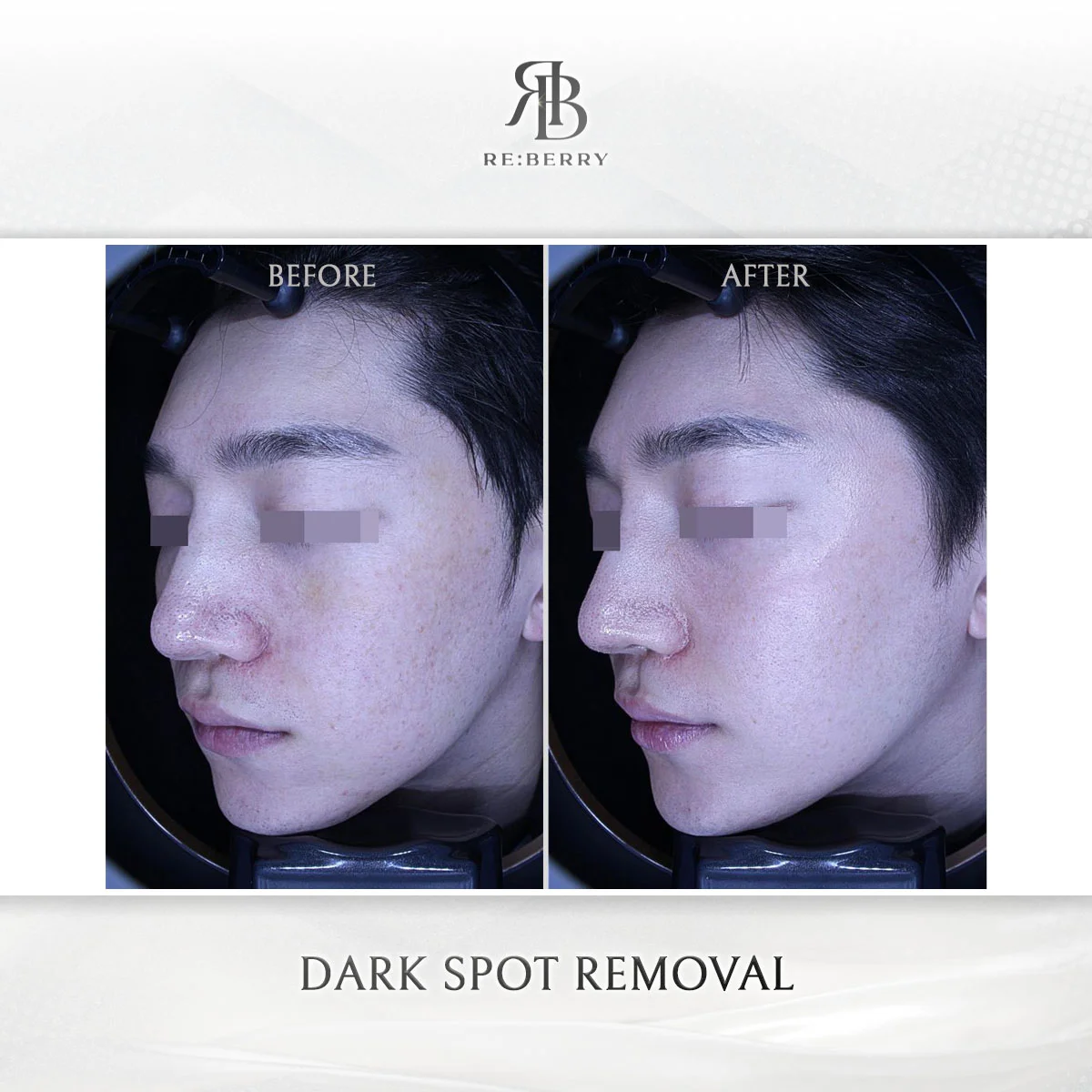
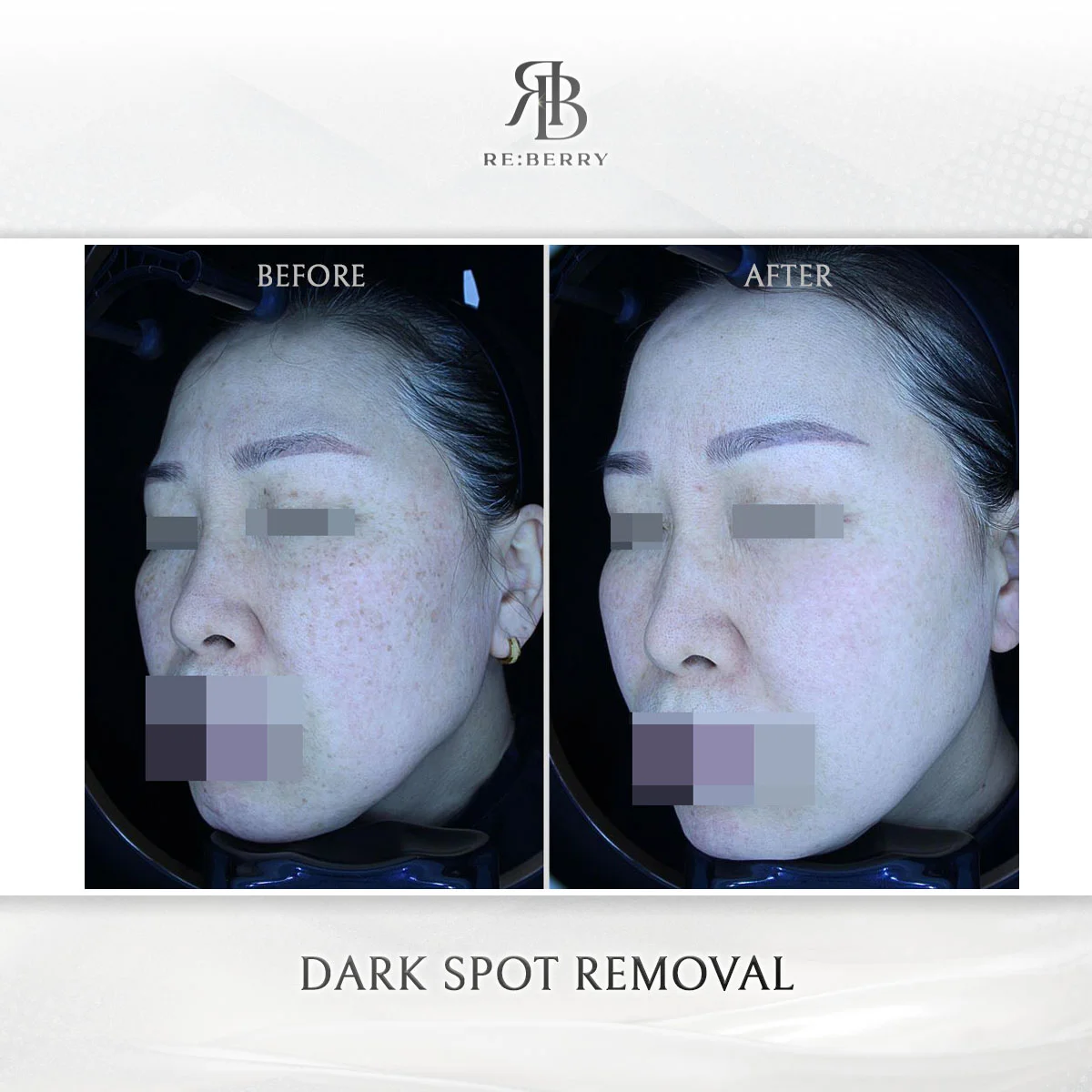
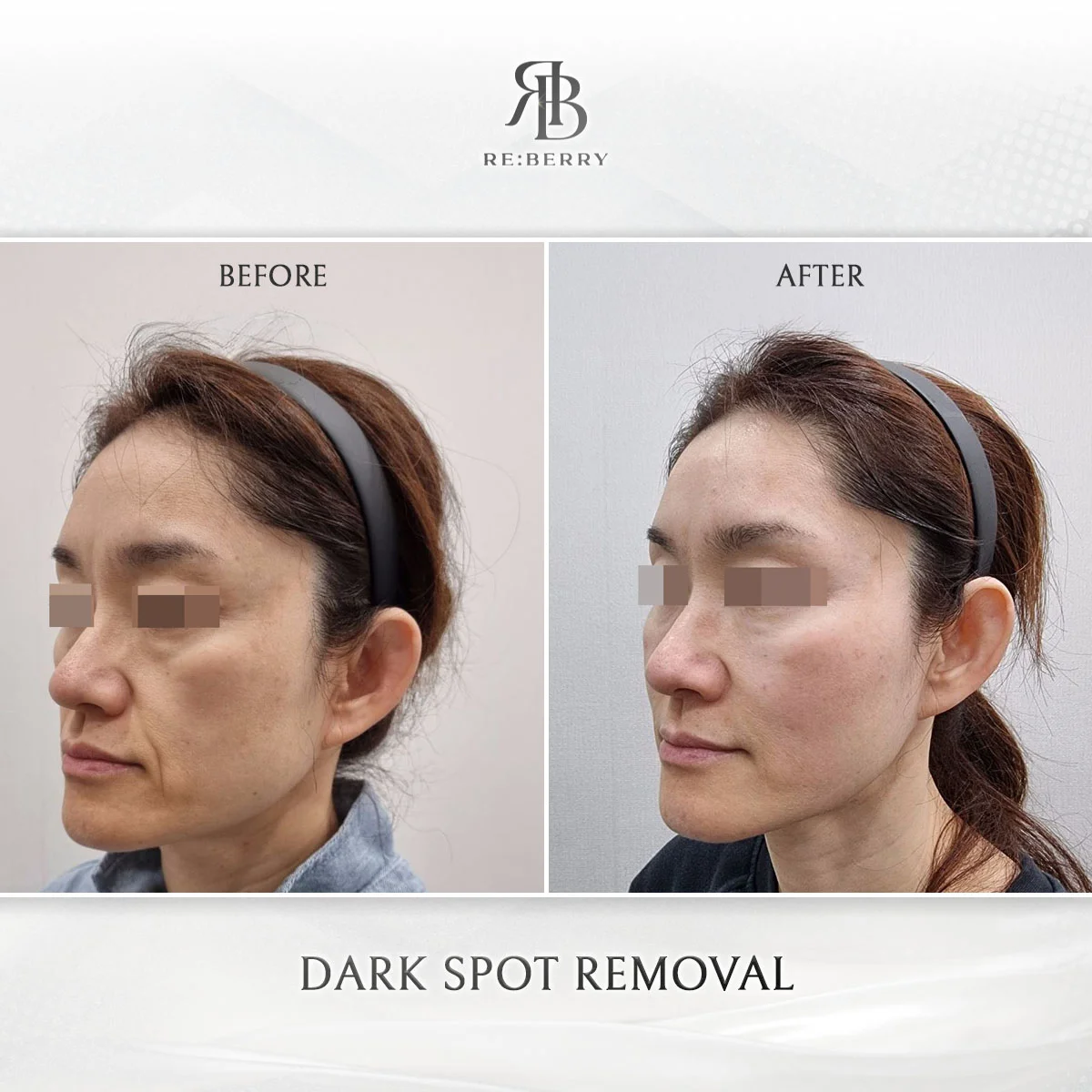
The clinic’s doctors grade your keloid by size, age, location, and skin type, then explain which combination of laser and steroid suits you, in English.
Once a plan is agreed, a session usually takes about 20 to 40 minutes depending on the modalities involved, with numbing applied first.
Keloid care runs as a course, typically 3 to 5 or more sessions spaced weeks apart, so cost is mapped across the series rather than one visit.
Keloids soften and flatten gradually over the course, and your doctor reviews progress to adjust the plan between sessions.
Because keloids can recur, follow-up over roughly 12 months plus sun protection and gentle scar care help sustain results.
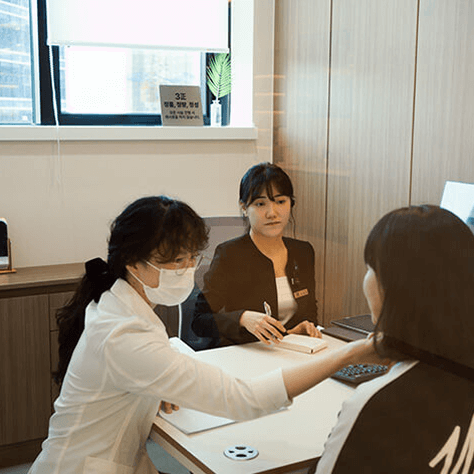
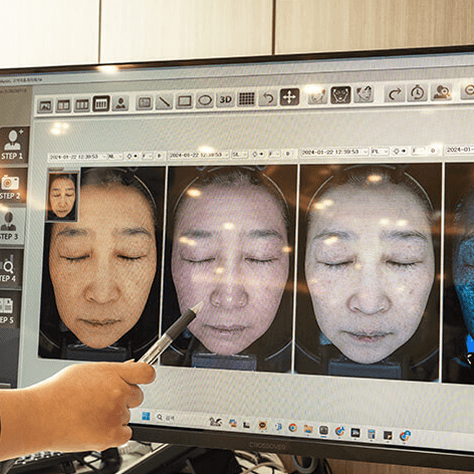
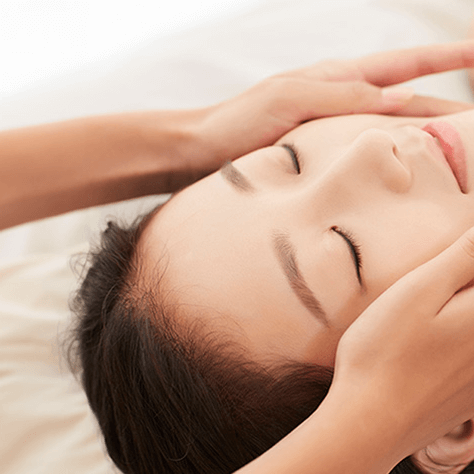
Look for a doctor-led clinic that grades your keloid, combines modalities such as laser and intralesional steroid, and follows you for about 12 months for recurrence. Honesty about keloids returning is a key sign of a good clinic. You can start on our laser treatment page.
Combination therapy works best for keloids, typically vascular or fractional laser paired with intralesional steroid injections. Studies show layered approaches outperform a single agent, softening the scar while suppressing regrowth. No single device is enough on its own, which is why the clinic’s assessment and plan matter more than any one machine.
Keloids are recurrence-prone, so they are managed and controlled rather than fully fixed in one visit. A good plan flattens and calms the scar, then follows you for around 12 months to catch any regrowth early. Choose a clinic that explains this honestly rather than one promising a single-session cure.
Most keloid plans run as a series of 3 to 5 or more sessions spaced weeks apart, depending on the scar’s size, age, and response. Your doctor reviews progress between visits and adjusts the plan. Because it is a course, cost is mapped across the series, which the clinic explains at consultation.
Discomfort is managed with numbing before laser and injection, and most patients tolerate keloid sessions well. Laser feels like brief warm snaps and steroid injection a short pressure. Your doctor tailors comfort measures to the scar site. You can read more on our laser treatment page.
Downtime is usually mild, with temporary redness or slight swelling for a few days depending on the laser used. Fractional resurfacing may leave the area pink briefly, while vascular laser is gentler. Your doctor gives skin-type-specific aftercare, and sun protection is essential to avoid pigment changes during recovery.
Keloids soften and flatten gradually across the treatment course rather than after one session, with visible change often building over several weeks. Redness typically settles first, then height reduces. Your doctor reviews progress at each visit so the plan stays matched to how your keloid responds.
Yes, deeper skin tones carry a higher risk of post-inflammatory pigmentation, which appears in roughly 24% of Asian-skin fractional-laser cases if settings are not managed. A good clinic uses conservative energy for your tone and can address any residual marks through dark spot removal if needed.
Yes, keloid plans often layer laser, intralesional steroid, and sometimes cryotherapy or pressure support for firmer scars. The clinic sequences these so the skin is not over-stressed. You can explore related resurfacing options on our laser treatment page before your consultation.
Keloid treatment is widely performed and generally considered safe when a trained doctor matches modalities and laser settings to your skin type and scar. A consultation reduces risks like temporary pigment change or irritation. Choosing a clinic that assesses before treating is the safest approach for keloid-prone skin.
Ask how the keloid is graded, which modalities are combined, how laser settings suit your skin tone, and how recurrence and follow-up are handled over 12 months. Also ask about qualitative cost and English support. Clear answers to these signal a doctor-led, recurrence-aware clinic worth choosing.
Most adults with raised, red, or symptomatic keloids, especially those unresponsive to a single modality, are suitable for a structured combined plan. A consultation grades your keloid and confirms which approach fits your skin and scar. Some conditions affecting wound healing may need review, which your doctor explains upfront.
Keloid cost depends on scar size, how many modalities are combined, and the number of sessions, so there is no single fixed price. Because plans are individualised across a series, the clinic’s doctors confirm your cost at consultation. Expect it to scale with scar severity and follow-up needs.
Daily sun protection, gentle skincare, and avoiding friction or picking on the scar are essential and help prevent recurrence. Some patients use silicone gel or pressure support between visits. A skin care routine protects healing skin, and your doctor tailors aftercare to your keloid and skin type.
For a first session, 2 to 3 days is comfortable, allowing consultation, the procedure, and a short review. Because keloid plans run as a course, many international patients begin in Seoul and continue across return visits. Our English-speaking team helps coordinate timing and follow-up around your travel.
Yes, flying within a day or so is generally fine for most keloid laser and injection sessions. Keep the treated area clean, moisturised, and protected from sun while you travel. If fractional resurfacing was used, your doctor advises on aftercare and any temporary redness to expect.
International patients can complete a keloid course across one or more visits, and the clinic offers remote check-ins in English between trips so recurrence is monitored. You can continue supportive skin care at home. Your treatment notes are kept on file for continuity across the 12-month window.
| Intralesional Steroid Only | Laser Plus Intralesional Steroid | Laser With Cryotherapy Support | |
|---|---|---|---|
| Approach | Corticosteroid injected into the keloid | Vascular or fractional laser combined with steroid injection | Laser resurfacing supported by superficial cryotherapy and steroid |
| Best for | Small, early or thin keloids | Most raised, red, or recurrence-prone keloids | Firmer or more resistant keloids |
| Pain / comfort | Injection discomfort, managed | Numbing used; laser plus injection, well tolerated | Numbing used; cold sensation added |
| Sessions | Repeated every few weeks | A planned series spaced weeks apart | A planned series with added support steps |
| Recurrence control | Helpful but keloids may still return | Stronger control when modalities are layered | Aimed at firmer scars, still needs follow-up |
| Cost factors | Depends on sessions and steroid volume | Depends on modalities combined and sessions | Higher, since support steps add to the plan |
Real verified reviews from our Google Business Profile, across all Reberry Clinic locations.
PULLED LIVE FROM GOOGLE · GANGNAM · MYEONGDONG · INCHEON AIRPORT
Your treatment is planned and performed by experienced, MFDS-registered doctors across our Seoul-area clinics, with multilingual support for international patients.
Flagship clinic · KOL for leading lifting & regenerative devices
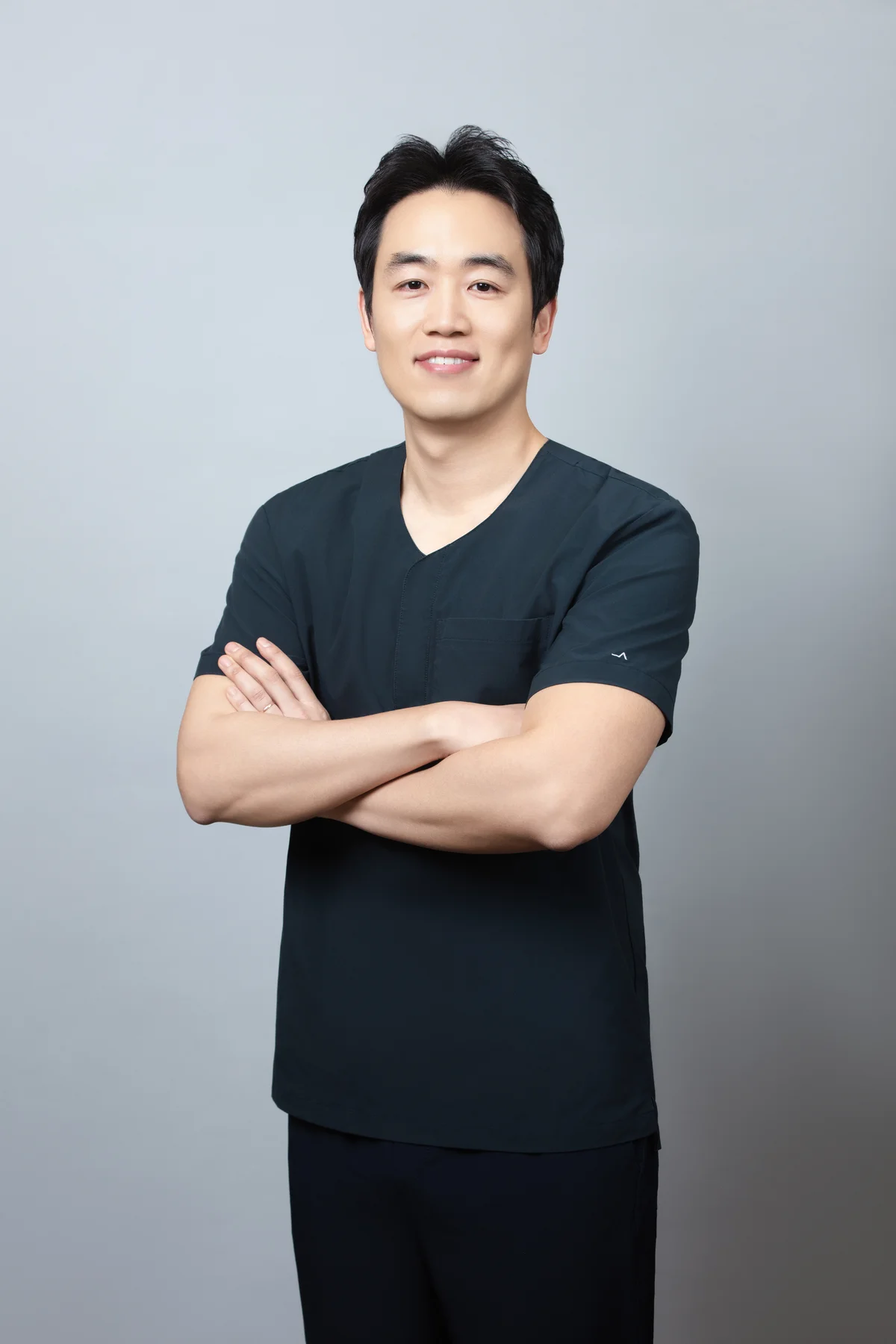
Multilingual tourist care beside Myeongdong Cathedral
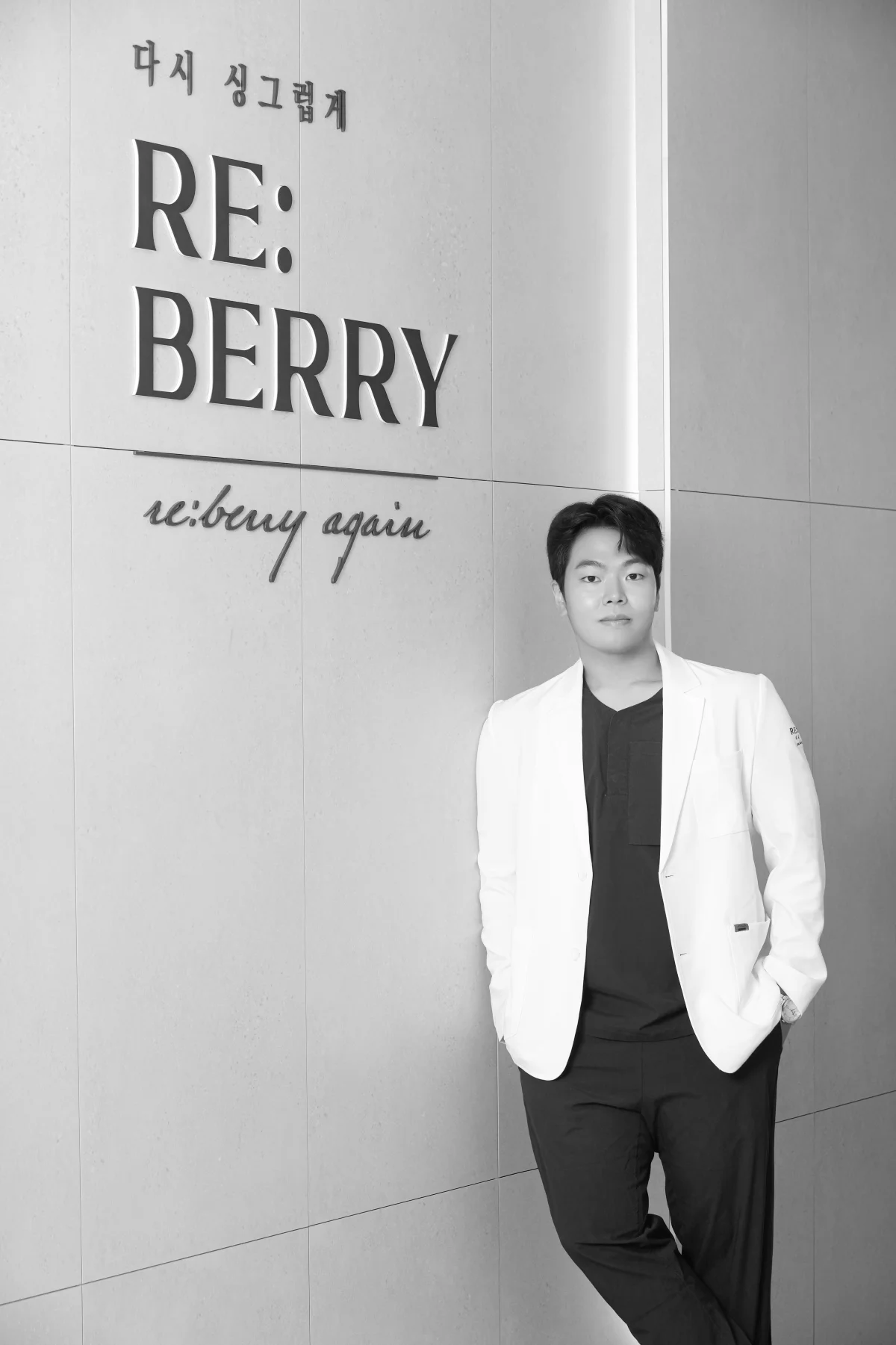
Fast, effective care 20 minutes from the terminals
Message us on WhatsApp for a free consultation in English about your keloid and a recurrence-aware, individualised treatment plan.