



Gangnam
Dr. Yoon-Gon Ryu
Aesthetic Medicine Specialist
Flagship clinic · KOL for leading lifting & regenerative devices · Featured in Authority Magazine (2026)


Korean medical skincare is not one product but a menu of 4 to 5 treatment families, so a good clinic matches boosters, toning, and facials to your skin rather than selling a single fix.
Korean skincare treatment is a medical menu, not a single procedure, spanning skin boosters, laser toning, hydrafacials, and barrier care to build clear, hydrated skin. A good clinic near Incheon Airport grades your skin first, then combines the right treatments over a series. At Reberry Clinic, the doctors tailor a K-beauty plan and explain it in English.
One-on-One guidance from a dedicated doctor, ensuring your skin is professionally monitored and treated from start to finish.
Fluent assistance in English, Japanese, and Chinese, making communication clear, respectful and comfortable for international patients.
Over 100,000 patients worldwide have received our personalized dermatological care, highlighting our expertise and reliable results.
Korean skincare treatment, often called K-beauty medical skincare, is a menu of in-clinic procedures that work together to improve skin quality: hydration, texture, pores, tone, and that luminous “glass skin” look. Rather than one hero treatment, it usually combines several families, such as injectable skin boosters, laser toning, hydradermabrasion facials, and barrier-supporting care, chosen to match your specific skin. The philosophy is to treat root causes like collagen loss, dehydration, and barrier damage, not just the surface, which is why plans are layered and run over a series of sessions.
Because the menu is broad, choosing a clinic is really about choosing how well it matches treatments to your skin. A clinic that grades your concern first, then explains which two or three treatments fit and why, is doing K-beauty medical skincare properly. One that sells a single “glass skin” package to everyone is not. For international patients, the added test is whether all of this is explained clearly in English before you commit.
At Reberry Clinic, medical skincare is consultation-led and tailored. Our Incheon Airport (Yeongjongdo) location, with Dr. Sunbeen Kim as Medical Director, supports transit and stopover patients, while our Gangnam and Myeongdong (Seoul) locations extend the same menu. Explore the full skin care menu and message us in English to build your plan.
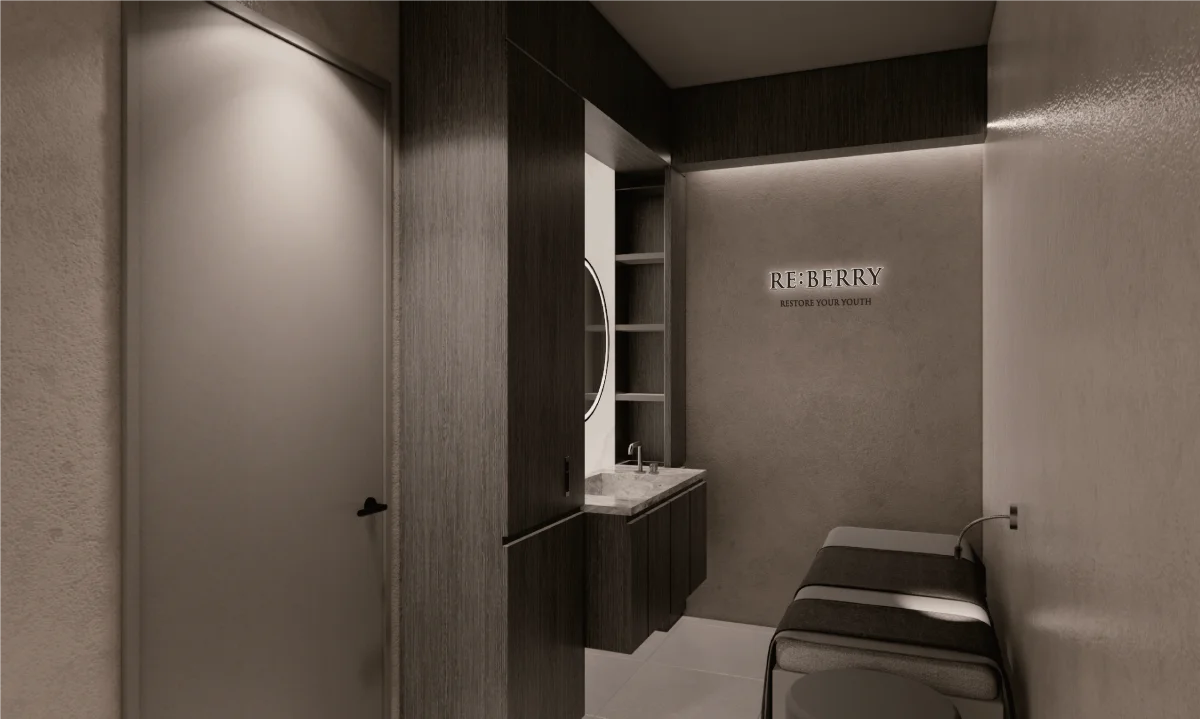
K-beauty medical skincare works because each family targets a different layer of the skin, and a good clinic sequences them rather than stacking them randomly. Injectable skin boosters, such as polynucleotide (PDRN) or hyaluronic-acid-based boosters, work in the dermis to improve hydration, elasticity, and fine texture, and Korean and Asian trials report measurable gains in these parameters over roughly three sessions. Laser toning addresses tone and dullness by breaking up scattered pigment and evening the complexion, which supports the translucent glass-skin look. Hydradermabrasion facials, in the HydraFacial and aqua-peel category, cleanse, exfoliate, and hydrate the surface with no heat or light, making them a gentle base layer or a same-day refresh. Barrier care, including gentle products and sun protection, protects everything between visits, since Korean dermatology treats a healthy barrier as the foundation of glow. Because these layers complement each other, a tailored combination is usually more efficient than repeating one treatment; the clinic’s doctors decide the mix, order, and spacing after grading your skin. This is why an honest consultation matters more than any single device name on a menu.
One Reberry Clinic, multiple Seoul-area locations. Pricing & current promotions are listed on each branch's own site — tap a clinic to view pricing & book.
Our flagship in the heart of Gangnam.
In Seoul's shopping & tourism heart.
A beauty stop between flights.
The newest Reberry Clinic — in Seoul's trend district.
ONE REBERRY CLINIC · MFDS-REGISTERED DEVICES · MULTILINGUAL CARE AT EVERY LOCATION

The clinic’s doctors assess your skin across 4 areas (hydration, texture, pores, tone), which sets the direction for the whole plan.
A plan typically combines 2 to 3 families, such as a booster, toning, and a facial, matched to your top 1 or 2 concerns.
Skin boosters and toning usually work best over about 3 sessions spaced 2 to 4 weeks apart, so results build rather than arriving at once.
A hydrafacial or aqua-peel can be added in 1 short visit for immediate glow, which suits patients with a tight airport schedule.
Daily sun protection and a gentle barrier routine hold gains between visits, since Korean skincare treats the barrier as the foundation of glow.
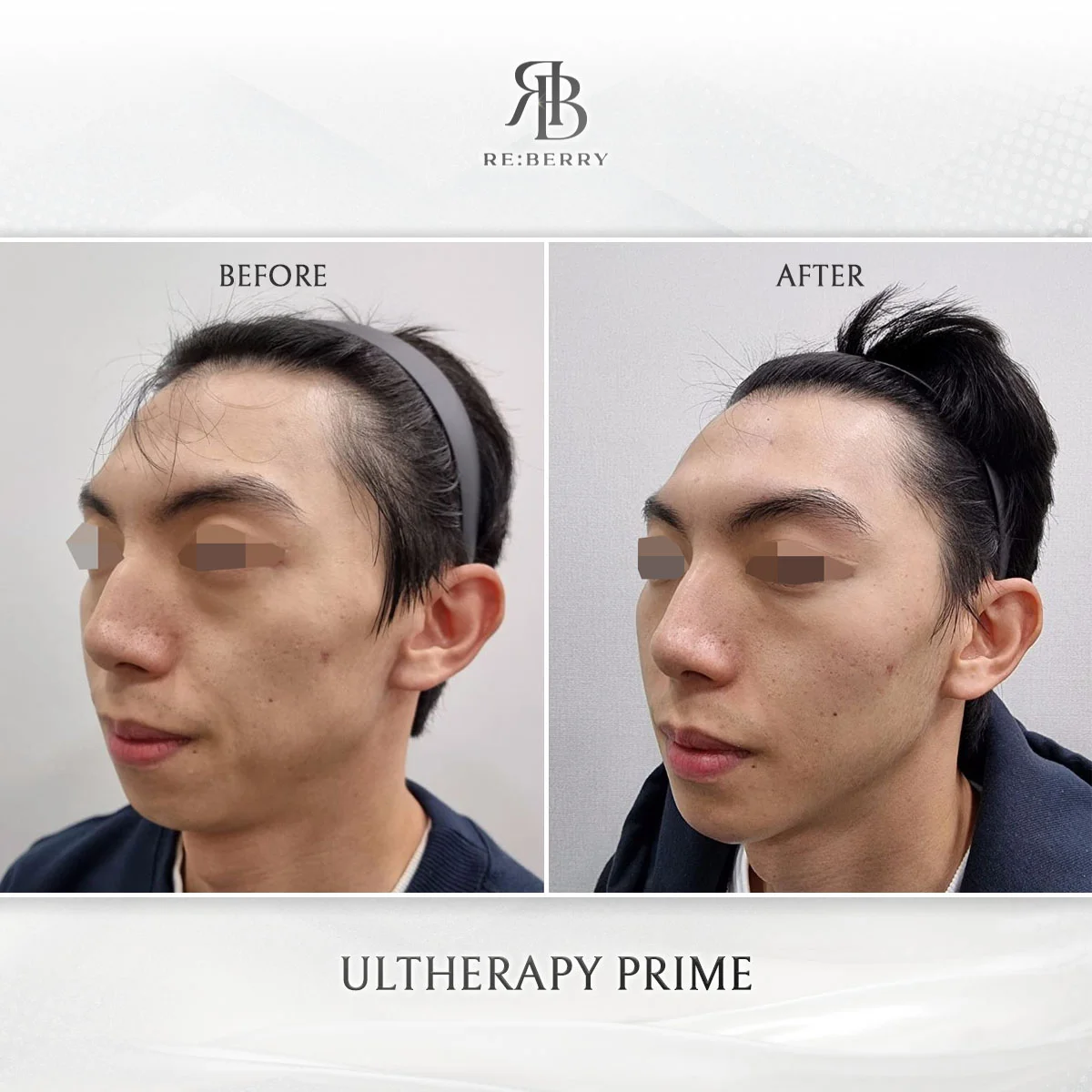
See representative outcomes from Reberry Clinic. Results build gradually and vary by individual; your plan is assessed at consultation.
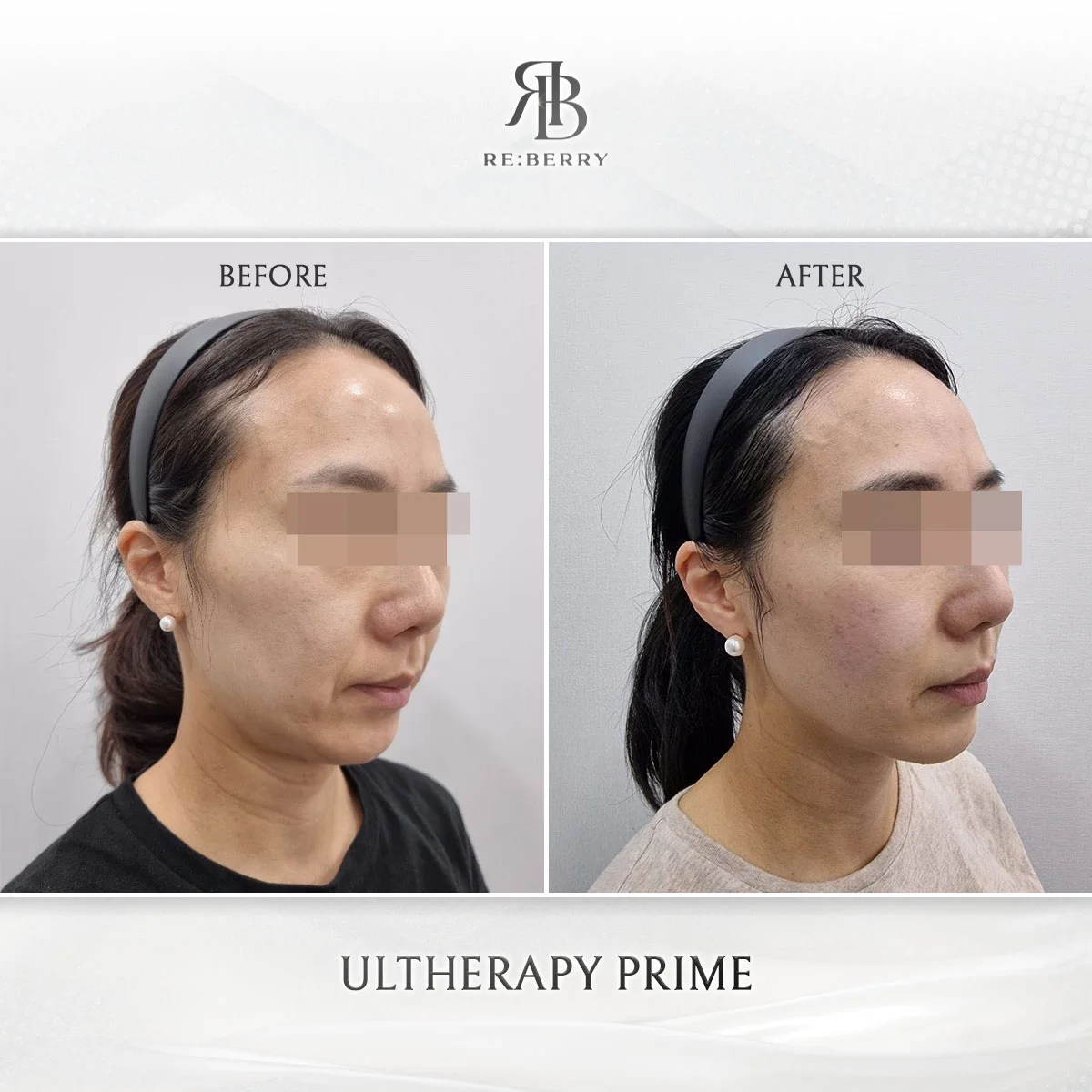
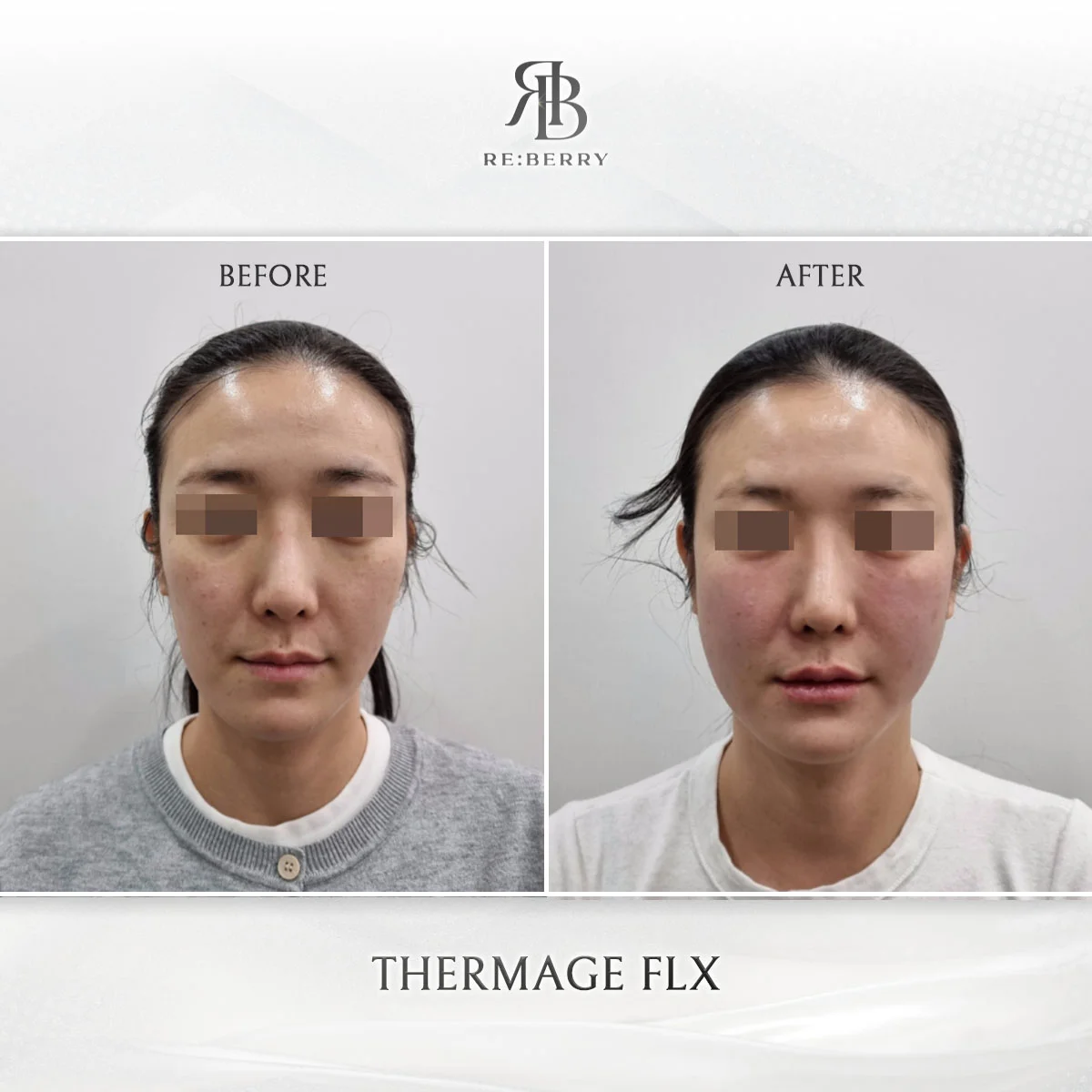
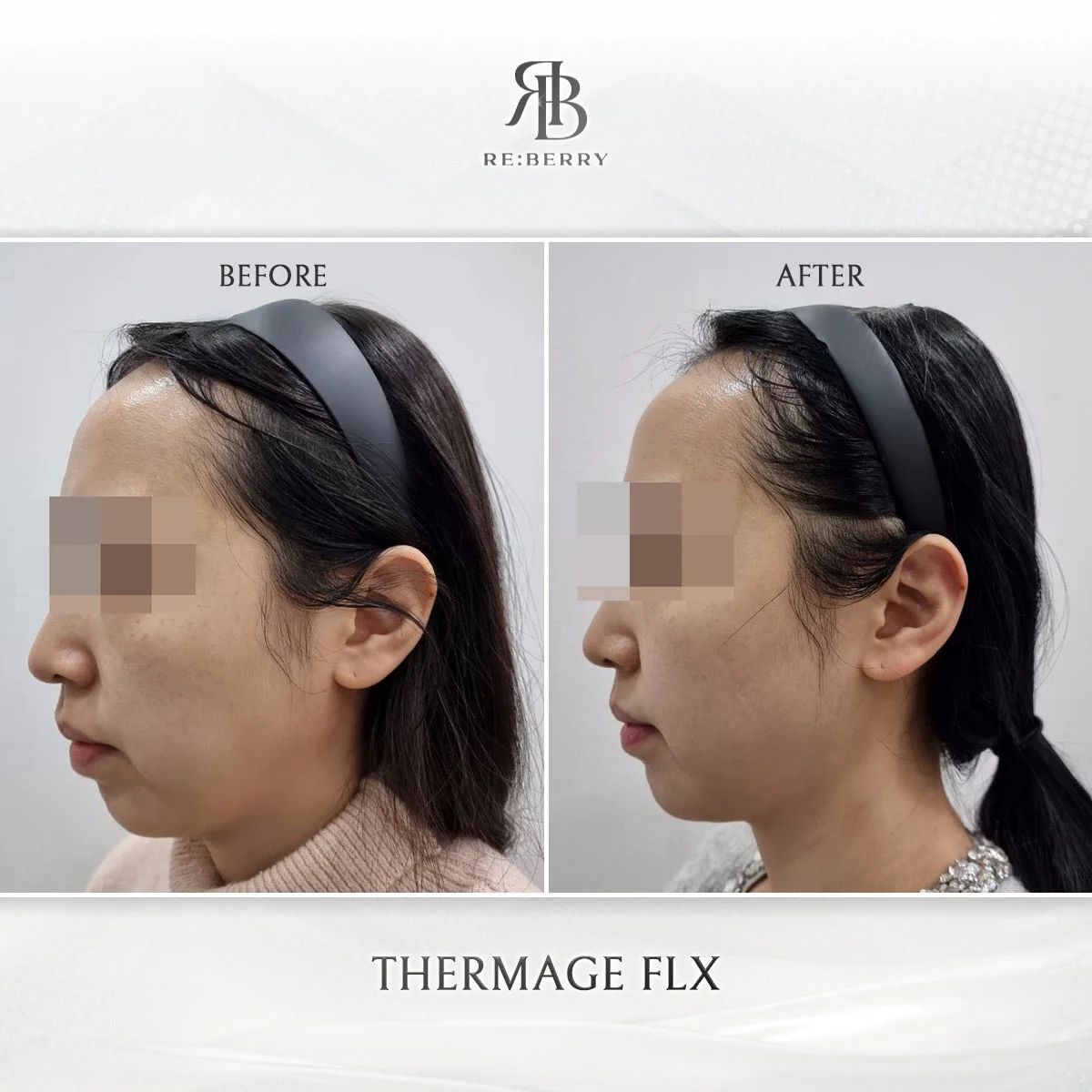
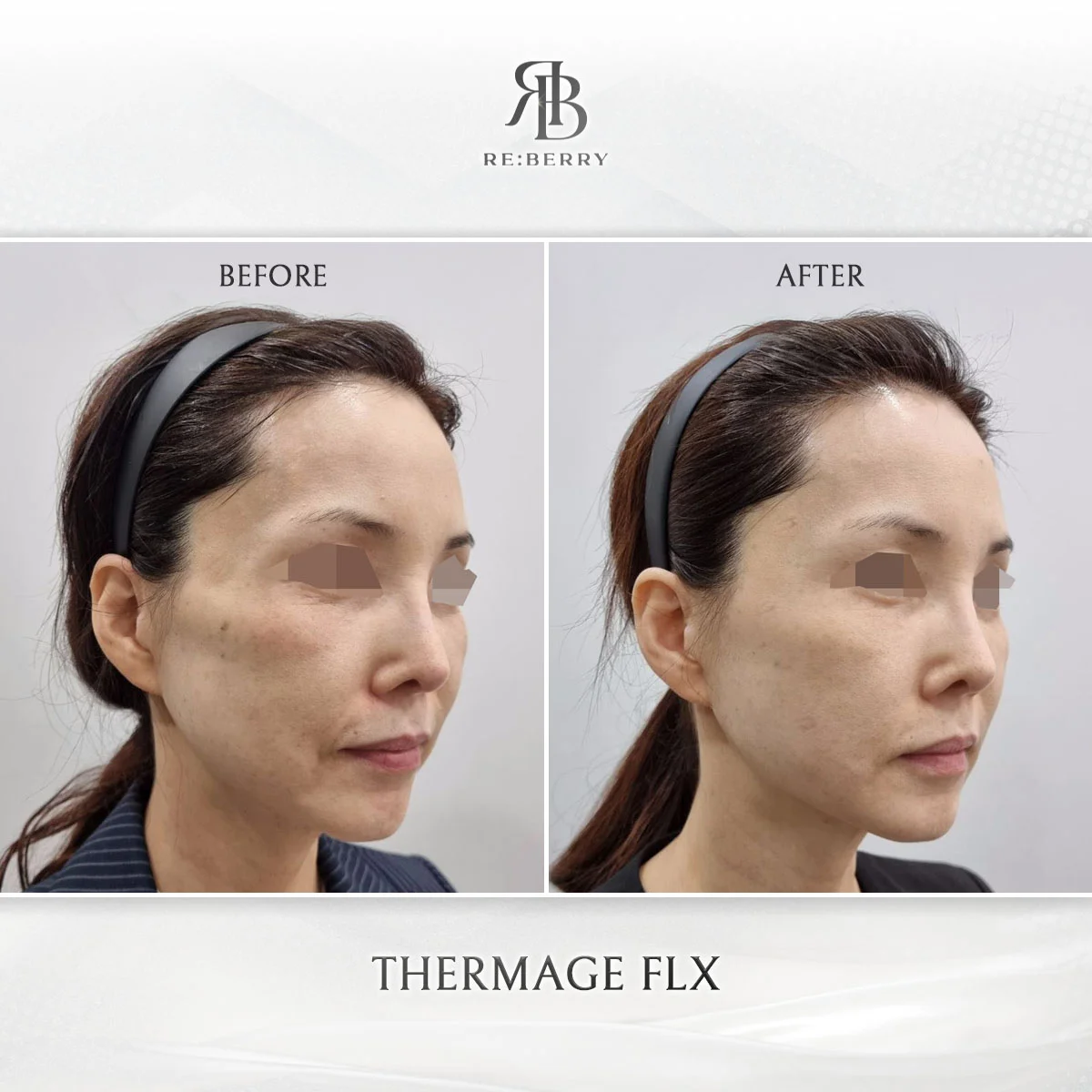
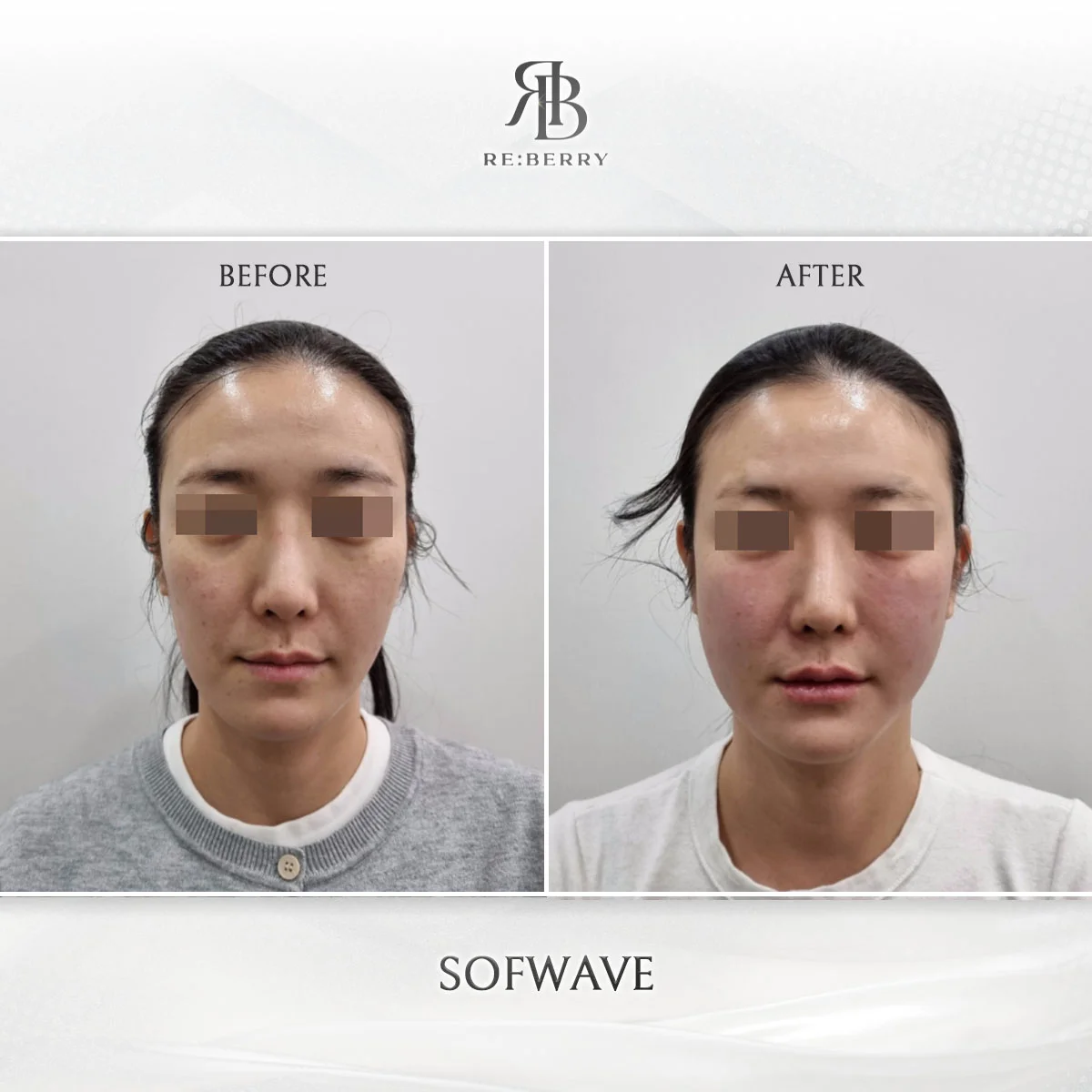
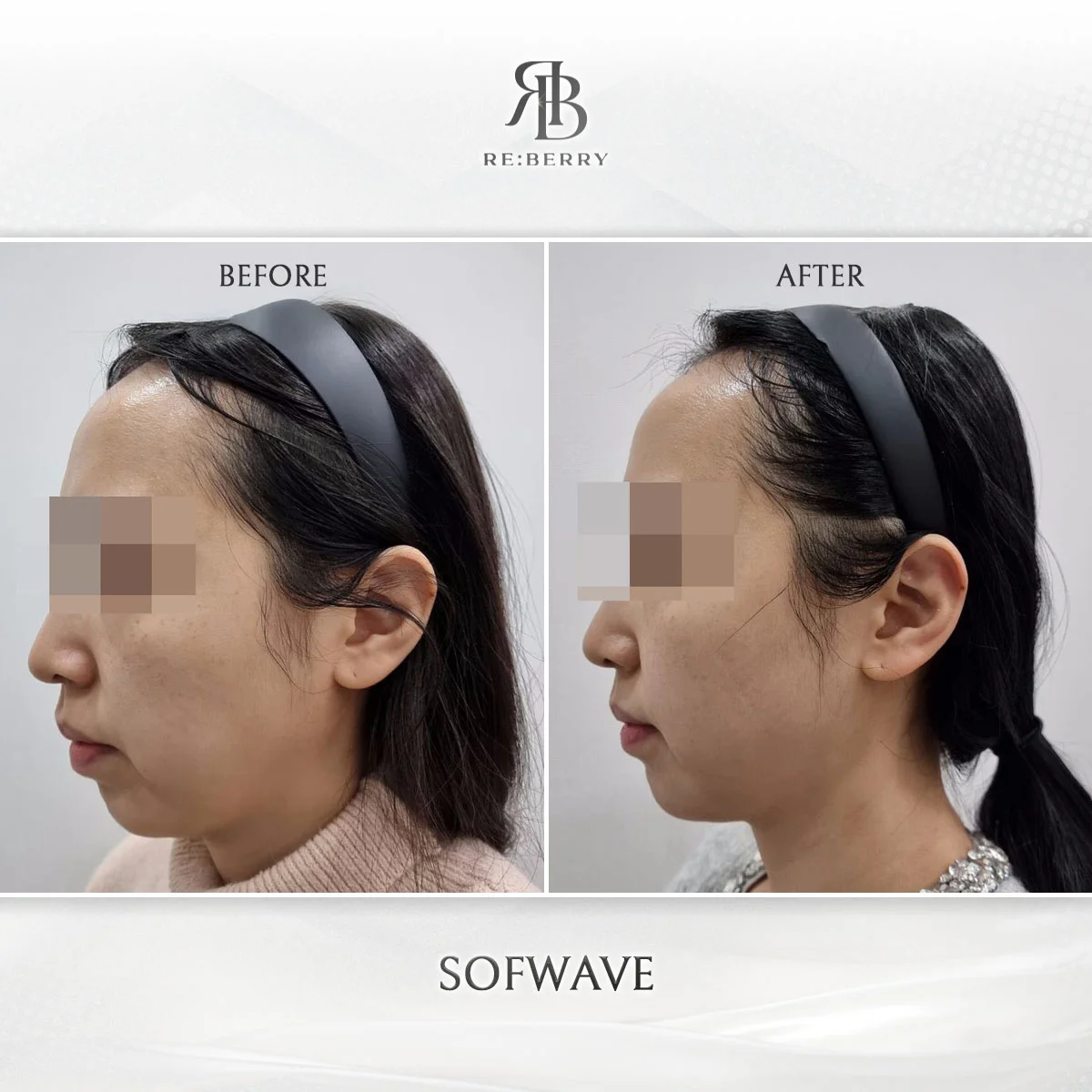
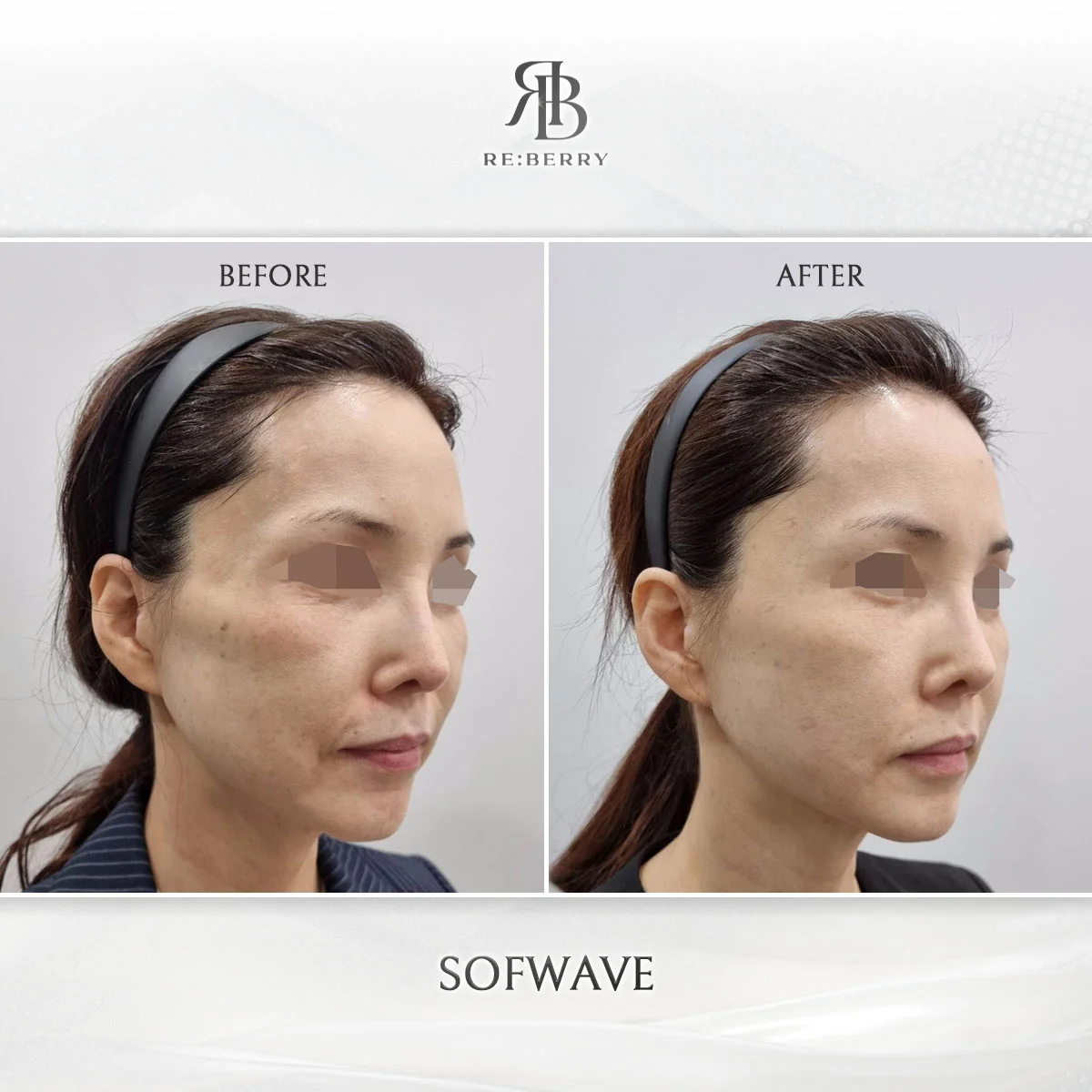
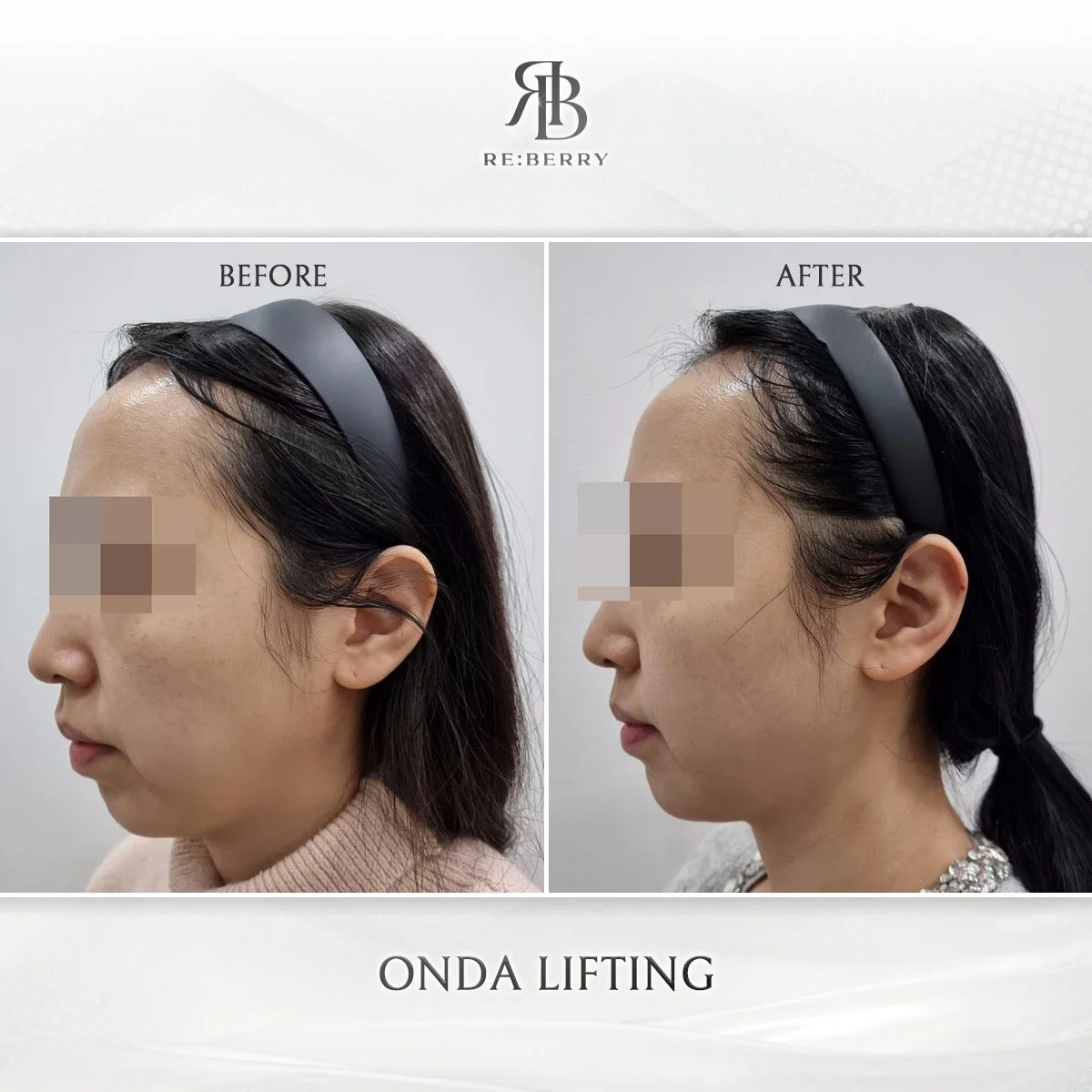
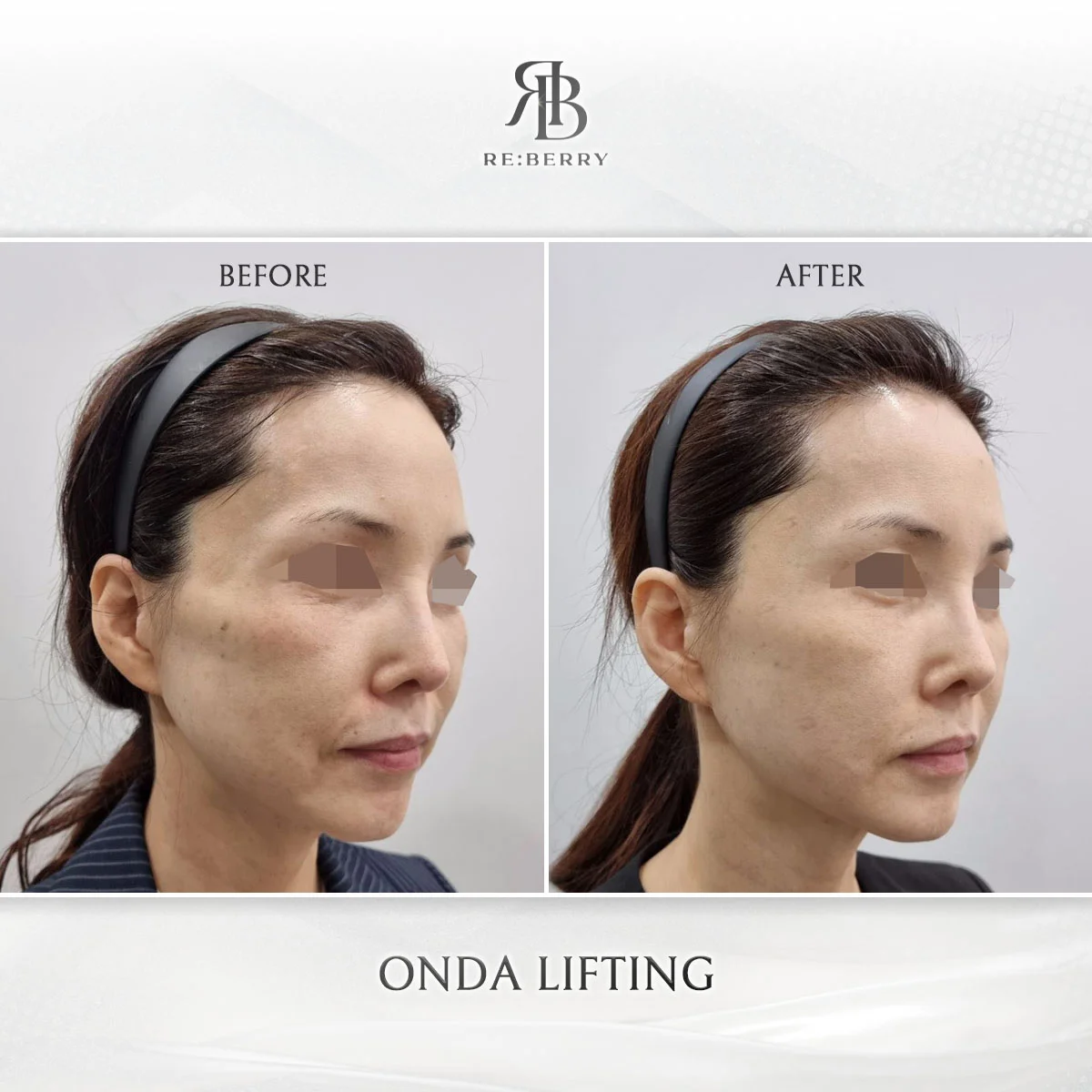
The clinic’s doctors grade your skin and explain which 2 to 3 treatments fit your goals, and what affects cost, in plain English.
A first session, such as a booster or a hydrafacial, usually takes about 30 to 60 minutes depending on the combination chosen.
K-beauty plans run as a course, so we map the series across your visits rather than promising everything in one appointment.
Boosters and toning build over several sessions across weeks, while a hydrafacial adds immediate glow on the day itself.
Barrier care and sun protection hold results, and occasional maintenance keeps skin quality steady over the long term.



Korean skincare treatment is a medical menu, not one procedure, combining skin boosters, laser toning, hydrafacials, and barrier care to improve hydration, texture, tone, and glow. A good clinic grades your skin and matches two or three treatments to it. You can browse the full skin care menu to see how the families fit together.
Choose a clinic that assesses your skin first, then explains which specific treatments fit and why, rather than selling one glass-skin package to everyone. Clear English explanations, realistic timelines, and consultation-led planning are strong signals. Message us to see how the clinic’s doctors tailor a plan to your skin before you commit.
Glass skin is a clear, luminous, smooth complexion built by combining hydration, even tone, and refined texture over time, not a single treatment. Clinics support it with boosters, toning, and facials plus consistent home care. Our glass facial skin approach layers these steps rather than promising an instant, permanent result.
Yes, injectable skin boosters like polynucleotide (PDRN) and hyaluronic-acid boosters are a core layer, working in the dermis to improve hydration, elasticity, and fine texture. Korean and Asian trials report measurable gains over about three sessions. Our Rejuran Healer is one polynucleotide option the doctors may include in a plan.
Most core treatments, such as boosters and laser toning, work best over about three sessions spaced two to four weeks apart, so results build gradually. A hydrafacial can add immediate glow in a single visit. The exact number depends on your skin grade and goals, which the clinic’s doctors confirm at consultation.
Downtime is usually minimal across the menu. Hydrafacials have little to none, laser toning may cause brief redness, and injectable boosters can leave small bumps that settle within days. Your doctor explains expected recovery for each treatment so you can plan around travel and events with confidence.
Often yes, especially a hydrafacial or aqua-peel, which delivers immediate glow in one short visit with little downtime. Injectable boosters and laser toning are also same-day but benefit from a series. A clinic near Incheon Airport can plan an arrival-day session around your schedule after a quick consultation.
For hydration and bounce, skin boosters work in the dermis, while laser toning targets uneven tone and dullness for a glass-skin look; a hydrafacial refreshes the surface. Most plans combine them. You can compare the families on our skin care page, then let the doctors match them to your skin.
No, they play different roles. A hydrafacial cleanses, exfoliates, and hydrates the surface for immediate glow, while laser toning works on pigment and tone over a course to build translucency. Many K-beauty plans use both, with the hydrafacial as a gentle base and toning as the tone-evening layer.
Cost depends on which treatments your plan combines and how many sessions it runs, so it is set after a skin assessment rather than from a fixed menu. Our care is consultation-led, so the clinic’s doctors explain the cost factors transparently in English and confirm your individual plan before you begin.
Most adults wanting better hydration, texture, tone, or glow are suitable, and a consultation confirms which treatments fit your skin type and goals. Some conditions, such as active infection, pregnancy, or a fresh tan, need review first. The doctors tailor the plan to your skin rather than applying a single package to everyone.
Yes, but settings matter: deeper skin tones may need more conservative laser toning to avoid pigment changes, which is why an assessment comes first. Boosters and hydrafacials suit most skin types. The clinic’s doctors adjust the plan to keep it both safe and effective for your specific skin, which they explain at consultation.
Results can hold well, but skin quality is maintained over time rather than fixed permanently in one course, since skin keeps ageing and reacting to lifestyle. Occasional maintenance sessions and a consistent barrier and sun-care routine sustain glow. The doctors factor long-term upkeep into your plan so results stay steady between trips.
Daily sunscreen, gentle non-irritating products, and good hydration are the foundation, since Korean dermatology treats a healthy barrier as the base of glow. A tailored skin care routine holds gains between clinic visits. Your doctor recommends products that complement, not duplicate, your in-clinic treatments.
For a first session, 1 to 3 days is comfortable, allowing a consultation, treatment, and a short review. Because K-beauty plans run as a course, many international patients begin in Korea and continue across return visits. Our English-speaking team coordinates timing around your travel and stopover schedule.
Yes, for most non-invasive to minimally invasive skincare treatments, flying within a day or so is generally fine. Cabin air is drying, so moisturise and protect treated skin from sun during travel. If you had a booster or laser toning, your doctor gives written English aftercare to follow while you journey home.
| Skin Boosters (PDRN / HA) | Laser Toning | Hydrafacial / Aqua-Peel | |
|---|---|---|---|
| Main mechanism | Injected into the dermis to hydrate and firm | Light energy that evens tone and reduces dullness | Water-based cleansing, exfoliation, and hydration |
| Best for | Dehydration, fine texture, loss of bounce | Uneven tone, dullness, a translucent glass-skin look | Immediate glow, congestion, a gentle base or refresh |
| Comfort | Mild; numbing used for injections | Warm sensation, generally well tolerated | Comfortable, often described as relaxing |
| Downtime | Minimal, occasional small bumps that settle | Minimal, sometimes brief redness | Little to none |
| Results timeline | Builds over a series across weeks | Gradual over a course of sessions | Immediate freshness, best kept up regularly |
| Typical role in a plan | Core dermal treatment in a K-beauty plan | Tone-evening layer for glass-skin goals | Surface base layer or quick pre-event refresh |
Real verified reviews from our Google Business Profile, across all Reberry Clinic locations.
PULLED LIVE FROM GOOGLE · GANGNAM · MYEONGDONG · INCHEON AIRPORT
Your treatment is planned and performed by experienced, MFDS-registered doctors across our Seoul-area clinics, with multilingual support for international patients.
Flagship clinic · KOL for leading lifting & regenerative devices · Featured in Authority Magazine (2026)

Multilingual tourist care beside Myeongdong Cathedral

Fast, effective care 20 minutes from the terminals
Message us on WhatsApp for a free consultation in English about a tailored K-beauty skincare plan that fits your skin and travel schedule.