



Gangnam
Dr. Yoon-Gon Ryu
Aesthetic Medicine Specialist
Flagship clinic · KOL for leading lifting & regenerative devices · Featured in Authority Magazine (2026)

A good skin booster clinic assesses your skin across the 3 boosters (HA, polynucleotide, PDLLA) and plans a course of 2 to 3 sessions matched to what your skin actually needs, not a one-size menu.
Judge a skin booster clinic near Hongdae by how it assesses your skin, whether a doctor tailors the plan, and if it matches the right booster (hyaluronic acid, polynucleotide, or PDLLA) to your goal. For patients near Hongdae Station, Reberry Clinic provides English-supported skin booster care across our Seoul locations in Gangnam and Myeongdong.
One-on-One guidance from a dedicated doctor, ensuring your skin is professionally monitored and treated from start to finish.
Fluent assistance in English, Japanese, and Chinese, making communication clear, respectful and comfortable for international patients.
Over 100,000 patients worldwide have received our personalized dermatological care, highlighting our expertise and reliable results.
A skin booster is a micro-injection of a hydrating or regenerative substance into the upper skin layers to improve glow, hydration, fine lines, and firmness, rather than adding volume. Because several materials exist, the clinic you choose matters more than the brand name on the door. The most important marker is whether a doctor assesses your skin type, concerns, and history before recommending anything, instead of selling a fixed package to everyone.
The second marker is honest planning. Skin boosters work over a series, typically 2 to 3 initial sessions spaced weeks apart, with occasional maintenance. A clinic that explains this course, the realistic timeline, and what affects cost is more trustworthy than one promising a single dramatic result. Look for transparent discussion of downtime, aftercare, and how boosters combine with other treatments.
For international patients searching near Hongdae (Hongik Univ.) Station (홍대입구역) in Mapo-gu, care is provided across Reberry Clinic’s Seoul locations in Gangnam and Myeongdong, both easily reached from 홍대입구역 with full English support. Our starting point is a consultation on glass skin and skin boosters, where the clinic’s doctors map a plan around your skin and your travel dates.
A clinic worth choosing can explain why it recommends one booster over another. Hyaluronic acid boosters place tiny droplets of non-cross-linked HA into the dermis to draw and hold water, improving hydration and surface smoothness within days. Polynucleotide boosters use purified salmon-derived PN/PDRN to support the skin’s repair environment, gradually improving texture and elasticity over weeks. PDLLA boosters use poly-D,L-lactic acid to stimulate the skin’s own collagen for a firmer, more resilient result that builds over months. Some hybrid products combine PDLLA with HA for both immediate hydration and gradual firming. A well-run clinic matches the family to your goal: quick radiance, texture repair, or longer-term firmness, and sequences sessions so the skin is supported rather than over-treated. Because each material behaves differently, your final plan is set after a doctor grades your skin, not before.
One Reberry Clinic, multiple Seoul-area locations. Pricing & current promotions are listed on each branch's own site — tap a clinic to view pricing & book.
Our flagship in the heart of Gangnam.
In Seoul's shopping & tourism heart.
A beauty stop between flights.
The newest Reberry Clinic — in Seoul's trend district.
ONE REBERRY CLINIC · MFDS-REGISTERED DEVICES · MULTILINGUAL CARE AT EVERY LOCATION
A good clinic spends time on 1 detailed consultation, grading your skin type, concerns, and goals before naming any product.
Expect a clear reason for choosing among the 3 families (HA, polynucleotide, PDLLA) based on your skin, not a single default option.
Skin boosters work over about 2 to 3 initial sessions spaced weeks apart, so a plan quoted as a course is a good sign.
HA boosters hydrate within days, while PDLLA firmness builds over 2 to 3 months, and downtime is usually minimal; a clinic should explain both.
The clinic’s doctors should explain cost qualitatively and set realistic expectations rather than promising 1 dramatic outcome.

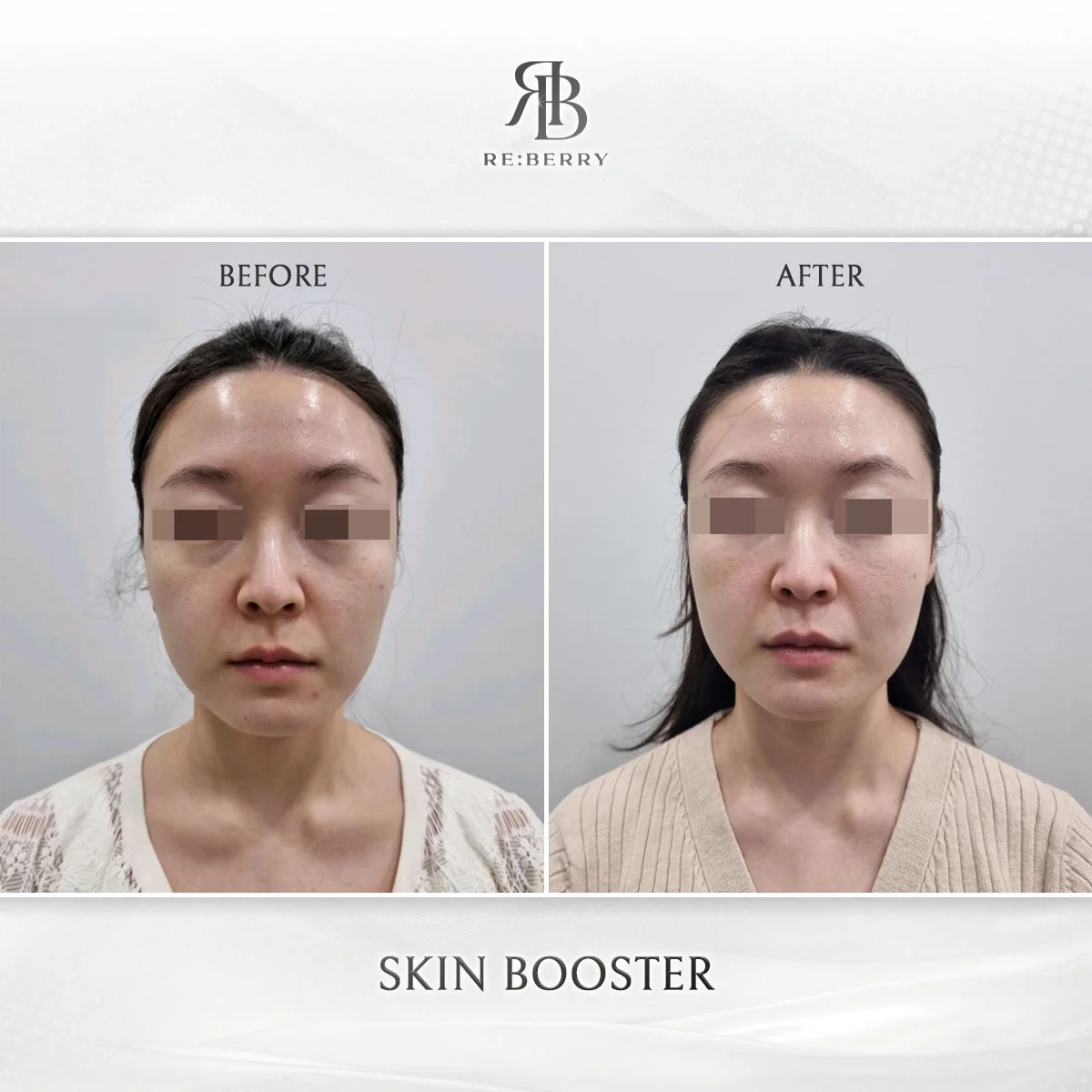
See representative outcomes from Reberry Clinic. Results build gradually and vary by individual; your plan is assessed at consultation.
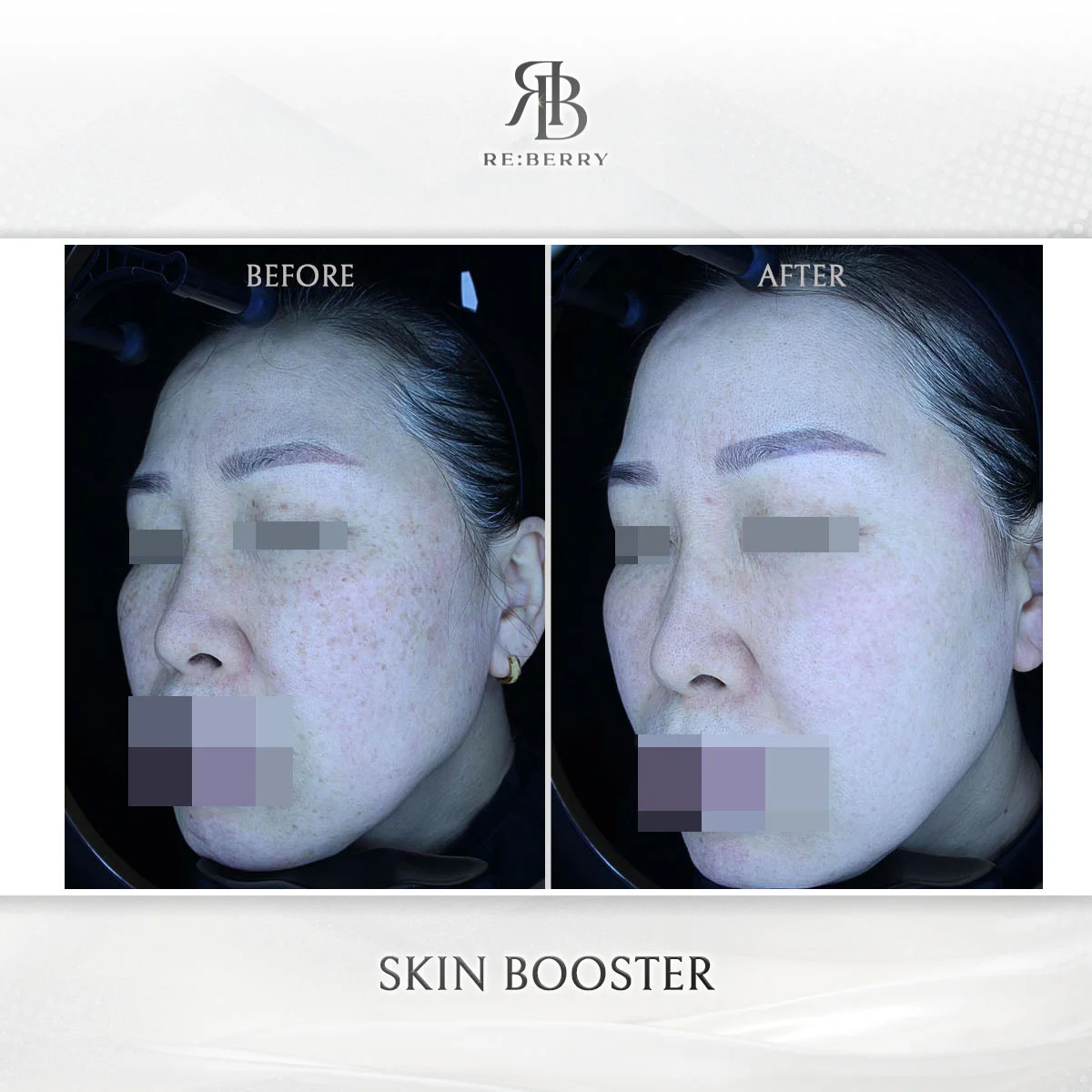
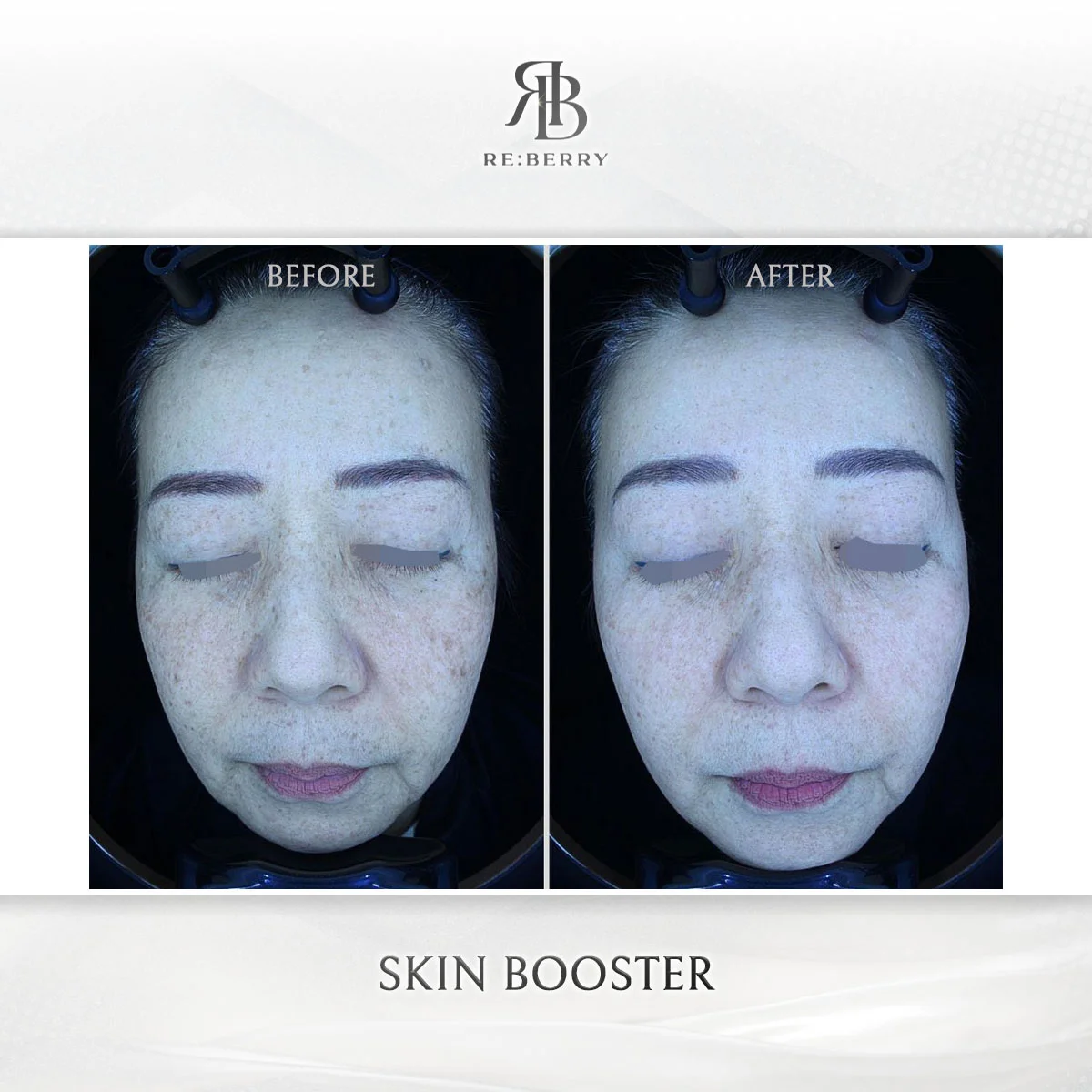
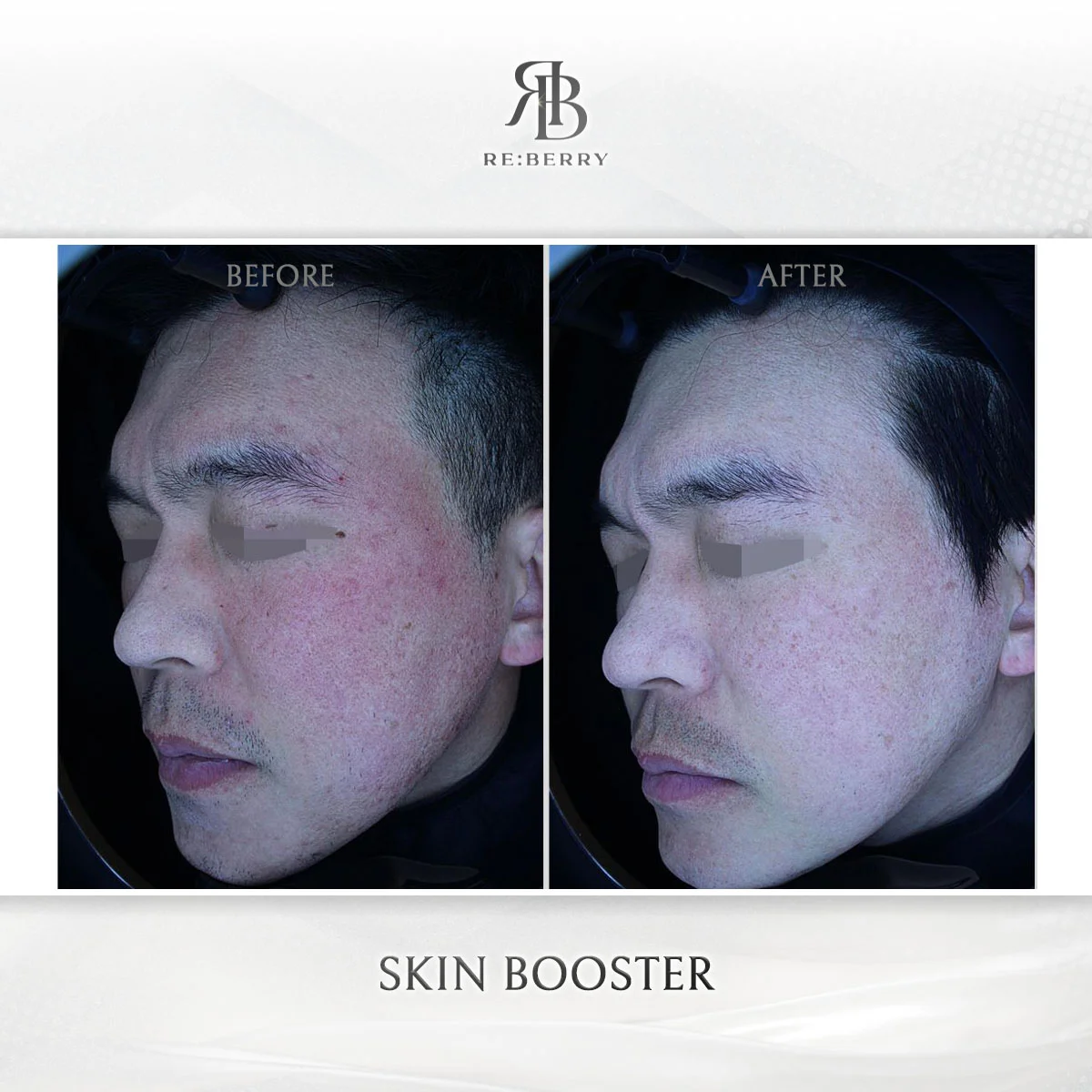
The clinic’s doctors grade your skin type and concerns, explain which booster family fits your goal, and outline the plan and cost in English.
A skin booster session usually takes about 20 to 40 minutes, including numbing cream, so most patients fit it around a Seoul travel schedule.
Because boosters run as a course, the plan maps 2 to 3 initial sessions spaced weeks apart rather than a single fixed appointment.
HA hydration shows within days, while polynucleotide and PDLLA improvements build over weeks to a few months, reviewed between visits.
Results are supported by gentle skincare and sun protection, and occasional maintenance sessions help sustain skin quality over time.



Look for a clinic where a doctor assesses your skin before recommending a booster, explains the 3 booster families, and plans a course rather than selling a fixed package. For patients near Hongdae Station, Reberry Clinic provides English-supported care at our glass skin and skin booster service in Seoul.
Patients searching near Hongdae (Hongik Univ.) Station are cared for at Reberry Clinic’s Seoul locations in Gangnam and Myeongdong, both easily reached from 홍대입구역 with full English support. Our team helps you pick the location that best fits your travel route and appointment timing in Seoul.
A skin booster is a micro-injection of a hydrating or regenerative material into the upper skin to improve glow, hydration, texture, and firmness, rather than adding volume. Options include hyaluronic acid, polynucleotide, and PDLLA. A consultation on our glass skin service confirms which suits your skin.
The right booster depends on your main goal: hyaluronic acid for fast hydration and glow, polynucleotide for texture and repair, and PDLLA for longer-term firmness. A doctor grades your skin at consultation, then matches the family, since the right choice varies from person to person rather than one product suiting everyone.
Most skin booster plans run about 2 to 3 initial sessions spaced 2 to 4 weeks apart, followed by occasional maintenance. The exact number depends on the material chosen and your skin’s response, which the doctor reviews between visits so the plan stays matched to your goals and budget.
Discomfort is usually mild because numbing cream is applied first and the injections are shallow micro-droplets. Most patients describe brief tiny pinpricks. You may notice small temporary bumps or redness for a day or so. Your doctor explains what to expect before your injection treatment begins.
Downtime is usually minimal, with brief redness, tiny bumps, or slight swelling that settles within a day or two. Most international patients return to sightseeing quickly. Avoid heavy makeup, saunas, and intense exercise for about 24 hours, and follow the aftercare your doctor provides for your specific booster.
Hyaluronic acid boosters show hydration and glow within days, while polynucleotide and PDLLA results build gradually over several weeks to a few months as the skin responds. Because improvement is progressive across a course, your doctor reviews progress between sessions rather than expecting a single dramatic change.
Longevity varies by material, typically several months, so results are maintained rather than permanent. Hyaluronic acid hydration is refreshed periodically, while PDLLA firming lasts longer as it works through collagen. Occasional maintenance sessions and good skincare help sustain skin quality, which your doctor factors into long-term planning.
Yes, skin boosters often pair well with treatments like lasers or lifting for a fuller plan, and your doctor sequences them so the skin is not over-stressed. For example, boosters may complement a Rejuran Healer plan. Combining is decided at consultation based on your goals and skin condition.
Skin boosters are widely performed and generally considered safe when a trained doctor selects the right material and technique for your skin. Temporary redness, bruising, or small bumps can occur. A consultation screens for allergies, such as salmon-derived polynucleotide, and other contraindications so the plan suits you safely.
A skin booster improves overall skin quality, hydration, glow, and texture, spread as micro-droplets, while a filler adds volume or contour in a targeted area. They solve different problems and can be planned together. A doctor explains which you actually need, and many patients start with a skin quality plan before considering injectable fillers.
Cost depends on which booster is used, how many sessions your plan needs, and the area treated, so there is no single fixed price. Because plans are individualised, the clinic’s doctors confirm your cost transparently at consultation. This keeps the plan matched to your skin rather than sold as a one-size package.
Most adults wanting better hydration, glow, texture, or firmness are suitable, though it depends on your skin and health history. A consultation grades your skin and screens for contraindications like active infection or pregnancy. Your doctor then confirms whether boosters, or another approach, best fit your goals and travel plans.
Keep the area clean, avoid makeup, saunas, and intense exercise for about 24 hours, and use gentle skincare with daily sunscreen. Staying hydrated supports results. A tailored skin care routine helps protect your investment between sessions, and your doctor gives booster-specific guidance at your visit.
For a first session, 1 to 2 days is comfortable, allowing a consultation, the treatment, and a short review. Because boosters run as a course, many international patients begin in Seoul and continue on return visits. Our English-speaking team, easily reached from Hongdae Station, coordinates timing around your trip.
Yes, flying within a day is generally fine, as skin boosters are minimally invasive micro-injections. Cabin air is drying, so moisturise and protect treated skin from sun. If you had polynucleotide or PDLLA, follow your doctor’s aftercare while you travel, and contact the clinic if you have any concerns.
International patients can complete a booster course across one or more Seoul visits, and the clinic offers remote check-ins in English between trips so the plan stays on track. You can also continue supportive skin care at home, with your treatment notes kept on file for continuity.
| Hyaluronic Acid Booster | Polynucleotide Booster | PDLLA Booster | |
|---|---|---|---|
| Mechanism | Non-cross-linked HA draws and holds water in the dermis | Salmon-derived PN/PDRN supports skin repair | Poly-D,L-lactic acid stimulates the skin's own collagen |
| Best for | Fast hydration, dullness, surface smoothness | Texture, fine lines, skin quality repair | Longer-term firmness and resilience |
| Onset | Visible hydration within days | Builds over several weeks | Firming builds over 2 to 3 months |
| Sessions | A short initial course, then maintenance | Usually a series spaced weeks apart | A planned series with gradual results |
| Downtime | Usually minimal, brief redness or bumps | Minimal, occasional temporary swelling | Minimal to mild depending on depth |
| Cost factors | Depends on product and number of sessions | Depends on series length and area | Depends on sessions and how much firming is planned |
Real verified reviews from our Google Business Profile, across all Reberry Clinic locations.
PULLED LIVE FROM GOOGLE · GANGNAM · MYEONGDONG · INCHEON AIRPORT
Your treatment is planned and performed by experienced, MFDS-registered doctors across our Seoul-area clinics, with multilingual support for international patients.
Flagship clinic · KOL for leading lifting & regenerative devices · Featured in Authority Magazine (2026)

Multilingual tourist care beside Myeongdong Cathedral

Fast, effective care 20 minutes from the terminals
Message us on WhatsApp for a free consultation in English about the right skin booster and a transparent, individualised plan across our Seoul locations.