



Gangnam
Dr. Yoon-Gon Ryu
Aesthetic Medicine Specialist
Flagship clinic · KOL for leading lifting & regenerative devices · Featured in Authority Magazine (2026)

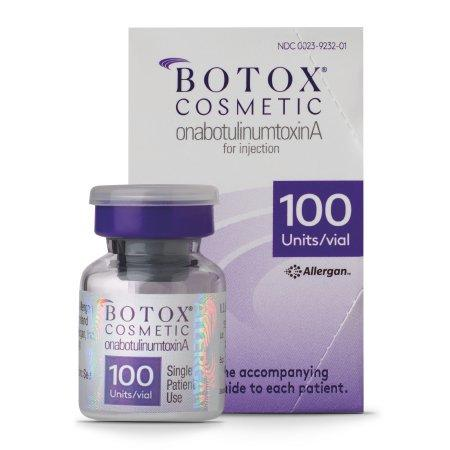
Plantar botox needs 40 to 50 evenly spaced points across each thick-skinned sole, so a good clinic plans mapping and pain control rather than relying on any single claim.
To choose a good sole hyperhidrosis clinic near Incheon Airport, look for doctors who confirm the sweating with the Minor’s iodine-starch test, use a structured grid of botulinum toxin points across each thick-skinned sole, and manage pain with an ankle nerve block or strong numbing. At our Incheon Airport (Yeongjongdo) location, Dr. Sunbeen Kim leads this consultation-based approach.
One-on-One guidance from a dedicated doctor, ensuring your skin is professionally monitored and treated from start to finish.
Fluent assistance in English, Japanese, and Chinese, making communication clear, respectful and comfortable for international patients.
Over 100,000 patients worldwide have received our personalized dermatological care, highlighting our expertise and reliable results.
Sole hyperhidrosis, or excessive sweating of the feet, causes slippery footwear, odour, and social discomfort, and choosing the right clinic matters because plantar treatment is technique-dependent. Botulinum toxin for sweaty soles works by temporarily blocking the nerve signals that activate the foot’s sweat glands. The sole, however, has thick skin and is highly sensitive, so a good clinic plans its injection map and pain strategy carefully rather than injecting quickly.
A well-run clinic starts with proper assessment, confirming the sweating is primary and often using the Minor’s iodine-starch test to reveal the most active zones. The sole is then mapped into a grid of roughly 40 to 50 evenly spaced points per foot so the reduction in sweat is uniform across the heel, arch, and ball of the foot rather than patchy.
Pain control is where thoughtful clinics stand out, because plantar injections are among the more sensitive hyperhidrosis treatments. A good clinic offers an ankle nerve block, deep topical numbing, or cooling and vibration. For international patients, our Incheon Airport (Yeongjongdo) location is convenient for transit and stopover schedules, with English-speaking support and consultation-led care led by Dr. Sunbeen Kim, Medical Director.
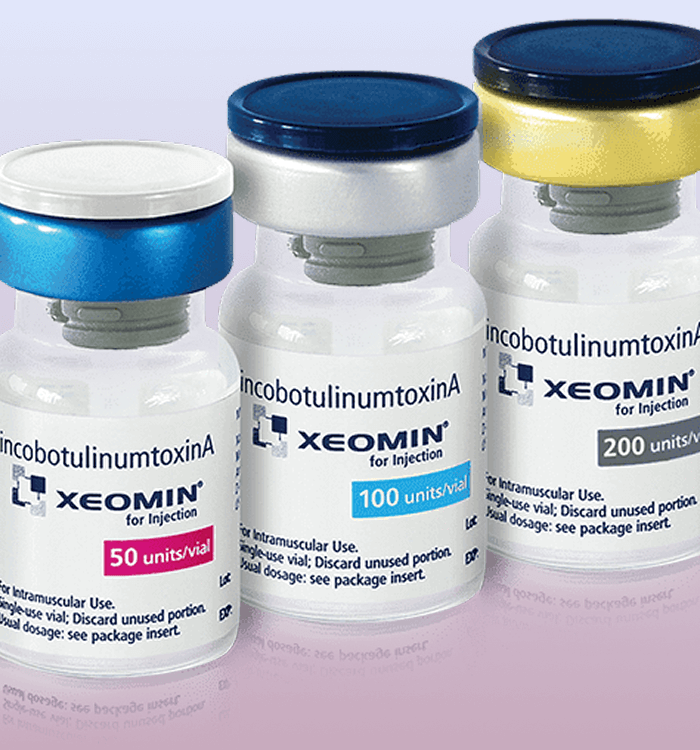
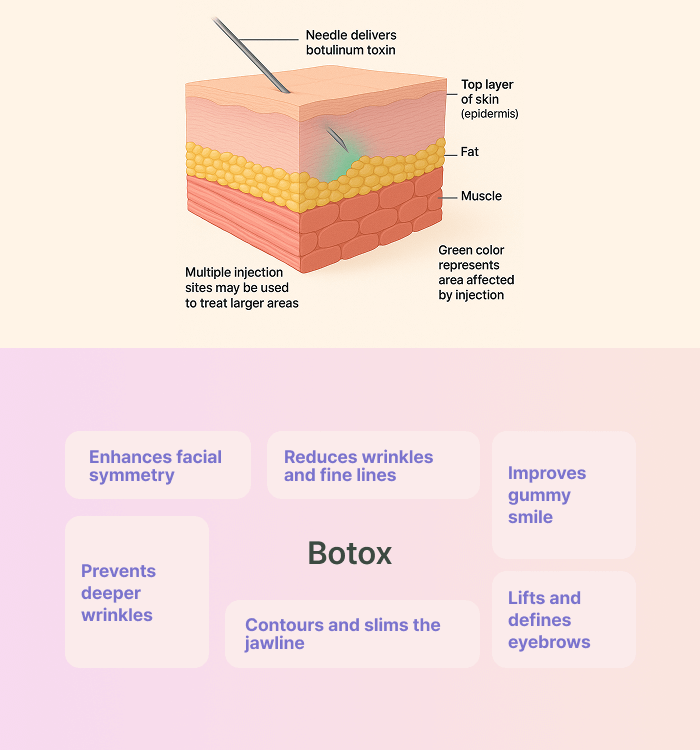
Botulinum toxin type A is a neuromodulator that blocks acetylcholine, the signal the nervous system uses to activate the eccrine sweat glands packed into the soles. Injected as many small, superficial deposits across the foot, it locally interrupts those signals so the treated sole produces far less sweat. Because plantar skin is thick and densely supplied with glands, a good clinic uses around 40 to 50 points per sole spaced about 1.5 cm apart, and studies suggest higher per-sole doses (commonly 75 to 100 units) work best for the feet. The effect is gradual: sweating usually drops within about 1 week and commonly lasts around 4 to 6 months before a repeat session is considered. Correct, superficial placement keeps the toxin at the sweat-gland level and helps limit unwanted effects on the small foot muscles. This is why injection mapping, dosing, and pain management, all controlled by the clinic, matter more than the toxin brand when you compare options.
One Reberry Clinic, multiple Seoul-area locations. Pricing & current promotions are listed on each branch's own site — tap a clinic to view pricing & book.
Our flagship in the heart of Gangnam.
In Seoul's shopping & tourism heart.
A beauty stop between flights.
The newest Reberry Clinic — in Seoul's trend district.
ONE REBERRY CLINIC · MFDS-REGISTERED DEVICES · MULTILINGUAL CARE AT EVERY LOCATION
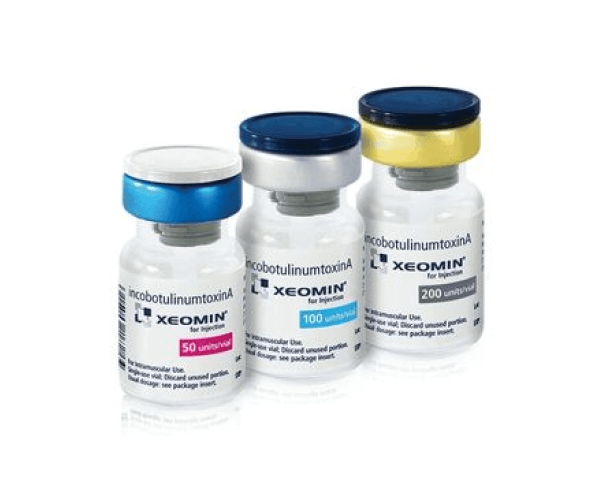

Doctors confirm primary hyperhidrosis and often use the Minor’s iodine-starch test, since visible sweat concentrates in about 3 zones (heel, arch, ball).
Each sole is marked into a grid of roughly 40 to 50 points spaced about 1.5 cm apart for even, full-foot coverage.
A good clinic sets an appropriate per-sole dose, commonly around 75 to 100 units, because plantar skin is thicker and gland-dense.
Options include an ankle nerve block, deep topical numbing for 20 to 30 minutes, or cooling and vibration to keep the injection tolerable.
Sweating usually eases within about 1 week and lasts around 4 to 6 months, so the clinic plans your next session around that window.
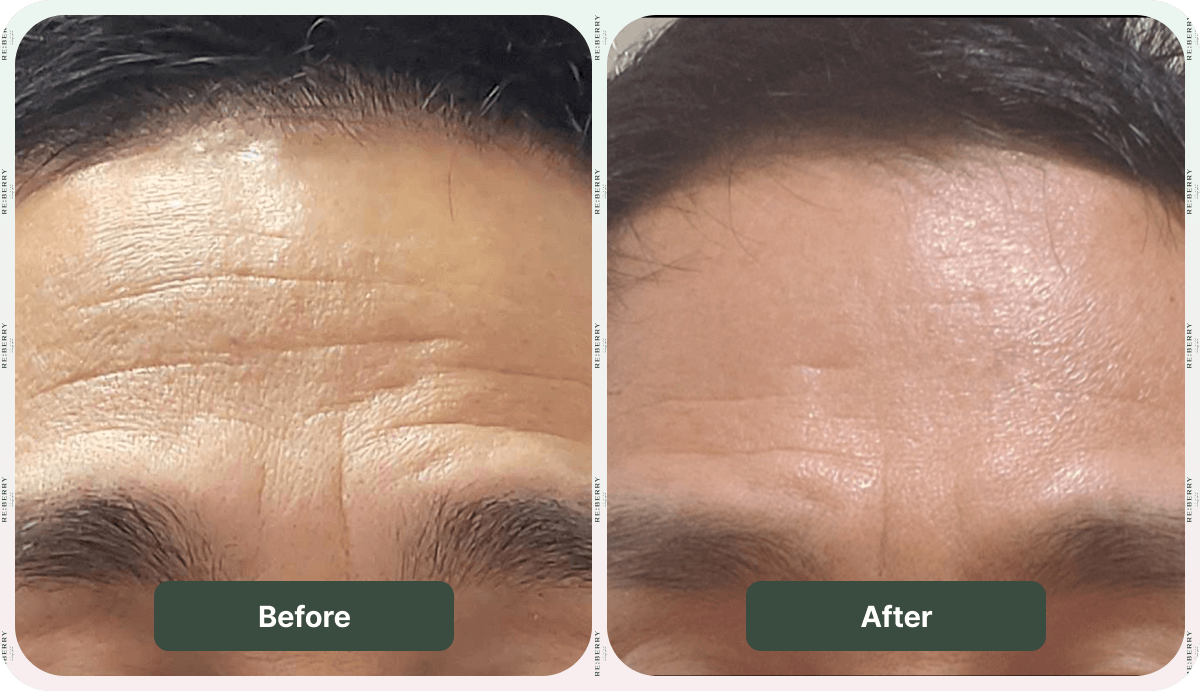
See representative outcomes from Reberry Clinic. Results build gradually and vary by individual; your plan is assessed at consultation.
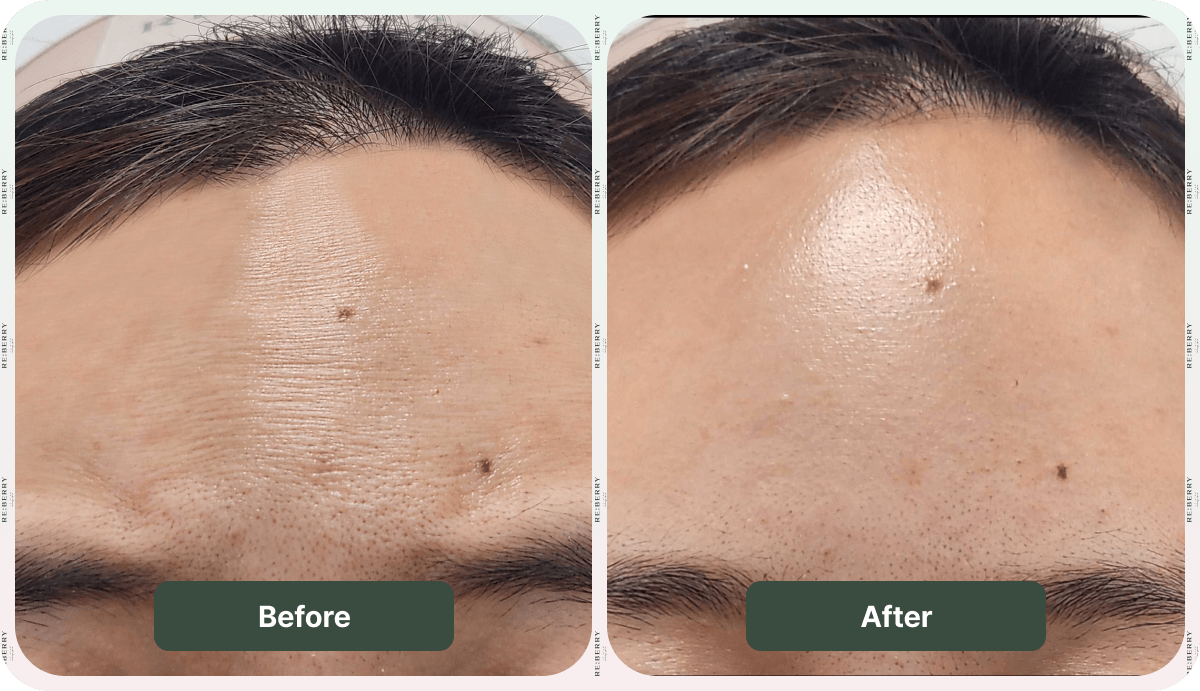
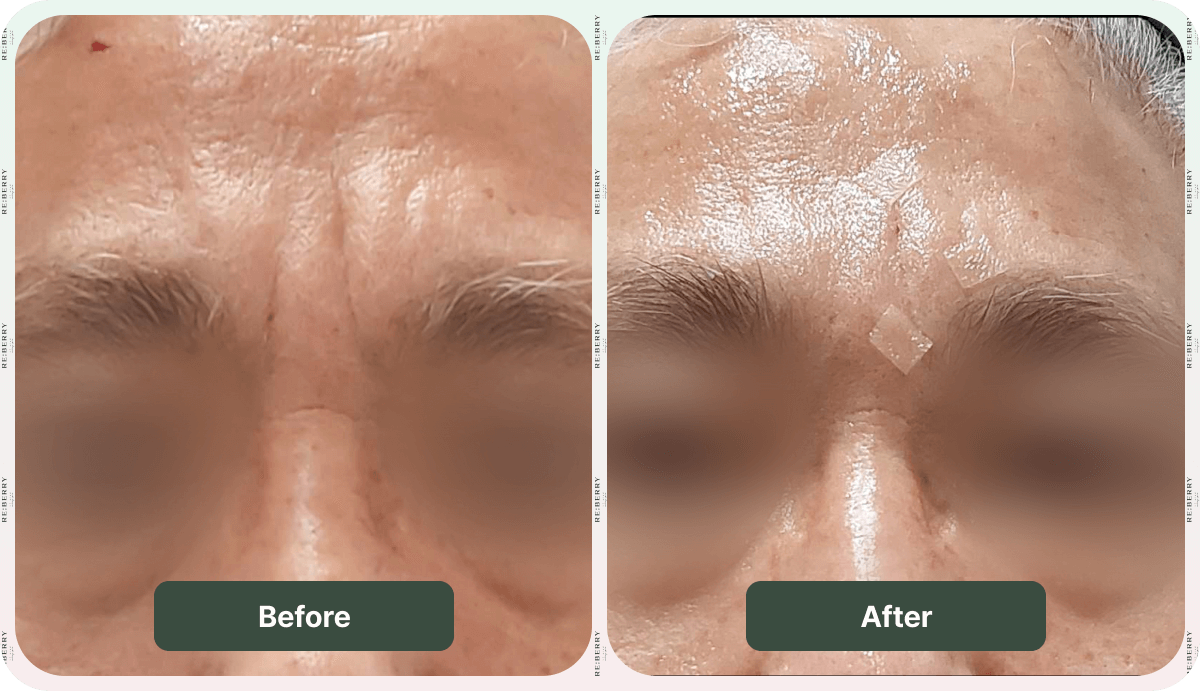
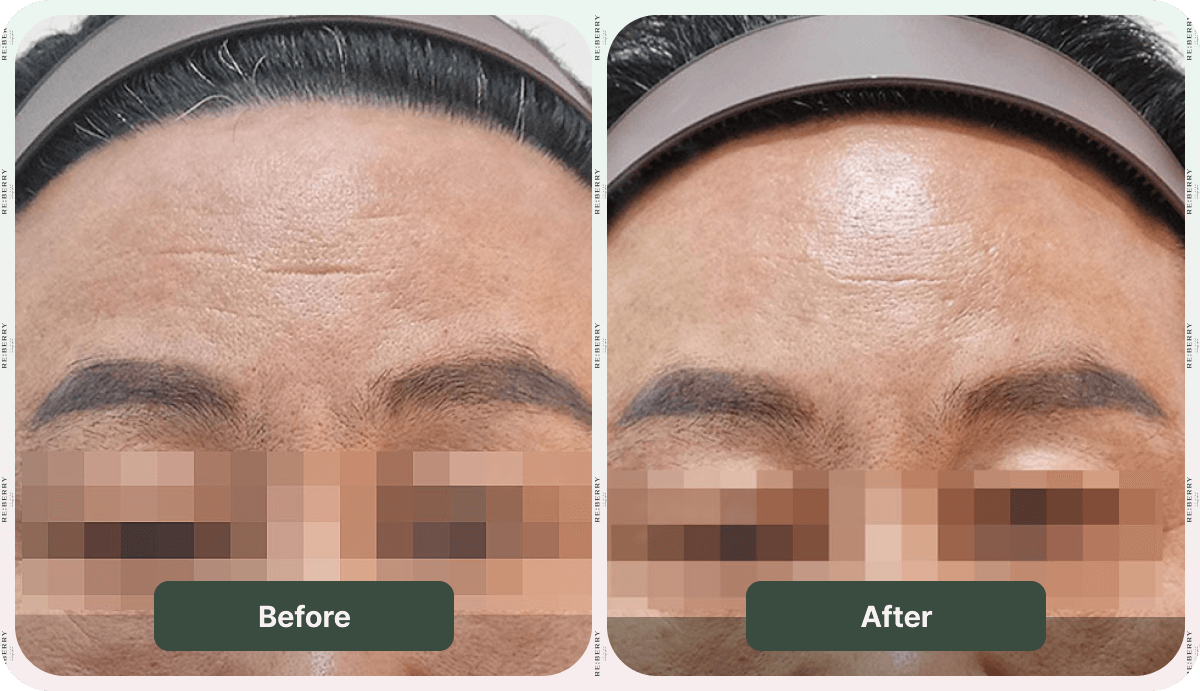
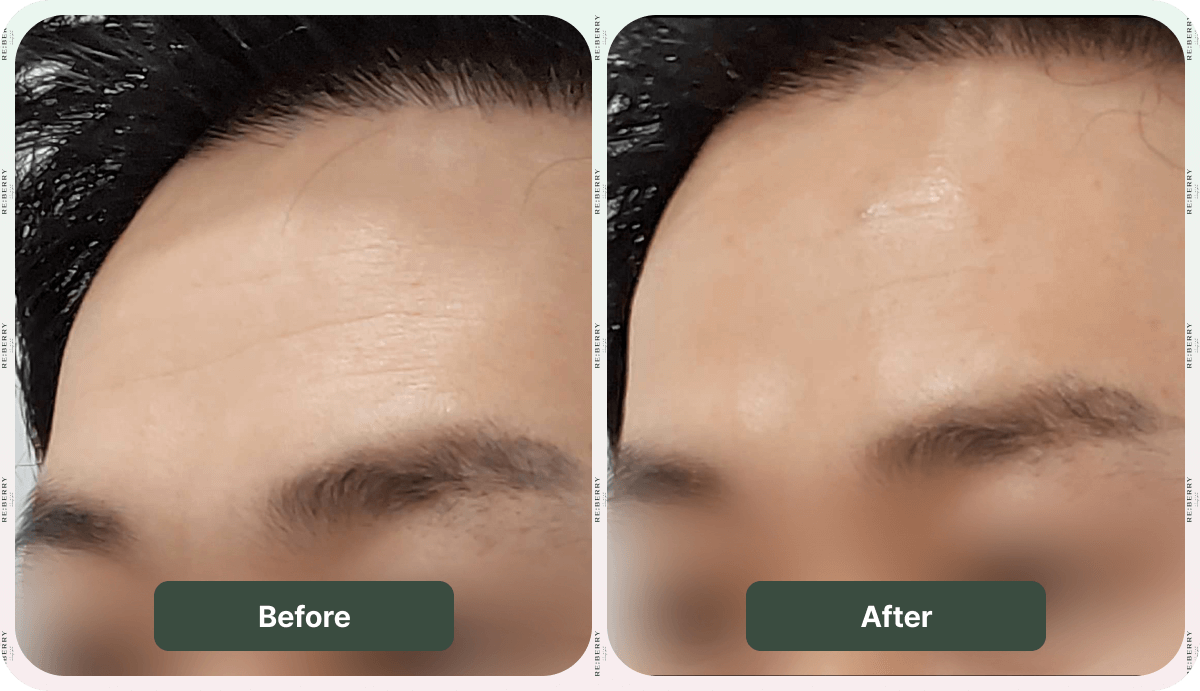
The clinic’s doctors confirm your diagnosis, map your foot sweating, and explain the plan and cost factors in English before anything is injected.
After numbing for about 20 to 30 minutes, the injection session across both soles usually takes around 20 to 30 minutes.
Most people can walk out the same day, though the soles may feel a little tender for a day or two afterward.
Sweating typically decreases within about 1 week, with the fuller effect settling over roughly 2 weeks.
Results commonly last 4 to 6 months, and because this is a chronic tendency, periodic repeat sessions maintain the benefit.



Choose a clinic that confirms your diagnosis, maps sweat zones with the Minor’s iodine-starch test, uses a structured grid of botulinum toxin points, and manages pain properly. Our botox injection care at the Incheon Airport (Yeongjongdo) location is consultation-led by Dr. Sunbeen Kim, Medical Director.
Sole hyperhidrosis treatment uses botulinum toxin injected as many small points across each sole to block the nerve signals driving the foot’s sweat glands. A single session covers roughly 40 to 50 points per foot. It temporarily reduces sweating rather than curing it, so it is repeated periodically to maintain control.
Sole injections are among the more sensitive hyperhidrosis treatments, but a good clinic manages this well. Options include an ankle nerve block, deep numbing applied for 20 to 30 minutes, or cooling and vibration. Most patients tolerate it well with proper preparation. Always ask a clinic exactly how they handle comfort first.
Yes, most people walk out the same day, though soles may feel tender for a day or two. Because the toxin is placed superficially at the sweat-gland level, meaningful effects on walking are uncommon with correct technique. Comfortable, cushioned footwear helps for the first couple of days after treatment.
Most people notice drier soles within about 1 week, with the full effect settling by roughly two weeks. The onset is gradual because the botulinum toxin needs time to interrupt the nerve-to-gland signals. Your doctor reviews the response and can address any missed spots if sweating remains uneven across the foot.
Results commonly last around 4 to 6 months, and studies report many patients staying notably drier for months per session. Because hyperhidrosis is a chronic tendency, most patients plan periodic maintenance, which our injection treatment team schedules as the effect naturally wears off over time.
You typically need one session at a time, repeated when sweating returns, rather than a fixed course. Studies following patients describe repeat treatments every several months as needed. The exact interval depends on how quickly your sweating comes back, which your doctor tracks between visits to plan your next appointment.
Yes, many people with sweaty feet also have sweaty palms, and both can be planned together where dosing allows. Some patients coordinate botox injection for palms and soles in one visit. Your doctor confirms total dosing and timing at consultation so treatment stays safe and balanced.
Botulinum toxin for plantar hyperhidrosis is well studied and generally considered safe when performed by a trained doctor at correct doses. Temporary tenderness is the main consideration. A proper consultation screens for contraindications like pregnancy or certain neuromuscular conditions, keeping the procedure appropriate and correctly dosed for your feet.
The most common effects are temporary injection-site tenderness, small bruises, and short-lived soreness when walking. These typically settle within days. Serious problems are uncommon with correct technique and dosing. Your doctor explains what to expect and how superficial placement is used specifically to keep foot function unaffected during recovery.
Botox usually gives longer, more substantial relief per session than prescription antiperspirants, and avoids the frequent repetition of iontophoresis. Antiperspirants suit milder cases, while iontophoresis is a needle-free home option for feet. Your doctor helps you weigh severity, convenience, and cost so the choice fits your lifestyle rather than a default.
Most adults with moderate to severe primary foot sweating that disrupts daily life are suitable candidates. A consultation first confirms the sweating is primary and screens contraindications. If your sweating stems from another cause, your doctor addresses that first. You can start via our injection treatment page.
Aftercare is simple: avoid long walks, hot baths, and intense exercise for the first day, and wear soft, cushioned footwear. Most people resume normal activity quickly. Keep the skin clean and dry to prevent irritation, and your doctor can suggest a gentle skin care routine for comfort.
Sole hyperhidrosis is cared for at our Incheon Airport (Yeongjongdo) location, led by Dr. Sunbeen Kim, Medical Director, which is convenient for transit and stopover patients near ICN. Care is also available at our Seoul locations. You can start via the botox injection page with full English support.
One short visit is usually enough, since the injection session takes about 20 to 30 minutes plus numbing time. Because our Incheon Airport location sits near ICN, many international patients fit treatment around a layover or the start of a trip. A single day is typically sufficient for the procedure itself.
Yes, flying shortly after treatment is generally fine, as the procedure is minimally invasive with no significant downtime. Your soles may feel tender walking through the airport, so wear comfortable shoes and pace yourself. Being near Incheon Airport makes it easy to travel on the same day if your schedule requires it.
International patients can be reviewed remotely between visits, and the clinic keeps your treatment notes and injection map on file for continuity. When sweating returns after about 4 to 6 months, you can plan a repeat session on a future trip. Our English-speaking team helps coordinate timing around your travel.
| Botox for Sweaty Soles | Prescription Antiperspirants | Iontophoresis | |
|---|---|---|---|
| Mechanism | Blocks nerve signals to foot sweat glands | Aluminium salts plug sweat ducts at the surface | Mild electrical current through water reduces sweating |
| Best for | Moderate to severe foot sweating wanting months of relief | Milder sweating or maintenance between treatments | Those preferring a needle-free home routine |
| Onset | Noticeable within about 1 week | Gradual over days to weeks of nightly use | Builds over several weekly sessions |
| Downtime | Minimal, some tenderness when walking briefly | Possible skin irritation | None, but frequent repeated sessions needed |
| Longevity | Around 4 to 6 months per session | Only while used consistently | Requires ongoing maintenance sessions |
| Cost factors | Depends on units and number of soles treated | Lower per item but ongoing | Device or clinic sessions add up over time |
Real verified reviews from our Google Business Profile, across all Reberry Clinic locations.
PULLED LIVE FROM GOOGLE · GANGNAM · MYEONGDONG · INCHEON AIRPORT
Your treatment is planned and performed by experienced, MFDS-registered doctors across our Seoul-area clinics, with multilingual support for international patients.
Flagship clinic · KOL for leading lifting & regenerative devices · Featured in Authority Magazine (2026)

Multilingual tourist care beside Myeongdong Cathedral

Fast, effective care 20 minutes from the terminals
Message us on WhatsApp for a free consultation in English about sole hyperhidrosis treatment near Incheon Airport.