

Gangnam
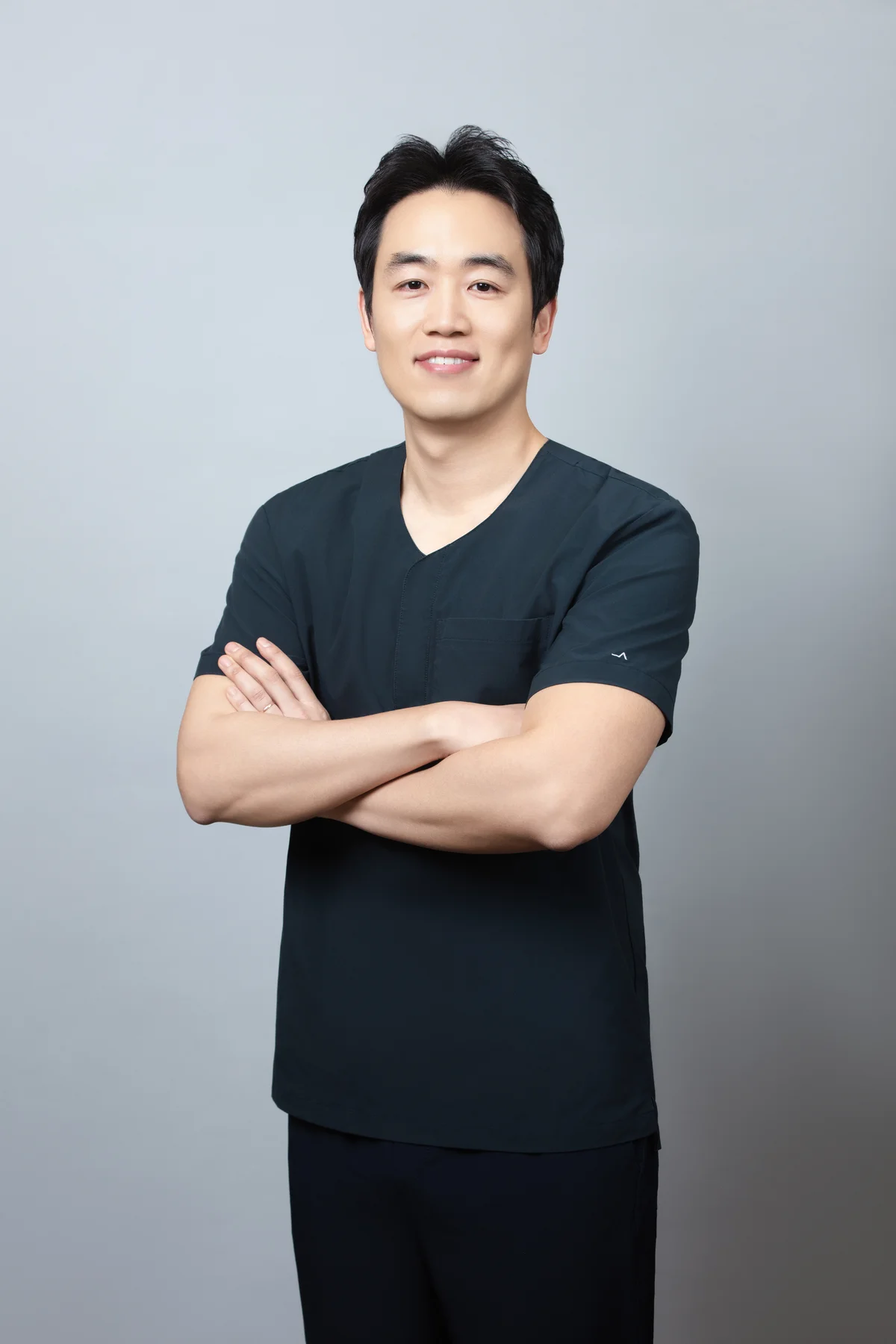
Dr. Yoongon Ryu
Aesthetic Medicine Specialist
Flagship clinic · KOL for leading lifting & regenerative devices

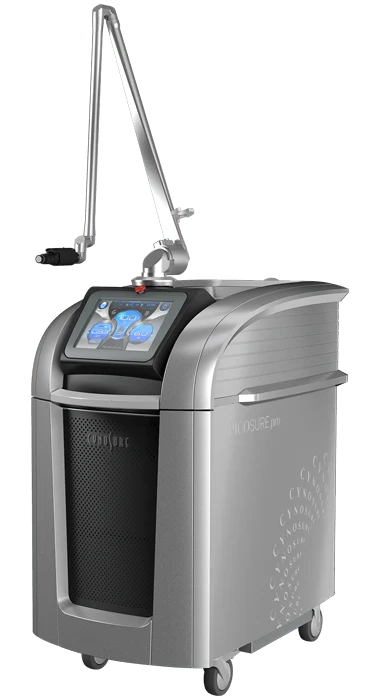
Syringomas sit as tiny sweat-duct growths, most often in the delicate under-eye area, so precise fine ablative CO2 laser work over 1 to 2 or more sessions matters far more than any single device name.
Choose a syringoma removal clinic by how carefully it works around the eyes, since syringomas are benign, recurrence-prone sweat-duct growths in delicate periorbital skin. Fine ablative CO2 laser, applied precisely and often over more than one session, is the usual approach. For patients near Hongdae (Hongik Univ.) Station, Reberry Clinic provides this care across our Seoul locations.
One-on-One guidance from a dedicated doctor, ensuring your skin is professionally monitored and treated from start to finish.
Fluent assistance in English, Japanese, and Chinese, making communication clear, respectful and comfortable for international patients.
Over 100,000 patients worldwide have received our personalized dermatological care, highlighting our expertise and reliable results.
Syringomas are small, benign growths of the eccrine (sweat) duct that most commonly appear as soft, skin-coloured or yellowish bumps under and around the eyes, though they can also occur on the cheeks, forehead, chest, or genitals. They are harmless but persistent, and because they sit in delicate periorbital skin, the skill of the person treating them matters more than the brand of laser. A quality clinic examines the lesions closely, confirms they are syringomas rather than milia or other bumps, and sets honest expectations about recurrence.
The most common in-clinic approach is fine ablative CO2 laser, which vaporises each tiny lesion with precise, shallow passes so surrounding skin is spared. Because syringomas extend into the dermis, the goal is to flatten and clear them while protecting the thin skin around the eye, which is why treatment is deliberately conservative and sometimes staged across more than one session.
Reberry Clinic is a Seoul dermatology and aesthetic clinic serving international patients with multilingual support. For patients searching near Hongdae (Hongik Univ.) Station, care is provided across our Seoul locations (Gangnam, Myeongdong), easily reached from 홍대입구역, with English-speaking staff who explain the realistic, recurrence-aware plan for your skin.
Fine ablative CO2 laser works by delivering a focused 10,600 nm beam that is strongly absorbed by water in the skin, vaporising tissue in a very controlled, shallow way. For syringomas, the operator uses fine spot sizes and low, precise energy to flatten each bump while sparing the surrounding skin, an approach sometimes called the pinhole technique when small openings are made rather than fully ablating the surface. Because syringomas are ductal structures rooted in the dermis, complete one-pass removal is often unrealistic and can risk scarring or pigment change in the thin periorbital skin, so careful clinicians treat conservatively and may stage the work. The device only performs as well as the hand guiding it: depth control, spacing between passes, and matching intensity to your skin tone determine both how effectively lesions clear and how gently the delicate eye area heals. This is precisely why choosing a clinic experienced with periorbital work, rather than the flashiest machine, is the decision that matters.
One Reberry Clinic, multiple Seoul-area locations. Pricing & current promotions are listed on each branch's own site — tap a clinic to view pricing & book.
Our flagship in the heart of Gangnam.
In Seoul's shopping & tourism heart.
A beauty stop between flights.
The newest Reberry Clinic — in Seoul's trend district.
ONE REBERRY CLINIC · MFDS-REGISTERED DEVICES · MULTILINGUAL CARE AT EVERY LOCATION
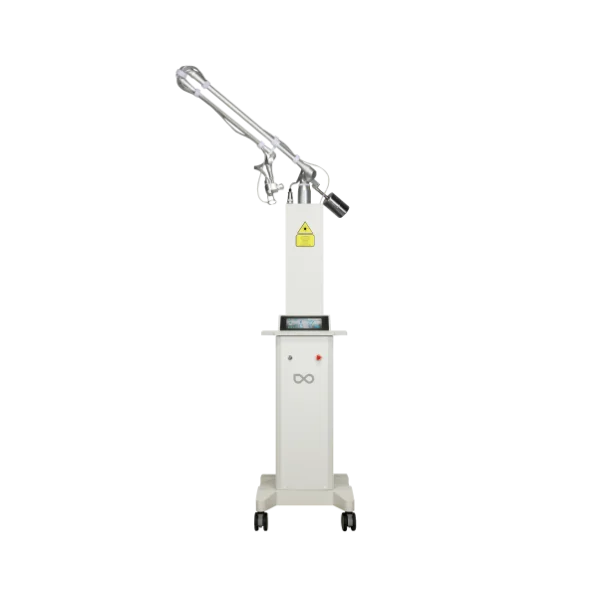
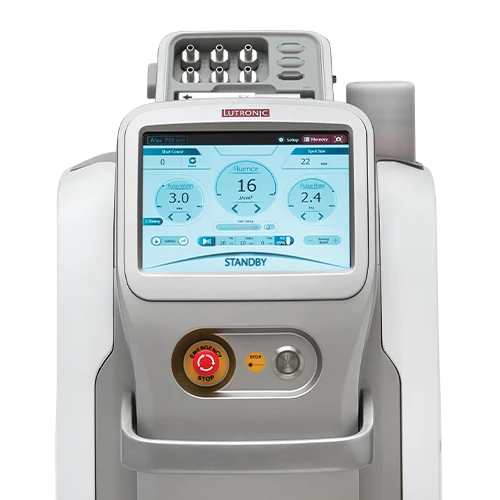
The clinic’s doctors examine the bumps to confirm they are syringomas, distinguishing them from milia or other lesions, since the 2 conditions are treated differently.
The number, size, and depth of lesions are assessed, as most patients have many tiny growths clustered around the eyes that need individual, precise attention.
Fine ablative CO2 laser is set to low, controlled energy with small spot sizes so each lesion is flattened over 1 or more passes without over-treating delicate skin.
Because syringomas are recurrence-prone, many clinics stage treatment over 2 or more sessions spaced roughly 1 to 2 months apart rather than pushing everything into one visit.
Progress is reviewed as skin heals over about 2 to 4 weeks, and occasional touch-up sessions are planned if new or residual lesions appear.
See representative outcomes from Reberry Clinic. Results build gradually and vary by individual; your plan is assessed at consultation.
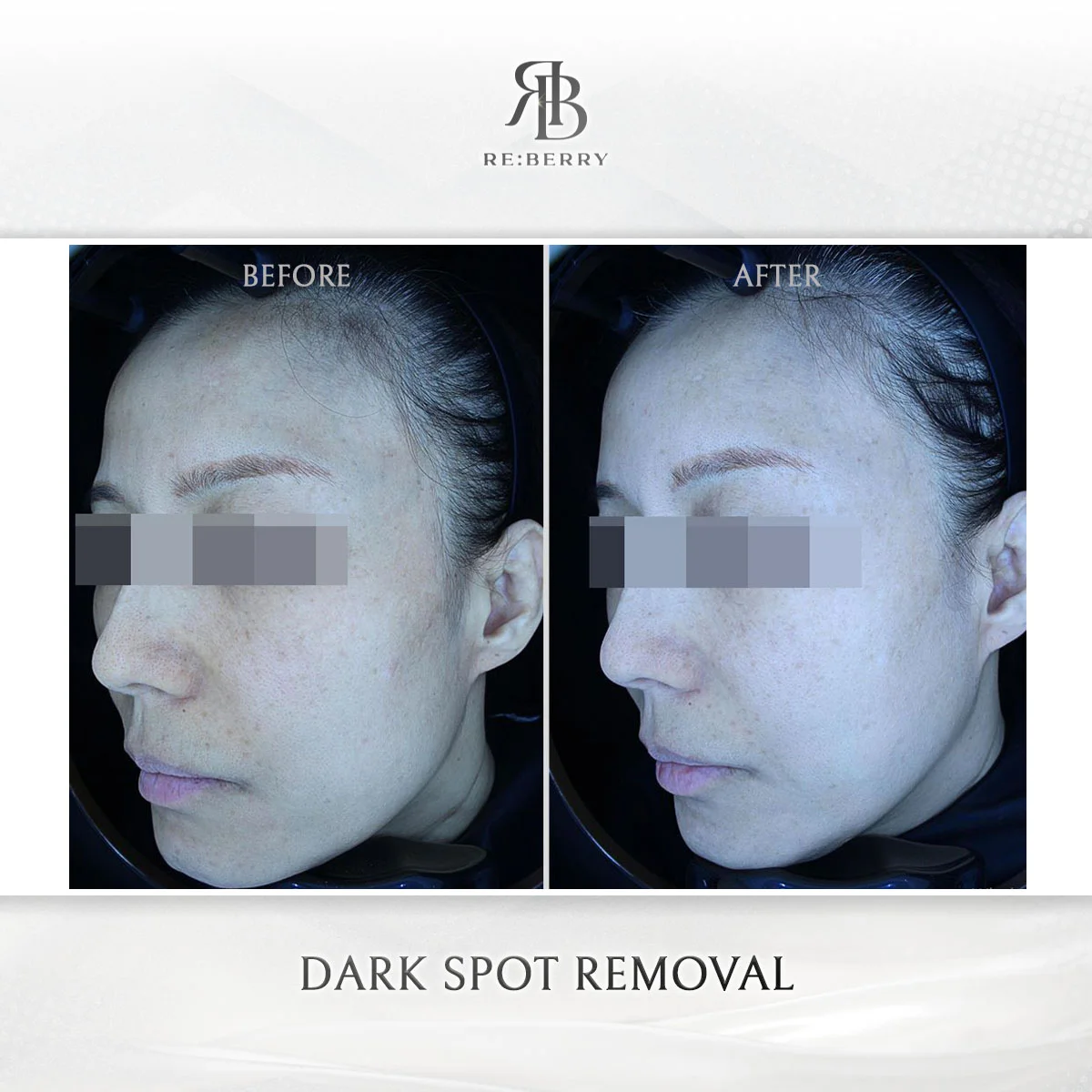
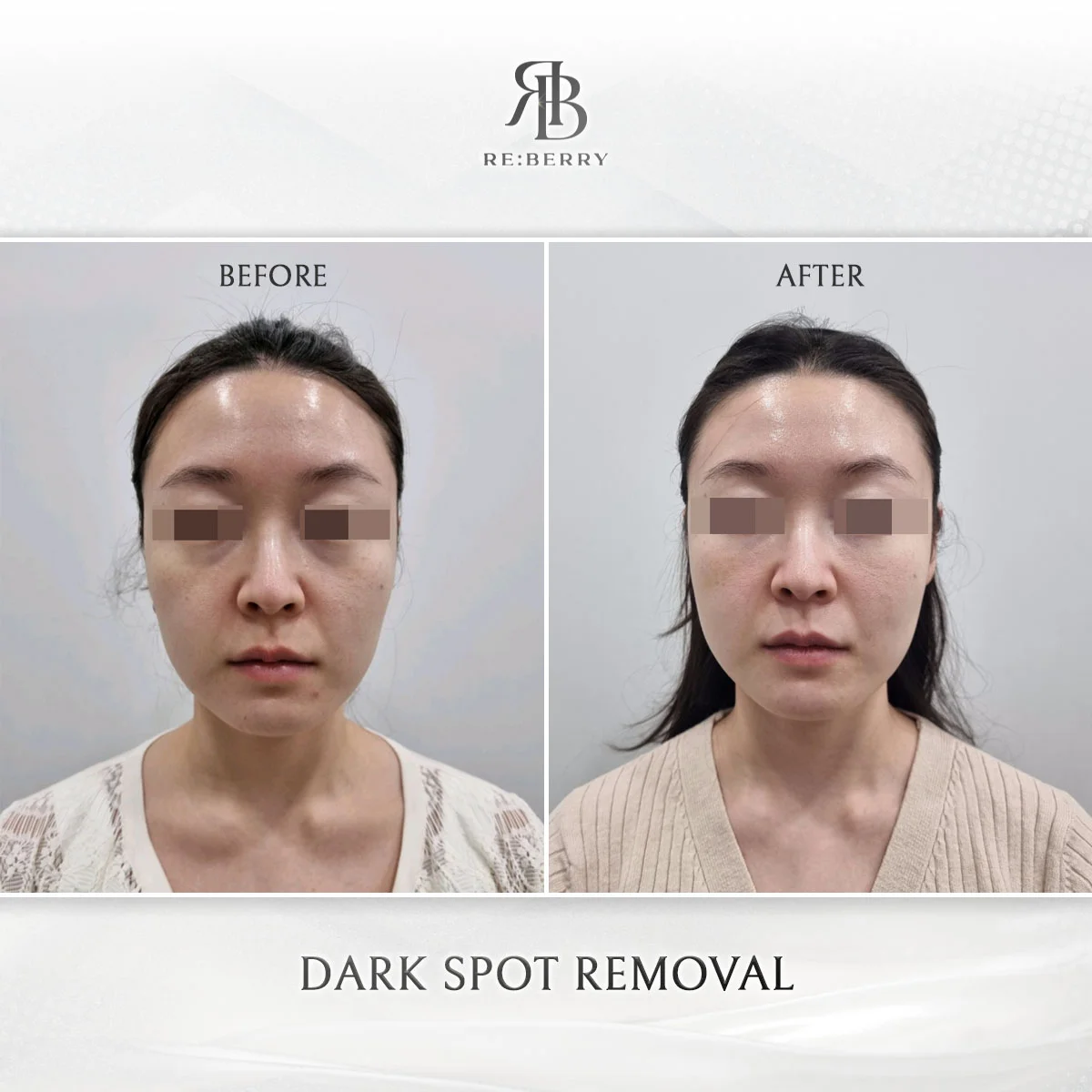
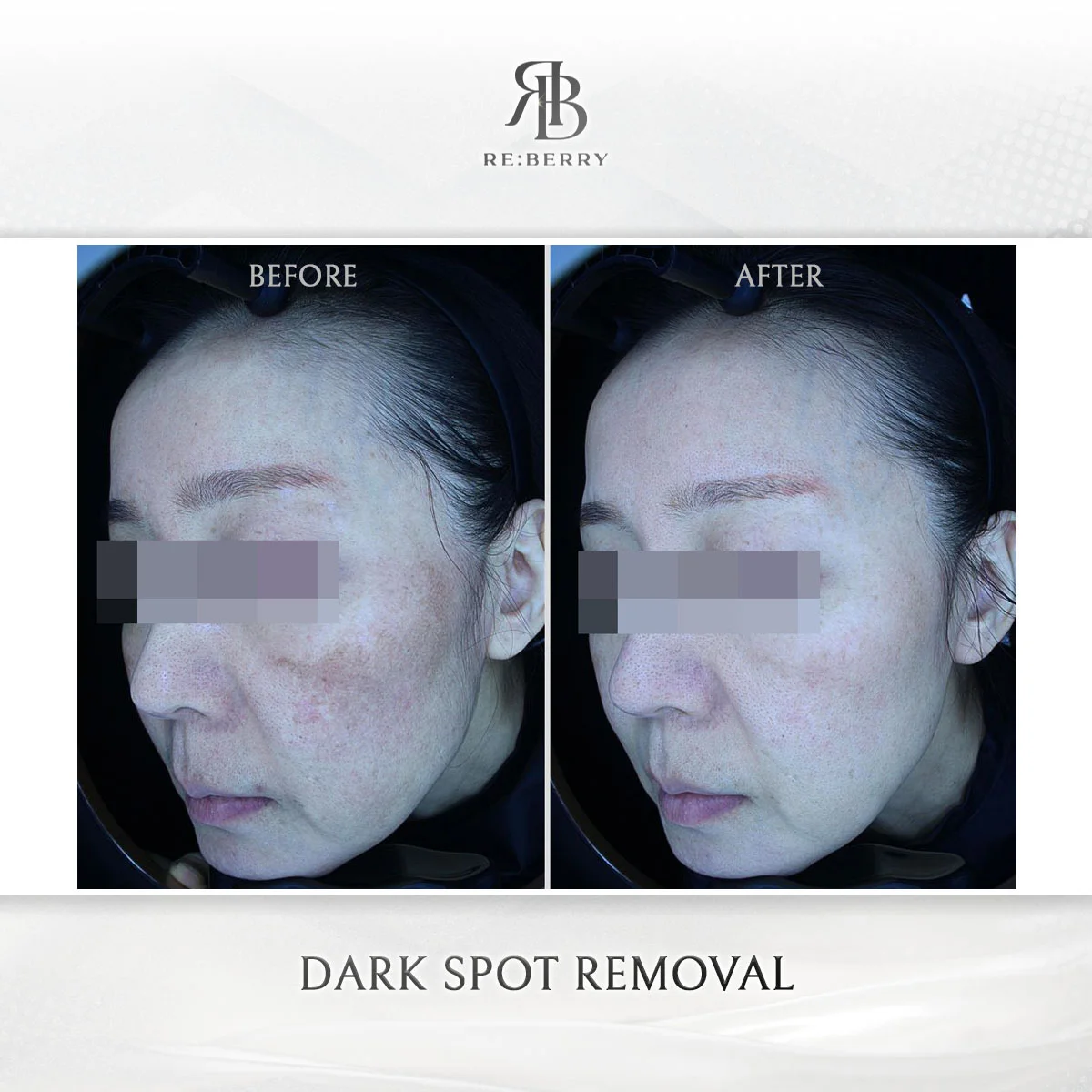
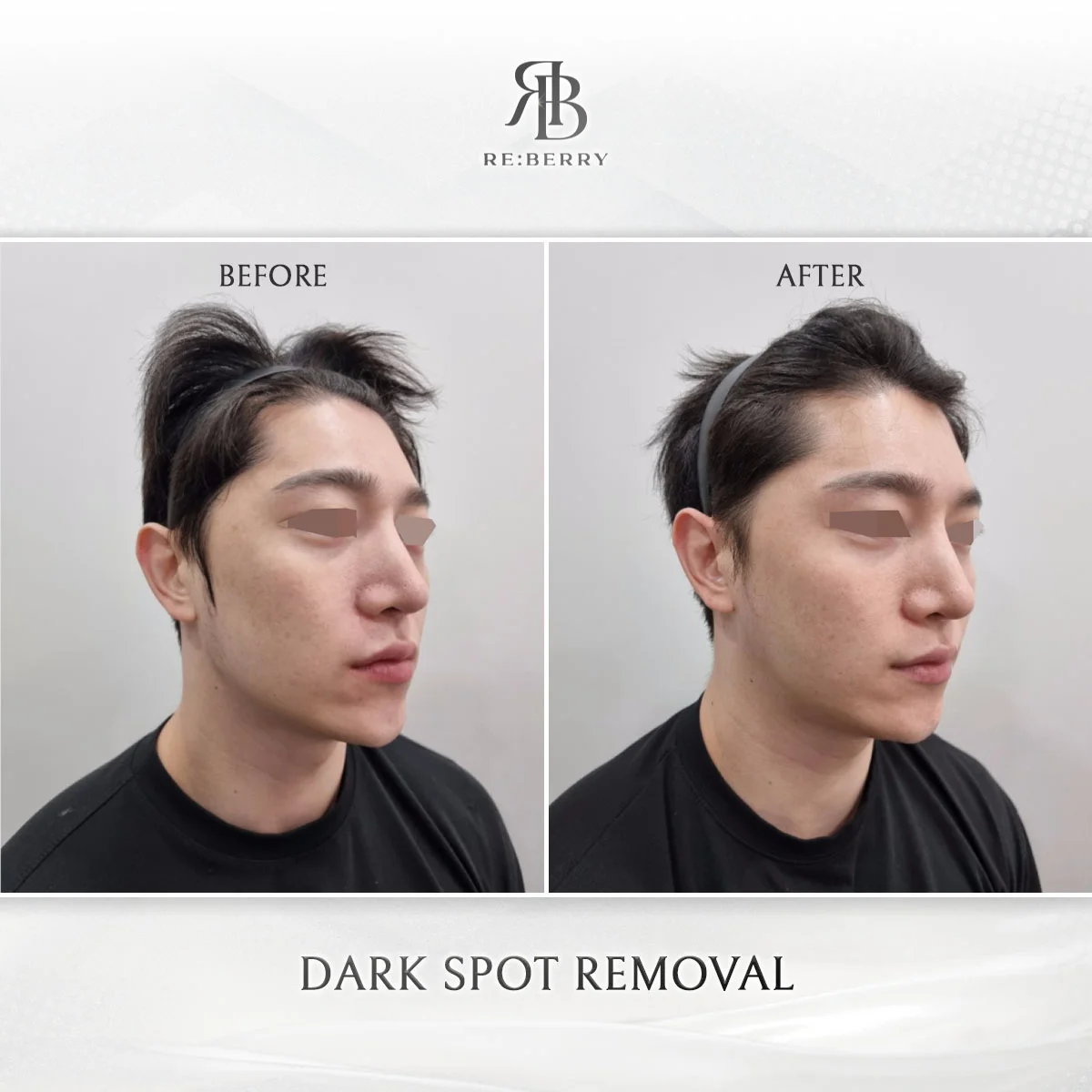
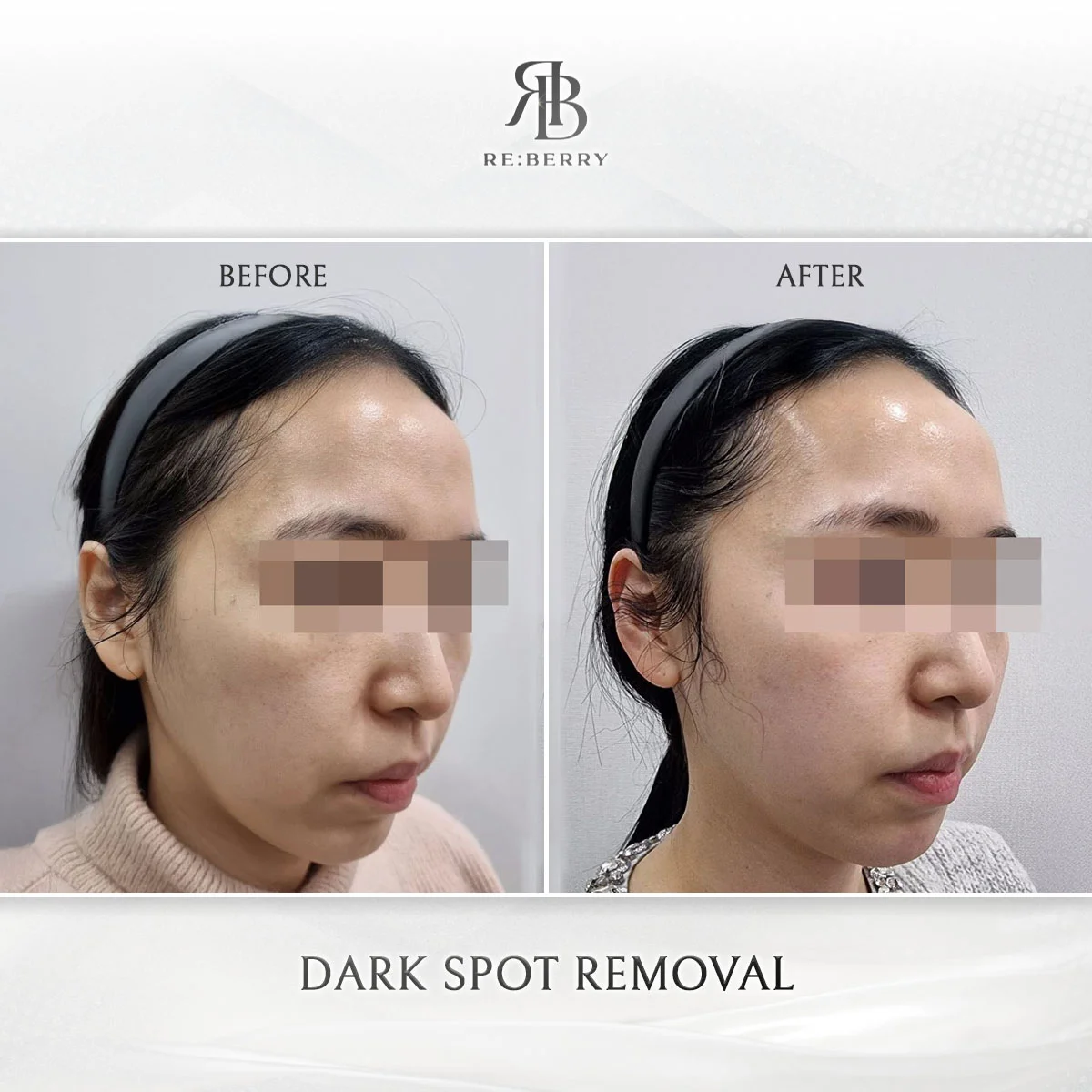
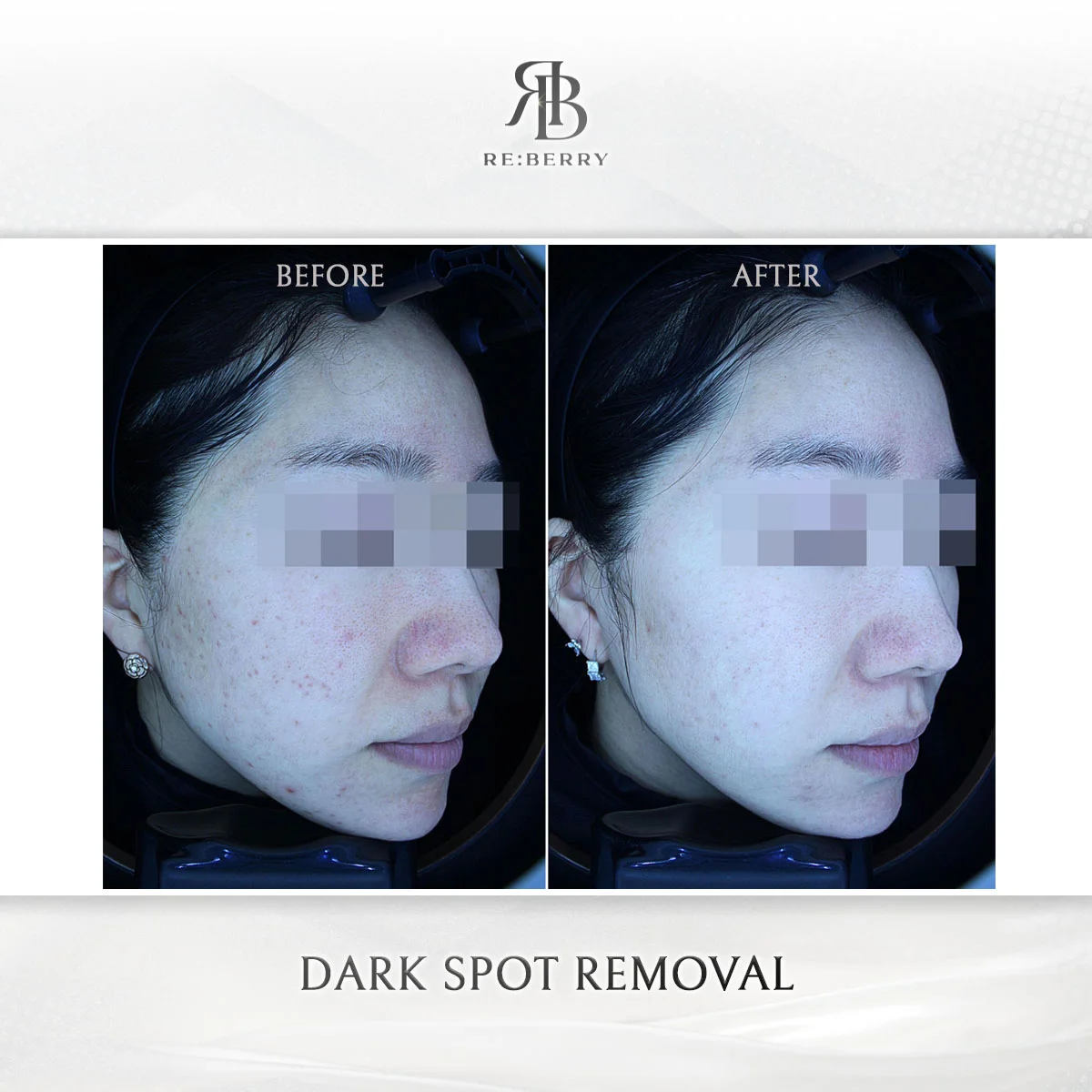
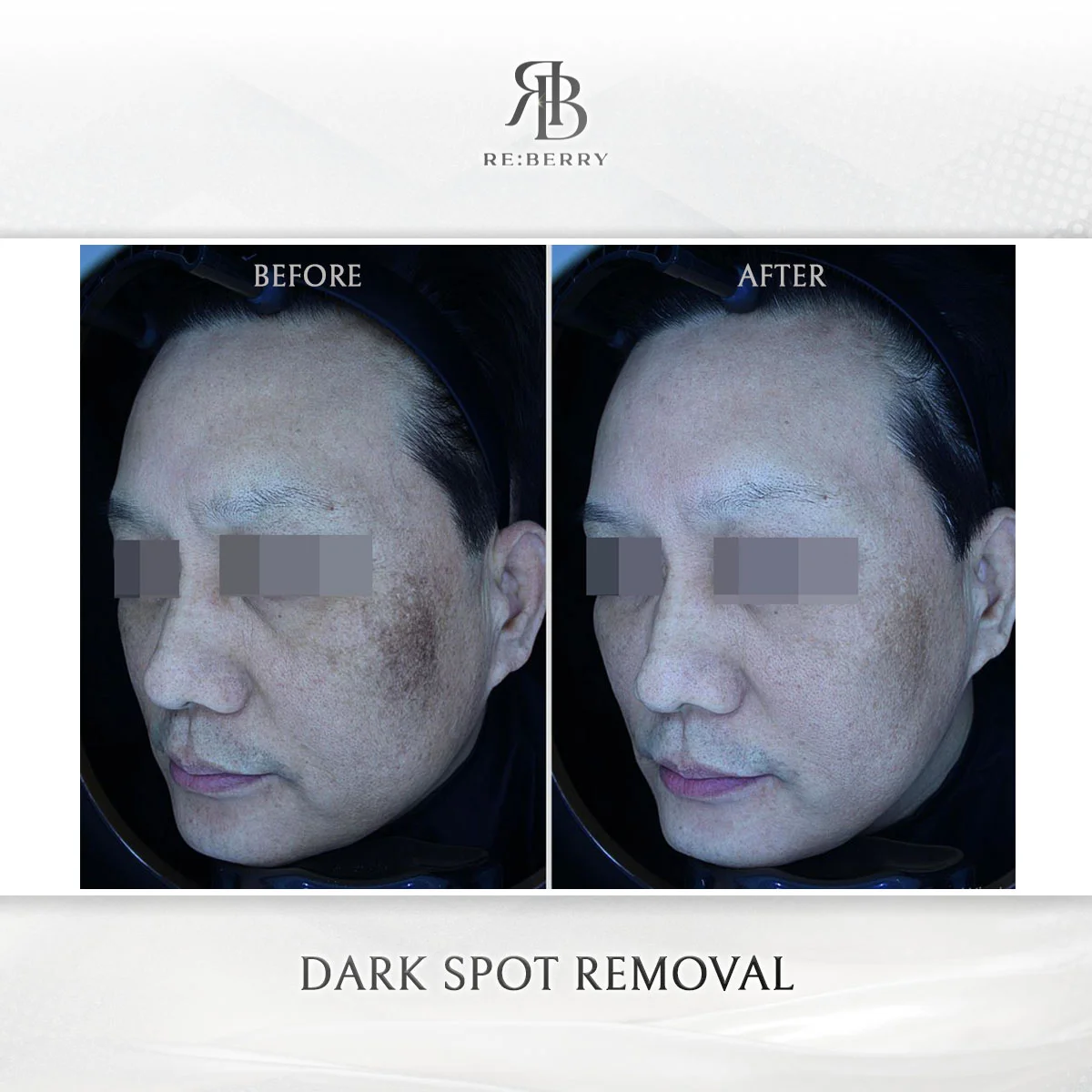
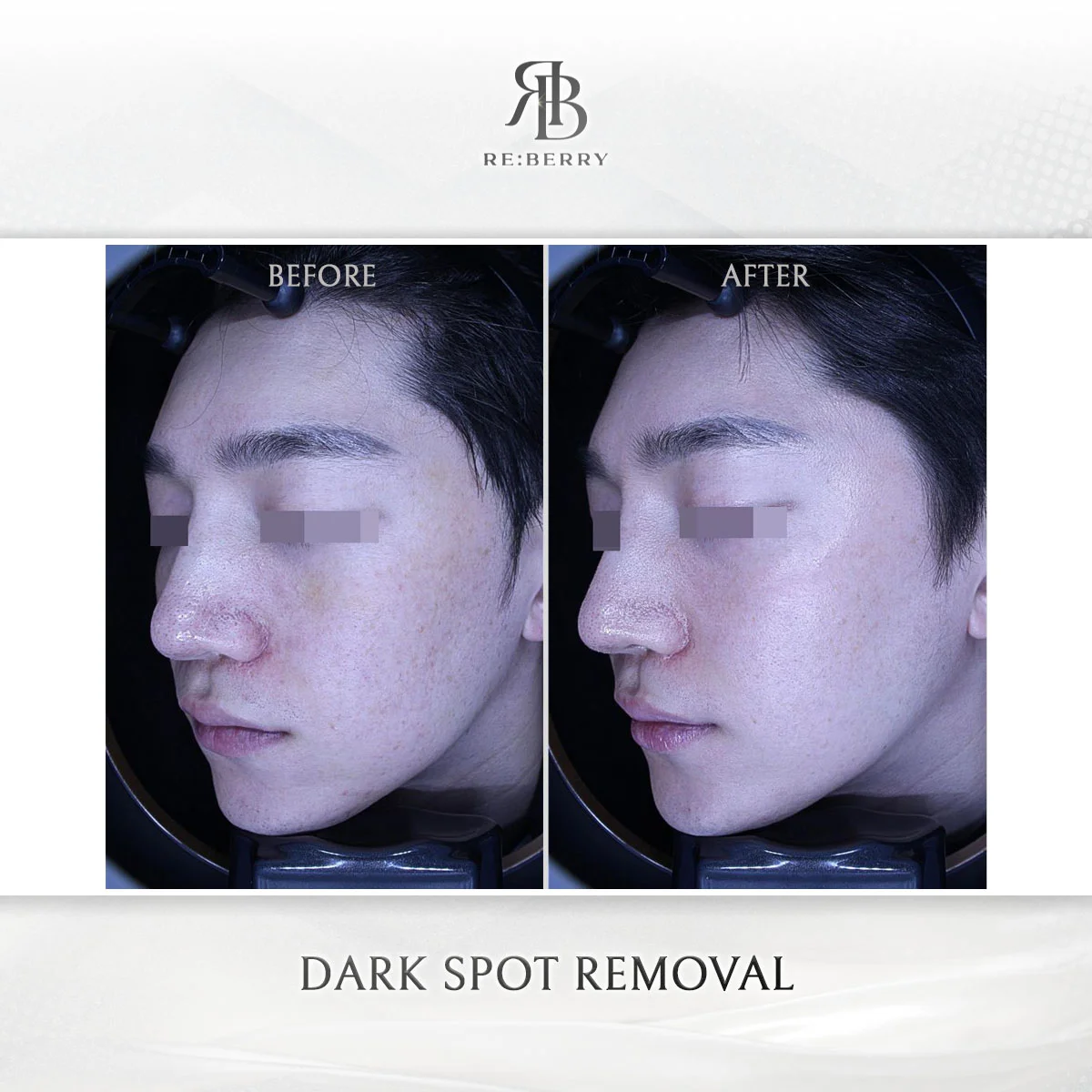
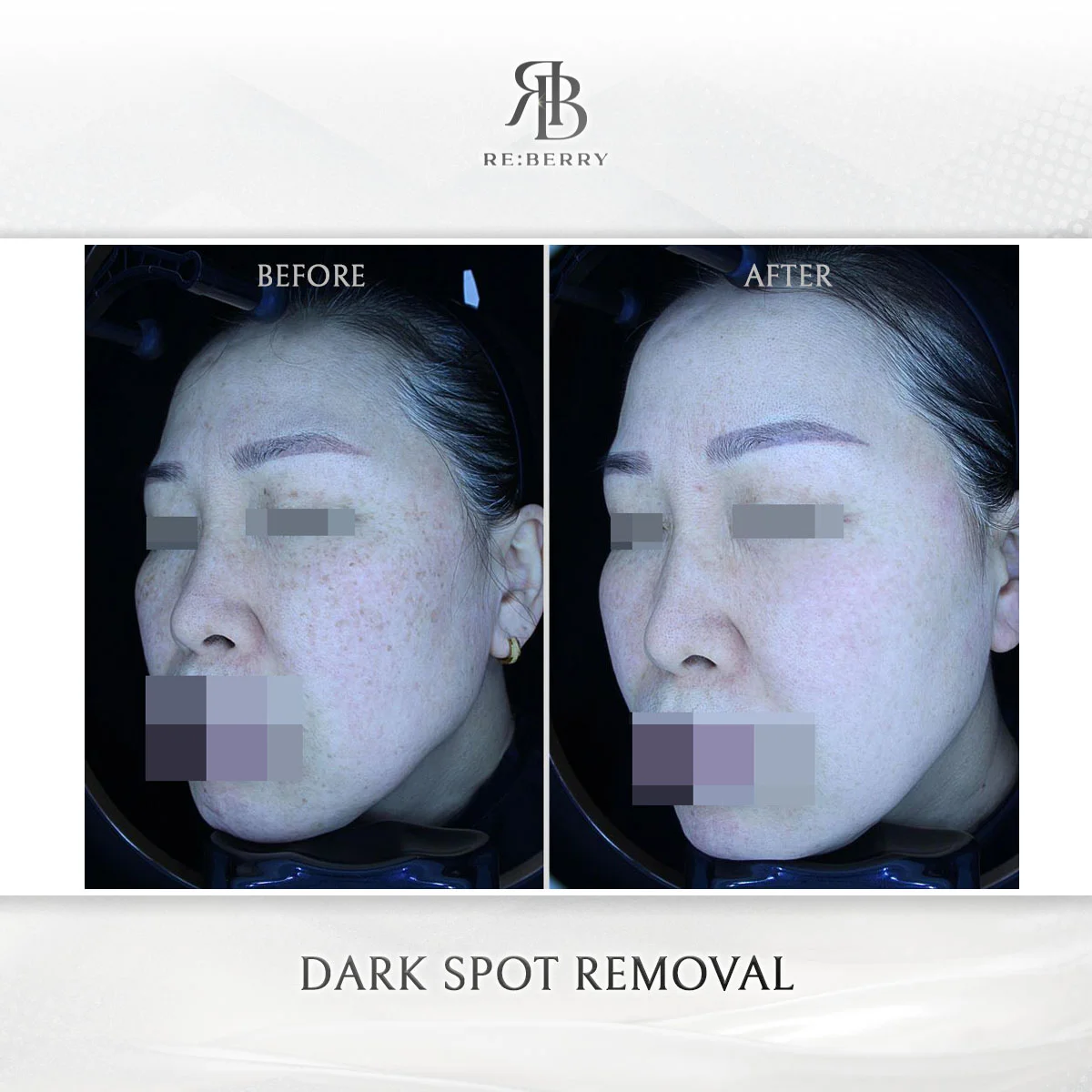
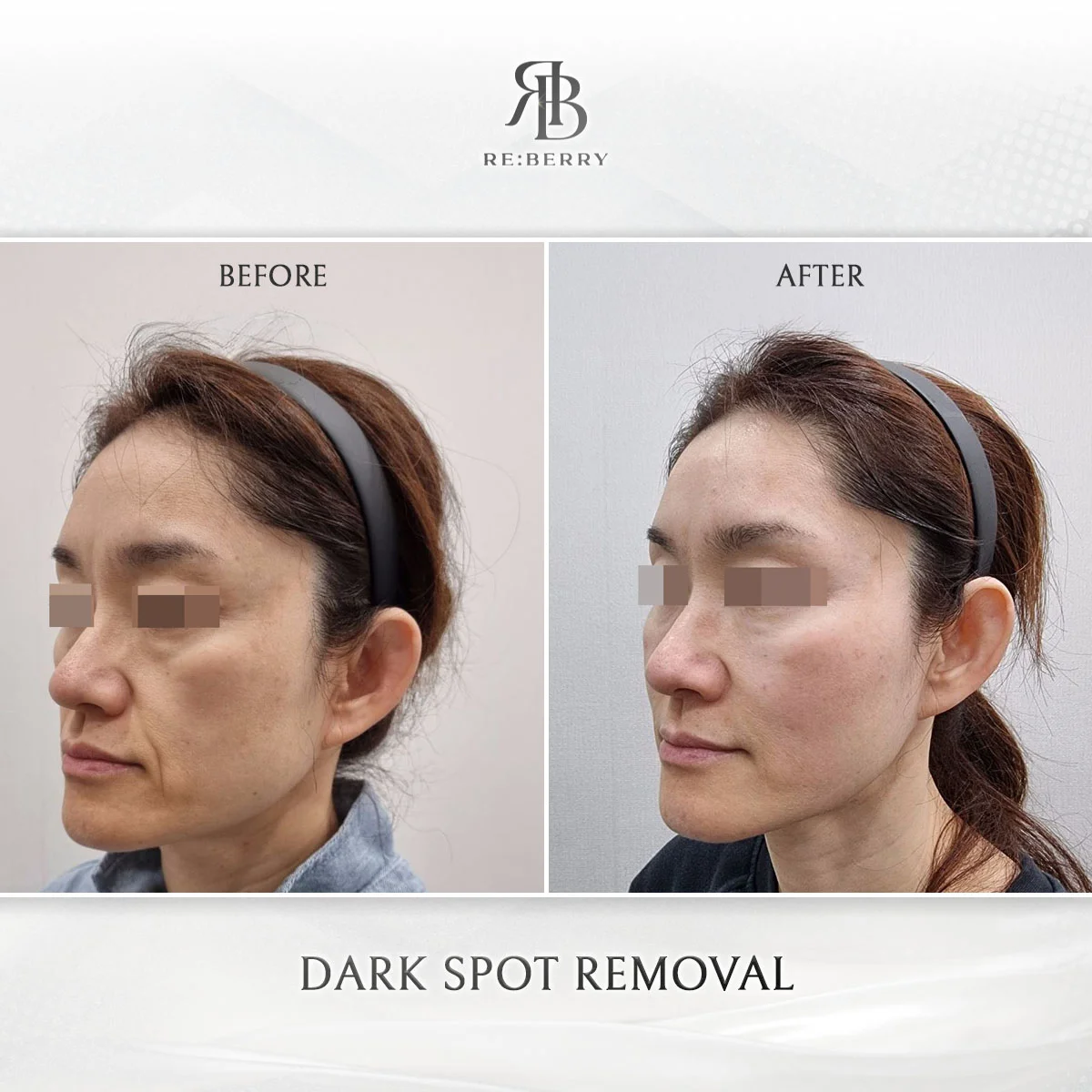
The clinic’s doctors confirm the bumps are syringomas, map the lesions, grade your skin tone, and explain the realistic, recurrence-aware plan in English.
After numbing is applied for about 20 to 30 minutes, the laser session itself usually takes 15 to 30 minutes depending on how many lesions are treated.
Because syringomas are recurrence-prone, treatment is often staged across 2 or more sessions spaced roughly 1 to 2 months apart.
Tiny crusts fall away over 1 to 2 weeks, and the treated skin continues settling for several weeks as flattening becomes clearer.
Diligent sun protection and gentle aftercare support healing; since new lesions can form over time, occasional maintenance sessions may be planned.
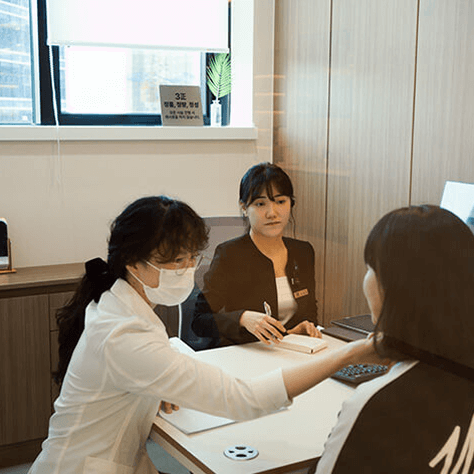
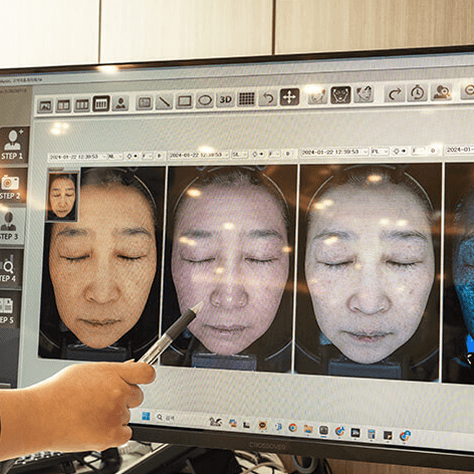

Choose a clinic experienced with delicate periorbital work that confirms the diagnosis and treats conservatively, rather than one promising permanent clearance in a single pass. Reberry Clinic follows this careful, staged approach and, for patients near Hongdae Station, provides care at our laser treatment locations across Seoul with English support.
Patients searching near Hongdae (Hongik Univ.) Station are cared for at our Seoul locations in Gangnam and Myeongdong, both easily reached from 홍대입구역, with full English support. You can start with our laser treatment overview and our team will help arrange the most convenient visit.
Syringomas are small, benign growths of the sweat duct that usually appear as soft, skin-coloured or yellowish bumps under and around the eyes. They are harmless but persistent and tend to cluster. They can also appear on the cheeks, chest, or elsewhere. A doctor confirms them by examination before recommending any treatment.
The most common method is fine ablative CO2 laser, which precisely vaporises each tiny lesion with shallow, controlled passes to protect the delicate skin around the eyes. Because syringomas extend into the dermis, treatment is deliberately conservative. You can read more about our approach on our laser treatment page.
Syringomas are recurrence-prone, so clearance is not a one-time fix and new or residual lesions can appear over time. Careful, conservative treatment reduces the chance of scarring while flattening existing lesions. Your doctor explains this honestly and plans occasional touch-up sessions rather than promising permanent removal in a single visit.
Many patients need 2 or more sessions spaced roughly 1 to 2 months apart, because treating conservatively protects the thin under-eye skin and syringomas are prone to returning. The exact number depends on how many lesions you have and their depth, which your doctor assesses and explains at consultation.
Discomfort is well managed with topical or local numbing applied before the session. Fine ablative CO2 laser feels like brief pinpoint heat at each spot. Most patients tolerate it comfortably, especially since sessions are short. Your doctor adjusts the approach for the sensitive eye area and checks your comfort throughout the procedure.
Tiny crusts or dots form at each treated spot and usually fall away over about 1 to 2 weeks. Mild redness or swelling around the eyes can last a few days. Avoiding makeup on the area and following aftercare help healing. Your doctor explains exactly what to expect for your lesion count.
When treated conservatively with fine ablative CO2 laser by an experienced clinician, scarring risk is low, but it is never zero, especially in delicate periorbital skin. This is why cautious energy settings and staging matter. Deeper or aggressive treatment raises the risk, so careful, gradual work is prioritised over trying to clear everything at once.
Treated bumps flatten as tiny crusts heal over 1 to 2 weeks, and the skin continues settling for several weeks afterward. Because treatment is often staged, full improvement builds across sessions. Your doctor reviews healing between visits and decides whether further passes are needed once the skin has fully recovered.
Yes, when laser settings are chosen carefully to reduce the risk of post-inflammatory pigment change, which deeper skin tones are more prone to. If pigment does appear, our dark spot removal options can help. A consultation grades your skin tone so the plan protects your complexion while flattening the lesions.
Yes, some patients combine syringoma removal with broader skin resurfacing or texture work in nearby areas, planned so the delicate eye zone is not over-stressed. Your doctor sequences procedures carefully. You can explore related options on our laser treatment page and discuss what suits your skin at consultation.
Most healthy adults with confirmed benign syringomas are suitable, particularly if they understand that treatment manages recurrence-prone lesions rather than guaranteeing permanent clearance. A consultation confirms the diagnosis and checks your skin tone and scarring tendency. Those with a keloid history or on isotretinoin need careful review before any laser work.
Keep the treated spots clean and moisturised, avoid picking crusts, skip makeup until healed, and use diligent broad-spectrum sunscreen. A gentle skin care routine protects the delicate eye area and reduces pigment risk. Your doctor gives a clear plan while the tiny crusts heal over the first couple of weeks.
For a first session, 2 to 3 days is comfortable, allowing a consultation, the procedure, and initial healing before you travel. Since syringoma treatment is often staged, many international patients begin in Seoul and return for further sessions, which our English-speaking team helps coordinate around your travel plans.
Yes, flying within a day or so is generally fine, as the procedure is minimally invasive. Keep treated spots protected from sun and moisturised, since cabin air is drying. Avoid rubbing the crusts. Your doctor gives aftercare guidance for travelling so healing stays on track while you return home.
International patients can complete syringoma treatment across one or more visits, and the clinic offers remote check-ins in English between trips so healing and any touch-up planning stay on track. Your treatment notes are kept on file for continuity, and our team helps schedule return sessions around your travel.
| Fine Ablative CO2 Laser | Electrocautery | Fractional Laser | |
|---|---|---|---|
| Mechanism | Focused 10,600 nm beam vaporises each lesion precisely | Heat from an electric probe destroys the lesion | Grid of microcolumns resurfaces and softens texture |
| Best for | Clustered periorbital syringomas needing precision | Isolated or larger individual lesions | Broad textural improvement, milder or residual lesions |
| Pain / comfort | Managed with topical or local numbing | Managed with local numbing; can feel more intense | Managed with numbing; a warm prickling feel |
| Downtime | Tiny crusts for several days around treated spots | Small crusts; variable by lesion size | Redness for a few days across the treated area |
| Results timeline | Bumps flatten as spots heal over 1 to 2 weeks | Lesion resolves as the crust heals | Gradual textural improvement over weeks |
| Recurrence | Possible; recurrence-prone, may need touch-ups | Possible; depends on depth reached | Possible; often used as a supportive approach |
| Cost factors | Depends on lesion count and number of sessions | Depends on lesion count and size | Depends on area and number of sessions |
Real verified reviews from our Google Business Profile, across all Reberry Clinic locations.
PULLED LIVE FROM GOOGLE · GANGNAM · MYEONGDONG · INCHEON AIRPORT
Your treatment is planned and performed by experienced, MFDS-registered doctors across our Seoul-area clinics, with multilingual support for international patients.
Flagship clinic · KOL for leading lifting & regenerative devices
Multilingual tourist care beside Myeongdong Cathedral
Fast, effective care 20 minutes from the terminals
Message us on WhatsApp for a free consultation in English about your syringomas and a careful, individualised plan.