



Gangnam
Dr. Yoon-Gon Ryu
Aesthetic Medicine Specialist
Flagship clinic · for leading lifting & regenerative devices · Featured in Authority Magazine (2026)


Seoul runs 4 distinct seasons, and the lower-UV spring and autumn months are the 2 windows most international patients choose so treated skin recovers comfortably and stays protected from strong sun.
The best time to visit Korea for skin treatment is spring (March to May) or autumn (September to November), when Seoul’s UV index is lower and the weather is mild, making post-treatment sun protection and recovery easier. Any season works for hydration or non-light visits; pigment and laser plans benefit most from lower-UV months.
One-on-One guidance from a dedicated doctor, ensuring your skin is professionally monitored and treated from start to finish.
Fluent assistance in English, Japanese, and Chinese, making communication clear, respectful and comfortable for international patients.
Over 100,000 patients worldwide have received our personalized dermatological care, highlighting our expertise and reliable results.
For skin treatment, the most comfortable time to visit Seoul is usually spring (March to May) or autumn (September to November). Both seasons combine mild temperatures with a lower UV index than the intense summer months, and that matters because many skin treatments, particularly pigment and laser work, require careful sun protection while the skin heals. Treating in a lower-UV season makes it far easier to shield treated skin and reduces the risk of post-inflammatory hyperpigmentation, which is a common concern for the melanin-rich skin found across much of Asia.
That said, the best season depends on what you are treating. Non-light procedures such as hydration facials, skin boosters and some lifting devices that do not disrupt the skin surface are flexible across all 4 seasons, so summer is perfectly workable for those. It is specifically light-based, pigment and resurfacing treatments that reward cooler, lower-UV timing, because strong summer sun on freshly treated skin can slow or undo results.
Our Myeongdong (Seoul) location is central and easy for visitors to reach, with English support to help you plan a visit around both Seoul’s climate and your itinerary. Reberry Clinic also has Gangnam and Incheon Airport branches, and the clinic’s doctors recommend the season-appropriate plan for your specific concern at consultation.
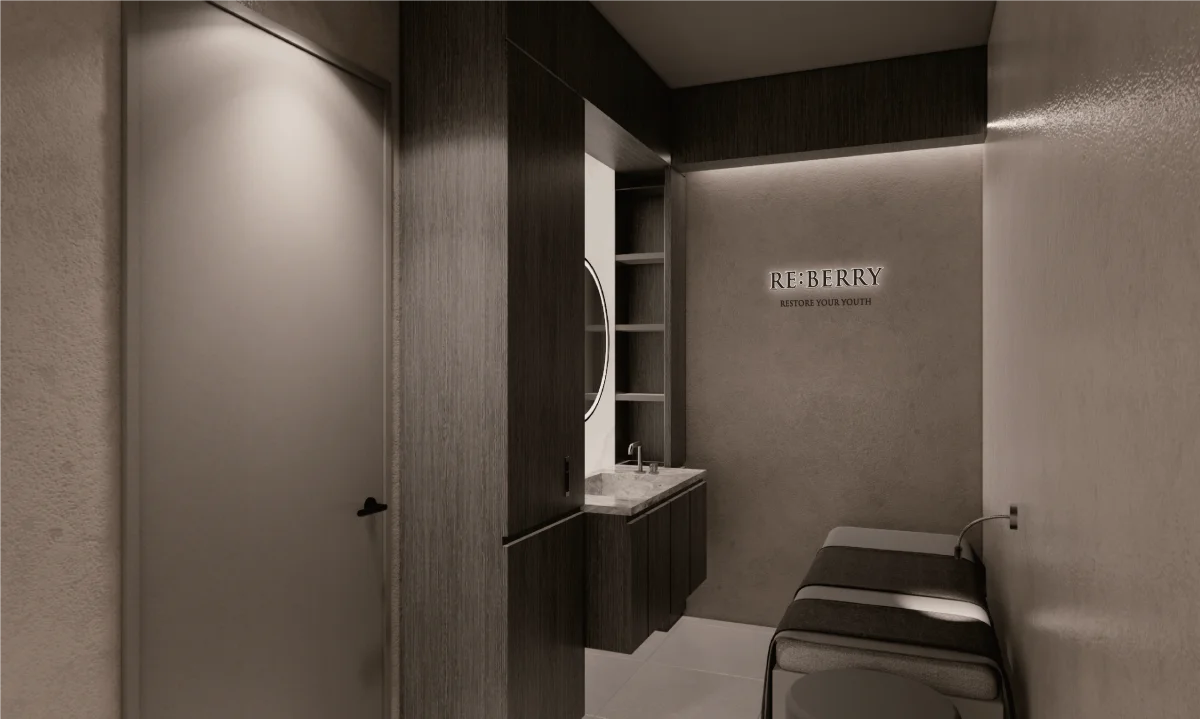
Seoul’s climate swings meaningfully across the year, and each season has practical implications for treated skin. Summer brings high to very-high UV alongside heat and humidity, which makes keeping laser-treated or resurfaced skin protected and calm more demanding. Spring and autumn offer lower UV and comfortable temperatures, so following the standard aftercare rule, broad-spectrum SPF 50+ reapplied about every 2 hours, is much easier on sightseeing days. Winter is also low in UV, though dry indoor heating can leave the skin barrier more sensitive after certain procedures, so extra hydration helps.
Season also influences how you sequence a plan. Pigment and tone treatments typically build across a series of visits, so many patients start a course in a lower-UV month and finish it before the next high-UV season arrives. Autumn is a popular window for addressing summer sun damage before it becomes entrenched, while spring lets you complete a plan before summer sun returns. The clinic’s doctors help you align the season, the concern and the number of sessions so your visit is both comfortable and effective.
One Reberry Clinic, multiple Seoul-area locations. Pricing & current promotions are listed on each branch's own site — tap a clinic to view pricing & book.
Our flagship in the heart of Gangnam.
In Seoul's shopping & tourism heart.
A beauty stop between flights.
The newest Reberry Clinic — in Seoul's trend district.
ONE REBERRY CLINIC · MFDS-REGISTERED DEVICES · MULTILINGUAL CARE AT EVERY LOCATION

Pigment, tone and laser plans are the most season-sensitive, so these are best scheduled outside the 3 peak summer months.
Spring (March to May) and autumn (September to November) give lower UV and mild weather, the 2 most recovery-friendly windows.
Hydration, boosters and non-surface lifting are workable in all 4 seasons, so summer trips can still include these safely.
Many pigment plans run over 3 to 5 sessions, so time your first visit to leave room to finish before the next high-UV season.
Leave at least 1 to 2 lower-sun days after laser or resurfacing so you can protect treated skin with SPF 50+ before heavier activity.
Before-and-after photos are being updated.
The clinic’s doctors assess your concern and skin type, then recommend a season-appropriate plan and realistic expectations in English.
A first session usually takes about 20 to 60 minutes depending on the modalities, with numbing used where needed for comfort.
Pigment and tone plans often run over a series of 3 to 5 visits, so timing is mapped across the course rather than one trip.
Improvement usually builds across weeks, and diligent SPF 50+ during and after your stay protects it, especially in higher-UV months.
Since sun drives many concerns, ongoing photoprotection and occasional maintenance help results last across seasons.



Spring (March to May) and autumn (September to November) are generally best, because Seoul’s lower UV and mild weather make post-treatment sun protection and recovery easier. These seasons suit pigment and laser plans especially well. You can explore options first on our skin care page and confirm timing at consultation.
Summer is not off-limits, but it is less ideal for pigment and laser work, because high UV and heat make protecting treated skin harder and raise hyperpigmentation risk. Hydration, boosters and non-light treatments remain a good fit in summer. The clinic’s doctors adjust the plan and stress strict sun protection if you visit in warmer months.
Hydration facials, skin boosters and lifting devices that do not disrupt the skin surface are generally season-flexible, so summer visits work well for these. A hydrafacial is a good warm-weather choice. Pigment, tone and laser treatments are the ones that most reward cooler, lower-UV timing for the best recovery.
Pigment treatments prefer lower-UV seasons because strong sun on freshly treated skin can trigger post-inflammatory hyperpigmentation and slow results, especially on melanin-rich skin. Lower UV makes diligent SPF 50+ easier to maintain. A laser treatment plan for pigment is therefore best timed for spring, autumn or winter.
Both spring and autumn offer lower UV and comfortable weather, so either works well. Autumn is popular for treating accumulated summer sun damage before it settles in, while spring lets you complete a plan before summer sun returns. Your doctor helps choose based on your concern, itinerary and how many sessions you need.
For a first session, 2 to 3 days is comfortable, allowing a consultation, the procedure and a short review with low-sun recovery time. Since many plans run as a course, some patients begin in Seoul and return seasonally. Our English-speaking team helps coordinate timing and downtime around your trip.
Broad-spectrum SPF 50+ reapplied roughly every 2 hours is the standard rule after most laser or light-based procedures, along with hats, shade and avoiding peak midday sun. This applies year-round but is far easier during Seoul’s cooler seasons, which is one reason spring and autumn are favoured for pigment work.
Most pigment or tone plans build over a series of about 3 to 5 sessions spaced weeks apart, rather than in a single visit. The exact number depends on your concern and how it responds, which your doctor reviews between sessions. Timing your visits within one lower-UV season helps protect the cumulative result.
Improvement usually builds over several weeks as a plan progresses, not immediately after one visit. Season does not speed results, but strong summer sun can slow them, which is why lower-UV timing is preferred for pigment work. Diligent SPF 50+ protects your progress in any season.
Yes, some complementary treatments can be safely combined in a single visit, which is efficient for international patients. Which combinations suit you, and the right sequencing, is decided by the clinic’s doctors at consultation. You can read more about pairing options on our injection treatment page.
Our Myeongdong (Seoul) location, at 5, Myeongdong 10-gil, Jung-gu, is central and easy to reach, about 5 minutes from Myeongdong Station. Reberry Clinic also has Gangnam and Incheon Airport branches. The Myeongdong team offers English support and helps match your season and concern to the right plan.
Yes, winter has low UV, which suits many laser and pigment plans, provided the skin barrier is kept well hydrated against dry indoor heating. Some patients prefer the quieter off-season for indoor recovery. Your doctor may add extra hydration support so treated skin stays comfortable through Seoul’s dry winter air.
Yes, deeper or more pigment-prone skin types benefit even more from lower-UV timing, because they carry a higher risk of post-inflammatory hyperpigmentation after light-based treatment. Your doctor may also use more conservative laser settings. A consultation matches both the plan and the season to your specific skin type safely.
Yes, flying within a day or so is generally fine for most non-invasive to minimally invasive skin treatments. Cabin air is drying, so moisturise and protect treated skin from sun through cabin windows. If you had a laser or resurfacing session, your doctor advises on aftercare while you travel home.
Daily SPF 50+, gentle non-irritating skincare, hydration and avoiding strong sun are the essentials between visits. A tailored skin care routine protects your barrier and your results. Your doctor recommends products suited to the season and to any treatment you had during your stay in Seoul.
International patients can complete a course across one or more seasonal visits, and the clinic offers remote check-ins in English between trips so the plan stays on track. You can continue supportive skin care at home. Your treatment notes are kept on file so timing stays coordinated across your visits.
| Spring / Autumn (lower UV) | Summer (high UV) | Winter (low UV, dry) | |
|---|---|---|---|
| UV / climate | Lower UV, mild and comfortable | High to very-high UV, hot and humid | Low UV but very dry indoor air |
| Best for | Pigment, laser and resurfacing plans | Hydration, boosters, non-light visits | Laser plans with diligent hydration |
| Sun-protection ease | Easiest to shield treated skin | Hardest, strong sun works against results | Easy UV-wise, watch for dryness |
| Downtime comfort | Comfortable for recovery days | Heat can aggravate freshly treated skin | Comfortable if skin is kept hydrated |
| Course timing | Ideal to start and complete a series | Better to pause pigment courses | Good for maintenance between seasons |
| Typical traveller fit | Sightseeing and treatment balance well | Great for beaches, less for laser skin | Quieter season, indoor-friendly recovery |
Real verified reviews from our Google Business Profile, across all Reberry Clinic locations.
PULLED LIVE FROM GOOGLE · GANGNAM · MYEONGDONG · INCHEON AIRPORT
Your treatment is planned and performed by experienced, MFDS-registered doctors across our Seoul-area clinics, with multilingual support for international patients.
Flagship clinic · for leading lifting & regenerative devices · Featured in Authority Magazine (2026)

Multilingual tourist care beside Myeongdong Cathedral

Fast, effective care 20 minutes from the terminals
Message us on WhatsApp for a free consultation in English about the best time to visit and a plan matched to your concern.