



Gangnam
Dr. Yoon-Gon Ryu
Aesthetic Medicine Specialist
Flagship clinic · for leading lifting & regenerative devices · Featured in Authority Magazine (2026)


A superficial chemical peel flakes for about 2 to 5 days, while a medium-depth TCA peel peels for up to 7 days; this timeline shows what each recovery day looks like.
Chemical peel downtime in Korea depends on depth: superficial AHA or BHA peels cause light flaking for about 2 to 5 days, and a medium-depth TCA peel peels visibly for up to 7 days. At Reberry Clinic in Seoul the peel is matched to your schedule, with English-language written aftercare so international patients recover confidently.
One-on-One guidance from a dedicated doctor, ensuring your skin is professionally monitored and treated from start to finish.
Fluent assistance in English, Japanese, and Chinese, making communication clear, respectful and comfortable for international patients.
Over 100,000 patients worldwide have received our personalized dermatological care, highlighting our expertise and reliable results.
Chemical peel recovery is the short period after a peel when your skin sheds treated surface cells and renews, and how long it takes is set almost entirely by the depth of the peel. A superficial peel, using an alpha-hydroxy acid (AHA, such as glycolic or lactic acid) or the beta-hydroxy acid salicylic (BHA), works within the epidermis, so recovery is quick and flaking is light. A medium-depth trichloroacetic acid (TCA) peel reaches the upper dermis, so peeling is more visible and lasts longer.
Understanding the timeline matters most for travellers, because you want to plan quieter days around visible flaking and know when it is fine to wear makeup, exercise or fly. In practice a light peel fits easily into a normal week, while a deeper TCA peel is best planned with a few settled days afterward. Redness, tightness and mild flaking are expected and are signs the skin is renewing, not signs of harm.
Reberry Clinic is a dermatology clinic serving international patients across three Seoul-area locations (Gangnam, Myeongdong, Incheon Airport) with English-speaking support. The clinic’s doctors choose the acid and depth to fit both your concern and how much downtime suits your trip, and they give written aftercare. You can see the wider treatment context on our skin care page.
Recovery time is governed by how deep the acid works, because deeper renewal means more surface cells are shed and the skin needs longer to re-form a smooth barrier. Superficial AHA peels are water-soluble and act on the outer epidermis, giving 2 to 5 days of fine flaking, while salicylic acid (BHA) is oil-soluble and penetrates pores, suiting oily and mildly acne-prone skin with similarly short recovery. A medium-depth TCA peel coagulates protein into the upper dermis, so peeling is heavier and can last up to 7 days, with redness that may linger a little longer.
Because depth sets both the result and the downtime, matching the peel to your skin and your schedule is the core of a smooth recovery. Reberry Clinic’s doctors control the acid, contact time and neutralisation, and they prime the skin so it tolerates the peel and heals evenly. For a very gentle, no-flaking alternative when you have zero spare days, they may suggest a HydraFacial instead of a peel.
One Reberry Clinic, multiple Seoul-area locations. Pricing & current promotions are listed on each branch's own site — tap a clinic to view pricing & book.
Our flagship in the heart of Gangnam.
In Seoul's shopping & tourism heart.
A beauty stop between flights.
The newest Reberry Clinic — in Seoul's trend district.
ONE REBERRY CLINIC · MFDS-REGISTERED DEVICES · MULTILINGUAL CARE AT EVERY LOCATION
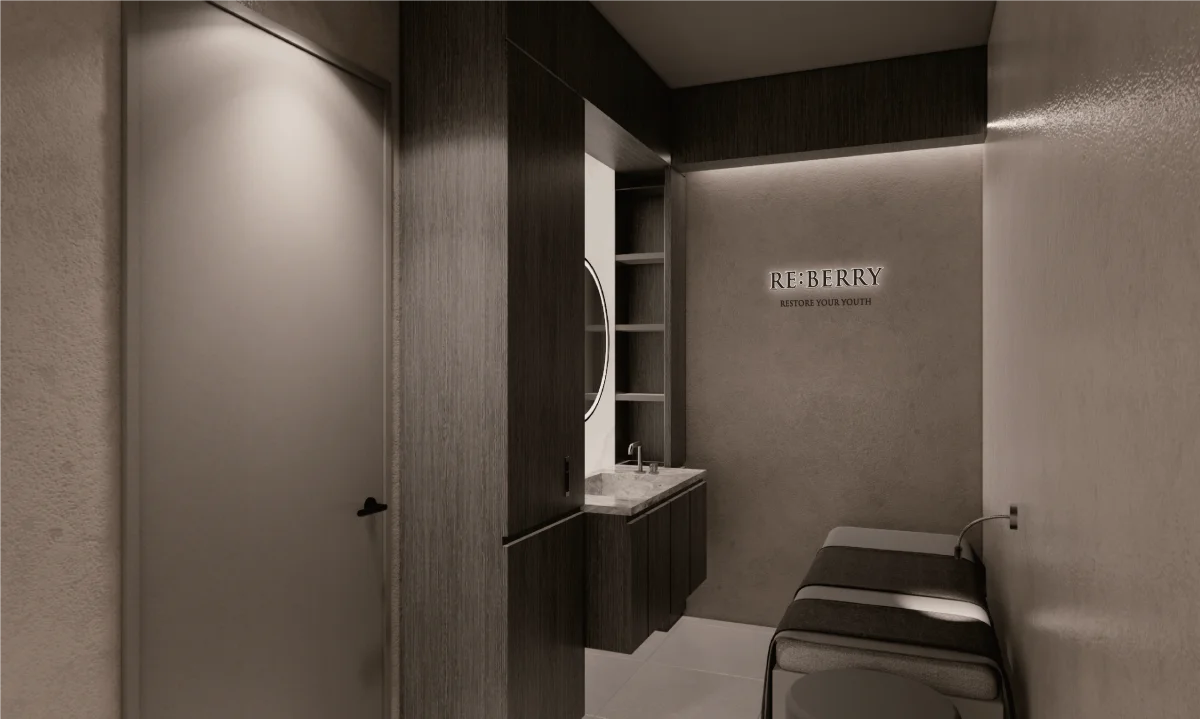

Immediately after, skin looks flushed and feels tight for about 24 hours; a superficial session itself takes only 20 to 30 minutes.
Light flaking usually begins within 24 to 48 hours for superficial peels, while a TCA peel may darken briefly before peeling starts.
Superficial peels shed for 2 to 5 days; a medium-depth TCA peel peels more heavily for up to 7 days as new skin surfaces.
Most superficial flaking finishes within about 7 days, revealing brighter tone, though mild pinkness can linger a few more days.
Redness settles over 1 to 2 weeks; superficial peels are then repeated every 2 to 4 weeks across a course of about 3 to 6 sessions.
Reberry Clinic · Prices verified: Oct 2026
| Clinic | Price (KRW) |
|---|---|
| GangnamLala Peel | from₩77,000 |
| MyeongdongAllergy Care / Lala Peel / Oxygen Enzyme (choose 1) | from₩150,000 |
| Incheon AirportLala Peel | from₩60,000 |
VAT excluded · Treatment packages differ by clinic — see each clinic page for its full menu · Confirmed after consultation
Before-and-after photos are being updated.
An English-language consultation assesses your skin, selects the acid and depth, and plans downtime around your travel dates and course of sessions.
After cleansing and priming, the peel is applied and neutralised; a superficial session takes about 20 to 30 minutes with immediate tightness.
Superficial flaking lasts about 2 to 5 days and a medium-depth TCA peel up to 7 days, with light care through the shedding phase.
Brighter, smoother skin appears as flaking finishes around day 7, building further over a course of 3 to 6 peels spaced 2 to 4 weeks apart.
Strict sun protection, gentle products and no picking during peeling preserve the result, and remote English check-ins guide recovery from home.



Downtime depends on depth: a superficial AHA or BHA peel causes light flaking for about 2 to 5 days, while a medium-depth TCA peel peels visibly for up to 7 days. Neither needs dressings. The clinic’s doctors match the peel to your schedule, and you can compare gentler options on our skin care page.
Light flaking usually begins within 24 to 48 hours of a superficial peel and continues for a few days as surface cells shed. A medium-depth TCA peel may briefly darken before peeling starts around day 2 to 3. This shedding is normal renewal, and gently letting it fall away rather than picking protects the fresh skin beneath.
Day 0 to 1 brings redness and tightness, day 1 to 2 starts light flaking, and day 2 to 5 is active peeling for superficial peels. Fresh, brighter skin emerges by about day 7, with any pinkness settling over 1 to 2 weeks. A deeper TCA peel follows the same pattern but peels more heavily for up to a week.
Most patients feel only mild tingling, warmth or brief stinging as the acid is applied, easing once it is neutralised, and afterward the skin feels tight rather than painful. A medium-depth TCA peel stings more sharply for a short time. The clinician adjusts strength and timing so the sensation stays tolerable throughout the session.
After a superficial peel most people can wear light makeup again in about 1 to 2 days, once initial redness settles and before heavy flaking. During active peeling it is better to skip makeup so you do not disturb shedding skin. After a deeper TCA peel, wait several days until the surface has re-formed, as advised at your consultation.
Avoid vigorous exercise, saunas and hot yoga for about 2 to 3 days after a superficial peel, since heat and sweat can irritate renewing skin. Light walking is fine sooner. After a medium-depth TCA peel, wait until peeling finishes, usually around a week. Your written aftercare gives a schedule suited to the peel depth you had.
Most tone-and-texture goals improve over a course of 3 to 6 superficial peels spaced 2 to 4 weeks apart, letting skin fully renew between sessions. Deeper concerns may need fewer, stronger peels. Your doctor sets a realistic number after assessment, and you can pair the course with a maintenance glass-skin routine to sustain results.
Superficial peels reveal brighter, smoother skin as flaking finishes around day 7, with fuller results building across the course; a TCA peel shows its correction once peeling settles. Because renewal is progressive, several sessions deepen the improvement, and diligent aftercare during each recovery keeps the fresh skin looking its best between visits.
Expect temporary redness, tightness and flaking for a few days, which resolve on their own. Occasionally skin stays pink longer or a small area over-peels while healing. With correct depth and strict sun protection, more serious effects like prolonged pigment change are uncommon, and the clinic’s doctors guide you through managing each stage of recovery safely.
Keep skin clean and well moisturised, avoid picking or pulling flaking areas, pause harsh actives like retinoids and scrubs, and apply strict sun protection. Your clinic provides written aftercare and a suitable skin care routine. Gentle handling during the shedding phase protects the new skin and lowers the risk of marks.
Darker and pigment-prone skin carries a higher chance of post-inflammatory pigmentation after any exfoliating treatment, so conservative depth, careful acid choice and rigorous sun protection matter most. Assessment first is essential. The clinic’s doctors adjust the peel to your skin type, and studies in Asian patients support safe recovery when technique and aftercare are appropriate.
Yes, peels sequence well with hydrating and pigment-targeting care when spaced by your doctor. For stubborn pigment, pairing with laser treatment can reach deeper than a peel, though it adds its own recovery. The consultation plans the order and spacing so combined treatments do not overload the skin or extend downtime unnecessarily.
A chemical peel exfoliates with acid and causes some flaking over 2 to 5 days, delivering deeper renewal, while a HydraFacial gently cleanses and hydrates with no peeling and minimal downtime for an immediate, short-lived glow. If you have no spare recovery days before an event, a HydraFacial suits better; a peel suits when you can allow light flaking.
A single superficial peel needs only one day, since flaking is mild and manageable during travel. A medium-depth TCA peel is best planned with a quieter few days afterward, so allow around 3 to 5 days in Seoul. For a full course, many patients start here and continue at home, and our English team times sessions to fit your itinerary.
Yes, flying after a superficial peel is generally fine, often within a day, since it is non-invasive with only light flaking. Keep skin hydrated in the dry cabin air, skip heavy makeup, and apply sunscreen on arrival. After a deeper TCA peel, allow a little more settling time before long flights, as guided at your consultation.
International patients can have remote English check-ins to review healing and adjust their routine after returning home, which limits unnecessary repeat visits. If you continue care, you can explore our skin care options or plan further peels on a future trip. Your treatment notes stay on file so recovery and progress are tracked consistently.
| Chemical peel | HydraFacial | Laser resurfacing | |
|---|---|---|---|
| Mechanism | Acid exfoliation (AHA, BHA or TCA) | Vortex water-based cleansing and serum infusion | Light energy vaporises or heats tissue |
| Best for | Tone, texture, pigment and mild acne | Gentle cleansing, hydration and glow | Scarring and deeper resurfacing |
| Downtime | 2 to 5 days flaking, up to 7 days for TCA | None | A few days to over a week |
| When flaking starts | 24 to 48 hours for superficial peels | No flaking | Days after treatment as skin heals |
| Pain / comfort | Mild tingling to stinging by depth | Comfortable, no acid sting | Warmth or prickling, often with numbing |
| Makeup resume | After about 1 to 2 days for superficial | Same day | After several days once healed |
| Results timeline | Builds over a course | Immediate glow, short-lived | Builds over weeks after healing |
Real verified reviews from our Google Business Profile, across all Reberry Clinic locations.
PULLED LIVE FROM GOOGLE · GANGNAM · MYEONGDONG · INCHEON AIRPORT
Your treatment is planned and performed by experienced, MFDS-registered doctors across our Seoul-area clinics, with multilingual support for international patients.
Flagship clinic · for leading lifting & regenerative devices · Featured in Authority Magazine (2026)

Multilingual tourist care beside Myeongdong Cathedral

Fast, effective care 20 minutes from the terminals
Message us on WhatsApp for a free consultation in English and a chemical peel plan timed to fit your recovery and travel dates.