



Gangnam
Dr. Yoon-Gon Ryu
Aesthetic Medicine Specialist
Flagship clinic · KOL for leading lifting & regenerative devices · Featured in Authority Magazine (2026)


A chemical peel uses controlled acids at 1 of 3 depths to renew the skin, and superficial peels typically re-epithelialise within about 3 to 5 days.
A chemical peel is a controlled exfoliation that applies acids such as glycolic, salicylic, or lactic to remove dull, damaged surface skin and trigger renewal. It improves tone, texture, mild acne, and pigment. Most patients do a short series of superficial peels, with the acid, strength, and depth chosen by the clinic’s doctors at consultation.
One-on-One guidance from a dedicated doctor, ensuring your skin is professionally monitored and treated from start to finish.
Fluent assistance in English, Japanese, and Chinese, making communication clear, respectful and comfortable for international patients.
Over 100,000 patients worldwide have received our personalized dermatological care, highlighting our expertise and reliable results.
A chemical peel is a controlled skin-resurfacing treatment that applies a cosmetic acid to the skin to loosen the bonds between surface cells, remove dull and damaged layers, and prompt the skin to regenerate fresher, more even tissue. It is one of the oldest and most studied ways to improve tone, texture, mild acne, clogged pores, and superficial pigment. The active ingredient is usually an alpha-hydroxy acid such as glycolic or lactic acid, a beta-hydroxy acid such as salicylic acid, or a blend, each suited to different concerns.
Peels are classed by depth. Superficial peels act within the epidermis and are the most common for general skin quality and maintenance, with quick recovery. Medium-depth peels reach the upper dermis for stronger resurfacing, and deep peels are reserved for specific cases under close supervision. For most international patients seeking brighter, smoother skin, a course of superficial peels is the practical starting point, and the acid and strength are matched to the skin type to keep results even and safe.
At Reberry Clinic, chemical peels are consultation-led and available at our Gangnam (Seoul) location, about 2 minutes from Gangnam Station exit 10. Dr. Yoongon Ryu and the clinic’s doctors assess your skin type and concern in English, then choose the right peel and plan, which is especially important for deeper skin tones prone to pigment changes.
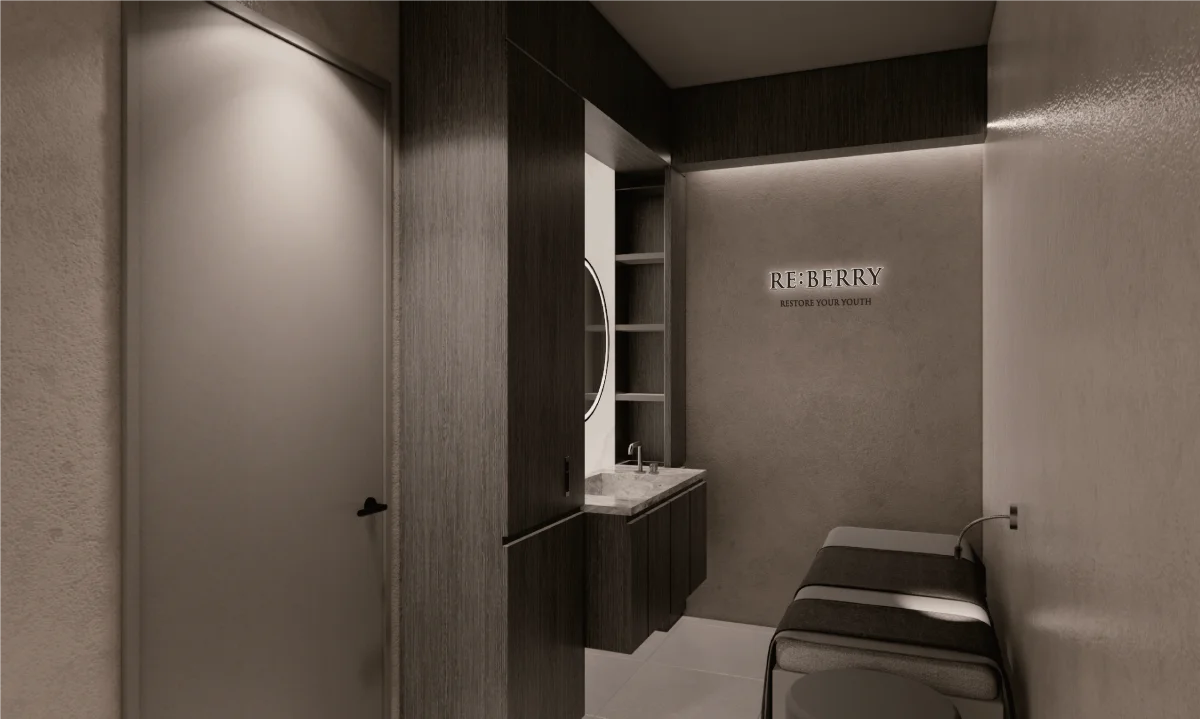
A chemical peel works by applying an acid that lowers the skin’s surface pH and disrupts the bonds holding dead corneocytes together, so the dull outer layer sheds and the skin activates its natural repair cascade. Alpha-hydroxy acids like glycolic acid reduce corneocyte adhesion and stimulate new keratinocytes and dermal collagen, while beta-hydroxy acids like salicylic acid are oil-soluble, so they penetrate sebum-filled pores, which makes them useful for acne and congestion. As the epidermis renews, it also carries away excess surface melanin and reduces melanosome transfer, which is why peels help superficial pigment and an uneven tone. Superficial peels keep this injury within the epidermis, so re-epithelialisation is fast, usually about 3 to 5 days, while medium-depth peels reach into the papillary dermis for more remodelling and a longer recovery. Because the same acid can be used at different strengths and contact times, the clinic’s doctors tailor the formula, concentration, and number of layers to your skin type and goal, which controls both the result and the risk of irritation or pigment change.
One Reberry Clinic, multiple Seoul-area locations. Pricing & current promotions are listed on each branch's own site — tap a clinic to view pricing & book.
Our flagship in the heart of Gangnam.
In Seoul's shopping & tourism heart.
A beauty stop between flights.
The newest Reberry Clinic — in Seoul's trend district.
ONE REBERRY CLINIC · MFDS-REGISTERED DEVICES · MULTILINGUAL CARE AT EVERY LOCATION

The clinic’s doctors grade your skin type and concern, since matching the acid to 1 of several skin types is the key to a safe, even result.
The skin is cleansed and degreased so the acid penetrates evenly, which takes only a few minutes before the peel is applied.
A superficial peel such as glycolic or salicylic acid is applied and left on for a controlled time, often 2 to 5 minutes, monitored closely.
The peel is neutralised or rinsed, then a calming, hydrating layer and sunscreen are applied, and the whole visit typically takes about 20 to 30 minutes.
Skin renews over the next 3 to 7 days, and a course of about 4 to 6 peels spaced 2 to 4 weeks apart builds the fullest improvement.
Reberry Clinic · Prices verified: Oct 2026
| Clinic | Price (KRW) |
|---|---|
| GangnamLala Peel | from₩77,000 |
| MyeongdongAllergy Care / Lala Peel / Oxygen Enzyme (choose 1) | from₩150,000 |
| Incheon AirportLala Peel | from₩77,000 |
VAT excluded · Treatment packages differ by clinic — see each clinic page for its full menu · Confirmed after consultation
See representative outcomes from Reberry Clinic. Results build gradually and vary by individual; your plan is assessed at consultation.
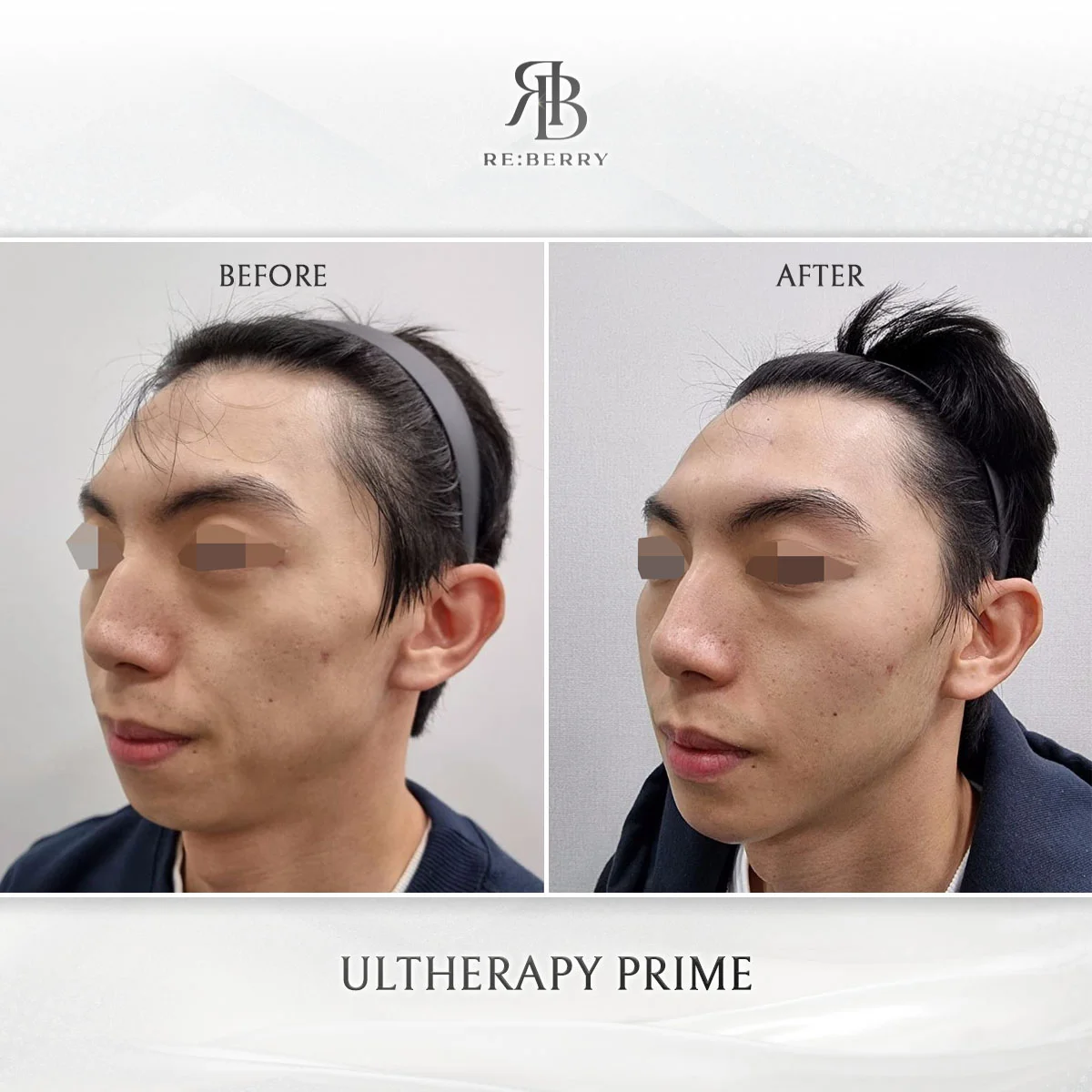
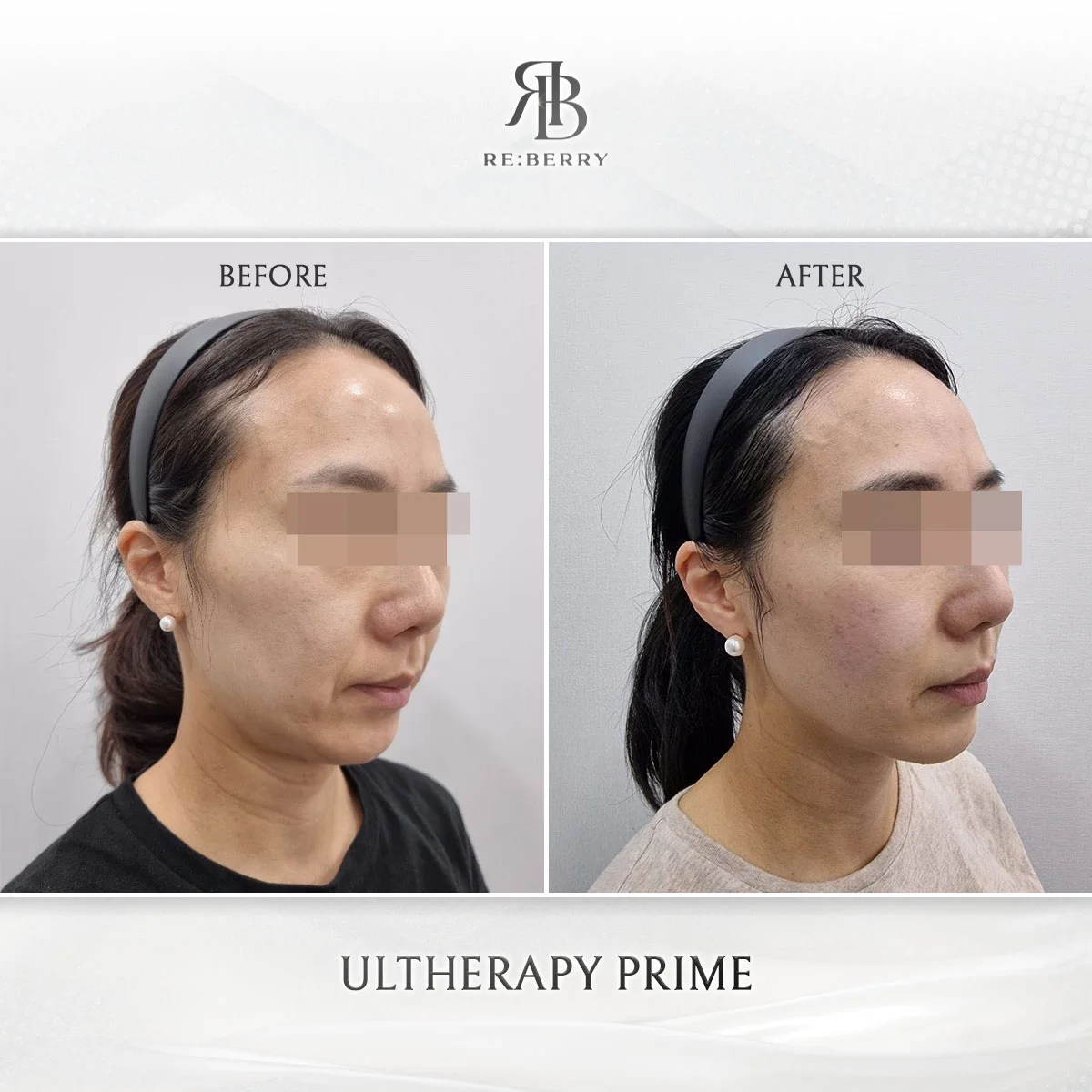
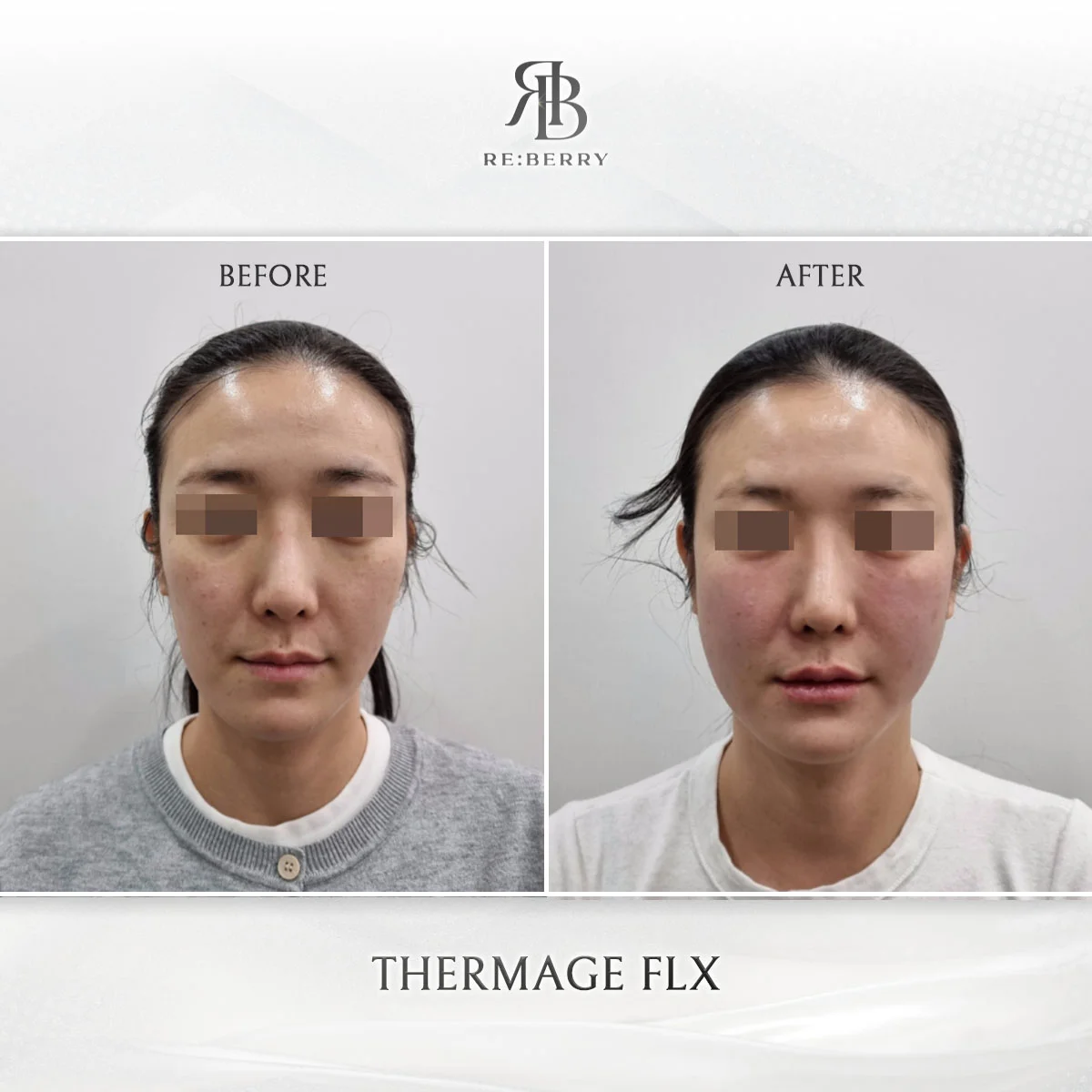
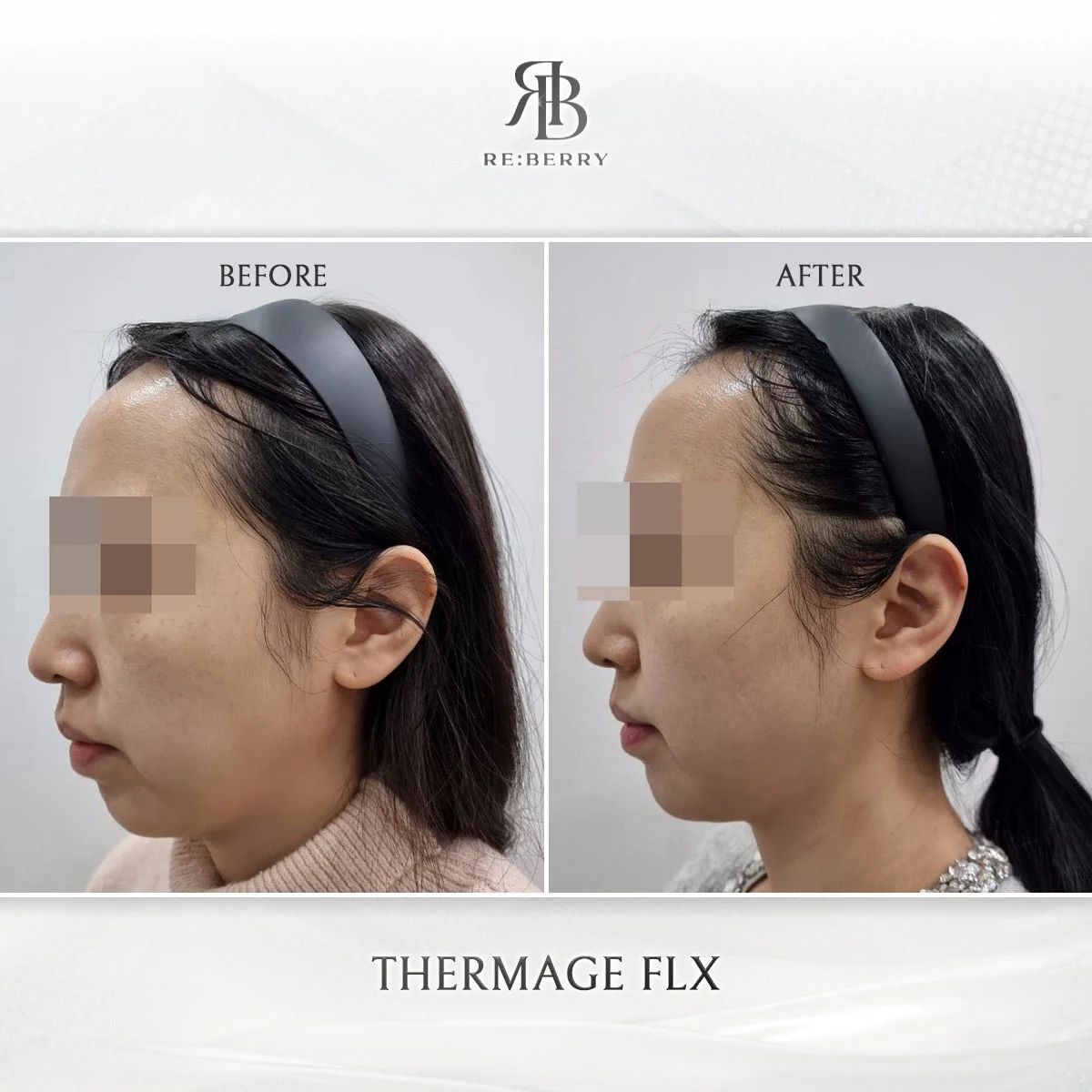
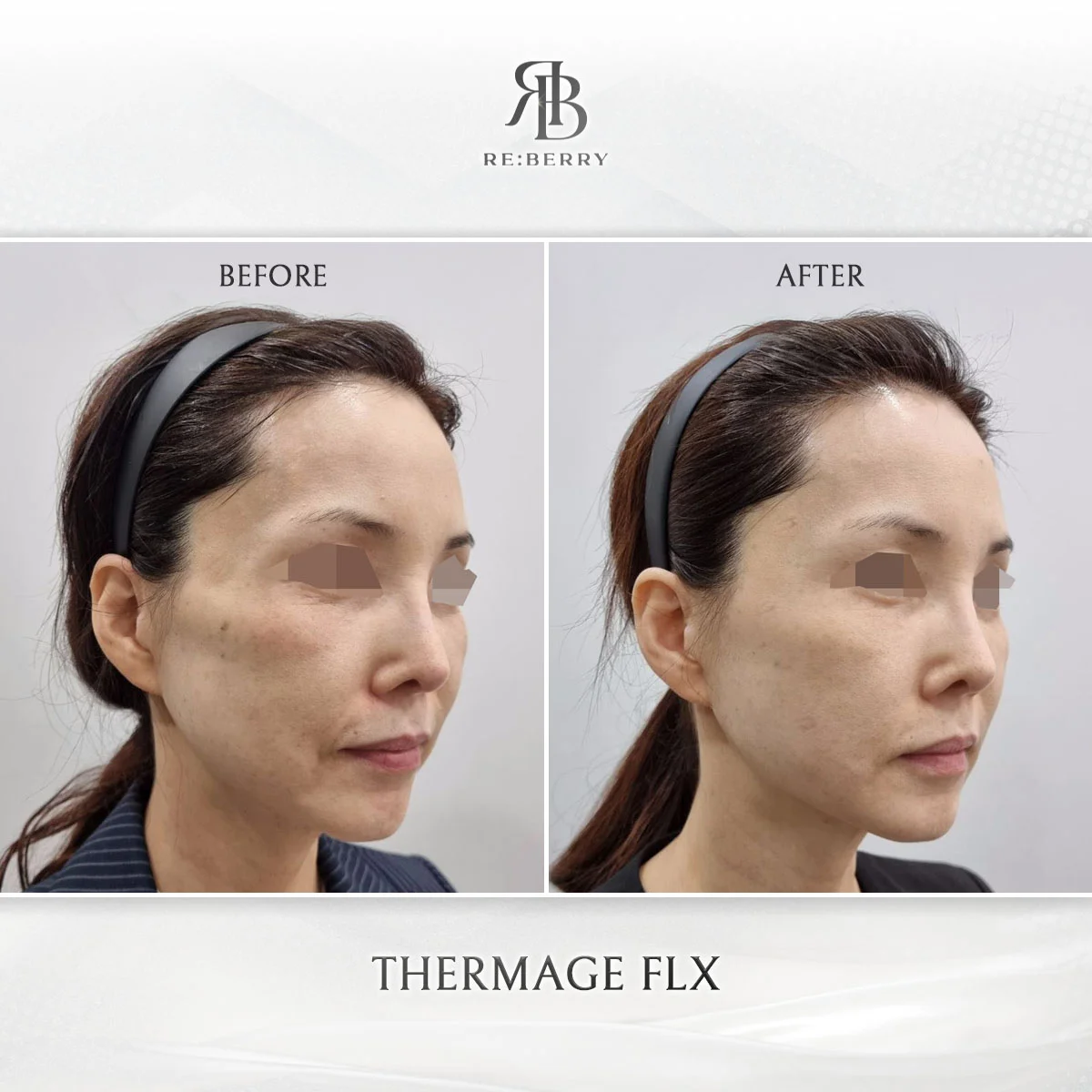
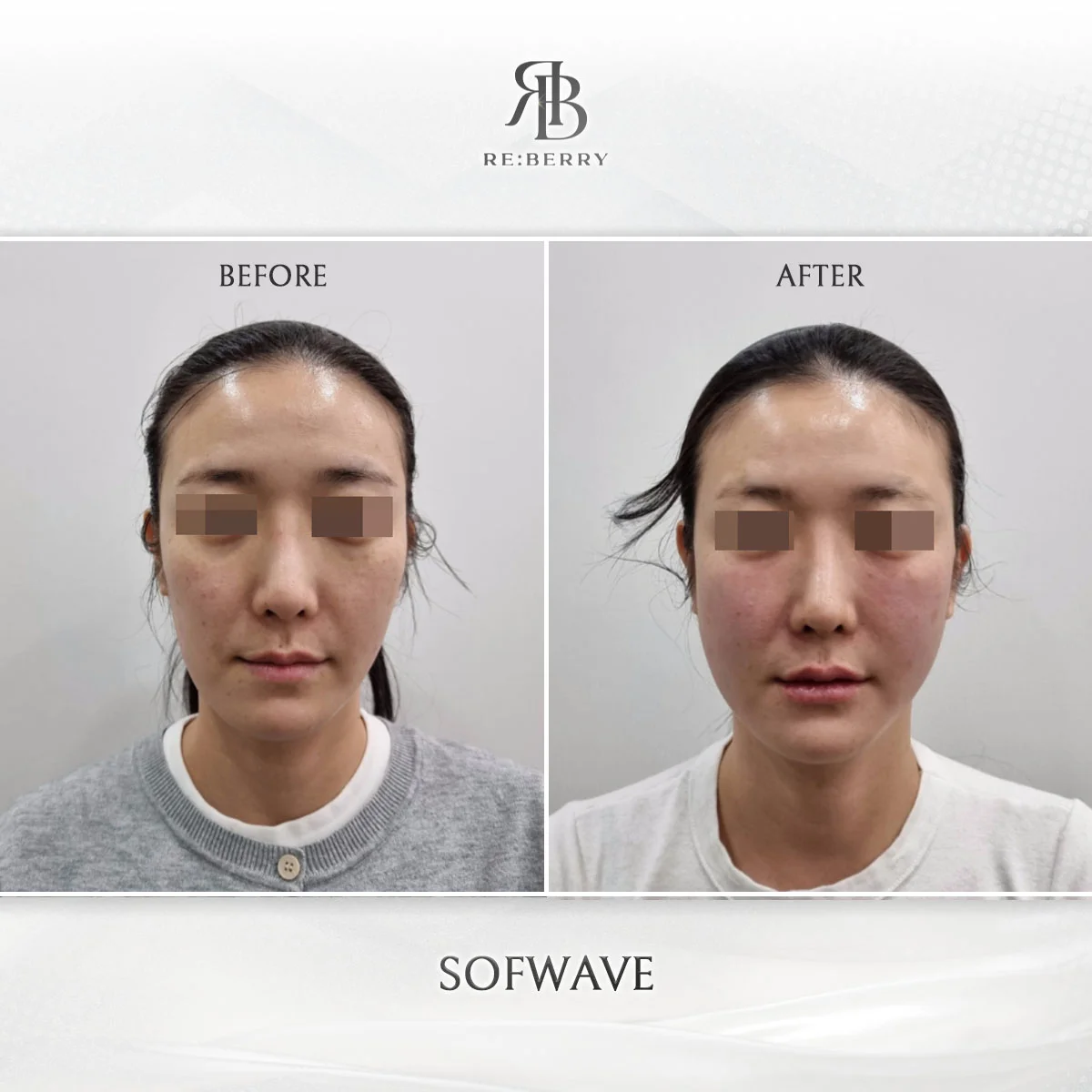
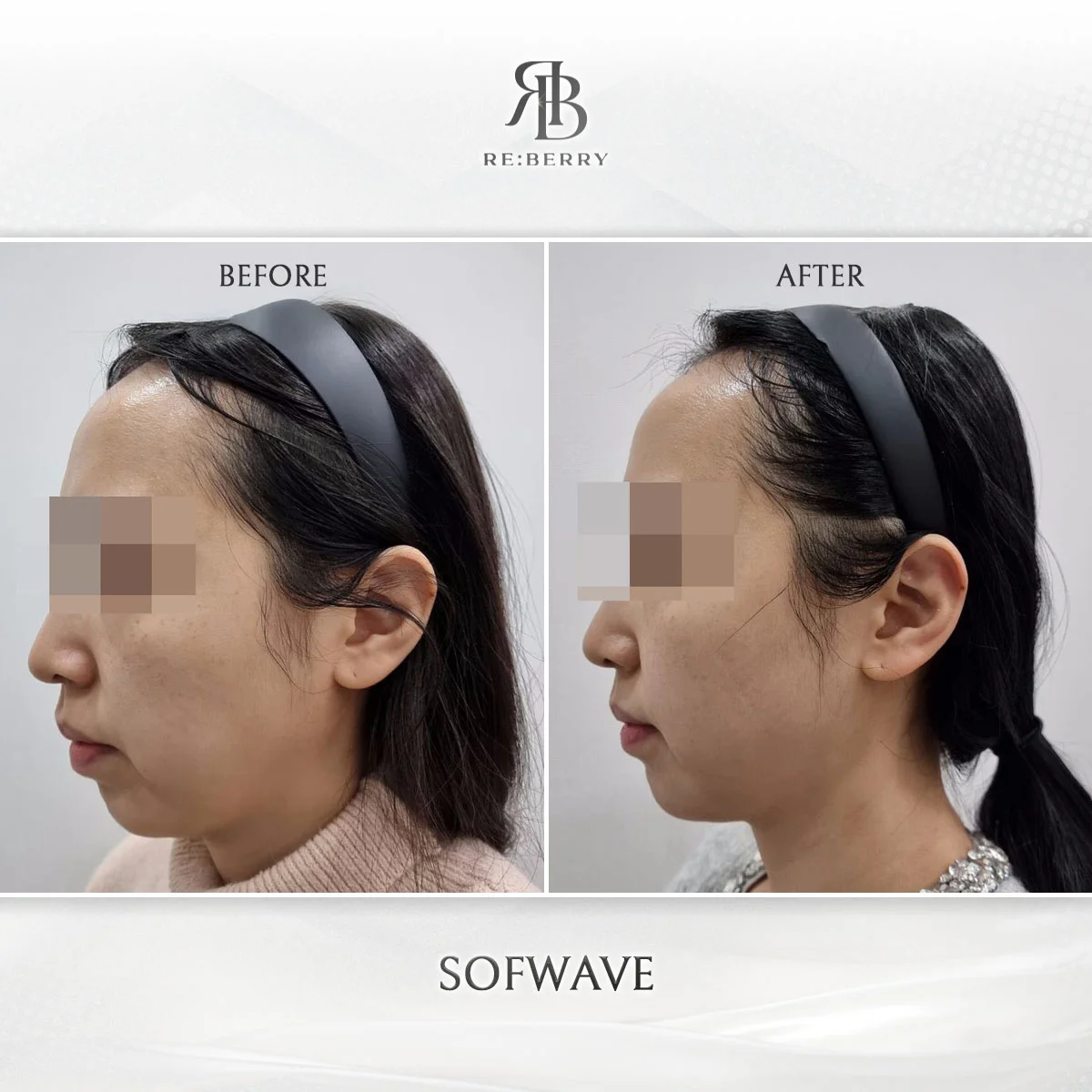
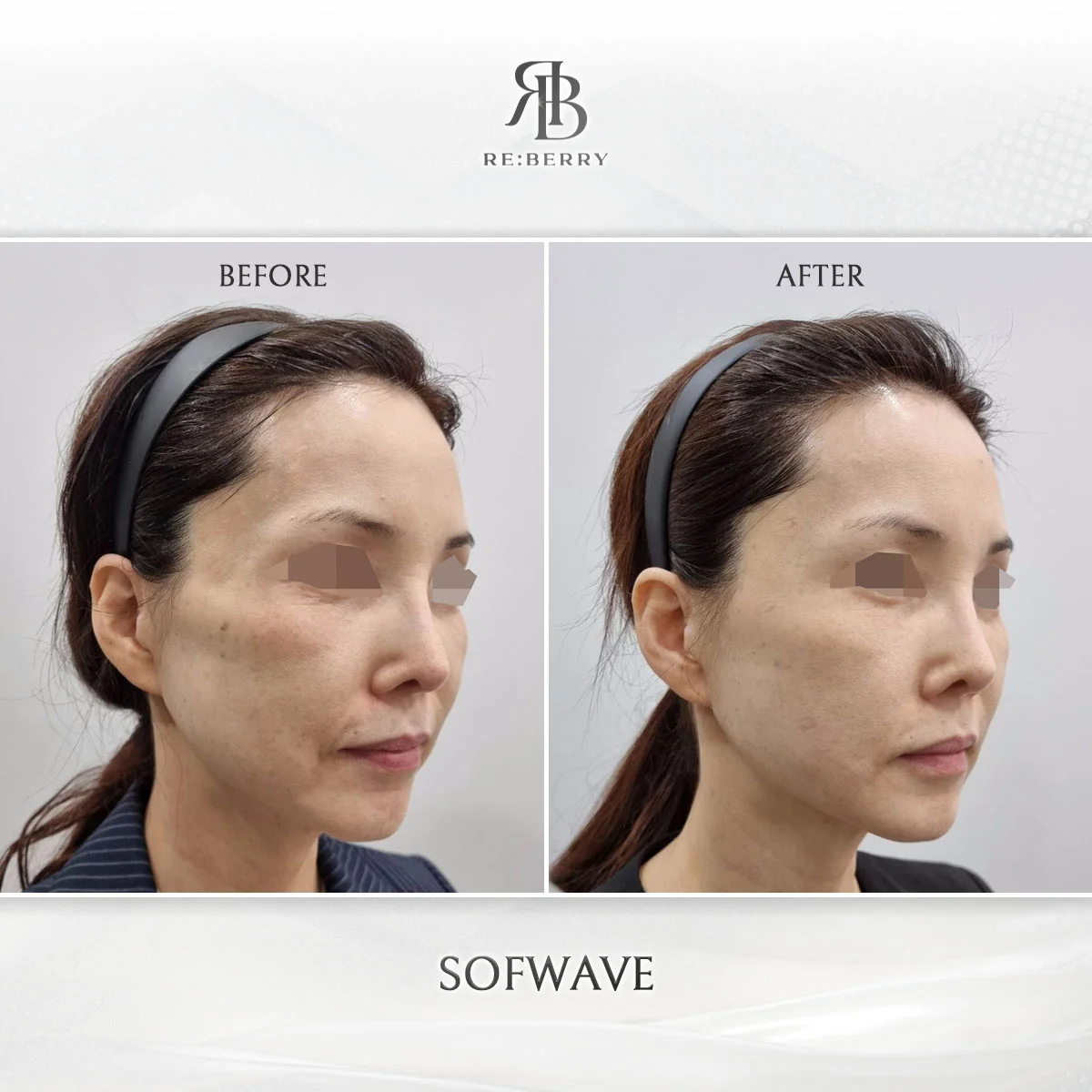
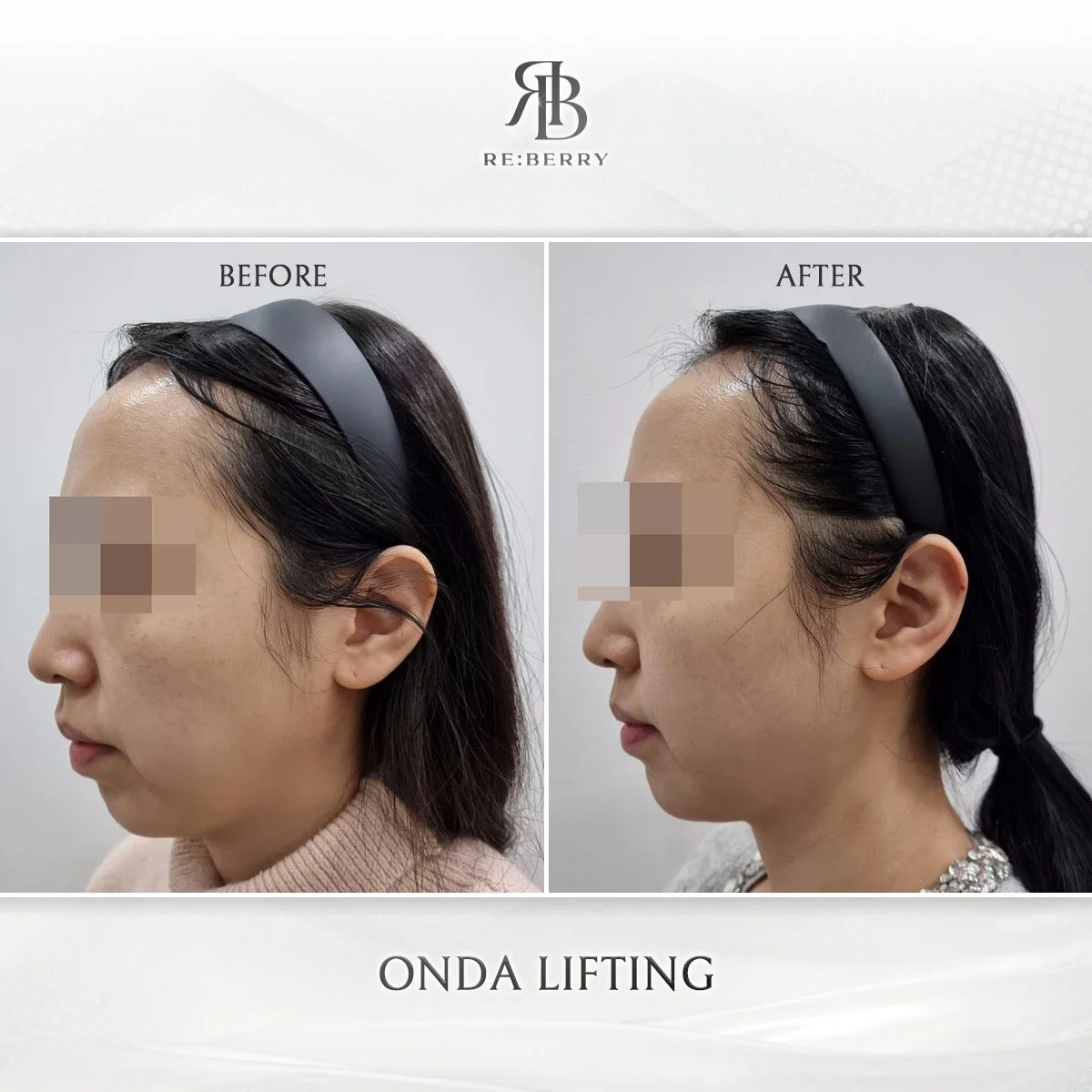
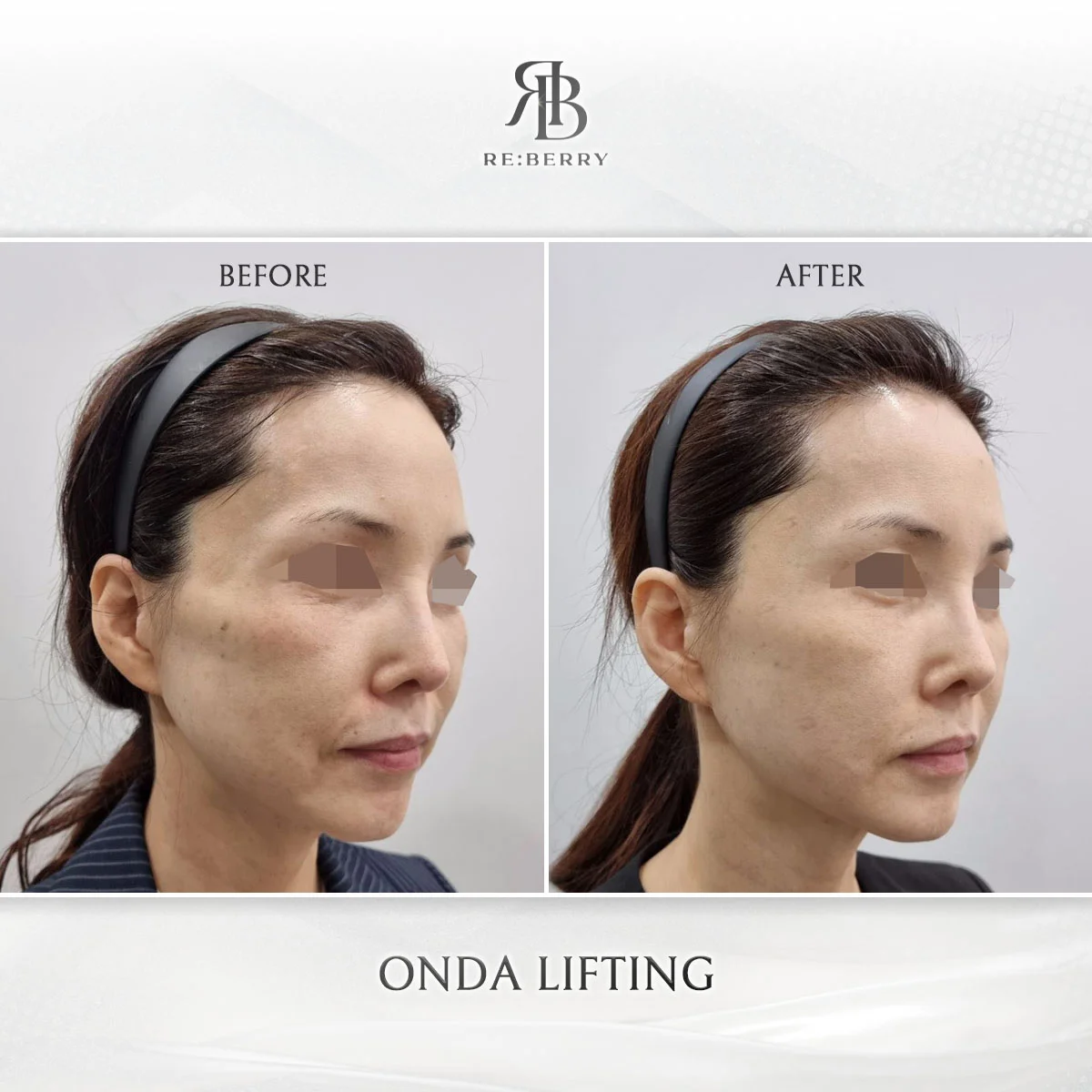
The clinic’s doctors assess your skin type and concern in English and choose the right acid, strength, and depth, which is essential for deeper skin tones.
After cleansing and degreasing, the peel is applied for a controlled time, and the whole visit usually takes about 20 to 30 minutes.
A course of about 4 to 6 superficial peels spaced 2 to 4 weeks apart is common, so improvement builds across the series.
Brightness and smoother texture appear within days to weeks, and pigment and acne improve progressively across the course of peels.
Daily sunscreen and gentle skincare protect results, and occasional maintenance peels sustain them, since sun and cell turnover continually affect the skin.



A chemical peel applies a controlled acid to exfoliate dull, damaged surface skin and trigger renewal, improving tone, texture, mild acne, and superficial pigment. The acid and strength are matched to your skin. You can see how it fits a wider routine on our skin care page, since peels are often part of a plan.
It depends on your concern: glycolic acid suits dull tone and texture, salicylic acid suits oily and acne-prone skin because it clears pores, and lactic acid is gentler for sensitive or darker skin. The clinic’s doctors choose the acid, strength, and depth at consultation after grading your skin type, so the peel is both effective and safe.
Yes, superficial peels can be safe for deeper skin tones when the acid and strength are chosen carefully, since aggressive peels risk post-inflammatory pigment. Gentler agents like lactic acid and conservative settings are often preferred. A doctor-led assessment is important here, which is why chemical peels at our clinic are always consultation-led.
A superficial peel usually causes only mild tingling, warmth, or slight stinging during the few minutes the acid is on the skin. Deeper peels sting more. Most patients tolerate superficial peels easily, and the sensation settles quickly once the peel is neutralised. Your doctor explains what to expect for the specific acid used.
Superficial peels have light downtime, typically some flaking or mild redness, with the skin re-epithelialising in about 3 to 5 days. Medium-depth peels peel more and take around a week. Most people resume normal activities immediately after a superficial peel, which suits international patients on a short Seoul trip.
Most concerns respond best to a course of about 4 to 6 superficial peels spaced 2 to 4 weeks apart, because renewal builds session by session. Stubborn pigment or acne may need more, while a single peel gives a quick refresh. Your doctor sets the number after assessing your skin and how it responds.
Yes, chemical peels help mild to moderate acne, especially salicylic acid, which is oil-soluble and penetrates clogged pores to reduce breakouts. Studies show glycolic and salicylic peels significantly reduce acne lesions over a course. For inflammatory or scarring acne, peels are often combined with other tools, which you can explore on our acne treatment page.
Yes, superficial peels improve superficial pigment like sun spots, melasma, and post-acne marks by clearing epidermal melanin and reducing melanosome transfer. Results build across a course and require strict sun protection. Deeper or stubborn pigment may need combined treatment, and you can review laser options on our laser treatment page.
You may notice brighter, smoother skin within days of a superficial peel as the surface renews, while pigment and acne improve progressively over the course of sessions. It is not a one-visit fix for deeper concerns. Your doctor reviews progress between peels to keep the plan matched to your response.
Use daily sunscreen, avoid picking or peeling flaking skin, and skip retinoids, scrubs, and sun exposure for several days. Gentle, hydrating products help the skin recover. A tailored skin care routine protects and extends your results, and your doctor gives written English aftercare so you can follow it while travelling.
Yes, peels are often layered into a broader plan; for example, alongside a gentle facial for maintenance, or with lasers for deeper pigment. Sequencing is planned so the skin is not over-stressed. A Hydrafacial can complement peels for hydration, and your doctor decides the safest combination for your skin.
A chemical peel uses acids to exfoliate and renew skin with some downtime, while a Hydrafacial uses water-based vortex exfoliation to cleanse and hydrate with essentially none. Peels resurface more deeply; Hydrafacials are gentler maintenance. Many patients alternate them, and you can compare on our Hydrafacial page.
The most common side effects are temporary: redness, flaking, tightness, and mild sensitivity for a few days. Less commonly, post-inflammatory pigment can occur, especially in darker skin with aggressive peels or poor sun protection. Choosing the right acid and strength, plus diligent sunscreen, keeps risks low, which is why assessment matters.
Most adults with dull tone, mild to moderate acne, uneven texture, or superficial pigment are suitable for a superficial peel. A consultation confirms fit and rules out contraindications like active infection or recent isotretinoin use. If a deeper concern needs more, your doctor may suggest combining a peel with other options at assessment.
For a single superficial peel, 1 to 2 days in Seoul is comfortable, as the visit is short and downtime is light. Because peels work best as a course, many international patients start in Gangnam and continue on return trips. Our English-speaking team helps schedule the series around your travel plans.
Yes, flying within a day of a superficial peel is generally fine, since downtime is light. Cabin air is drying, so moisturise well and protect the treated skin from sun, including through windows. If you had a deeper peel, your doctor will advise on aftercare and timing while you travel home.
Chemical peels are available at our Gangnam (Seoul) location, about 2 minutes from Gangnam Station exit 10, with Dr. Yoongon Ryu and the clinic’s doctors assessing and treating in English. Reberry Clinic also operates Myeongdong and Incheon Airport locations, so international patients can choose the most convenient site for their itinerary.
| Superficial Chemical Peel | Medium-Depth Peel | Hydrafacial | |
|---|---|---|---|
| Mechanism | AHA/BHA exfoliation within the epidermis | Stronger acid reaching the papillary dermis | Hydradermabrasion, water-based vortex exfoliation |
| Best for | Dull tone, mild acne, texture, superficial pigment | More stubborn pigment, deeper texture, fine lines | Gentle cleansing and hydration with no acid injury |
| Pain / comfort | Mild tingling or warmth | Stronger stinging during application | Comfortable, no downtime feel |
| Downtime | Light flaking, re-epithelialises in about 3 to 5 days | Peeling and redness for roughly a week | Essentially none |
| Sessions | A course of about 4 to 6, spaced weeks apart | Fewer, spaced further apart with more recovery | Repeatable as a regular maintenance facial |
| Cost context | Depends on acid, strength, and number of sessions | Depends on depth and the closer aftercare needed | Depends on add-ons and session frequency |
Real verified reviews from our Google Business Profile, across all Reberry Clinic locations.
PULLED LIVE FROM GOOGLE · GANGNAM · MYEONGDONG · INCHEON AIRPORT
Your treatment is planned and performed by experienced, MFDS-registered doctors across our Seoul-area clinics, with multilingual support for international patients.
Flagship clinic · KOL for leading lifting & regenerative devices · Featured in Authority Magazine (2026)

Multilingual tourist care beside Myeongdong Cathedral

Fast, effective care 20 minutes from the terminals
Message us on WhatsApp for a free consultation in English about the right chemical peel for your skin type and concern.