



Gangnam
Dr. Yoon-Gon Ryu
Aesthetic Medicine Specialist
Flagship clinic · KOL for leading lifting & regenerative devices · Featured in Authority Magazine (2026)


A chemical peel applies a controlled acid to renew skin at one of 3 depths, from superficial AHA/BHA at concentrations around 10 to 35% up to a medium TCA peel that reaches the papillary dermis.
A chemical peel in Myeongdong, Seoul is a controlled exfoliation that applies an acid such as glycolic (AHA), salicylic (BHA), or TCA to renew skin and improve tone, texture, pores, and mild pigmentation. Peel depth is matched to your skin at our Myeongdong (Seoul) location, a few minutes from Myeongdong Station, with realistic downtime explained upfront.
One-on-One guidance from a dedicated doctor, ensuring your skin is professionally monitored and treated from start to finish.
Fluent assistance in English, Japanese, and Chinese, making communication clear, respectful and comfortable for international patients.
Over 100,000 patients worldwide have received our personalized dermatological care, highlighting our expertise and reliable results.
A chemical peel is a controlled exfoliation in which a doctor applies a specific acid to remove damaged surface skin and trigger renewal. Peels are grouped by how deep they work: superficial peels using alpha-hydroxy acids (AHA, such as glycolic) or beta-hydroxy acid (BHA, salicylic) at around 10 to 35% treat the epidermis with little downtime; medium peels, usually trichloroacetic acid (TCA) at about 20 to 35%, reach the papillary dermis for deeper concerns; deep peels are reserved for specific cases. Matching the depth to your skin and goal is the core of a good peel.
Peels are among the most established treatments in aesthetic dermatology and address a range of concerns, including dull or uneven tone, rough texture, enlarged or congested pores, oiliness and acne, and mild pigmentation. Because oil-soluble salicylic acid penetrates pores well, BHA peels suit acne-prone skin, while glycolic AHA peels are often chosen for tone and texture. The right choice depends on your skin type, especially in Asian and deeper tones where careful depth selection reduces the risk of post-inflammatory pigmentation.
At Reberry Clinic, peels are consultation-led. The clinic’s doctors assess your skin, select the appropriate acid and depth, and explain the expected downtime and number of sessions in English. Our Myeongdong (Seoul) location at 5, Myeongdong 10-gil, Jung-gu is roughly 5 minutes from Myeongdong Station, so international patients can plan visits around travel.
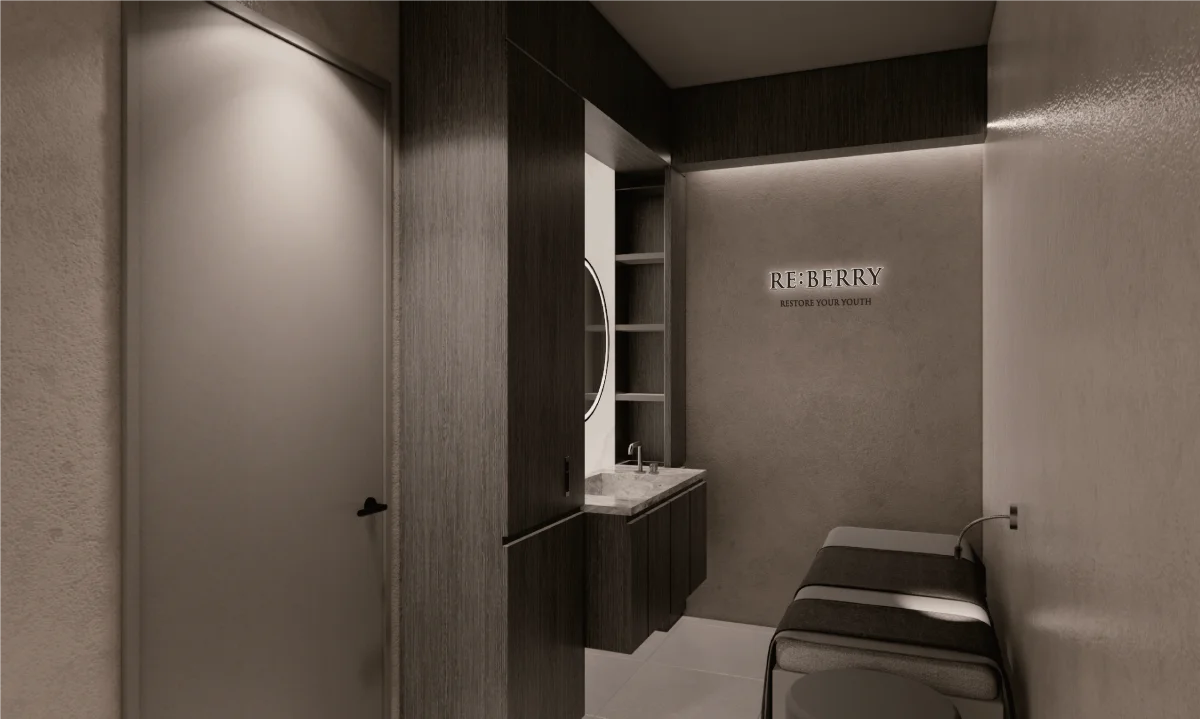
A chemical peel works by applying a caustic agent that removes skin to a predictable depth, prompting the body to regenerate fresher, more even skin. The acid, its concentration, and contact time determine how deep the peel reaches. Superficial AHA (glycolic) and BHA (salicylic) peels at around 10 to 35% exfoliate the epidermis, improving tone, texture, and pore congestion with minimal downtime, and are usually repeated over a course of about 4 to 6 sessions to build results. A medium TCA peel at roughly 20 to 35% penetrates to the papillary dermis, addressing deeper pigmentation, fine lines, and texture in fewer sessions, but involves about 5 to 8 days of visible peeling and closer aftercare. Salicylic acid is oil-soluble, so it reaches into pores and suits acne-prone skin, whereas glycolic acid is water-soluble and favoured for tone. Because peel strength must match skin type, the clinic’s doctors select and adjust depth after assessment, using controlled settings in Asian and deeper skin to protect against pigment changes.
One Reberry Clinic, multiple Seoul-area locations. Pricing & current promotions are listed on each branch's own site — tap a clinic to view pricing & book.
Our flagship in the heart of Gangnam.
In Seoul's shopping & tourism heart.
A beauty stop between flights.
The newest Reberry Clinic — in Seoul's trend district.
ONE REBERRY CLINIC · MFDS-REGISTERED DEVICES · MULTILINGUAL CARE AT EVERY LOCATION

The skin is cleansed and degreased so the peel penetrates evenly, taking a few minutes before application begins.
The chosen acid, such as glycolic, salicylic, or TCA at around 10 to 35%, is applied and left for a controlled contact time.
Superficial peels are neutralised after their set time, and soothing and sun protection are applied; the visit usually takes 20 to 40 minutes.
Superficial peels cause little downtime, while a medium TCA peel involves about 5 to 8 days of peeling as new skin forms.
Superficial peels are typically repeated over about 4 to 6 sessions spaced 2 to 4 weeks apart to build gradual results.
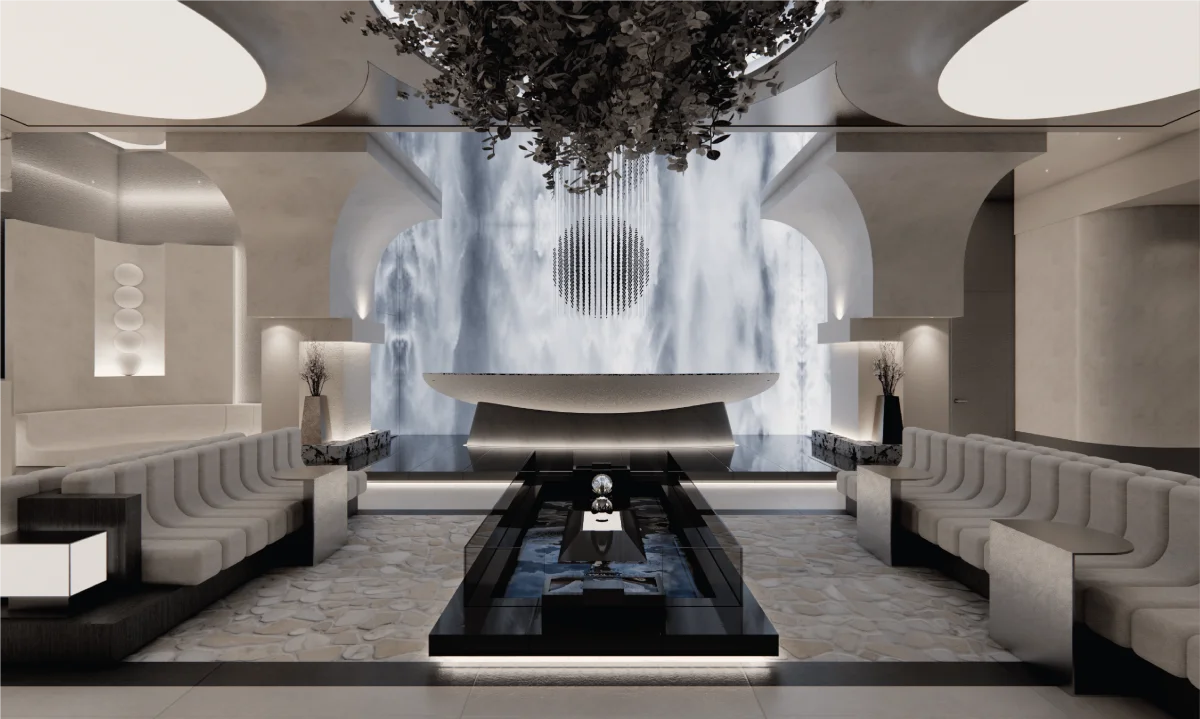
Reberry Clinic · Prices verified: Oct 2026
| Clinic | Price (KRW) |
|---|---|
| GangnamLala Peel | from₩77,000 |
| MyeongdongAllergy Care / Lala Peel / Oxygen Enzyme (choose 1) | from₩150,000 |
| Incheon AirportLala Peel | from₩77,000 |
VAT excluded · Treatment packages differ by clinic — see each clinic page for its full menu · Confirmed after consultation
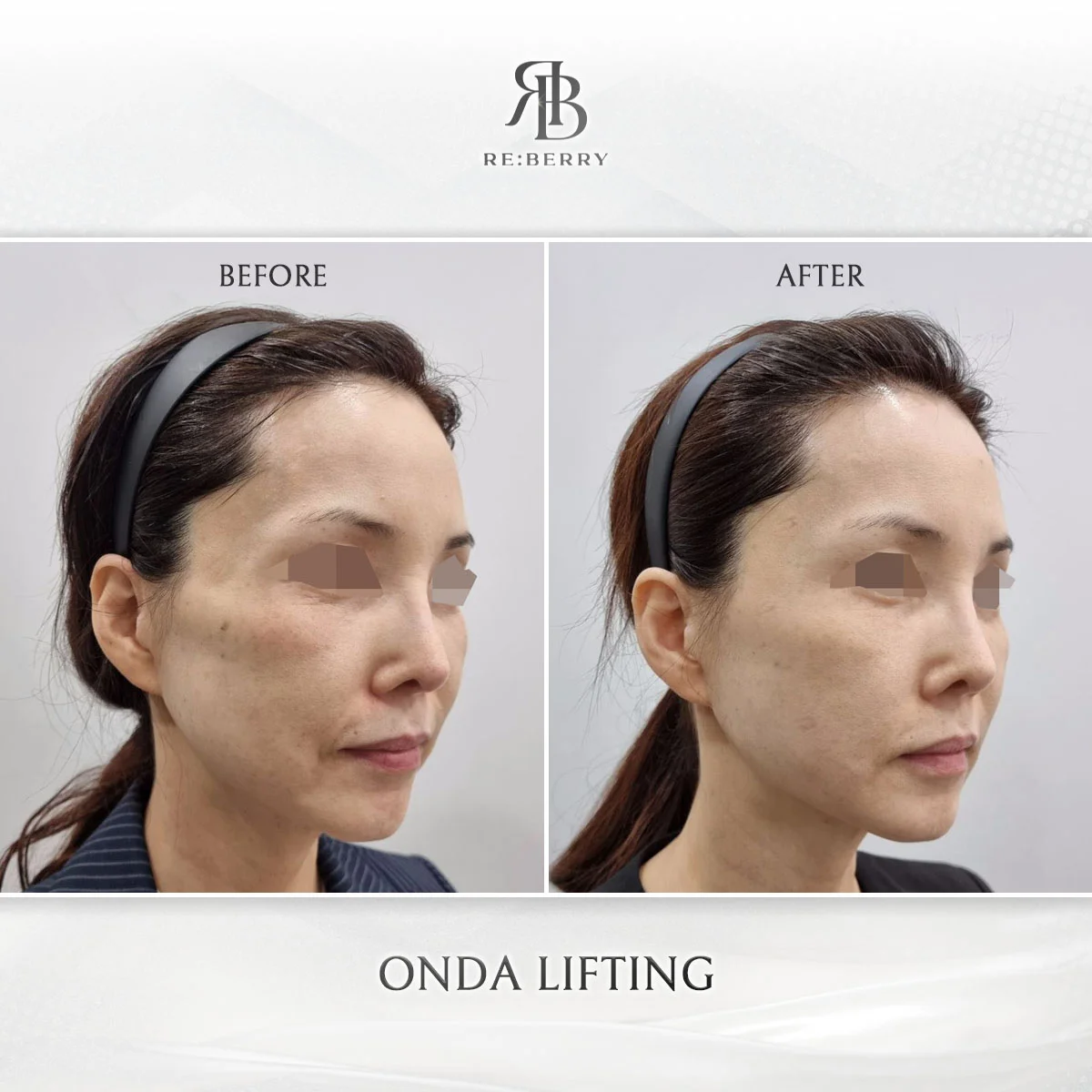
See representative outcomes from Reberry Clinic. Results build gradually and vary by individual; your plan is assessed at consultation.
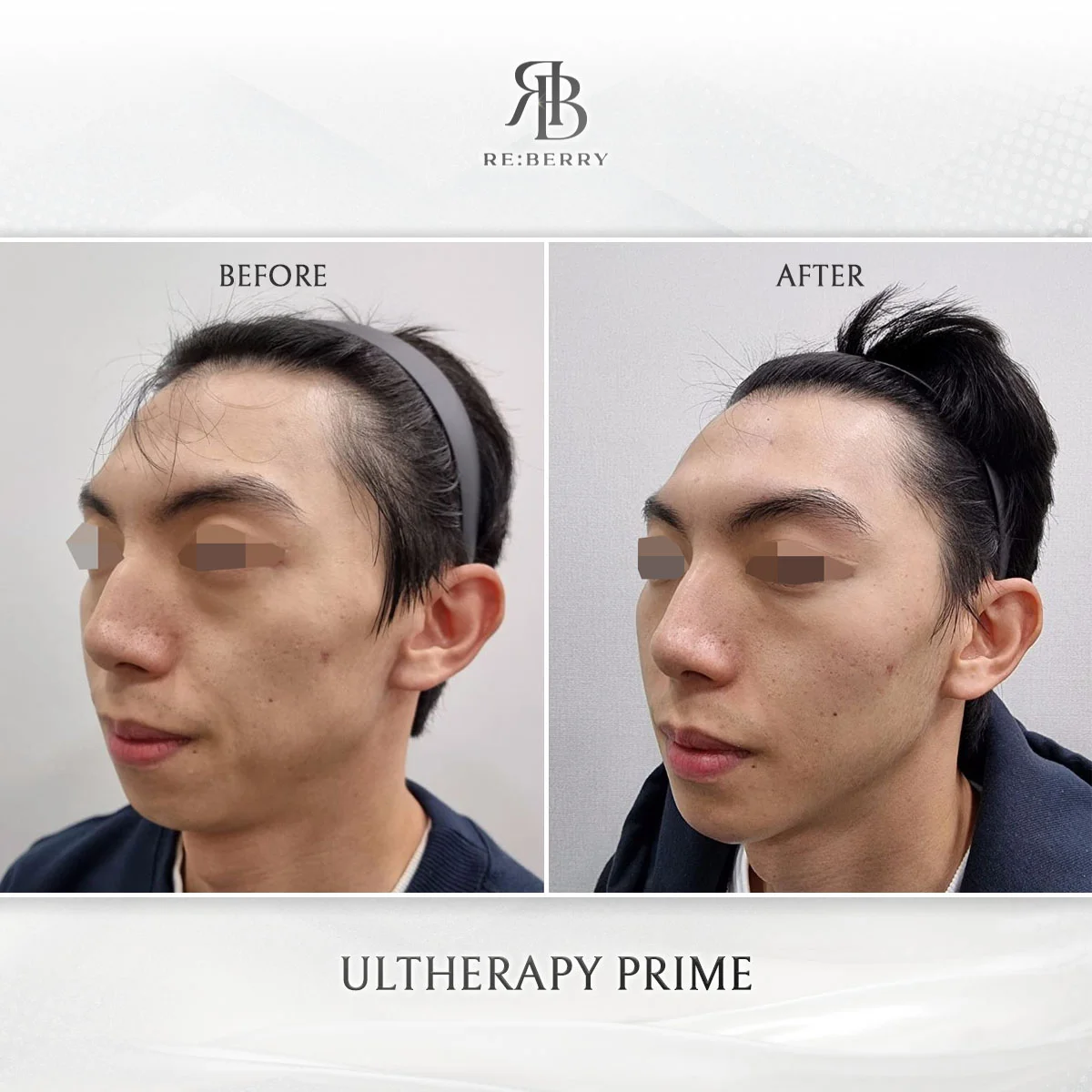
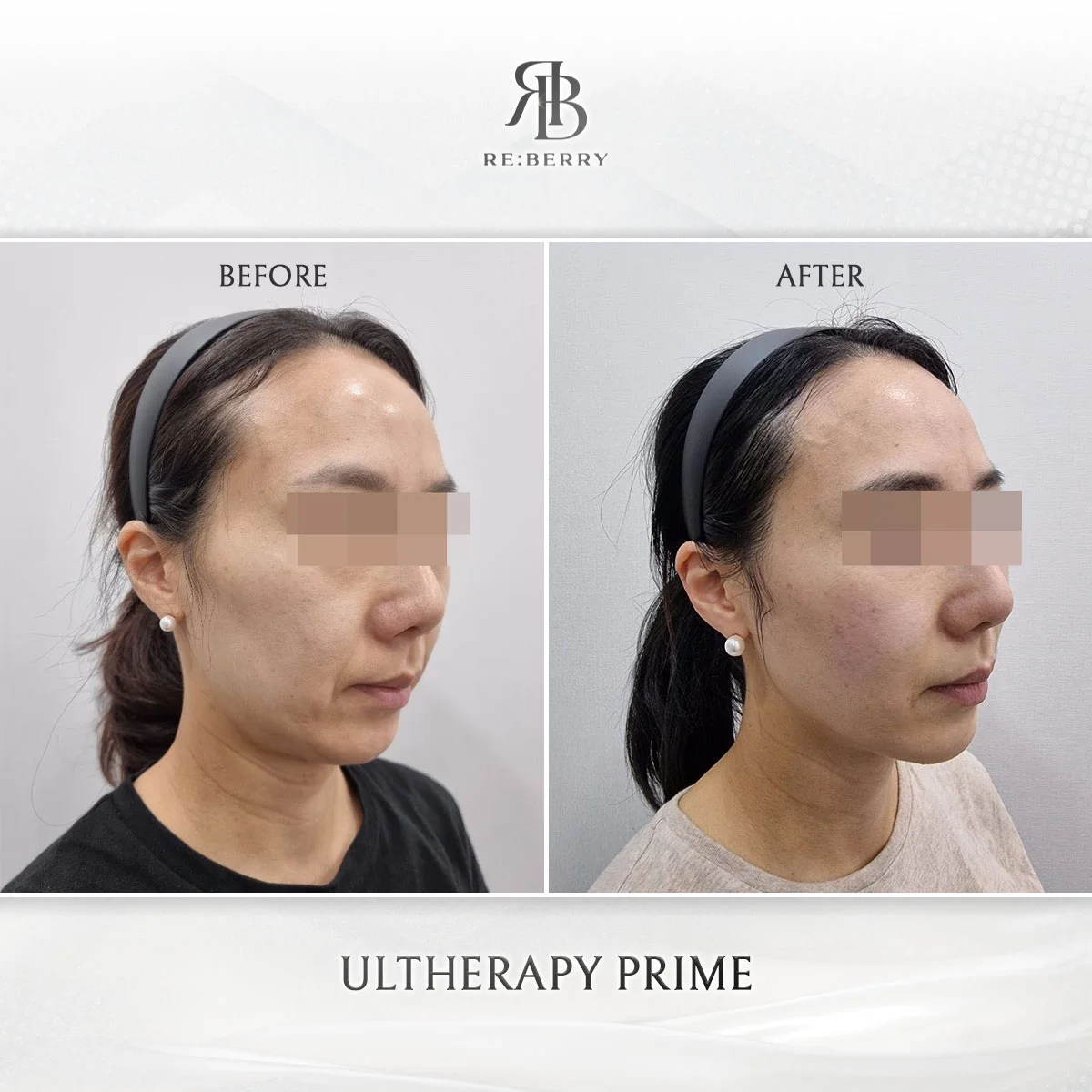
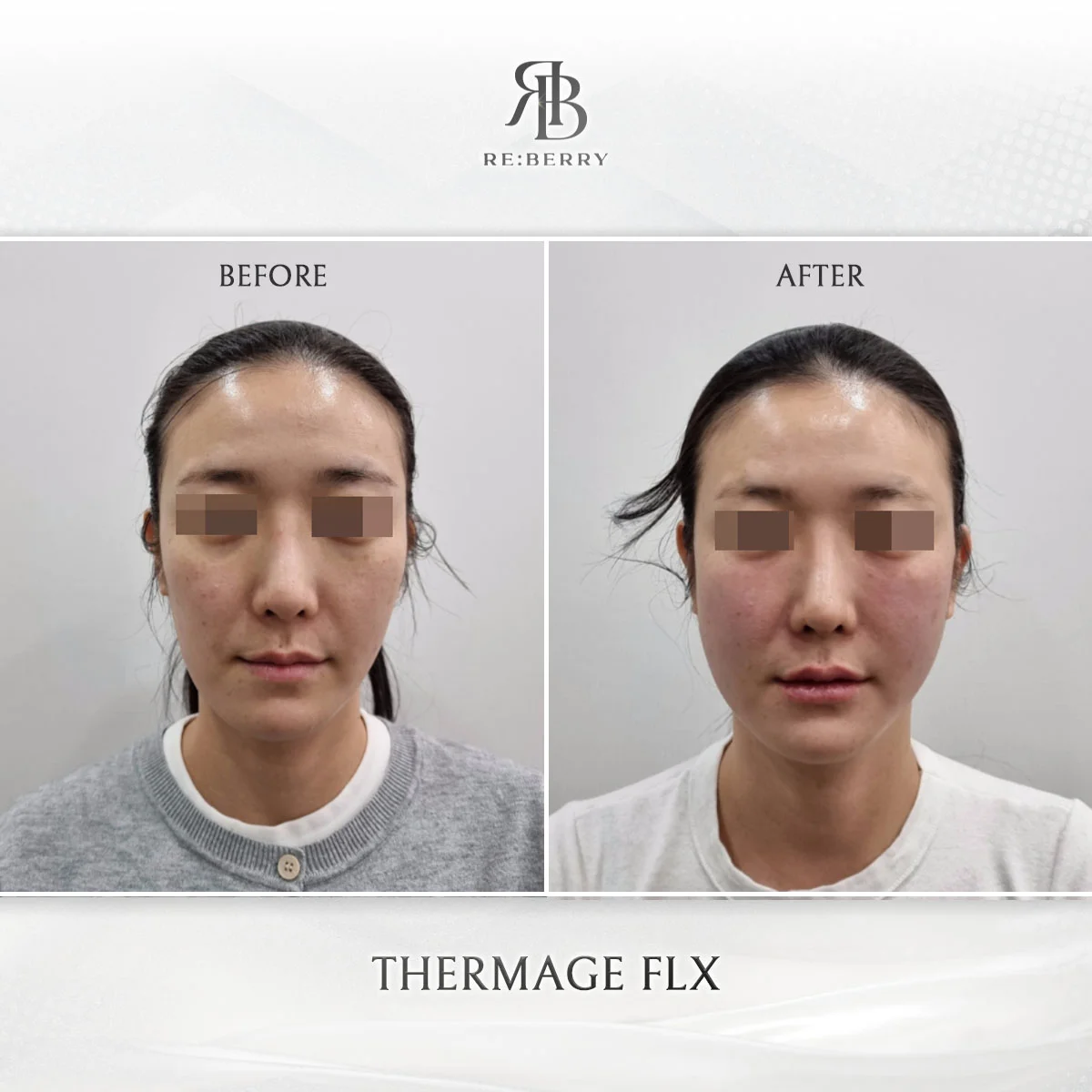
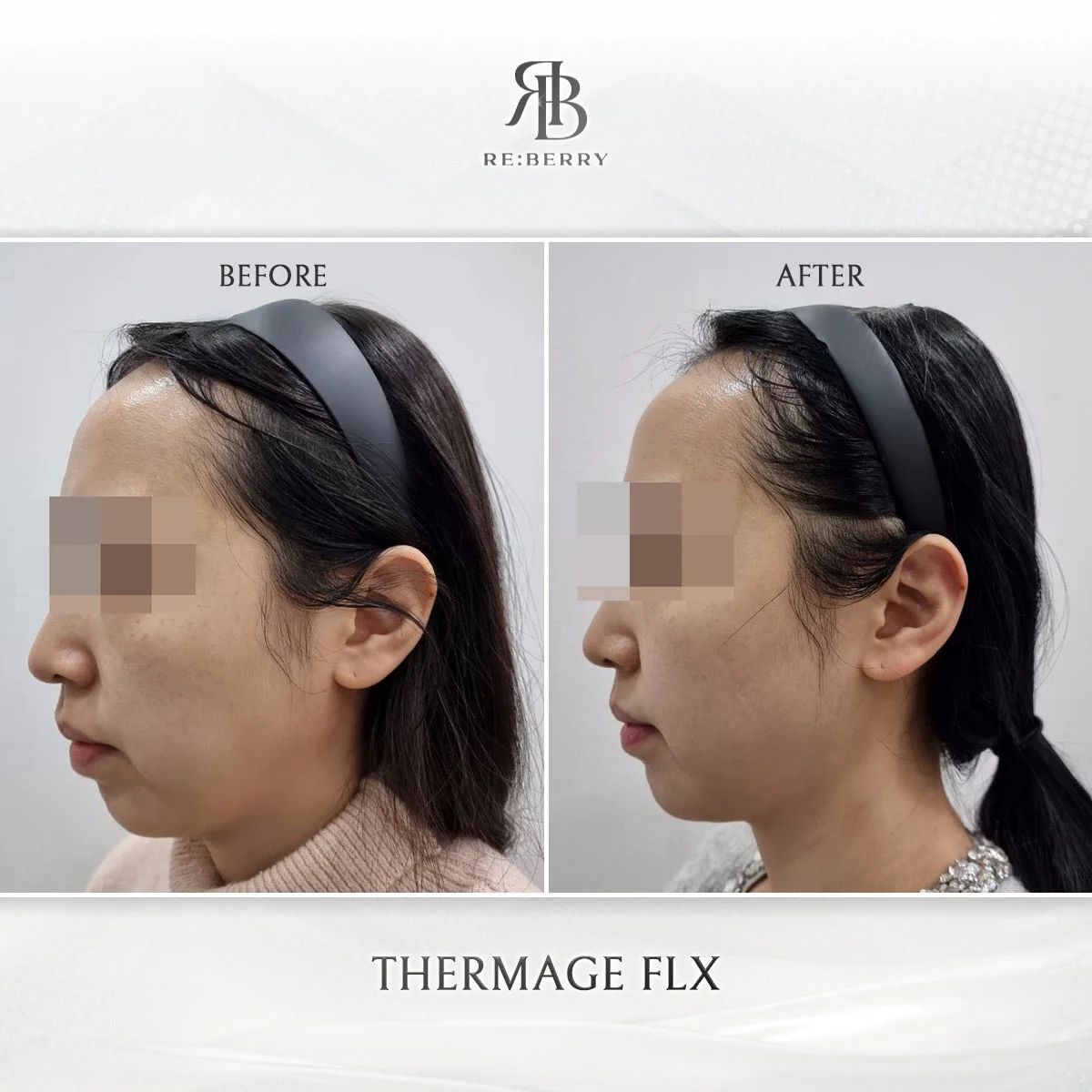
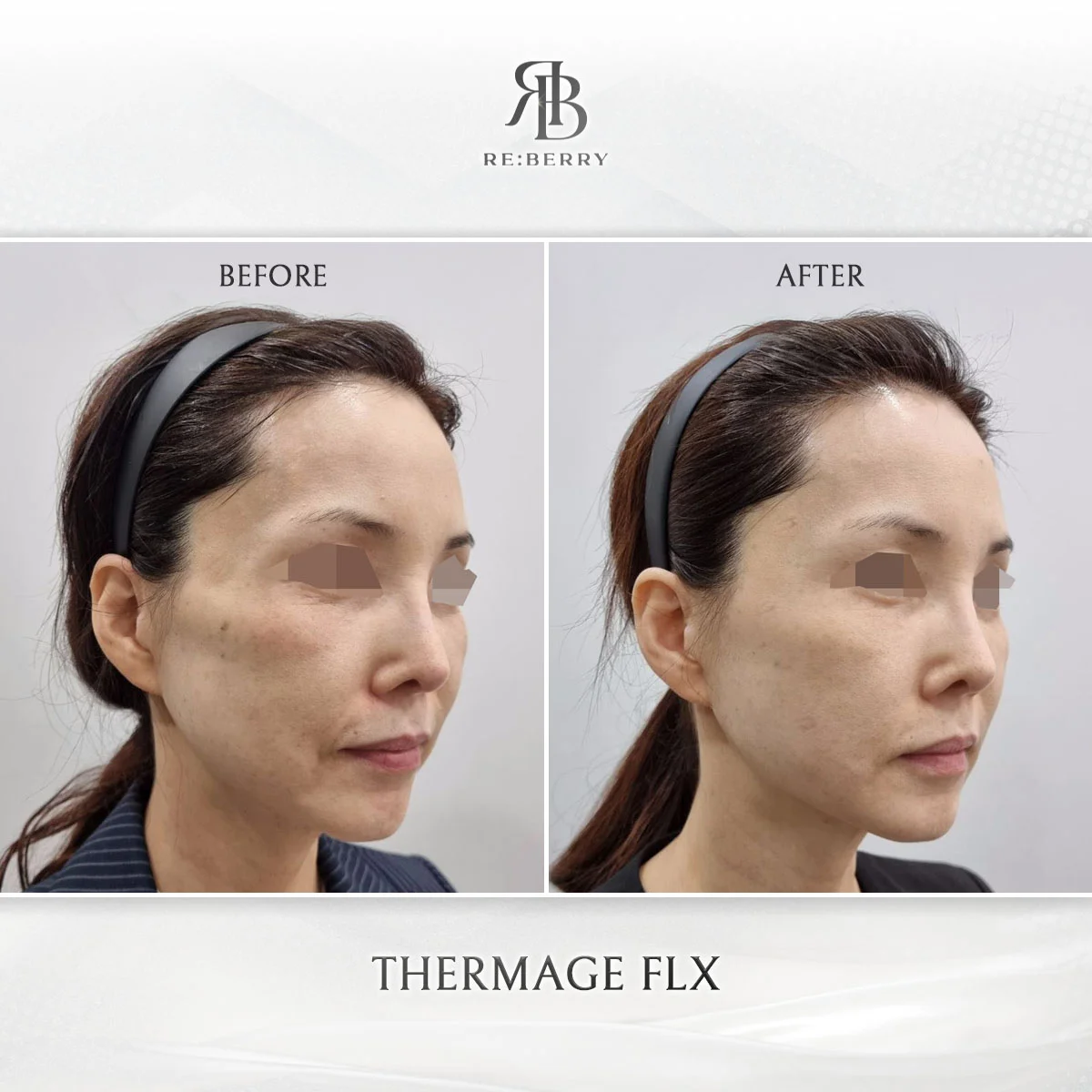
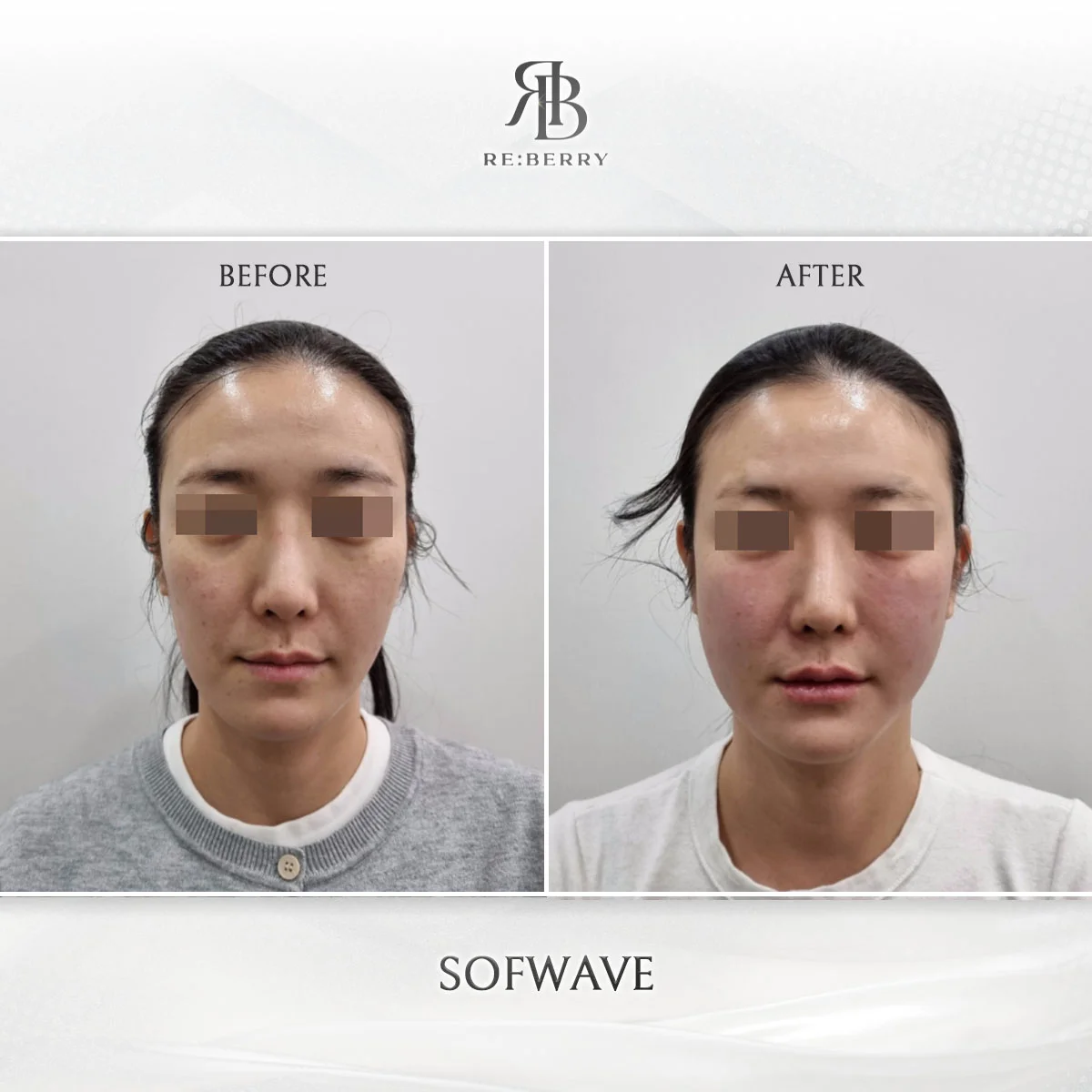
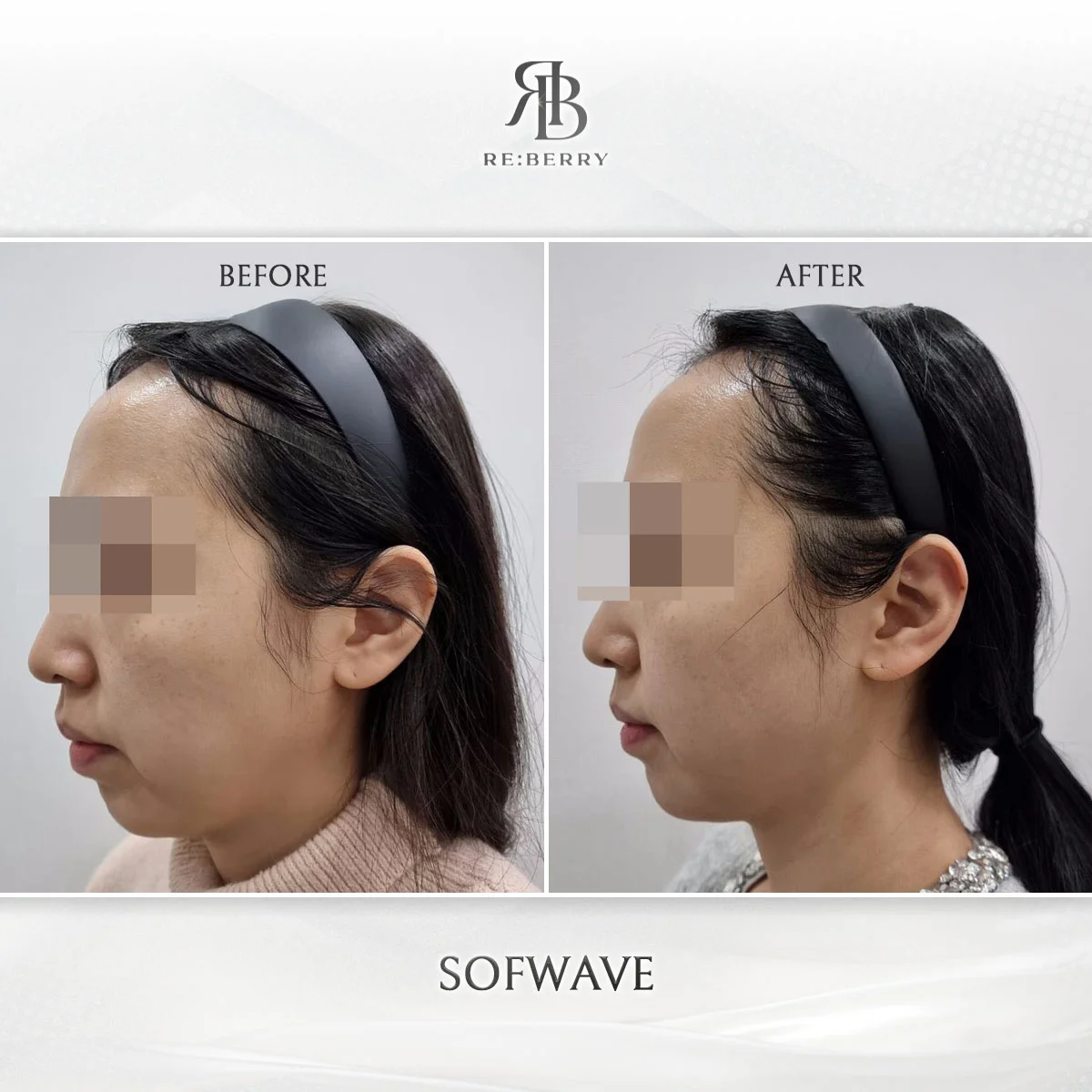
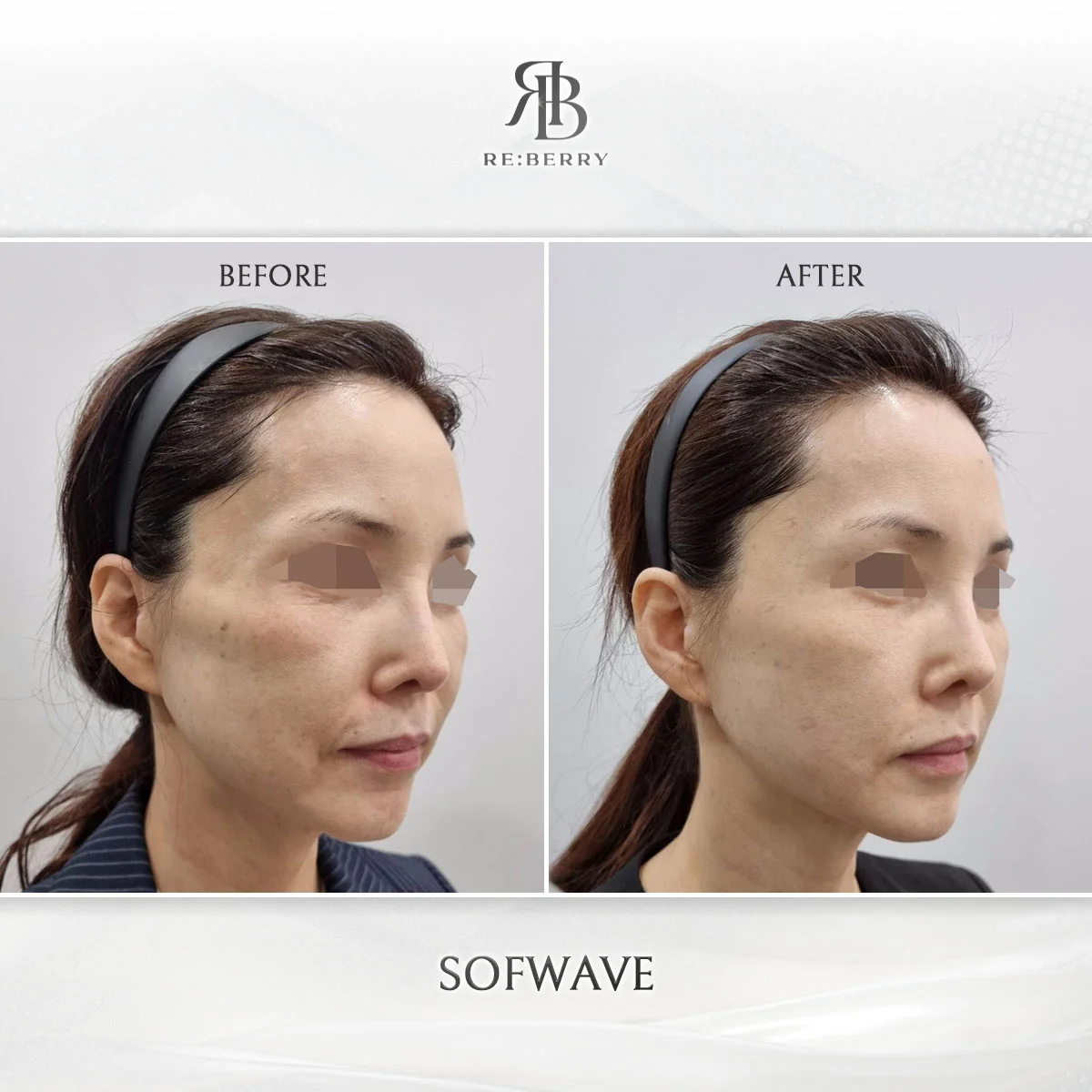
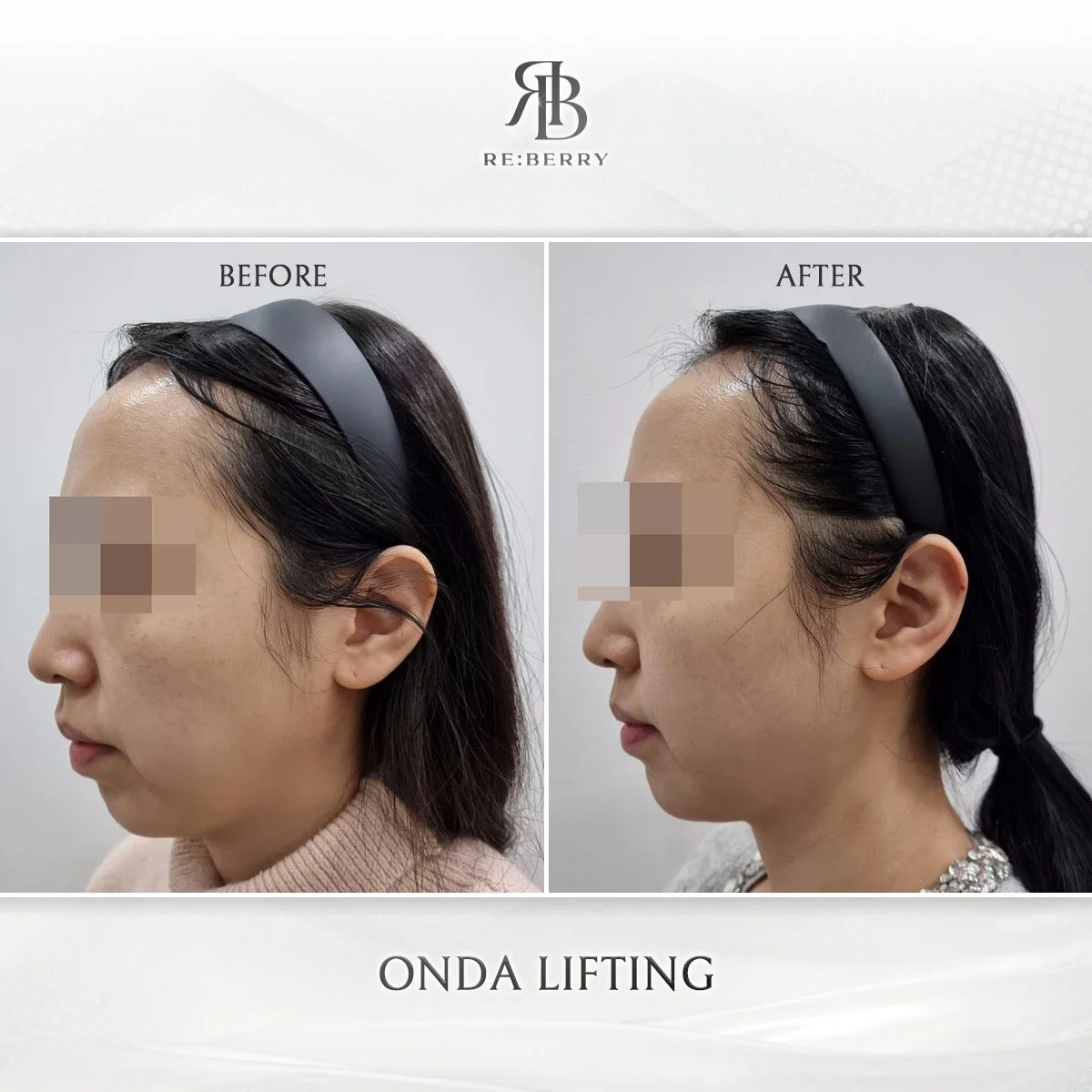
The clinic’s doctors assess your skin type and concern, then choose the peel depth and explain downtime and session count, in English.
A peel session usually takes about 20 to 40 minutes, including cleansing, application, and neutralising or soothing.
Superficial peels are planned as a course of about 4 to 6 sessions, while a medium peel may be a single planned treatment.
Superficial results build over several sessions across weeks, while a medium peel shows more per visit after about 5 to 8 days of recovery.
Daily sun protection and a supportive routine sustain results, and occasional maintenance peels keep skin renewed over time.



A chemical peel is a controlled exfoliation that applies an acid such as glycolic, salicylic, or TCA to renew skin. It treats dull or uneven tone, rough texture, congested pores, oiliness, acne, and mild pigmentation. The peel depth is matched to your concern, and you can explore related care on our skin care page.
Chemical peels are offered at our Myeongdong (Seoul) location at 5, Myeongdong 10-gil, Jung-gu, roughly 5 minutes from Myeongdong Station. The Medical Director is Dr. Seung Jae Baek, and English support is available. The location is a short walk from major Myeongdong shopping streets and hotels for easy access.
Peels come in three depths: superficial AHA (glycolic) or BHA (salicylic) peels at around 10 to 35% that treat the epidermis with little downtime; medium TCA peels at about 20 to 35% that reach the papillary dermis; and deep peels reserved for specific cases. Your doctor selects the depth after assessing your skin.
Salicylic acid (BHA) peels are oil-soluble, so they penetrate pores and suit oily, congested, and acne-prone skin, helping reduce breakouts. Studies in Asian patients support 30% salicylic peels for acne with tolerable side effects. Your doctor may combine a peel with a broader acne treatment plan.
Yes, serial glycolic and salicylic peels can reduce mild pigmentation and even tone over a course, and salicylic peels have shown a whitening effect in Asian patients. Stubborn pigmentation may need a stronger or combined plan. Your doctor may also discuss dark spot removal options.
Most peels cause only brief tingling, warmth, or stinging during application, which settles quickly once the peel is neutralised or completed. Superficial peels are very tolerable, while medium peels feel stronger. Your doctor manages comfort and explains what to expect for the specific peel depth chosen for your skin.
Superficial peels usually have little to no downtime, with brief redness or light flaking over a few days. A medium TCA peel involves about 5 to 8 days of visible peeling and closer aftercare. Your doctor matches peel depth to your skin and travel schedule so downtime is predictable.
Superficial peels are usually planned as a course of about 4 to 6 sessions spaced 2 to 4 weeks apart to build results, while a medium peel may be a single planned treatment. The exact number depends on your concern and response, which your doctor reviews and adjusts between visits.
Peels are widely used in Asian and darker skin when a doctor selects a controlled depth to reduce the risk of post-inflammatory pigmentation. Salicylic and glycolic peels are supported by studies in Asian patients with tolerable side effects. A consultation matches the peel and settings to your skin type for safety.
Superficial peel results build gradually over a course of about 4 to 6 sessions across weeks, not after a single visit, while a medium peel shows more per visit once recovery finishes. Your doctor reviews progress between sessions and adjusts the plan to keep it matched to your skin’s response.
Results can hold for months, but skin renews continuously, so occasional maintenance peels and a consistent skin care routine help sustain them. A peel improves and manages your skin over time rather than fixing it once. Your doctor sets a realistic maintenance schedule at consultation.
Yes, peels often pair with hydrating or cleansing care and other skin treatments. A hydrafacial can precede a peel to cleanse and hydrate, and a glass-facial approach can support glow. Your doctor sequences options so the skin is not over-stressed and explains what suits your concern.
Most adults with dullness, uneven tone, congestion, or mild pigmentation are suitable for a superficial peel, while deeper concerns may suit a medium peel. A consultation grades your skin and confirms which depth fits. Very sensitive or reactive skin may need a gentler start, which your doctor explains upfront.
Daily sunscreen, gentle moisturising, and avoiding picking or scrubbing are essential to results and to preventing pigmentation, especially after a medium peel. Your doctor advises on soothing and sun protection. A tailored skin care routine supports recovery and is discussed as part of planning.
For a superficial peel, 2 to 3 days in Seoul is comfortable, allowing a consultation, the peel, and a short review. For a medium TCA peel, plan for about 5 to 8 days of visible recovery. Our English-speaking team helps time the peel around your Myeongdong travel schedule.
Yes, flying within a day or so is generally fine after a superficial peel, which has minimal downtime. After a medium peel, plan travel around the 5 to 8 day peeling period and protect skin from sun. Cabin air is drying, so moisturise and follow the aftercare your doctor provides while you travel.
| Chemical Peel | Hydrafacial | Laser Toning | |
|---|---|---|---|
| Mechanism | Controlled acid exfoliation (AHA/BHA/TCA) | Hydradermabrasion, water-based cleansing | Laser energy targeting pigment |
| Best for | Tone, texture, pores, mild pigmentation | Gentle cleansing, hydration, glow | Pigmentation and tone with a laser approach |
| Pain / comfort | Brief tingling or warmth during application | Comfortable, non-irritating | Mild warmth or snapping sensation |
| Downtime | None to mild (superficial), 5 to 8 days (medium) | Little to none | Little to none, occasional redness |
| Results timeline | Builds over a course of sessions | Immediate glow, short-lived | Builds over a series of sessions |
| Cost context | Consultation-led, scales with depth | Consultation-led, per session | Consultation-led, per session |
Real verified reviews from our Google Business Profile, across all Reberry Clinic locations.
PULLED LIVE FROM GOOGLE · GANGNAM · MYEONGDONG · INCHEON AIRPORT
Your treatment is planned and performed by experienced, MFDS-registered doctors across our Seoul-area clinics, with multilingual support for international patients.
Flagship clinic · KOL for leading lifting & regenerative devices · Featured in Authority Magazine (2026)

Multilingual tourist care beside Myeongdong Cathedral

Fast, effective care 20 minutes from the terminals
Message us on WhatsApp for a free consultation in English about your skin and the right chemical peel depth for you.