



Gangnam
Dr. Yoon-Gon Ryu
Aesthetic Medicine Specialist
Flagship clinic · KOL for leading lifting & regenerative devices · Featured in Authority Magazine (2026)


A chemical peel exfoliates the skin with a controlled acid, improving tone, texture and mild acne over a course of about 3 to 6 sessions with little downtime.
A chemical peel in Seoul is a controlled exfoliation that applies an acid (a gentle AHA or BHA, or a deeper TCA) to shed dull surface cells and improve tone, texture and mild acne. At Reberry Clinic the peel type, strength and course of about 3 to 6 sessions are matched to your skin, with English-speaking support for international patients.
One-on-One guidance from a dedicated doctor, ensuring your skin is professionally monitored and treated from start to finish.
Fluent assistance in English, Japanese, and Chinese, making communication clear, respectful and comfortable for international patients.
Over 100,000 patients worldwide have received our personalized dermatological care, highlighting our expertise and reliable results.
A chemical peel is a controlled exfoliating treatment in which a solution of acids is applied to the skin to loosen the bonds between dead surface cells so they shed, revealing fresher skin underneath. It is one of the most established tools in aesthetic dermatology for brightening dull tone, smoothing rough texture, softening the look of pores, and helping mild, comedonal acne, and it is chosen and dosed to suit your skin rather than applied as a one-size formula.
Peels are grouped by the acid used and the depth reached. Superficial peels use alpha-hydroxy acids (AHA, such as glycolic or lactic acid) or a beta-hydroxy acid (BHA, salicylic acid) and stay within the epidermis, giving light flaking and quick recovery. A medium-depth trichloroacetic acid (TCA) peel reaches the upper dermis to address deeper pigment, acne marks and fine lines, with more visible peeling and closer aftercare. The right depth depends on your concern, skin type, and how much downtime suits your schedule.
Reberry Clinic is a dermatology clinic serving international patients across three Seoul-area locations (Gangnam, Myeongdong, Incheon Airport) with English-speaking support. The clinic’s doctors assess your skin, select the acid and strength, and plan a course, and they explain how a peel fits alongside your wider routine. You can explore related options on our skin care page.
A chemical peel works by chemically weakening the adhesion between keratinocytes in the outer skin so old, pigment-laden and dulling cells detach, prompting the skin to renew. Alpha-hydroxy acids like glycolic acid are water-soluble and act mainly on the surface to brighten and smooth, while the beta-hydroxy acid salicylic acid is oil-soluble, letting it penetrate sebum-filled pores, which is why it suits oily and mildly acne-prone skin. A medium-depth TCA peel coagulates protein deeper into the upper dermis, prompting collagen renewal and a more substantial correction of pigment and texture.
Because depth determines both the result and the recovery, matching the acid and concentration to the skin is the core of a safe, effective peel. Reberry Clinic’s doctors control the solution, contact time and neutralisation, and prime the skin beforehand so it tolerates the acid. Peels also pair well with other steps, and the clinic will explain when combining a peel with laser treatment for pigment or a HydraFacial for hydration gives a better overall result than a peel alone.
One Reberry Clinic, multiple Seoul-area locations. Pricing & current promotions are listed on each branch's own site — tap a clinic to view pricing & book.
Our flagship in the heart of Gangnam.
In Seoul's shopping & tourism heart.
A beauty stop between flights.
The newest Reberry Clinic — in Seoul's trend district.
ONE REBERRY CLINIC · MFDS-REGISTERED DEVICES · MULTILINGUAL CARE AT EVERY LOCATION
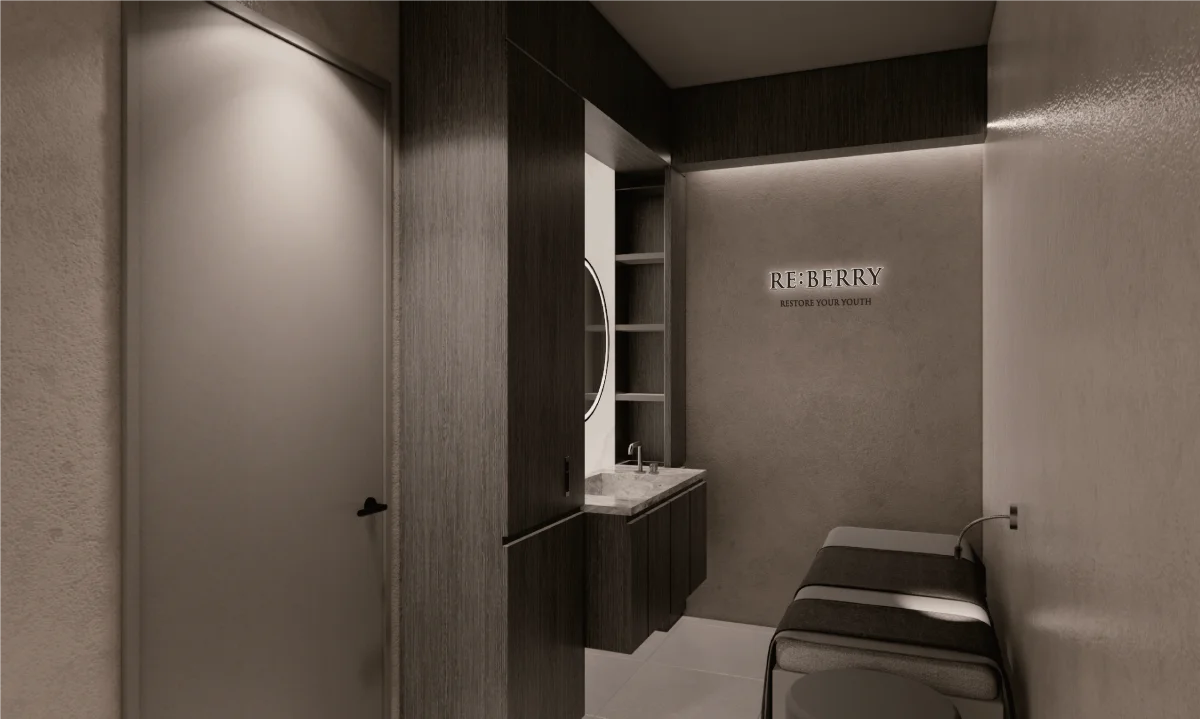

The clinic’s doctors assess your skin and may prime it for 1 to 2 weeks so it tolerates the acid safely.
On the day, skin is cleansed and degreased so the acid contacts evenly, taking about 5 minutes.
The chosen acid (1 of the AHA, BHA or TCA families) is applied and timed precisely to reach the intended depth.
The peel is neutralised or self-limits, then soothing and sun protection are applied; a superficial session runs 20 to 30 minutes.
Sessions are spaced 2 to 4 weeks apart across the planned 3 to 6 visits so skin renews between peels.
Reberry Clinic · Prices verified: Oct 2026
| Clinic | Price (KRW) |
|---|---|
| GangnamLala Peel | from₩77,000 |
| MyeongdongAllergy Care / Lala Peel / Oxygen Enzyme (choose 1) | from₩150,000 |
| Incheon AirportLala Peel | from₩77,000 |
VAT excluded · Treatment packages differ by clinic — see each clinic page for its full menu · Confirmed after consultation
See representative outcomes from Reberry Clinic. Results build gradually and vary by individual; your plan is assessed at consultation.
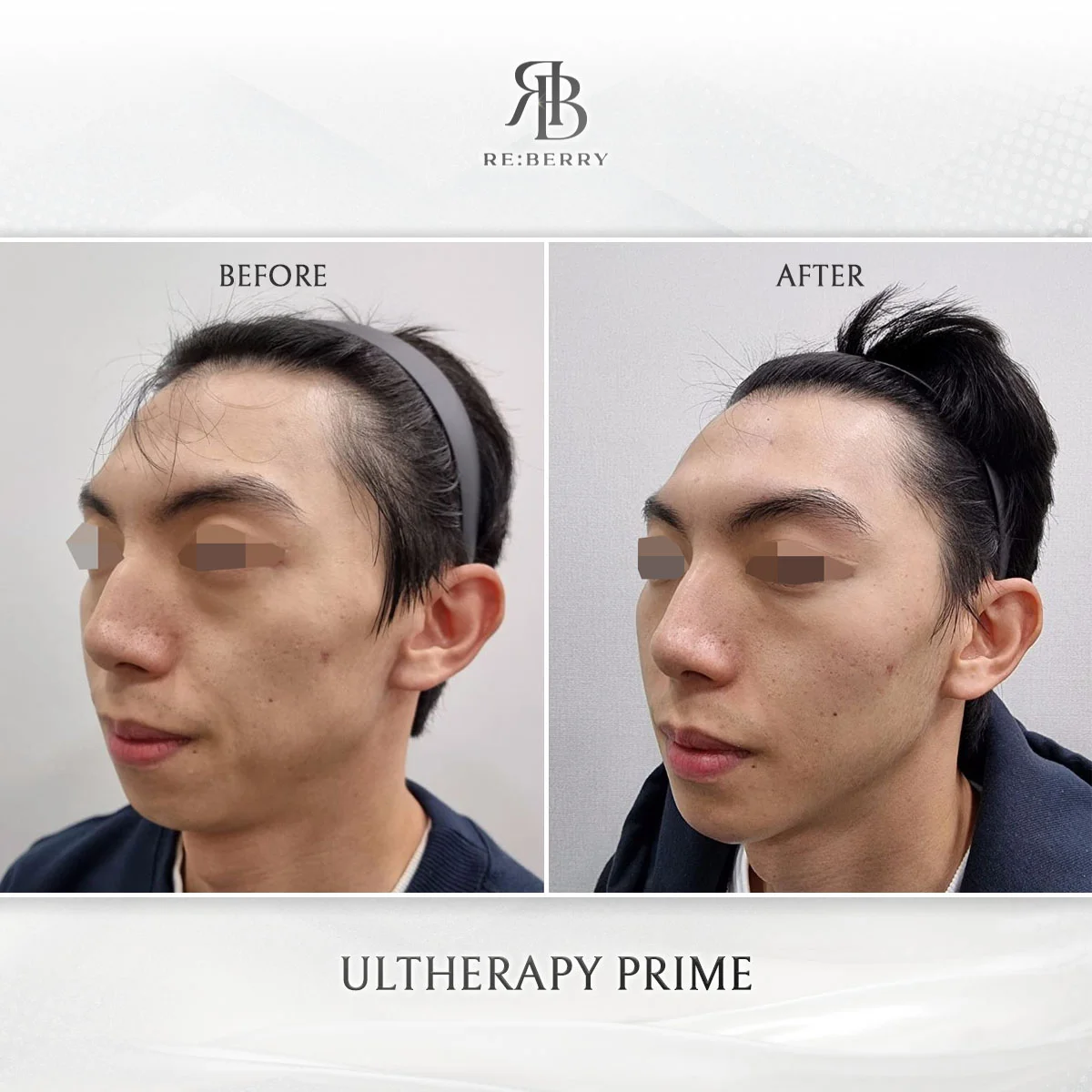
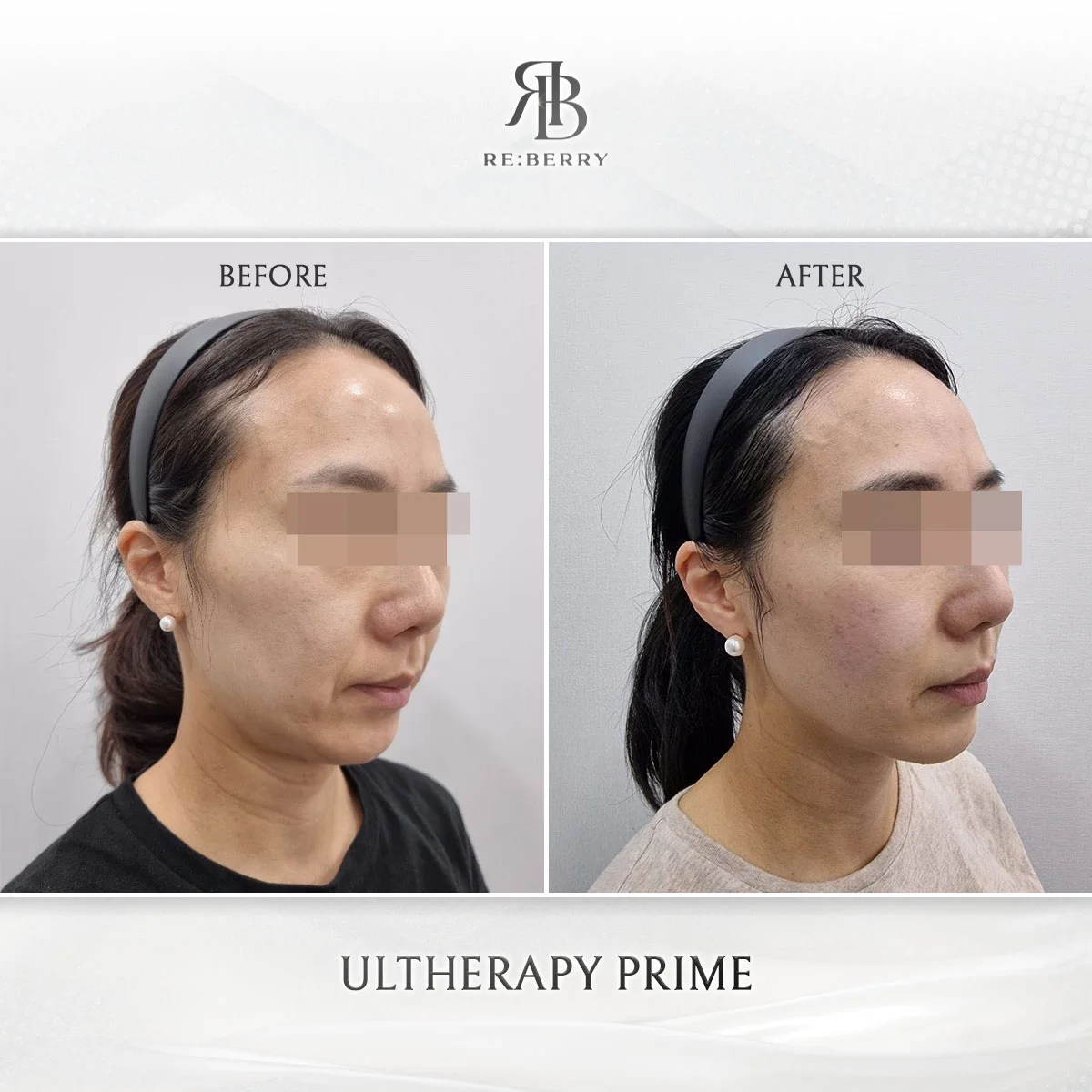
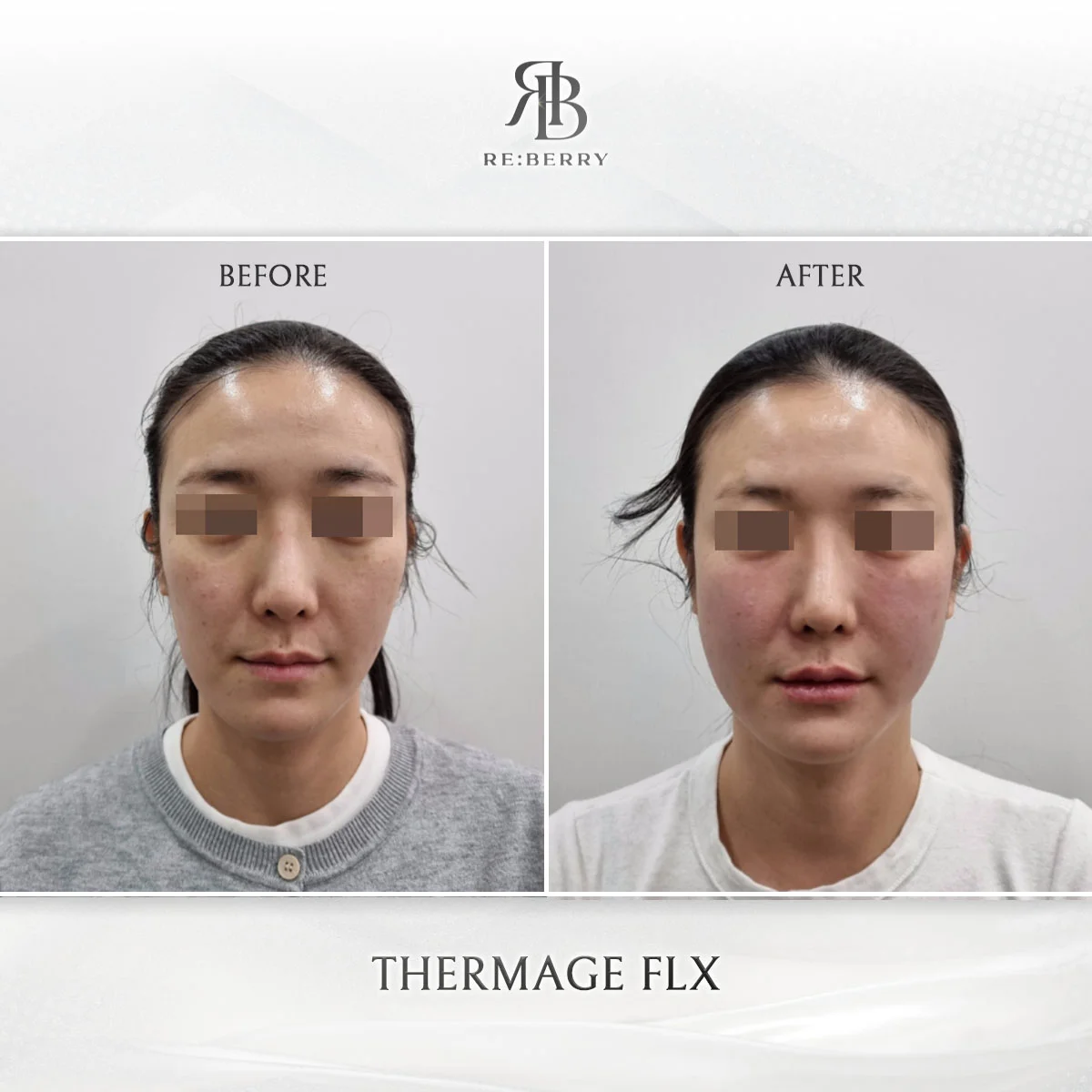
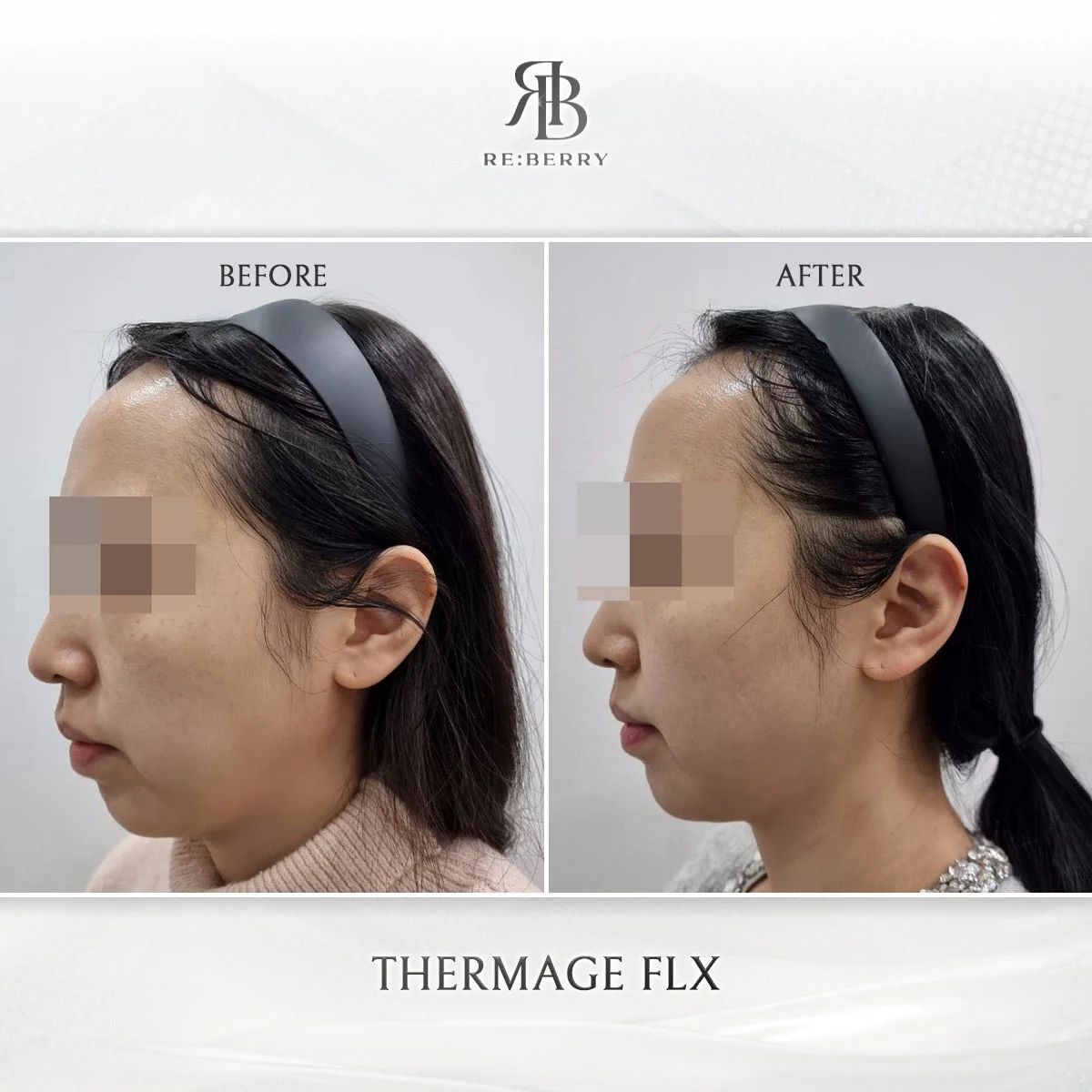
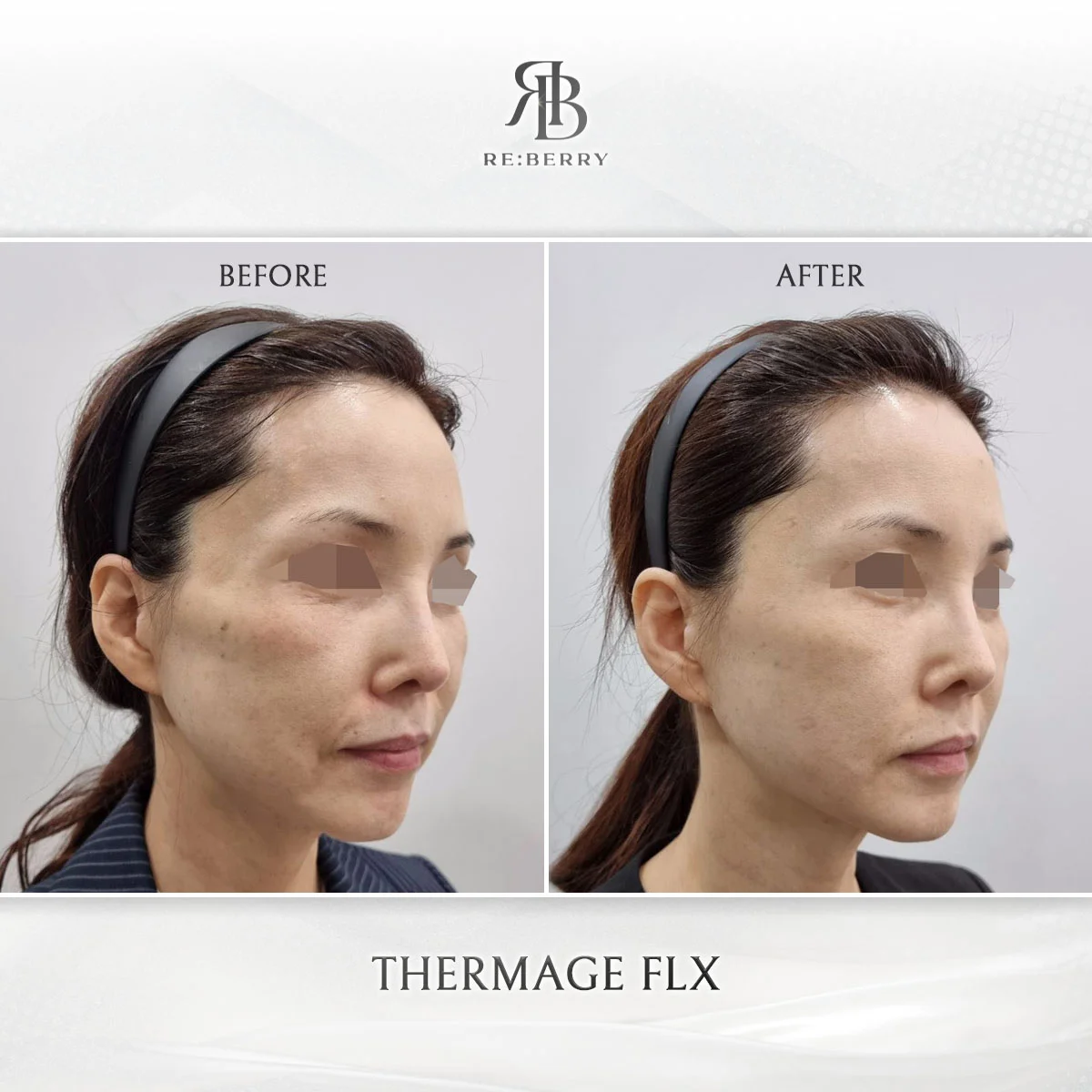
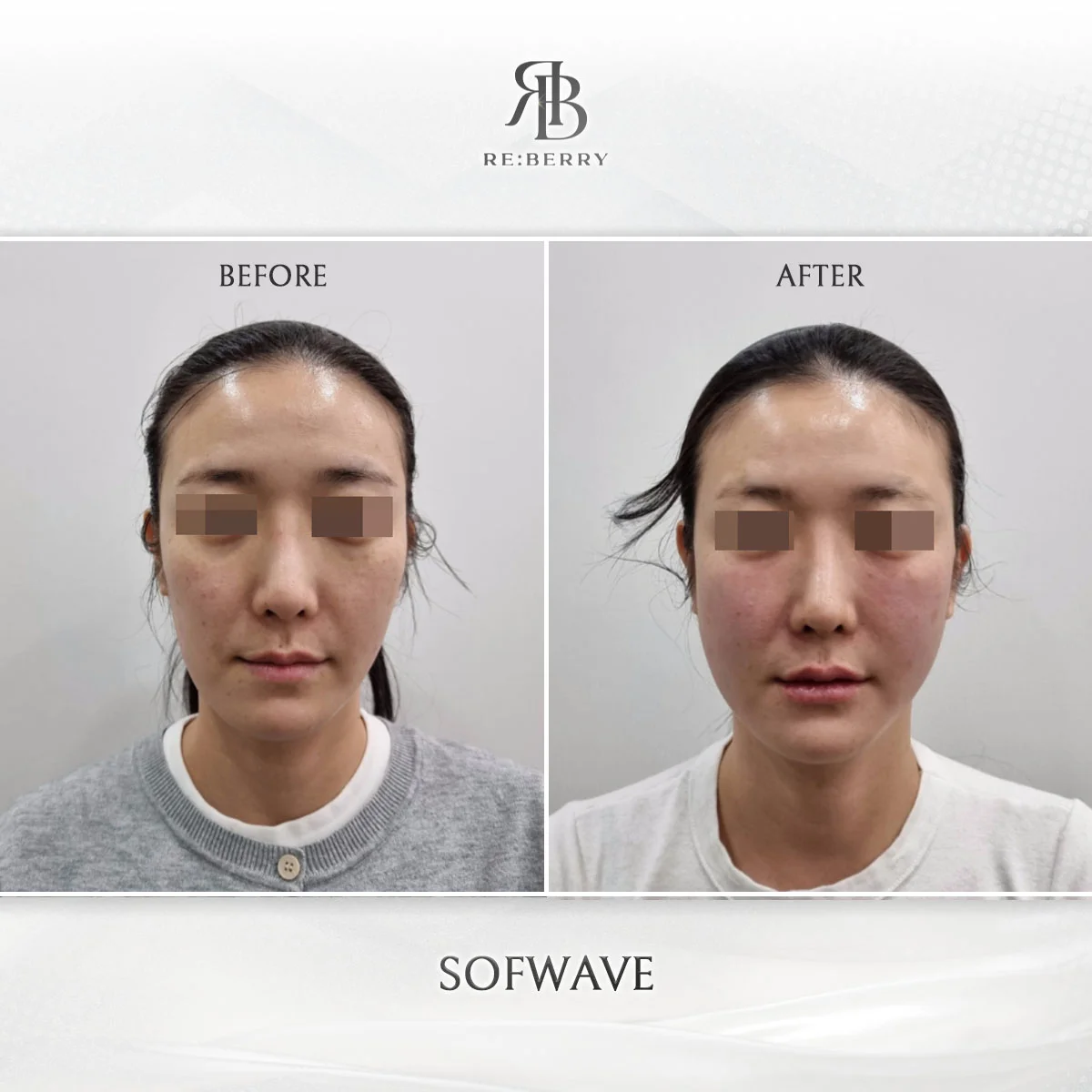
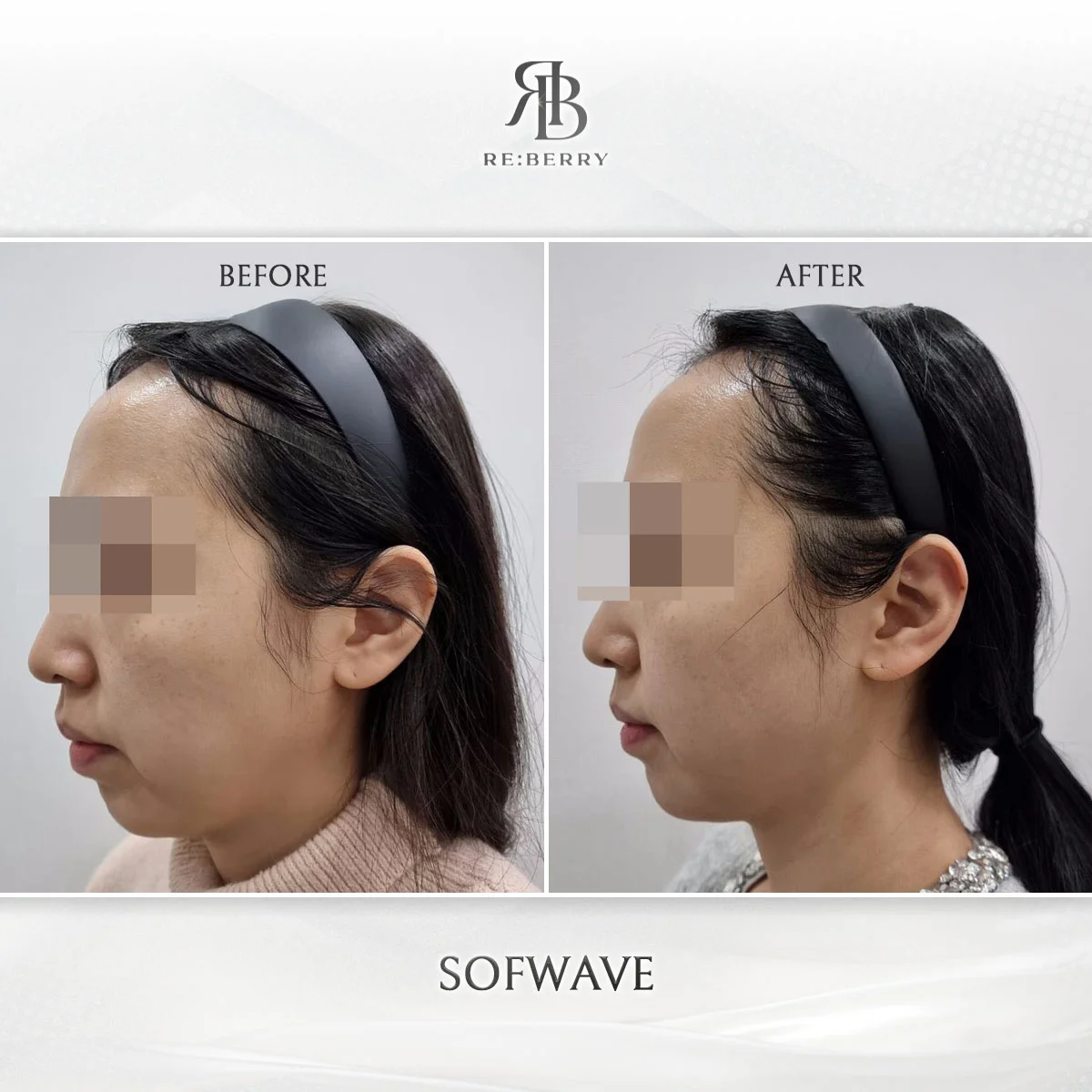
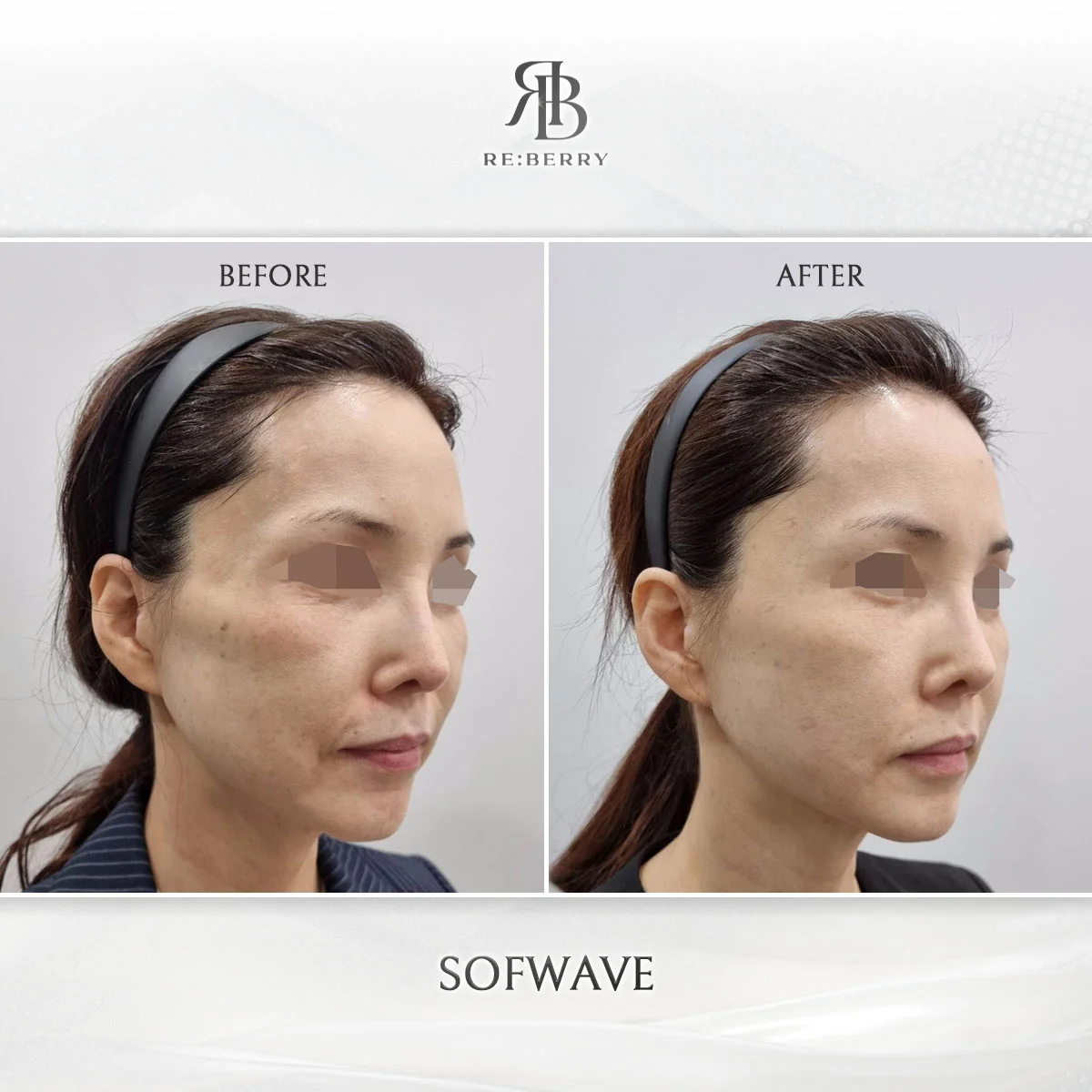
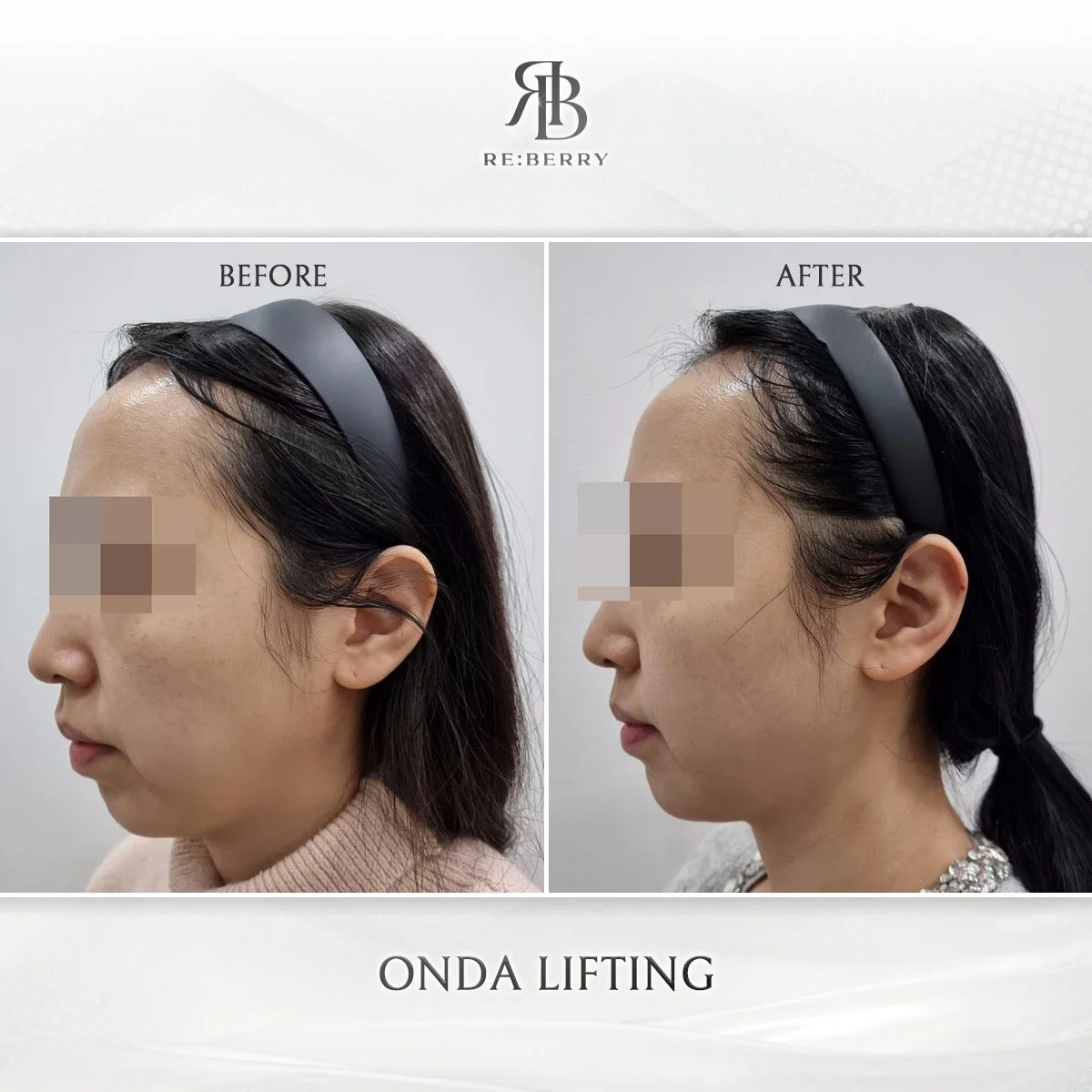
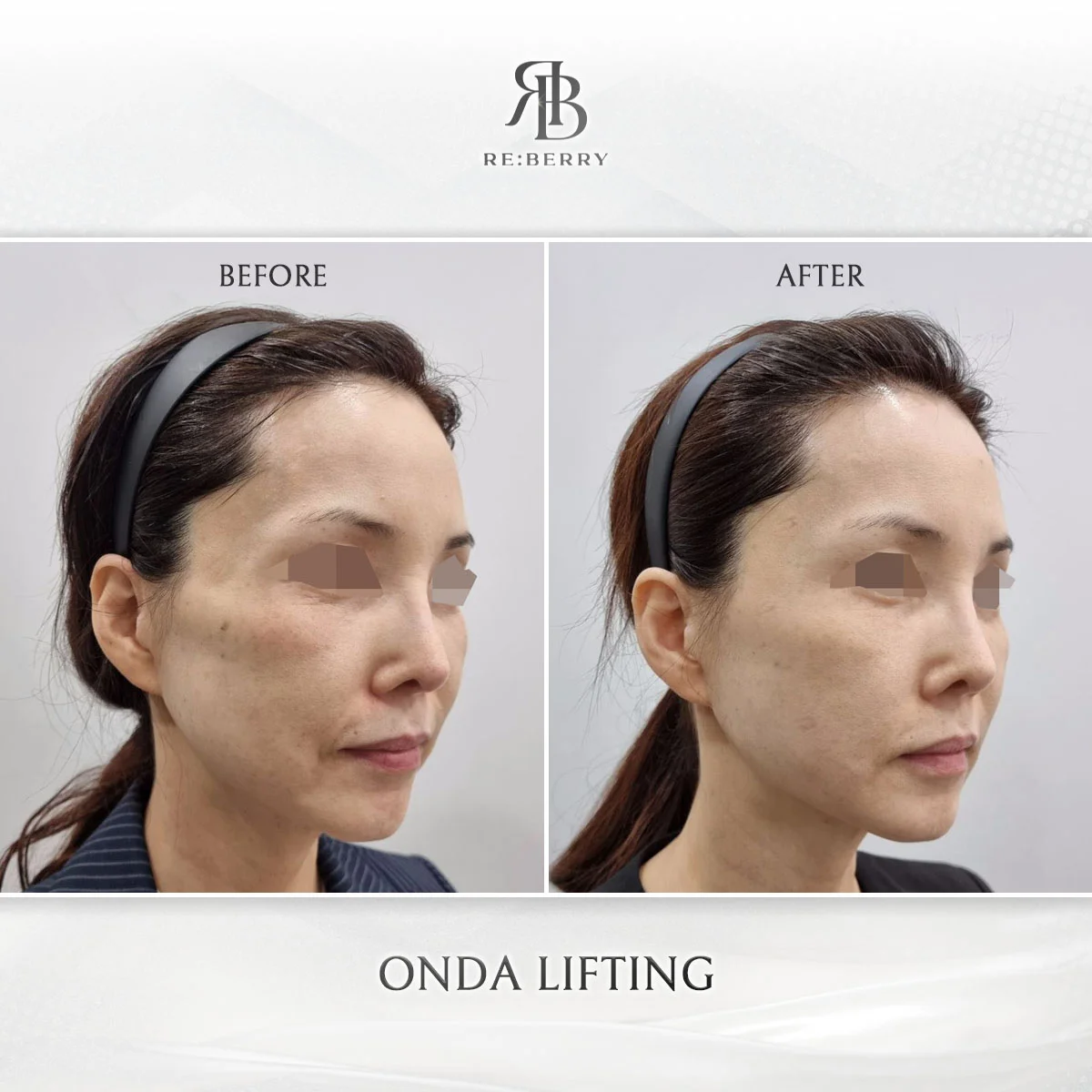
An English-language consultation assesses your skin type and concern, selects the acid and depth, and plans your course of sessions.
After cleansing and priming, the peel is applied and neutralised; a superficial session typically takes 20 to 30 minutes.
Most goals need a course of 3 to 6 sessions spaced 2 to 4 weeks apart, so skin renews fully between visits.
Superficial peels flake for 2 to 5 days with tone and texture improving over the course; TCA results show once peeling settles.
Strict sun protection and a maintenance routine preserve results, and periodic peels keep tone and texture even over time.



A chemical peel is a controlled acid exfoliation that sheds dull surface cells to improve tone, texture, pores and mild acne. Depending on depth, it can also soften pigment and acne marks. The clinic’s doctors match the acid to your concern, and you can see how it fits a wider plan on our skin care page.
That depends on your concern and skin type: gentle AHA peels suit dullness and texture, BHA (salicylic acid) suits oily, mildly acne-prone skin, and a medium-depth TCA peel suits deeper pigment or acne marks. The clinic’s doctors assess your skin and recommend the acid and strength rather than applying a fixed formula for everyone.
Most people with dull tone, rough texture, enlarged pores, or mild comedonal acne are suitable, and deeper concerns may need a stronger peel. A consultation checks your skin type, history, and pigment tendency first. You can review complementary options like a HydraFacial if a very gentle approach suits you better.
Most patients feel only mild tingling, warmth, or brief stinging as the acid is applied, especially with superficial AHA or BHA peels, and it eases as the peel is neutralised. Medium-depth TCA peels feel warmer and sharper for a short time. The clinician adjusts strength and timing to keep the sensation tolerable throughout.
Downtime is modest: superficial peels cause light flaking for 2 to 5 days, while a medium-depth TCA peel involves visible peeling for up to about a week. Neither needs dressings, so most people continue daily life with gentle care and sunscreen. Plan a quieter few days after a deeper peel.
Most tone-and-texture goals improve over a course of 3 to 6 superficial peels spaced 2 to 4 weeks apart, letting skin renew between sessions. Deeper concerns may need fewer, stronger peels. Your doctor sets a realistic number after assessment, and periodic maintenance peels help keep results even over time.
Superficial peels brighten and smooth gradually, with visible freshness after each session and fuller results by the end of the course; TCA results appear once peeling settles. Because renewal is progressive, pairing peels with a maintenance glass-skin routine helps sustain and build the improvement.
Results are maintained rather than permanent, since skin continually renews and ages; most patients keep tone and texture even with periodic peels and diligent sun protection. Without upkeep, dullness and pigment can gradually return. Your doctor advises a maintenance interval so you preserve the improvement you achieved through the course.
Yes, peels combine well with hydrating and pigment-targeting care, sequenced safely by your doctor. For stubborn pigment, pairing with laser treatment can reach deeper than a peel alone, while a HydraFacial adds hydration. The consultation plans the order and spacing so treatments support rather than overload the skin.
Peels can be performed across a range of skin tones, but darker or pigment-prone skin needs careful acid choice, conservative depth, and strict sun protection to avoid post-inflammatory pigmentation. This is why assessment matters. The clinic’s doctors adjust the peel to your skin type, and studies in Asian patients support safe use when technique is appropriate.
Expect temporary redness, flaking, and slight tightness for a few days, which settle on their own. Occasionally skin stays pink longer or a small area over-peels while healing. With correct depth and diligent sun protection, more serious effects like prolonged pigment change are uncommon, and the clinic’s doctors guide you on managing recovery safely.
Keep skin clean and hydrated, avoid picking flaking areas, pause harsh actives for a few days, and use strict sun protection. Your clinic provides written aftercare and a suitable skin care routine so your result holds. Gentle care during the flaking phase protects the fresh skin surfacing beneath.
A chemical peel uses acid to exfoliate and renew, causing some flaking and delivering deeper tone and texture change over a course, while a HydraFacial gently cleanses and hydrates with no peeling for an immediate, short-lived glow. Peels correct; a HydraFacial refreshes. Many patients alternate the two depending on their goal and schedule.
A single superficial peel needs only a day, including consultation, since flaking is mild and manageable during travel. A medium-depth TCA peel is best planned with a quieter few days afterward. For a full course, many patients start in Seoul and continue at home, and our English team coordinates timing to fit your trip.
Yes, flying after a superficial peel is generally fine, often within a day, since it is non-invasive with only light flaking. Keep skin hydrated, avoid heavy makeup in transit, and apply sunscreen on arrival. After a deeper TCA peel, allow a little more settling time before long flights, as guided at your consultation.
International patients can have remote check-ins in English to review progress and adjust their routine after returning home, which limits unnecessary repeat visits. If you continue care, you can explore our skin care options or plan further sessions on a future trip. Your treatment notes stay on file for continuity.
| Chemical peel | HydraFacial | Laser resurfacing | |
|---|---|---|---|
| Mechanism | Acid exfoliation (AHA, BHA or TCA) | Vortex water-based cleansing and serum infusion | Light energy vaporises or heats tissue |
| Best for | Tone, texture, pigment and mild acne | Gentle cleansing, hydration and glow | Scarring, deeper pigment and resurfacing |
| Depth | Superficial to medium-depth | Very superficial, non-peeling | Superficial to deep by device |
| Pain / comfort | Mild tingling to stinging by depth | Comfortable, no acid sting | Warmth or prickling, often with numbing |
| Downtime | 2 to 5 days flaking, up to a week for TCA | None | A few days to over a week |
| Results timeline | Builds over a course | Immediate glow, short-lived | Builds over weeks after healing |
| Longevity | Maintained with a course and sun care | Days to weeks per session | Longer once healed |
Real verified reviews from our Google Business Profile, across all Reberry Clinic locations.
PULLED LIVE FROM GOOGLE · GANGNAM · MYEONGDONG · INCHEON AIRPORT
Your treatment is planned and performed by experienced, MFDS-registered doctors across our Seoul-area clinics, with multilingual support for international patients.
Flagship clinic · KOL for leading lifting & regenerative devices · Featured in Authority Magazine (2026)

Multilingual tourist care beside Myeongdong Cathedral

Fast, effective care 20 minutes from the terminals
Message us on WhatsApp for a free consultation in English and a personalised chemical peel plan for your skin.