

Gangnam
Dr. Yoon-Gon Ryu
Aesthetic Medicine Specialist
Flagship clinic · KOL for leading lifting & regenerative devices · Featured in Authority Magazine (2026)


In 2024 Korea treated about 1.17 million foreign patients, and dermatology drew the single largest share, so being seen as a foreigner is a routine, well-supported process.
Yes, Korean clinics accept foreign patients, and for foreigners in Seoul it is an everyday, structured process. You register with your passport instead of a Korean ID, meet English-speaking or multilingual staff, and pay by international card. Reberry Clinic welcomes international patients across our Seoul locations in Gangnam and Myeongdong, plus an Incheon Airport location convenient on arrival.
One-on-One guidance from a dedicated doctor, ensuring your skin is professionally monitored and treated from start to finish.
Fluent assistance in English, Japanese, and Chinese, making communication clear, respectful and comfortable for international patients.
Over 100,000 patients worldwide have received our personalized dermatological care, highlighting our expertise and reliable results.
Yes. For foreigners, being accepted at a Korean dermatology or aesthetic clinic is rarely the hard part. In 2024 Korea treated roughly 1.17 million foreign patients, up sharply year on year, and dermatology consistently attracts the largest single share of those visitors. Private clinics in Seoul see international patients daily, so the systems for registering, treating, and following up with foreigners are already in place.
The reassuring reality is that you do not need Korean insurance, a resident registration number, or a local guarantor to be seen at a private clinic. Your passport does the work: it identifies you and lets the clinic open a patient record. From there the visit mirrors what you would expect at home, a consultation, a clear plan, then treatment on the same day or a scheduled date. Many Seoul clinics run dedicated international-patient desks precisely so first-time foreign visitors are guided through each step in their own language.
At Reberry Clinic, foreign patients are welcomed with English-language support and multilingual coordination across our Seoul locations in Gangnam and Myeongdong, alongside an Incheon Airport location convenient for arrivals and stopovers. Whether you are living in Korea, visiting for a trip, or passing through on a layover, the aim is a visit that feels transparent and organised from registration through aftercare.
The mechanics are simpler than most first-time foreigners expect, and they follow the same 4 building blocks at almost every clinic. First, registration relies on your passport as identification, so you are not blocked by the lack of a Korean ID or national insurance. Second, a short intake form captures your health history and skin concerns before you are seen. Third, you have a medical consultation in which the clinic’s doctors assess your skin and explain suitable options; at clinics with English or multilingual desks this happens directly in your language rather than through a stranger. Fourth, booking is flexible, arranged ahead by message or handled as a walk-in, though appointments are advised for popular slots and prep-heavy treatments. Payment at private aesthetic clinics is out of pocket, since these cosmetic treatments are not insured for anyone, local or foreign, and international cards are widely accepted. Under Korea’s framework, clinics that actively attract foreign patients are expected to hold the government foreign-patient attraction registration and carry medical liability insurance, adding a layer of accountability. This combination is why being a foreigner in Seoul is routine rather than exceptional.
One Reberry Clinic, multiple Seoul-area locations. Pricing & current promotions are listed on each branch's own site — tap a clinic to view pricing & book.
Our flagship in the heart of Gangnam.
In Seoul's shopping & tourism heart.
A beauty stop between flights.
The newest Reberry Clinic — in Seoul's trend district.
ONE REBERRY CLINIC · MFDS-REGISTERED DEVICES · MULTILINGUAL CARE AT EVERY LOCATION
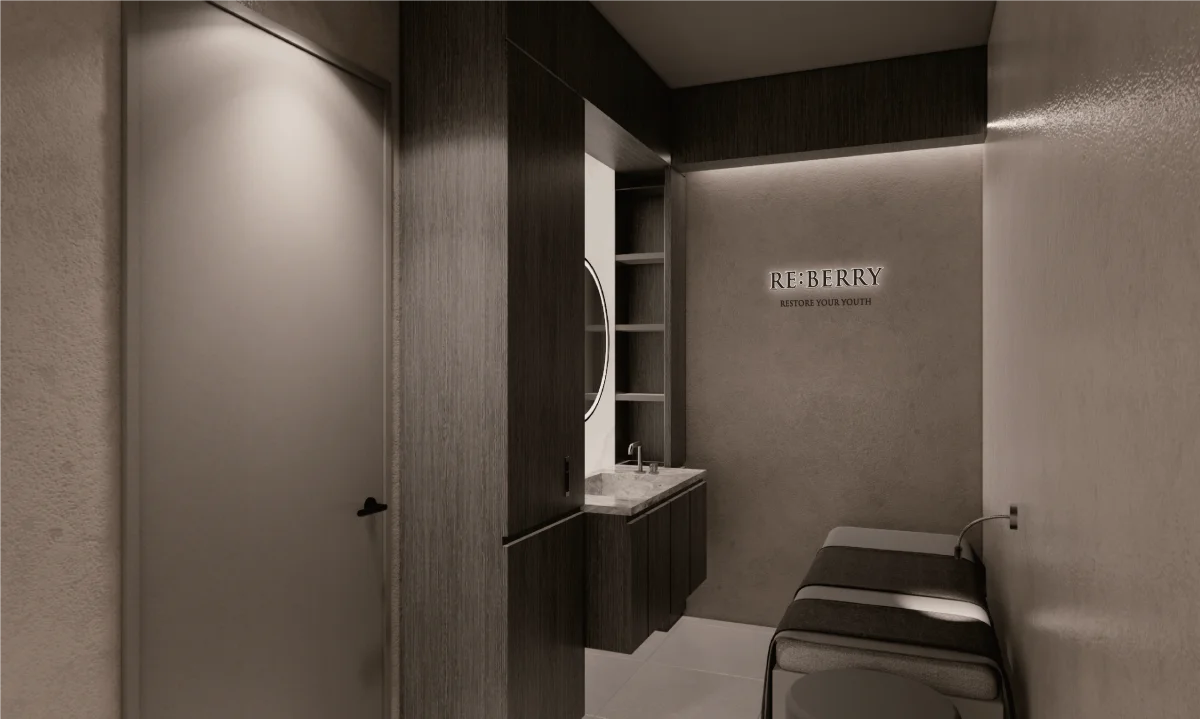

Message the clinic in advance or walk in during opening hours; appointments are advised for the 2 to 3 busiest daily slots and prep-heavy treatments.
At your first visit you present 1 document, your passport, which the clinic uses to open your patient record in place of a Korean resident ID.
A 1-page intake form covers your medical history, allergies, and skin goals, taking about 5 minutes before your consultation begins.
The clinic’s doctors assess your skin and explain options in English or with multilingual staff support, usually within the first 15 to 20 minutes.
You receive a tailored recommendation and a transparent cost explanation before any of the 1 or more treatments begin, and many are done the same day.
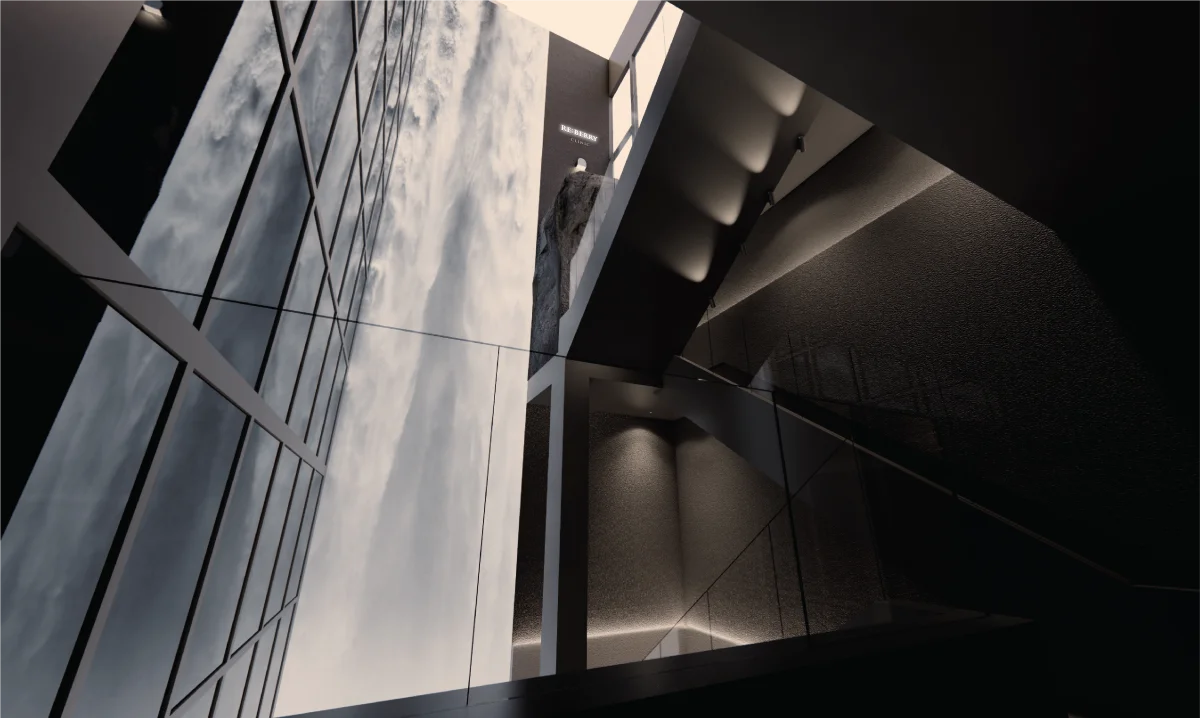
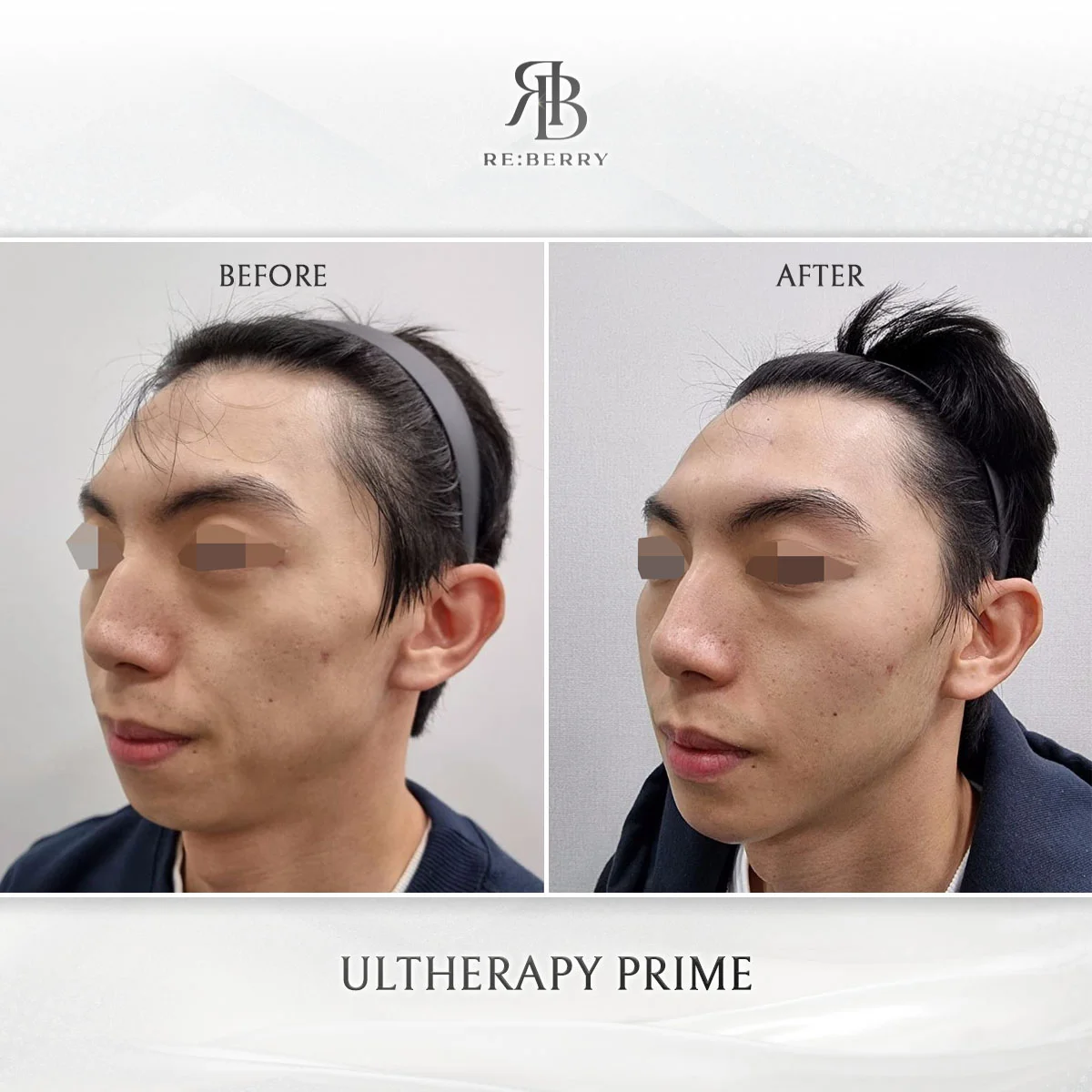
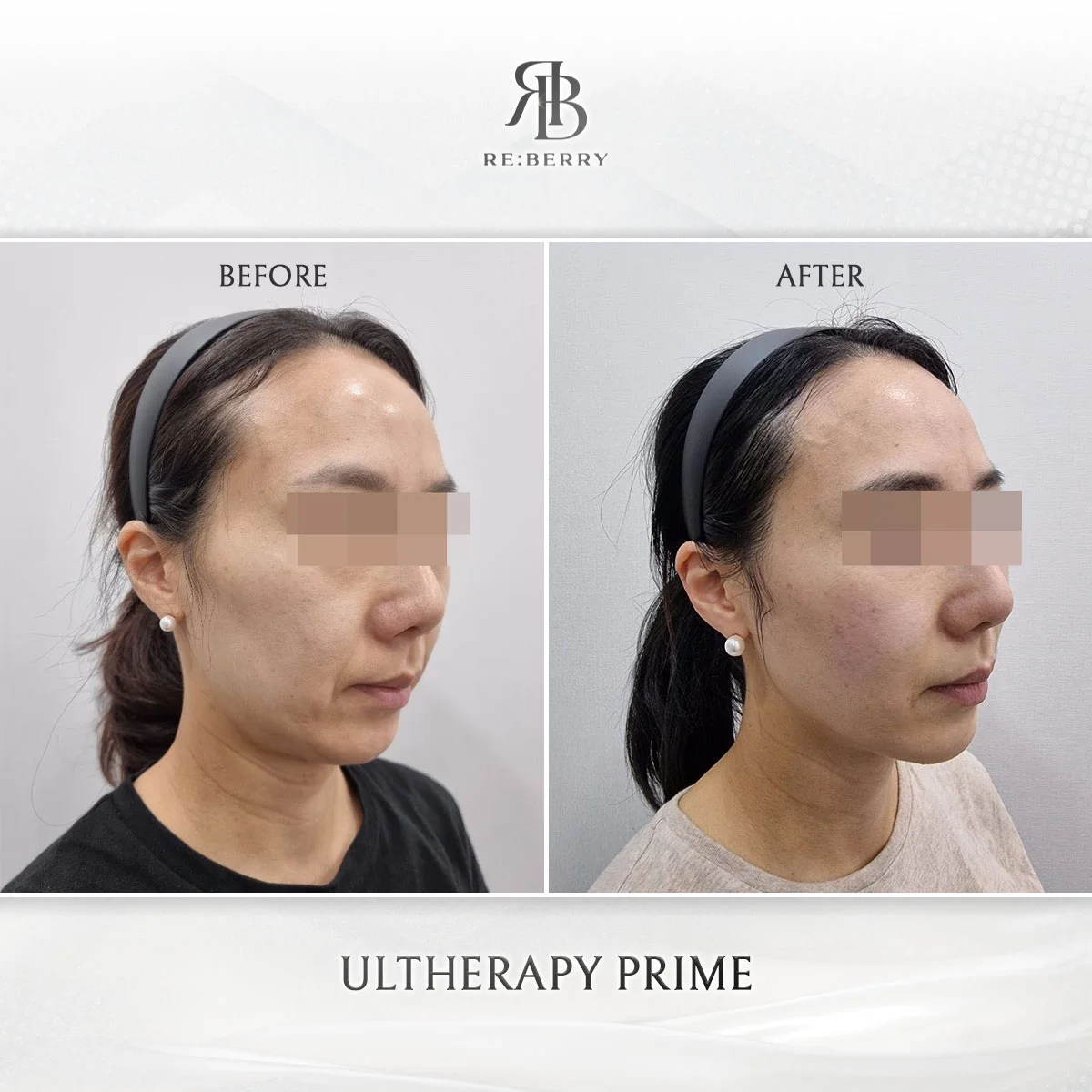
See representative outcomes from Reberry Clinic. Results build gradually and vary by individual; your plan is assessed at consultation.
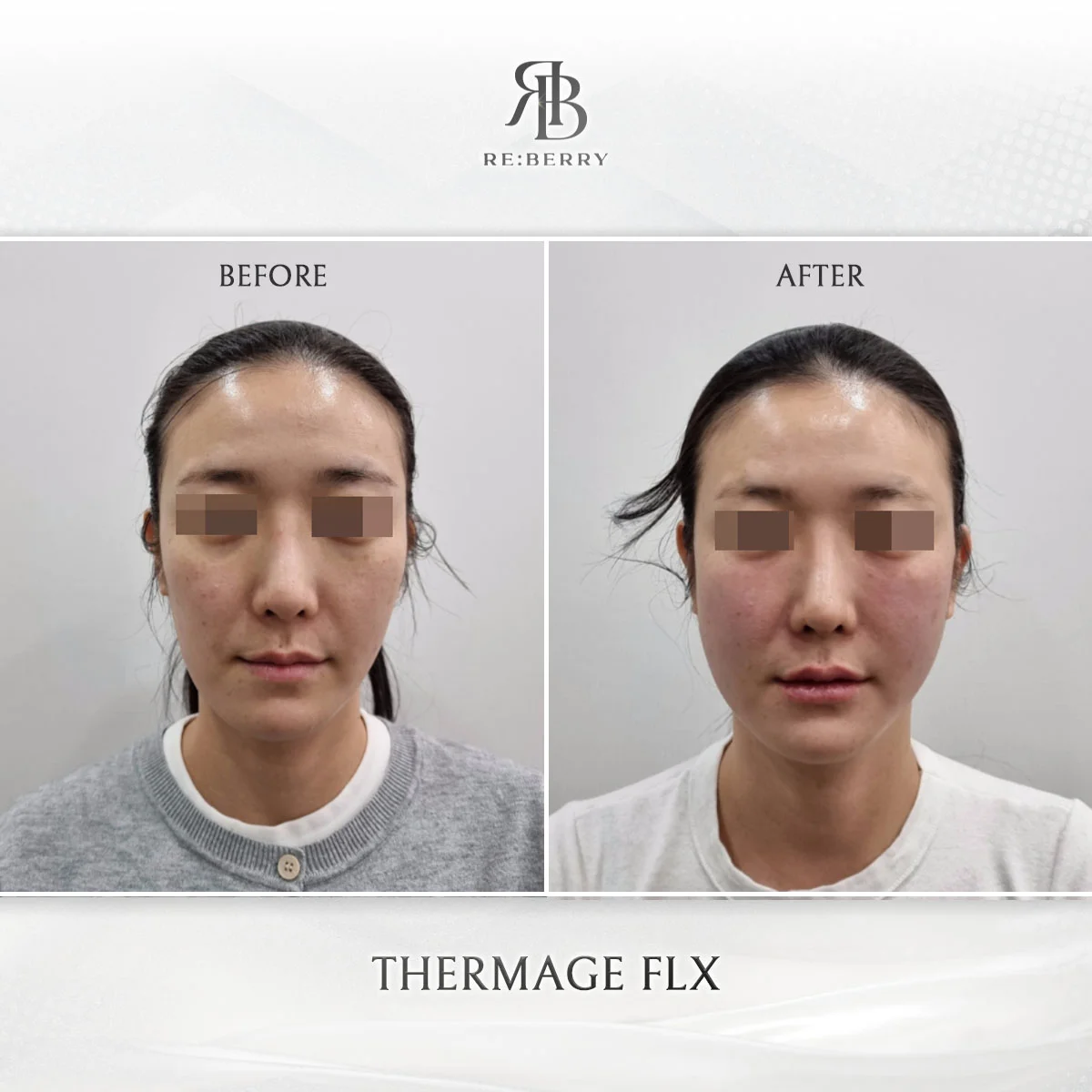
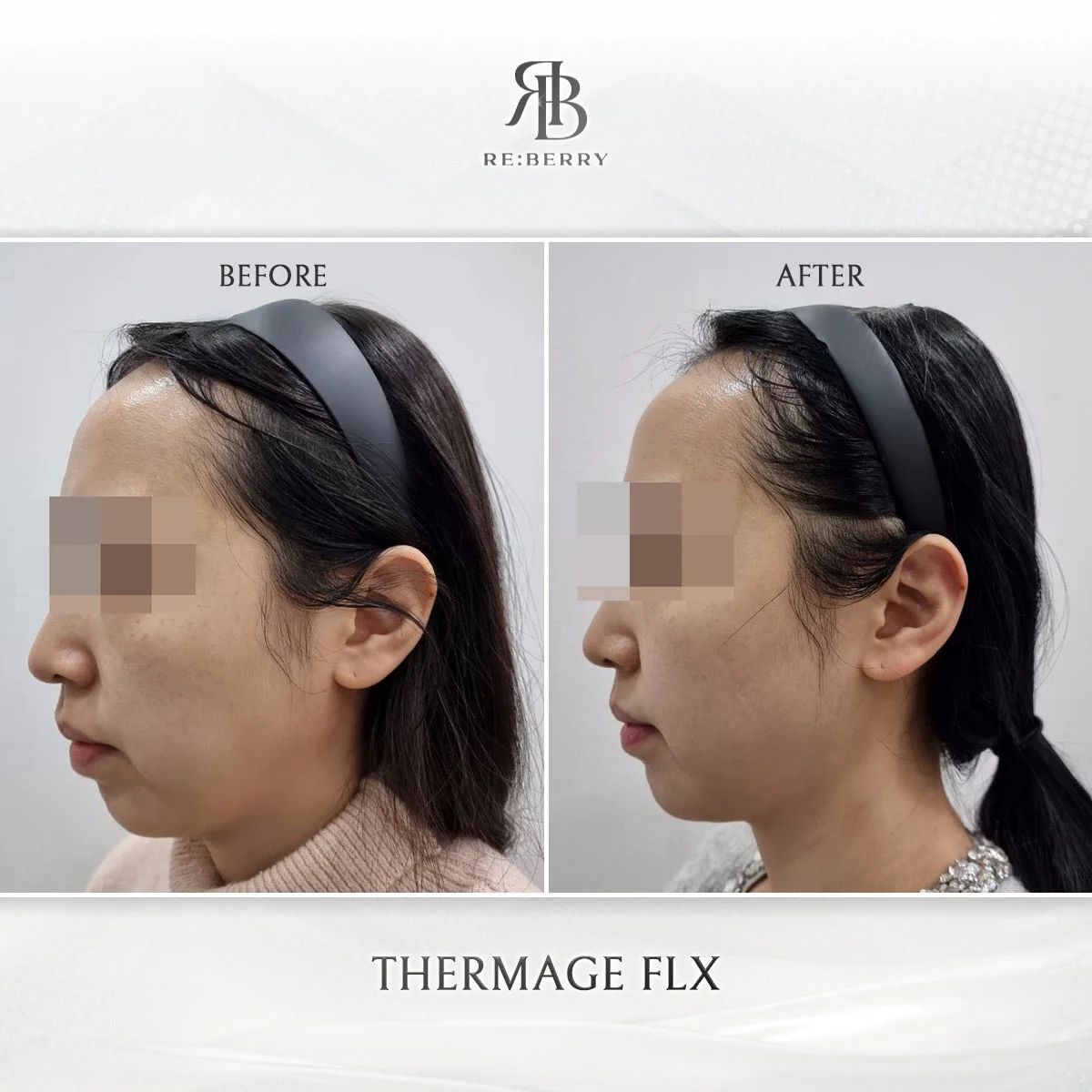
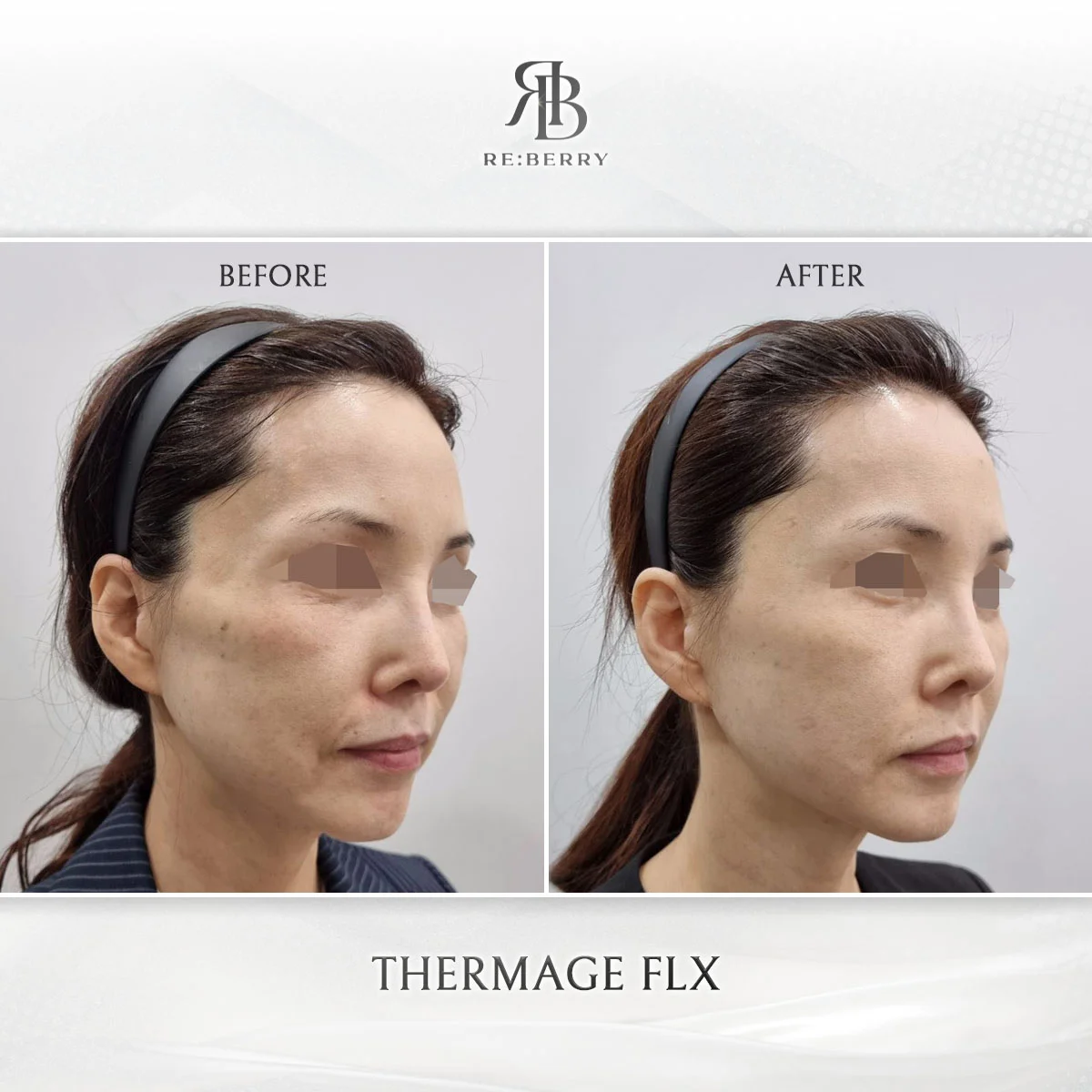
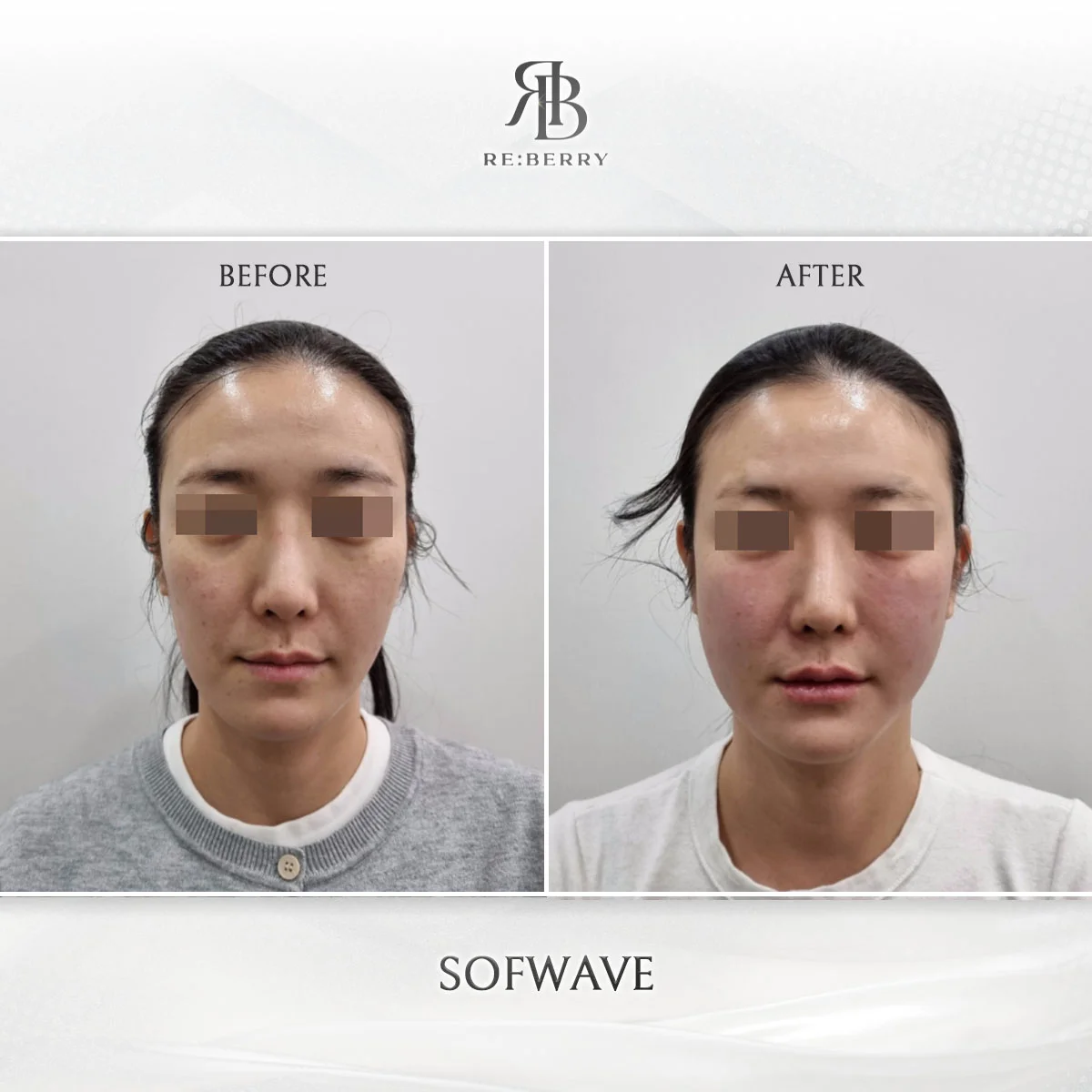
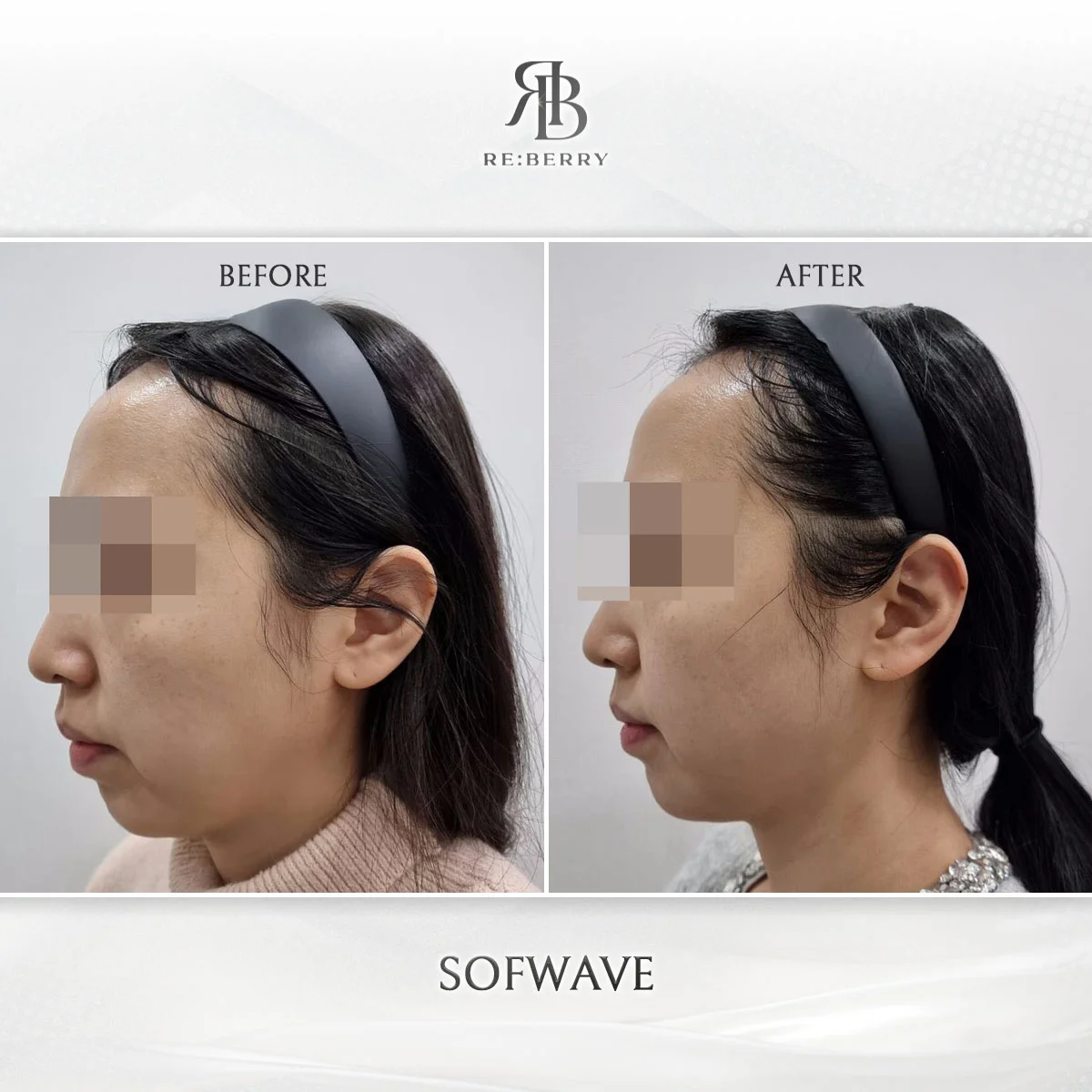
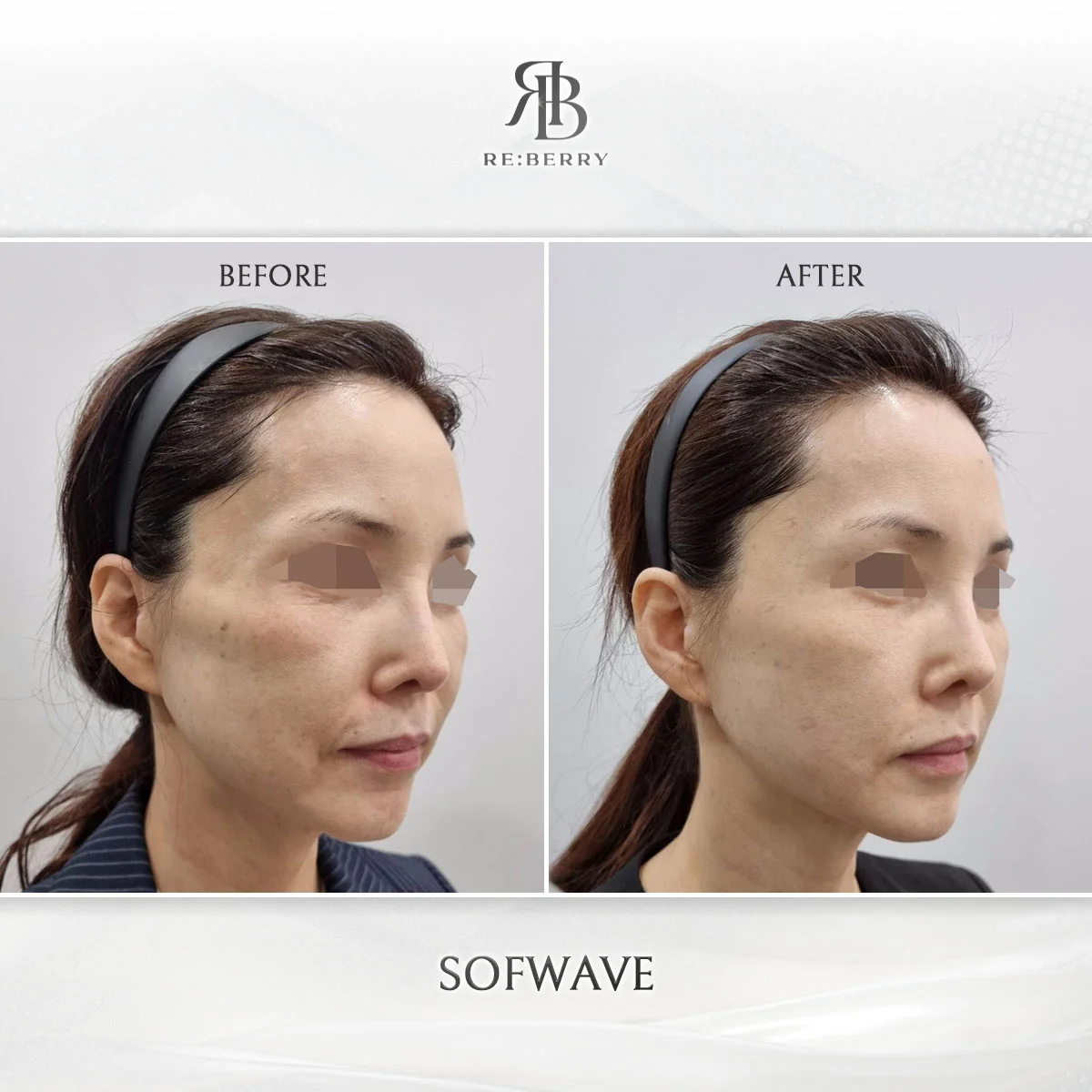
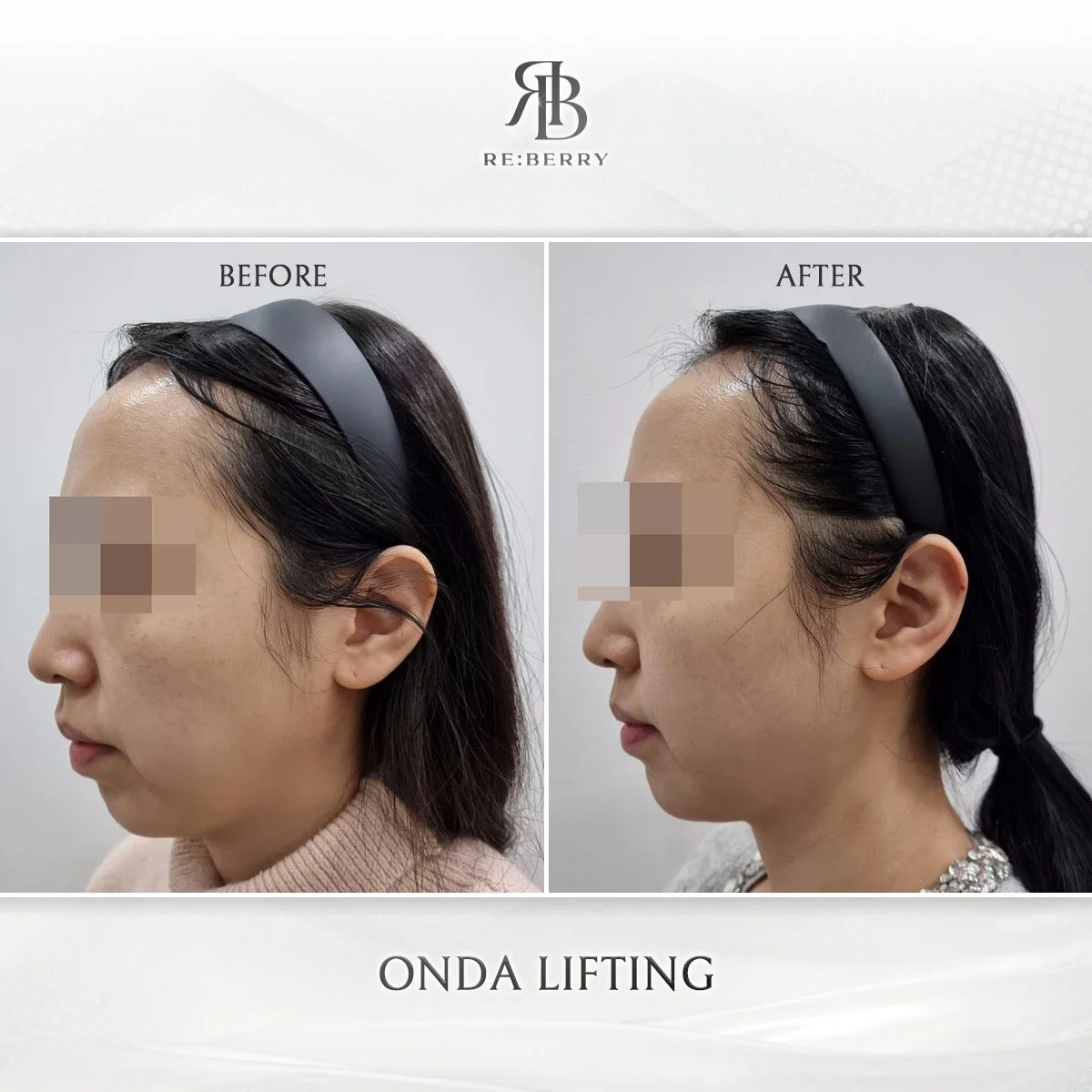
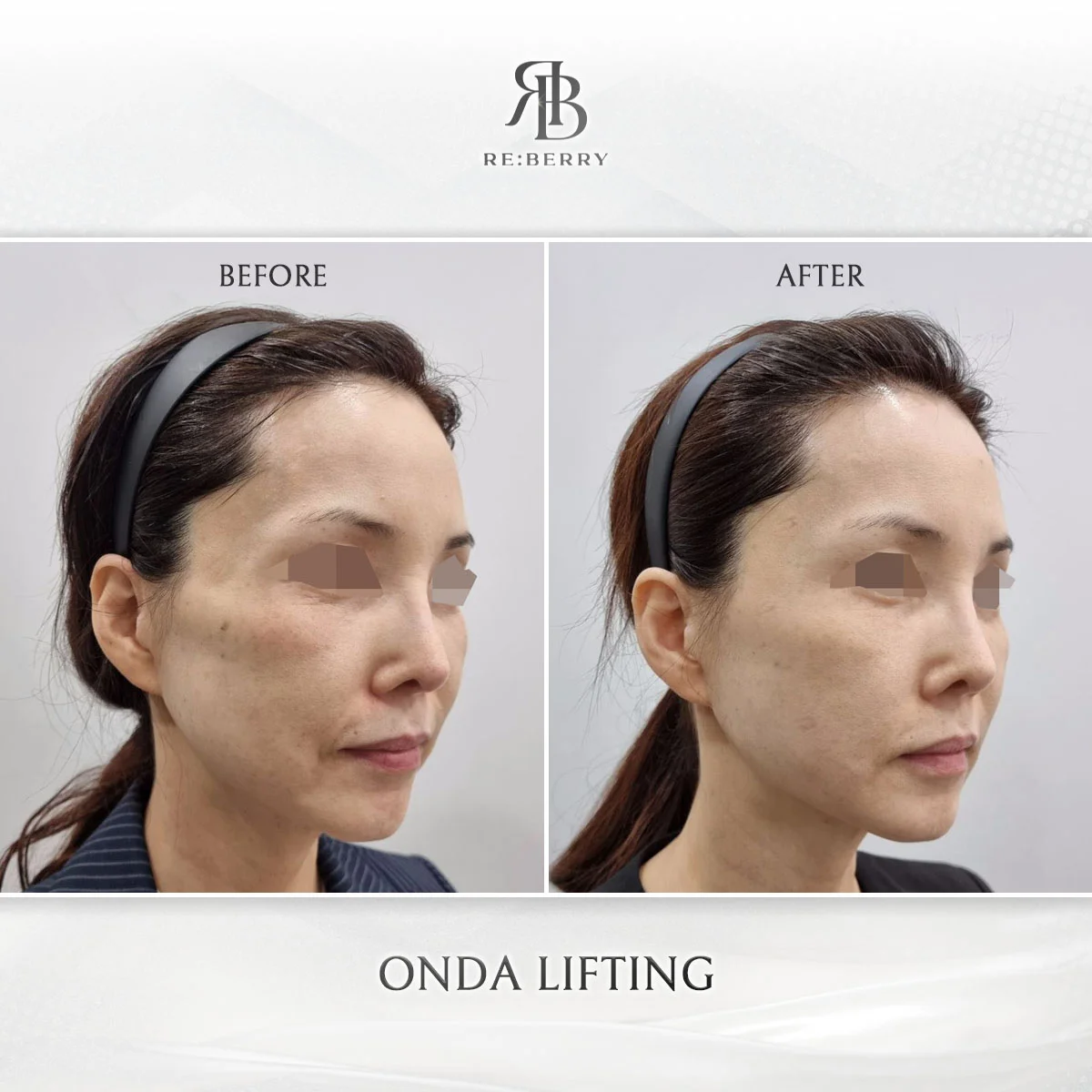
The clinic’s doctors assess your skin and explain suitable options in English, then outline a plan and its transparent cost before anything begins.
After passport registration and a 5-minute intake, many treatments proceed the same visit, typically within about 30 to 60 minutes depending on your choice.
A first foreign-patient visit, from registration to finishing a straightforward treatment, commonly fits inside a single 1 to 2 hour appointment.
Timelines depend entirely on the treatment; your doctor explains when to expect visible change and whether more sessions are advised.
You receive aftercare guidance in English and can arrange remote follow-up from abroad, so continuity does not depend on staying in Korea.



Yes, accepting foreigners is routine in Korea, which treated about 1.17 million international patients in 2024. Private dermatology and aesthetic clinics see overseas visitors daily, register you with your passport, and offer language support. You can start on our skin care page to browse typical treatments.
Reberry Clinic welcomes foreigners across our Seoul locations in Gangnam and Myeongdong, plus an Incheon Airport location convenient for arrivals and stopovers. Registration, consultation, and treatment are handled with full English support at each, so you can pick whichever location best fits your itinerary in Korea.
Your passport is the main document you need as a foreigner. Clinics use it to create your patient record in place of a Korean resident ID, so you do not need Korean insurance or a local ID card. A quick intake form then covers your health history and skin concerns before your consultation.
No, you do not need to speak Korean at clinics that support international patients. Many Seoul clinics have English-speaking or multilingual staff and international-patient desks, so consultation and aftercare happen in your language. At Reberry Clinic, English support is standard across our Seoul locations and Incheon Airport location.
Both work. Simple treatments can often be handled as a walk-in when a slot is open, but appointments are advised for popular times and prep-heavy procedures. Booking ahead also lets staff arrange language support. You can explore options first on our skin care page.
Payment at private aesthetic clinics is out of pocket, by international card or cash, and major cards are widely accepted. Cosmetic treatments are not covered by Korean national insurance for anyone, local or foreign, so everyone pays privately. Your cost is explained transparently before treatment begins, with no hidden charges.
No, elective cosmetic and aesthetic treatments are not covered by Korea’s national health insurance, for local or foreign patients alike. That is why clinics quote these treatments privately. Because plans are individualised, the clinic’s doctors confirm your exact cost at consultation rather than from a fixed public menu.
It is a Korean government requirement: clinics that actively attract foreign patients are expected to hold an attraction registration and carry medical liability insurance. This framework adds accountability and patient protection. It signals a clinic is set up to serve international patients properly, worth checking when you choose a clinic.
Korean private clinics operate under national medical regulation, and those attracting foreign patients carry liability insurance. Safety still depends on choosing a well-run clinic and having a real consultation first. Every treatment has its own contraindications, which the clinic’s doctors review with you before proceeding rather than treating without assessment.
For a first, straightforward treatment, 2 to 3 days is comfortable, allowing a consultation, the procedure, and a short review. Multi-step or staged plans may need longer or return visits. Our English-speaking team helps coordinate timing around your travel and the rest of your trip in Korea.
For most non-invasive dermatology and aesthetic treatments, flying within a day or so is generally fine. Cabin air is drying, so moisturise and protect treated skin from sun. If your treatment involved needling or resurfacing, your doctor gives specific aftercare advice for travelling while your skin settles.
Foreigners can complete a plan across one or more visits, and the clinic offers remote check-ins in English between trips so care stays on track. You can also continue supportive skin care at home. Your treatment notes are kept on file for continuity across future visits.
Yes, a medical consultation comes first. The clinic’s doctors assess your skin, discuss your goals, and recommend suitable options before any treatment starts, whether that is a laser treatment or a gentler option. The right plan depends on your skin type and concerns, not a fixed template.
Often yes, several compatible treatments can be planned into one visit if your skin and schedule allow, which many travellers prefer. The clinic’s doctors sequence them safely rather than overloading your skin. You can browse combinable options such as our hydrafacial during your consultation.
Many Seoul clinics offer multilingual support beyond English, and Reberry Clinic coordinates language help for international patients. Booking ahead lets staff prepare the right language support for your visit. If a specific language is essential, mention it when you contact the clinic so arrangements can be made before you arrive.
Booking before you travel is usually the smoother choice for a foreigner, since it secures your slot, lets staff arrange language support, and helps you plan cost and timing around your trip. Walk-ins remain possible for simple treatments, but a pre-arranged visit gives first-time foreign patients the most guided, predictable experience.
| Walk-In Visit | Advance Booking | International-Patient Desk Support | |
|---|---|---|---|
| Best for | Simple treatments and flexible schedules | Popular slots or prep-heavy procedures | First-time foreigners wanting full multilingual guidance |
| Registration | Passport shown on arrival | Passport confirmed at check-in | Passport handled with staff assistance |
| Language support | Depends on staff on duty that day | Language arranged for your slot in advance | English or multilingual support coordinated ahead |
| Waiting | May wait for an open slot | Reserved time, shorter wait | Time reserved with guided intake |
| Payment | Out of pocket, card or cash | Out of pocket, card or cash | Out of pocket, card or cash, explained clearly |
| Cost context | Same treatment pricing as booked visits | Same treatment pricing, better planning | Same pricing, with end-to-end support |
Real verified reviews from our Google Business Profile, across all Reberry Clinic locations.
PULLED LIVE FROM GOOGLE · GANGNAM · MYEONGDONG · INCHEON AIRPORT
Your treatment is planned and performed by experienced, MFDS-registered doctors across our Seoul-area clinics, with multilingual support for international patients.
Flagship clinic · KOL for leading lifting & regenerative devices · Featured in Authority Magazine (2026)

Multilingual tourist care beside Myeongdong Cathedral

Fast, effective care 20 minutes from the terminals
Message us on WhatsApp for a free consultation in English about registering, booking, and treatment as a foreign patient in Seoul.