
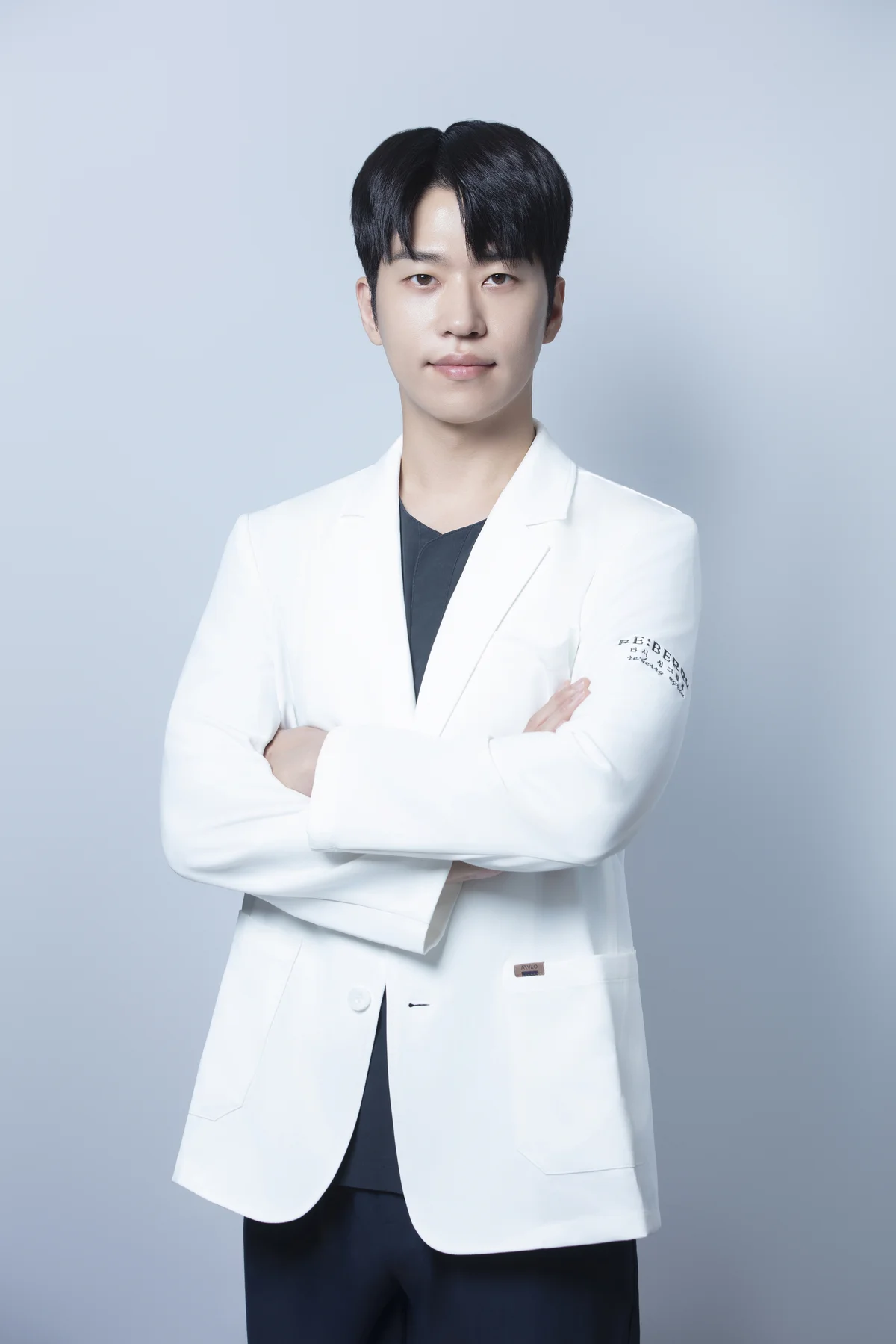
Gangnam
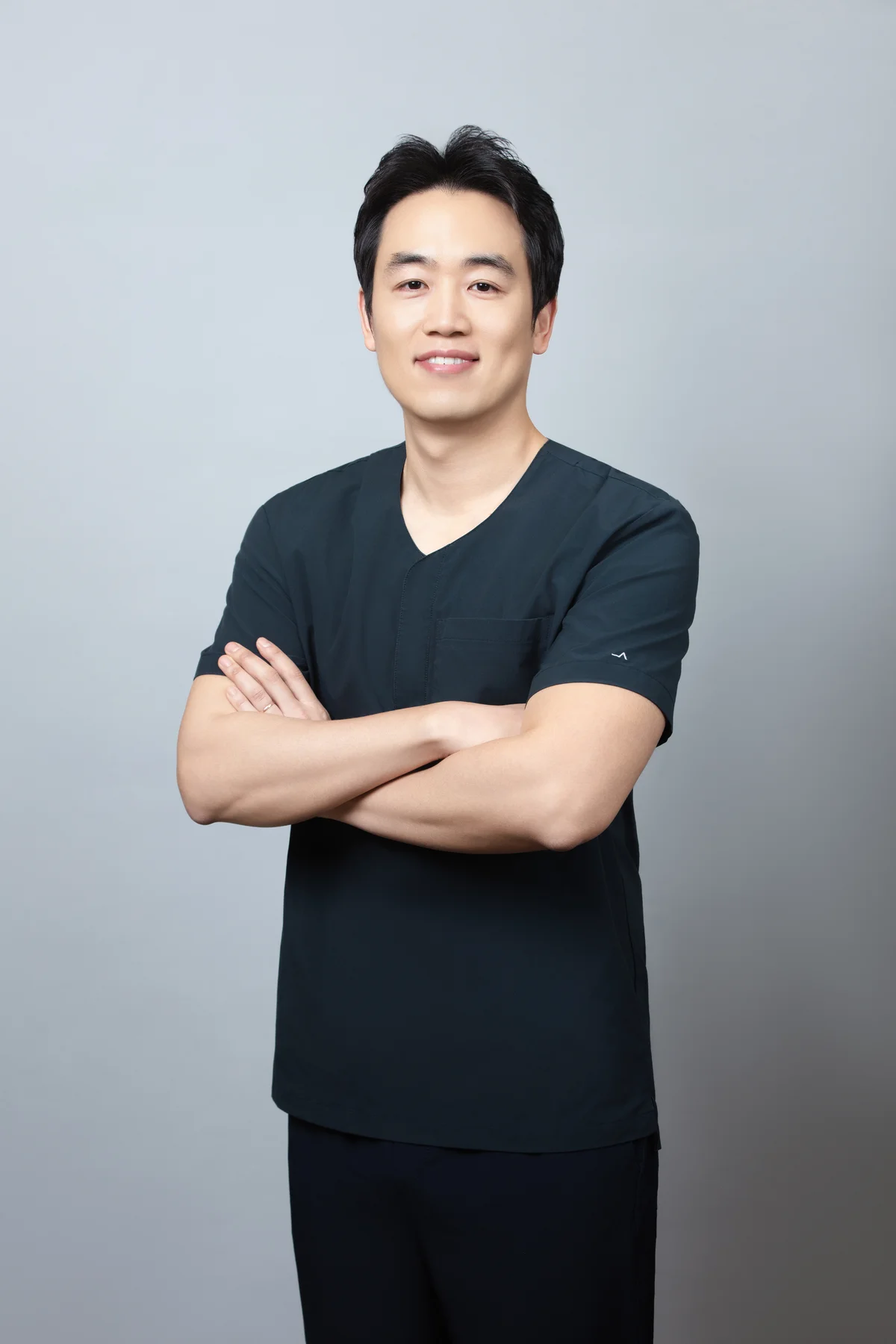
Dr. Yoongon Ryu
Aesthetic Medicine Specialist
Flagship clinic · KOL for leading lifting & regenerative devices

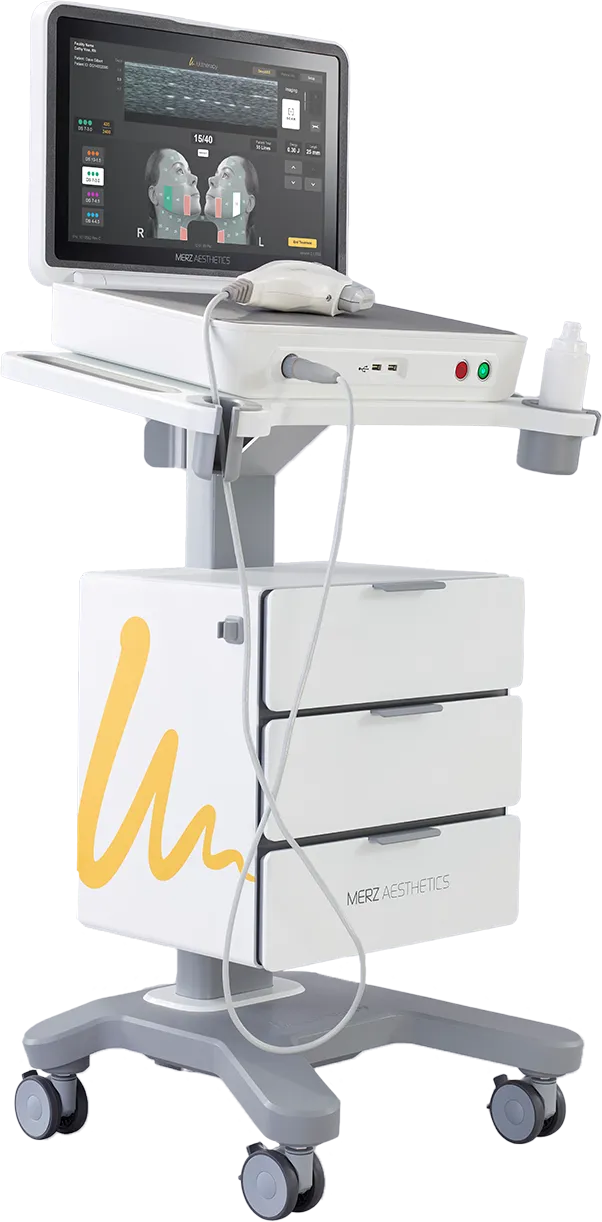
Non-surgical face lifting uses ultrasound, radiofrequency, and threads to firm skin without surgery, with results that build over 2 to 3 months.
Non-surgical face lifting is a group of treatments that tighten and lift the face without surgery or general anaesthesia. The main approaches use focused ultrasound, radiofrequency, or absorbable threads to stimulate collagen and reposition skin. Results build gradually over weeks to months, with little downtime, making them popular with international patients in Seoul.
One-on-One guidance from a dedicated doctor, ensuring your skin is professionally monitored and treated from start to finish.
Fluent assistance in English, Japanese, and Chinese, making communication clear, respectful and comfortable for international patients.
Over 100,000 patients worldwide have received our personalized dermatological care, highlighting our expertise and reliable results.
Non-surgical face lifting refers to a range of treatments that firm, tighten, and subtly lift the face without incisions or general anaesthesia. Instead of removing skin like a surgical facelift, these methods work by stimulating the skin’s own collagen and supporting tissue, so the improvement looks natural and develops gradually. They are popular for early to moderate sagging, a softening jawline, and loss of skin firmness.
The main categories are energy-based devices and thread lifting. Energy devices include focused ultrasound, which reaches the deep SMAS layer, and radiofrequency, which heats the dermis to tighten skin. Thread lifting uses absorbable threads to reposition tissue and trigger collagen along their path. Many patients combine 2 approaches for a more complete result.
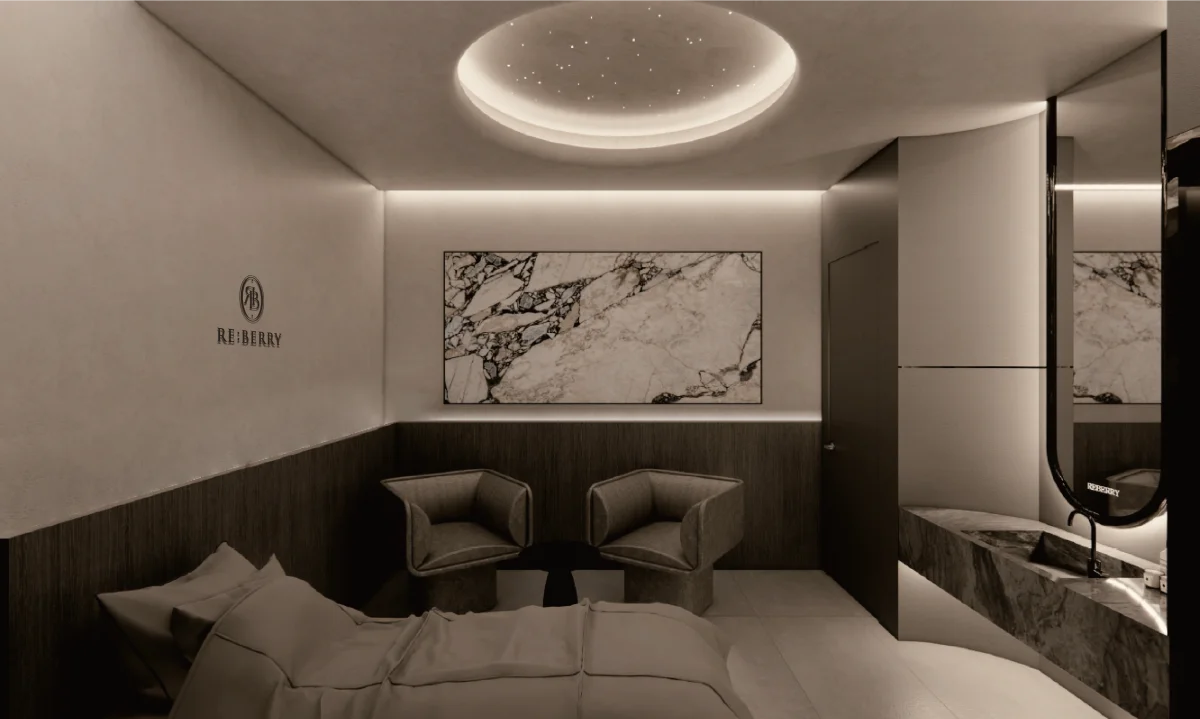
Reberry Clinic helps international patients choose and plan non-surgical lifting across three Seoul-area locations (Gangnam, Myeongdong, Incheon Airport), with treatment assessed and supervised by the clinic’s doctors and consultations available in English.
Energy-based lifting uses heat or focused energy to stimulate collagen at specific depths. Focused ultrasound, such as micro-focused ultrasound, creates precise thermal coagulation points around 65 degrees Celsius in the deep SMAS and dermis at preset depths like 4.5 mm and 3.0 mm, prompting tightening from within. Radiofrequency heats the dermis to roughly 40 to 45 degrees Celsius to remodel collagen more diffusely across the skin. Thread lifting works mechanically and biologically: absorbable threads physically reposition tissue while inducing new collagen along their tracks over several months. Because each modality targets a different depth and mechanism, the right choice depends on your skin laxity, anatomy, and goals, which is why an in-person assessment matters.
One Reberry Clinic, multiple Seoul-area locations. Pricing & current promotions are listed on each branch's own site — tap a clinic to view pricing & book.
Our flagship in the heart of Gangnam.
In Seoul's shopping & tourism heart.
A beauty stop between flights.
The newest Reberry Clinic — in Seoul's trend district.
ONE REBERRY CLINIC · MFDS-REGISTERED DEVICES · MULTILINGUAL CARE AT EVERY LOCATION
The clinic’s doctors assess your skin laxity and recommend 1 or more modalities suited to your face and goals.
Devices deliver ultrasound or radiofrequency, or threads are placed, in a session that typically lasts 30 to 90 minutes.
Focused ultrasound heats the SMAS to about 65 degrees Celsius, while radiofrequency warms the dermis to around 40 to 45 degrees.
Treated tissue begins neocollagenesis, with elasticity gains measurable from around 12 weeks in studies.
Firming and lifting build over 2 to 3 months, often peaking around 6 months as new collagen matures.
Many patients repeat or top up after about 12 months as natural ageing continues.
See representative outcomes from Reberry Clinic. Results build gradually and vary by individual; your plan is assessed at consultation.
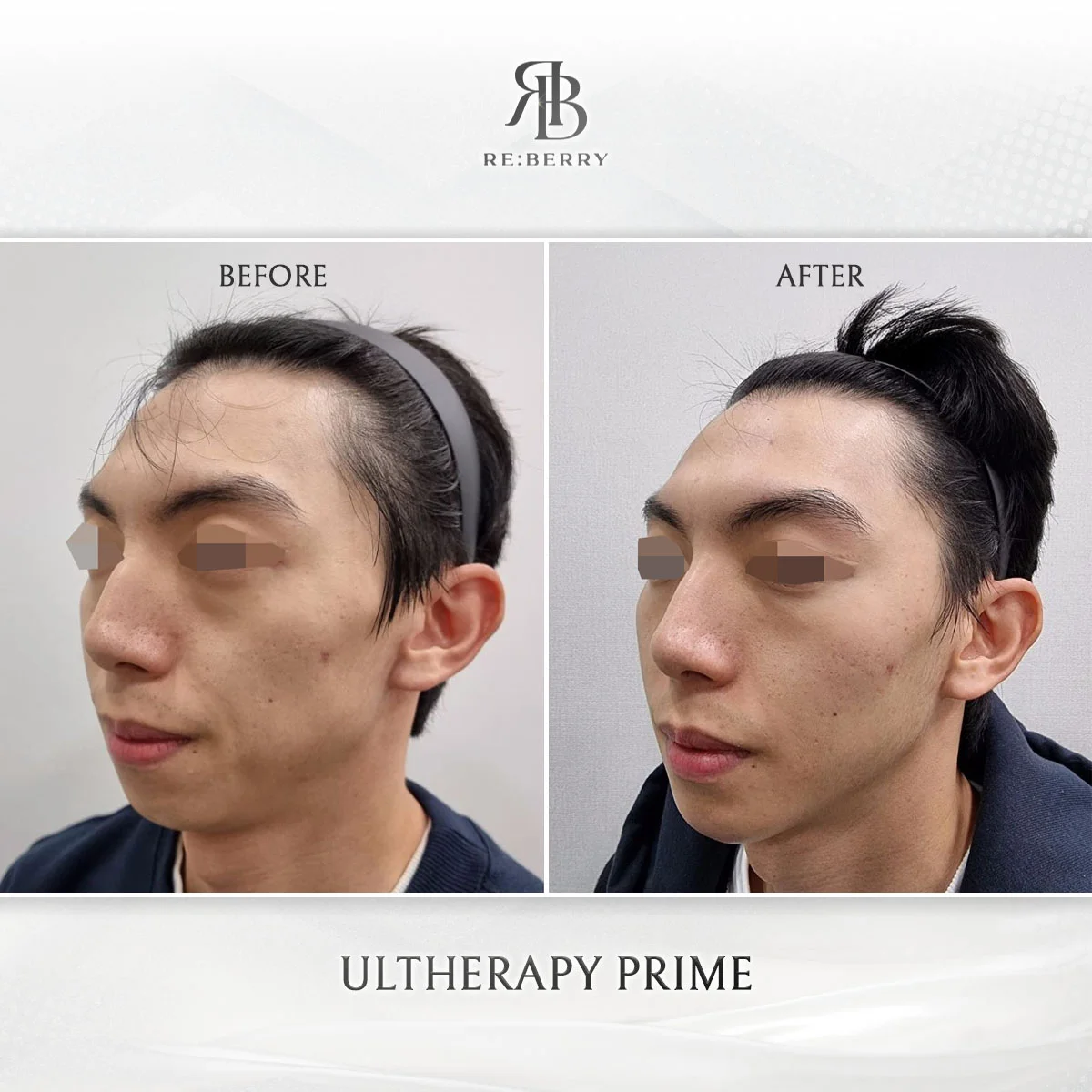
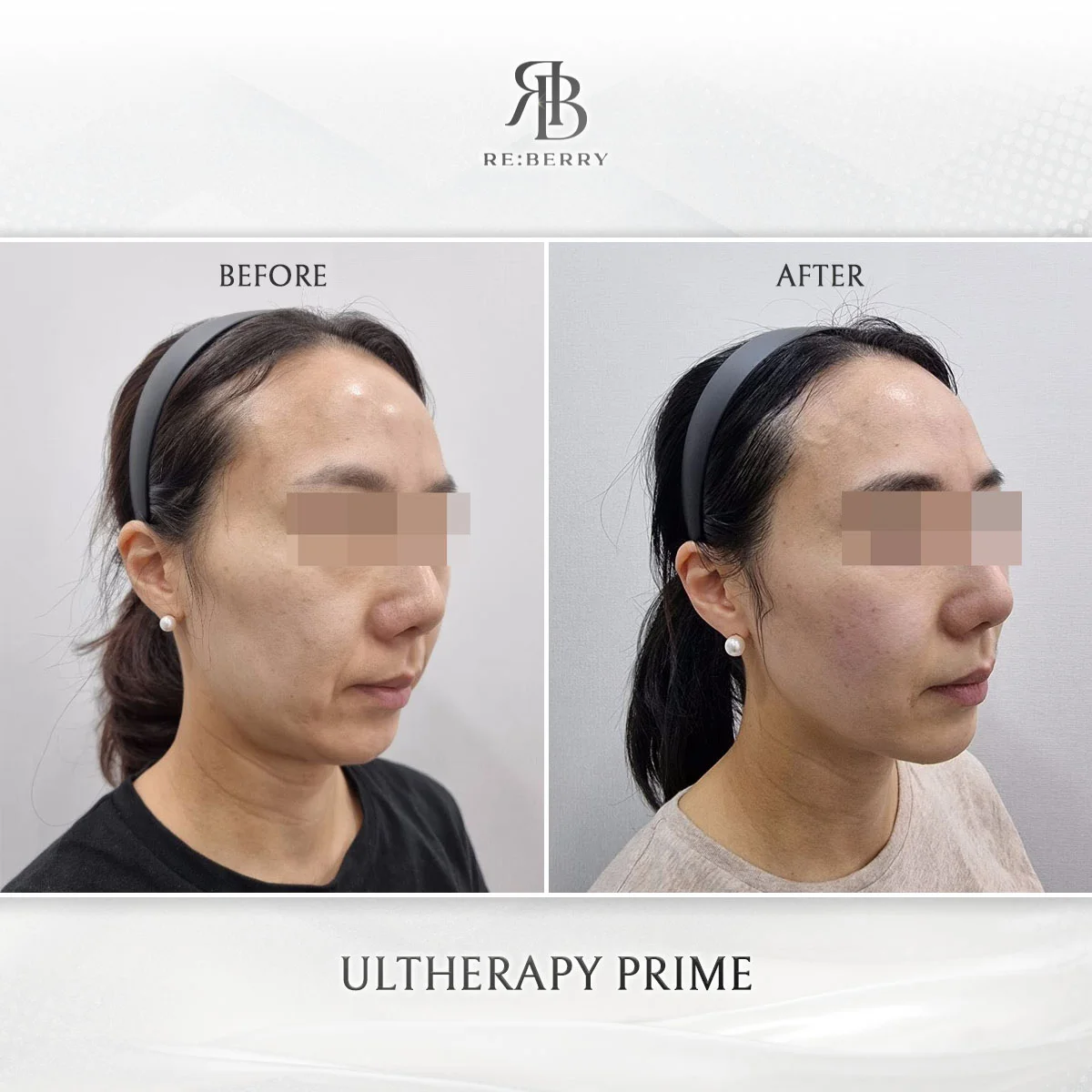
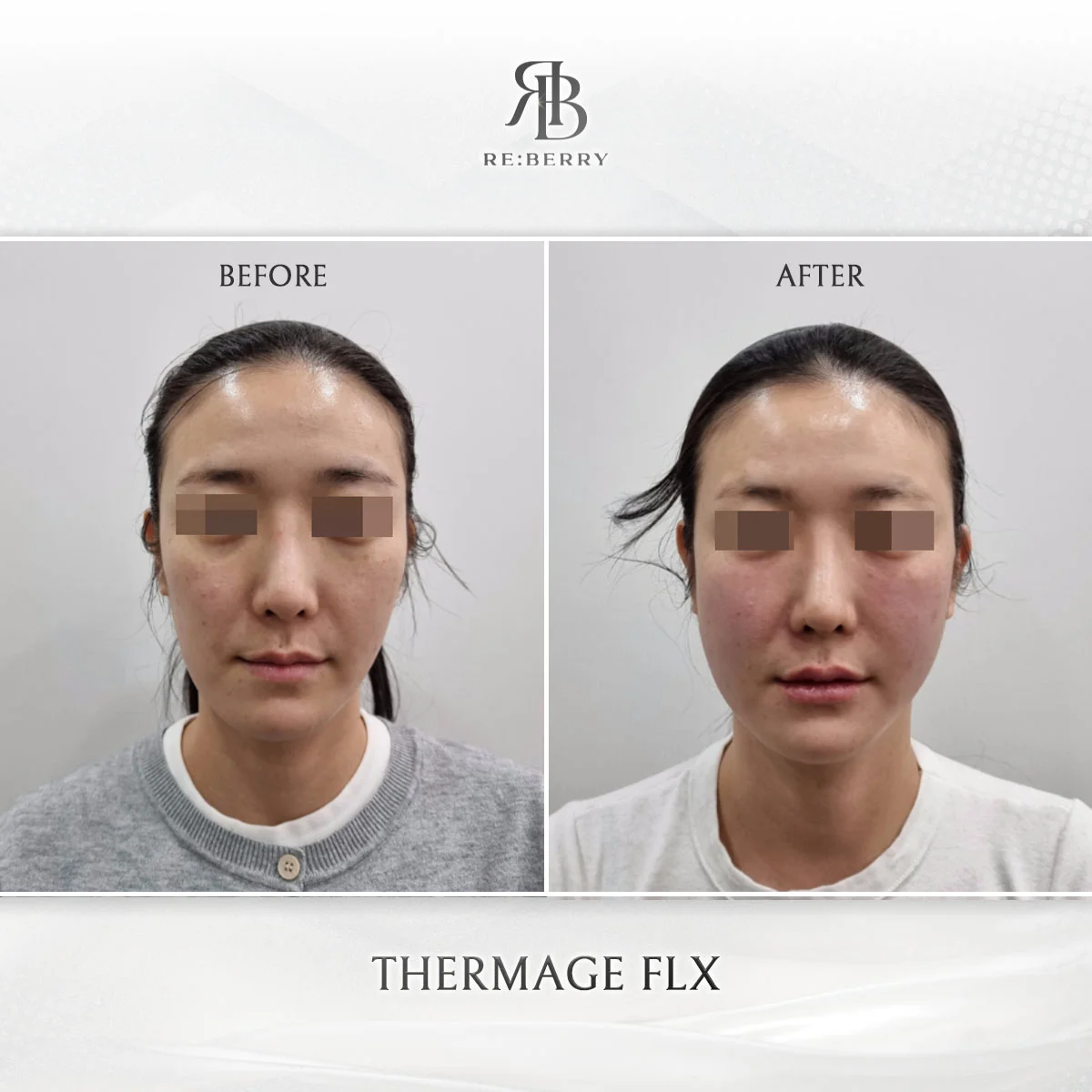
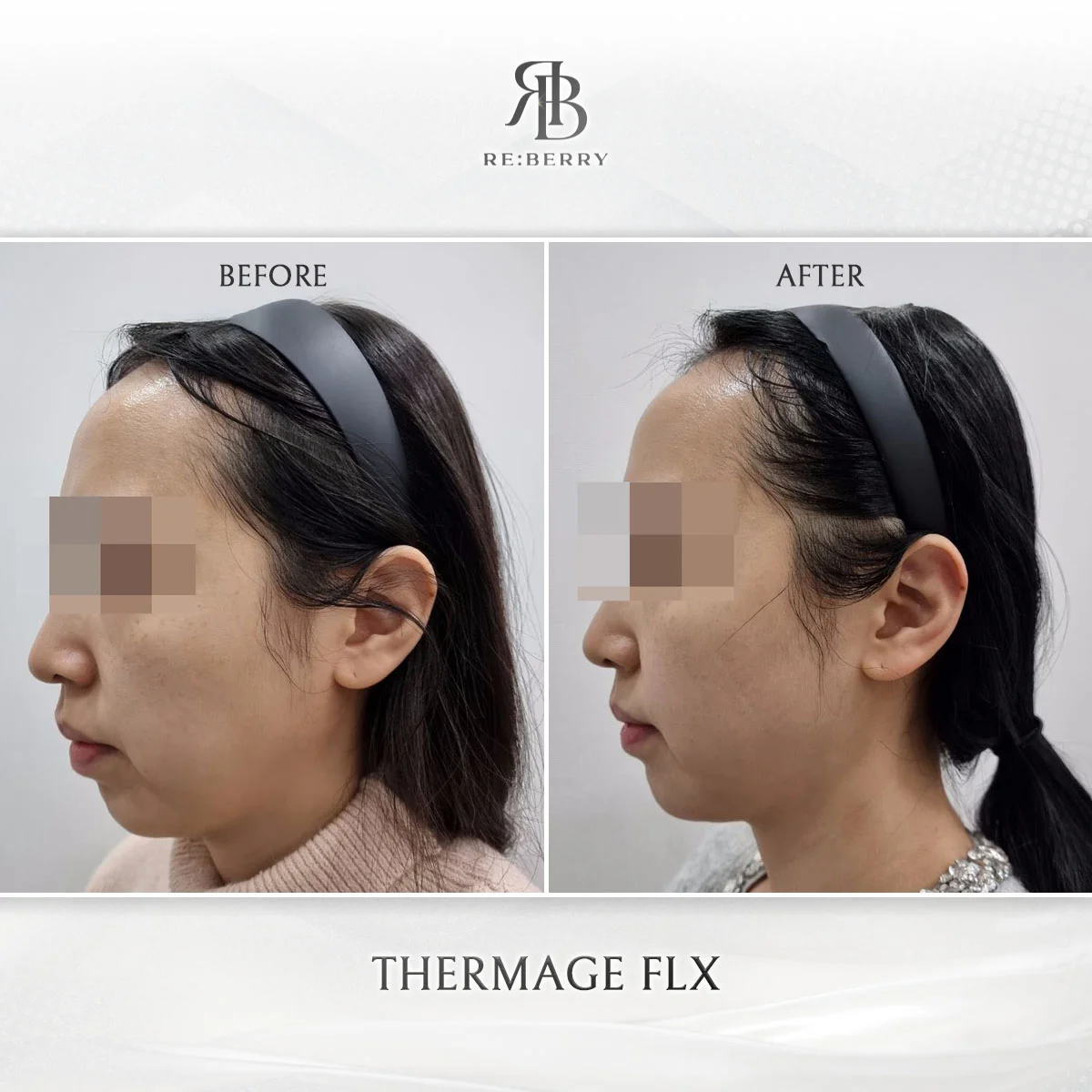
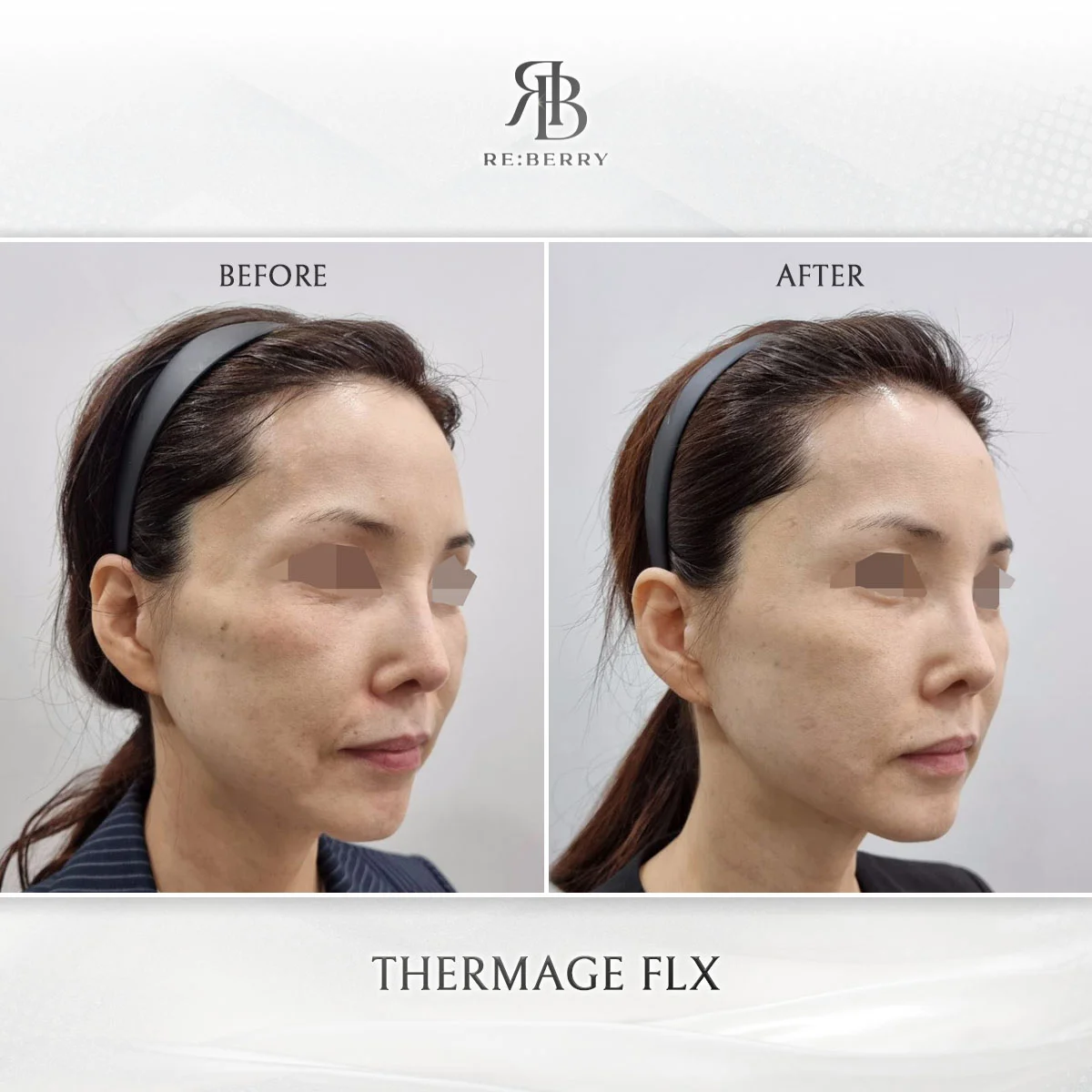
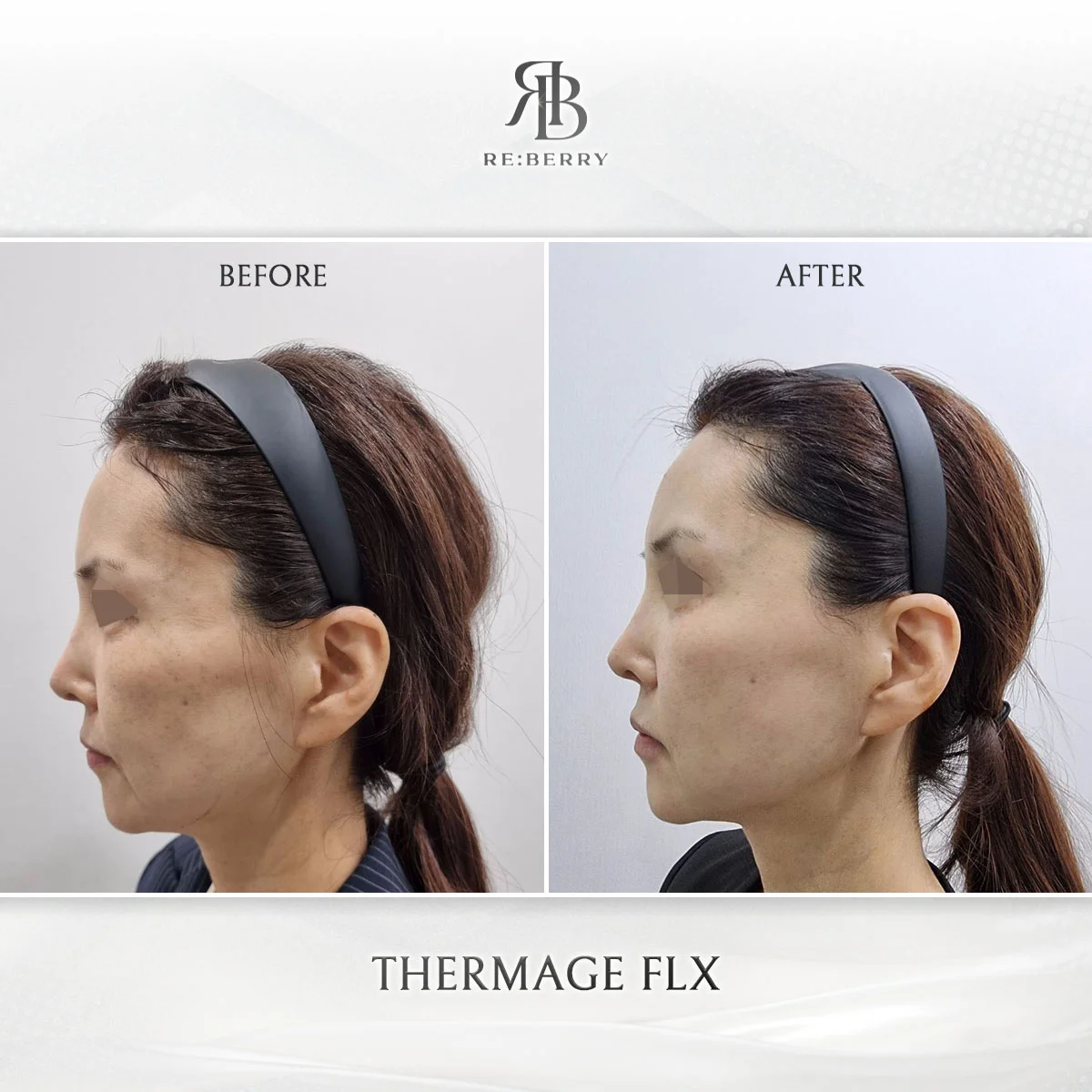
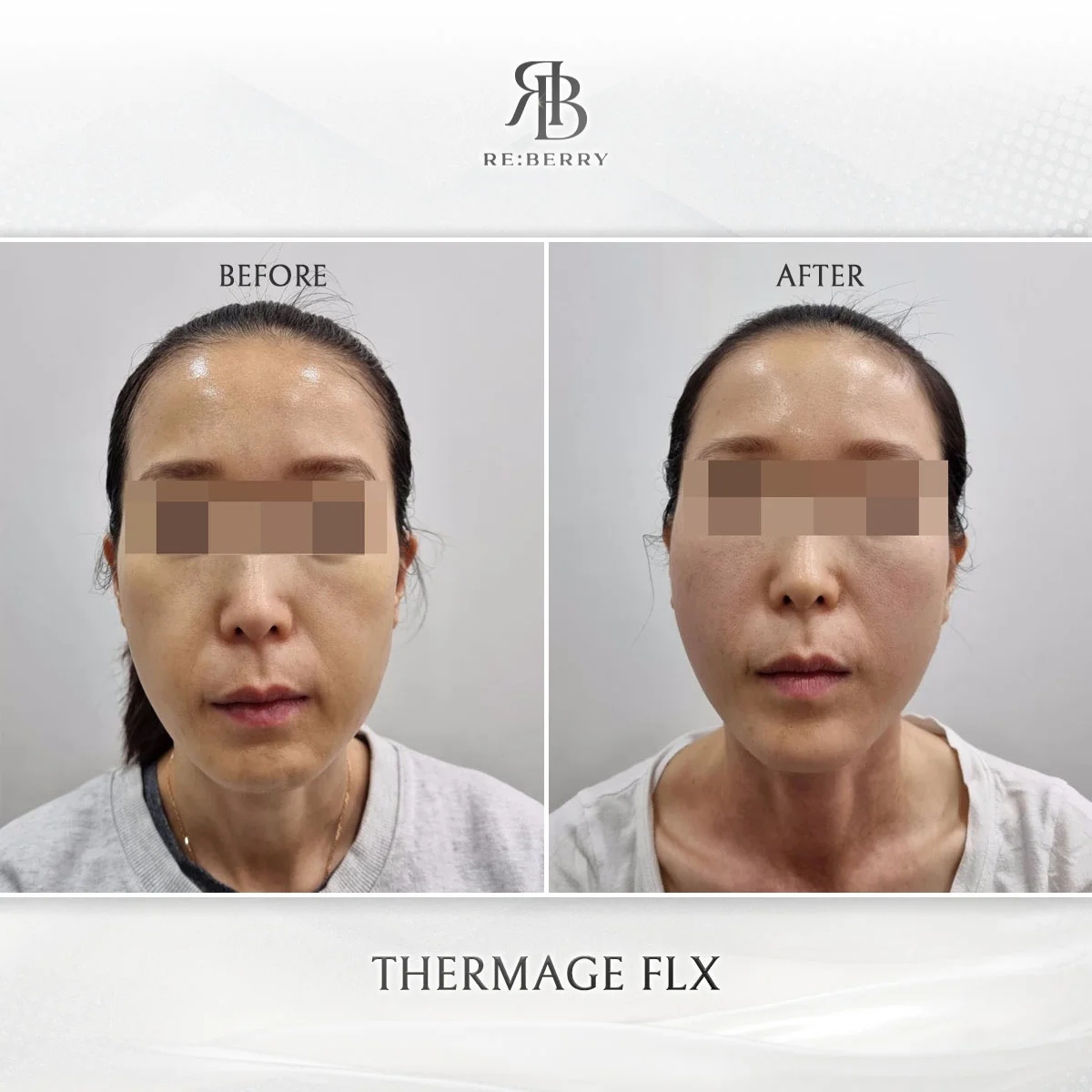
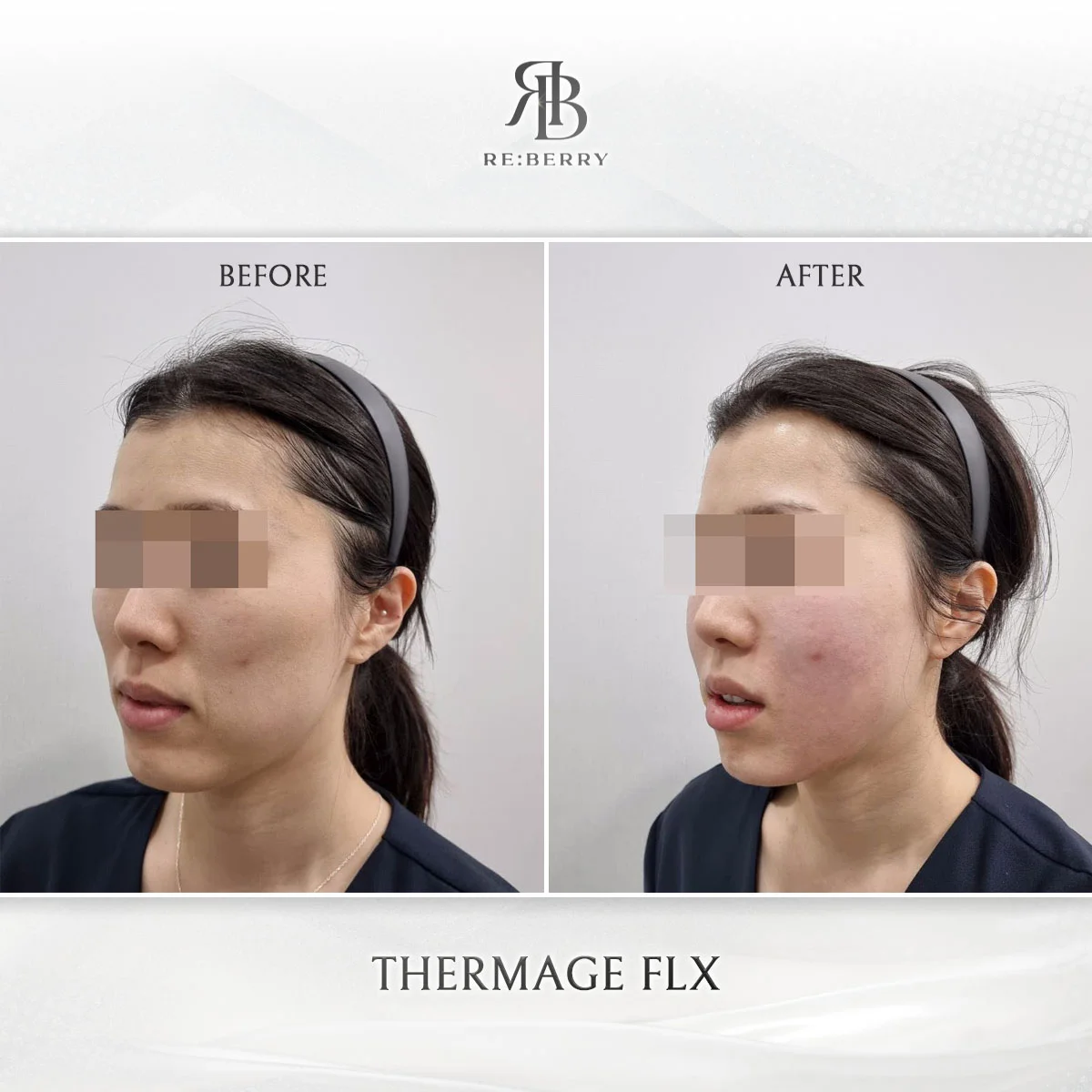
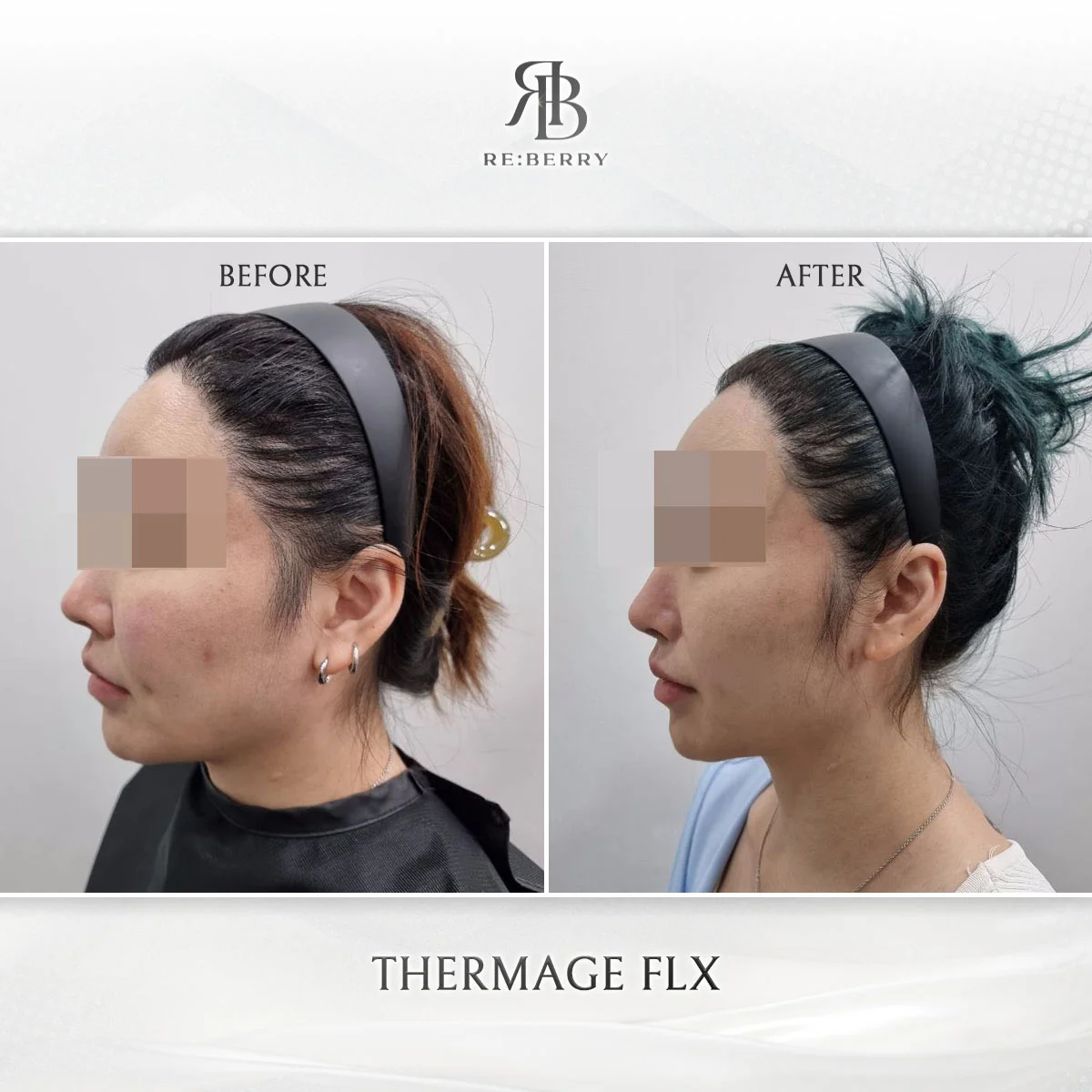
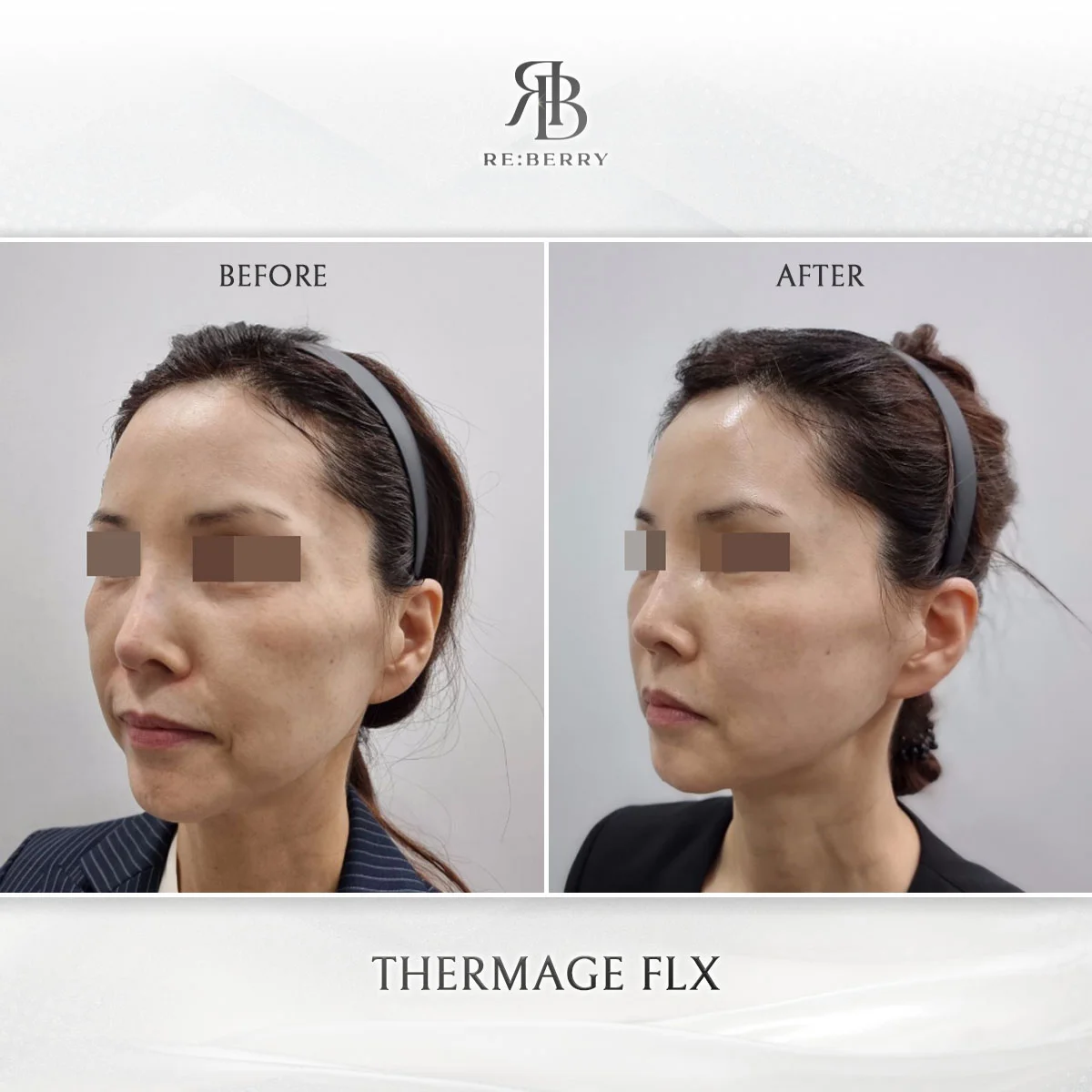
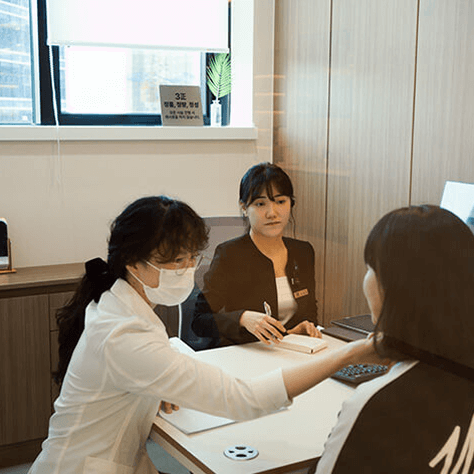
The clinic’s doctors assess your skin laxity and recommend 1 or more modalities, explained in English with realistic expectations.
Treatment typically takes 30 to 90 minutes depending on the modality and areas chosen.
Most energy treatments are completed in 1 visit; thread lifting also takes a single session.
Lifting builds over 2 to 3 months as collagen forms, often peaking around 6 months.
Effects commonly last 12 months or more; sun protection and skincare help maintain them.
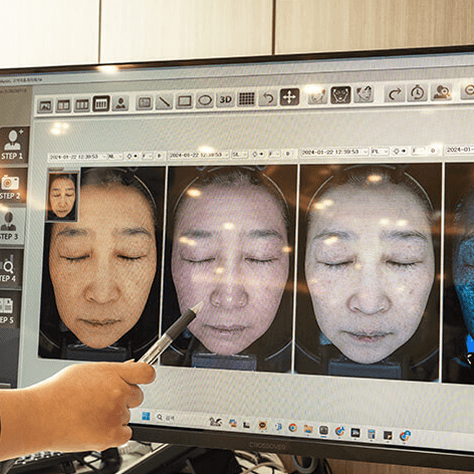
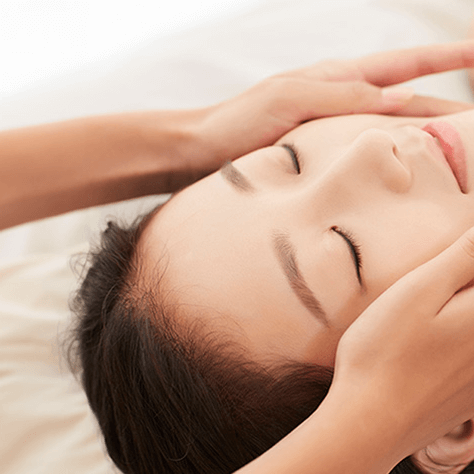
Non-surgical face lifting is a group of treatments that tighten and lift the face without incisions or general anaesthesia, mainly using focused ultrasound, radiofrequency, or absorbable threads. They stimulate your own collagen for gradual, natural results. You can explore the options on our face lifting page before choosing.
The right choice depends on your skin laxity and goals: focused ultrasound suits deeper jaw and neck sagging, radiofrequency suits general tightening, and threads suit defined lift and contour. Many patients combine 2 modalities. A consultation maps the right plan; you can compare a popular ultrasound option on our Ultherapy Prime page.
Non-surgical lifting gives subtler, gradual improvement and works best for early to moderate laxity, while a surgical facelift produces a more dramatic change for advanced sagging. For suitable candidates, non-surgical options offer natural results with far less downtime. Your doctor advises which path fits your degree of laxity at consultation.
Comfort varies by modality. Focused ultrasound causes brief deep warmth during each pulse, radiofrequency feels warm and is well tolerated, and thread lifting is done under local anaesthetic with mild soreness afterwards. Comfort measures are used throughout, and any sensation is temporary, settling soon after the session ends.
Energy-based lifting has minimal downtime, so most patients resume activities the same day with possible mild redness or swelling. Thread lifting may involve a few days of swelling or bruising. Because recovery is short, international visitors can usually continue sightseeing soon after, especially with energy treatments. Your doctor advises based on your plan.
Energy treatments build gradually over 2 to 3 months as collagen forms, often peaking around 6 months, with elasticity gains measured from about 12 weeks in studies. Thread lifting gives an immediate lift plus collagen improvement over months. Results are progressive, so patience gives the most natural-looking outcome.
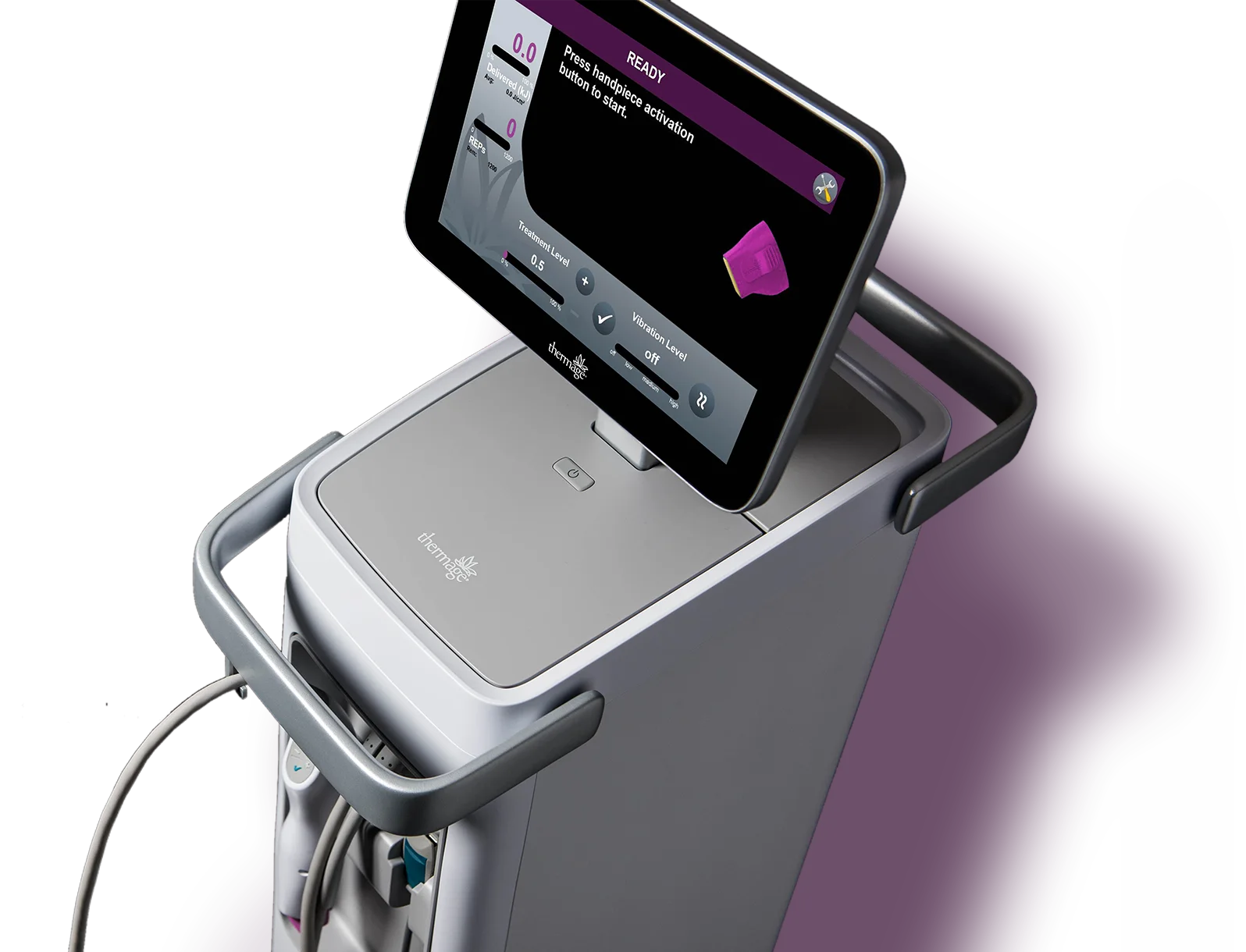
Most non-surgical lifting results last around 12 months, while thread lifting may last roughly 12 to 18 months. Longevity varies with age, skin quality, and lifestyle, and natural ageing continues. Many patients schedule maintenance after about a year; you can read about a radiofrequency option on our Thermage FLX page.
Energy-based lifting such as focused ultrasound is often a single planned session, while some radiofrequency or skin-quality treatments use a short series. Thread lifting is usually one session. The exact plan depends on your laxity and chosen modalities, decided by your doctor at consultation rather than a fixed number.
Yes, combining modalities is common and often gives a more complete result, sequenced safely by your doctor. For example, focused ultrasound for deep lift may be paired with a surface skin-quality treatment. You can read about a mid-dermal ultrasound option on our Sofwave page to see how approaches complement each other.
Non-surgical lifting has a well-documented safety profile when performed by trained operators, with side effects usually limited to temporary redness, swelling, or tenderness. Thread lifting carries a small risk of bruising or thread-related issues. Because energy devices target specific depths, surrounding tissue is protected. Your doctor reviews your history to keep treatment safe.
Expect mild redness, slight swelling, or temporary tenderness for a few hours to a couple of days. Thread lifting may add some bruising or a pulling sensation that settles. Serious complications are rare when an experienced operator uses appropriate settings. Your doctor reviews your medical history beforehand to minimise any risk.
Good candidates are adults with mild to moderate facial or neck laxity who want a non-surgical option and natural, gradual results. Very advanced sagging may respond better to surgery. A consultation confirms suitability; you can review a deeper-lifting ultrasound option on our Ultherapy Prime page to understand expectations.
Yes, focused ultrasound in particular targets the deeper SMAS layer beneath the jawline and neck, making it well suited to softening sagging there. Radiofrequency and threads can also help depending on your anatomy. Your doctor assesses the area and recommends the modality most likely to improve your specific jawline and neck laxity.
Aftercare for energy treatments is simple: protect skin from sun, keep it hydrated, and avoid intense heat such as saunas for a few days. Thread lifting needs gentle handling of the face and avoiding wide mouth movements briefly. Your clinic provides written aftercare so you can follow it confidently once you travel home.
Energy-based lifting usually needs only 2 to 3 days, covering consultation, treatment, and a brief review, because downtime is minimal. Thread lifting may warrant a couple of extra days for swelling to settle. Our English team coordinates timing so the visit fits a short trip, and follow-up can continue remotely afterwards.
Yes, flying after energy-based lifting is generally fine, often the same day, because it is non-invasive with minimal swelling. After thread lifting, a short wait is sometimes advised while swelling settles. Stay hydrated and protect your skin from sun on arrival; your doctor confirms any specific timing before you travel.
International patients can have remote check-ins in English after returning home, with progress reviewed over the months results develop. If you want complementary care later, you can explore options such as our Thermage FLX page. Your treatment plan and notes are kept on file for any future visit.
How three common non-surgical lifting modalities differ by mechanism and best use.
| Focused ultrasound | Radiofrequency | Thread lifting | |
|---|---|---|---|
| Energy / mechanism | Micro-focused ultrasound reaching the deep SMAS | Radiofrequency heating the dermis | Absorbable threads repositioning tissue and inducing collagen |
| Best for | Deeper lifting of jaw and neck | General skin tightening and quality | Defining contour and lifting sagging areas |
| Pain / comfort | Brief deep warmth during pulses | Warm and generally well tolerated | Local anaesthetic used; mild soreness after |
| Downtime | Minimal | Minimal | A few days of swelling or bruising possible |
| Results timeline | Builds over 2 to 3 months | Builds over weeks to months | Immediate lift plus collagen over months |
| Longevity | Around 12 months, varies | Around 12 months, varies | Roughly 12 to 18 months, varies |
| Cost factors | Depends on areas and line count | Depends on areas and sessions | Depends on number and type of threads |
Real verified reviews from our Google Business Profile, across all Reberry Clinic locations.
PULLED LIVE FROM GOOGLE · GANGNAM · MYEONGDONG · INCHEON AIRPORT
Your treatment is planned and performed by experienced, MFDS-registered doctors across our Seoul-area clinics, with multilingual support for international patients.
Flagship clinic · KOL for leading lifting & regenerative devices
Multilingual tourist care beside Myeongdong Cathedral
Fast, effective care 20 minutes from the terminals
Message us on WhatsApp for a free consultation in English about non-surgical face lifting in Seoul.