

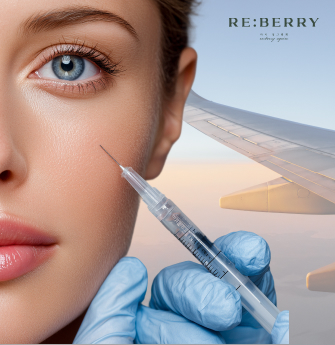
Botox injections are a widely chosen non-surgical treatment for reducing visible signs of aging, helping both mature adults and younger individuals maintain smoother, refreshed-looking skin. However, many patients have practical safety concerns, especially when it comes to travel. One common question is: how long should you wait to fly after Botox? In most cases, aesthetic medicine specialists recommend waiting at least 24 hours after receiving Botulinum Toxin (Type A) before boarding a flight.
While aircraft cabin pressure does not cause Botox to migrate, flying too soon may increase minor bruising or discomfort around the injection sites. In this article, we explain whether you can fly right after Botox, the potential risks involved, and practical ways to minimize them, so you can maintain safe, natural-looking, and long-lasting results, even if your flight is just hours away.
How Does the Botox Settle After Injection?
OnabotulinumtoxinA, called Botox, settles by binding to nerve endings at the neuromuscular junction, blocking the release of acetylcholine, the chemical responsible for muscle contractions. This neuromodulator relaxes targeted facial muscles, allowing the overlying skin to smooth naturally, reducing dynamic wrinkles and fine lines without affecting surrounding areas.
The settling process takes time: initial relaxation may be noticeable within 3–5 days, while the full effect generally develops over 10–14 days. Once fully settled, treated muscles remain relaxed, creating a natural, rejuvenated appearance that lasts as the body gradually metabolizes the neurotoxin over several months.
How Soon after Botox Can You Fly?
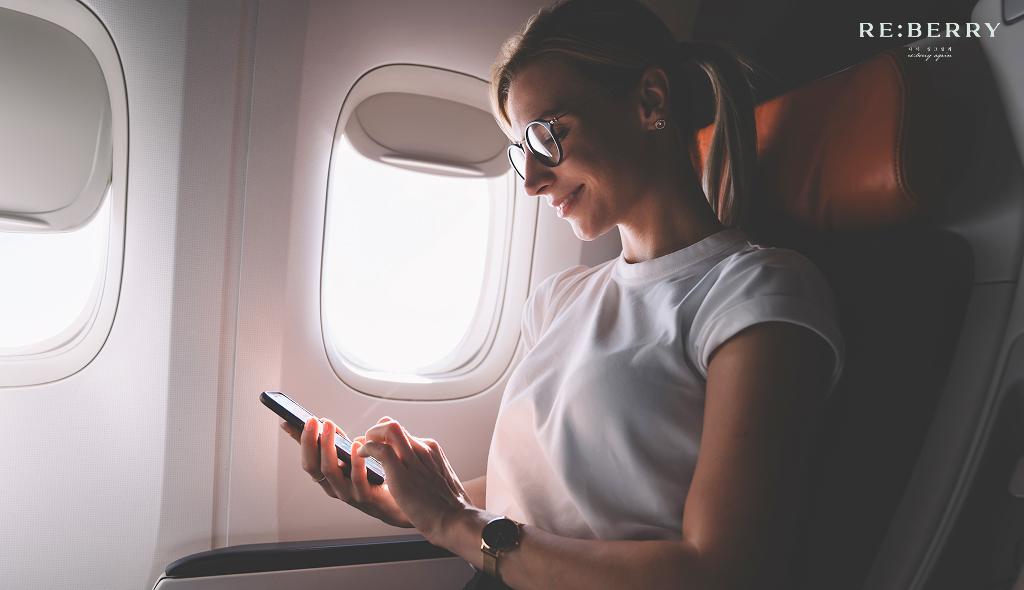
aesthetic medicine specialists in Korea recommend waiting 24 to 48 hours before flying after receiving Botox injections. In this duration, the neurotoxin settles securely in the targeted muscles, reducing the risk of migration, swelling, or minor discomfort. Short flights may be safe sooner, but waiting ensures optimal results and a smoother, worry-free experience.
For larger or deeper treatments, some experts suggest extending the wait to 3–4 days. While cabin pressure does not significantly affect Botox, allowing the product to stabilize minimizes bruising or swelling during air travel. Staying upright for a few hours post-injection further supports proper settling, ensuring natural-looking, long-lasting outcomes from your treatment.
Does Cabin Pressure Affect Botox Results?
The air pressure inside the cabin does not directly affect Botox results and is not supposed to cause any unwanted effects. In the NHS guidance on Botulinum Toxin, bruising and swelling are mentioned as common short-term effects of Botox injection. Therefore, if you notice such signs or complications, it is not due to the cabin pressure.
However, reclining your seat at certain angles while sleeping and certain positions you sleep in on flights may cause issues. At the same time, the activities that put pressure on your injection sites can be responsible for discomfort and irregular results.
What Happens If You Fly Right After Botox?

While the atmosphere inside the flight itself is not a challenge for Botox effectiveness, your activities during the trip may cause some discomfort and side effects.
Increased Swelling and Bruising: Changes in cabin pressure and circulation during a flight can exacerbate minor swelling or make bruises appear darker; it’s very rare.
Dehydration: Low humidity in airplane cabins can dehydrate the skin, which may irritate the injection sites or slightly delay the initial healing of small puncture marks.
Physical Pressure: The primary risk of flying isn’t the air pressure, but physical pressure from travel habits, such as wearing tight eye masks, leaning your face against a window, or lifting heavy luggage, which can cause the product to shift if done too soon after treatment.
These effects are temporary and not dangerous, but they may make you feel self-conscious, especially if you’re flying to attend an event or meeting. For peace of mind, most practitioners recommend waiting 24–48 hours before flying, so you can travel comfortably and enjoy your results with confidence.
How Can You Minimize the Risks of Flying Too Soon After Botox?

For a safe flight after a Botox injection, and to get its optimal results, you should take certain precautions.
Proper Guidance of Doctor: Always be honest about your travel plans. A qualified practitioner will be able to provide tailored guidance for these, depending on your history and the treated area.
The Critical 4 Hour Rule: Remain upright for at least 4 hours after the Botox injection. In this time period, you should not engage in any strenuous activities, including lifting heavy luggage on the flight.
Stay Hydrated: Airplane cabins are dry, and some fliers stay hydrated by drinking water or water-diluted smoothies throughout the trip. Drink lots of water before and during your flight to facilitate healing and prevent dehydration.
Avoid Pressure: Avoid tight accessories, like sleeping masks, heavy headphones or hats, that touch the injection sites.
Avoid Alcohol Consumption: Alcohol may increase blood flow and bruising, so avoid it during the first day of recovery.
Get Safe Botox Injection at Reberry Clinic
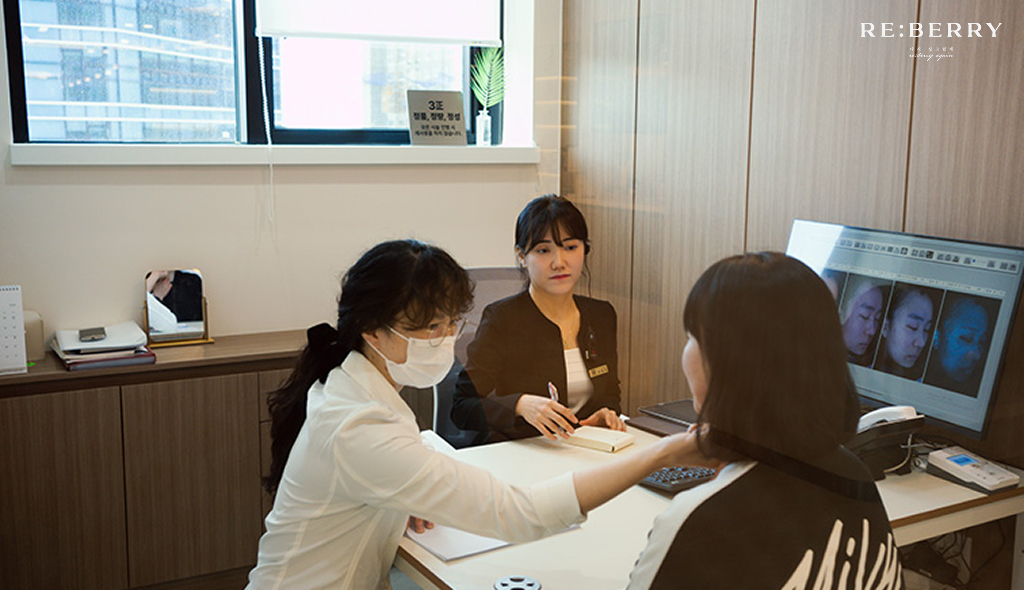
Getting into flight right after a Botox injection doesn’t cause problems generally, although if you wait 24-48 hours, you will have no risk with it. Taking precautions like staying upright, avoiding pressure on treated areas, and staying hydrated helps minimize bruising or swelling while ensuring smooth, long-lasting, and natural-looking results. However, if your treatment is performed correctly or the products are not authorized, it may cause a considerable issue.
For safe and effective Botox treatments, schedule a consultation at Reberry Clinic, where aesthetic medicine specialists use FDA-approved products to deliver precise injections with consistent, successful results. Whether you’re planning travel or looking for a refreshed, youthful appearance, Reberry Clinic ensures your treatment is comfortable, reliable, and tailored to your needs.