



Gangnam
Dr. Yoon-Gon Ryu
Aesthetic Medicine Specialist
Flagship clinic · KOL for leading lifting & regenerative devices · Featured in Authority Magazine (2026)

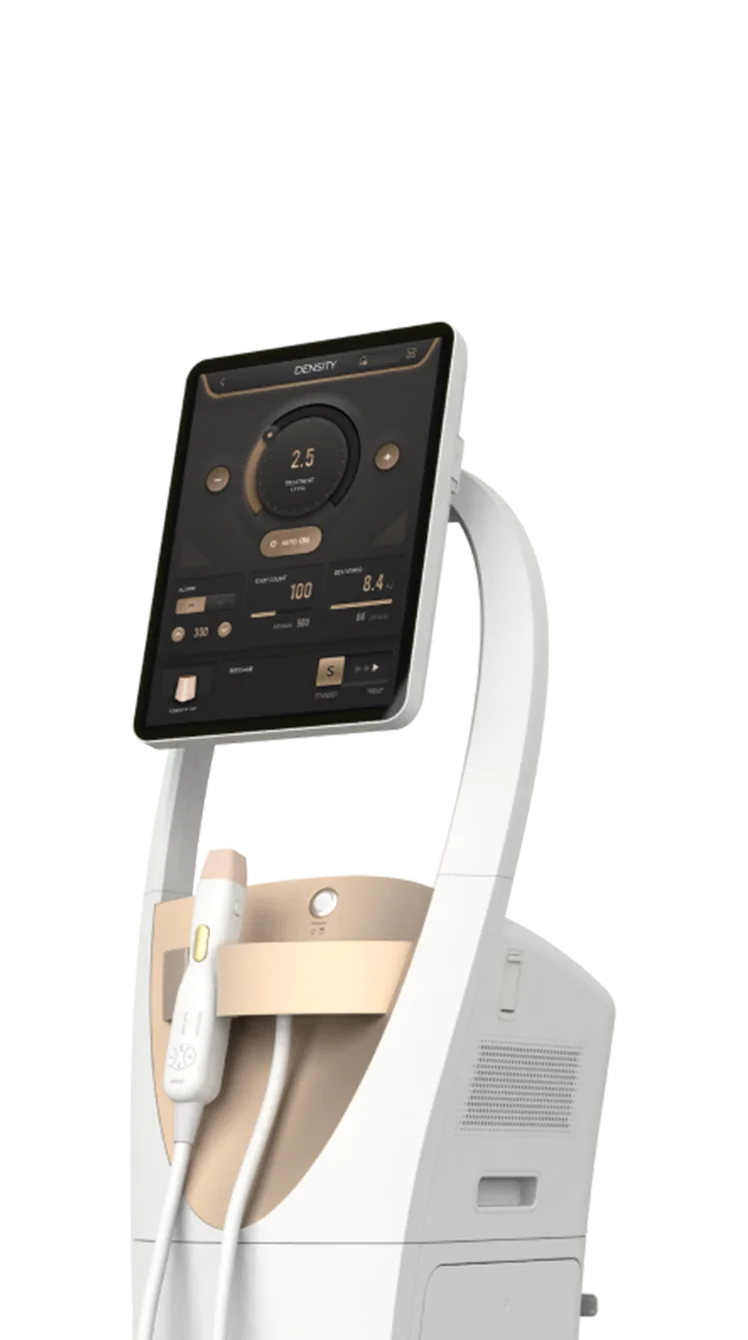
Glass skin is built with injectable skin boosters, so cost reflects which of the 3 main types (HA, polynucleotide, PDLLA) your plan combines across a series of sessions.
Glass skin treatment cost in Gangnam, Seoul depends on which injectable skin boosters your plan uses, how many sessions you need, and your skin goals. Because plans are individualised over a series, our Gangnam (Seoul) doctors, led by Dr. Yoongon Ryu, confirm your cost at consultation rather than quoting one fixed figure for everyone.
One-on-One guidance from a dedicated doctor, ensuring your skin is professionally monitored and treated from start to finish.
Fluent assistance in English, Japanese, and Chinese, making communication clear, respectful and comfortable for international patients.
Over 100,000 patients worldwide have received our personalized dermatological care, highlighting our expertise and reliable results.
Glass skin treatment cost in Gangnam, Seoul is shaped less by a single price tag and more by what your skin actually needs to look luminous and smooth. Glass skin is achieved with injectable skin boosters plus gentle supporting protocols, so the biggest cost driver is which boosters your plan combines: hyaluronic acid (HA) for hydration and glow, polynucleotide (PN) for repair, or PDLLA-based boosters such as Juvelook for gradual collagen and firmness.
The second driver is the number of sessions. Glass skin builds over a series rather than in one visit, so most patients budget for a short course spaced weeks apart. Skin goals matter too: mainly wanting dewy hydration is simpler than also targeting texture, pores, and firmness, and a broader goal means more boosters or sessions, which raises the total.
At our Gangnam (Seoul) location on Gangnam-daero, about 2 minutes from Gangnam Station exit 10, glass skin care is consultation-led. Dr. Yoongon Ryu assesses your skin, explains which boosters suit you, and sets out the cost transparently in English, with multilingual support so international patients can plan around their travel to Seoul, Korea.
You can compare glass facial before and after photos, or explore the complete Korean glass facial treatment page.
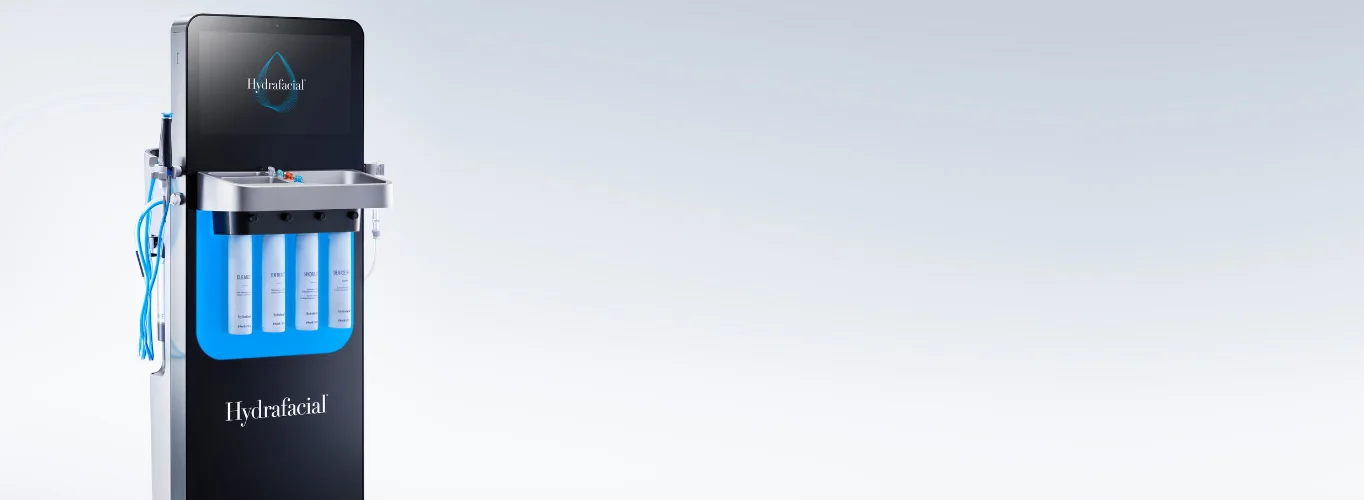
Glass skin cost varies because the underlying boosters do different jobs and are priced differently. Hyaluronic acid boosters bind water in the upper dermis for immediate hydration, smoothness, and light reflection, and results appear quickly but are shorter-lived, so plans may include periodic top-ups. Polynucleotide boosters, from purified DNA fragments, engage adenosine A2A receptors to support fibroblast activity and gradual collagen over the series, which suits dull, tired, or crepey skin. PDLLA boosters such as Juvelook combine an HA carrier with poly-D,L-lactic acid microparticles that stimulate new collagen over roughly 4 to 12 weeks, adding firmness and refining texture, and their longer-acting effect is reflected in cost. Because each booster addresses a different part of the glass skin goal, a combined plan costs more than a single-product session but is often more efficient over time. Session count, product volume, and whether supporting protocols are added all feed into the total, which is why your final cost is set after assessment, not before.
One Reberry Clinic, multiple Seoul-area locations. Pricing & current promotions are listed on each branch's own site — tap a clinic to view pricing & book.
Our flagship in the heart of Gangnam.
In Seoul's shopping & tourism heart.
A beauty stop between flights.
The newest Reberry Clinic — in Seoul's trend district.
ONE REBERRY CLINIC · MFDS-REGISTERED DEVICES · MULTILINGUAL CARE AT EVERY LOCATION
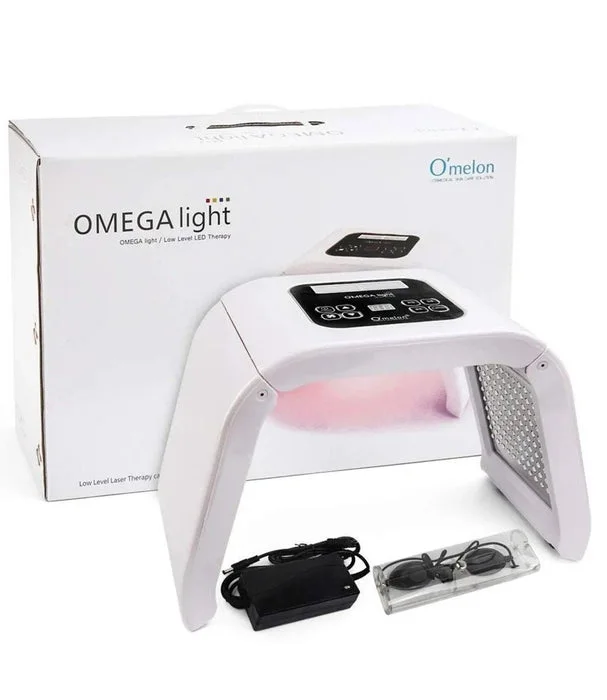

Doctors evaluate 4 factors (hydration, texture, pores, and firmness), then map your glass skin goal, which is the starting point for cost.
A plan may combine 1 to 3 booster types (HA, polynucleotide, PDLLA), and more boosters generally mean a higher total.
Glass skin builds over about 2 to 4 sessions spaced 3 to 4 weeks apart, so cost is usually quoted as a course, not a single visit.
The amount of booster and the areas treated affect cost, so a full-face plan differs from targeting 1 or 2 zones.
After assessment, our Gangnam doctors give you a transparent, individualised cost in English rather than a single fixed price for everyone.

See representative outcomes from Reberry Clinic. Results build gradually and vary by individual; your plan is assessed at consultation.
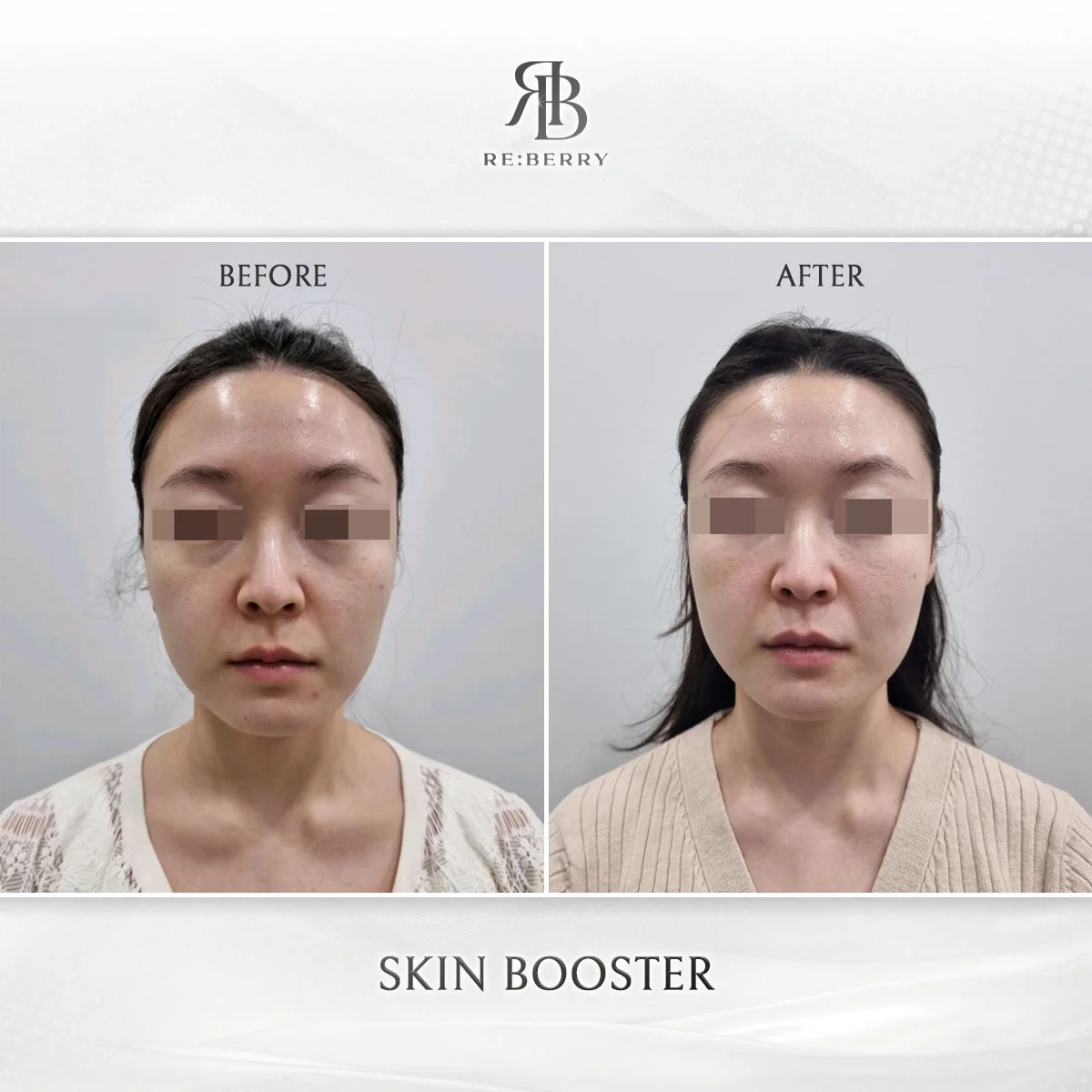
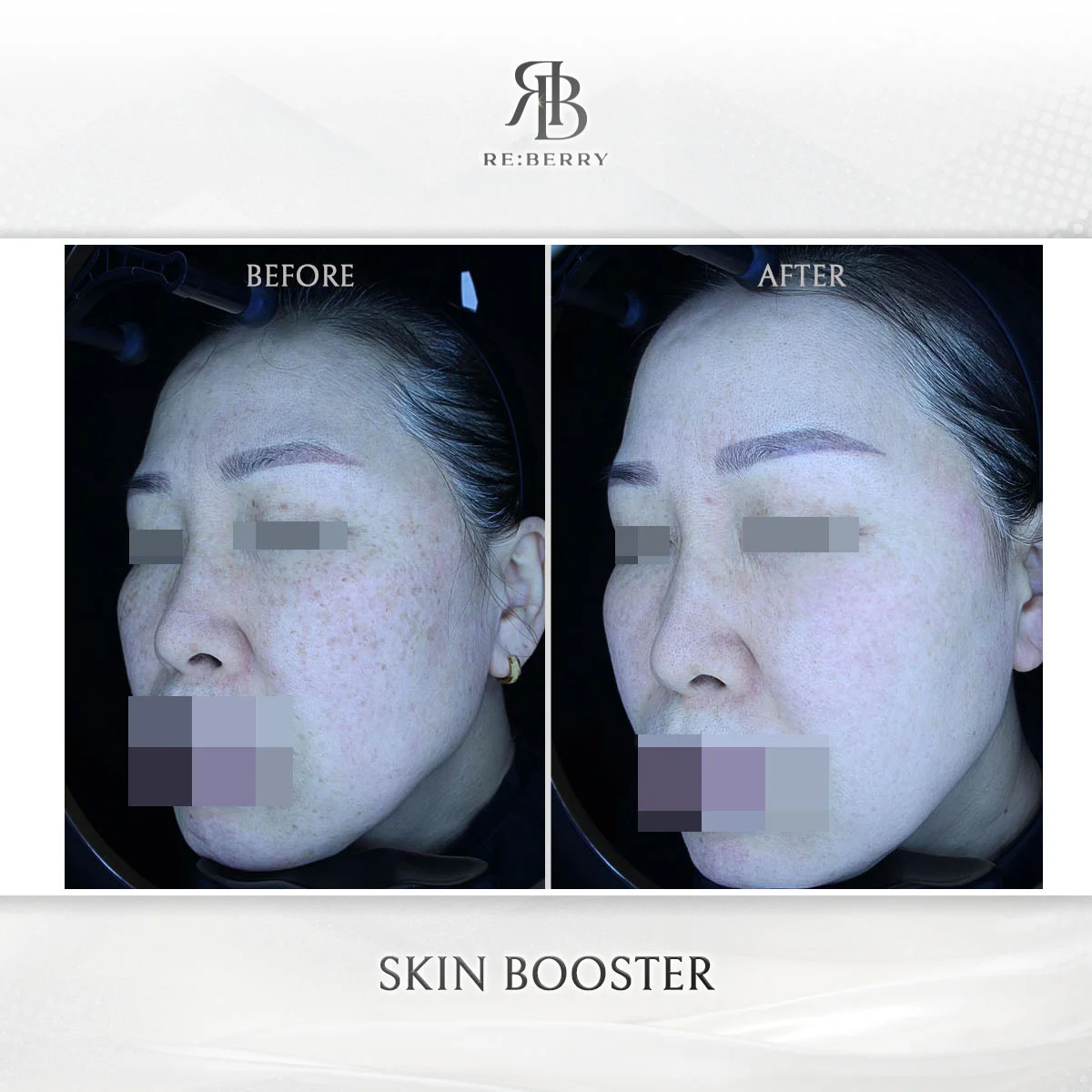
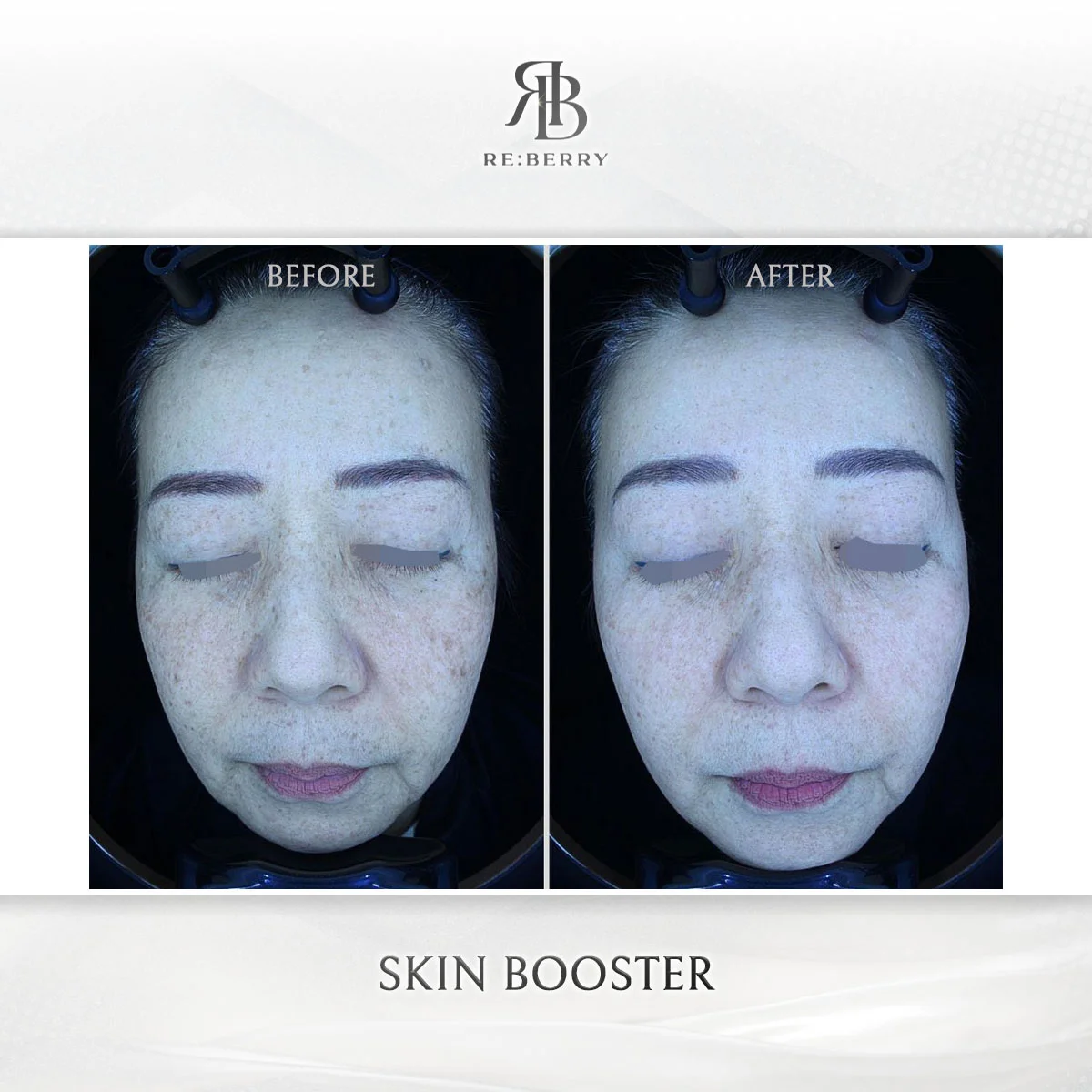
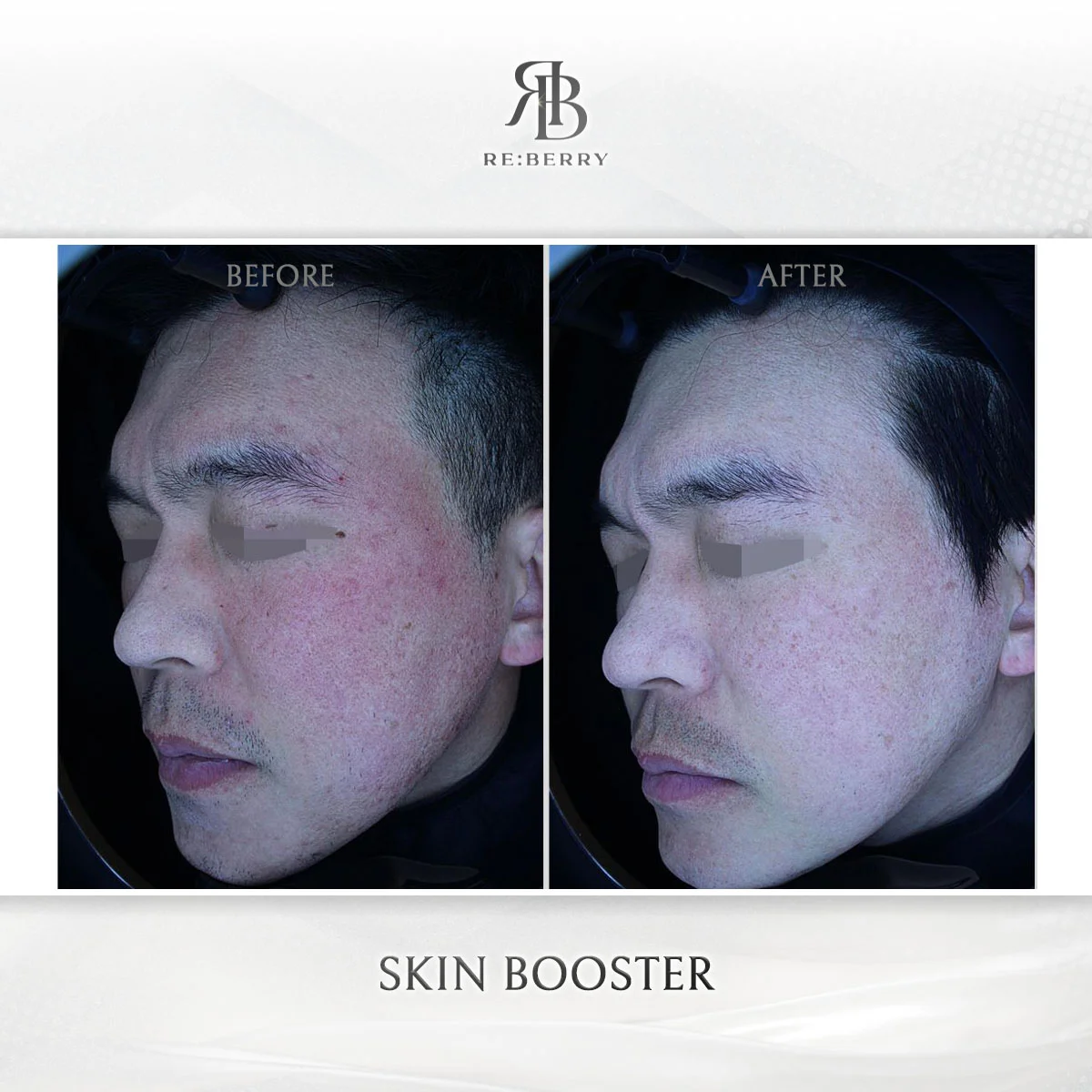
At our Gangnam (Seoul) location, Dr. Yoongon Ryu assesses your skin, explains which boosters your glass skin goal needs, and what drives the cost, in English.
Once a plan is agreed, your first booster session usually takes about 20 to 40 minutes with numbing applied for comfort.
Glass skin runs as a course, so cost is mapped across the series rather than billed as a single fixed visit.
Glow can appear within days, while firmness from collagen-supporting boosters builds over roughly 4 to 12 weeks.
Because glass skin is maintained over time, periodic top-ups and good skincare help sustain results, which is factored into long-term cost planning.



Glass skin treatment cost in Gangnam, Seoul depends on which injectable skin boosters your plan uses, how many sessions you need, and your skin goals. Because plans are individualised over a series, cost is confirmed at consultation rather than a single fixed figure. You can start on our glass skin page.
Glass skin treatment is available at our Gangnam (Seoul) location on Gangnam-daero, about 2 minutes from Gangnam Station exit 10, where Dr. Yoongon Ryu leads care. Reberry Clinic supports international patients in English, so you can plan your consultation and booster series, and its cost, around your travel schedule in Seoul, Korea.
Glass skin is built with different boosters that suit different concerns, so two patients rarely need the same plan. A hydration-focused course costs differently from a combined or collagen-building plan. That is why cost is set after a doctor assesses your skin rather than from a one-size-fits-all menu at our Gangnam location.
Which boosters your plan combines is usually the biggest factor, followed by session count. A simple hydration plan uses mainly hyaluronic acid boosters, while broader goals add polynucleotide or PDLLA boosters. Your skin assessment, done at consultation, drives both how many sessions you need and what the plan includes.
Yes, a combined booster plan generally costs more than a single-product session because it targets several goals at once, such as hydration, repair, and firmness. However, it is often more efficient over time. You can compare related options like Rejuran on their treatment pages before deciding.
Most glass skin plans run over about 2 to 4 sessions spaced 3 to 4 weeks apart, since results build gradually rather than in one visit, so cost is usually planned as a course. The exact number depends on your skin and goals, which your doctor reviews and adjusts between sessions.
Juvelook, a PDLLA and hyaluronic acid booster, may be included when your plan targets firmness and lasting texture, since it stimulates collagen over about 4 to 12 weeks. Whether it is part of your protocol, and how many sessions, is decided at consultation. You can read more on our Juvelook page.
Glow from hyaluronic acid boosters can appear within days, while firmness and refined texture from polynucleotide or PDLLA boosters build over roughly 4 to 12 weeks. Because results are progressive, your doctor reviews your skin between sessions so the plan, and its cost, stays matched to your response.
Longevity depends on the boosters: hydration effects are shorter and suit top-ups, while collagen-supporting boosters last longer with maintenance. Glass skin is maintained over time rather than being a one-time fix. Good skincare and daily sunscreen help sustain results, and these are factored into long-term cost planning at consultation.
Comfort and downtime relate to which boosters you choose rather than being separate charges. Numbing is used for booster injections, and most sessions have minimal downtime with small bumps that settle quickly. Your doctor explains expected recovery for each booster before you commit, so there are no hidden cost surprises.
Yes, a supportive medical skincare routine often makes in-clinic boosters more efficient, which can help manage overall cost over time. A tailored skin care routine protects your barrier between sessions. Your doctor recommends products that complement, not duplicate, your in-clinic plan at our Gangnam location.
Most adults wanting a more hydrated, luminous, and smoother complexion are suitable for a booster-based plan. A consultation assesses your skin and confirms which boosters fit your goals and budget. Your doctor explains what boosters can realistically achieve so your expectations, and the cost you plan for, match the likely outcome.
Your skin type and concerns influence which boosters and how many sessions are best, which affects the plan and its cost. For example, focusing only on hydration differs from also targeting texture and firmness. Your doctor accounts for this at consultation so the plan is both suitable and appropriately priced for your skin.
Skin boosters improve overall skin quality, hydration, and glow across an area, while fillers add volume to specific zones. Glass skin plans use boosters rather than volumising filler. You can read how volumising options differ on our injectable fillers page, and your doctor clarifies which suits your goal.
For a first session, 2 to 3 days in Seoul is comfortable, allowing a consultation, the booster session, and a short review. Because glass skin runs as a course, many international patients begin in Seoul and continue on return visits. Our English-speaking team helps coordinate timing and cost around your travel to Korea.
Yes, flying within a day or so is generally fine, since skin boosters are minimally invasive. Cabin air is drying, so moisturise and protect treated skin from sun during travel. If you notice small bumps or light bruising, they usually settle quickly, and your doctor advises on aftercare before you leave Seoul.
International patients can complete a glass skin course across one or more visits, and the clinic offers English remote check-ins between trips so the plan and cost stay on track. You can also continue supportive skin care at home. Your treatment notes are kept on file for continuity.
| Hydration-Focused Plan (HA) | Combined Booster Plan | Collagen-Building Plan (PDLLA) | |
|---|---|---|---|
| Main goal | Dewy hydration and glow | Glow plus texture and repair across the series | Firmness and long-term texture from collagen |
| Boosters used | Mainly hyaluronic acid boosters | HA plus polynucleotide, matched to your skin | PDLLA (Juvelook), often with an HA carrier |
| Sessions | Shorter course, periodic top-ups | A planned series over several weeks | Series planned per collagen response |
| Downtime | Minimal; small bumps settle quickly | Minimal to mild depending on boosters | Minimal to mild; small bumps that settle |
| Results timeline | Glow within days | Builds across the series as goals are addressed | Firmness builds over about 4 to 12 weeks |
| Cost factors | Depends on volume and top-up frequency | Depends on how many boosters and sessions | Higher per session, longer-acting effect |
Real verified reviews from our Google Business Profile, across all Reberry Clinic locations.
PULLED LIVE FROM GOOGLE · GANGNAM · MYEONGDONG · INCHEON AIRPORT
Your treatment is planned and performed by experienced, MFDS-registered doctors across our Seoul-area clinics, with multilingual support for international patients.
Flagship clinic · KOL for leading lifting & regenerative devices · Featured in Authority Magazine (2026)

Multilingual tourist care beside Myeongdong Cathedral

Fast, effective care 20 minutes from the terminals
Message us on WhatsApp for a free consultation in English about glass skin and a transparent, individualised cost plan.