



Gangnam
Dr. Yoon-Gon Ryu
Aesthetic Medicine Specialist
Flagship clinic · for leading lifting & regenerative devices · Featured in Authority Magazine (2026)

A combined protocol of hydrating skin boosters, gentle laser toning, and resurfacing facials, delivered with English support across 3 Seoul-area locations.
Glass skin treatment in Seoul is a multi-step protocol that builds clear, even, dewy skin rather than a single procedure. For international patients, Reberry Clinic combines hydrating skin boosters, gentle laser toning, and resurfacing facials, planned in English so visitors can complete most sessions within a short 2 to 4 day trip.
One-on-One guidance from a dedicated doctor, ensuring your skin is professionally monitored and treated from start to finish.
Fluent assistance in English, Japanese, and Chinese, making communication clear, respectful and comfortable for international patients.
Over 100,000 patients worldwide have received our personalized dermatological care, highlighting our expertise and reliable results.
Glass skin treatment is a Korean approach to skin quality that aims for a smooth, translucent, evenly toned, well-hydrated surface, the kind of finish that reflects light cleanly. It is not one machine or one injection but a planned combination of treatments that improve hydration, pigment evenness, pore appearance, and surface texture together.
A typical protocol layers several modalities: micro-injected hydrating skin boosters such as polynucleotide or hyaluronic-based boosters, gentle laser toning to even out tone, and a resurfacing or hydrating facial to refine texture. The exact mix depends on your skin type, pigment concerns, and how much downtime your schedule allows.
For foreign visitors, the practical questions are how many sessions fit a short trip, what each step feels like, and how to maintain results back home. Reberry Clinic serves international patients across three Seoul-area locations (Gangnam, Myeongdong, Incheon Airport), with each plan assessed and reviewed by the clinic’s doctors and explained in English.
You can compare glass facial before and after photos, or explore the complete Korean glass facial treatment page.
Glass skin is built by addressing four layers of skin quality at once. Hydrating skin boosters deliver ingredients such as hyaluronic acid or polynucleotides (PN/PDRN) into the dermis through fine micro-injections to improve internal moisture and elasticity. Laser toning uses low-fluence, multi-pass light to break down excess melanin gradually and even out tone over several sessions. A hydradermabrasion or resurfacing facial cleanses pores and lifts dull surface cells, while supportive care such as polynucleotide healers helps skin recover. Because no single device achieves all four effects, the clinic sequences modalities so each targets a different aspect of clarity, hydration, and texture.
One Reberry Clinic, multiple Seoul-area locations. Pricing & current promotions are listed on each branch's own site — tap a clinic to view pricing & book.
Our flagship in the heart of Gangnam.
In Seoul's shopping & tourism heart.
A beauty stop between flights.
The newest Reberry Clinic — in Seoul's trend district.
ONE REBERRY CLINIC · MFDS-REGISTERED DEVICES · MULTILINGUAL CARE AT EVERY LOCATION

The clinic’s doctors evaluate your hydration, pigment, pore, and texture concerns, then map a plan across 1 visit or several sessions.
Micro-injected skin boosters place hyaluronic acid or polynucleotides into the dermis, typically across 1 to 3 sessions spaced 2 to 4 weeks apart.
Gentle laser toning runs as a short series, often 3 to 5 sessions, to even out pigment with very low downtime.
A resurfacing or hydrating facial refines pores and surface texture in about 30 to 60 minutes per session.
Results build over 2 to 6 weeks; many patients repeat a light maintenance session every few months to sustain the glow.

Before-and-after photos are being updated.
The clinic’s doctors assess your skin and design a step sequence that fits your trip length, explained fully in English.
Each session runs about 30 to 60 minutes; combination days may take a little longer with numbing time included.
Many international patients complete the core steps within a 2 to 4 day visit, spacing remaining sessions as needed.
Clarity and hydration build over 2 to 6 weeks as boosters integrate and tone evens out across the laser series.
Effects last months with sun protection and a simple home routine; periodic maintenance keeps the glow.



Glass skin treatment is a multi-step protocol, not one procedure, that targets hydration, tone, pore, and texture together. At our clinic it combines hydrating skin boosters, gentle laser toning, and a resurfacing facial. You can see the core service on our glass facial skin page before your consultation.
Adults with dry, dull, uneven, or rough-textured skin are ideal candidates, especially those wanting a luminous finish without surgery. Mild pigmentation responds well too. A consultation confirms which steps suit you; if hydration is your main concern, our Rejuran Healer page explains one booster option.
Comfort is high overall. Injection-based booster steps feel like brief pricking and are done after numbing cream, while laser toning feels warm and facials are relaxing. Any discomfort is short-lived and ends with each session. Most international patients describe the protocol as easily tolerable across a short trip.
Downtime is minimal across the steps, so most patients keep sightseeing between sessions. Booster injections may leave tiny bumps or mild redness for a day or two, and laser toning can cause brief warmth. There are no dressings, making the protocol practical for a short, active Seoul itinerary.
Hydration often looks better within days, but the full glass-skin effect builds over 2 to 6 weeks as boosters integrate and tone evens out across the laser series. Results are progressive rather than instant. Completing the planned number of sessions gives the clearest, most even finish over time.
Most plans use a short series: roughly 1 to 3 booster sessions and 3 to 5 laser-toning sessions, plus facials, tailored to your skin. Some steps can be condensed into a single trip. Your doctor sets the exact count at consultation based on your hydration, pigment, and texture goals.
Results commonly last several months and can be extended with periodic maintenance and good home care. Because skin naturally turns over and ages, the glow softens over time without upkeep. Many patients return for a light maintenance session every few months, supported by a consistent skin care routine.
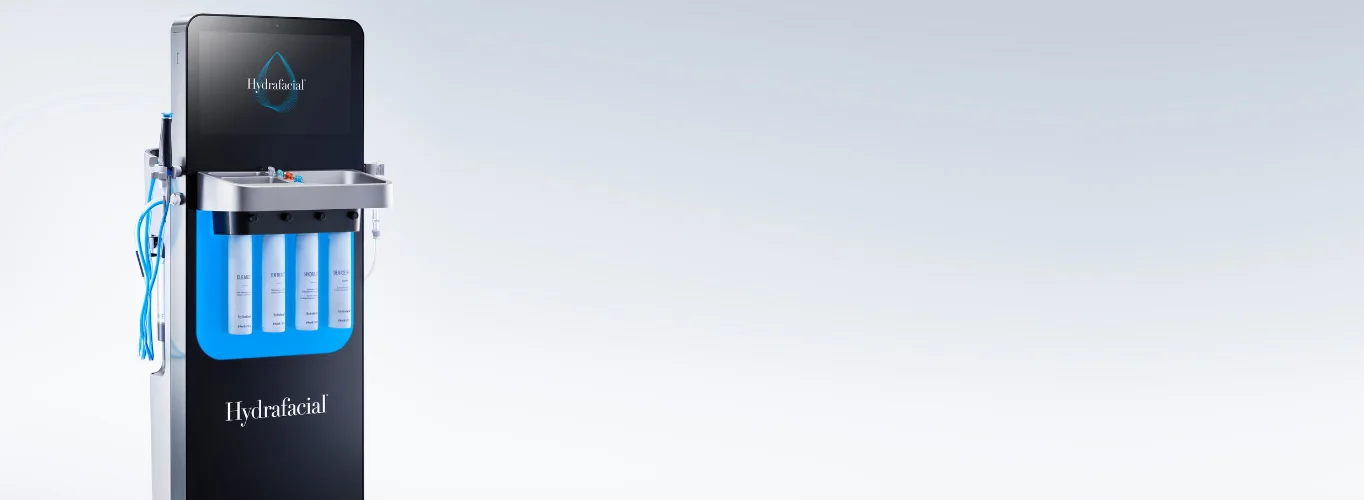
Yes, the protocol itself is a combination, and it pairs well with treatments like polynucleotide healers or hydrating facials sequenced by your doctor. Some patients add light resurfacing for texture. You can read about a complementary hydrating option on our Hydrafacial page.
Each component has a well-documented safety profile when performed by trained operators, with effects usually limited to brief redness, tiny injection bumps, or temporary warmth. Serious issues are uncommon. Your doctor reviews your medical history and skin condition first to choose appropriate ingredients, settings, and sequencing for your skin type.
Expect mild, short-lived effects: small bumps or pinpoint redness from injections, brief warmth or faint redness from laser toning, and slight tightness after a resurfacing facial. These typically settle within a day or two. Bruising is uncommon, and your doctor explains how to minimise and manage each one.
A single skin booster mainly improves hydration, while the glass skin protocol also evens tone and refines texture using laser toning and resurfacing. The combination produces the reflective, even finish people associate with glass skin. For hydration alone, our Juvelook page explains a collagen-stimulating booster option.
Aftercare is straightforward: protect skin from sun daily, keep it well hydrated, avoid intense heat such as saunas for a couple of days, and follow a gentle routine. There are no dressings for most steps. Your clinic provides written aftercare so you can maintain results confidently once you fly home.
Most international patients plan a 2 to 4 day visit to complete the core booster, toning, and facial steps. Because downtime is minimal, sessions slot around sightseeing easily. Our English team coordinates timing so a meaningful portion of the protocol fits a short trip, with remaining sessions advised for later.
Yes, flying soon after the sessions is generally fine, often the same day, because the steps are non-surgical with minimal swelling. Stay hydrated on the flight and protect your skin from sun on arrival. If you had multiple steps in one day, your doctor will note any simple precautions before you travel.
International patients can have remote check-ins in English to review progress as results build over the following weeks. We share a maintenance plan and product guidance, and you can explore complementary options such as our skin care services. Your treatment notes stay on file for any future visit.
Yes, the protocol can be tailored for a wide range of skin tones, and laser-toning settings are adjusted carefully for deeper or pigment-prone skin to reduce risk. Asian-skin studies guide the low-fluence approach used for even tone. Your doctor selects settings and steps suited to your specific skin type and concerns.
| Glass Skin Protocol | Skin Booster Alone | Laser Toning Alone | |
|---|---|---|---|
| Energy / mechanism | Combined boosters, laser toning, and resurfacing facial | Micro-injected hydrating ingredients (HA / polynucleotide) | Low-fluence laser light for pigment |
| Best for | Overall clarity, hydration, tone, and texture together | Dryness and dullness, fine surface lines | Uneven tone and mild pigmentation |
| Pain / comfort | Mild; topical numbing used for injection steps | Brief pricking with numbing cream | Warm, well tolerated |
| Downtime | Minimal across steps; brief redness possible | Tiny bumps or redness for a day or two | Minimal, occasional mild redness |
| Results timeline | Builds over 2 to 6 weeks | Hydration visible within days to a week | Gradual over the series |
| Longevity | Months with maintenance, varies | Several weeks to months | Maintained with periodic sessions |
| Sessions | A planned series across your trip | 1 to 3 sessions | 3 to 5 sessions |
Real verified reviews from our Google Business Profile, across all Reberry Clinic locations.
PULLED LIVE FROM GOOGLE · GANGNAM · MYEONGDONG · INCHEON AIRPORT
Your treatment is planned and performed by experienced, MFDS-registered doctors across our Seoul-area clinics, with multilingual support for international patients.
Flagship clinic · for leading lifting & regenerative devices · Featured in Authority Magazine (2026)

Multilingual tourist care beside Myeongdong Cathedral

Fast, effective care 20 minutes from the terminals
Message us on WhatsApp for a free consultation in English about glass skin treatment in Seoul.