



Gangnam
Dr. Yoon-Gon Ryu
Aesthetic Medicine Specialist
Flagship clinic · KOL for leading lifting & regenerative devices · Featured in Authority Magazine (2026)

Glass skin is built from the inside using injectable boosters that target the 3 pillars of luminous skin: deep hydration, dermal quality, and even light reflection across a series of sessions.
Glass skin treatment near Hongdae, Seoul uses injectable skin boosters such as hyaluronic acid, polynucleotides, and PDLLA collagen stimulators to deepen hydration and refine skin quality so light reflects evenly. For patients near Hongdae (Hongik Univ.) Station, care is provided at our Seoul locations in Gangnam and Myeongdong, with full English support.
One-on-One guidance from a dedicated doctor, ensuring your skin is professionally monitored and treated from start to finish.
Fluent assistance in English, Japanese, and Chinese, making communication clear, respectful and comfortable for international patients.
Over 100,000 patients worldwide have received our personalized dermatological care, highlighting our expertise and reliable results.
Glass skin treatment is a set of injectable skin-booster procedures designed to give skin a smooth, hydrated, luminous finish that reflects light evenly, much like glass. Rather than sitting on the surface like a cream, boosters are delivered into the upper skin to raise hydration and support the skin’s own structure, so glow comes from within rather than from makeup or a temporary sheen.
The category covers several booster types matched to your skin. Hyaluronic acid boosters draw and hold water for immediate plumping and hydration; polynucleotide (PN) boosters support skin quality and calm redness; and PDLLA (poly-D,L-lactic acid) is a collagen stimulator that works gradually to firm and refine texture. Many plans combine 2 booster types over a course, because glass skin is a result of several skin qualities improving together, not a single injection.
At Reberry Clinic, glass skin care is consultation-led. The clinic’s doctors assess your hydration, pore appearance, texture, and skin tone, then build a plan and explain it transparently in English. For international patients searching near Hongdae (Hongik Univ.) Station, treatment is carried out at our Seoul locations in Gangnam and Myeongdong, both easily reached from 홍대입구역.
Curious how results actually look? See real glass facial before and after photos from our Seoul clinics, or read the full Korean glass facial protocol guide.
A glass finish depends on how light hits and passes through skin, so each booster targets a different physical property. Hyaluronic acid is a hydrophilic molecule that binds many times its weight in water; delivered into the upper dermis it plumps micro-roughness and boosts hydration, which softens the way light scatters and produces an instant dewy look. Polynucleotides are DNA-fraction fragments that support fibroblast activity and help calm redness, improving overall skin quality and evenness over 3 to 4 sessions. PDLLA is a biodegradable polymer that stimulates the skin’s own collagen synthesis gradually; it does not add volume like a hyaluronic acid filler but refines texture and firmness over 8 to 12 weeks as new collagen forms. Because these mechanisms are complementary, a doctor may layer 2 boosters in one course so hydration, dermal quality, and light reflection improve together. Micro-injection depth and spacing are chosen per area, and sessions are spaced weeks apart so the skin is supported rather than over-treated.
One Reberry Clinic, multiple Seoul-area locations. Pricing & current promotions are listed on each branch's own site — tap a clinic to view pricing & book.
Our flagship in the heart of Gangnam.
In Seoul's shopping & tourism heart.
A beauty stop between flights.
The newest Reberry Clinic — in Seoul's trend district.
ONE REBERRY CLINIC · MFDS-REGISTERED DEVICES · MULTILINGUAL CARE AT EVERY LOCATION
Doctors grade your hydration, dermal quality, and skin tone across the 3 pillars that create a glass finish, which sets your booster choice.
A plan may combine 2 booster types, such as hyaluronic acid plus polynucleotide, to target hydration and skin quality at the same time.
Boosters are delivered through fine micro-injections into the upper skin, usually taking about 20 to 30 minutes per session after numbing.
Most glass skin plans run over 3 to 4 sessions spaced 2 to 4 weeks apart, because glow builds gradually rather than after one visit.
If firmness is a goal, PDLLA is layered in and works over 8 to 12 weeks as new collagen forms, refining texture longer term.
Your doctor reviews progress between sessions and, after the course, most patients maintain results with 1 top-up every few months.

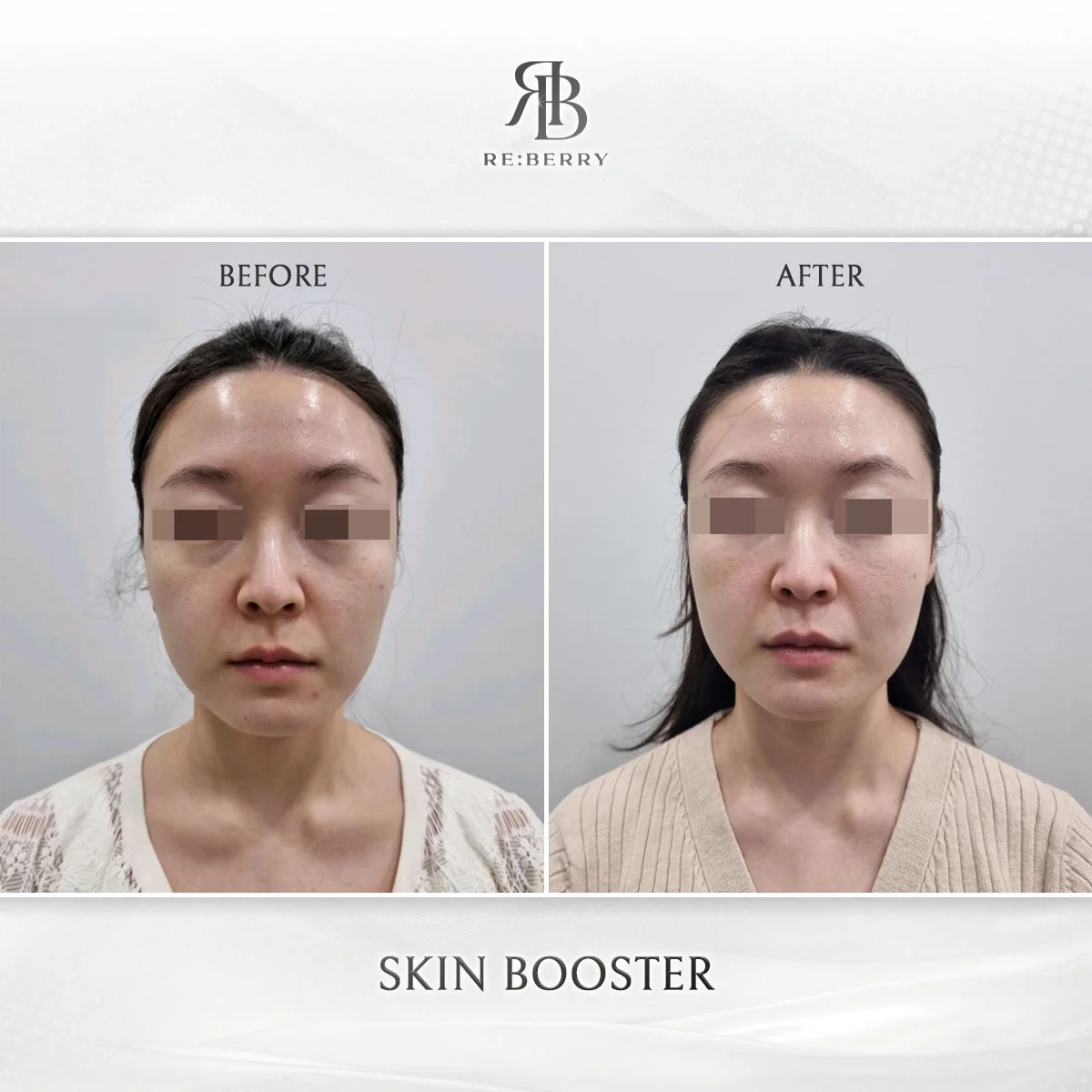
See representative outcomes from Reberry Clinic. Results build gradually and vary by individual; your plan is assessed at consultation.
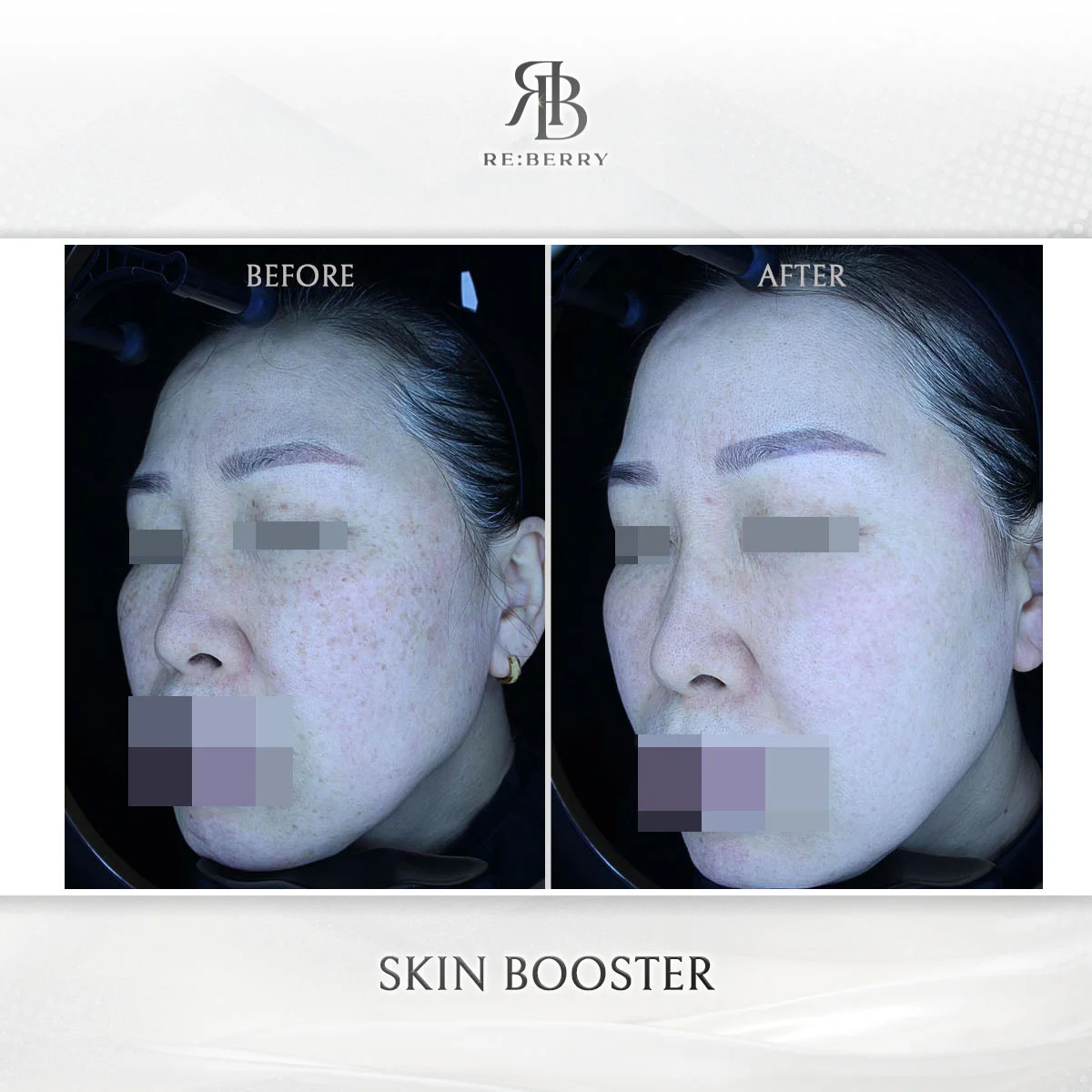
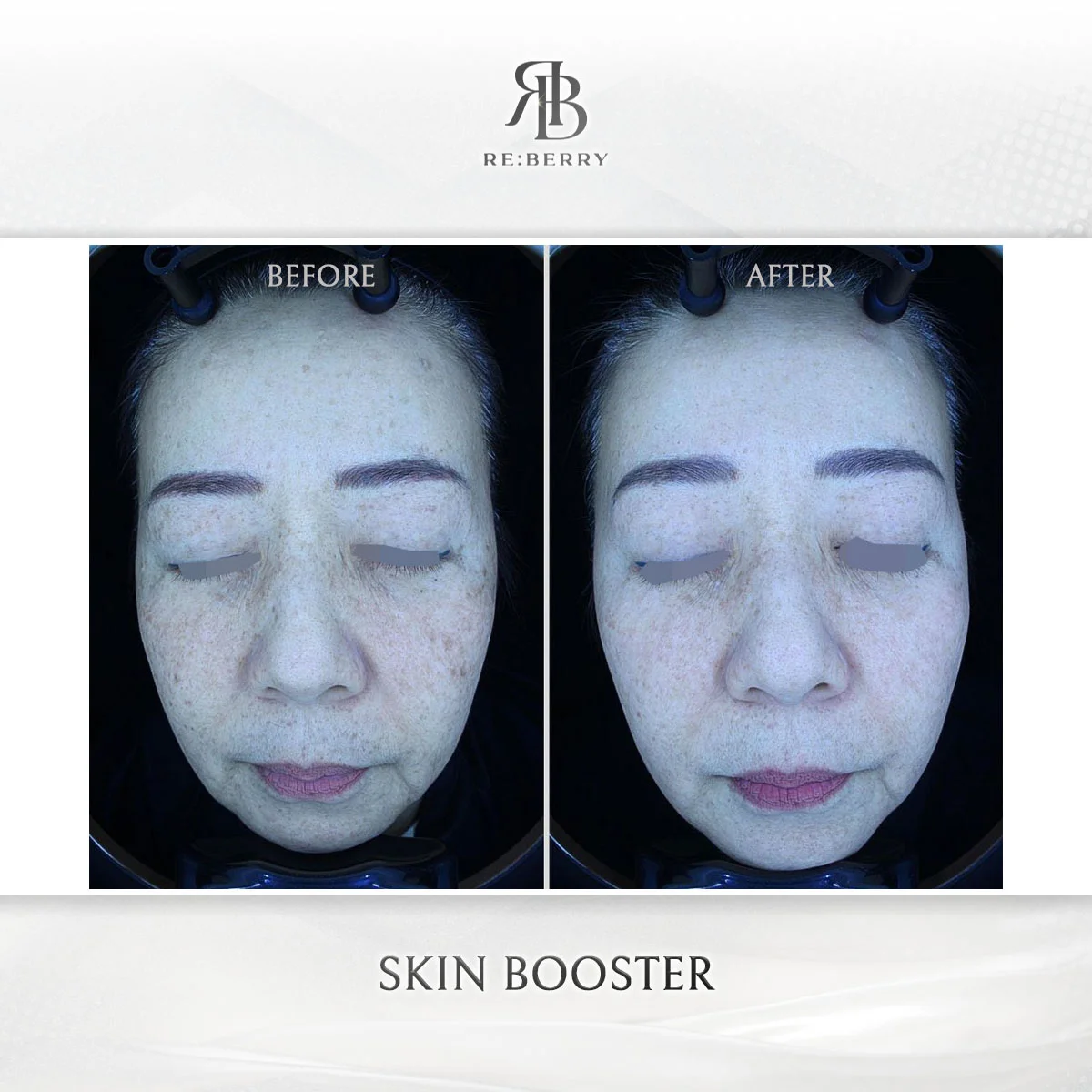
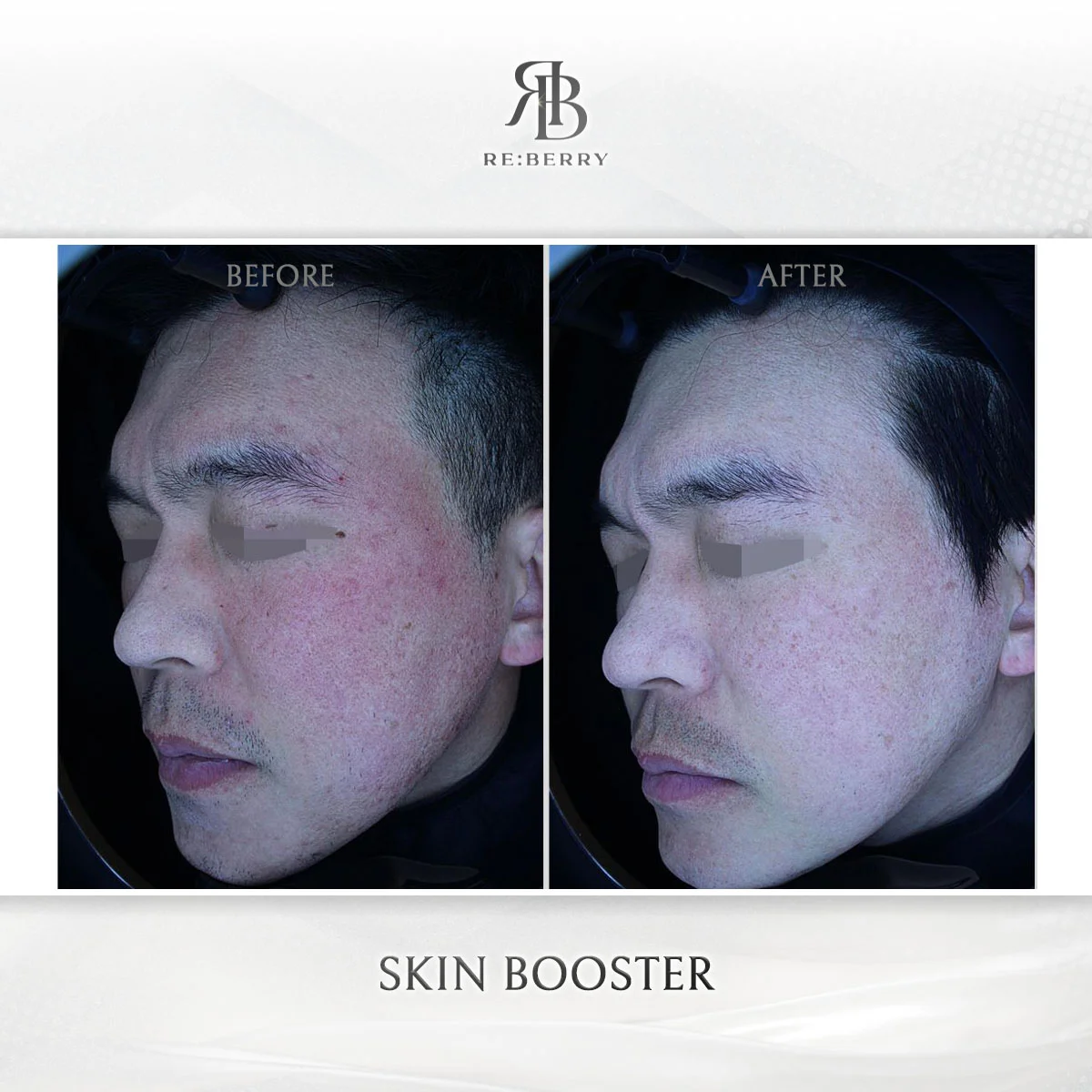
The clinic’s doctors assess your hydration, pores, texture, and tone, then explain which boosters suit your skin and what the plan involves, in English.
After a numbing cream, a session usually takes about 20 to 30 minutes, with fine micro-injections placed across the treatment area.
Glass skin runs as a course, typically 3 to 4 sessions spaced 2 to 4 weeks apart, so the plan is mapped across the series.
Hydration boosters can look dewy within days, while collagen-based refinement builds over 8 to 12 weeks as your doctor reviews progress.
After the course, most patients maintain glow with an occasional top-up plus daily sunscreen and gentle skincare between visits.



Glass skin treatment is a group of injectable skin boosters that raise hydration and refine skin quality so light reflects evenly for a glass-like glow. It typically combines hyaluronic acid, polynucleotide, or PDLLA over a course. You can see the approach on our glass facial skin page.
Patients searching near Hongdae (Hongik Univ.) Station are cared for at our Seoul locations in Gangnam and Myeongdong, both easily reached from 홍대입구역 by subway. Our English-speaking team helps you choose the most convenient location and coordinates your glass skin appointment around your schedule.
Hyaluronic acid boosters usually give the fastest dewy glow, often visible within a few days, because they bind water and plump micro-roughness so light scatters more softly. A meta-analysis found significantly higher hydration and radiance versus controls. Your doctor confirms whether it suits your skin at consultation.
Discomfort is generally mild because a numbing cream is applied first and the injections are fine and shallow. Most patients describe brief pinpoint sensations rather than pain. You may notice small marks for a day or so. Your doctor adjusts technique and depth to keep each session comfortable.
Downtime is usually minimal for most glass skin boosters, with brief pinpoint marks or short-lived redness that settles within a day or two. This makes it convenient for travellers. If PDLLA is included you may feel mild tenderness. Your doctor explains what to expect for your specific booster plan.
Most glass skin plans run over 3 to 4 sessions spaced 2 to 4 weeks apart, because glow builds gradually rather than after one visit. The exact number depends on your baseline hydration and skin quality. Your doctor reviews progress between sessions and adjusts the plan as your skin responds.
Longevity depends on the booster: hydration effects are shorter and benefit from top-ups, while PDLLA collagen refinement lasts longer as new collagen persists. Glass skin is maintained rather than permanent, so occasional top-ups keep it looking fresh. Your doctor maps a realistic maintenance schedule at consultation.
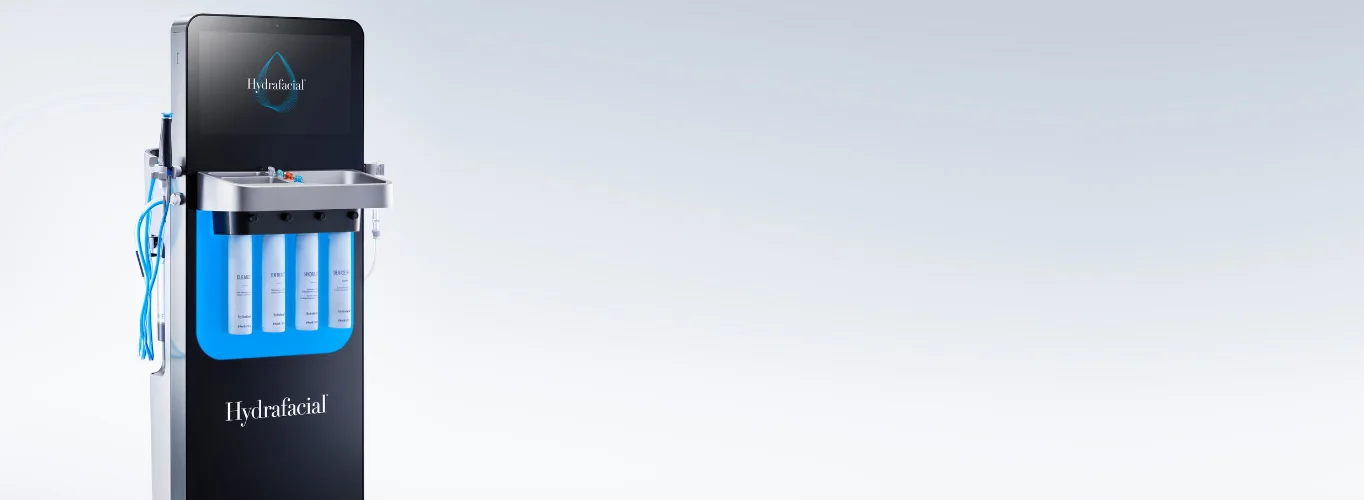
Yes, doctors often layer 2 booster types, such as hyaluronic acid for hydration and polynucleotide for skin quality, because glass skin reflects several qualities improving together. You can also pair it with in-clinic HydraFacial for surface prep. Your plan is tailored so treatments complement rather than overlap.
PDLLA is a collagen stimulator that works gradually over 8 to 12 weeks to firm and refine texture, adding a longer-term quality that hydration alone cannot. Reviews confirm it stimulates the skin’s own collagen synthesis. It is layered in when firmness is a goal, and your doctor decides the number of vials at consultation.
A surface facial cleanses and hydrates the outer skin for a short-lived glow, while glass skin boosters work within the skin to raise hydration and quality over a course. Many patients pair the two. You can compare a surface option on our HydraFacial page to see the difference.
Glass skin boosters are widely performed and generally considered safe when a trained doctor matches the booster and technique to your skin. A consultation screens for contraindications and reduces risks like temporary redness or bruising. You can review the overall approach on our glass facial skin page beforehand.
Most adults wanting more hydrated, luminous, even-looking skin are suitable, including those with dullness or early texture concerns. A consultation confirms your skin quality and which boosters fit. If you are pregnant or have an active skin infection, treatment is deferred, which your doctor will explain clearly upfront.
Yes, glass skin boosters combine well with hydrating facials and, for some patients, gentle resurfacing, as long as the schedule is sequenced by a doctor. A tailored skin care routine supports results between sessions. Your doctor plans the order so your skin is refreshed, not over-treated.
Yes, your skin type and concerns guide which boosters and depths are safest and most effective. For example, redness-prone skin may benefit from polynucleotide, while dehydrated skin favours hyaluronic acid. Your doctor accounts for this at consultation so the plan is both safe and matched to your goals.
Daily sunscreen, gentle non-irritating skincare, and good hydration are the essentials, and you should avoid heavy exfoliation right after a session. A supportive skin care routine protects your investment between visits. Your doctor gives simple, personalised aftercare so results hold well between appointments.
For a first session, 2 to 3 days is comfortable, allowing a consultation, the treatment, and a short review. Because glass skin runs as a course, many international patients begin in Seoul and continue on return visits. Our English-speaking team helps coordinate timing around your travel from Hongdae Station or elsewhere.
Yes, flying within a day or so is generally fine, since most glass skin boosters are minimally invasive with little downtime. Cabin air is drying, so moisturise well and protect treated skin from sun. If PDLLA was used, your doctor will give specific aftercare guidance for your travel days.
International patients can complete a glass skin course across one or more visits, and the clinic offers remote check-ins in English between trips so the plan stays on track. You can continue supportive skin care at home, and your treatment notes are kept on file for continuity.
| Hyaluronic Acid Booster | Polynucleotide (PN) Booster | PDLLA Collagen Stimulator | |
|---|---|---|---|
| Mechanism | Binds water for immediate hydration and plumping | Supports skin quality and calms redness | Stimulates the skin's own collagen gradually |
| Best for | Dull, dehydrated skin wanting instant dewiness | Uneven tone, redness, and overall skin quality | Loss of firmness and rough texture over time |
| Results timeline | Visible glow within days | Builds over 3 to 4 sessions | Gradual over 8 to 12 weeks as collagen forms |
| Downtime | Usually minimal, brief pinpoint marks | Minimal, occasional short-lived redness | Minimal, mild tenderness possible |
| Longevity | Shorter, benefits from regular top-ups | Cumulative across the course | Longer, as new collagen persists |
| Cost factors | Depends on areas and number of sessions | Depends on session count in the course | Depends on vials and how it is combined |
Real verified reviews from our Google Business Profile, across all Reberry Clinic locations.
PULLED LIVE FROM GOOGLE · GANGNAM · MYEONGDONG · INCHEON AIRPORT
Your treatment is planned and performed by experienced, MFDS-registered doctors across our Seoul-area clinics, with multilingual support for international patients.
Flagship clinic · KOL for leading lifting & regenerative devices · Featured in Authority Magazine (2026)

Multilingual tourist care beside Myeongdong Cathedral

Fast, effective care 20 minutes from the terminals
Message us on WhatsApp for a free consultation in English about glass skin boosters and a plan matched to your skin.