



Gangnam
Dr. Yoon-Gon Ryu
Aesthetic Medicine Specialist
Flagship clinic · KOL for leading lifting & regenerative devices · Featured in Authority Magazine (2026)

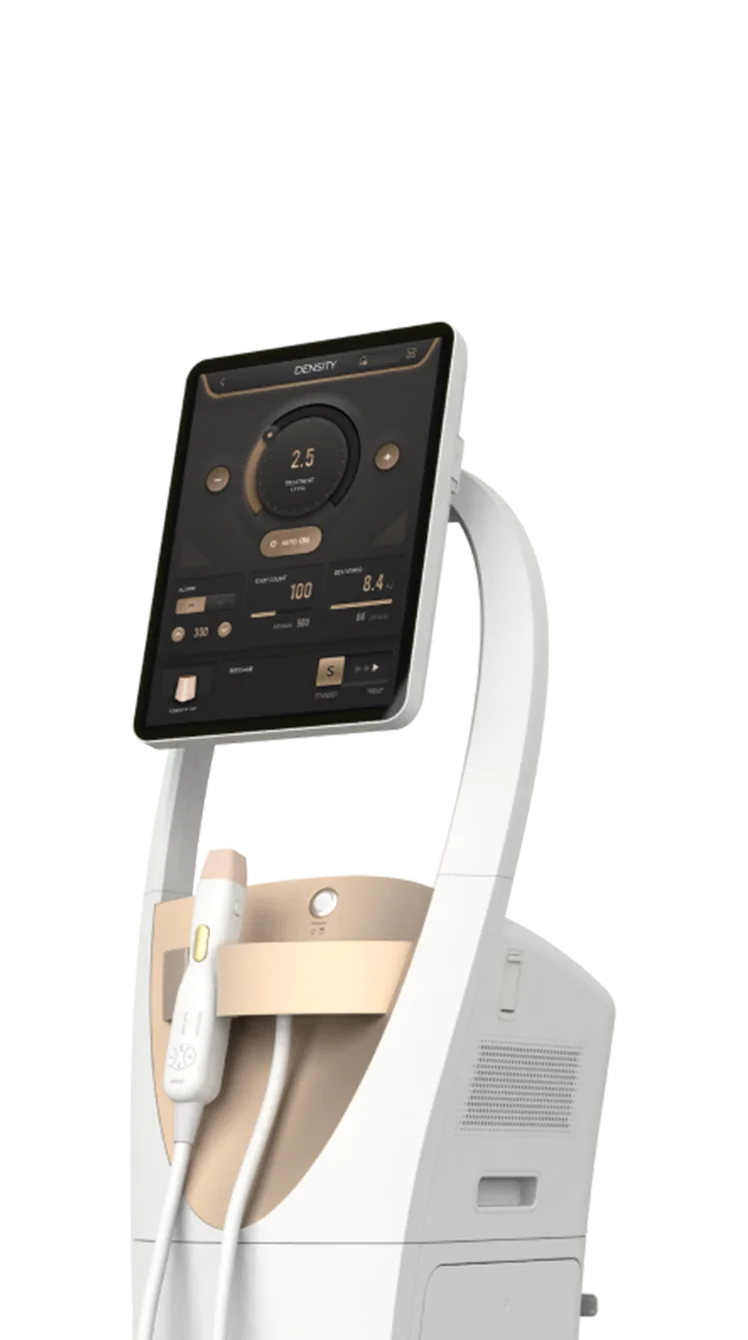
Glass skin is built with injectable skin boosters over a series of 3 or more sessions, hydrating the dermis and refining texture for a clear, dewy, luminous finish.
Glass skin treatment creates clear, dewy, luminous skin using injectable skin boosters, such as hyaluronic acid, polynucleotide, or PDLLA, that hydrate the dermis and refine texture over a short series. At our Incheon Airport (Yeongjongdo) location, Dr. Sunbeen Kim tailors the boosters to your skin, making it convenient for international patients arriving through ICN.
One-on-One guidance from a dedicated doctor, ensuring your skin is professionally monitored and treated from start to finish.
Fluent assistance in English, Japanese, and Chinese, making communication clear, respectful and comfortable for international patients.
Over 100,000 patients worldwide have received our personalized dermatological care, highlighting our expertise and reliable results.
Glass skin treatment is a set of non-surgical procedures that make the skin look clear, smooth, poreless, and dewy, the luminous finish associated with Korean skincare. Rather than a single product, it is built with injectable skin boosters that deliver hydration and improve skin quality from within the dermis, supported by good skincare and, where needed, gentle toning for even colour.
The core of glass skin is the skin booster: hyaluronic acid boosters flood the dermis with moisture for immediate dewiness, polynucleotide boosters support tissue repair and texture over a series, and PDLLA stimulates the skin’s own collagen for firmer, more refined skin. These are placed with fine needles into the superficial dermis across the face, and the mix is matched to whether hydration, texture, or firmness is your main goal.
At Reberry Clinic, glass skin treatment is consultation-led. Dr. Sunbeen Kim, Medical Director at our Incheon Airport (Yeongjongdo) location, assesses your skin and builds a plan you can complete near ICN. English-speaking support makes it practical for international patients arriving through Incheon Airport, Korea, including those on a stopover.
You can compare glass facial before and after photos, or explore the complete Korean glass facial treatment page.
Glass skin relies on injectable skin boosters that improve the skin from within, not just on the surface. Hyaluronic acid boosters are hydrophilic, meaning they draw and hold water in the dermis, which plumps fine lines and gives the reflective dewiness of glass skin almost immediately. Polynucleotide boosters, derived from purified salmon DNA, support the skin’s own repair processes and improve texture and elasticity gradually across a series of sessions. PDLLA is a collagen stimulator that prompts the skin to build new collagen over weeks to months, refining texture and firmness for a longer-lasting glow. Each is delivered by fine-needle injection into the superficial dermis, spaced across multiple visits because the skin responds gradually rather than all at once. Gentle laser toning may be added when uneven pigment is dulling the glow. Because these boosters do different jobs, the clinic’s doctors combine and sequence them to match your skin, which is why glass skin plans typically run over 3 or more sessions rather than a single treatment.
One Reberry Clinic, multiple Seoul-area locations. Pricing & current promotions are listed on each branch's own site — tap a clinic to view pricing & book.
Our flagship in the heart of Gangnam.
In Seoul's shopping & tourism heart.
A beauty stop between flights.
The newest Reberry Clinic — in Seoul's trend district.
ONE REBERRY CLINIC · MFDS-REGISTERED DEVICES · MULTILINGUAL CARE AT EVERY LOCATION

The doctor grades your skin across 3 goals (hydration, texture, firmness) and checks pigment, which sets the booster plan.
Hyaluronic acid or polynucleotide boosters are placed into the superficial dermis, usually over 3 or more sessions spaced about 2 to 4 weeks apart.
Where texture or laxity is a goal, PDLLA is added to stimulate collagen gradually over several weeks.
If pigment dulls the glow, 1 or more gentle toning sessions are layered in to improve clarity.
Progress is reviewed between the 3 or more sessions, and a maintenance rhythm keeps the dewy finish over time.

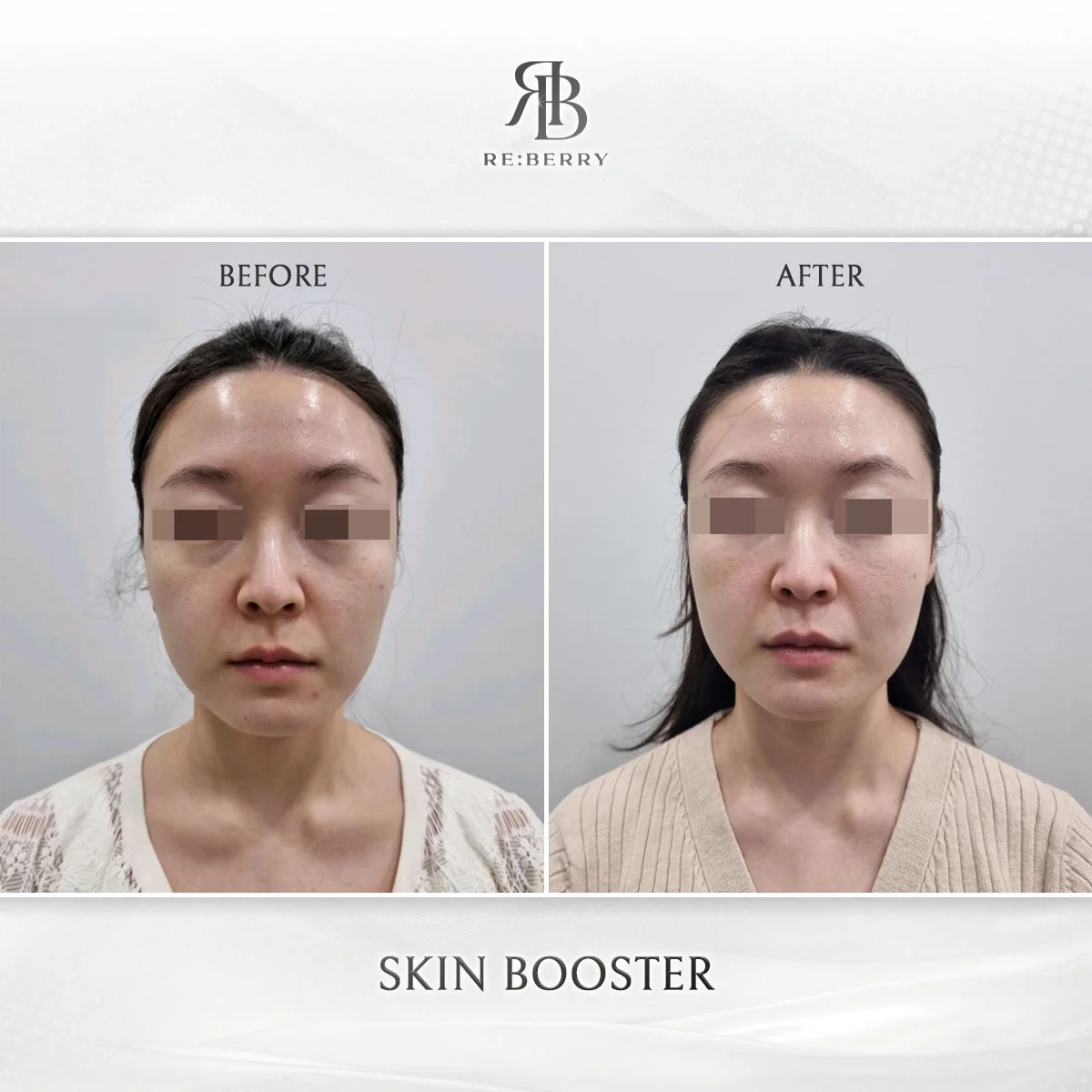
See representative outcomes from Reberry Clinic. Results build gradually and vary by individual; your plan is assessed at consultation.
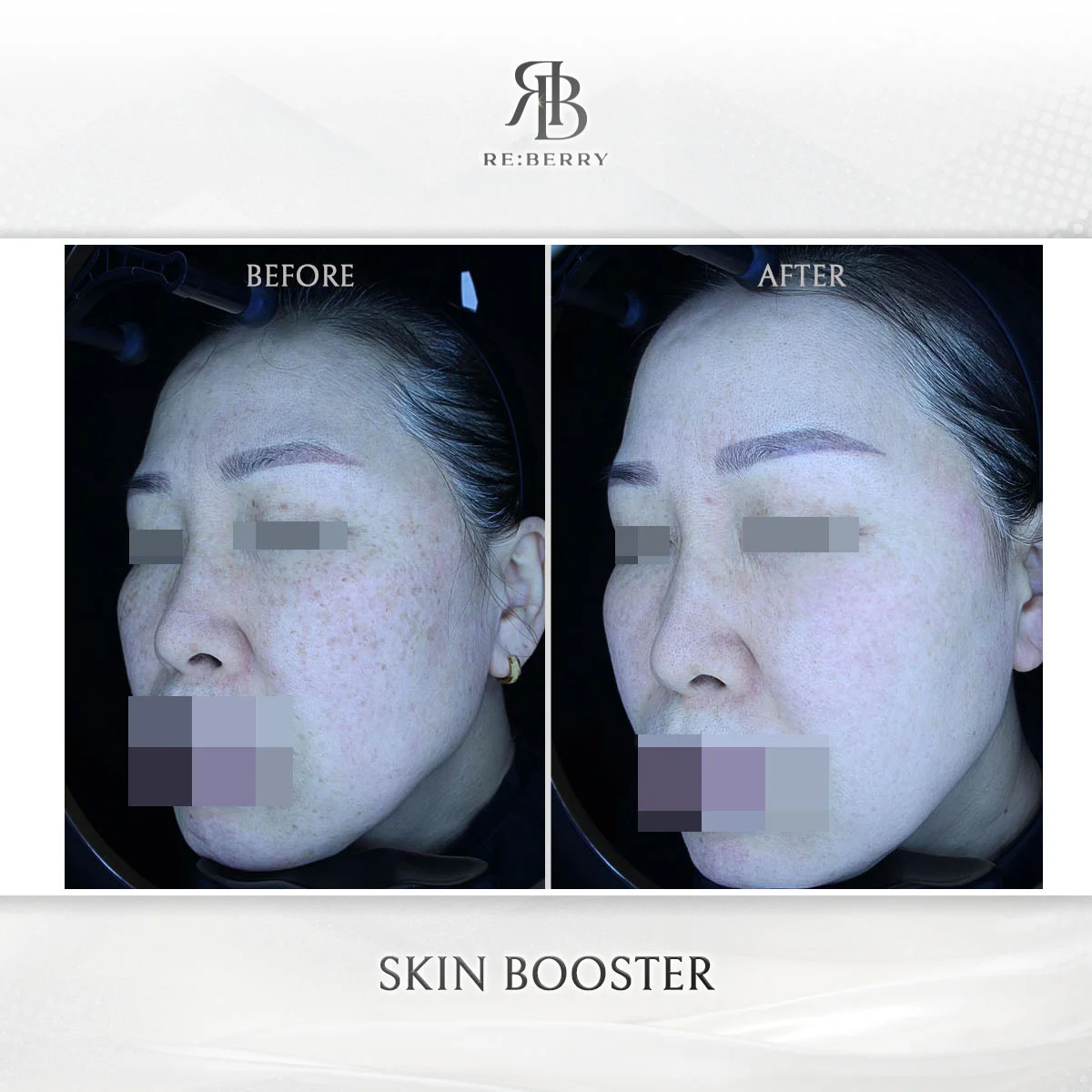
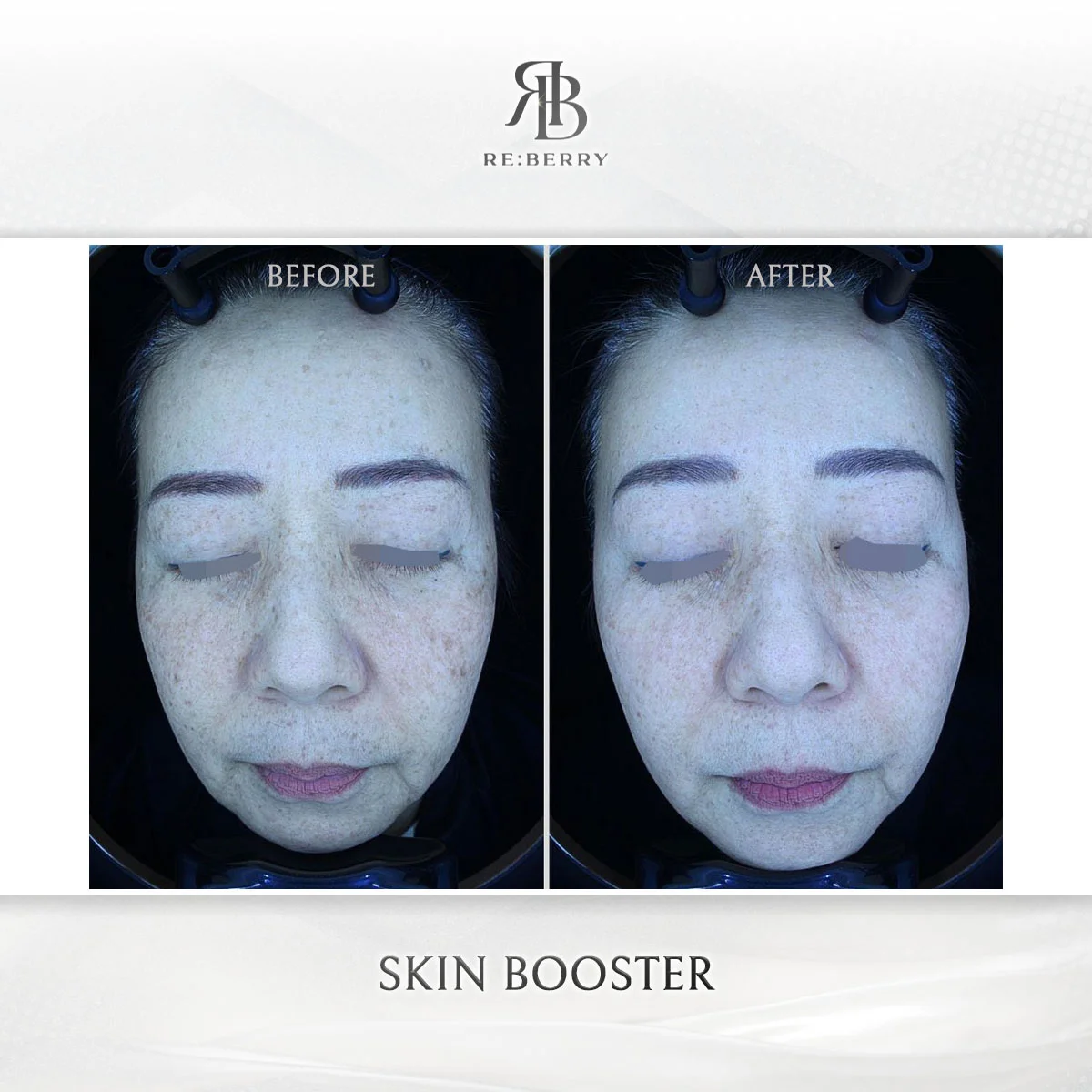
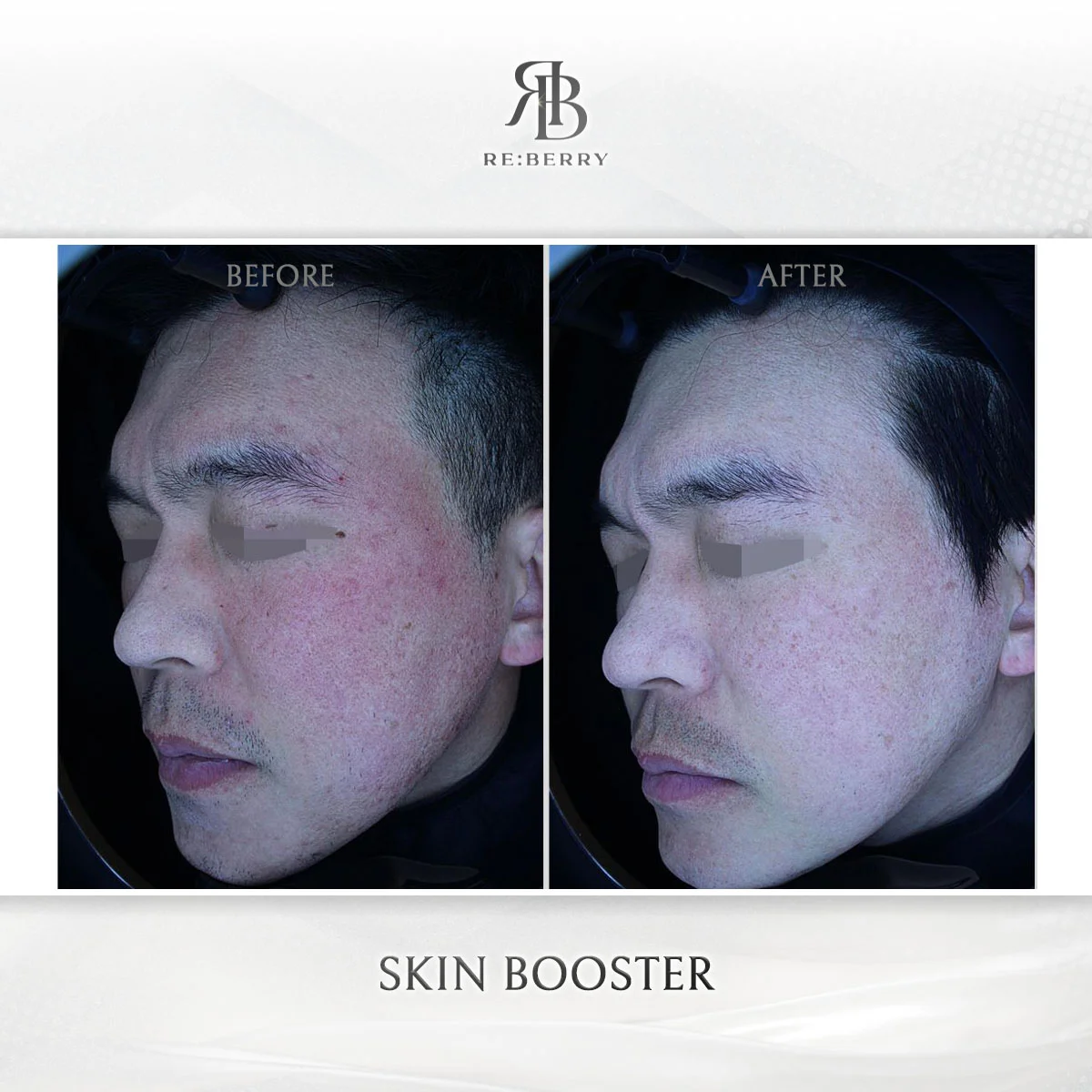
Dr. Sunbeen Kim assesses your skin, grades hydration, texture, and firmness, and explains which boosters your plan needs, in English.
A booster session usually takes about 20 to 40 minutes, with numbing applied first for comfort during injections.
Glass skin plans run as a course, so most patients complete 3 or more sessions spaced weeks apart for a lasting glow.
Dewiness is often visible early, while texture and firmness build over several weeks as boosters and collagen respond.
Because glow fades without upkeep, occasional maintenance boosters and daily skincare help sustain glass skin over time.



Glass skin treatment creates clear, smooth, dewy skin using injectable skin boosters that hydrate the dermis and refine texture over a short series. It is built with products like hyaluronic acid, polynucleotide, or PDLLA, matched to your skin. You can explore the approach on our glass facial skin page.
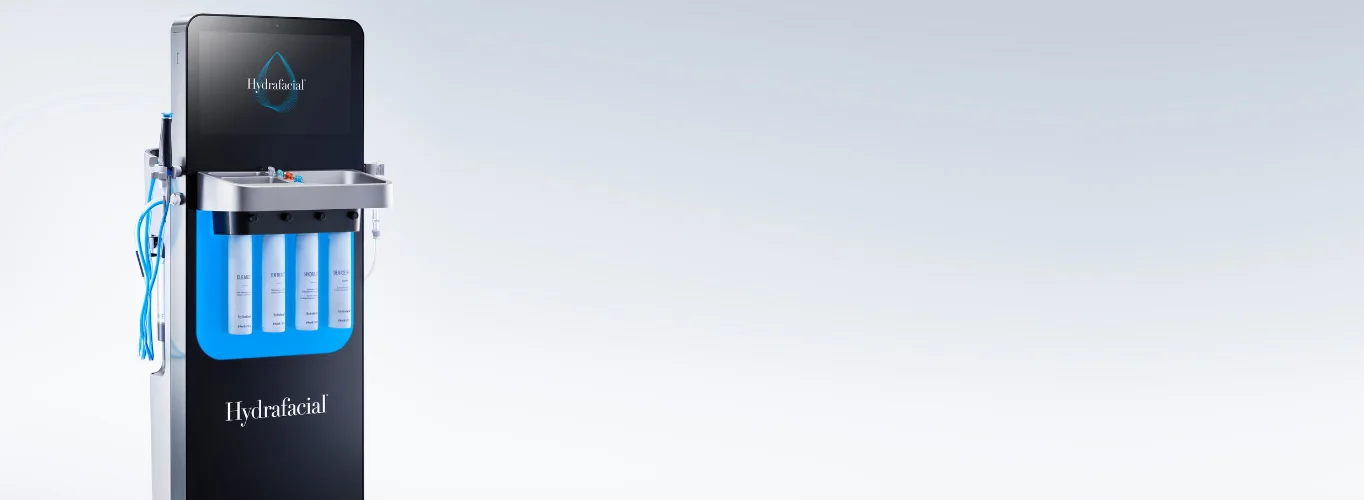
A regular facial mostly works on the skin’s surface, while glass skin treatment uses injectable boosters that hydrate and improve quality from within the dermis. This gives a deeper, longer-lasting dewiness. A hydrating hydrafacial can complement boosters by prepping and cleansing the skin first.
Glass skin plans use injectable boosters such as hyaluronic acid for hydration, polynucleotide for texture and repair, and PDLLA for collagen stimulation. Your doctor selects and combines these based on whether hydration, texture, or firmness is your main goal, tailoring the plan at consultation rather than using a fixed product for everyone.
Most adults wanting clearer, dewier, more even skin, including those with dullness or early texture changes, are suitable for a tailored plan. A consultation grades your skin and confirms which boosters fit your goals. Certain skin conditions may need adjustment first, which your doctor will explain honestly upfront.
Most glass skin boosters are well tolerated, with numbing cream applied before injections for comfort. You may feel small pricks during the session, which settle quickly. Because boosters are placed superficially with fine needles, discomfort is usually mild and brief across a typical 20 to 40 minute session.
Downtime is usually minimal, with brief redness, tiny bumps, or occasional small bruises from injections that typically fade within a day or two. Most patients return to normal activities quickly. Your doctor will advise on gentle skincare and sun protection for the treated area after each session.
Dewiness from hydrating boosters is often visible within days, while refined texture and firmness build gradually over several weeks as collagen responds. Glass skin develops across the series rather than after one visit. Your doctor reviews progress between sessions and adjusts the plan as your skin improves.
Results can hold for months, though glow fades without upkeep, so glass skin is maintained rather than achieved once. Occasional maintenance boosters and a consistent skincare routine help sustain the dewy finish. Your doctor discusses a realistic maintenance rhythm so your skin stays luminous over the longer term.
Glass skin usually builds over 3 or more sessions spaced about 2 to 4 weeks apart, since boosters and collagen respond gradually. The exact number depends on your skin and goals. Collagen stimulators like Juvelook are spaced further apart, which your doctor factors into the schedule.
Yes, glass skin boosters are often combined with gentle laser toning for tone or with lifting for firmness, so results look balanced. A shared plan sequences steps safely. You can review energy options such as Ultherapy Prime and discuss combining with your doctor at consultation.
Glass skin boosters are widely performed and generally considered safe when a trained doctor matches products and technique to your skin. A consultation screens for contraindications and reduces risks like temporary redness or bumps. Superficial, controlled injection into healthy skin further supports a comfortable treatment across the plan.
Common, temporary effects include redness, mild swelling, small bumps, or bruising at injection points, which usually settle within days. Rarely, sensitivity can occur, so your doctor reviews your history first. Clear aftercare guidance helps your skin recover smoothly between the sessions that build your glass skin result.
Glass skin boosters can suit a wide range of skin types, though your baseline hydration and texture influence which boosters and how many sessions are ideal. Deeper tones need careful settings for any toning add-on to protect pigment. Your doctor tailors the plan to your skin type at consultation for safe, even results.
Daily sunscreen, gentle hydrating skincare, and avoiding harsh scrubs for a few days protect your results between sessions. Staying hydrated supports the effect too. A supportive skin care routine maintains glow between booster visits and is discussed as part of your plan at the clinic.
Our Incheon Airport (Yeongjongdo) location, led by Dr. Sunbeen Kim, offers glass skin treatment with English support, making it convenient near ICN for transit and stopover patients. You can also start on our glass facial skin page to understand the approach first.
A single booster session near Incheon Airport is feasible during a longer stopover, since most sessions take about 20 to 40 minutes with minimal downtime. However, full glass skin needs a series over weeks. Our English-speaking team helps coordinate a first session around your transit schedule at ICN.
International patients can complete a glass skin course across return visits, and the clinic offers remote check-ins in English between trips so the plan stays on track. You can continue supportive skin care at home between sessions. Your treatment notes are kept on file for continuity of care.
| Hyaluronic Acid Booster | Polynucleotide Booster | PDLLA Collagen Stimulator | |
|---|---|---|---|
| Mechanism | Draws water into the dermis for hydration | Supports repair and texture from salmon DNA | Stimulates the skin's own collagen |
| Best for | Dryness and instant dewiness | Texture, elasticity, and barrier support | Firmness and refined texture over time |
| Pain / comfort | Mild, with numbing for comfort | Mild, with numbing for comfort | Mild, with numbing for comfort |
| Downtime | Minimal, brief redness or tiny bumps | Minimal, brief redness or small bumps | Minimal, occasional small bumps |
| Results timeline | Dewiness often within days | Texture builds across sessions | Collagen builds over weeks to months |
| Sessions | Often repeated every few weeks | A short series of 2 to 3 or more | Spaced further apart across months |
| Longevity | Shorter, benefits from upkeep | Gradual, medium-term with maintenance | Longer, as new collagen matures |
Real verified reviews from our Google Business Profile, across all Reberry Clinic locations.
PULLED LIVE FROM GOOGLE · GANGNAM · MYEONGDONG · INCHEON AIRPORT
Your treatment is planned and performed by experienced, MFDS-registered doctors across our Seoul-area clinics, with multilingual support for international patients.
Flagship clinic · KOL for leading lifting & regenerative devices · Featured in Authority Magazine (2026)

Multilingual tourist care beside Myeongdong Cathedral

Fast, effective care 20 minutes from the terminals
Message us on WhatsApp for a free consultation in English about glass skin treatment near Incheon Airport.