



Gangnam
Dr. Yoon-Gon Ryu
Aesthetic Medicine Specialist
Flagship clinic · for leading lifting & regenerative devices · Featured in Authority Magazine (2026)


Most non-surgical hair loss plans run 3 to 6 sessions spaced 2 to 4 weeks apart, with early shedding settling and visible density building over 3 to 6 months.
Hair loss treatment in Seoul typically combines in-clinic scalp injections, platelet-rich plasma, microneedling and regenerative options with at-home topicals, chosen after a scalp assessment. Most patients follow a course of several sessions over a few months; results build gradually as the follicle environment improves. Reberry Clinic personalizes the plan to your pattern and stage of thinning.
One-on-One guidance from a dedicated doctor, ensuring your skin is professionally monitored and treated from start to finish.
Fluent assistance in English, Japanese, and Chinese, making communication clear, respectful and comfortable for international patients.
Over 100,000 patients worldwide have received our personalized dermatological care, highlighting our expertise and reliable results.
Hair loss treatment is a medically guided plan to slow shedding, support existing follicles and improve scalp density without surgery. In Seoul, clinics typically begin with a scalp assessment that identifies the pattern, most often androgenetic (pattern) thinning, then build a layered plan. That plan may combine in-clinic procedures such as scalp injection therapy, platelet-rich plasma (PRP), microneedling and regenerative scalp treatments with at-home topicals, because no single method addresses every cause of thinning.
The goal is realistic management rather than instant regrowth. Hair grows in cycles, so visible improvement is gradual and depends on starting early, staying consistent and treating the underlying cause. A typical course runs several sessions over a few months, after which density is reassessed and maintenance is planned. Mild to moderate, early thinning responds best; advanced baldness with no living follicles is generally better suited to surgical restoration, which a consultation can clarify.
Reberry Clinic serves international patients across three Seoul-area locations (Gangnam, Myeongdong, Incheon Airport) with English-speaking support. The clinic’s doctors map your scalp, explain which combination suits your stage of thinning, and provide a written plan you can continue after returning home. Because hair loss has many drivers, the assessment also screens for treatable medical or nutritional contributors before committing to a course.
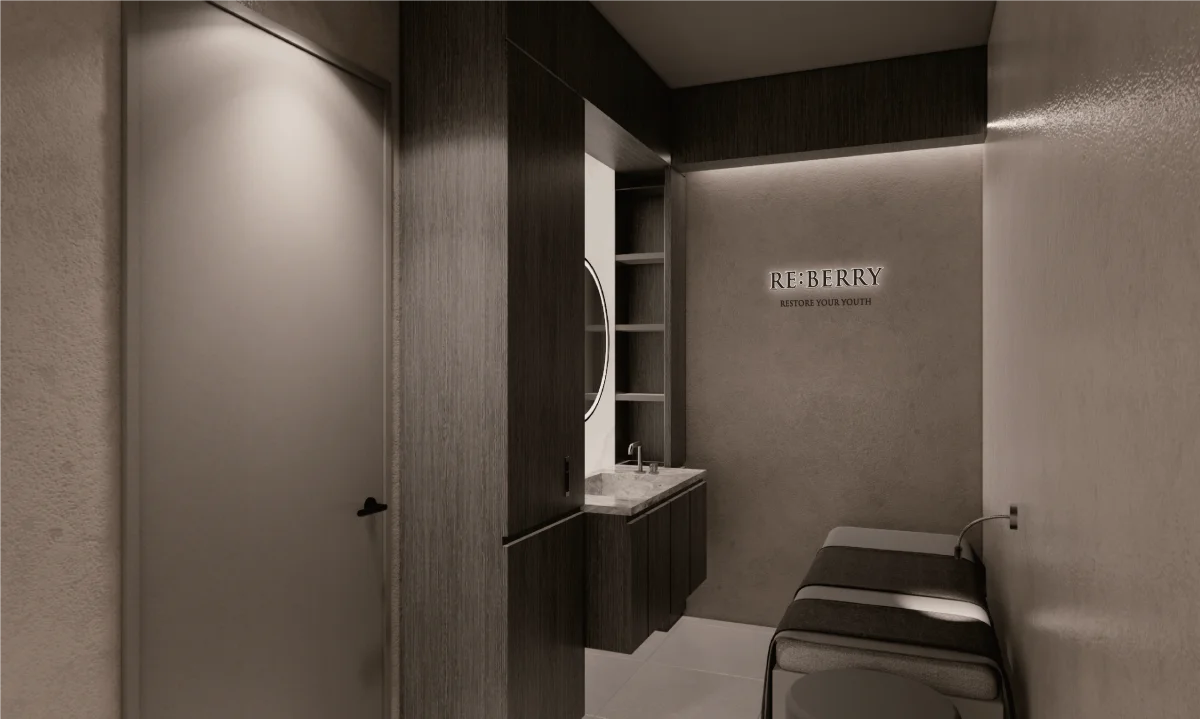
Most non-surgical hair loss treatments work by improving the environment around the follicle so that miniaturizing hairs can recover. Platelet-rich plasma (PRP) concentrates growth factors from your own blood and is injected into the scalp to support the follicle and prolong the active growth (anagen) phase. Microneedling creates controlled micro-channels that trigger a healing response and improve absorption of applied actives. Regenerative scalp options, including the clinic’s regenerative scalp therapy, aim to deliver supportive factors directly to the treatment area.
These methods are usually layered with proven at-home topicals and, where appropriate, oral medication prescribed at consultation. Reberry Clinic is a dermatology clinic and scalp procedures are performed by the clinic’s doctors. Because each modality acts on a different part of the hair cycle, the clinic’s doctors sequence them rather than relying on one, and reassess after a defined number of sessions to confirm the plan is working for your scalp.
One Reberry Clinic, multiple Seoul-area locations. Pricing & current promotions are listed on each branch's own site — tap a clinic to view pricing & book.
Our flagship in the heart of Gangnam.
In Seoul's shopping & tourism heart.
A beauty stop between flights.
The newest Reberry Clinic — in Seoul's trend district.
ONE REBERRY CLINIC · MFDS-REGISTERED DEVICES · MULTILINGUAL CARE AT EVERY LOCATION

A doctor examines your pattern and density, often using magnified imaging, and screens for the 2 to 3 most common treatable contributors before planning.
The doctor combines 2 or more methods, such as PRP, microneedling and topicals, matched to your stage of thinning.
Most courses run 3 to 6 sessions spaced about 2 to 4 weeks apart, each typically taking around 30 to 45 minutes.
Some initial shedding can occur in the first 4 to 8 weeks before new growth strengthens; this is expected, not a failure.
Density is reviewed around 3 to 6 months in, and maintenance sessions or adjustments are planned from there.
Reberry Clinic · Prices verified: Oct 2026
| Clinic | Price (KRW) |
|---|---|
| Incheon AirportPRP 3cc | from₩990,000 |
VAT excluded · Final price depends on treatment scope and skin condition · Confirmed after consultation
Before-and-after photos are being updated.
An English-language consultation assesses your pattern and scalp, screens for treatable causes and confirms which combination suits your stage of thinning.
A first session often combines injections or PRP with microneedling and takes around 30 to 45 minutes after numbing.
A typical course runs 3 to 6 sessions spaced 2 to 4 weeks apart, which can begin during your Seoul trip.
Early shedding may settle in 4 to 8 weeks, with visible density building over 3 to 6 months as the cycle improves.
Maintenance sessions, consistent topicals and good scalp care help sustain results, with reassessment over time.



Hair loss treatment in Seoul is a non-surgical plan, usually run over 3 to 6 sessions, that combines scalp injections, PRP, microneedling and at-home topicals after a scalp assessment. It aims to slow shedding and improve density gradually. The clinic’s regenerative scalp therapy can be part of the plan.
Adults with early-to-moderate pattern thinning and living follicles are typically the best candidates, especially when started early. A scalp assessment confirms your stage and screens for treatable causes first. Advanced baldness with no living follicles is usually better suited to surgical restoration, which your consultation will clarify before any course.
Most patients report only mild discomfort; topical numbing is used for injection-based sessions, and microneedling feels like brief tingling. Sessions generally last around 30 to 45 minutes. Comfort options are discussed beforehand and adjusted to your tolerance during your injection-based session.
Downtime is minimal; mild scalp tenderness or redness can occur but usually settles within a day or two, and most patients resume normal activities the same day. There is no extended recovery for non-surgical options. This makes it practical to fit treatment into a short Seoul trip without disrupting plans.
Visible density typically builds over 3 to 6 months as the hair cycle improves, though some initial shedding can occur in the first 4 to 8 weeks before new growth strengthens. Patience and consistency are essential. Your expected timeline is mapped during the consultation based on your pattern and stage.
Hair loss is an ongoing condition, so results are maintained rather than fixed once; consistent maintenance sessions and daily topicals help sustain density over time. Stopping treatment usually lets thinning gradually resume. A long-term maintenance plan is set during your scalp therapy consultation.
Most patients follow a course of 3 to 6 in-clinic sessions spaced about 2 to 4 weeks apart, with maintenance sessions afterward depending on response. The exact number depends on your pattern and goals. Your personalized schedule is confirmed when reviewing options with the clinic’s doctors at consultation.
Yes, combining methods is the norm rather than the exception; PRP, microneedling and topicals act on different parts of the hair cycle, so the doctor sequences them for better results. Over-treating is avoided through careful spacing. Some plans also incorporate injection-based therapy for added support.
PRP uses a concentrate from your own blood, so allergic or rejection reactions are very uncommon; typical effects are brief scalp tenderness, redness or minor swelling at injection sites. It is performed by the clinic’s doctors under sterile technique. Suitability and any bleeding-risk factors are reviewed carefully at your consultation.
Non-surgical treatment supports and strengthens existing follicles to slow loss and improve density, while a hair transplant surgically relocates follicles to bald areas. They address different stages and are sometimes used together. Your consultation explains which fits your pattern and whether regenerative options are appropriate.
The most common cause is androgenetic (pattern) thinning, but stress, nutritional deficiency, thyroid issues, certain medications and scalp conditions also contribute. A scalp assessment screens for treatable contributors before planning. Addressing the underlying driver makes any treatment more effective over the following months and protects your investment.
Some patients notice temporary increased shedding in the first 4 to 8 weeks as weaker hairs are replaced by stronger ones entering the growth phase. This is an expected part of the cycle, not a sign of failure. New growth typically strengthens over the following months with consistent, properly spaced treatment.
Aftercare is straightforward: avoid harsh scrubbing for a day or so, keep the scalp clean, and follow your prescribed topical or oral regimen consistently. Sun protection and gentle hair care help. You receive written guidance so you can maintain your scalp and skin care routine from home.
Yes, Reberry Clinic serves international patients with English-speaking support across three Seoul-area locations, including one near Incheon Airport. Your first session can start during your trip and you continue maintenance from abroad. Message us on WhatsApp to plan your assessment and schedule around your visit.
You can begin in a single visit, since the first session usually takes around 30 to 45 minutes; a full course is then spaced over weeks and can continue at home or on later trips. There is no required multi-day stay. Our team helps schedule the first session around your itinerary.
You receive a written plan and prescribed home regimen, and can message the clinic on WhatsApp in English with questions or progress photos as density builds over the following months. Many patients schedule maintenance during a later Seoul visit while keeping their daily routine consistent throughout.
| Scalp injection / PRP | Microneedling | Topical & oral therapy | |
|---|---|---|---|
| Mechanism | Growth factors injected to support follicles | Micro-channels trigger healing and aid absorption | Daily medication acting on the hair cycle |
| Best for | Early-to-moderate thinning wanting an in-clinic boost | Patients combining with topicals for better uptake | Anyone needing a consistent at-home maintenance base |
| Comfort | Mild; topical numbing used as needed | Mild; brief tingling during the session | No procedure; applied or taken at home |
| Downtime | Little; brief scalp tenderness or redness | Little; mild redness for a day or so | None |
| Sessions | Often a course of 3 to 6 in-clinic visits | Often combined within the same course | Ongoing daily use |
| Results timeline | Builds over 3 to 6 months | Builds over months alongside other methods | Builds over 3 to 6 months with consistent use |
| Cost context | Consultation-led; depends on plan and sessions | Consultation-led; often bundled in a course | Consultation-led; depends on regimen |
Real verified reviews from our Google Business Profile, across all Reberry Clinic locations.
PULLED LIVE FROM GOOGLE · GANGNAM · MYEONGDONG · INCHEON AIRPORT
Your treatment is planned and performed by experienced, MFDS-registered doctors across our Seoul-area clinics, with multilingual support for international patients.
Flagship clinic · for leading lifting & regenerative devices · Featured in Authority Magazine (2026)

Multilingual tourist care beside Myeongdong Cathedral

Fast, effective care 20 minutes from the terminals
Message us on WhatsApp for a free consultation in English about a hair loss plan suited to your scalp.