


Have you ever walked out of a Botox appointment wondering how long the results are actually going to last? If so, you are not alone. It’s one of the most common questions patients ask, and the answer isn’t always a single number.
Botox is a non-surgical injectable treatment that temporarily relaxes the facial muscles responsible for dynamic wrinkles. It is one of the most trusted aesthetic treatments in the world, with over two decades of clinical research and millions of patients treated globally every year. For most people, results last around 3 to 4 months, but where it is injected, how much was used, your metabolism, your lifestyle, and even how many times you have had the treatment before all play a role in how long the result lasts.
In this blog, we’ll break down how long Botox typically lasts, the key factors that affect its longevity, and practical tips that can help you maintain smoother, longer-lasting results.
What is Botox?
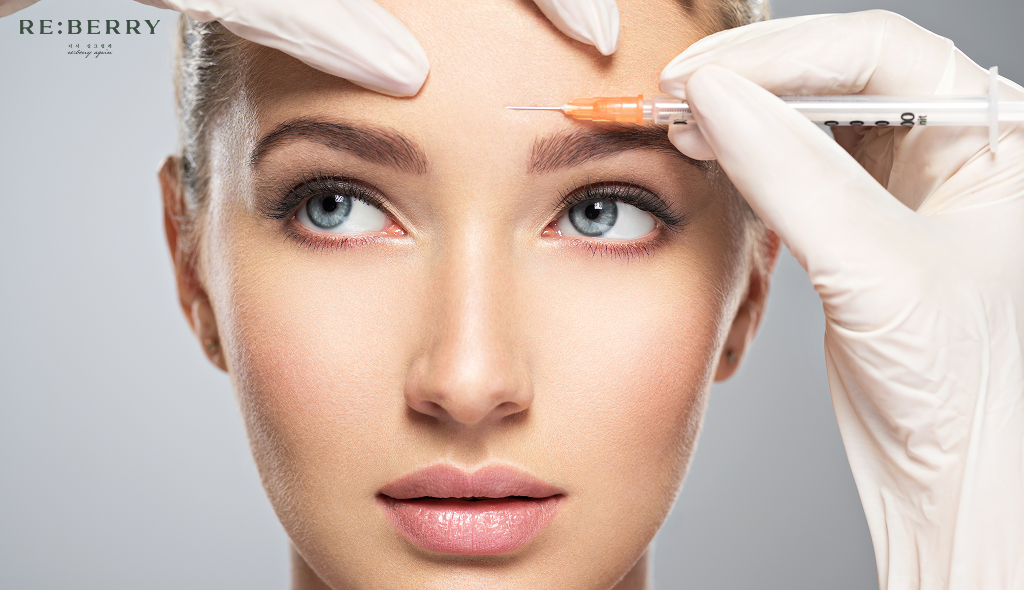
Botox is an injectable treatment made from botulinum toxin type A, which is a purified neurotoxin derived from the bacterium Clostridium Botulinum. When it is injected in precise, controlled amounts into your targeted areas, it temporarily blocks the nerve signals that tell those muscles to contract. Without that signal, the muscles relax, and the overlying skin smooths out.
It’s a common treatment used to treat dynamic wrinkles, which are caused by repeated facial movements like squinting, smiling, or raising your eyebrows. These include forehead lines, frown lines between the brows, and crow’s feet around the eyes.
According to Botox Cosmetic, the brand has over 20 years of research, is approved in 100+ countries, and is also FDA approved for forehead lines, frown lines, crow’s feet, and vertical neck bands. Its versatility across both cosmetic and medical fields makes it one of the most studied injectables available today.
How long does Botox last on average?
Botox typically lasts 3 to 4 months for most patients, with maximum effects visible within 1-2 weeks after the injection. However, the individual results may vary based on the metabolism, muscle strength, and treated area. Some patients notice their Botox lasting around 2 months while others can see results that hold for up to 5 to 6 months.
For first-time patients, it’s important to understand that results may not last as long as expected, and this is completely normal. When muscles are exposed to Botox for the first time, they may regain movement sooner. However, with repeated treatments, the targeted muscles gradually weaken and become less active. As a result, many patients find that their second or third treatment lasts longer than their first one.
How long does Botox last for different treatment areas?
Not all areas respond to Botox injections the same way. How long results last in each area depends on your muscle size, movement frequency, and skin thickness.
1. Forehead lines
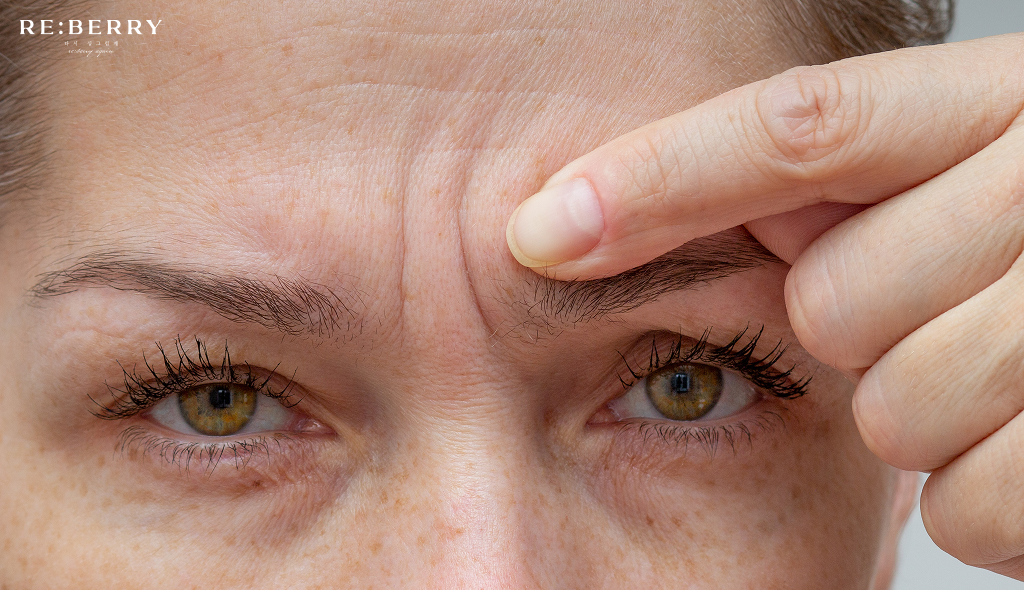
The forehead is one of the most commonly treated areas. Every time you raise your eyebrows while speaking, reacting, or concentrating, those muscles are engaged. Because of this movement, Botox in the forehead typically lasts around one quarter. If you have strong or active forehead muscles, you may notice results fading soon.
2. Frown Lines
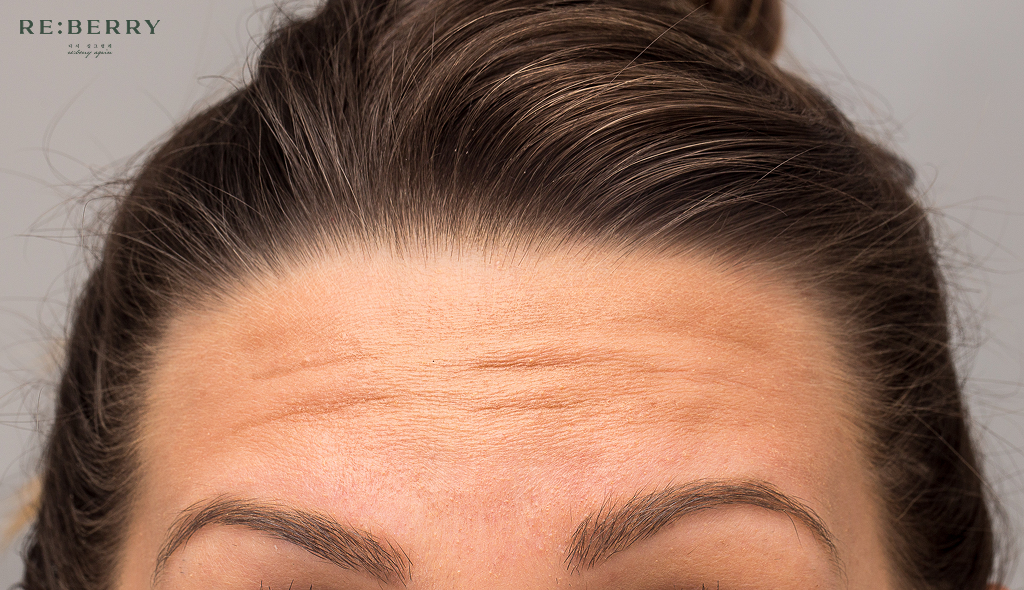
Frown lines are vertical creases between the eyebrows that are caused by repeated contraction from squinting or aging. This line responds well to Botox and results generally last 3 to 5 months, which holds effects slightly longer than the forehead.
3. Crow’s feet
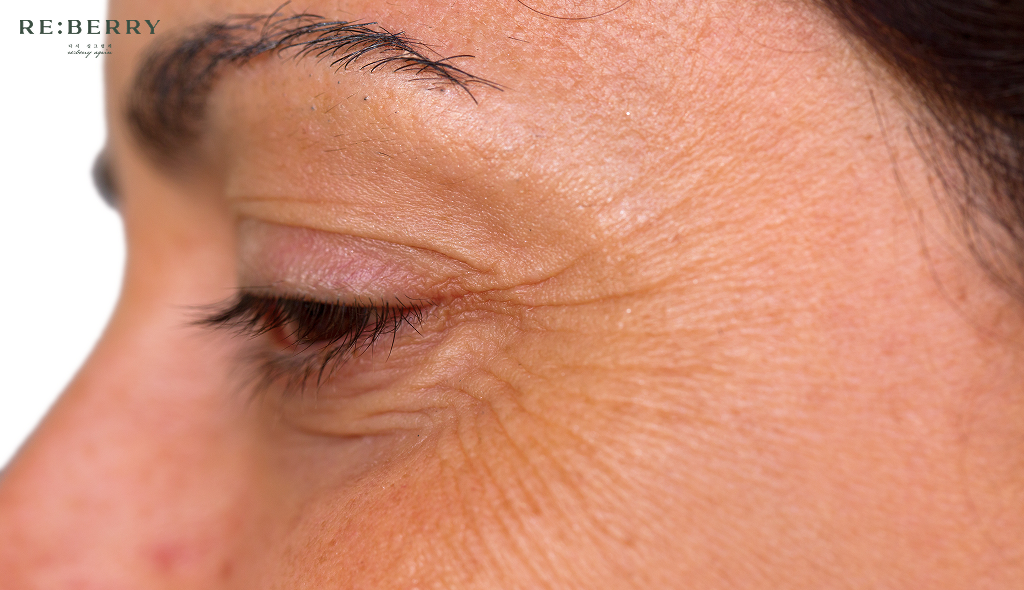
Crow’s feet involve thinner skin and smaller muscles, which can actually work in your favor. Most patients require retreatment every 12–16 weeks, with some studies suggesting results can extend towards 4 to 6 months in regular patients.
4. Masseter
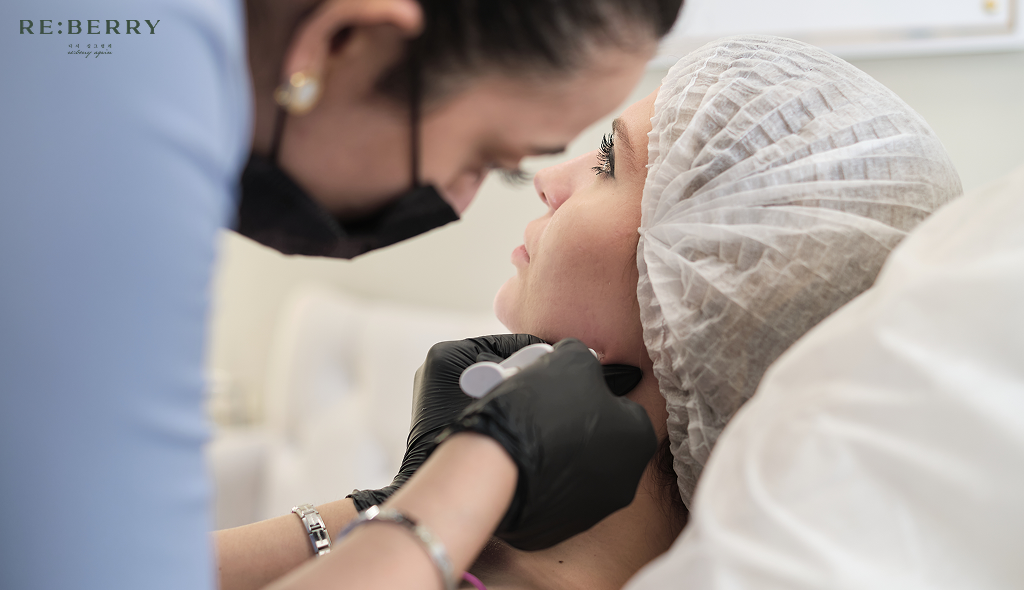
Masseter Botox targets the large chewing muscles on either side of the jaw. As these are the strongest muscles in the face, results typically last 3 to 6 months and often improve with consistent treatments as the muscle gradually reduces in bulk.
5. Neck bands
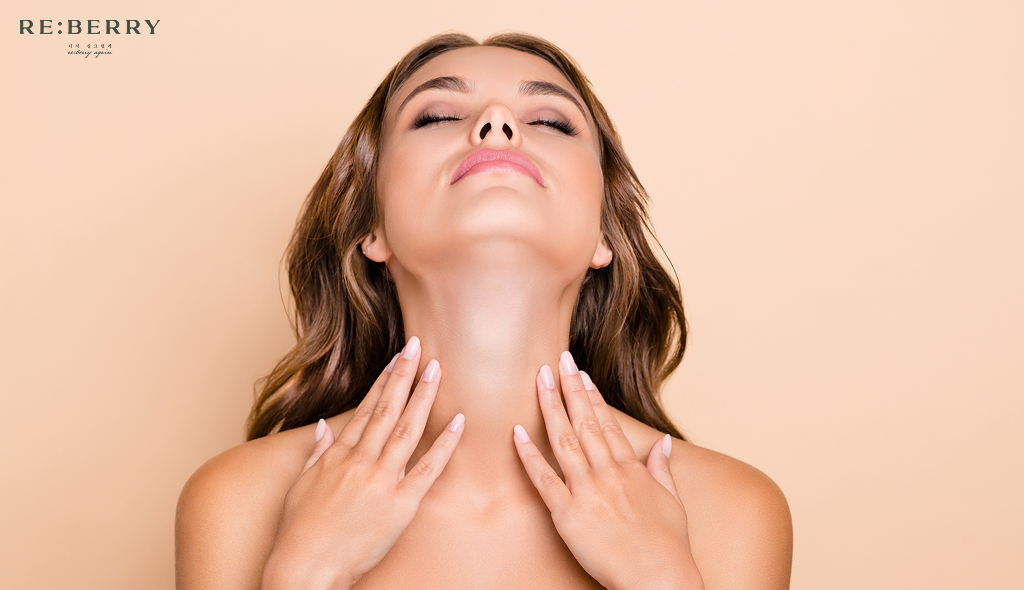
Botox for vertical neck bands generally lasts for around 3 to 4 months. This area requires precise technique and dosing, but when performed correctly, it can noticeably improve the appearance of neck definition and smoothness.
6. Lip Lines and Micro Areas
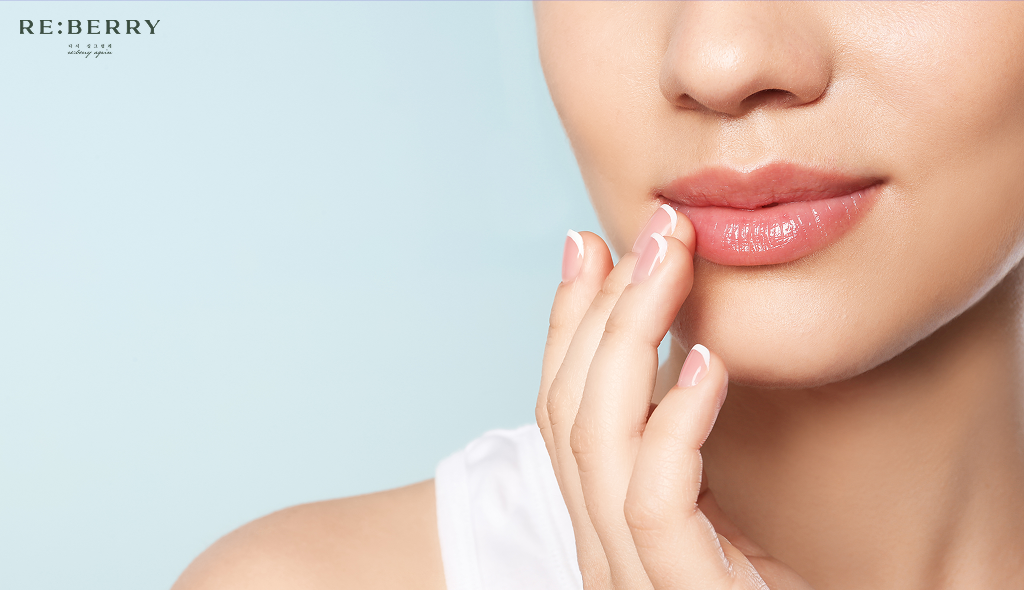
The small areas like lip lines, bunny lines, and chin dimpling require fewer units and tend to fade a little sooner, usually around 2 to 3 months.
How Long Does It Take for Botox to Show Results?
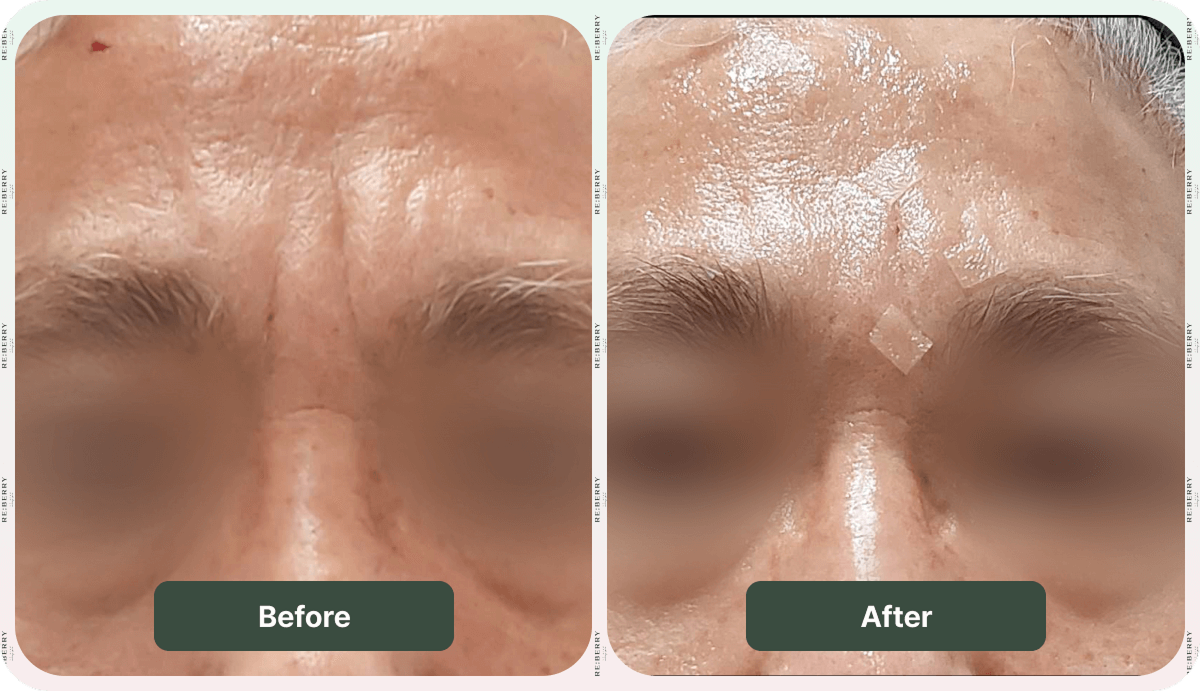
Most patients begin noticing the first signs of muscle relaxation within 3 to 5 days after their injection. And at around day 5 to 7, the smoothing effect becomes more visible, forehead lines soften, brow tension eases, and squint lines begin to fade.
The final results are generally visible within 10 to 14 days of treatment. This is when practitioners recommend checking in if you’re a first-time patient, as small touch-ups can be made at this point if needed.
What affects how long Botox lasts?
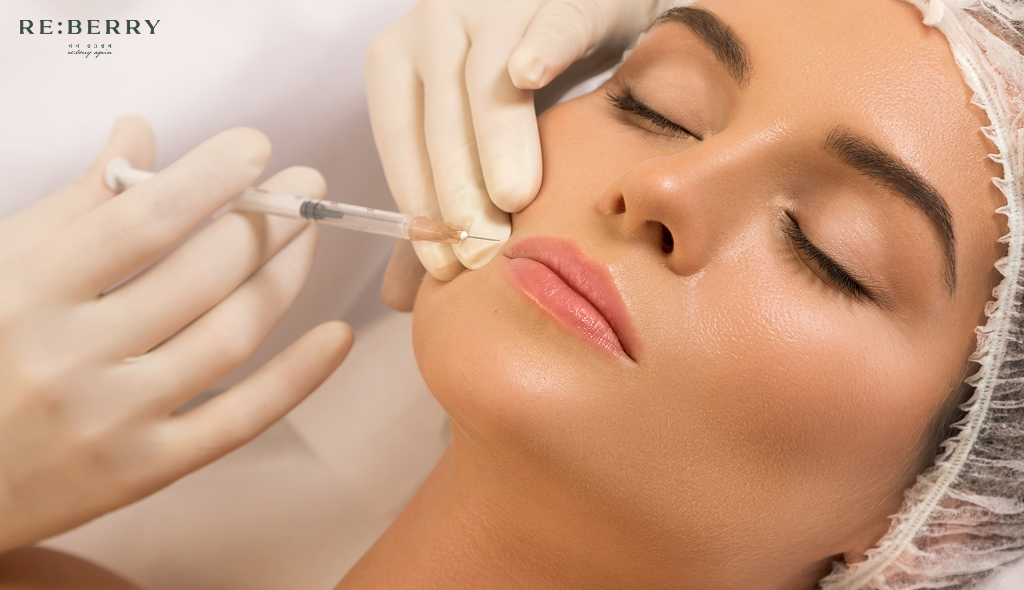
The longevity of Botox is not determined by a single factor. Several factors affect how long Botox lasts, and understanding them can help you set realistic expectations and maximize the benefit of the treatment.
Metabolism
Your body’s metabolism plays a significant role. Patients with faster metabolisms process and eliminate Botox more quickly, which shortens the duration of results. This is one reason highly active patients sometimes find their Botox effect gradually softens.
Muscle Strength and Activity
Stronger muscles generally require more Botox to achieve the same effect, and it may metabolize faster as well. This is relevant in areas like the masseter muscle and the glabella, which are typically larger and more forceful.
Dosage and Injector Expertise
The amount of Botox injected matters. If too little dosage is injected into a strong muscle zone, the results fade quickly; too much may look unnatural. An experienced injector who understands facial anatomy and adjusts dosage to your individual muscle profile is an important factor in determining the longevity of your results.
Age and Skin Condition
Younger patients with good skin elasticity tend to see long-lasting results. Deep, more established wrinkles often associated with older skin may require more frequent maintenance, and results may fade soon.
Lifestyle Factors
Sun exposure, smoking, and alcohol intake can all accelerate the breakdown of Botox in the body. But if you maintain a healthy skincare routine and sun protection, it helps to preserve both the skin quality and the smoothing effects of the Botox injection.
Which Botox brand lasts the longest?
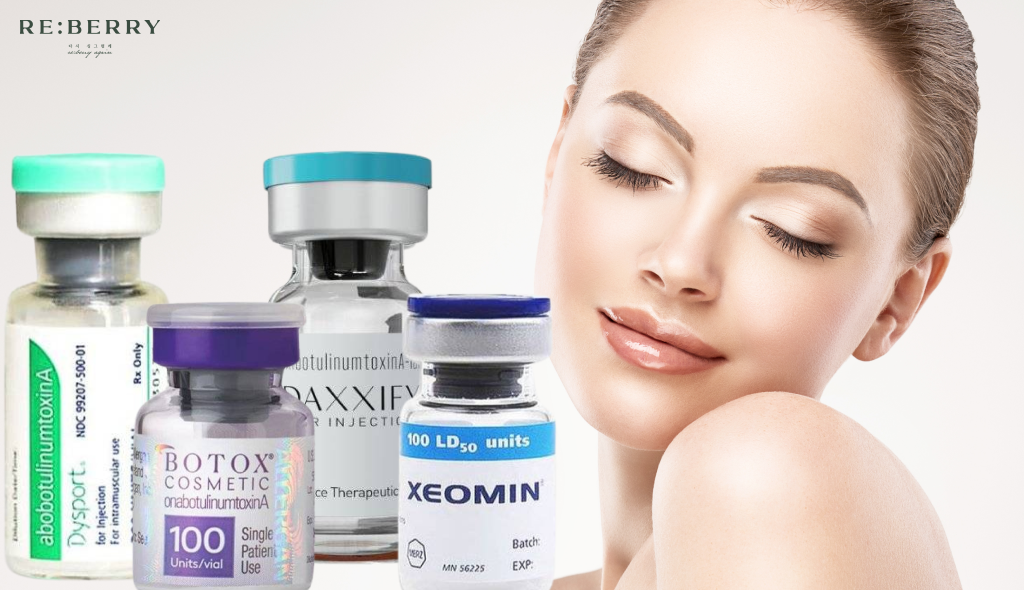
There are several FDA-approved neuromodulators available today, each with slightly different formulations and durations. The most widely used is Botox (Onabotulinumtoxin A) by Allergan. Results with this Botox appear within 3 to 7 days, and last around 3 to 4 months. Another neuromodulator is Dysport, which works slightly faster and is great for larger areas like the forehead. Similarly, Xeomin, often called “naked botox,” contains only pure botulinum toxin with no accessory protein, making it a reliable option for patients who’ve developed resistance to other brands. Both Dysport and Xeomin have a similar duration, i.e., 3 months.
The long-lasting option currently available is Daxxify (DaxibotulinumtoxinA) by Revance, FDA-approved in 2022. According to Drugs.com, Daxxify results between 6 and 9 months, which is almost double than that of standard Botox. It uses a proprietary peptide stabilizer that allows it to bind more effectively to nerve cells. Daxxify is one of the best choices for those who dislike frequent appointments or treatment, though it comes at higher costs.
How will you know if Botox is wearing off?
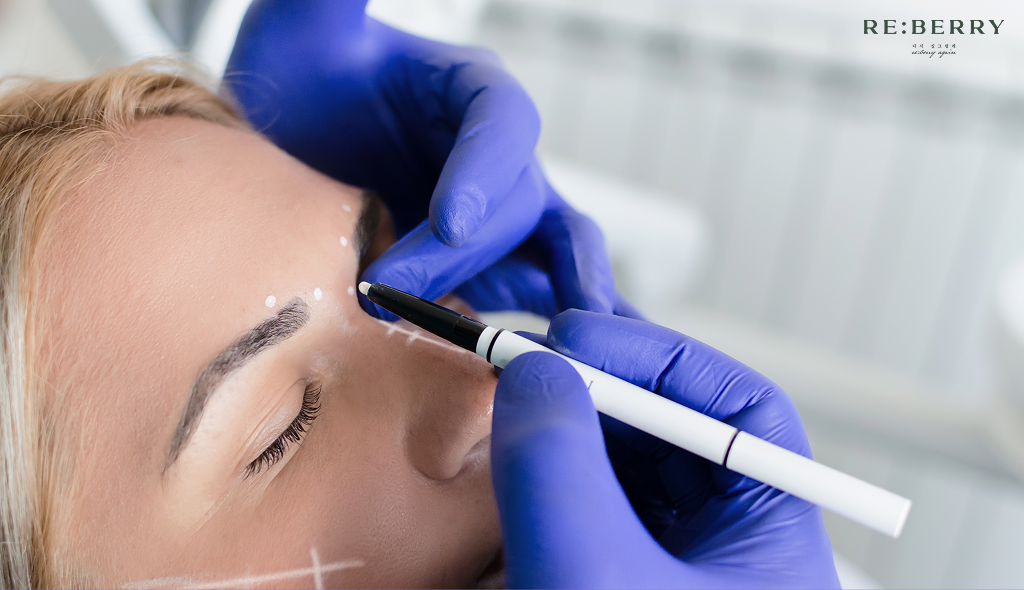
Botox does not disappear overnight. The process is gradual, and most patients notice it in subtle ways before the full return of muscle movement in the Botox-treated area. You might notice that raising your eyebrows feels a little easier than it did a week ago, or that faint lines are starting to reappear when you make expressions with your face after getting Botox. This indicates that neuromuscular signaling is gradually being restored. The nerves are regenerating new receptor connections, and the muscles are slowly reactivating.
As weeks pass after getting treatment, the lines become more visible at rest, not during movement. By the time you feel you need a touch-up of Botox, you are likely around the 3 to 4-month mark, which aligns with the typical treatment timeline.
It is also important to note that stopping Botox does not cause your wrinkles to worsen. Once Botox treatments are stopped, your face simply returns to its pre-treatment state. The wrinkles do not come back worse with the Botox. They come back to where they were before you got the Botox.
How Can You Prolong Your Botox Results?
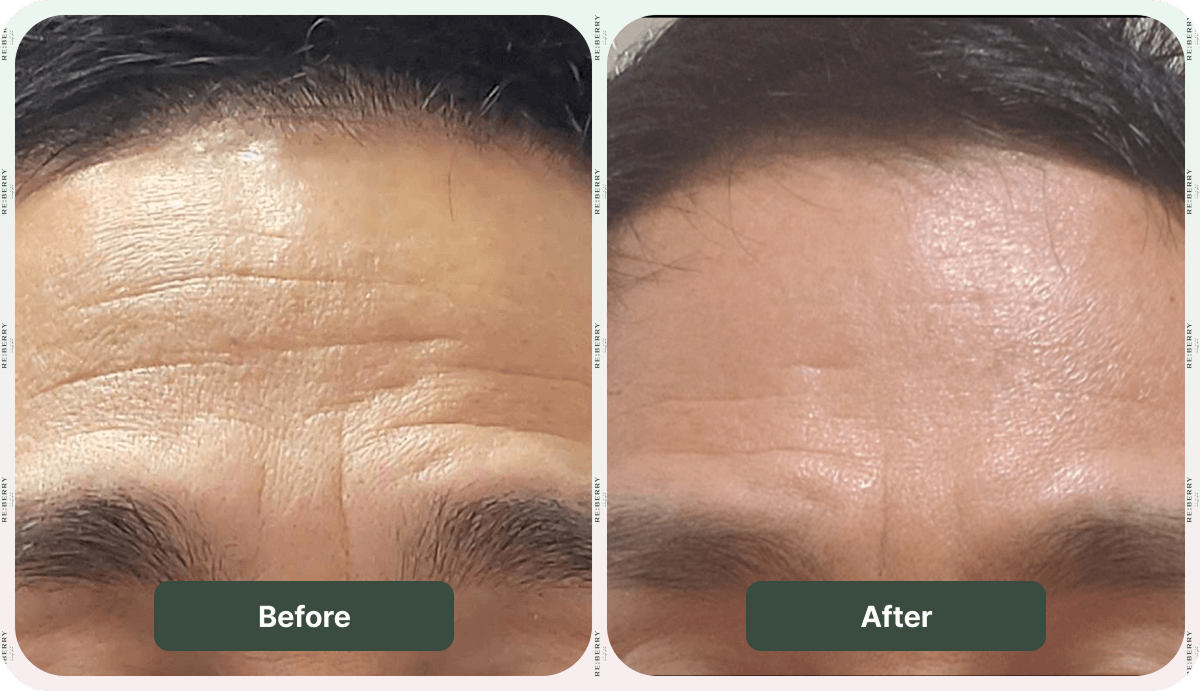
While Botox results don’t last forever, there are several practical steps you can take to make them last longer. Some are tips:
Choose an experienced and Qualified Aesthetic Medicine Specialist
The most important factor is to find a skilled injector who knows how to assess your muscle strength, select the right dose, and place injections accurately. If precise dosing is given, it leads to optimal longevity of treatment.
Take Care of Your Skin After Treatment
For the day after your Botox injection, don’t rub or massage the treated area. Also, avoid intense workouts. This will help the Botox settle into the correct muscle tissue and reduce the risk of migration.
Protect Your Skin from the Sun
UV exposure breaks down collagen and accelerates skin aging, both of which work against Botox results over time. So always wear sunscreen with at least SPF 30. It will help your Botox last longer.
Avoid Smoking & Excess Alcohol Intake
Smoking significantly reduces your skin quality and is linked to faster Botox metabolism. Limiting alcohol helps, too, as it can increase inflammation and reduce the body’s ability to maintain the effects of injectable treatments.
Maintain a Consistent Treatment Schedule
To keep your Botox working, you should get treatments every 12 weeks. Over time, the targeted muscles gradually learn to stay relaxed. They weaken just enough that the same dose goes further and results hold for longer.
Avoid Exercise Immediately After Treatment
When you exercise right after treatment, your blood flow increases significantly, and that can push the Botox away from the injection site before it has had the chance to properly settle. Give yourself at least 24 hours before returning to intense activity.
Prioritize Sleep
Your body does the majority of its repair and regeneration while you sleep. Consistent, quality sleep reduces inflammation, supports skin cell renewal, and helps your body maintain the effects of injectable treatments for longer.
Get Long-Lasting Botox Results at Reberry Clinic
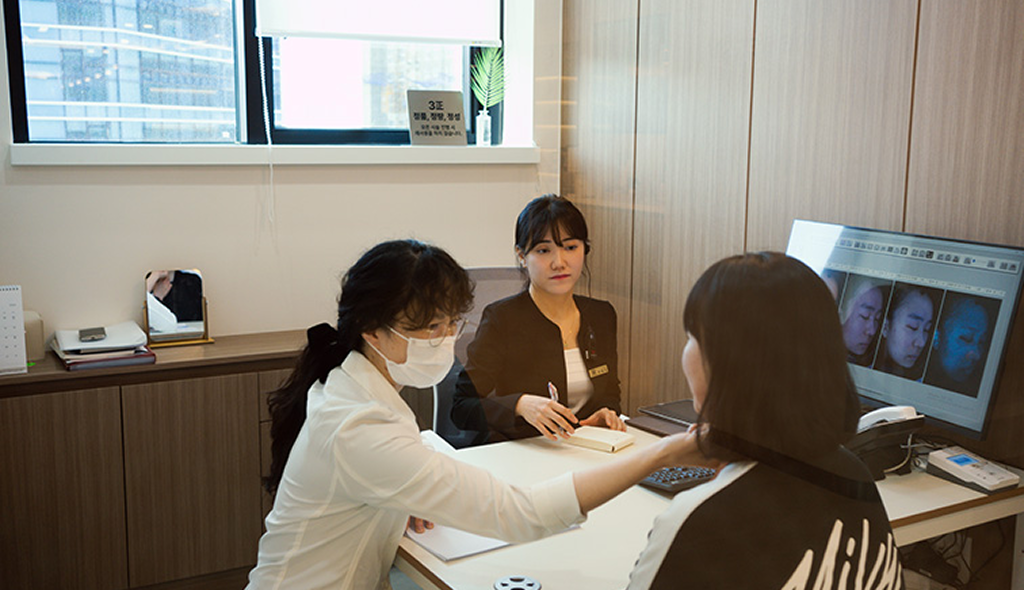
Botox is an effective and well-researched treatment for getting a natural and refreshed appearance. The right dosage, the right placement, and the right treatment plan for your specific facial anatomy make all the difference between results that fade soon and results that look natural and hold for months. It is not something that comes from a brand or a formula; it comes from experience, precision, and care that puts your aesthetic goals first.
At Reberry Clinic, our experienced Board-Certified Dermatology Team uses FDA-approved botulinum toxin products and will review each patient’s unique face before administering their treatments. Over the years, we have built a reputation for expert technique, an individualized approach, and a genuine commitment to patient satisfaction, making every Botox treatment at Reberry a confident step toward the skin you want.