



Gangnam
Dr. Yoon-Gon Ryu
Aesthetic Medicine Specialist
Flagship clinic · KOL for leading lifting & regenerative devices · Featured in Authority Magazine (2026)

Once laser clears an age spot on the hands, that spot usually stays cleared for years, but ongoing UV exposure drives new pigment in roughly 20 to 40 percent of cases within 12 months.
Hand pigmentation treatment in Korea lasts for years on the specific spots cleared, because laser removes the existing pigment rather than hiding it. Cleared age and sun spots typically stay cleared, but hands get constant UV exposure, so new spots can form over months to years without daily sunscreen. It is durable clearance with ongoing prevention, not a one-time fix.
One-on-One guidance from a dedicated doctor, ensuring your skin is professionally monitored and treated from start to finish.
Fluent assistance in English, Japanese, and Chinese, making communication clear, respectful and comfortable for international patients.
Over 100,000 patients worldwide have received our personalized dermatological care, highlighting our expertise and reliable results.
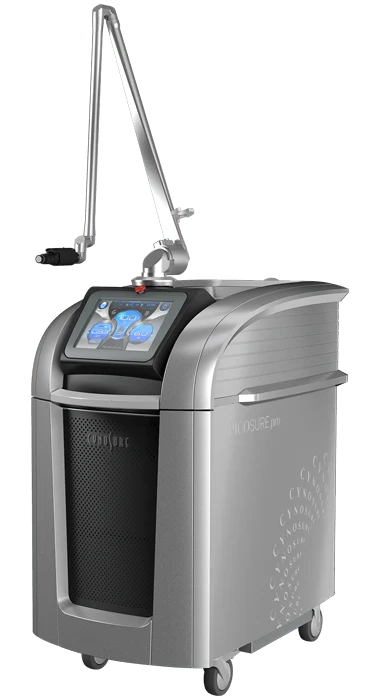
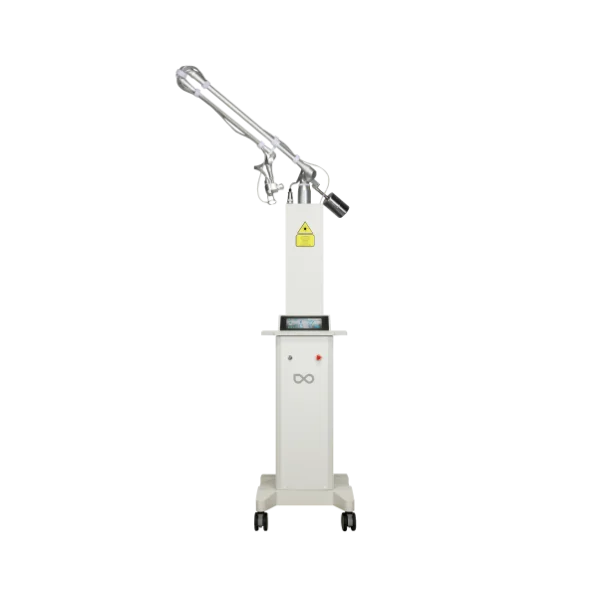
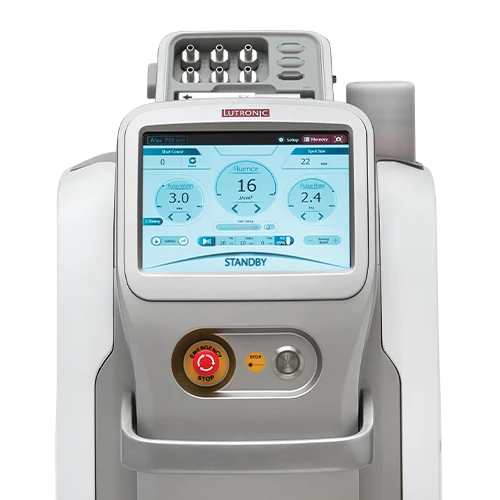
Hand pigmentation treatment targets age spots (solar lentigines), sun spots, and freckle-like marks on the backs of the hands, usually with a pigment-selective Q-switched or picosecond laser. The laser shatters clusters of melanin so the body clears them, and once a specific lentigo is cleared it does not simply refill. That is why the treated spots often stay clear for several years.
The catch is location. Hands are among the most sun-exposed areas of the body, second only to the face, and receive UV all year through car windows, walking, and daily errands. Because the melanocytes that made the original spots are still present, fresh UV can trigger new pigment nearby. So the honest picture is durable clearance of what was treated, paired with a real chance of new spots forming over time if sun protection lapses.
At Reberry Clinic, hand pigmentation care is consultation-led in Korea, with the clinic’s doctors matching the laser and settings to your skin tone and spot depth, then planning realistic longevity and prevention. International patients are supported in English across our Seoul locations and Incheon Airport.
Pigment-selective lasers work by selective photothermolysis: a Q-switched or picosecond pulse is absorbed by melanin far faster than surrounding tissue can heat, fracturing the pigment into fragments that immune cells then remove over 1 to 4 weeks. Because the melanin in a treated lentigo is physically cleared rather than lightened, that particular spot does not gradually return the way a masked or bleached spot would. Studies using objective colorimeter measurement report brown coloration of treated lentigines improving by roughly 1.8-fold after a session. What the laser cannot switch off is the underlying tendency of sun-exposed skin to make new pigment. The melanocytes survive, and every fresh dose of UV on unprotected hands nudges them to produce more melanin, which is why recurrence data for hand and facial lentigines sits meaningfully higher without photoprotection. Longevity is therefore a two-part story: the treated spots stay gone, while diligent daily sunscreen decides how quickly, if at all, new ones appear.
One Reberry Clinic, multiple Seoul-area locations. Pricing & current promotions are listed on each branch's own site — tap a clinic to view pricing & book.
Our flagship in the heart of Gangnam.
In Seoul's shopping & tourism heart.
A beauty stop between flights.
The newest Reberry Clinic — in Seoul's trend district.
ONE REBERRY CLINIC · MFDS-REGISTERED DEVICES · MULTILINGUAL CARE AT EVERY LOCATION
For the first 1 to 3 days treated spots often look darker or form a fine crust as fractured pigment rises.
Over about 1 to 2 weeks the crust flakes and the spot lightens as immune cells remove the shattered pigment.
By roughly 4 weeks the treated lentigo is cleared, and that specific spot typically stays cleared for years.
From that point, daily sunscreen determines whether new spots form; unprotected hands can develop fresh pigment within 12 months.
Many patients return every 1 to 2 years to clear any new spots, rather than repeating a full course.

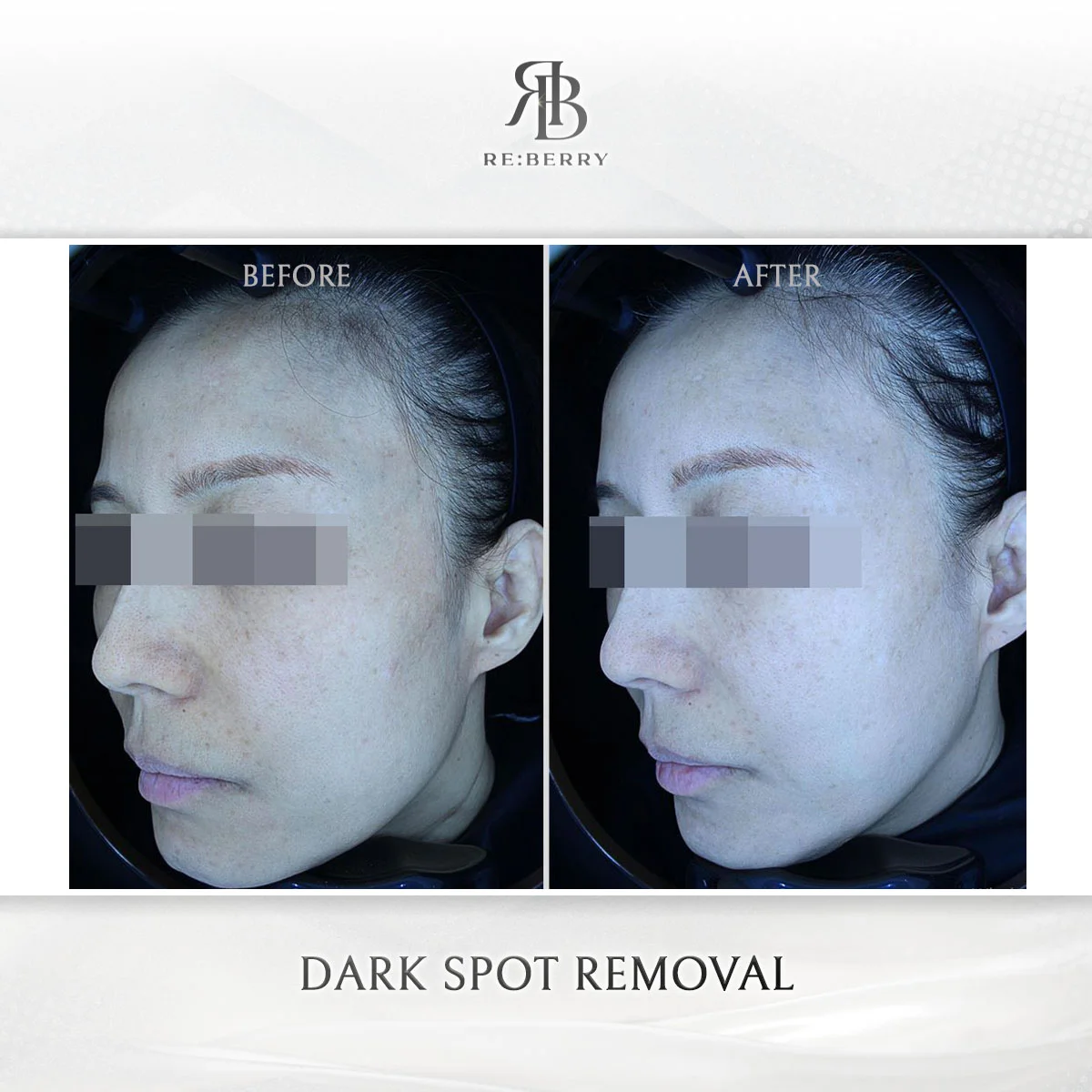
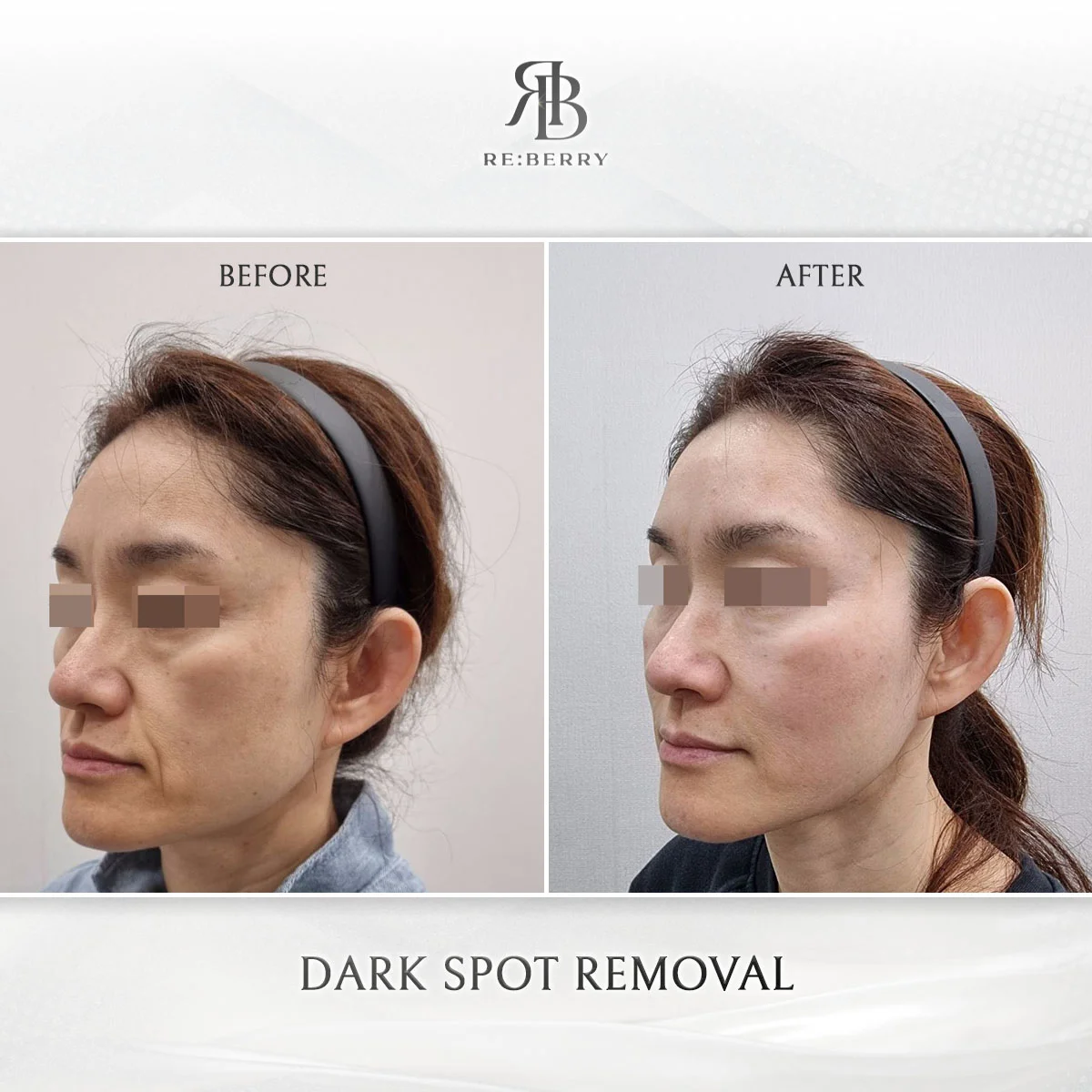
See representative outcomes from Reberry Clinic. Results build gradually and vary by individual; your plan is assessed at consultation.
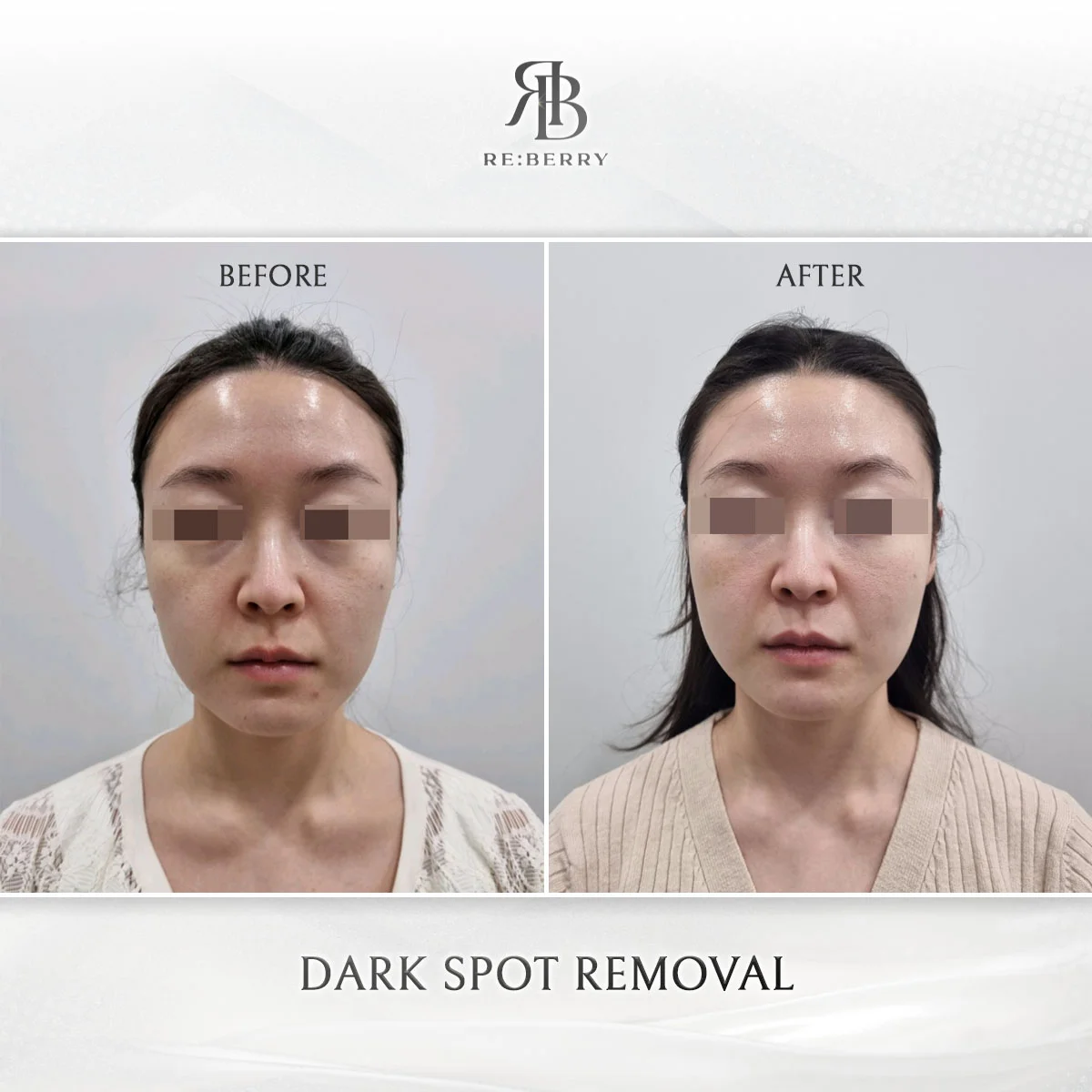
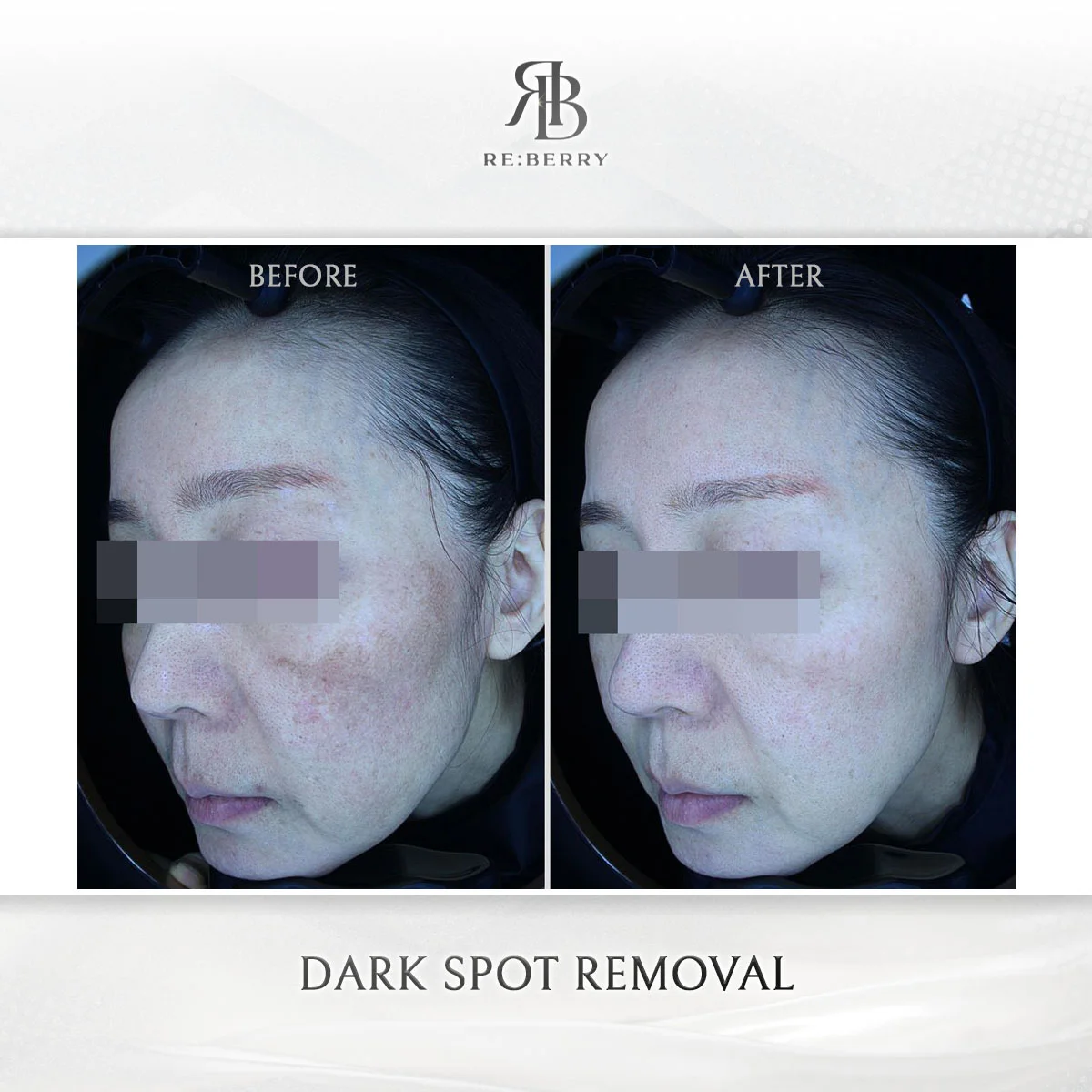
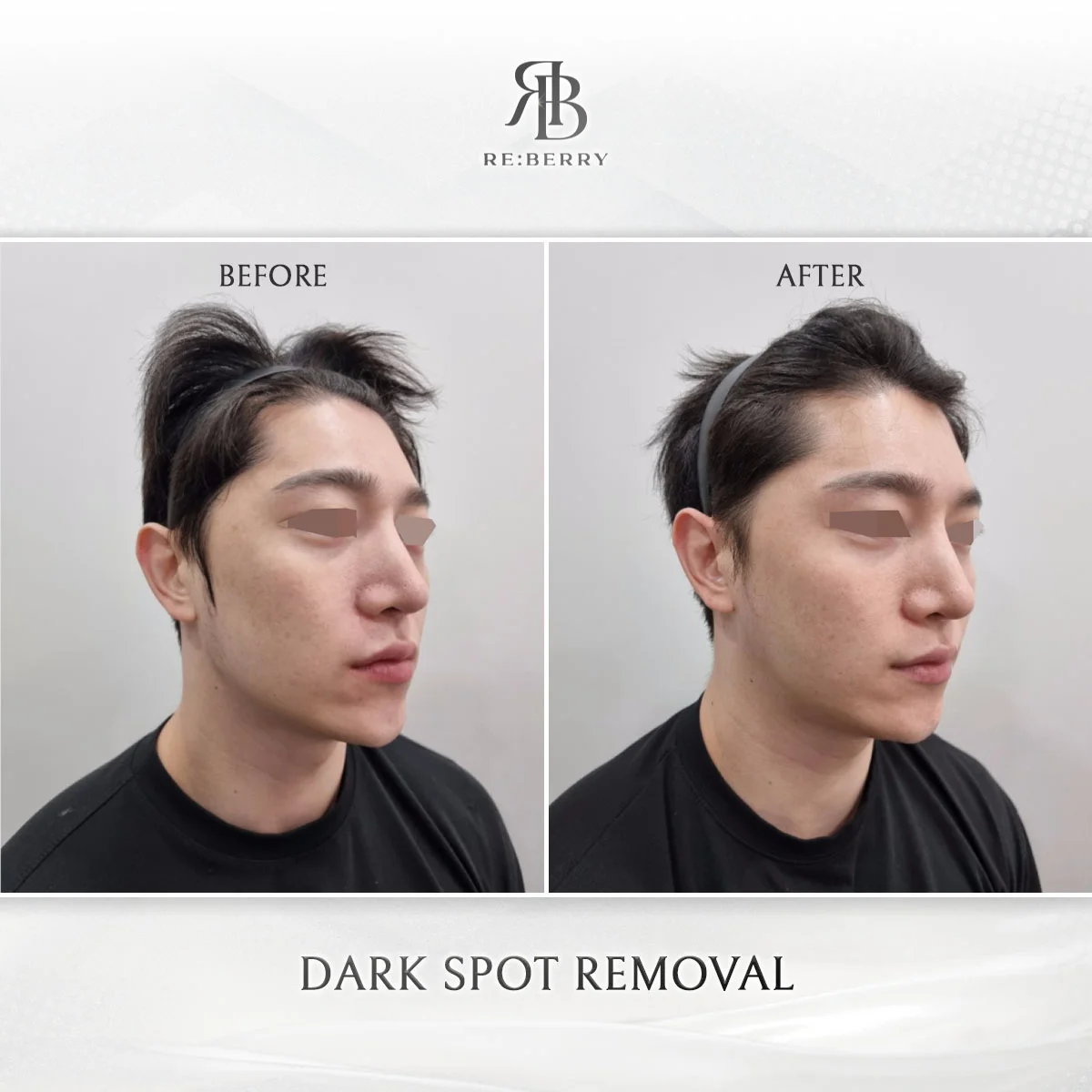
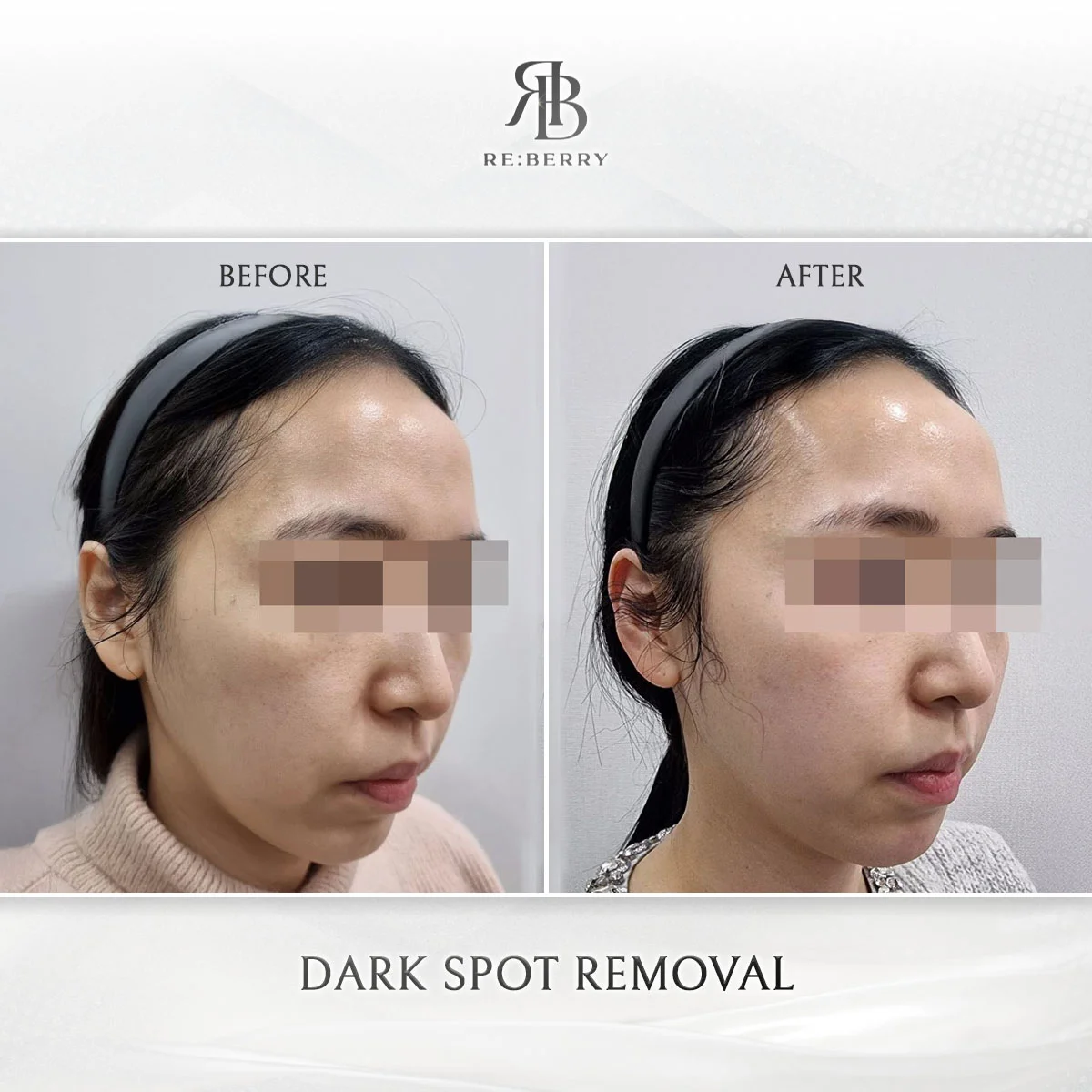
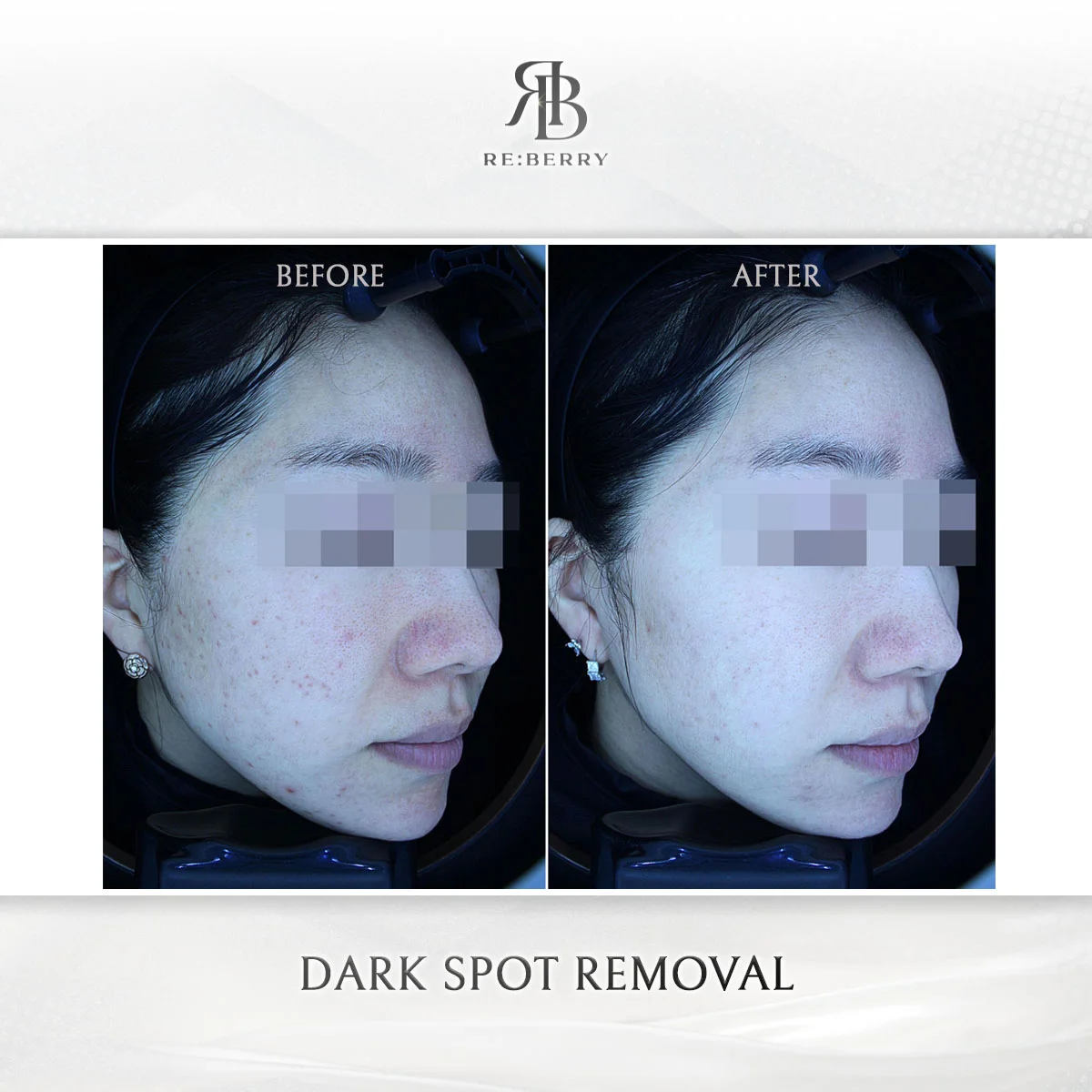
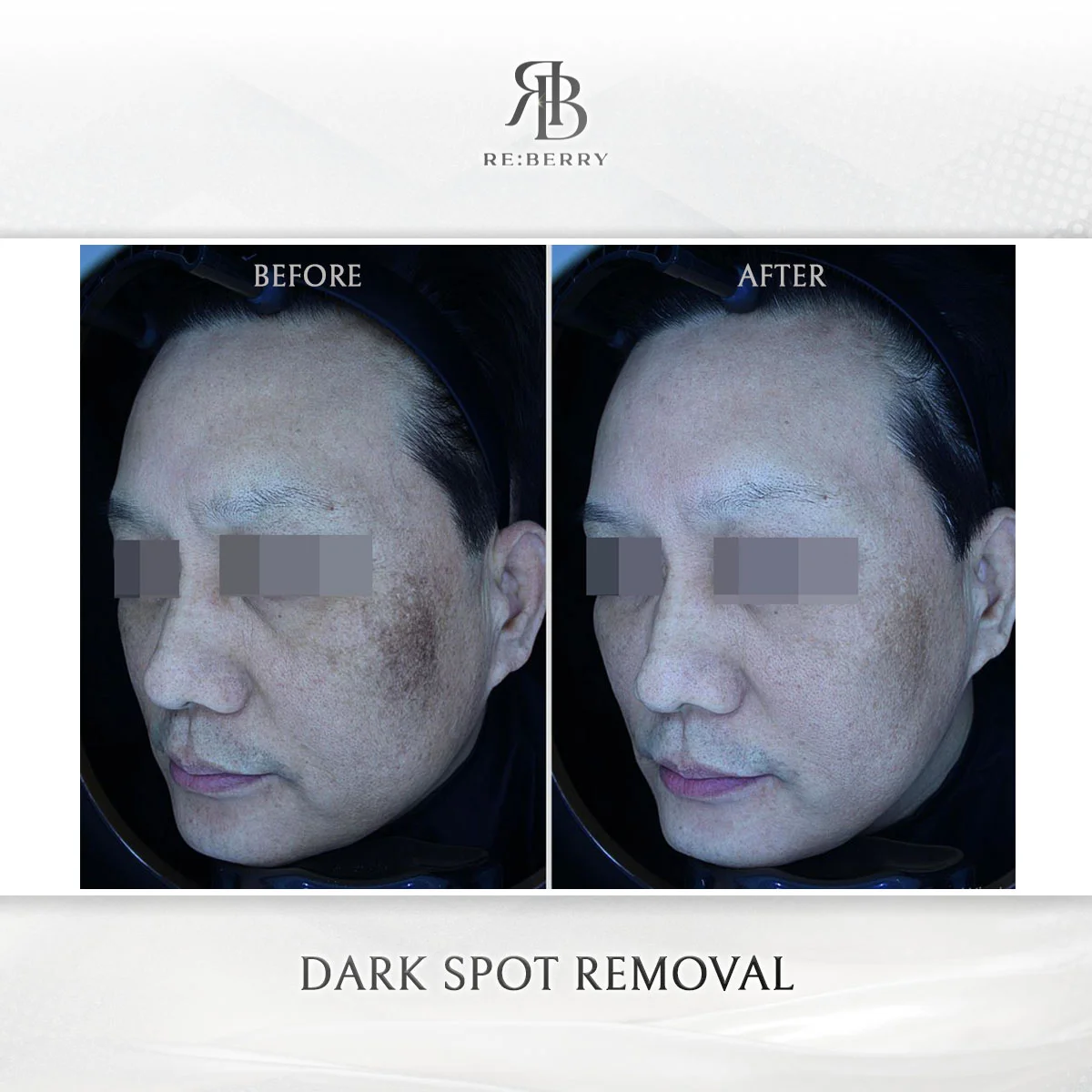
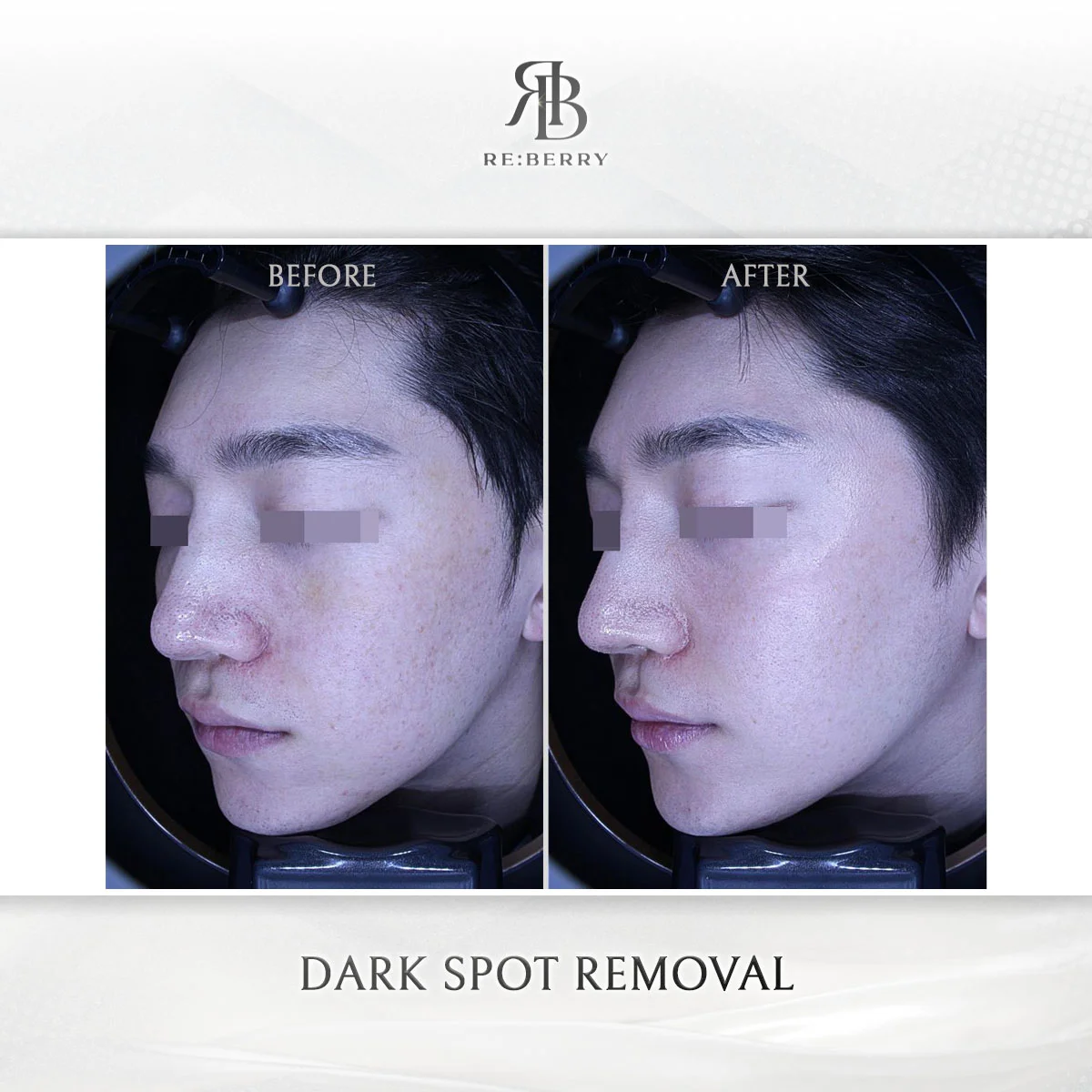
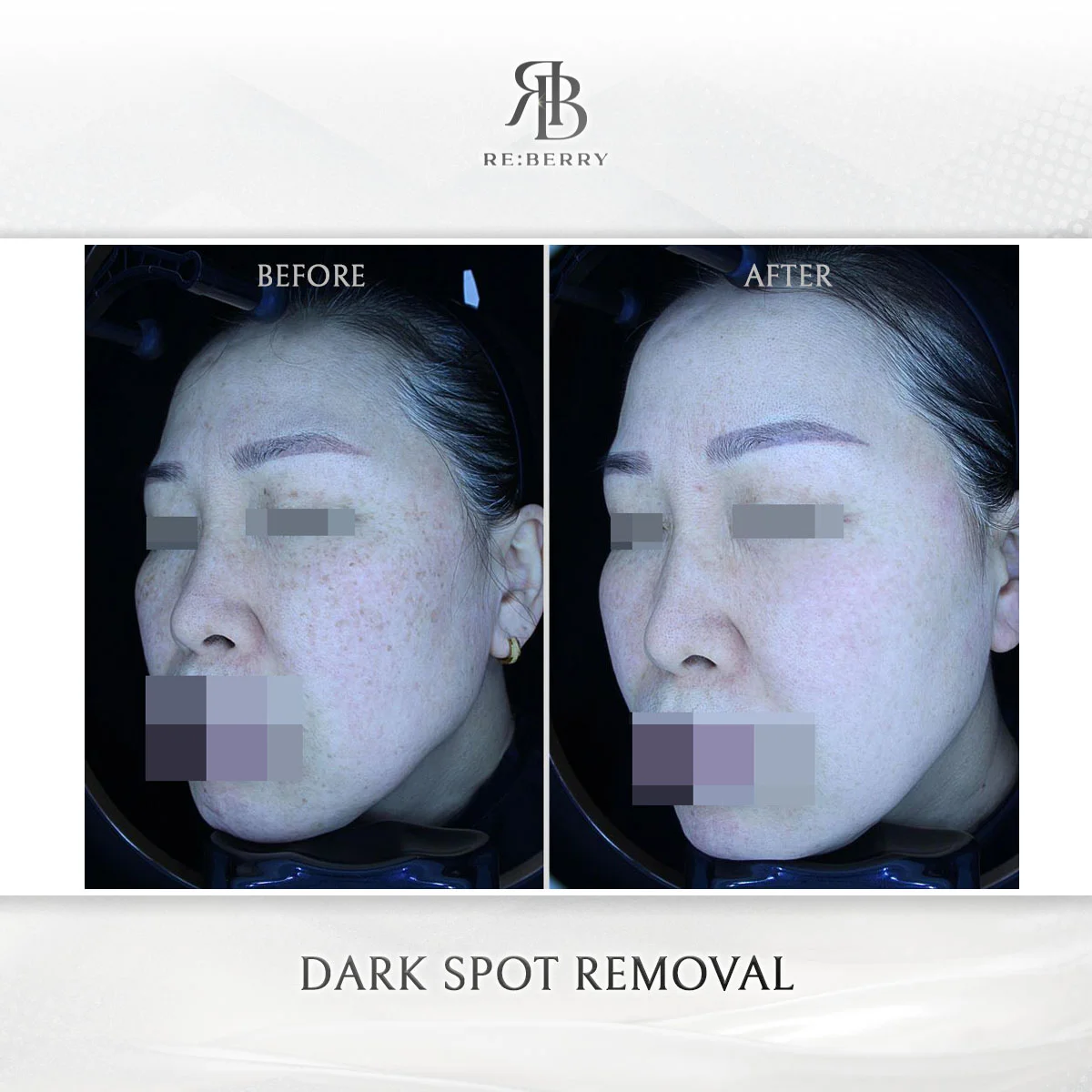
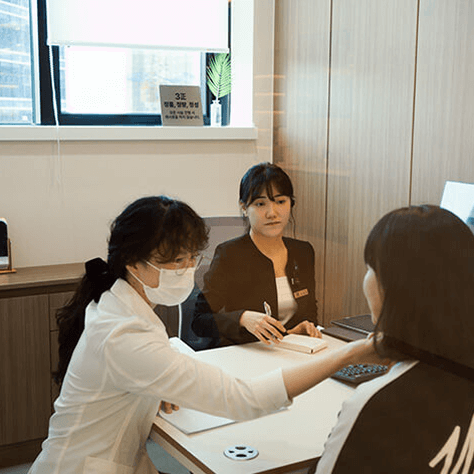
The clinic’s doctors assess your spots, skin tone, and sun habits, then explain in English how long clearance is likely to last for you.
After a short numbing period, treating the backs of both hands usually takes about 10 to 20 minutes depending on spot count.
Expect fine crusting for roughly 1 to 2 weeks as the treated pigment lifts and flakes away.
Treated spots settle to cleared by around 4 weeks, then typically stay cleared for years.
Daily sunscreen on the hands and gloves in strong sun are the main levers on how long results hold.
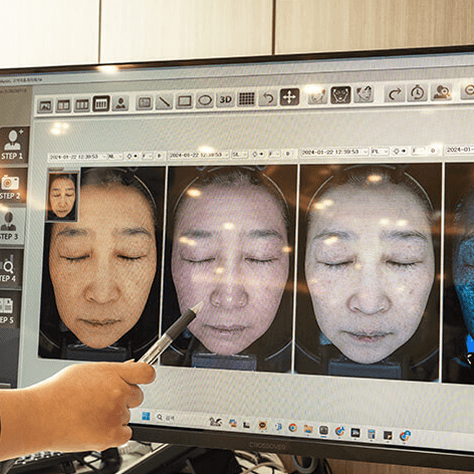

The specific spots cleared usually stay cleared for years, because laser removes the pigment rather than masking it. However, hands receive constant UV, so new spots can appear over months to years without protection. Think of it as durable clearance plus ongoing prevention, not a one-time fix. You can review options on our dark spot removal page.
A specific age spot that is fully cleared does not typically refill, because its pigment has been physically removed. What can happen is that surviving melanocytes make brand-new spots nearby when hands stay unprotected. So the original spots tend to stay gone while fresh ones may form, which is why daily sunscreen is central to long-term results.
Hands are among the most sun-exposed areas of the body and are rarely covered by sunscreen through the day, unlike the face. That constant UV keeps stimulating pigment, so new spots appear sooner on unprotected hands. Diligent reapplication of sunscreen after washing, plus gloves in strong sun, meaningfully slows how quickly new pigment forms.
Most defined hand lentigines respond within 1 to 3 sessions, with many single spots clearing after one well-targeted pass. Deeper or clustered pigment may need more. Your doctor confirms the plan at consultation and can space sessions around healing. Related pigment options are outlined on our laser treatment page.
Apply broad-spectrum sunscreen to the hands every morning and reapply after washing, since hands lose product quickly. Wear gloves or use shade in strong sun and avoid deliberate tanning. These habits are the biggest lever on longevity, as detailed on our skin care page, and matter more than any single treatment choice.
Most patients describe a quick snapping or hot rubber-band sensation per spot rather than sustained pain, and numbing can be used for sensitive skin. Treating both hands typically takes only 10 to 20 minutes. Comfort does not affect how long the result lasts, which depends on pigment clearance and sun protection afterwards.
Expect the treated spots to darken then form fine crusts for about 1 to 2 weeks before flaking away to reveal clearer skin. Keep the area moisturised and protected during healing. Picking crusts early can cause temporary post-inflammatory marks, so letting them shed naturally protects your final result.
Yes, any new spots that appear over time can be cleared individually, usually in a quick touch-up rather than a full new course. Many patients return every 1 to 2 years for this. Because the approach is spot-by-spot, maintenance stays simple. You can see the full range on our dark spot removal page.
For defined age and sun spots, pigment-selective laser tends to give the most durable clearance because it removes pigment directly, while IPL suits mixed tone and redness. Neither stops new spots without sun care. Your doctor recommends the fit for your skin, and you can compare on our laser treatment page.
Treatment aims for even clearance, but hands often carry spots of different depths, so some may need an extra pass. Deeper dermal pigment can take longer than surface spots. Your doctor assesses each hand at consultation and plans sessions so tone settles as evenly as possible, then reviews progress after healing.
Yes, gentle brightening care or a periodic hydrating facial for the hands can support skin quality between laser sessions, though they are spaced to avoid irritation. Combining with strict daily sun protection is what most extends clearance. Your doctor sequences everything around your skin and longevity goals.
No, longevity and clearance vary with skin tone, spot depth, age, and sun habits. Deeper skin tones need careful settings to avoid post-inflammatory pigment, which is why screening matters. A consultation gives a realistic estimate for your skin, and the clinic’s doctors adjust the approach to keep results safe and durable.
Yes, frequent outdoor time, driving with hands on the wheel, and skipping sunscreen all speed up new pigment, while consistent protection slows it. Smoking and skin ageing also play a role. The habits you keep after treatment influence longevity as much as the session itself, so aftercare is treated as part of the result.
Plan about 2 to 4 days so you can have a consultation and the treatment, and start healing before travelling. Since crusting takes 1 to 2 weeks to finish, most of the visible recovery happens after you leave. Our English-speaking team helps coordinate timing around your schedule in Korea.
Yes, flying within a day or two is generally fine, and the treated spots will continue crusting and clearing over 1 to 2 weeks wherever you are. Keep hands moisturised and shielded from sun while travelling. Your doctor confirms aftercare so healing stays on track once you are home.
International patients can assess results at home once crusting finishes, with remote check-ins in English to review healing and any new spots. Touch-ups for fresh pigment can be planned around future trips, and your treatment notes are kept on file so any repeat visit builds on your previous result.
| Q-switched / Picosecond Laser | IPL (Intense Pulsed Light) | Topical Brightening | |
|---|---|---|---|
| Mechanism | Pigment-selective pulses shatter melanin for removal | Broadband light heats and lifts surface pigment | Ingredients slow melanin production over weeks |
| Best for | Defined age and sun spots on the hands | Diffuse redness plus lighter mixed spots | Mild, diffuse dullness and prevention |
| Results timeline | Spots clear over 1 to 4 weeks per session | Gradual over 3 to 5 sessions | Slow, over 8 to 12 weeks of use |
| How long cleared spots last | Cleared spots usually stay cleared for years | Lighter spots may return sooner without care | Fades if product use stops |
| Downtime | Crusting for about 1 to 2 weeks | Little to none, mild flaking | None |
| Sessions | Often 1 to 3 | Typically 3 to 5 | Ongoing daily use |
| Cost factors | Depends on number of spots and sessions | Depends on area and session count | Depends on products over time |
Real verified reviews from our Google Business Profile, across all Reberry Clinic locations.
PULLED LIVE FROM GOOGLE · GANGNAM · MYEONGDONG · INCHEON AIRPORT
Your treatment is planned and performed by experienced, MFDS-registered doctors across our Seoul-area clinics, with multilingual support for international patients.
Flagship clinic · KOL for leading lifting & regenerative devices · Featured in Authority Magazine (2026)

Multilingual tourist care beside Myeongdong Cathedral

Fast, effective care 20 minutes from the terminals
Message us on WhatsApp for a free consultation in English about hand pigmentation treatment and how to keep results.