



Gangnam
Dr. Yoon-Gon Ryu
Aesthetic Medicine Specialist
Flagship clinic · KOL for leading lifting & regenerative devices · Featured in Authority Magazine (2026)

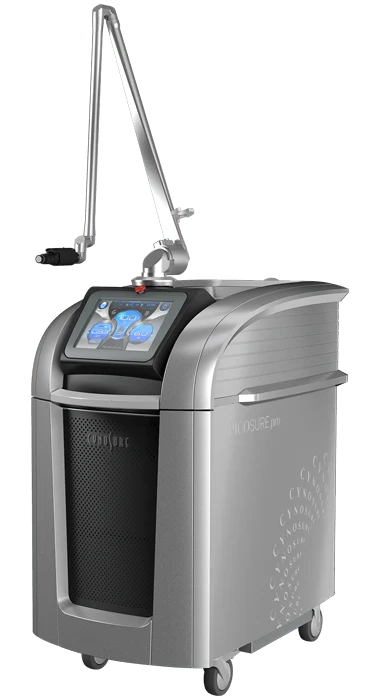
Because laser toning uses gentle low-fluence pulses, brightness typically builds over 5 or more sessions and holds for months, while melasma recurs in roughly 30 to 60 percent of cases without upkeep.
Laser toning results typically last several months of brighter, more even skin, then need maintenance because the low-fluence approach lightens pigment gradually rather than removing it in one pass. Discrete spots cleared alongside toning tend to stay cleared, but melasma is chronic and recurs, so ongoing sessions and daily sun care hold the result. It is maintained, not a fix.
One-on-One guidance from a dedicated doctor, ensuring your skin is professionally monitored and treated from start to finish.
Fluent assistance in English, Japanese, and Chinese, making communication clear, respectful and comfortable for international patients.
Over 100,000 patients worldwide have received our personalized dermatological care, highlighting our expertise and reliable results.
Laser toning is a series of gentle, low-fluence 1,064 nm Q-switched Nd:YAG passes that lightens excess pigment and evens skin tone with little to no downtime. Rather than aggressively destroying a spot in one shot, it nudges melanin down gradually over several sessions, which is why it suits delicate concerns like melasma and general dullness. The trade-off is that gradual lightening also means the result is a level you maintain, not a permanent erasure.
How long it lasts depends on what you are treating. General brightness and a more even tone usually hold for months after a completed course, then benefit from periodic top-ups. Discrete sun spots cleared during the process tend to stay cleared. Melasma, however, is a chronic relapsing condition, so even a good toning result tends to drift back over 6 to 12 months without maintenance and strict sun care. Honest expectations are part of good treatment.
At Reberry Clinic, laser toning is consultation-led in Korea, with the clinic’s doctors setting gentle parameters to your skin tone and concern, then planning a realistic longevity and maintenance schedule. International patients are supported in English across our Seoul locations and Incheon Airport.
Laser toning relies on sub-cellular selective photothermolysis: repeated low-fluence 1,064 nm Q-switched Nd:YAG pulses deliver just enough energy to fragment melanosomes and reduce pigment without the inflammation that higher energies cause. This gentleness is deliberate, because melasma-prone skin reacts to aggressive laser energy with rebound darkening, so the strategy is many soft passes rather than one strong one. The result is a gradual, cumulative lightening that reaches its best after a series, commonly 5 or more sessions spaced roughly 1 to 2 weeks apart. Because the pigment is lowered rather than the pigment-producing machinery being switched off, the melanocytes remain capable of making more, especially under UV and heat. Korean studies report meaningful improvement of about 50 to 75 percent after a course, alongside well-documented partial recurrence within months when maintenance and sun protection lapse. So the durable part is the discrete lentigines that clear along the way, while the even-tone and anti-melasma effect is a level held through periodic maintenance and diligent daily photoprotection.
One Reberry Clinic, multiple Seoul-area locations. Pricing & current promotions are listed on each branch's own site — tap a clinic to view pricing & book.
Our flagship in the heart of Gangnam.
In Seoul's shopping & tourism heart.
A beauty stop between flights.
The newest Reberry Clinic — in Seoul's trend district.
ONE REBERRY CLINIC · MFDS-REGISTERED DEVICES · MULTILINGUAL CARE AT EVERY LOCATION
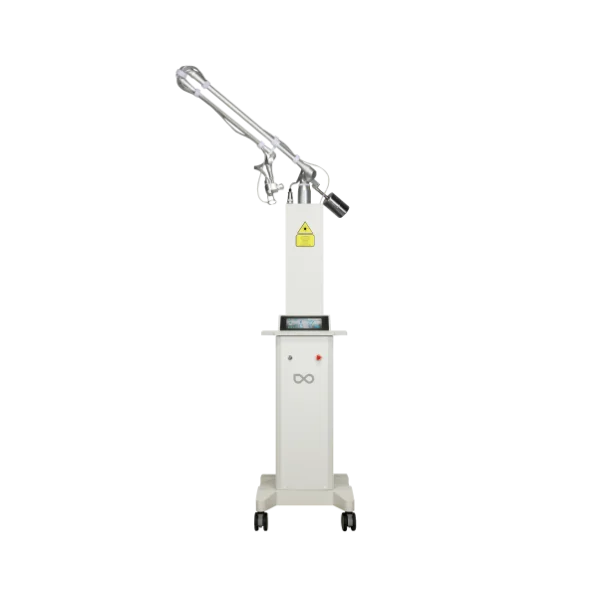
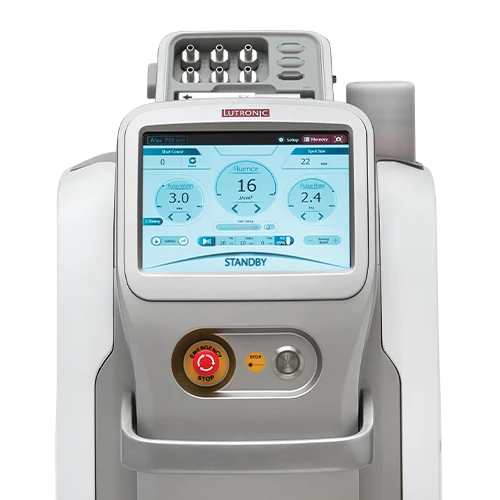
Early sessions produce subtle brightening, since each low-fluence pass lightens pigment only a little on purpose.
Over a series of about 5 or more sessions spaced 1 to 2 weeks apart, tone becomes visibly more even.
The clearest brightness usually appears within 2 to 4 weeks of finishing the full course, then stabilises for a period of months.
Melasma commonly drifts back within 6 to 12 months without maintenance, while cleared discrete spots stay cleared.
Top-up sessions roughly every 1 to 3 months plus daily sun protection hold the result rather than letting pigment fully return.
See representative outcomes from Reberry Clinic. Results build gradually and vary by individual; your plan is assessed at consultation.
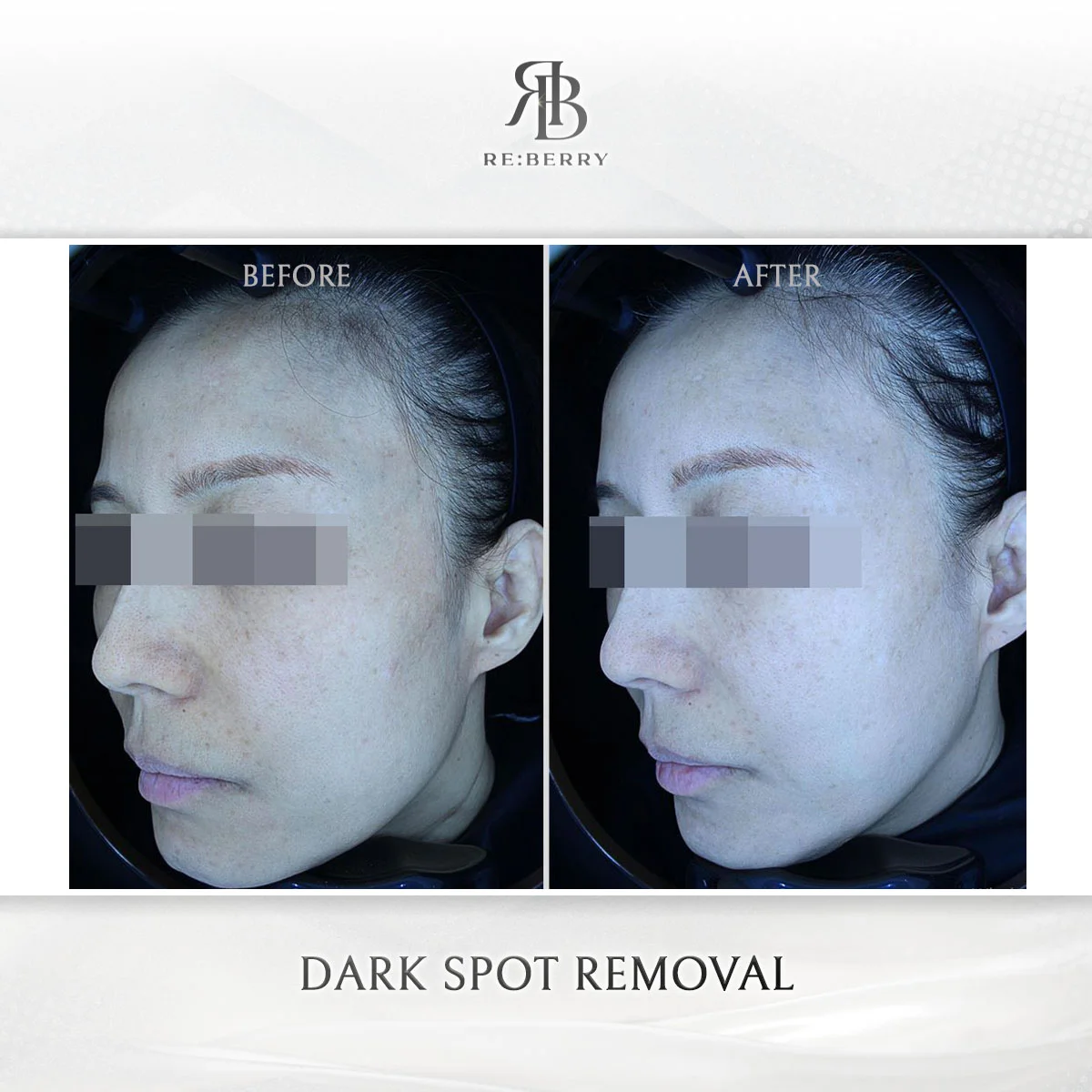
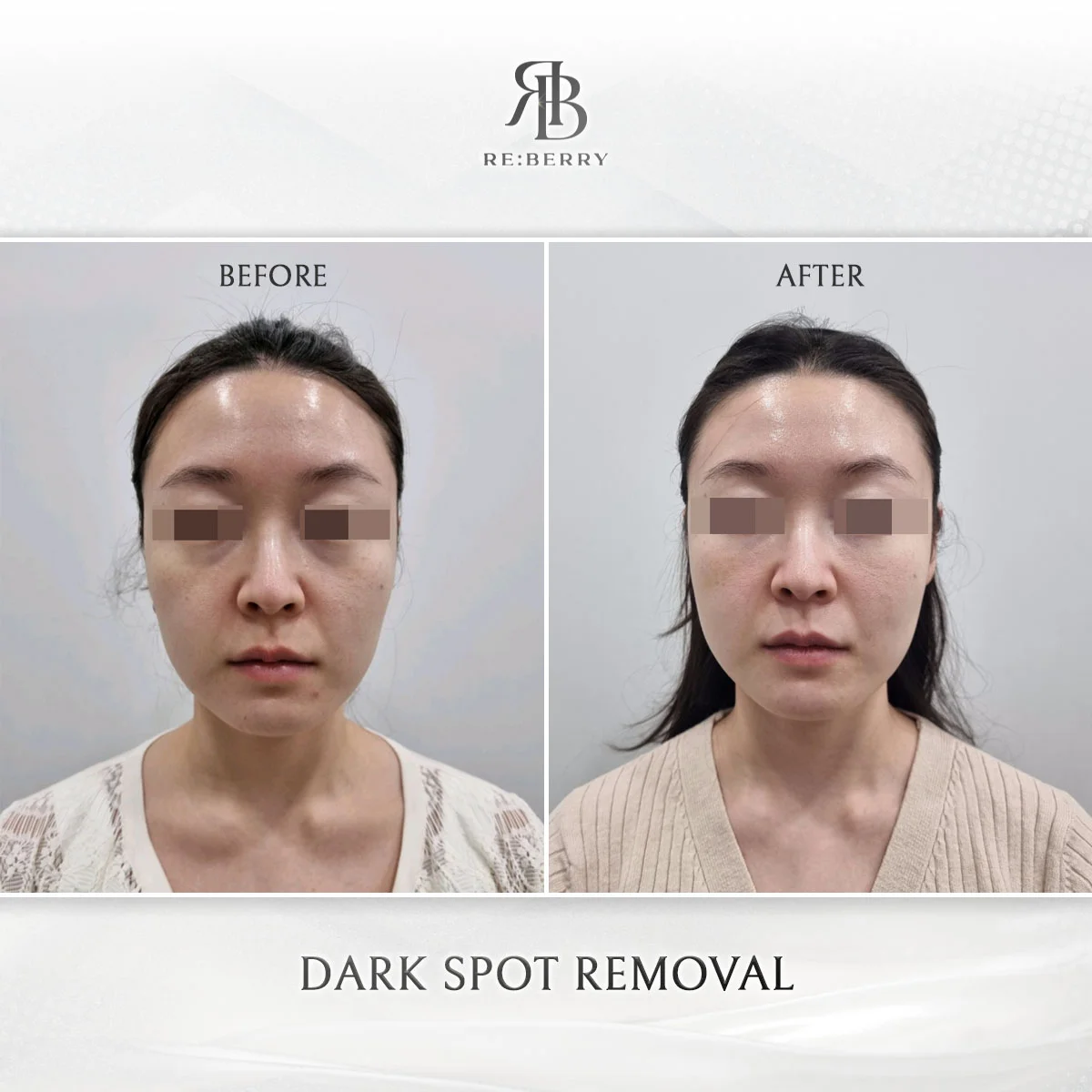
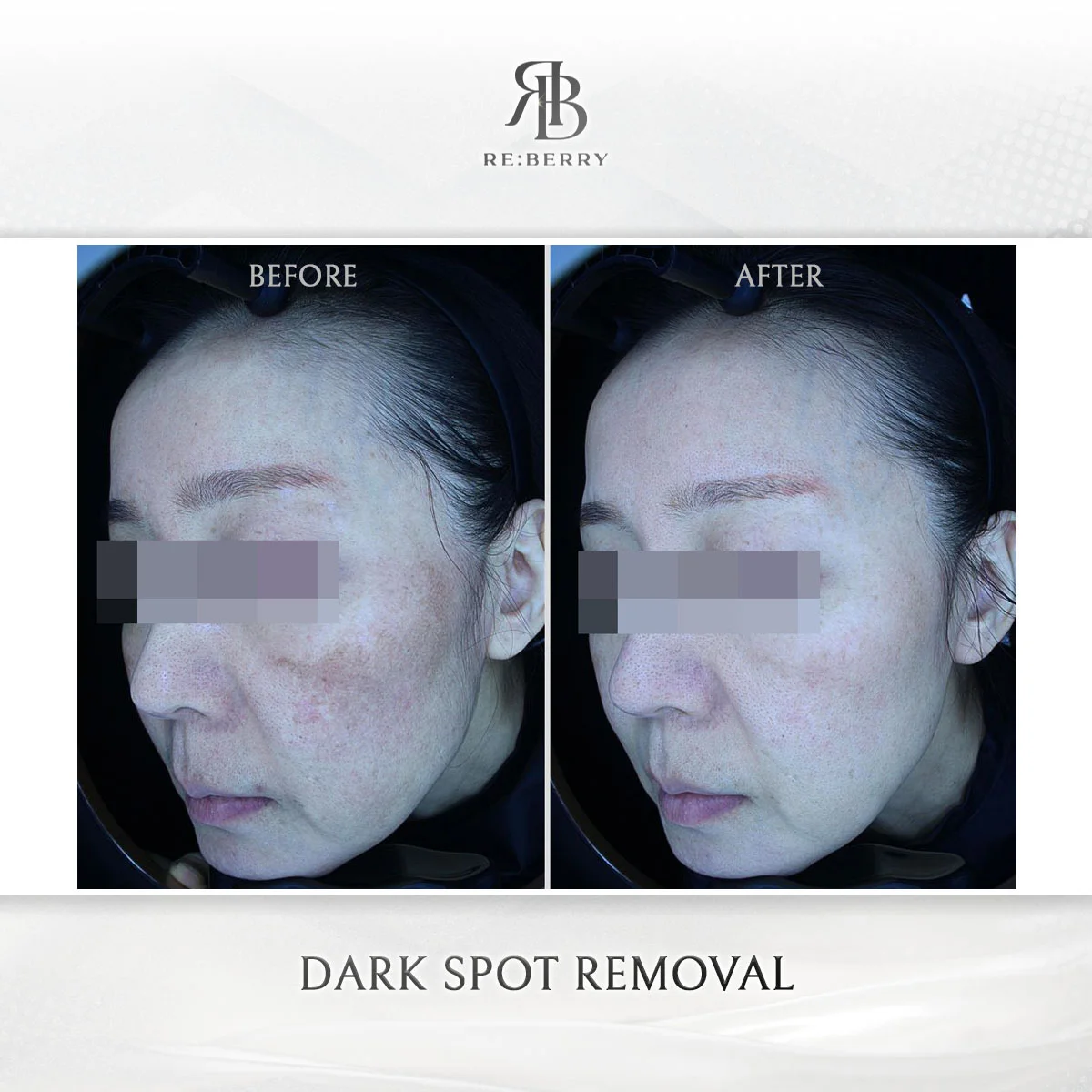
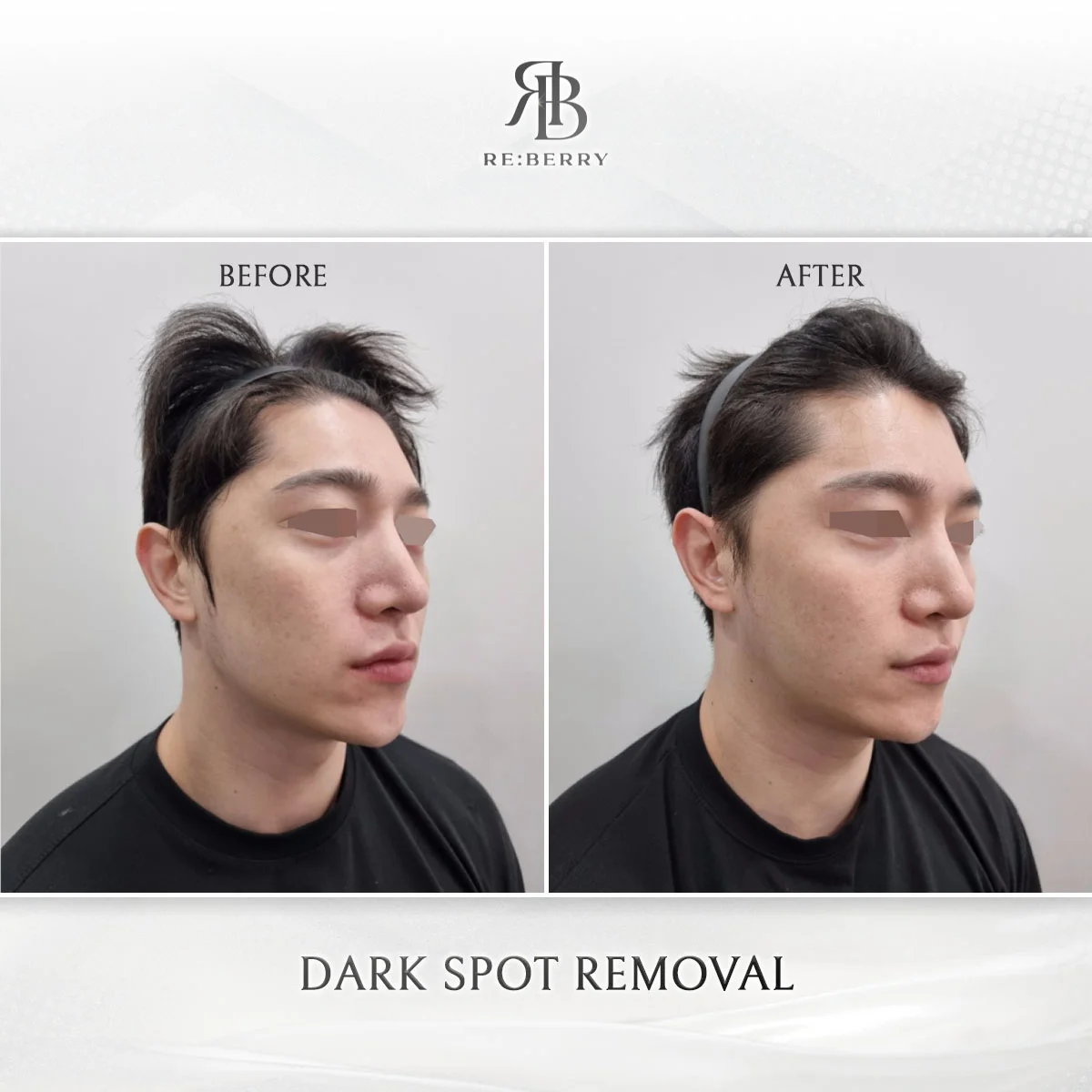
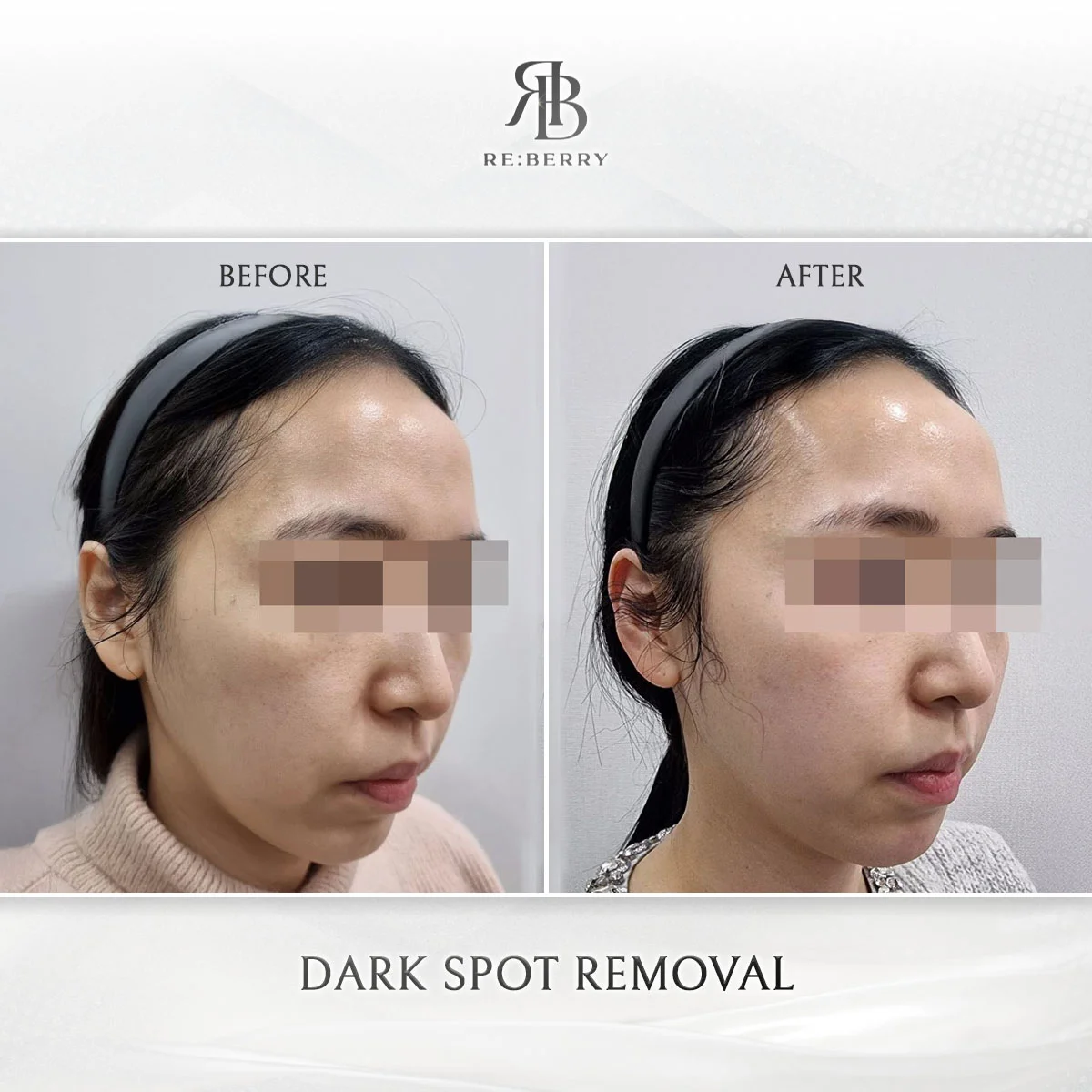
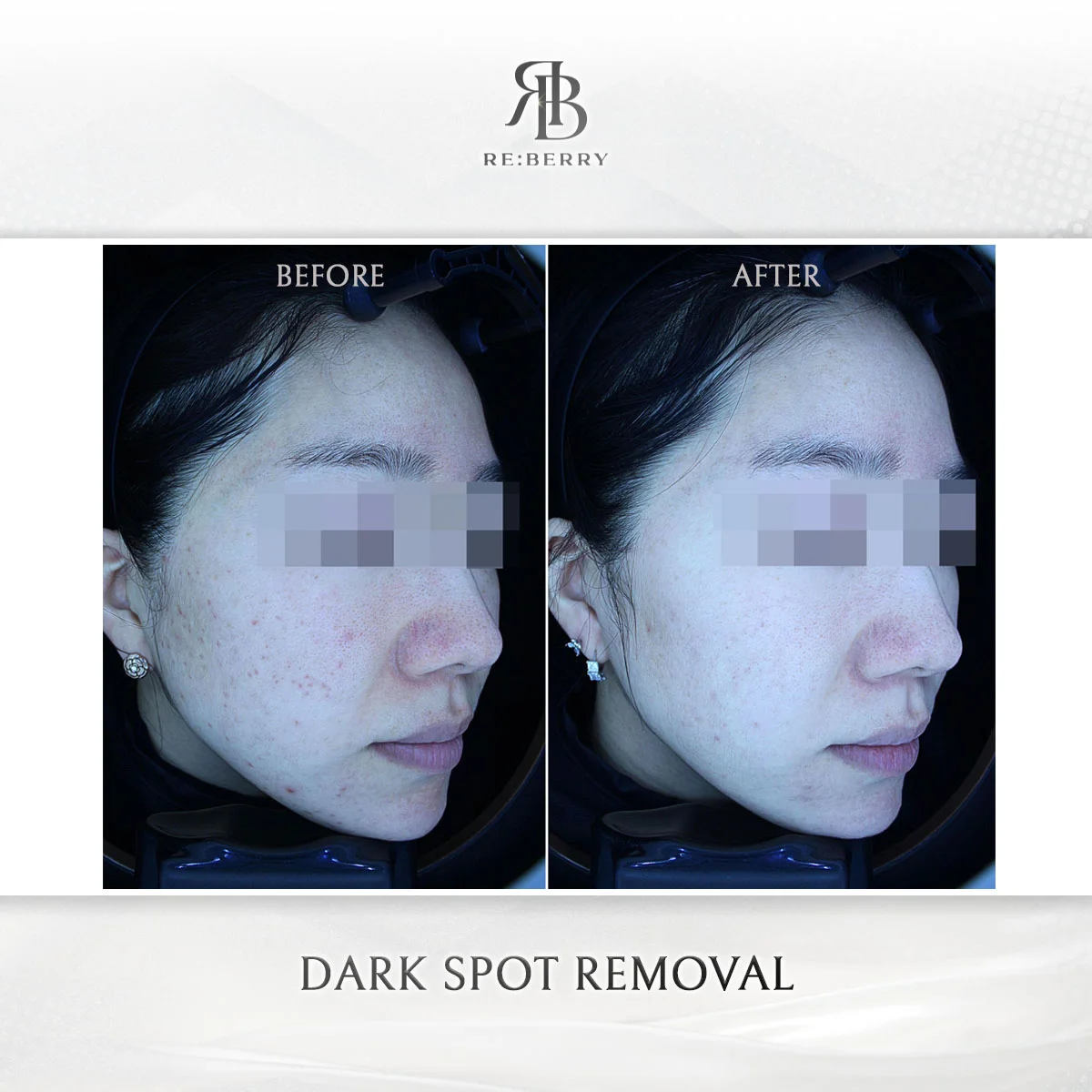
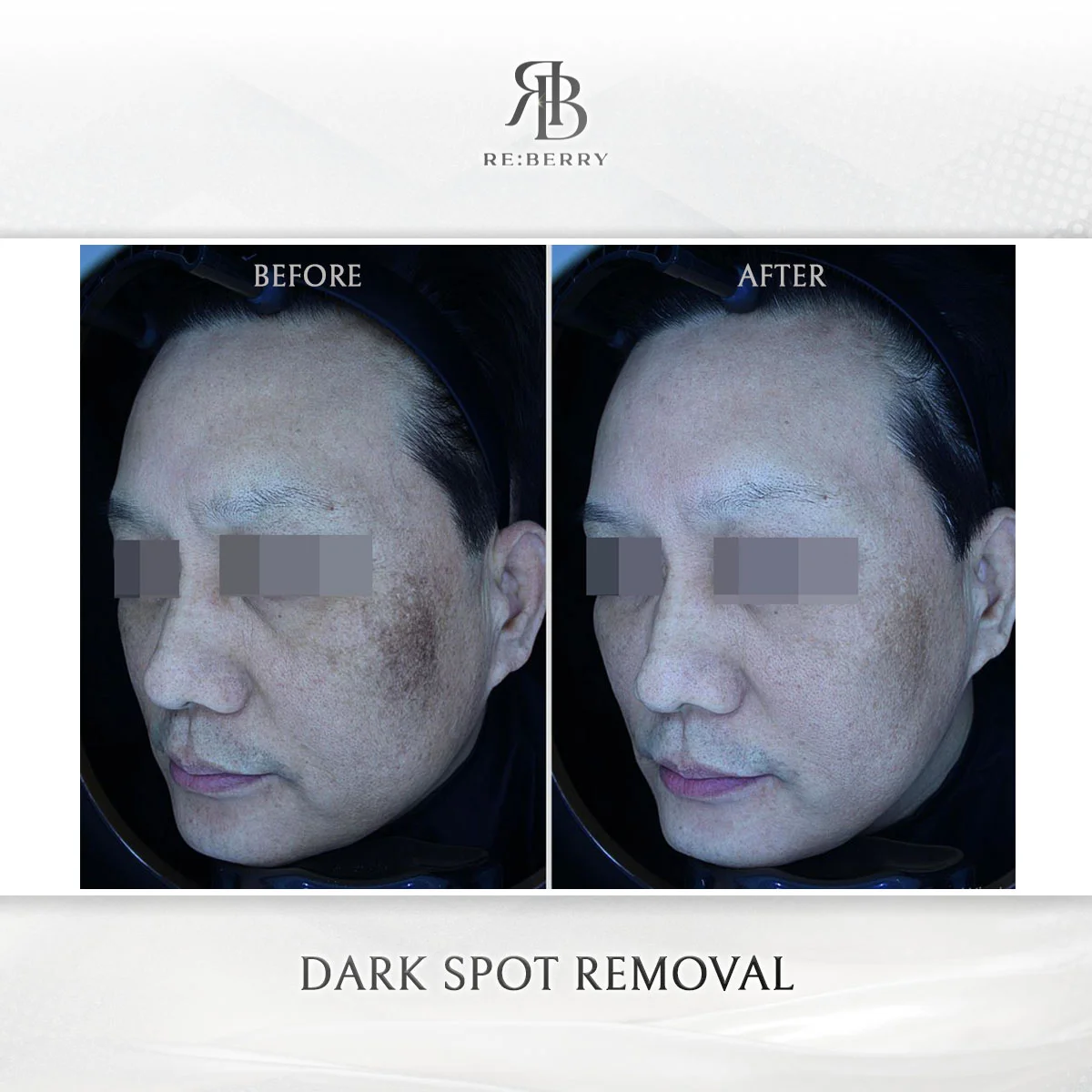
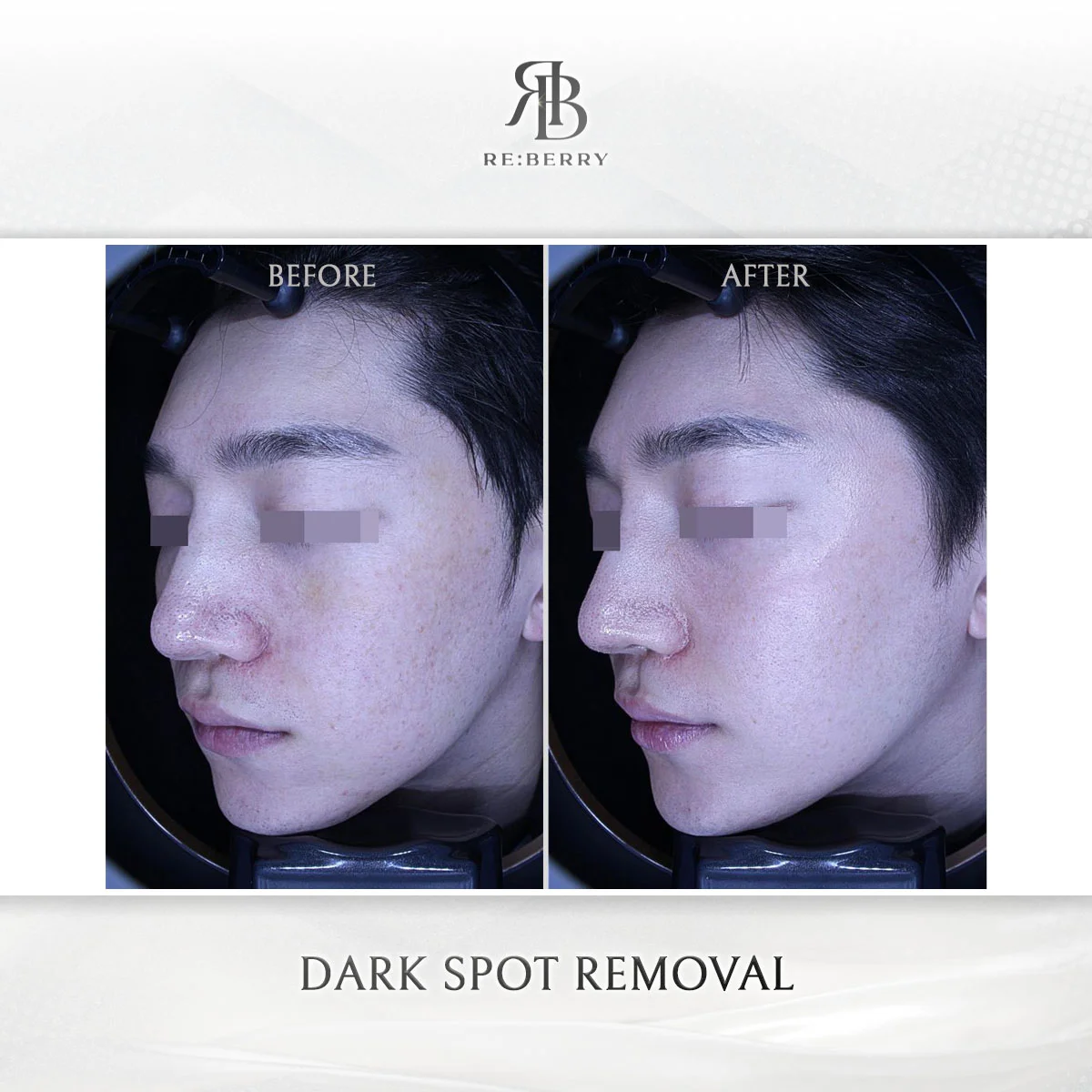
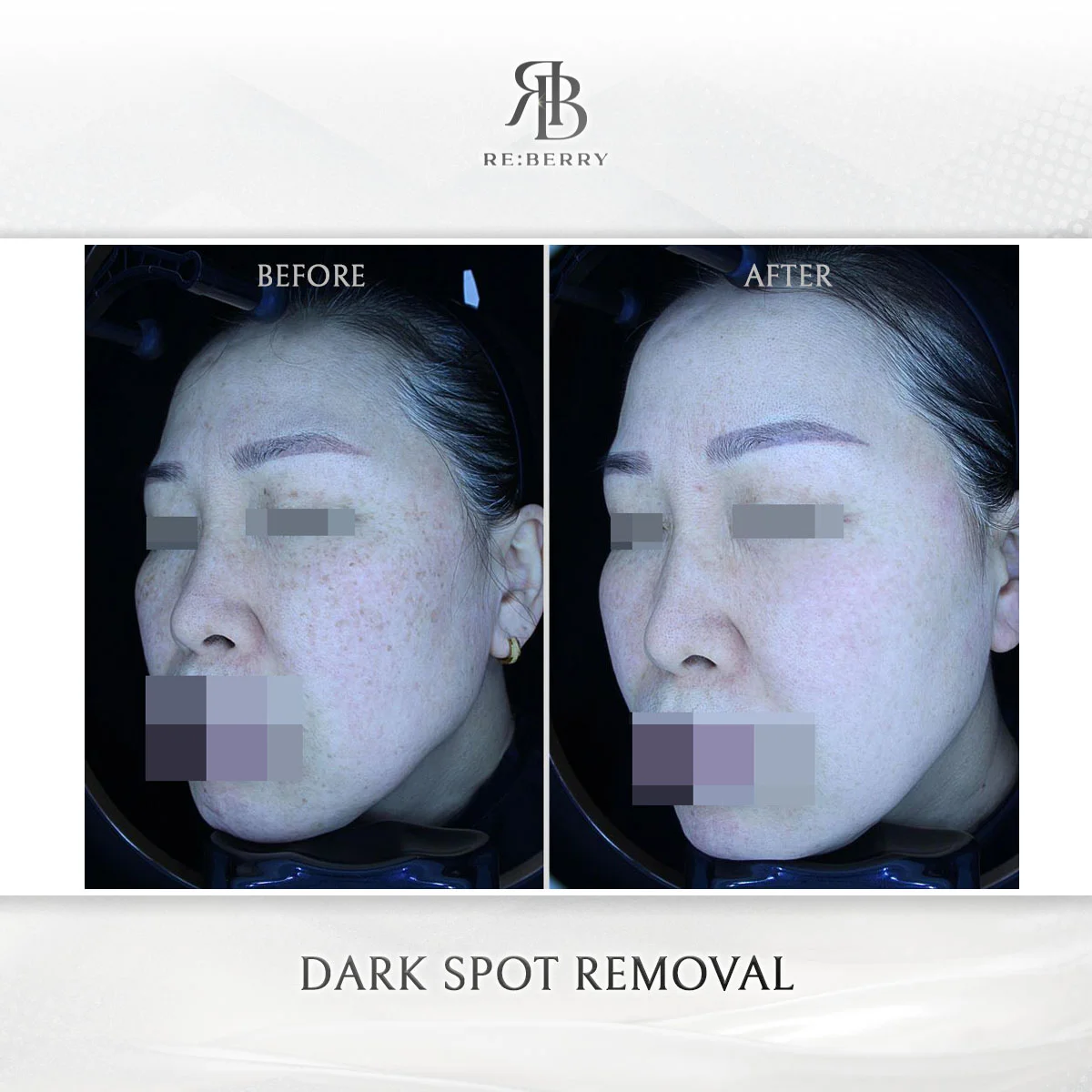
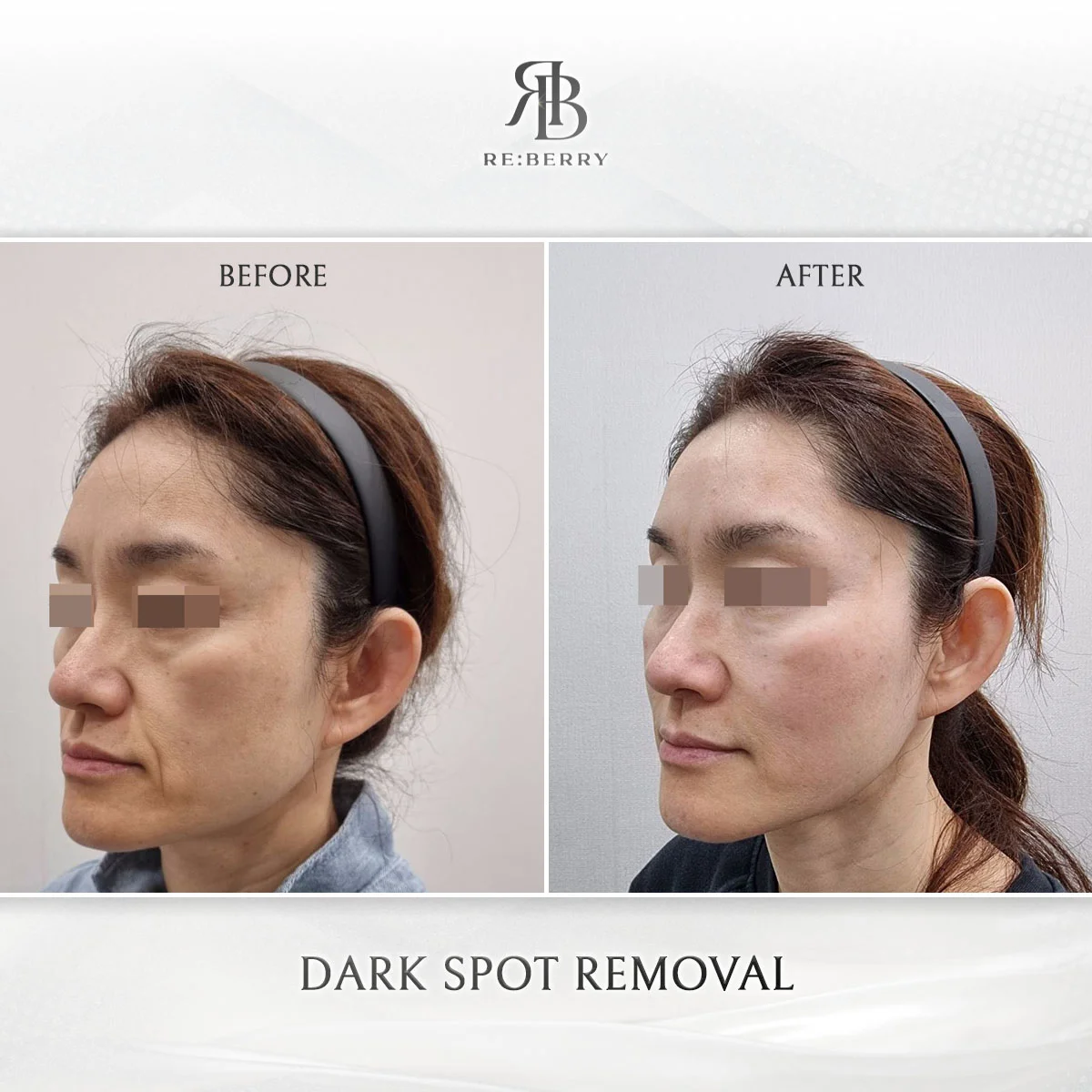
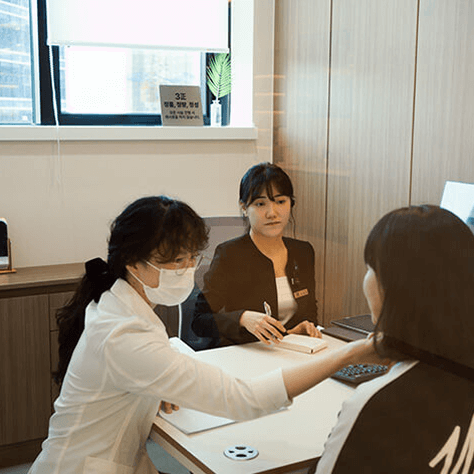
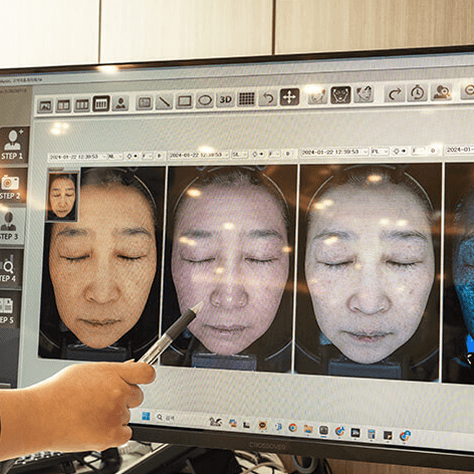
The clinic’s doctors assess your pigment and skin tone, then explain in English how many sessions and how long results are likely to last.
A gentle toning session usually takes about 15 to 20 minutes, with little to no downtime and only mild warmth.
Brightness builds cumulatively across a series of about 5 or more sessions spaced 1 to 2 weeks apart.
The clearest, most even tone appears once the course finishes, then holds for a period of months.
Daily sunscreen and periodic maintenance sessions hold the result, especially for chronic melasma.

Laser toning results typically last several months of even, brighter tone, then need top-ups because the gentle low-fluence approach lightens pigment gradually rather than removing it outright. Melasma is chronic and tends to recur, so maintenance and sun care hold the result. It is a maintained level, not a one-time fix. See related options on our dark spot removal page.
Most people need a series of about 5 or more sessions spaced 1 to 2 weeks apart, because each low-fluence pass lightens pigment only gradually by design. Melasma often needs the fuller course plus maintenance. Your doctor confirms the plan at consultation. You can review the wider laser range on our laser treatment page.
Melasma is a chronic, relapsing condition, so the melanocytes stay capable of overproducing pigment when triggered by UV, heat, and hormones. Toning lowers pigment but does not switch off that tendency, so results drift back within 6 to 12 months without upkeep. This is why maintenance sessions and strict daily sun protection are treated as essential.
Daily broad-spectrum sunscreen, sun avoidance, gentle skincare, and completing the recommended series all preserve the result, and periodic maintenance keeps melasma controlled. Sun protection is the single biggest lever, as outlined on our skin care page. Consistency after treatment matters more than any single session.
No, laser toning gives a maintained level of brightness rather than permanent removal, because it lowers pigment gently over a series. Discrete spots cleared along the way tend to stay cleared, but overall tone and melasma need upkeep. Thinking of it as a result you maintain, like fitness, leads to more realistic expectations than expecting a one-time erasure.
Most patients feel only mild warmth or a light prickling during the gentle low-fluence passes, and numbing is rarely needed, with each session taking about 15 to 20 minutes. Comfort does not affect longevity, which depends on your pigment type, maintenance, and sun protection rather than the intensity of the sensation.
Laser toning usually has little to no downtime, with at most mild transient redness that settles within hours, so many people return to normal activity the same day. Avoiding sun afterwards protects the result. Because it is gentle, toning is often chosen by patients who cannot take time off for recovery.
Yes, low-fluence toning is specifically favoured for melasma and deeper skin tones because its gentle energy reduces the rebound darkening that stronger lasers can cause. Careful settings keep it safe, and the clinic’s doctors adjust parameters to your skin tone, with pigment options shown on our dark spot removal page.
Toning trades one-shot power for gentle, cumulative safety, which suits melasma where aggressive energy risks rebound pigment. Stronger single-pass lasers clear discrete spots faster but are less suited to diffuse or melasma pigment. Your doctor matches the method to your concern, and you can compare on our laser treatment page.
Yes, toning is often paired with topical brightening agents, strict sun care, and supportive skin treatments such as a hydrating facial to improve barrier quality between sessions. Combining under guidance usually holds results longer than toning alone. Your doctor sequences everything so the skin is never overstressed.
Many patients return for a maintenance session every 1 to 3 months for melasma, or less often for general brightening, depending on how their pigment behaves. There is no fixed rule. Your doctor sets a rhythm based on your response, and touch-ups keep the tone even rather than letting pigment fully drift back.
Yes, frequent sun, heat exposure, stress, and skipping maintenance all shorten how long toning holds, while consistent protection extends it. Hormonal factors also influence melasma. The routines you keep after treatment shape longevity as much as the sessions themselves, so aftercare is treated as a core part of the result, not an add-on.
Because toning is a series, a first visit in Seoul can start the course and set up the topicals and sun care you continue at home. Plan a few days for a consultation and initial sessions if scheduling several together. Since results build over weeks, you can assess longevity remotely with our English-speaking team’s help.
Yes, because laser toning has minimal downtime, flying the same or next day is generally fine, and results continue developing wherever you are. Keep skin moisturised and strictly protected from sun while travelling, since UV is the main threat to longevity. Your doctor confirms aftercare so your result stays on track at home.
International patients continue topicals and sun protection at home, with remote check-ins in English to review progress and plan maintenance toning around future trips. Your treatment notes and settings are kept on file, so any repeat course builds on your previous result rather than starting from scratch, which is especially useful for ongoing melasma.
| Laser Toning (Low-Fluence QS Nd:YAG) | Pico Toning (Picosecond) | IPL (Intense Pulsed Light) | |
|---|---|---|---|
| Energy / mechanism | Gentle 1,064 nm nanosecond pulses lower pigment | Ultra-short picosecond pulses fragment pigment | Broadband light heats and lifts surface pigment |
| Best for | Melasma, even tone, general dullness | Melasma and pigment, often fewer sessions | Diffuse redness plus lighter mixed spots |
| Results timeline | Builds over a series of 5 or more sessions | Builds over a series, sometimes faster | Gradual over 3 to 5 sessions |
| How long results last | Months of even tone, then maintenance | Months of even tone, then maintenance | Lighter spots may return sooner without care |
| Downtime | Little to none | Little to none | Little to none, mild flaking |
| Recurrence on melasma | Common without upkeep, as with all methods | Common without upkeep | Common without upkeep |
| Cost factors | Depends on session count and maintenance | Depends on session count | Depends on area and session count |
Real verified reviews from our Google Business Profile, across all Reberry Clinic locations.
PULLED LIVE FROM GOOGLE · GANGNAM · MYEONGDONG · INCHEON AIRPORT
Your treatment is planned and performed by experienced, MFDS-registered doctors across our Seoul-area clinics, with multilingual support for international patients.
Flagship clinic · KOL for leading lifting & regenerative devices · Featured in Authority Magazine (2026)

Multilingual tourist care beside Myeongdong Cathedral

Fast, effective care 20 minutes from the terminals
Message us on WhatsApp for a free consultation in English about laser toning sessions and maintenance.