

Gangnam
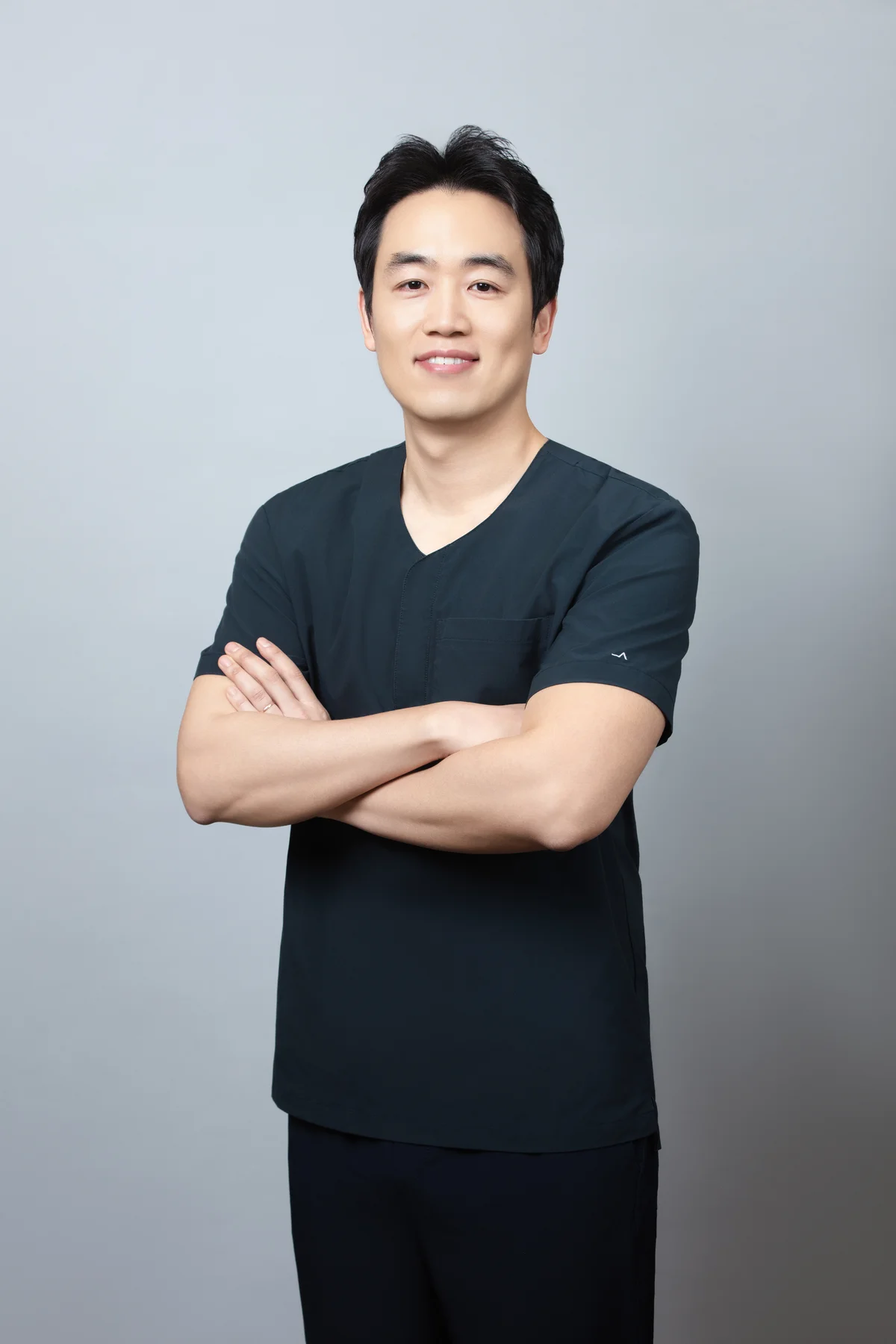
Dr. Yoongon Ryu
Aesthetic Medicine Specialist
Flagship clinic · KOL for leading lifting & regenerative devices

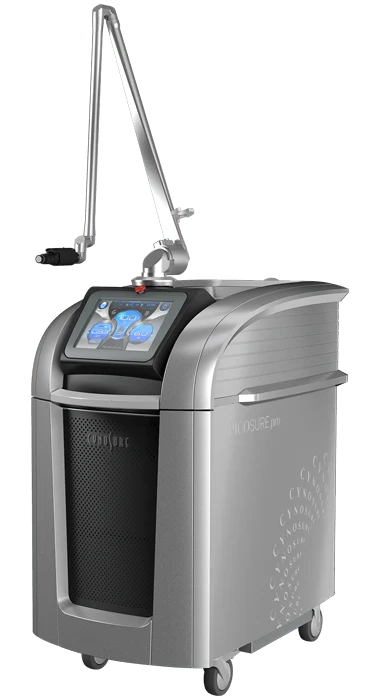
Clearance usually holds for several months, and many patients maintain results with quarterly touch-ups, because melasma is a chronic condition managed long-term rather than removed once.
Melasma treatment results in Korea typically last several months, with many patients maintaining clearance through touch-ups every 2 to 3 months plus daily sun protection. Melasma is chronic, so it is managed long-term rather than fixed once; consistent maintenance and strict SPF determine how long each round of improvement holds before pigment can return.
One-on-One guidance from a dedicated doctor, ensuring your skin is professionally monitored and treated from start to finish.
Fluent assistance in English, Japanese, and Chinese, making communication clear, respectful and comfortable for international patients.
Over 100,000 patients worldwide have received our personalized dermatological care, highlighting our expertise and reliable results.
Most melasma treatment plans produce visible lightening that holds for several months, but the honest answer is that melasma is a chronic, relapsing condition rather than a one-time fix. After a course of gentle laser toning, topical brightening and sun protection, many patients enjoy clearer skin for three to six months before any maintenance is needed. How long that improvement lasts depends heavily on sun exposure, hormones and how consistently you follow the home routine.
Because the pigment-producing cells in melasma are easily re-stimulated, results are best thought of as managed rather than permanent. Aggressive, one-off treatments often cause rebound darkening, which is why a steady, low-energy approach spread over weeks tends to hold longer than a single intense session. Patients who pair in-clinic sessions with daily SPF 50, antioxidants and prescribed topicals usually extend their clear period considerably.
Reberry Clinic is a dermatology clinic serving international patients across three Seoul-area locations (Gangnam, Myeongdong, Incheon Airport) with English-speaking support. The clinic’s doctors build a realistic, maintenance-based plan and explain that durability comes from consistency, not from chasing a single permanent result.
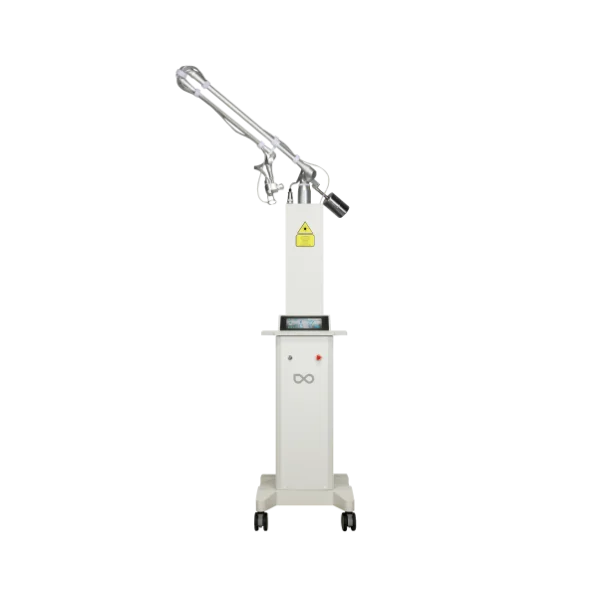
Melasma involves overactive melanocytes in the epidermis and often the dermis, frequently driven by UV light, visible light, heat and hormones. Treatments such as low-fluence picosecond or Q-switched laser toning, combined with prescribed topicals and chemical peels, calm this overactivity and break down existing pigment. However, the underlying tendency does not disappear, so any trigger can reactivate it, which is why pigment and dark-spot care is structured as an ongoing program.
This is also why energy level matters for longevity. High-energy lasers can clear pigment fast but risk post-inflammatory rebound that shortens results; gentle, repeated laser sessions tuned to your skin tend to produce more durable, controllable improvement. The clinic’s doctors choose settings to suit Asian and darker skin, where over-treatment is the main cause of relapse.
One Reberry Clinic, multiple Seoul-area locations. Pricing & current promotions are listed on each branch's own site — tap a clinic to view pricing & book.
Our flagship in the heart of Gangnam.
In Seoul's shopping & tourism heart.
A beauty stop between flights.
The newest Reberry Clinic — in Seoul's trend district.
ONE REBERRY CLINIC · MFDS-REGISTERED DEVICES · MULTILINGUAL CARE AT EVERY LOCATION
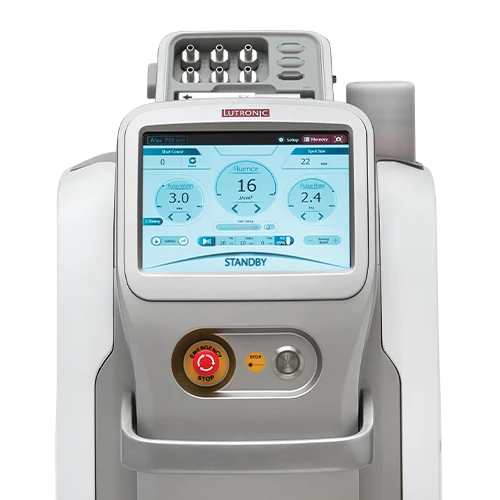
A doctor examines depth and triggers, classifying your melasma across 2 main layers, epidermal and dermal, to predict how long results may hold.
A series of 4 to 8 gentle sessions, spaced 2 to 4 weeks apart, gradually lightens pigment while limiting rebound.
Daily SPF 50+ and prescribed topicals are started, which can account for a large share of how long results last.
Touch-up sessions every 2 to 3 months keep melanocytes calm so clearance is sustained rather than lost.
Progress is reviewed at each visit and settings adjusted, because melasma is managed over many months, not 1 appointment.
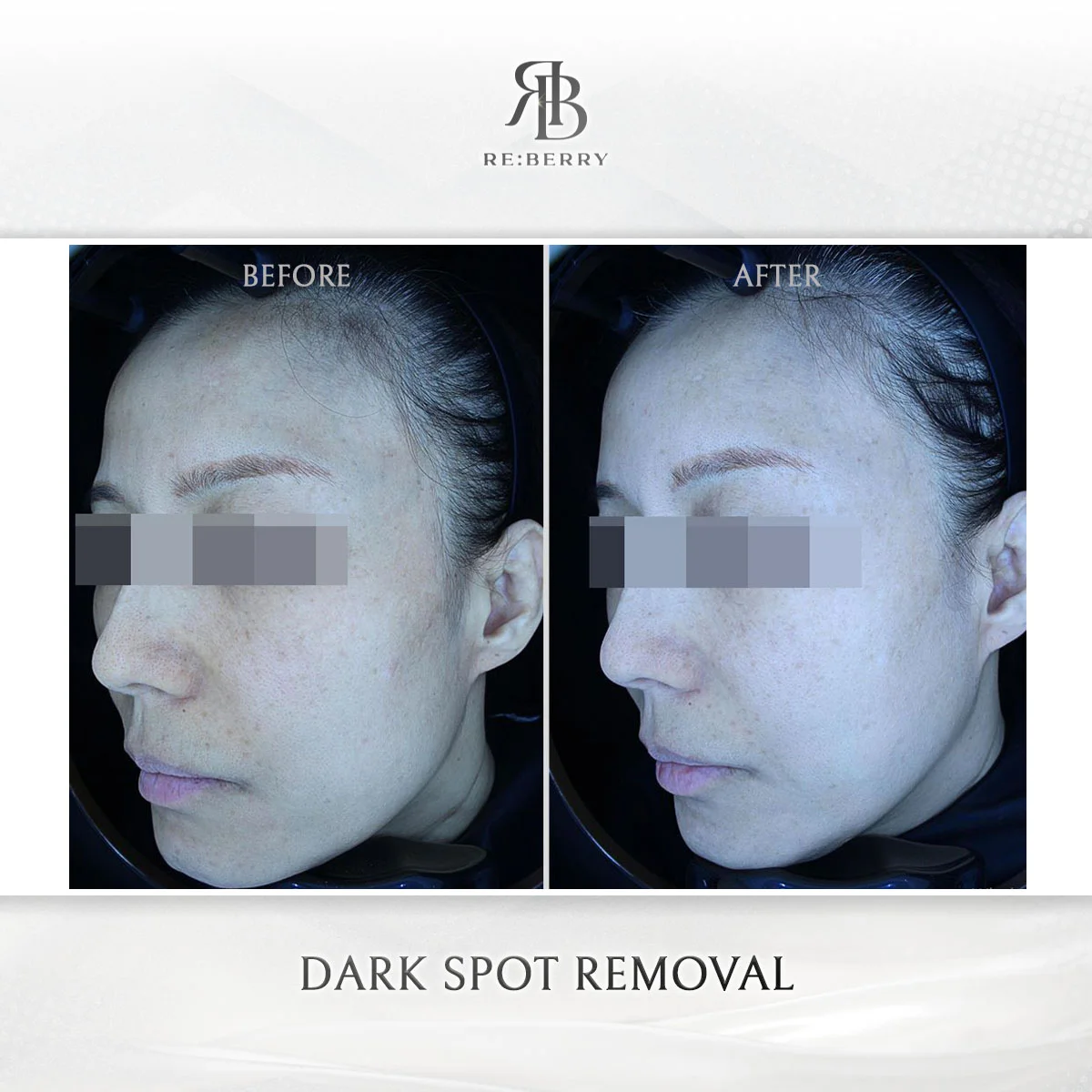
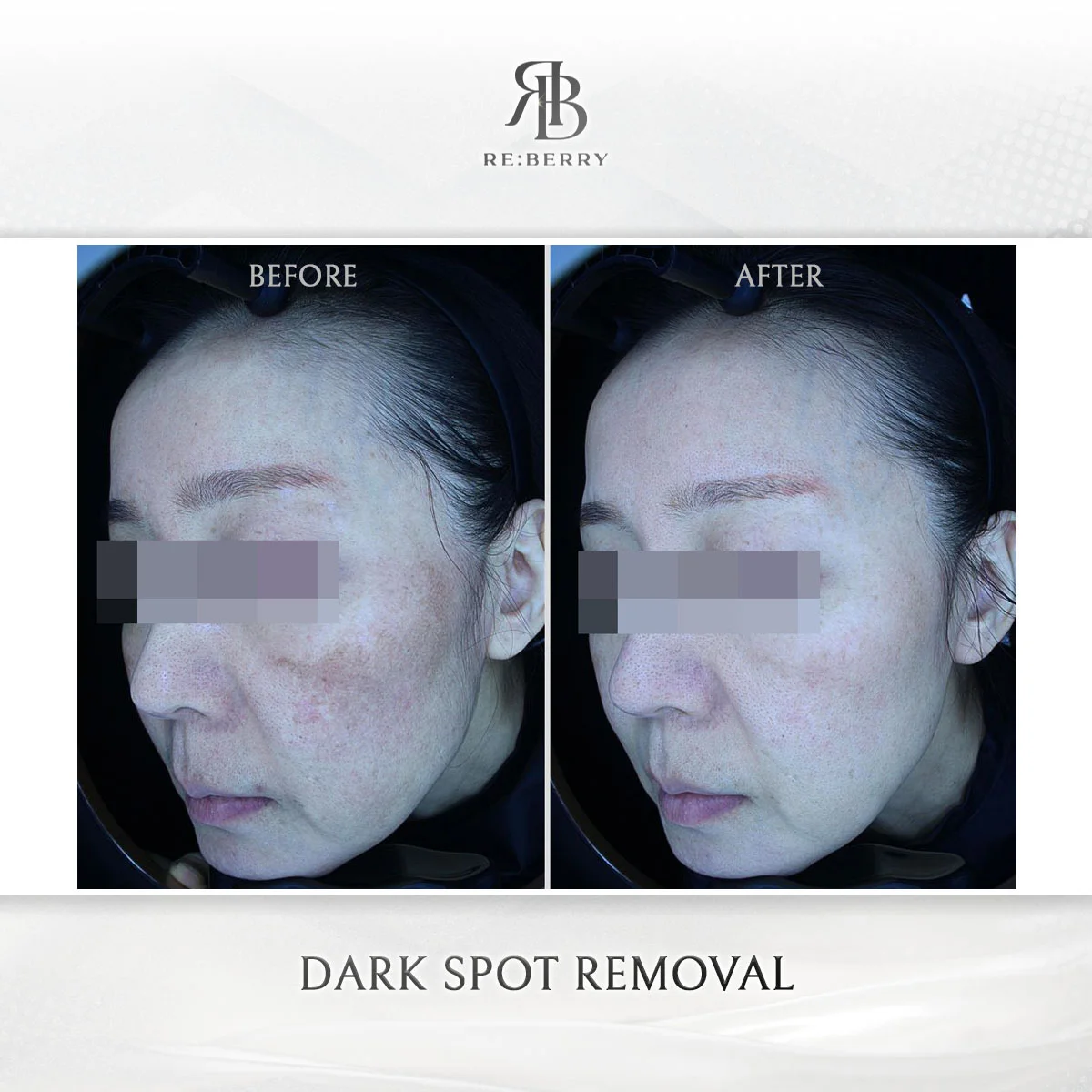
See representative outcomes from Reberry Clinic. Results build gradually and vary by individual; your plan is assessed at consultation.
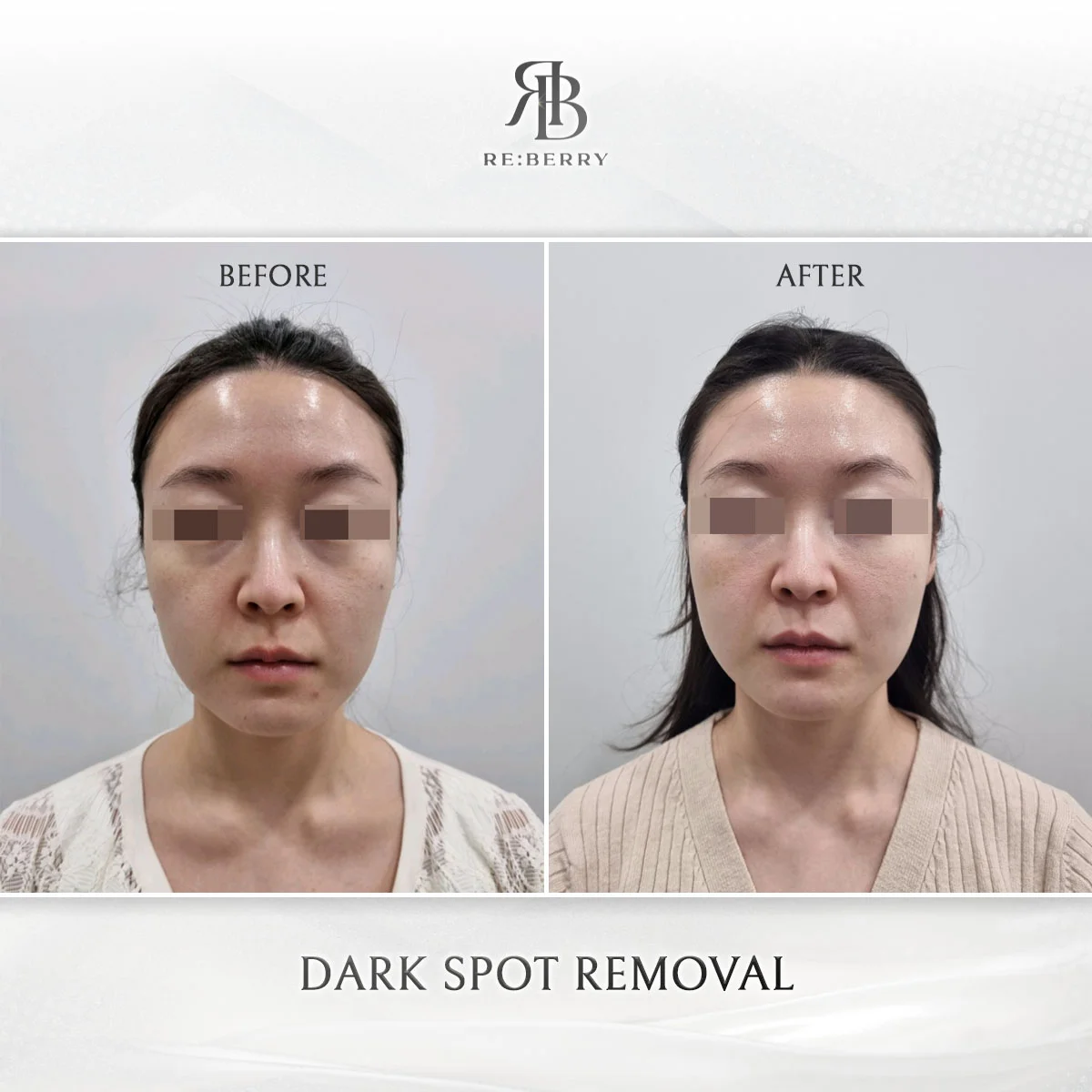
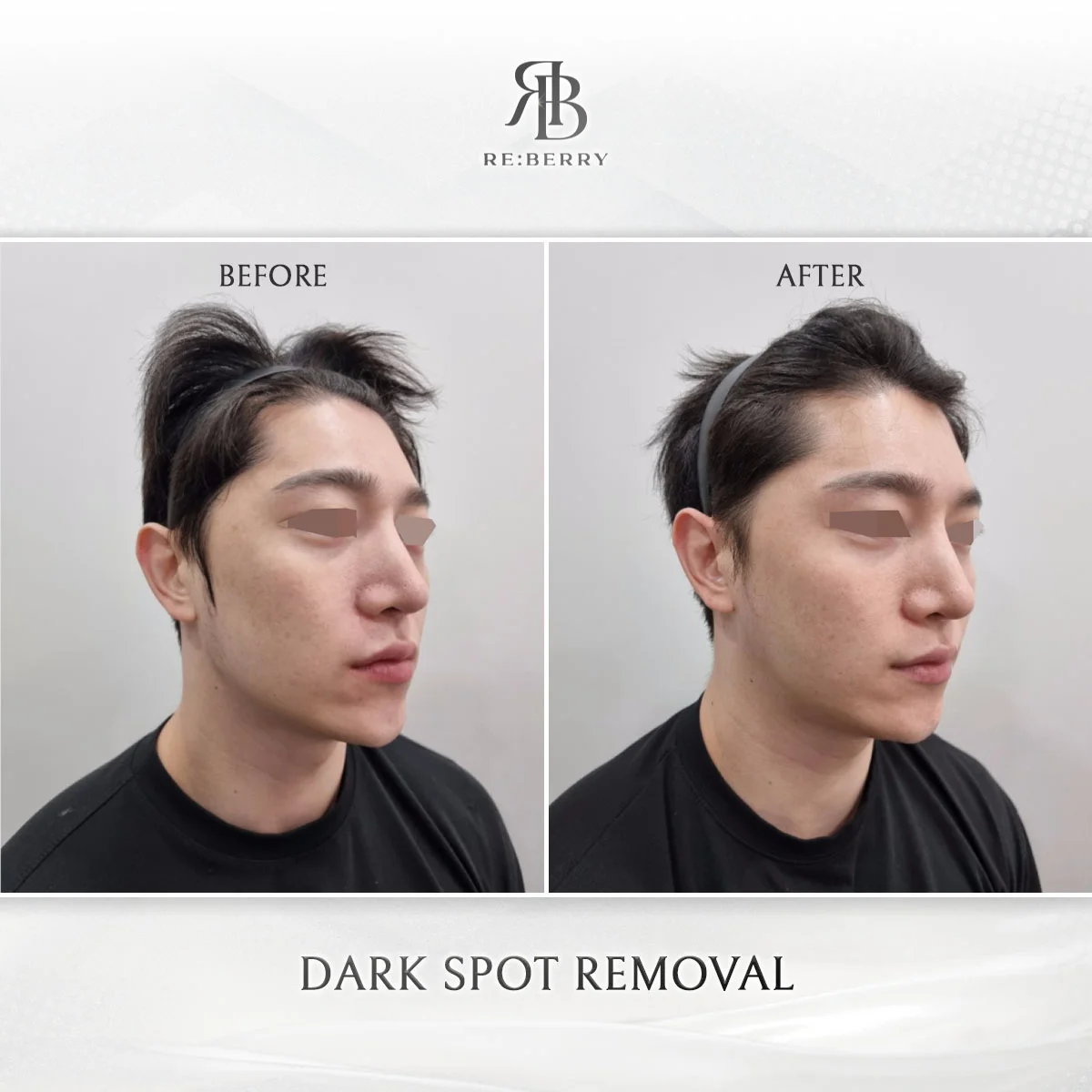
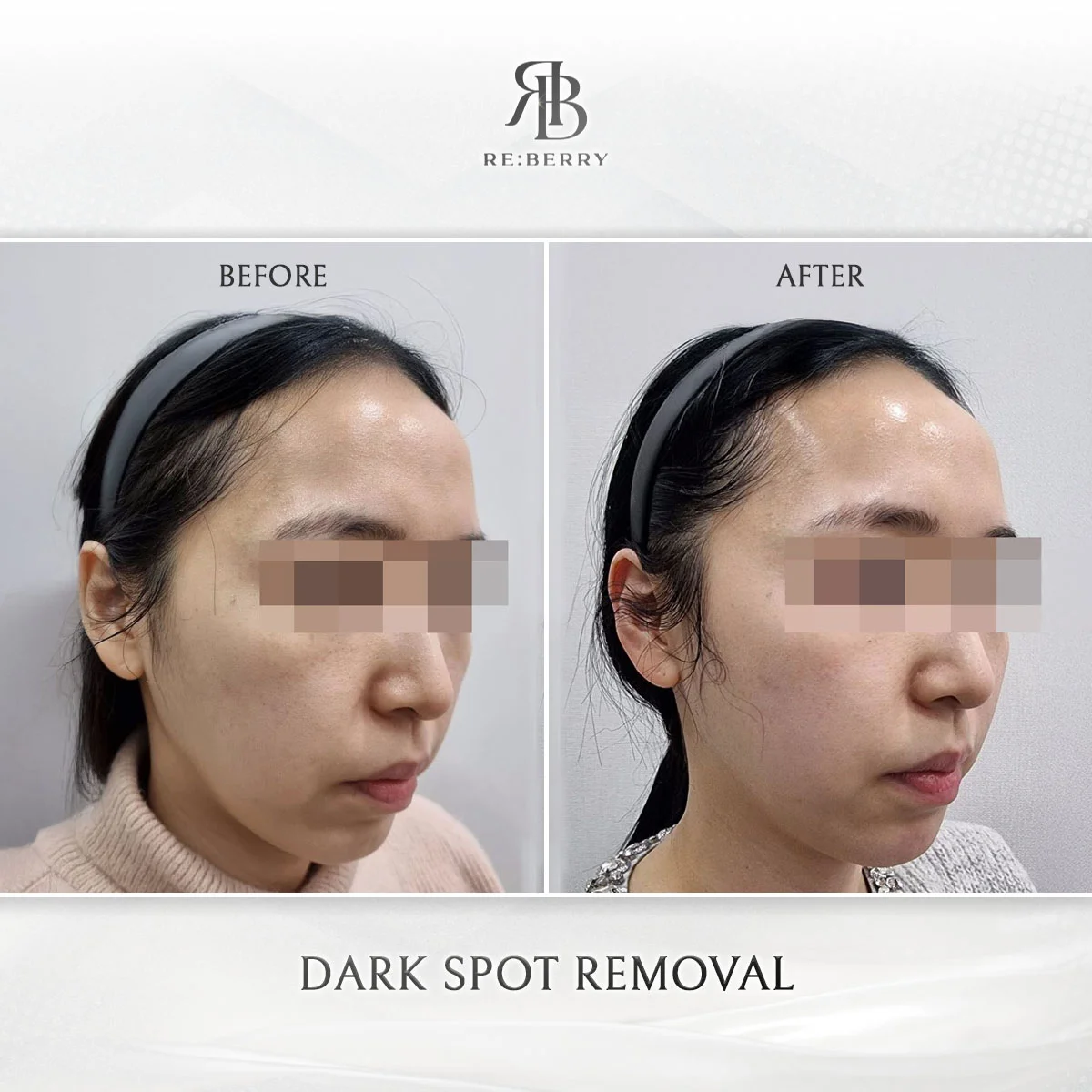
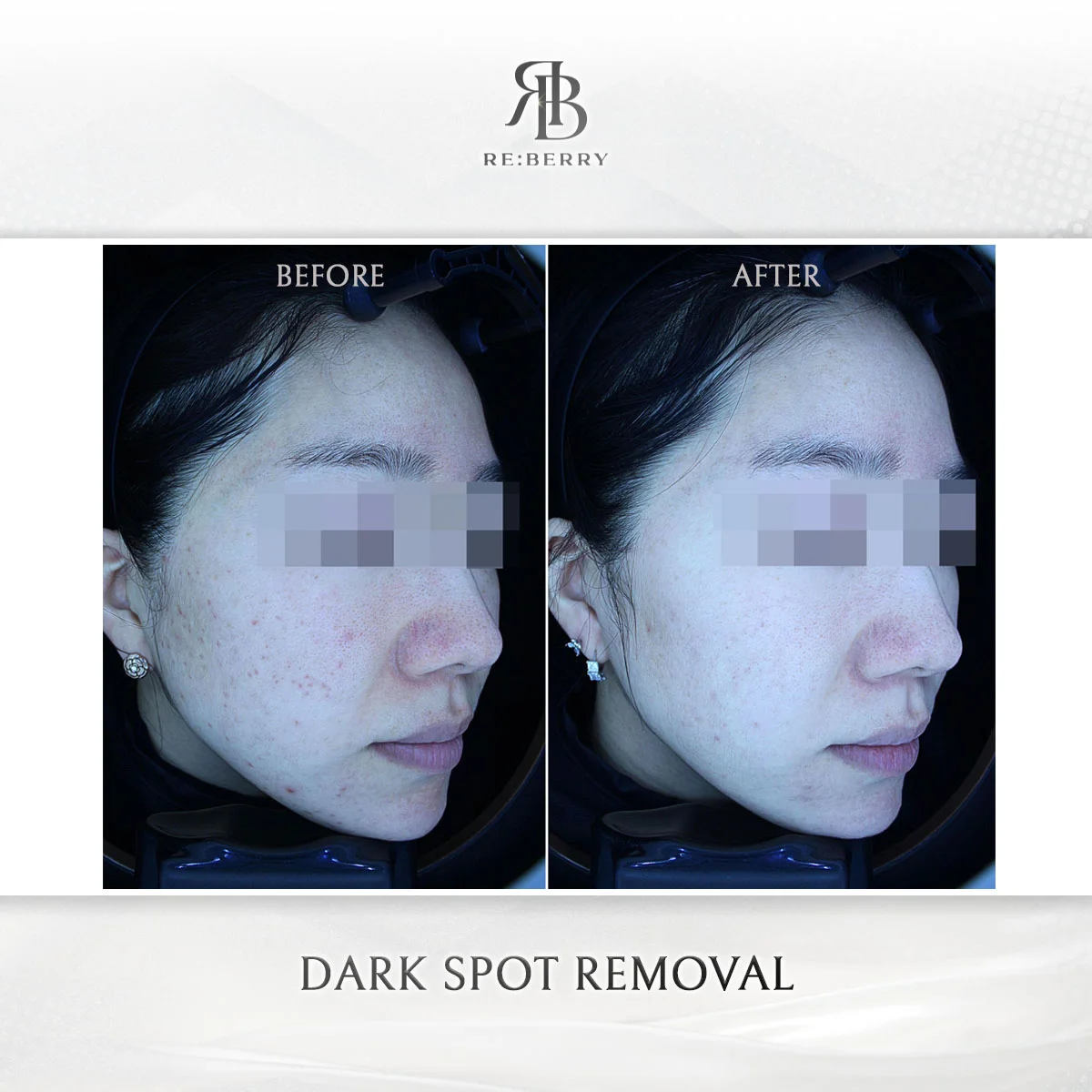
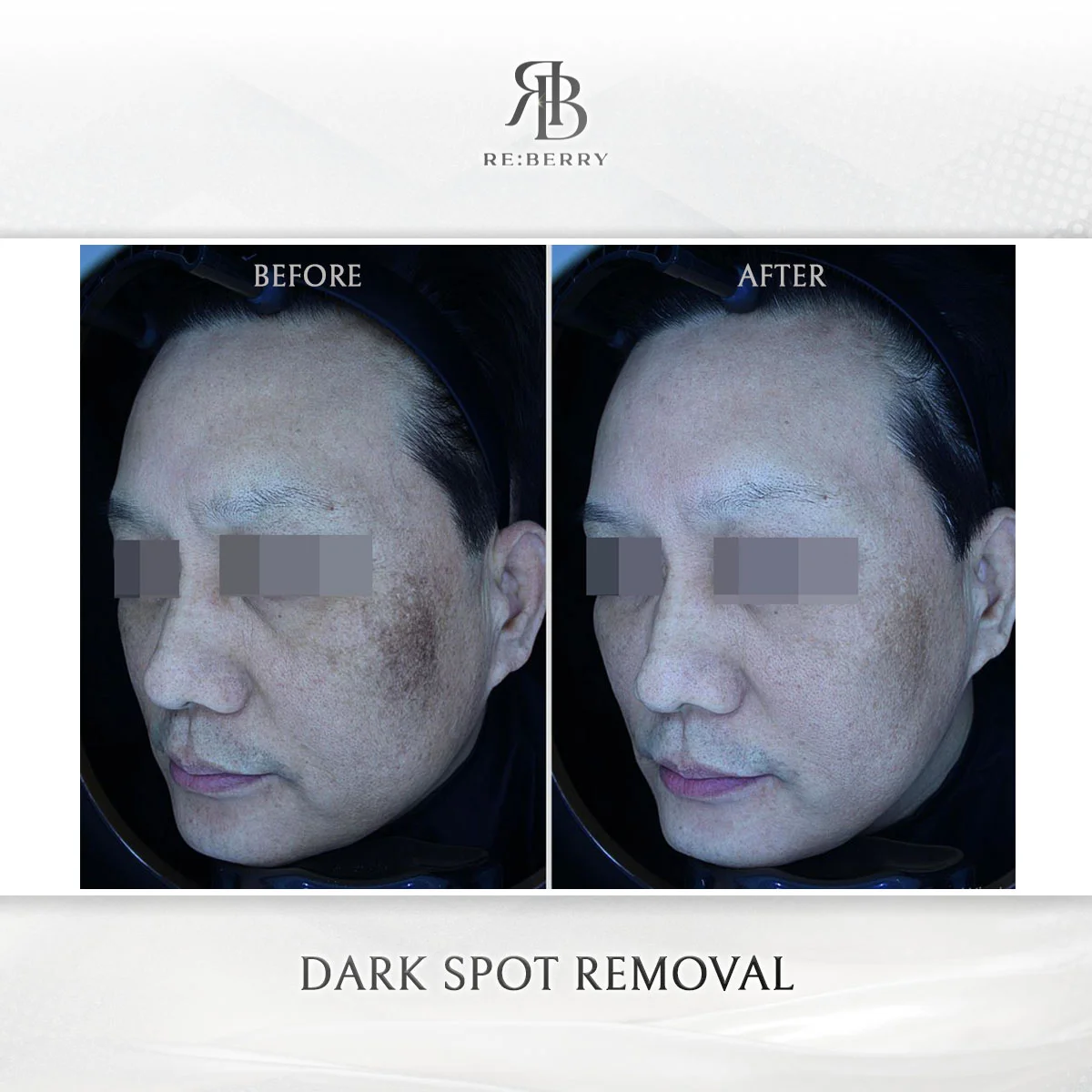
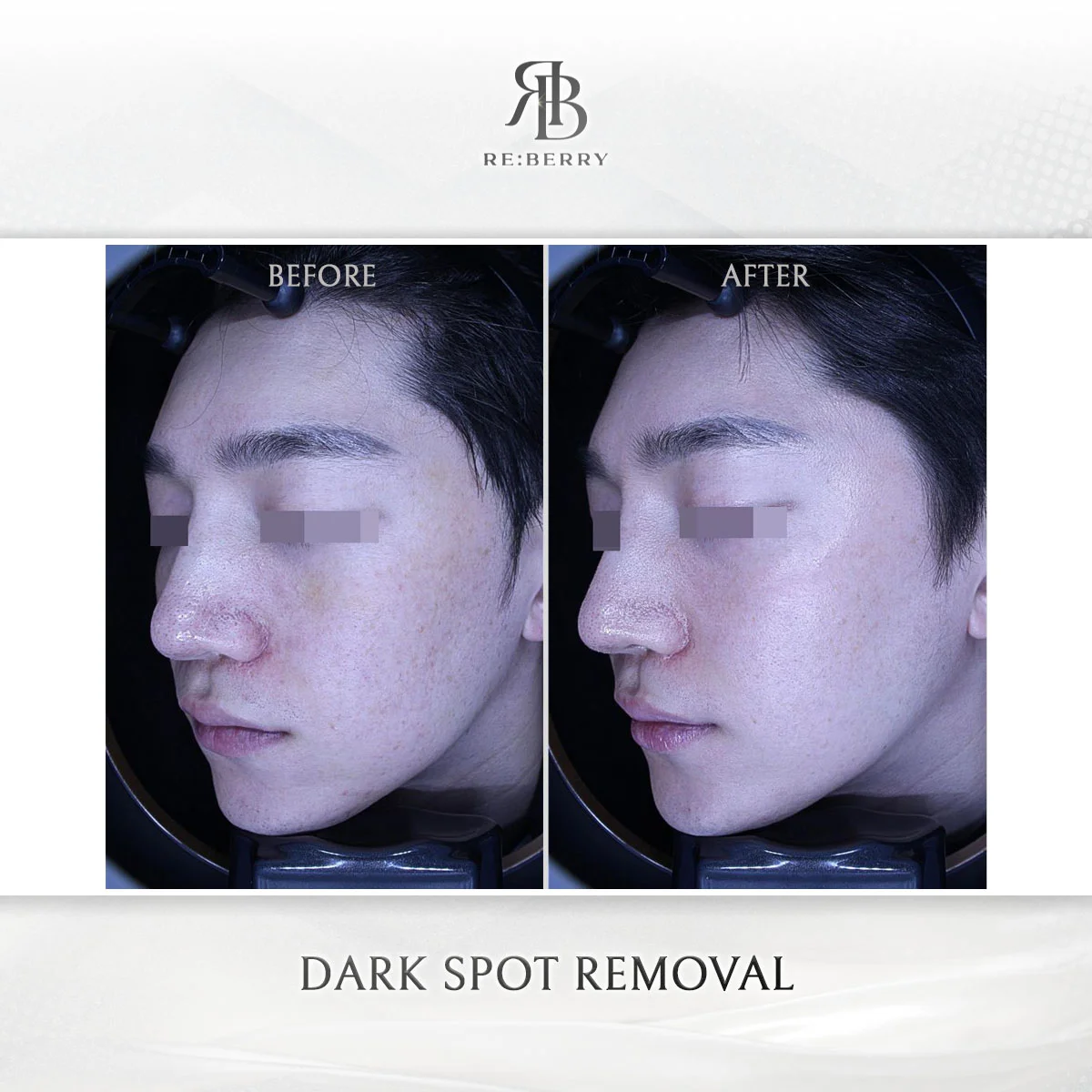
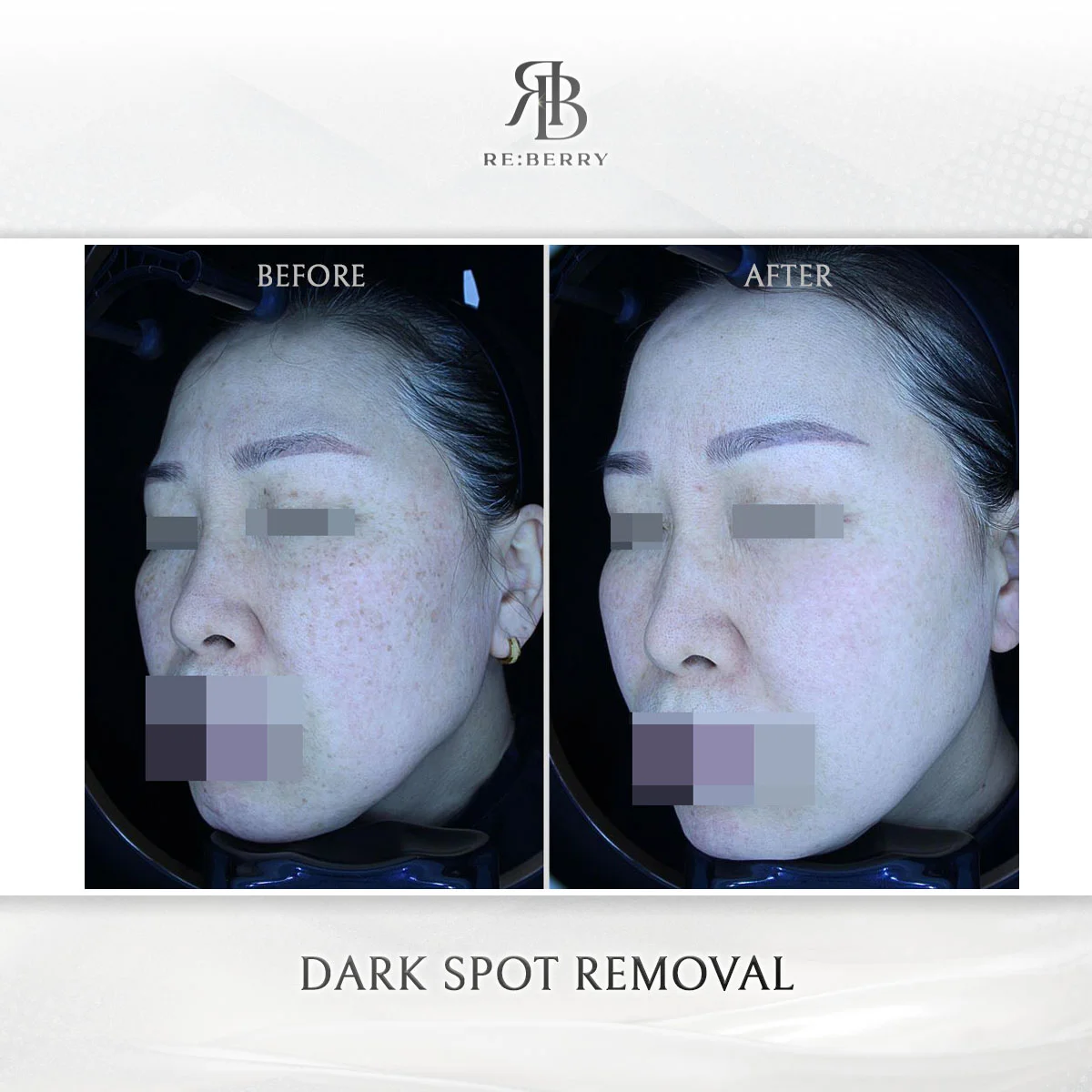
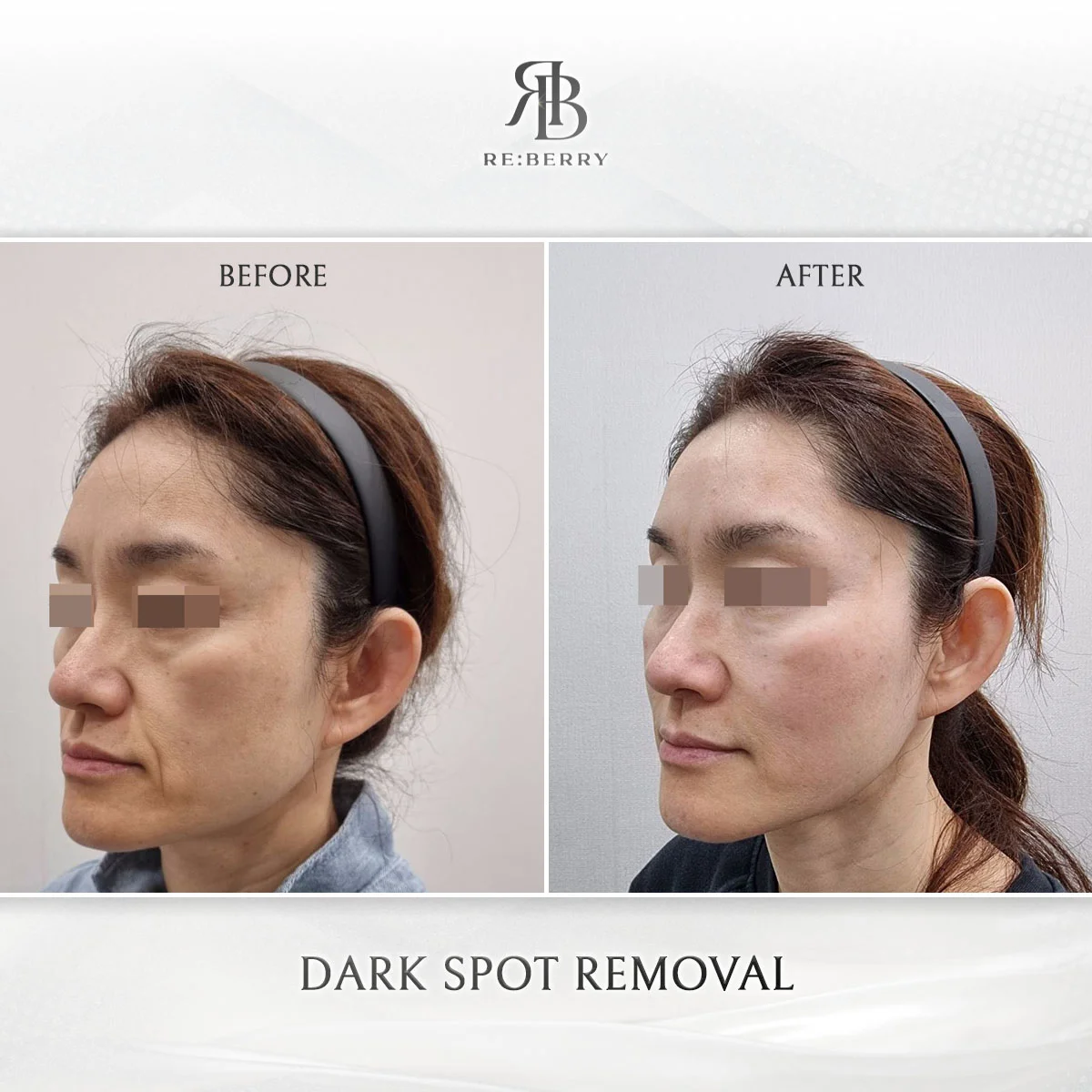
An English-language consultation assesses pigment depth, triggers and skin tone, then sets realistic expectations for how long results will hold.
Gentle toning or a peel takes around 20 to 30 minutes, and you receive a tailored home routine to start immediately.
An initial course of several sessions spans a few weeks, so it can be started on a trip and continued at home.
Lightening builds gradually over 4 to 12 weeks, with the clearest phase typically holding for several months.
Maintenance every 2 to 3 months plus daily SPF sustains results, since melasma is managed long-term.
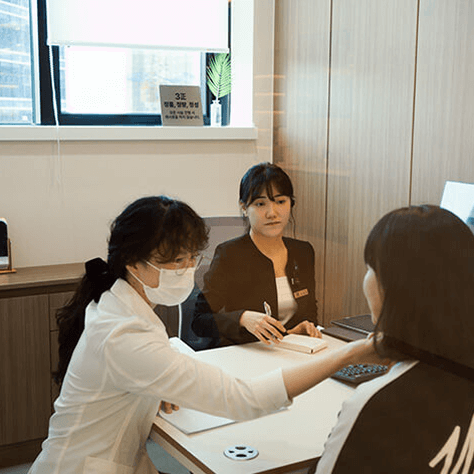
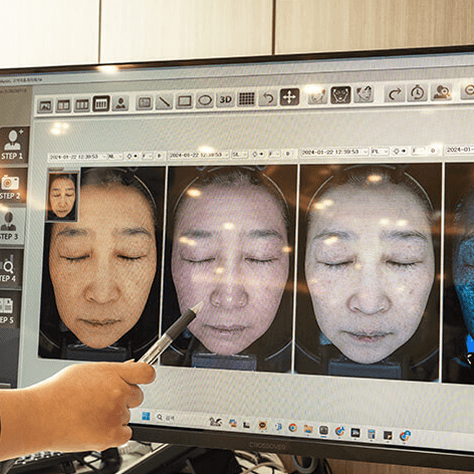

Clearance typically holds for several months, with many patients maintaining results through touch-ups every 2 to 3 months and daily SPF. Melasma is chronic, so it is managed long-term rather than fixed once. A maintenance-based plan is explained when you discuss dark-spot and pigment care with the team.
Melasma is a chronic, relapsing condition, so it is best described as managed rather than a one-time fix. Pigment-producing cells remain prone to reactivation by sun, heat and hormones. With consistent maintenance and sun protection, many people keep skin clear for long stretches, but ongoing care is the realistic goal.
Melasma returns because the underlying melanocytes stay sensitive to triggers such as UV light, visible light, heat and hormonal changes. Even after good clearance, a few weeks of unprotected sun can reactivate pigment. This is why daily SPF 50+ and steady home care, discussed in your pigment-care plan, are essential to how long results last.
Most patients benefit from maintenance roughly every 2 to 3 months once the initial course is complete, though this varies with triggers and skin response. The interval is personalized at each review. Spacing gentle laser sessions this way keeps melanocytes calm so improvement is sustained rather than lost.
Yes, sunscreen is the single biggest factor in how long melasma results hold. Broad-spectrum SPF 50+ that also blocks visible light reduces the UV and light triggers that reactivate pigment. Studies link inconsistent sun protection with high relapse rates within months, so daily application is treated as part of the treatment itself.
Many patients notice gradual lightening after 3 to 4 gentle sessions, with fuller improvement over a course of 4 to 8 sessions spaced a few weeks apart. Progress is intentionally slow to avoid rebound darkening. The exact number is mapped to your pigment depth during assessment.
There is no single approach that suits everyone; the right plan depends on pigment depth, skin tone and triggers. Many cases combine gentle laser toning with topicals, peels and strict sun care. The clinic’s doctors recommend a tailored combination rather than relying on one method, which also helps results last longer.
Gentle laser toning feels like mild warmth or light pinpricks and is generally well tolerated without anaesthetic. Chemical peels can cause brief tingling. Because low-energy settings are used to protect your skin and reduce rebound, comfort is usually good. Any concerns are reviewed before treatment during your consultation.
Downtime is minimal; gentle toning usually causes no visible recovery, and light peels may cause a few days of mild flaking. Most patients return to normal activities and makeup the same or next day. This makes melasma care practical to start during a short Seoul trip without disrupting plans.
Yes, overly aggressive lasers or deep peels can trigger rebound darkening and post-inflammatory hyperpigmentation, especially in Asian and darker skin. This is why a cautious, low-energy, repeated approach is preferred. Choosing a clinic experienced with pigmented skin lowers this risk, which is part of how to choose a good clinic for melasma.
Laser toning and topicals work together rather than competing: gentle laser sessions break down existing pigment while creams and sun protection prevent new pigment. Creams alone act slowly; laser alone without maintenance can rebound. The most durable results usually combine both under medical guidance.
Often yes; because melasma is chronic, pigment can gradually return once maintenance and sun protection stop. Many patients keep a lighter home routine indefinitely, supported by gentle skin care to hold their results. The clinic’s doctors design a sustainable long-term plan so you know exactly what upkeep your skin needs.
Yes, when energy and depth are chosen carefully, melasma care suits a wide range of skin tones. Darker skin needs gentler settings to avoid post-inflammatory pigment, so experienced technique matters. Your suitability and safe parameters are confirmed during assessment before any plan is finalized.
Yes, Reberry Clinic serves international patients with English-speaking support across three Seoul-area locations, including one near Incheon Airport. You can begin pigment care on your trip and continue topicals from home. Message us on WhatsApp to plan a realistic schedule and follow-up.
Even a single day works to begin, since one gentle session takes around 20 to 30 minutes after assessment. There is no required multi-day course to start. The clinic helps you fit it into your itinerary and provides a home routine so progress continues after you fly home.
Yes, you receive a written home routine and maintenance schedule so you can sustain results from your own country. English-speaking staff can advise remotely between visits. Many international patients return periodically or continue gentle care locally to keep their melasma managed long-term.
| Laser toning | Topicals + SPF | Chemical peels | |
|---|---|---|---|
| Mechanism | Low-fluence picosecond/Q-switched light breaks pigment | Tyrosinase-inhibiting creams plus sun protection | Controlled exfoliation lightens surface pigment |
| Best for | Stubborn or mixed-depth melasma | Maintenance and mild cases | Surface pigment and texture |
| How long results hold | Months, with regular maintenance | Sustained only with daily, consistent use | Weeks to months, often combined with others |
| Rebound risk | Higher if energy is too aggressive | Low, but slow to act | Moderate if peels are too deep |
| Maintenance need | Touch-ups every 2 to 3 months | Daily, ongoing | Periodic courses |
| Downtime | Little to none | None | Mild flaking for a few days |
Real verified reviews from our Google Business Profile, across all Reberry Clinic locations.
PULLED LIVE FROM GOOGLE · GANGNAM · MYEONGDONG · INCHEON AIRPORT
Your treatment is planned and performed by experienced, MFDS-registered doctors across our Seoul-area clinics, with multilingual support for international patients.
Flagship clinic · KOL for leading lifting & regenerative devices
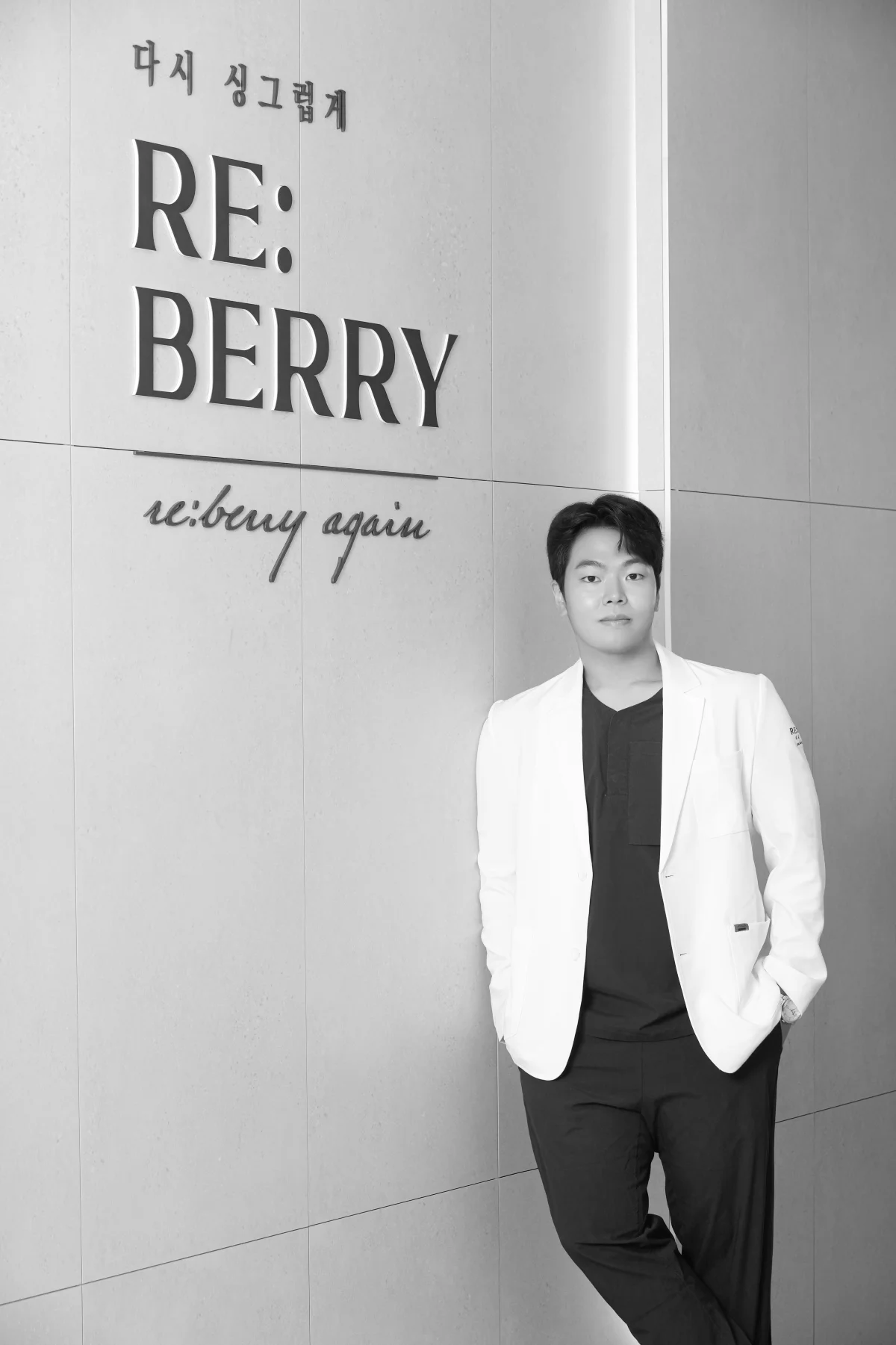
Multilingual tourist care beside Myeongdong Cathedral
Fast, effective care 20 minutes from the terminals
Message us on WhatsApp for a free consultation in English and a realistic, maintenance-based melasma plan.