

Gangnam
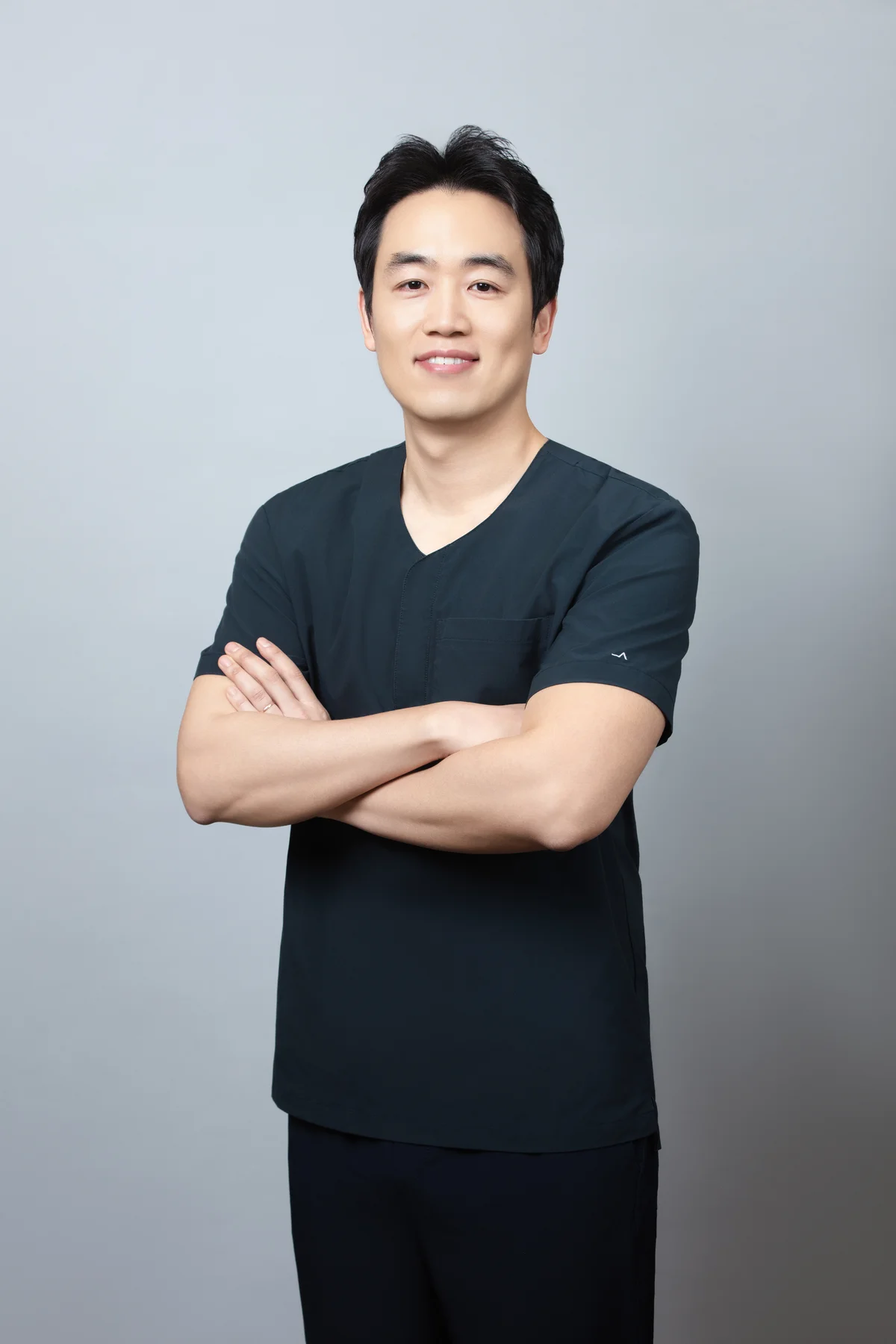
Dr. Yoongon Ryu
Aesthetic Medicine Specialist
Flagship clinic · KOL for leading lifting & regenerative devices

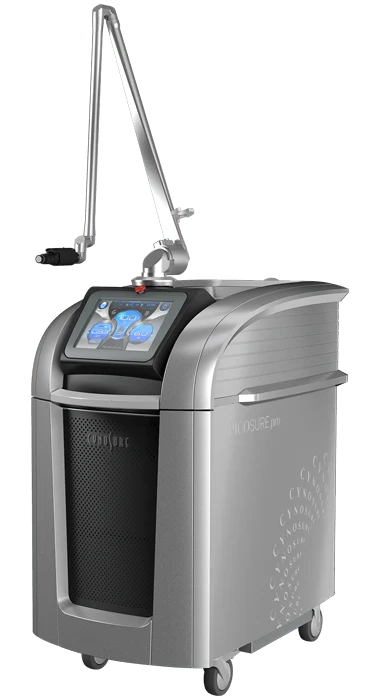
When a benign mole is fully ablated, it usually stays gone, with published CO2 laser series reporting recurrence in roughly 13 percent of cases over follow-up.
Mole removal is usually lasting: when a benign mole is fully ablated with CO2 laser, it typically stays gone for good. It is not a one-time fix in every case, since a small share recur if pigment cells remain, with studies reporting recurrence near 13 percent. Any atypical or changing mole is assessed, and biopsy considered, rather than lasered.
One-on-One guidance from a dedicated doctor, ensuring your skin is professionally monitored and treated from start to finish.
Fluent assistance in English, Japanese, and Chinese, making communication clear, respectful and comfortable for international patients.
Over 100,000 patients worldwide have received our personalized dermatological care, highlighting our expertise and reliable results.
Mole removal for a benign mole uses a focused 10,600 nm CO2 laser to vaporise the raised or pigmented tissue layer by layer until the skin is flush and clear. Because the visible mole is physically ablated rather than lightened, a fully treated benign mole is generally gone for good, and most people never see it return.
The honest nuance is recurrence. If a small number of pigment-producing cells remain at the base, a mole can partially regrow over months, which published CO2 laser series put at roughly 13 percent. This is why depth control and, where useful, dermoscopy guidance matter, and why a mole that looks atypical, is changing, or is large is assessed first, with biopsy considered, rather than simply ablated. Removal is a cosmetic clearance of a benign lesion, not a substitute for evaluating a suspicious one.
At Reberry Clinic, mole removal is consultation-led, with the clinic’s doctors first confirming a mole is benign and appropriate for laser, then setting depth to balance complete clearance against a smooth cosmetic result, with special care in deeper skin tones where pigment change is more likely. International patients are supported in English across our three Seoul-area locations (Gangnam, Myeongdong, Incheon Airport).
The 10,600 nm CO2 wavelength is absorbed by water in the tissue, allowing the doctor to vaporise the mole in fine, controlled passes down to skin level while limiting heat to surrounding areas. Once the pigmented and raised tissue is fully removed, there is no lesion left to re-form, so a completely ablated benign mole generally does not return. Recurrence, reported at roughly 13 percent in CO2 laser series, happens when residual pigment cells at the deep margin survive and slowly repopulate, which is why adequate depth and sometimes dermoscopy-guided treatment are used to lower that risk. In Asian and other richly pigmented skin, the main trade-off is post-inflammatory hyperpigmentation, a temporary darkening that usually fades over weeks to months and is managed with sun protection. So the durability of the result depends on complete clearance and careful aftercare: a fully removed benign mole tends to stay gone, while overly cautious shallow treatment or unprotected sun can allow a partial return or a lingering mark.
One Reberry Clinic, multiple Seoul-area locations. Pricing & current promotions are listed on each branch's own site — tap a clinic to view pricing & book.
Our flagship in the heart of Gangnam.
In Seoul's shopping & tourism heart.
A beauty stop between flights.
The newest Reberry Clinic — in Seoul's trend district.
ONE REBERRY CLINIC · MFDS-REGISTERED DEVICES · MULTILINGUAL CARE AT EVERY LOCATION
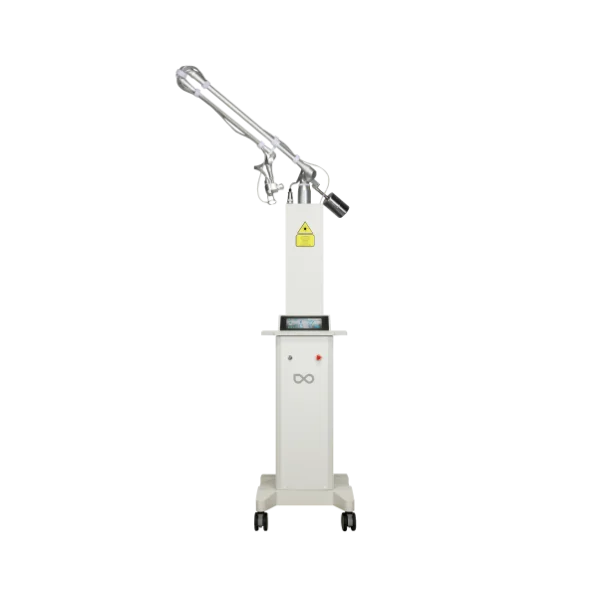
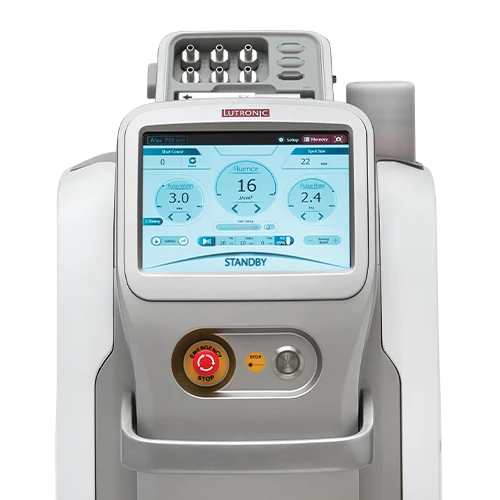
The benign mole is vaporised to skin level in one 10 to 20 minute session, so it is gone the same day.
A small treated point crusts and heals over about 7 to 14 days, leaving pink skin that settles gradually.
A fully ablated benign mole usually stays gone, with recurrence reported in only about 13 percent of cases.
Any temporary darkening fades over several weeks to a few months, faster with daily sun protection.
If a mole partially returns within 1 to 6 months, a quick review decides on a touch-up or further assessment.
See representative outcomes from Reberry Clinic. Results build gradually and vary by individual; your plan is assessed at consultation.
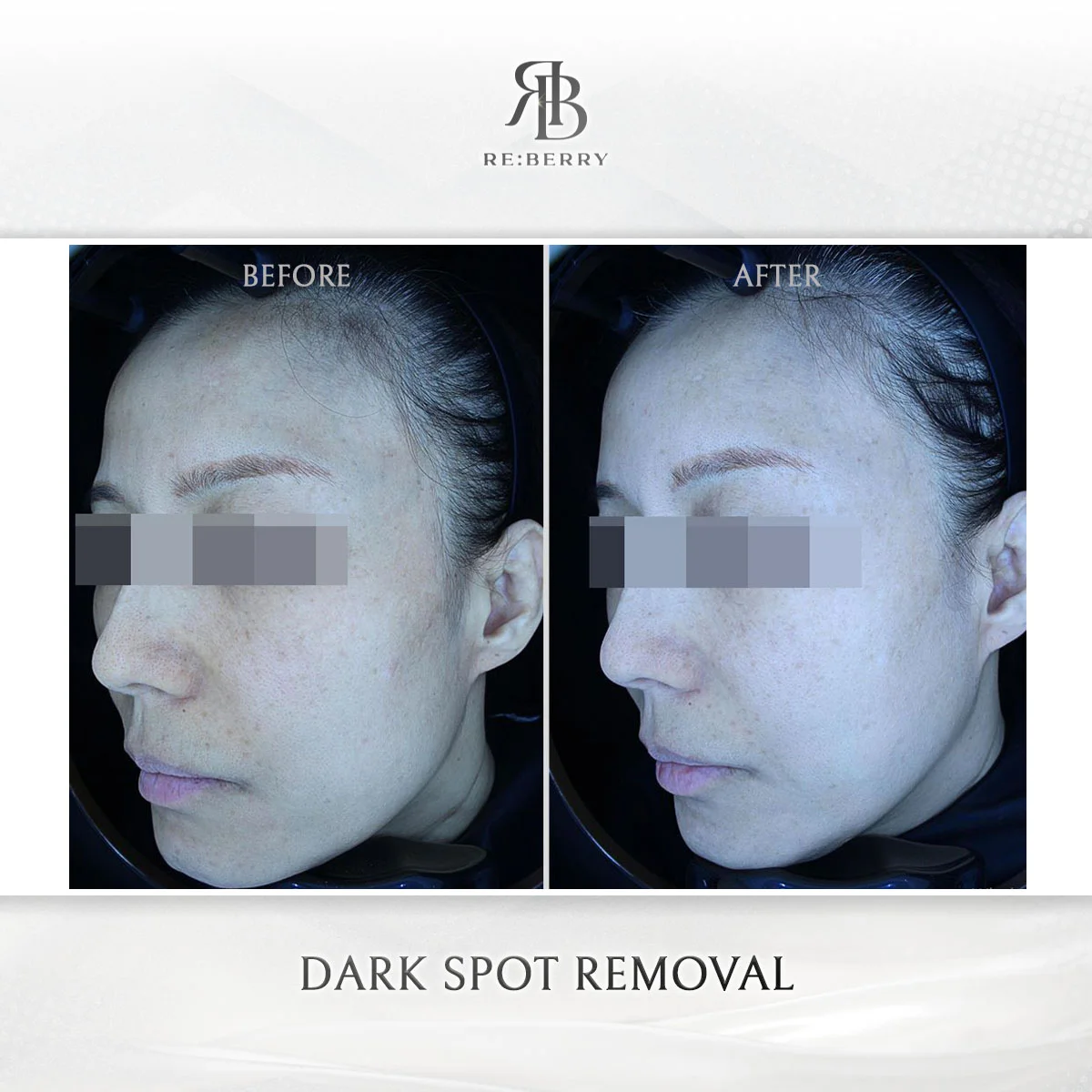
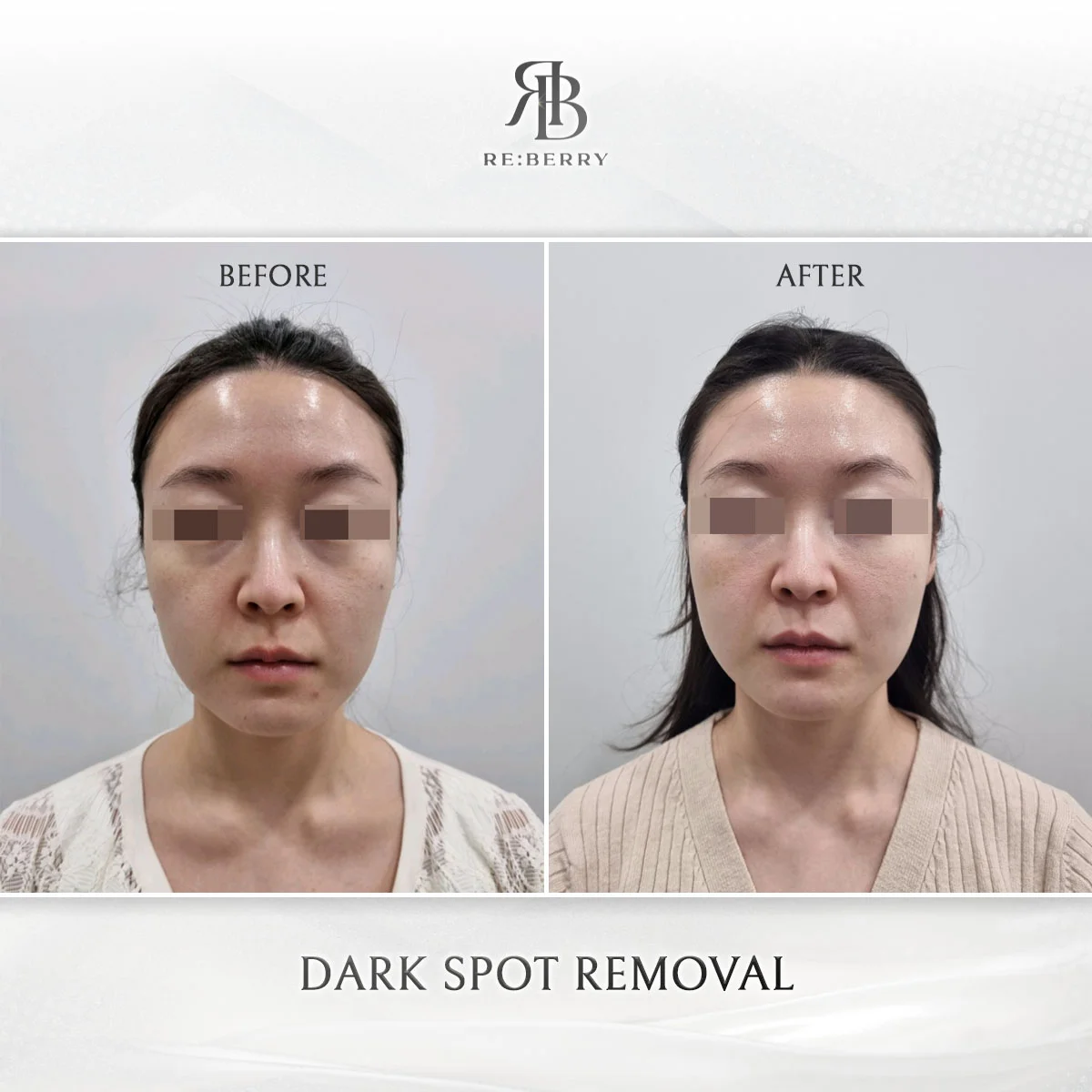
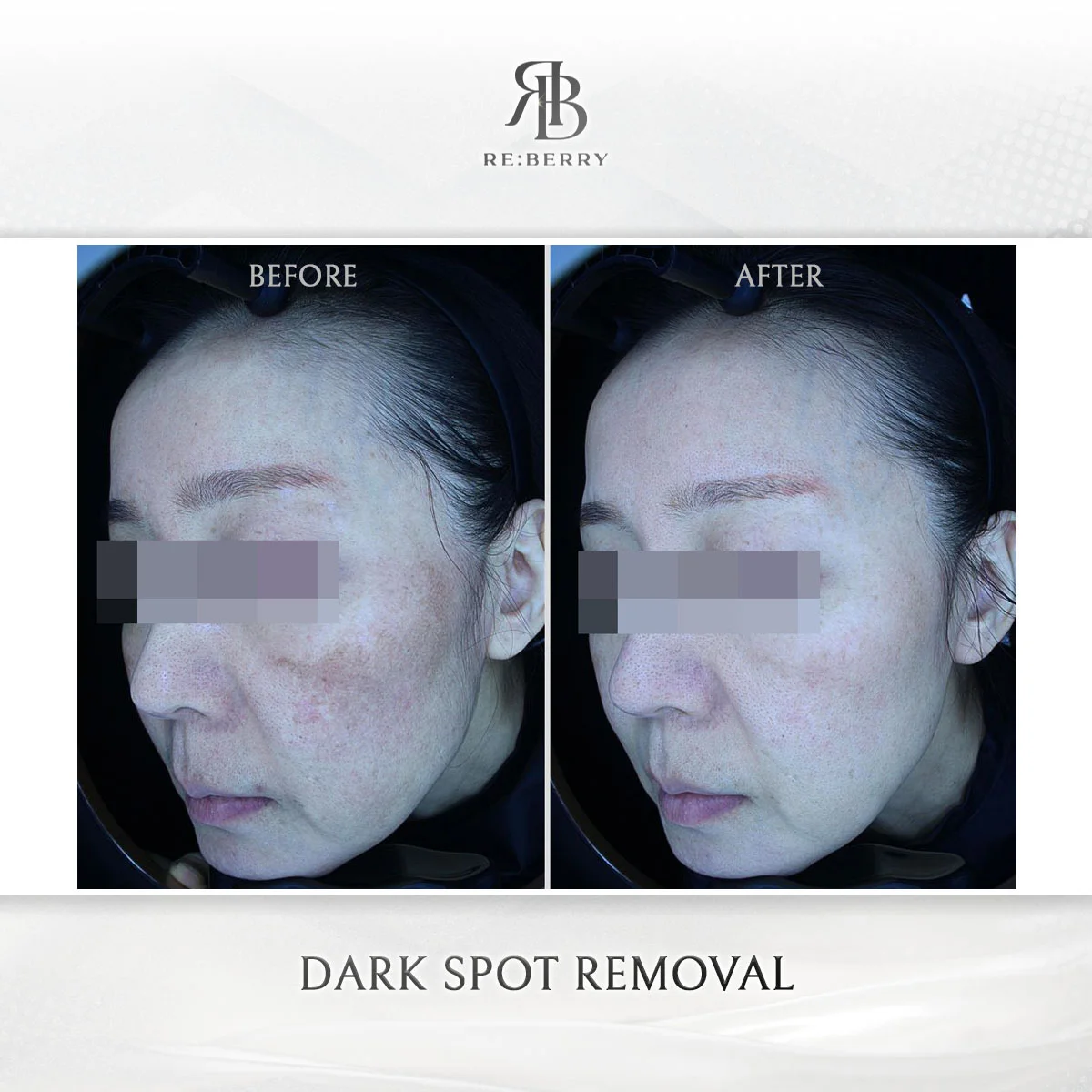
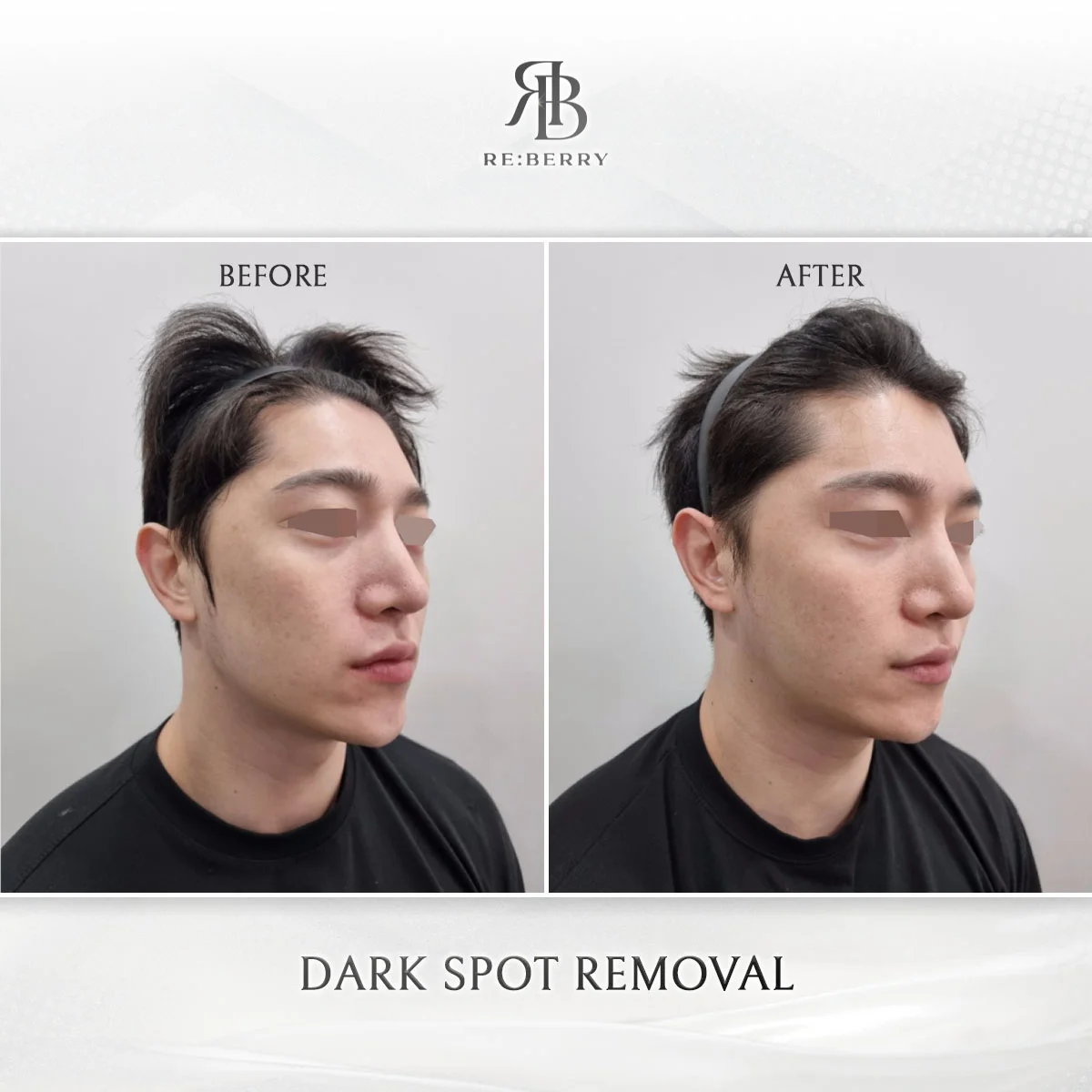
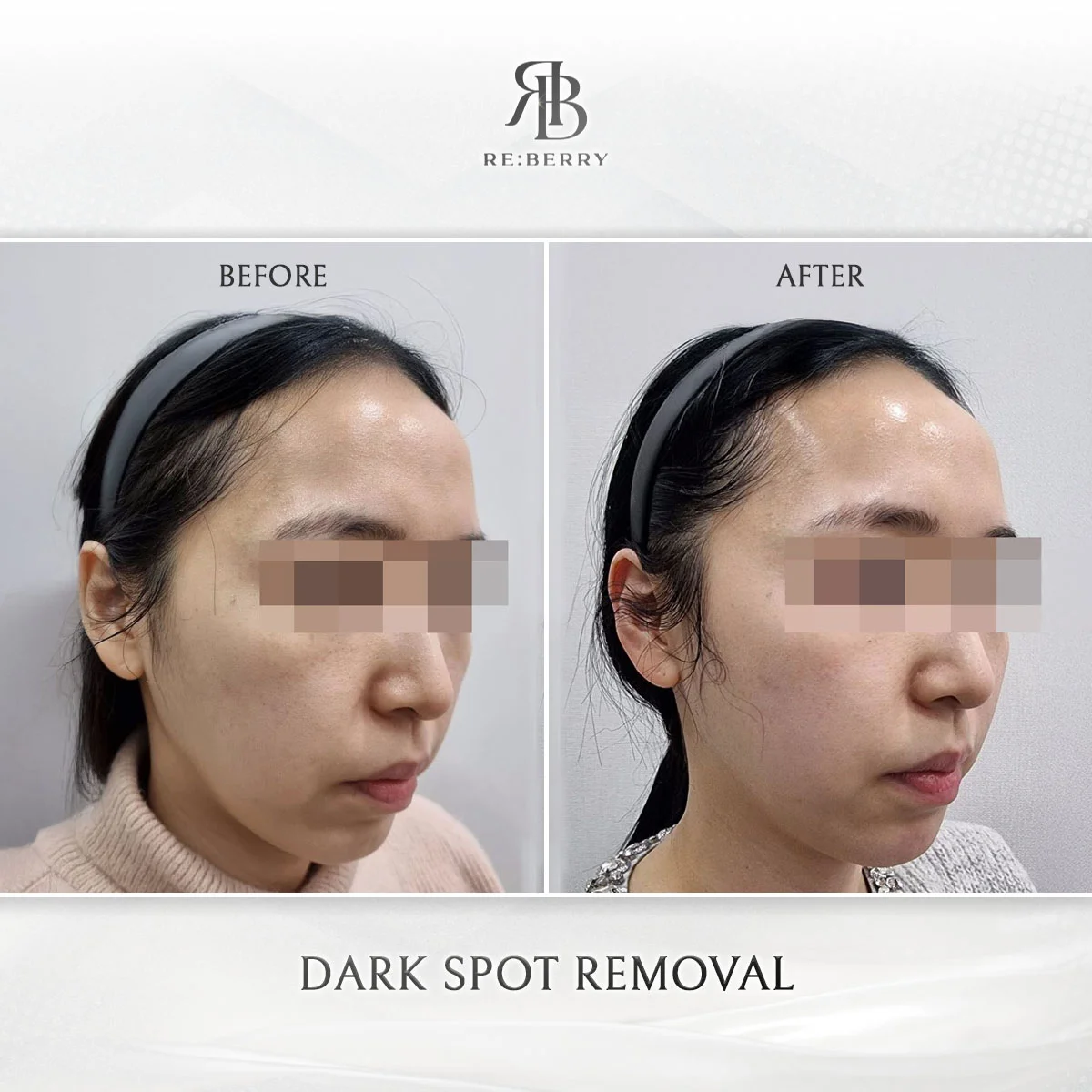
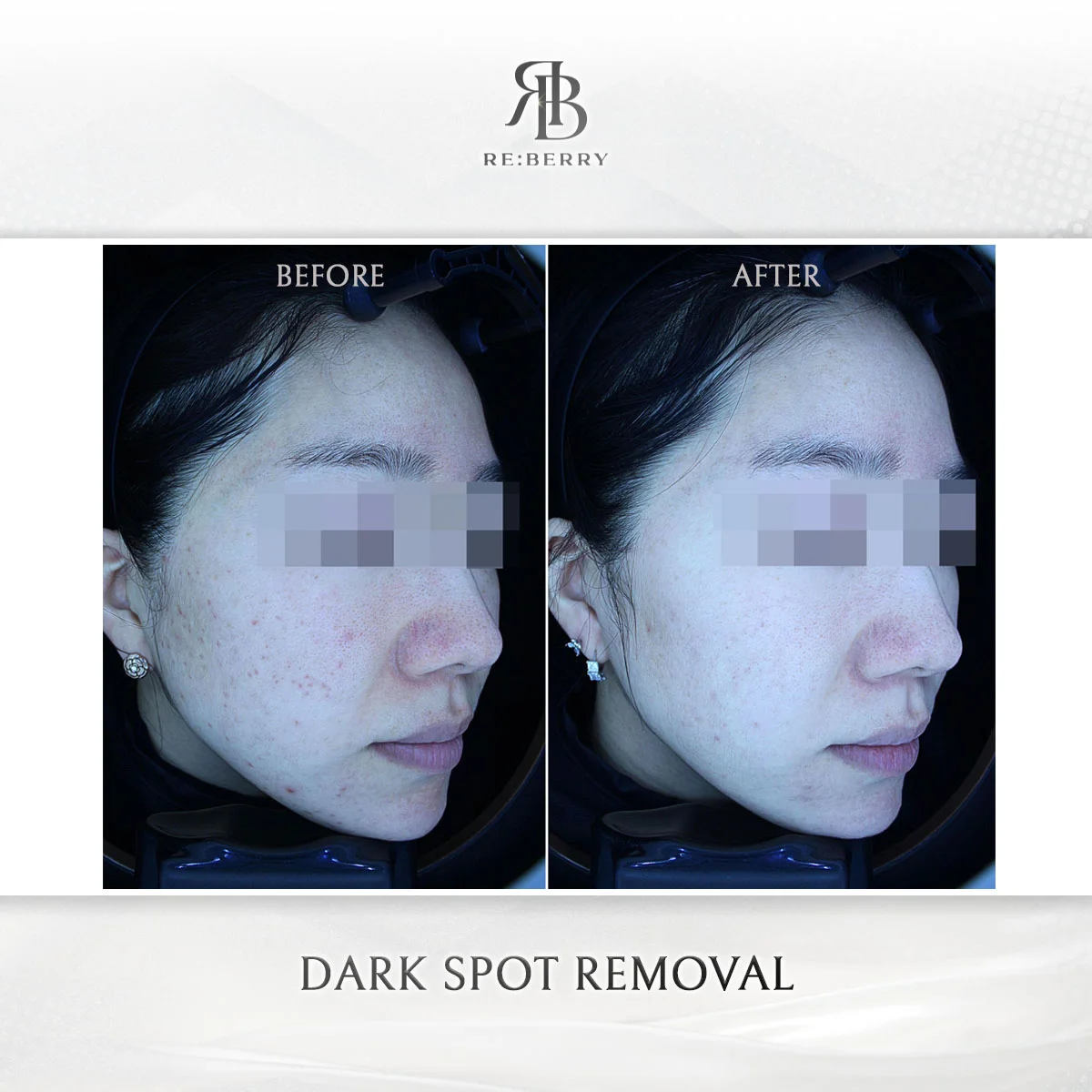
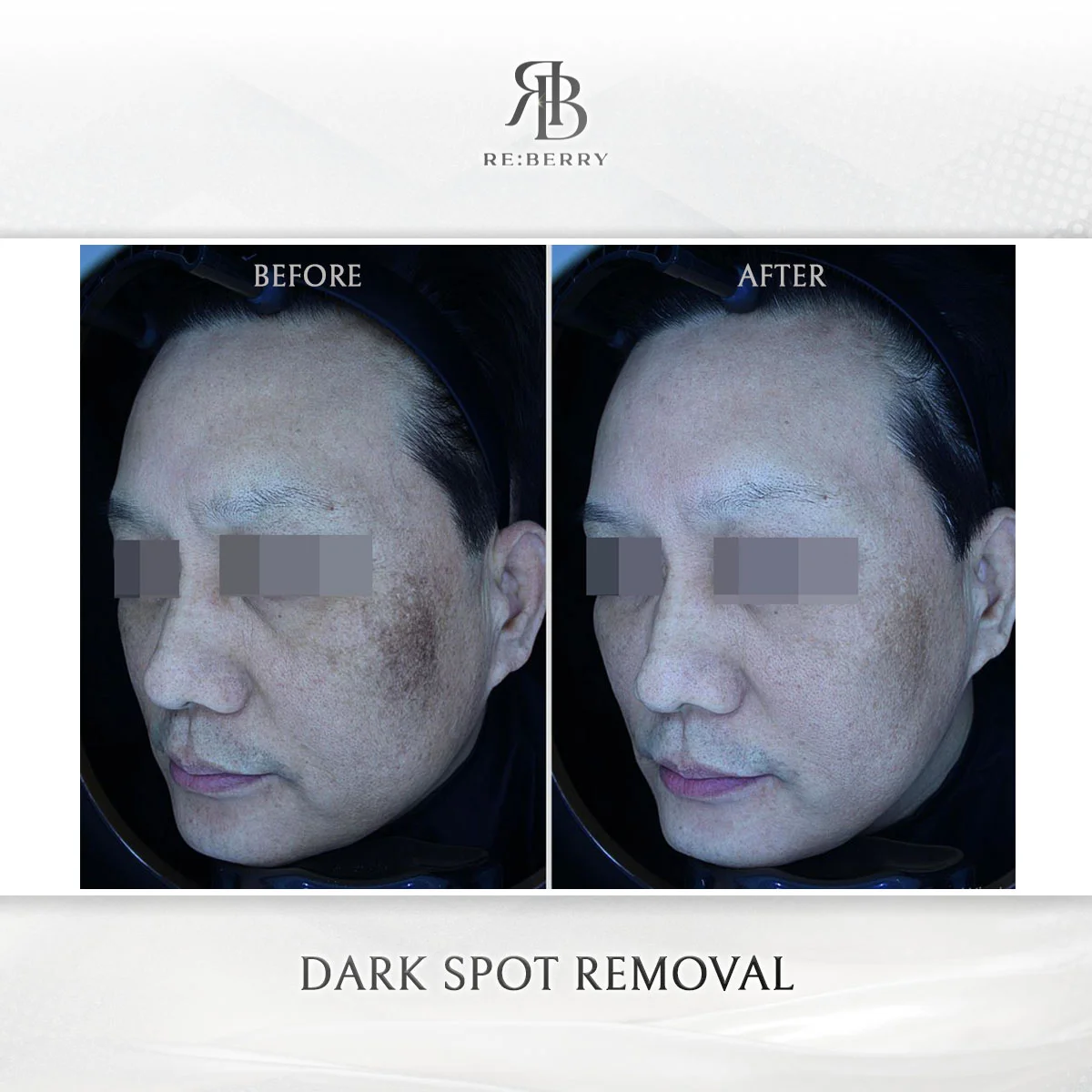
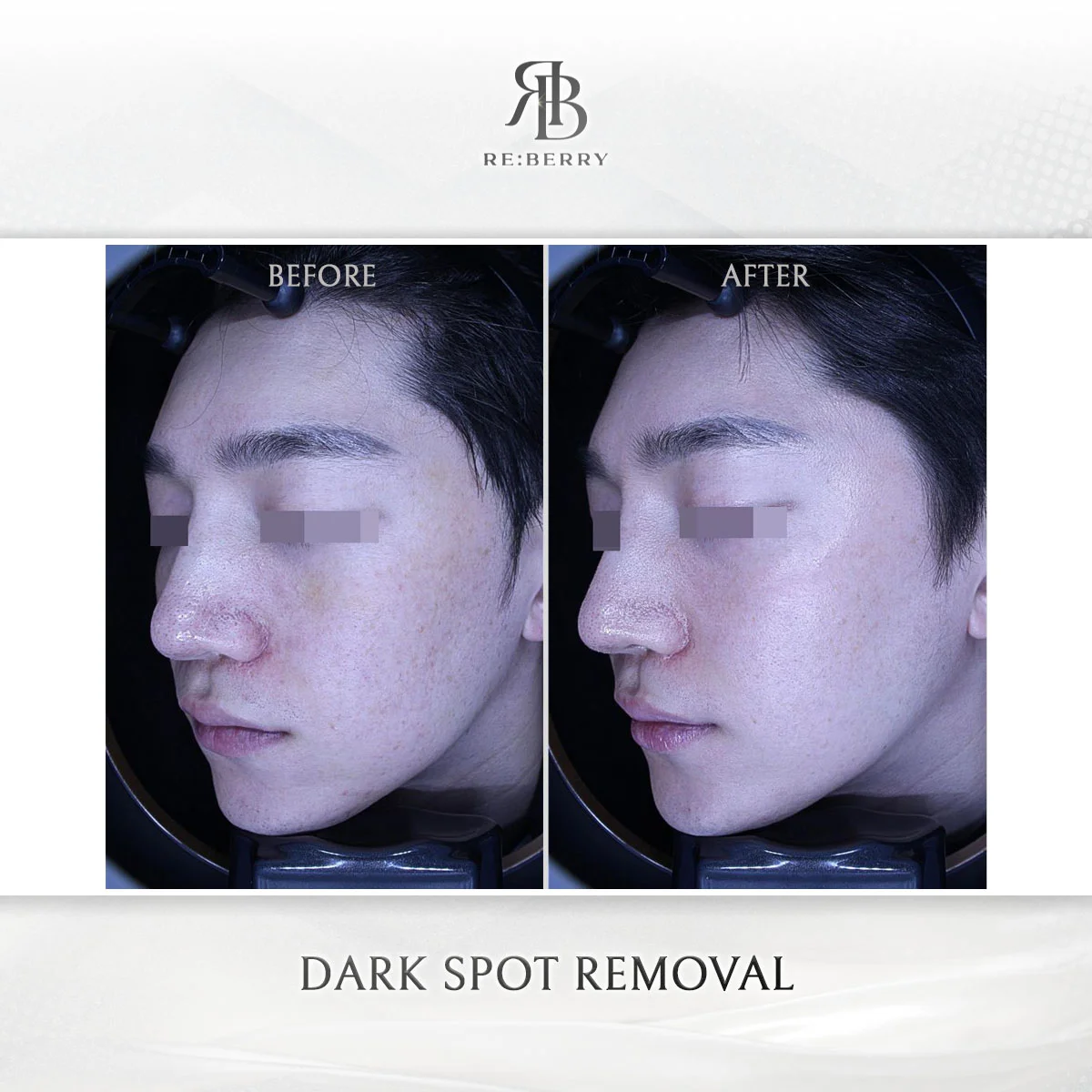
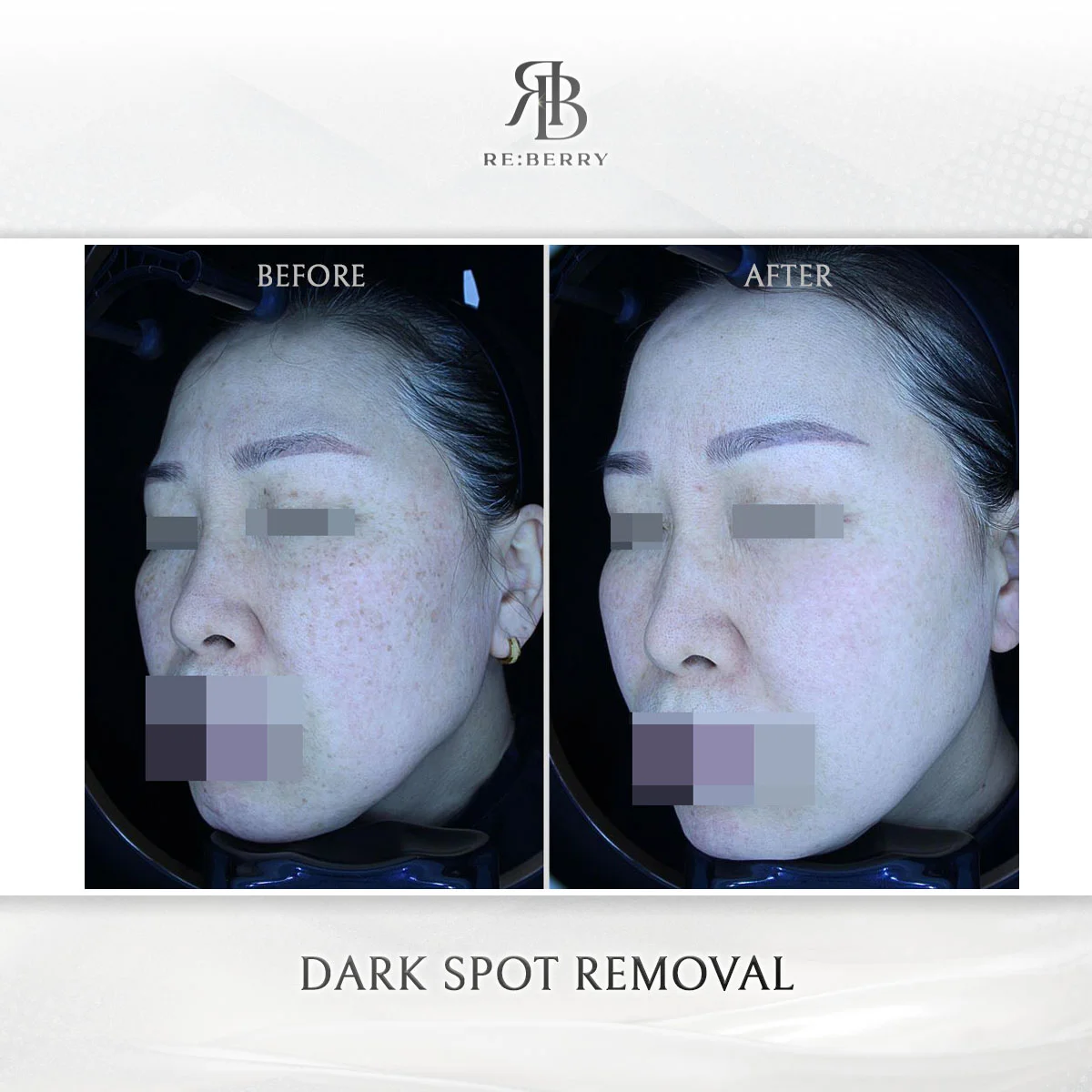
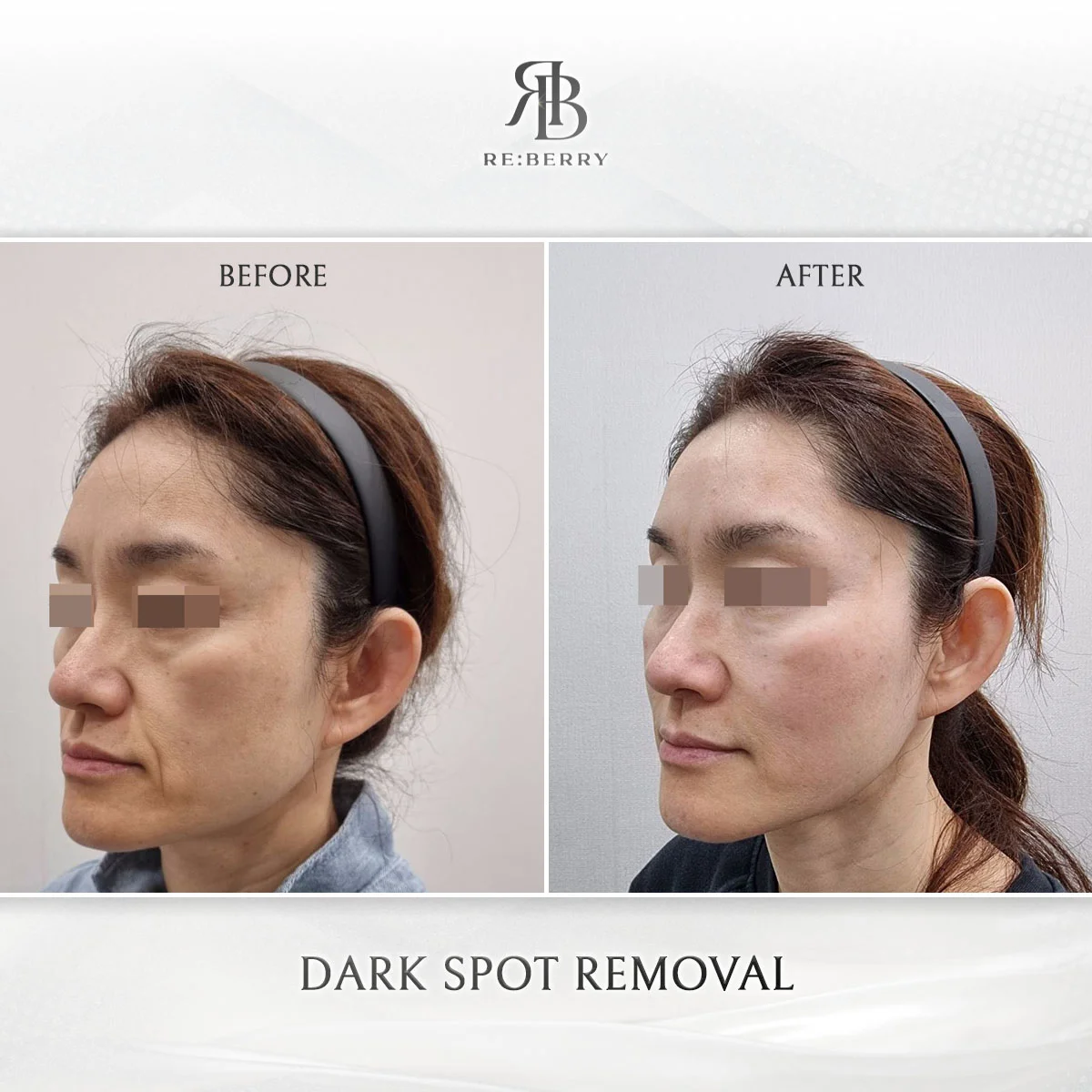
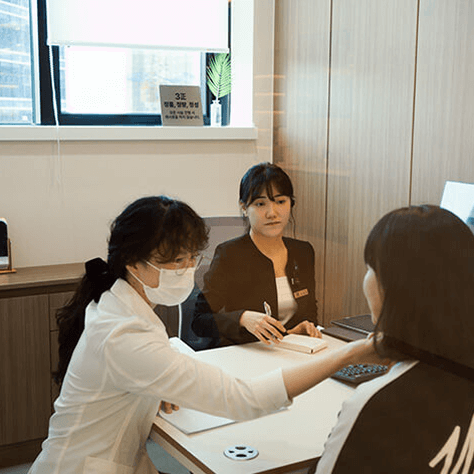
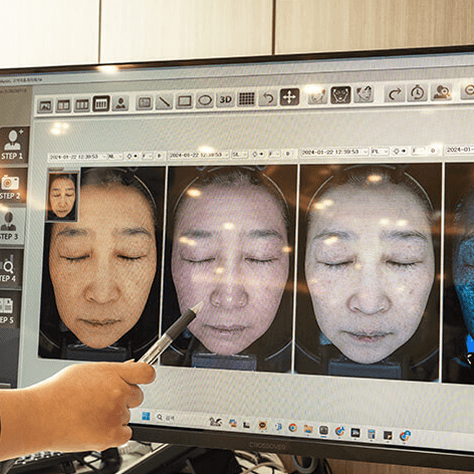
The clinic’s doctors confirm the mole is benign, often with dermoscopy, and explain longevity and any concerns in English.
After numbing for about 20 to 30 minutes, a small benign mole is ablated in roughly 10 to 20 minutes.
A small treated point heals over about 7 to 14 days as the crust separates and pink skin appears.
The mole is gone immediately, and a complete removal usually stays clear, with any recurrence showing within 1 to 6 months.
Daily sunscreen and gentle care limit pigment change and help the flat result stay clean over the years.

A fully ablated benign mole is usually gone for good, and CO2 laser series report recurrence in only about 13 percent of cases. So for most people, results are lasting rather than a one-time fix that fades. If a mole looks atypical or changes, it is assessed and biopsy considered instead of simply lasered, which your doctor explains at consultation.
Yes, a small share of moles, around 13 percent in studies, can partially regrow if a few pigment cells remain at the base. This is not common and is more likely with shallow treatment. Adequate depth and dermoscopy-guided care reduce it, and any regrowth is reviewed and can be re-treated on our laser treatment page options.
Recurrence happens when residual pigment-producing cells at the deep margin survive and slowly repopulate the spot. It reflects incomplete clearance, not the mole being cancerous. Careful depth control lowers the risk, and if a mole does return, your doctor reviews whether a touch-up or fuller assessment is the right next step.
The mole is gone immediately, and the small treated point heals over about 7 to 14 days as the crust separates. Pink skin then fades over several weeks. Any temporary darkening in deeper skin tones settles over weeks to months, faster with sun protection, so it is best to judge the result after healing.
For a fully removed benign mole it is effectively permanent, since the lesion is ablated and most never return. It is not an absolute guarantee, because roughly 13 percent can recur if pigment cells remain. Think of it as durable cosmetic clearance of a benign mole, maintained with sun care and a quick review if anything reappears.
Most small benign moles are removed in a single 10 to 20 minute session. A deeper mole, or a partial recurrence, may need one further touch-up once the area has healed. Your doctor confirms the plan after examining the lesion, and you can review related options on our laser treatment page.
With numbing cream or a small local anaesthetic, most patients feel only mild heat or pressure rather than sharp pain during the brief session. Comfort does not affect how long the result lasts, which depends on complete clearance. Deeper moles may feel slightly stronger but are treated carefully to protect surrounding skin.
Most benign moles heal to a small flat mark rather than a raised scar, especially when treated at the right depth. Aftercare, avoiding picking, and sunscreen help it fade. Deeper or larger moles carry a slightly higher chance of a visible mark, which your doctor discusses so you can weigh laser against excision.
Yes, confirming a mole is benign is essential, because removal is for cosmetic clearance, not for treating a suspicious lesion. Atypical or changing moles are assessed, sometimes with dermoscopy or biopsy, before any laser. This screening step, part of a proper laser treatment consultation, protects your safety first.
Daily broad-spectrum sunscreen is the main lever, since sun exposure can darken healing skin and worsen any mark. Gentle aftercare and not picking the crust also help. A steady routine, like the one on our skin care page, keeps the treated area even and the result looking clean.
Yes, once healed, resurfacing or brightening care can even out surrounding skin, but treatments are spaced so the area is not overstressed. A gentle hydrating facial can support the skin between visits. Your doctor sequences everything around your healing and any pigment settling from the removal.
Clearance is generally reliable, but longevity and appearance vary with mole depth, skin tone, sun habits, and whether pigment cells remain. Deeper skin tones need extra care around temporary darkening. A consultation gives a realistic picture, and you can review the full laser treatment options beforehand.
Plan about 2 to 3 days so you can have a consultation, screening, and the treatment, with the small point healing over 7 to 14 days afterward. There is no long recovery. Our English-speaking team helps schedule around your travel and can review early healing before you leave if timing allows.
Yes, flying within a day or two is generally fine, as the treated point is small and heals over about 7 to 14 days wherever you are. Keep it clean, moisturised, and protected from sun while travelling, since sun can darken healing skin. Your doctor gives clear aftercare before you go.
A partial recurrence usually shows within 1 to 6 months and can be reviewed remotely in English before deciding on a touch-up. Re-treatment is quick and can be planned around a future trip. Your treatment notes are kept on file so any repeat builds on your previous care and depth used.
Cost depends on the number of moles, their size and depth, and whether screening or a touch-up is needed, rather than one fixed price. Larger or deeper moles take more care. A consultation gives a clear plan, and you can explore related options on our laser treatment page first.
| CO2 Laser Ablation | Surgical Excision | Shave Removal | |
|---|---|---|---|
| Energy / mechanism | 10,600 nm laser vaporises the mole | Cut out and stitched closed | Blade shaves the mole flush |
| Best for | Small, benign, flat or raised moles | Larger or atypical moles needing pathology | Raised benign moles above skin |
| How long results last | Usually lasting; about 13 percent recur | Very durable; full-thickness removal | Raised part gone; base may regrow |
| Tissue for pathology | Limited unless a sample is taken first | Whole lesion sent for analysis | Shaved tissue can be analysed |
| Downtime | Small crust about 7 to 14 days | Sutures for 1 to 2 weeks | Small wound about 1 to 2 weeks |
| Scarring | Usually a small flat mark | A fine line scar | Usually a small flat mark |
| Cost factors | Depends on size, number, and depth | Depends on size and closure | Depends on size and number |
Real verified reviews from our Google Business Profile, across all Reberry Clinic locations.
PULLED LIVE FROM GOOGLE · GANGNAM · MYEONGDONG · INCHEON AIRPORT
Your treatment is planned and performed by experienced, MFDS-registered doctors across our Seoul-area clinics, with multilingual support for international patients.
Flagship clinic · KOL for leading lifting & regenerative devices
Multilingual tourist care beside Myeongdong Cathedral
Fast, effective care 20 minutes from the terminals
Message us on WhatsApp for a free consultation in English about mole removal, screening, and results.