



Gangnam
Dr. Yoon-Gon Ryu
Aesthetic Medicine Specialist
Flagship clinic · KOL for leading lifting & regenerative devices · Featured in Authority Magazine (2026)

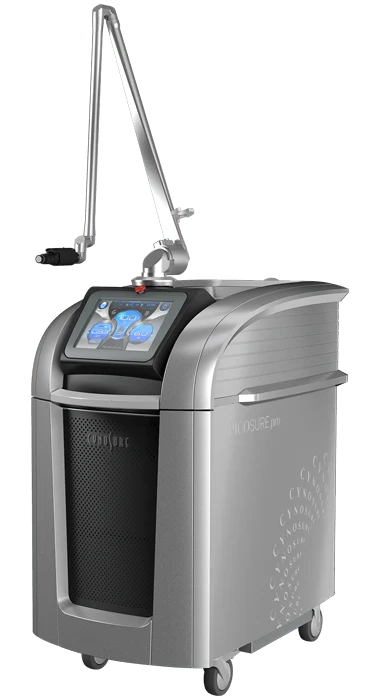
Because fractional laser and microneedling rebuild real collagen over 3 to 6 months, the softening they achieve tends to hold for years, though marks are faded rather than fully erased.
Stretch marks treatment in Korea produces gradual, long-lasting improvement rather than erasure. Because fractional laser and microneedling rebuild collagen, the softened texture and colour typically hold for years once results peak at 3 to 6 months. Existing marks are faded, not removed, and new weight or pregnancy changes can form fresh striae.
One-on-One guidance from a dedicated doctor, ensuring your skin is professionally monitored and treated from start to finish.
Fluent assistance in English, Japanese, and Chinese, making communication clear, respectful and comfortable for international patients.
Over 100,000 patients worldwide have received our personalized dermatological care, highlighting our expertise and reliable results.
Stretch marks (striae distensae) are scar-like bands that form when the dermis is stretched faster than it can adapt, tearing collagen and elastin. Aesthetic treatment does not delete them; instead, fractional laser and microneedling stimulate the skin to lay down new collagen inside and around each stripe, so the marks become flatter, smoother, and closer to surrounding skin tone. Because that improvement is structural, it is gradual to appear and durable once it does.
Most people see change build over 3 to 6 months after a series, then stabilise. The corrected texture and reduced redness of red striae (striae rubra) tend to hold for years, while older white striae (striae alba) improve more modestly. What treatment cannot do is prevent new marks: further rapid weight gain, growth spurts, or pregnancy can create fresh striae even after existing ones are softened. That is why results are best described as a lasting improvement you maintain, not a permanent erasure.
At Reberry Clinic, stretch marks treatment is consultation-led, with the clinic’s doctors matching device, depth, and session count to your mark type and skin tone, then setting realistic longevity expectations. International patients are supported in English across our three Seoul-area locations (Gangnam, Myeongdong, Incheon Airport).
Fractional laser resurfacing creates microscopic columns of controlled thermal injury in the dermis, triggering a wound-healing cascade in which fibroblasts deposit new type I and type III collagen over the following weeks. Microneedling works by a similar mechanism, using fine needles (often with radiofrequency) to induce collagen without ablating the surface. In both cases, visible improvement keeps building for 3 to 6 months because the new collagen is real, persistent tissue that reorganises the striae, not a temporary surface coating. Once a stripe is partially filled and colour is evened, that change does not simply reverse. Longevity then depends on biology and behaviour: intrinsic ageing reduces skin collagen by roughly 1 percent per year, sun exposure degrades new collagen, and further stretching from weight or pregnancy can create new marks. Patients who complete the recommended series, use daily sunscreen, and keep weight stable typically retain their result far longer, which is why aftercare and expectation-setting are treated as part of the treatment.
One Reberry Clinic, multiple Seoul-area locations. Pricing & current promotions are listed on each branch's own site — tap a clinic to view pricing & book.
Our flagship in the heart of Gangnam.
In Seoul's shopping & tourism heart.
A beauty stop between flights.
The newest Reberry Clinic — in Seoul's trend district.
ONE REBERRY CLINIC · MFDS-REGISTERED DEVICES · MULTILINGUAL CARE AT EVERY LOCATION
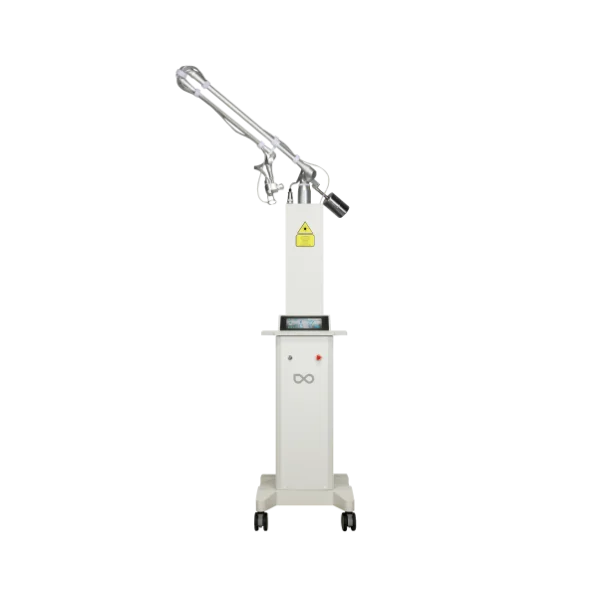
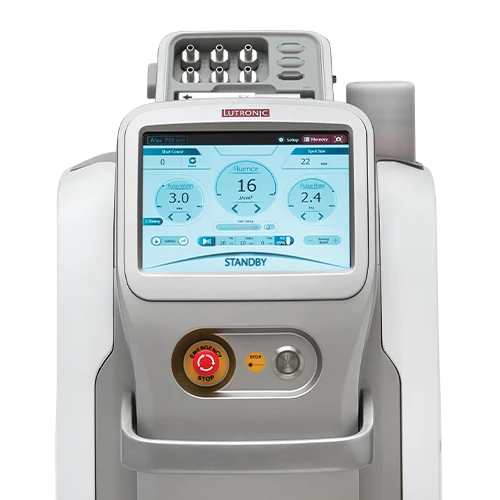
The first 3 to 5 days settle initial redness and pinpoint swelling before any texture change is judged.
New collagen forms over the next 4 to 12 weeks, when most of the flattening and colour evening appears.
A series of 3 to 6 sessions, spaced about 4 weeks apart, layers collagen for deeper, longer-held improvement.
Results typically reach their fullest around 3 to 6 months after the last session as the dermis finishes reorganising.
The softened marks then hold for several years, with natural ageing and any new stretching continuing slowly on top.
See representative outcomes from Reberry Clinic. Results build gradually and vary by individual; your plan is assessed at consultation.
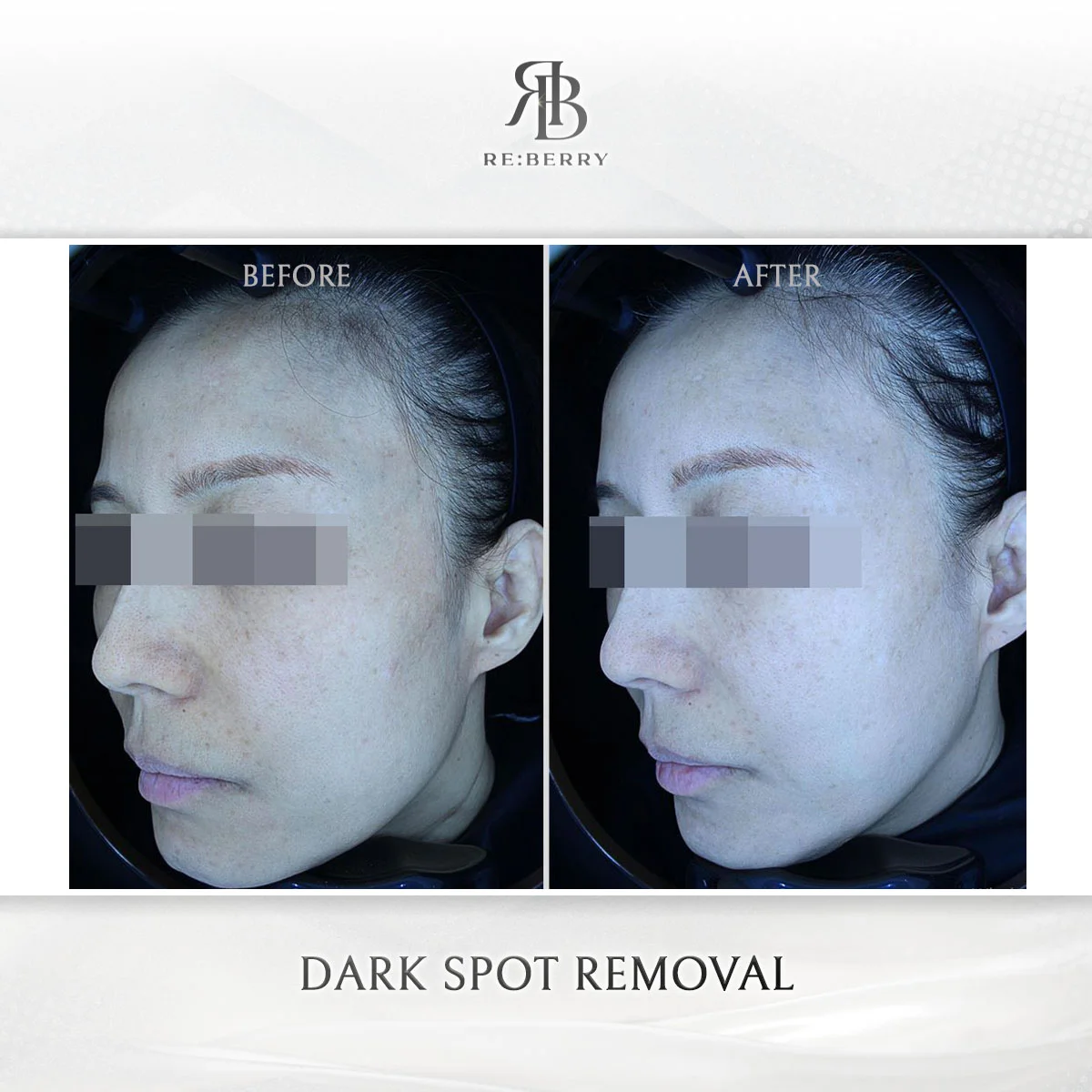
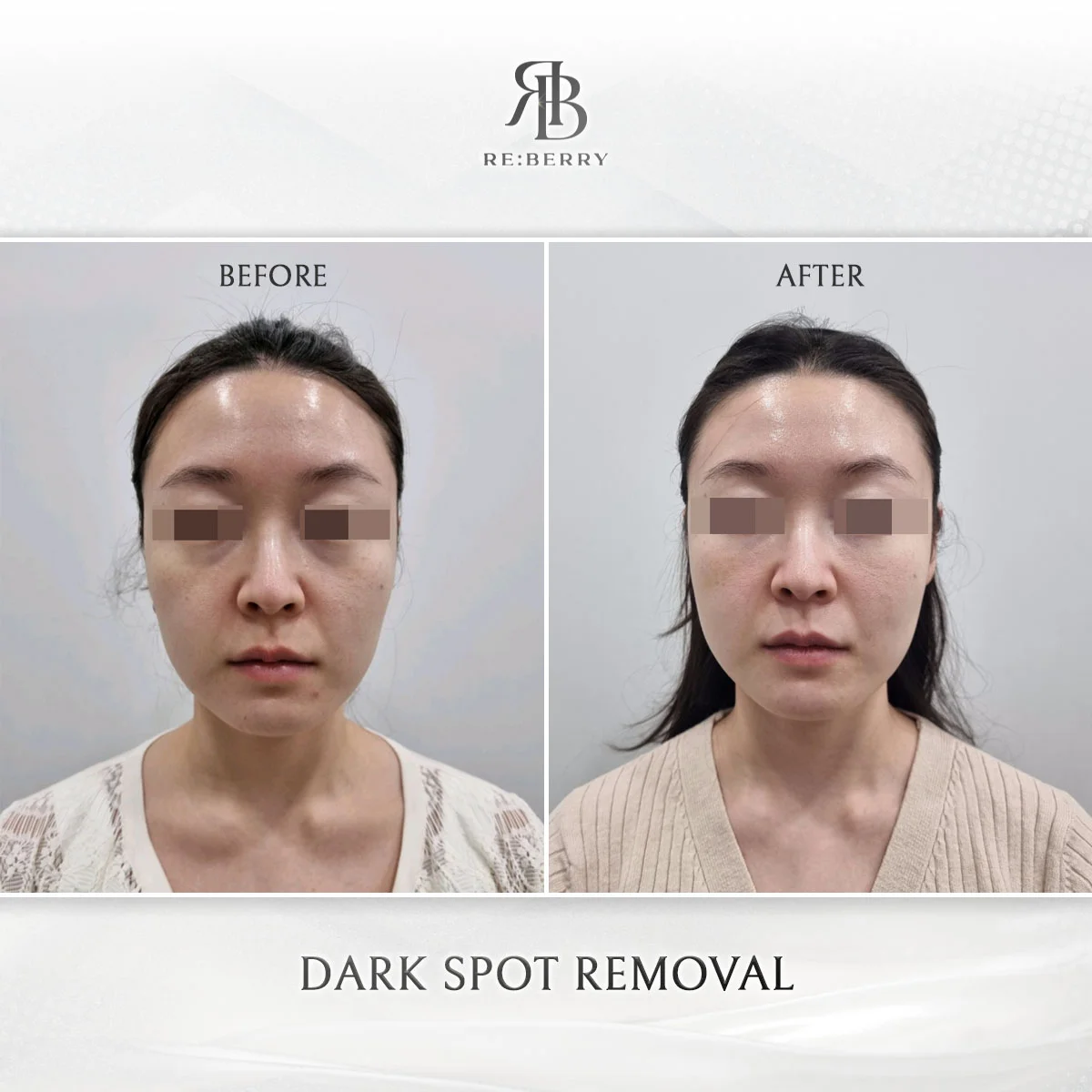
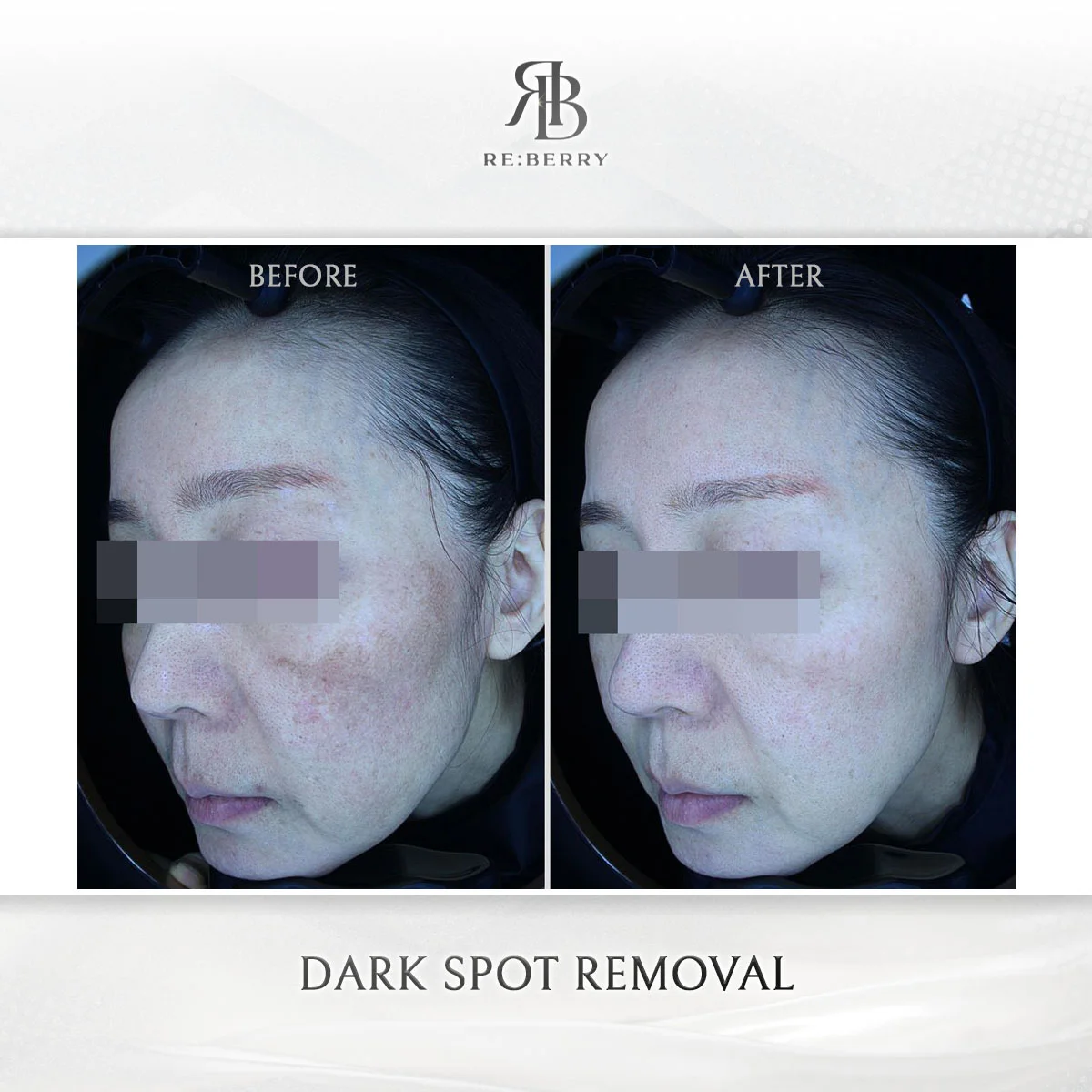
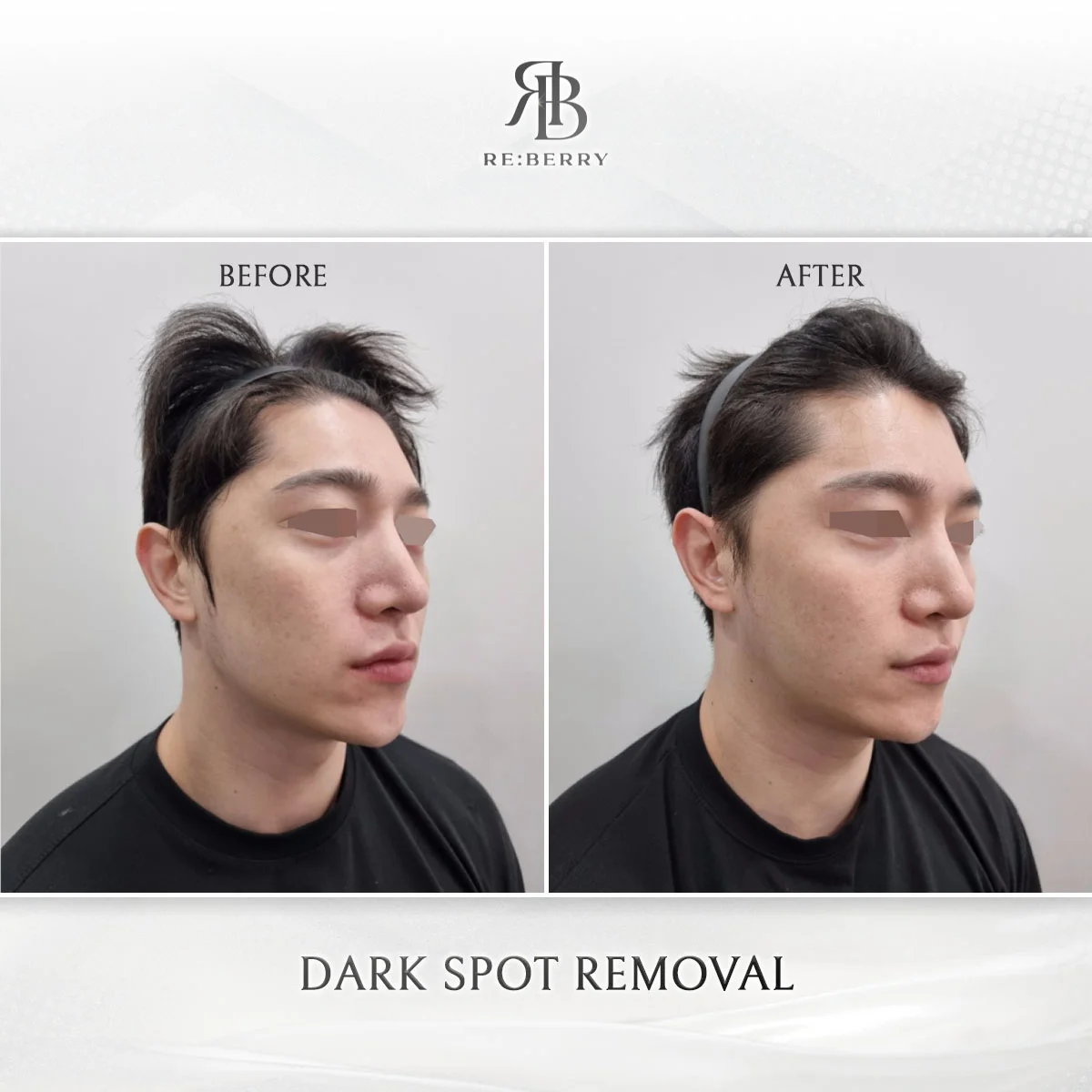
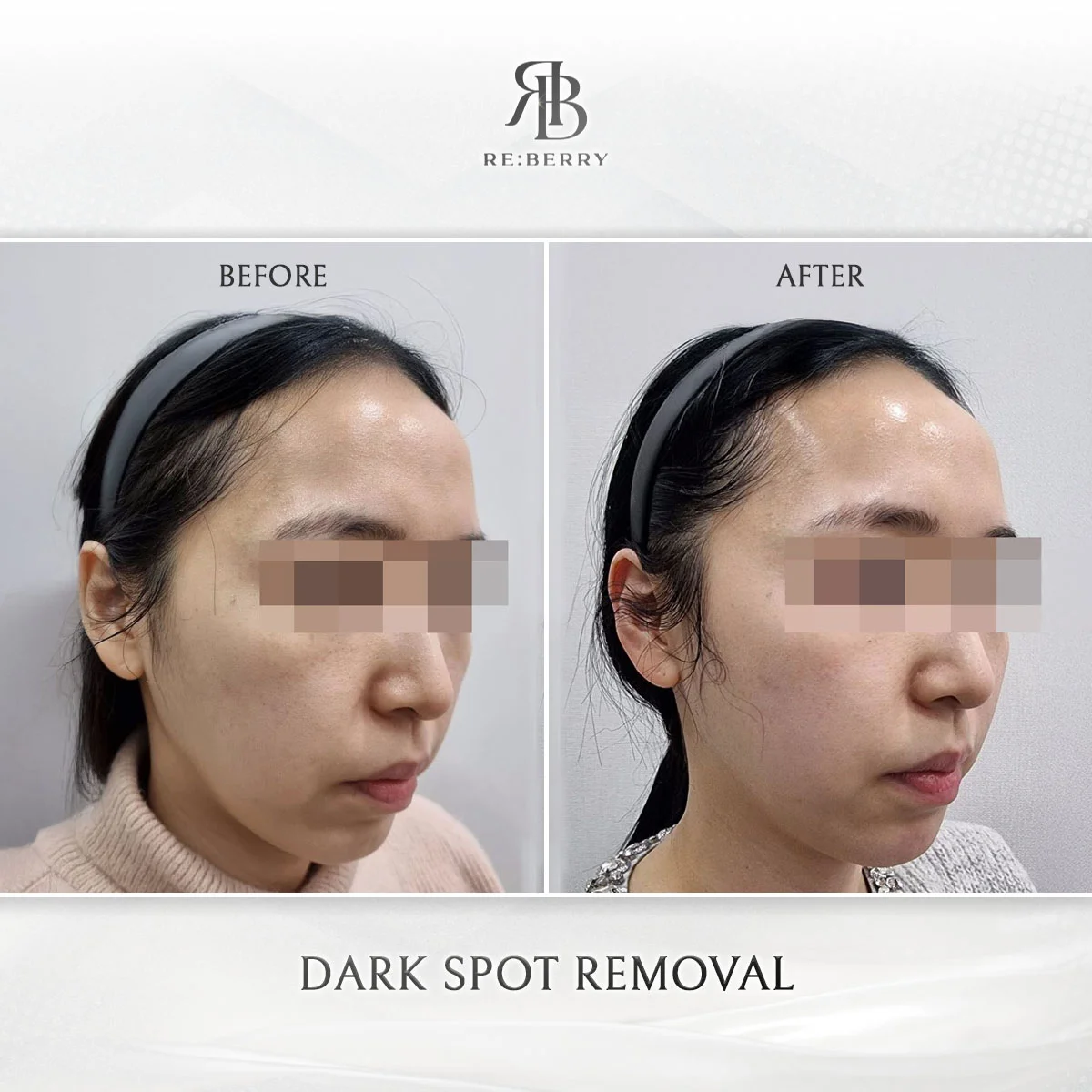
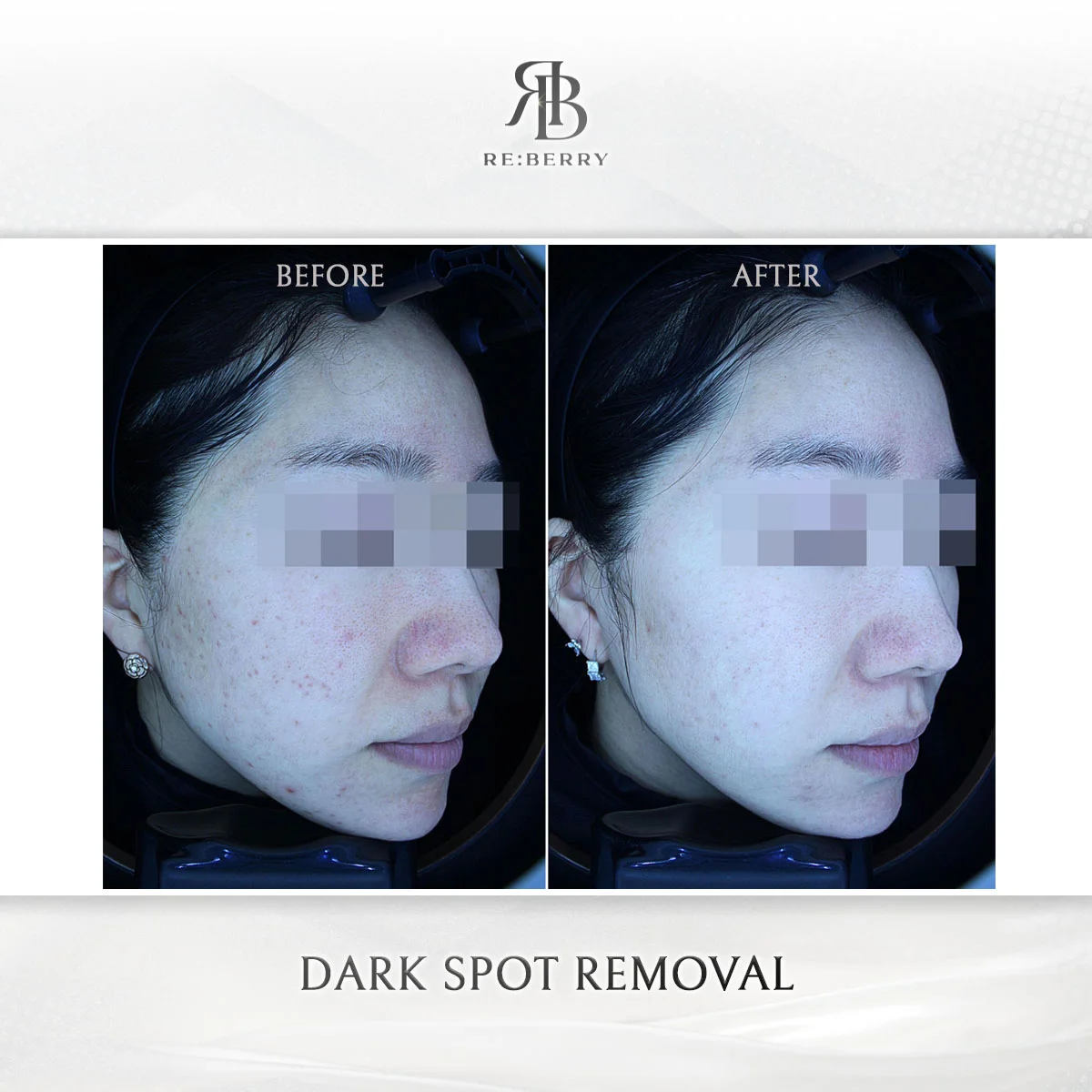
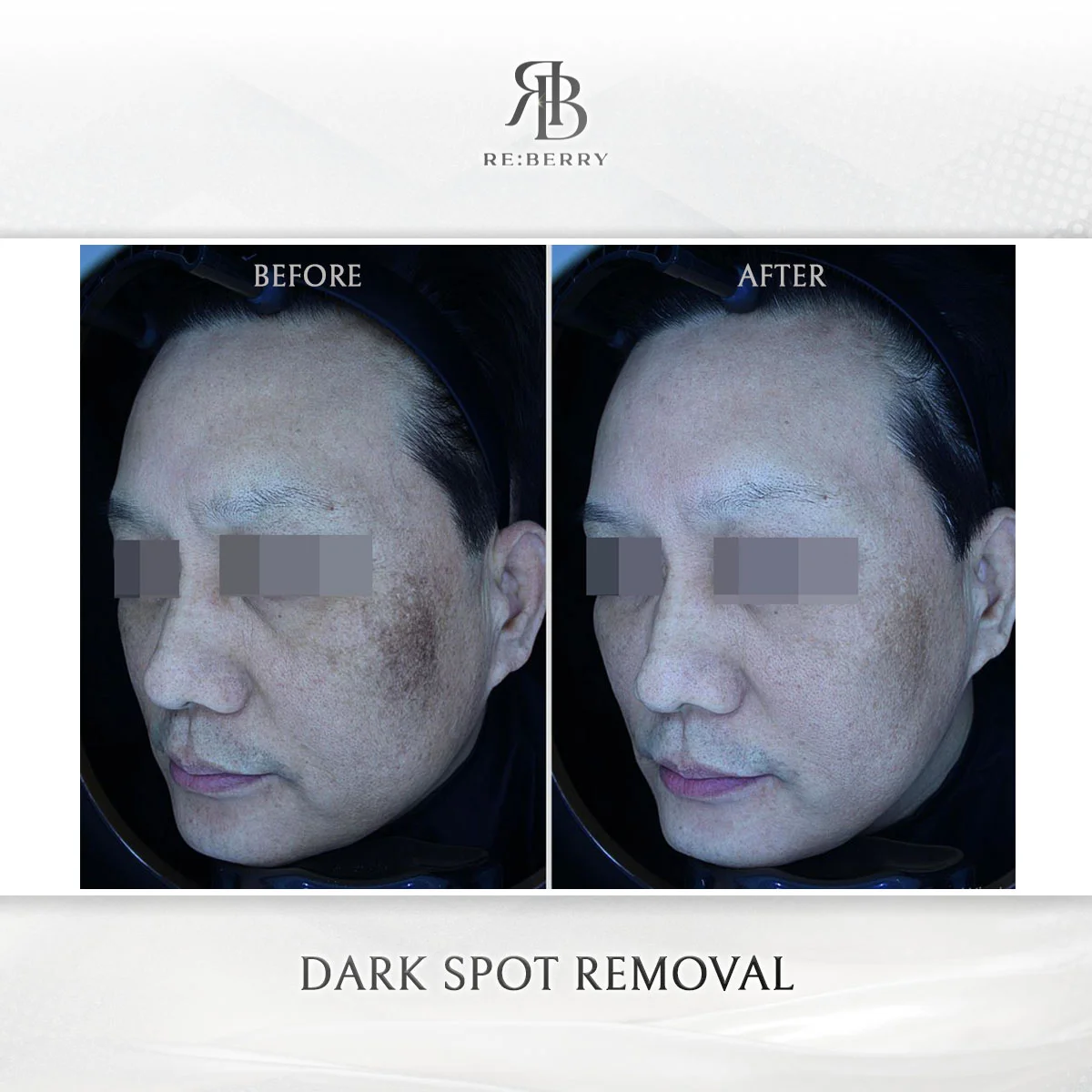
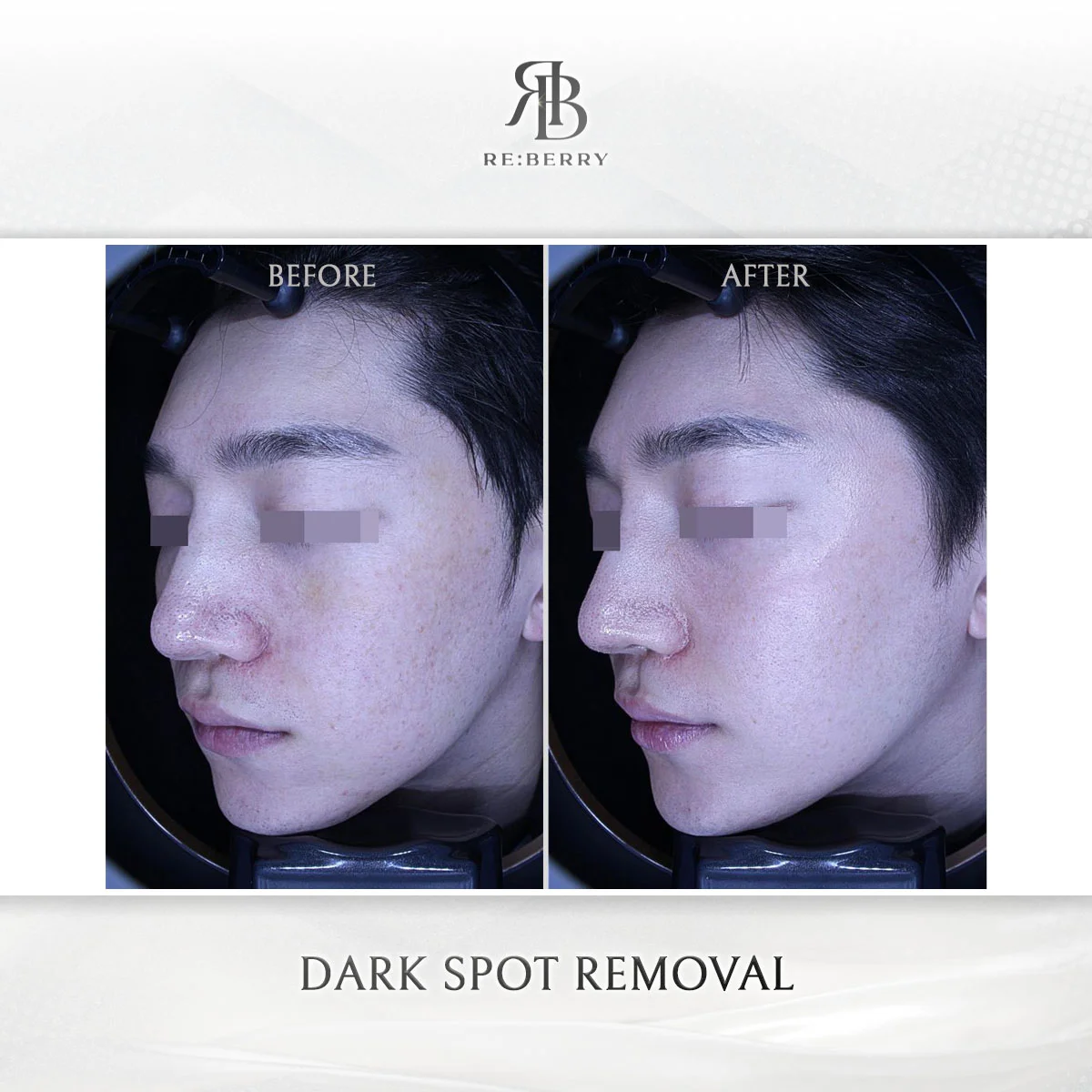
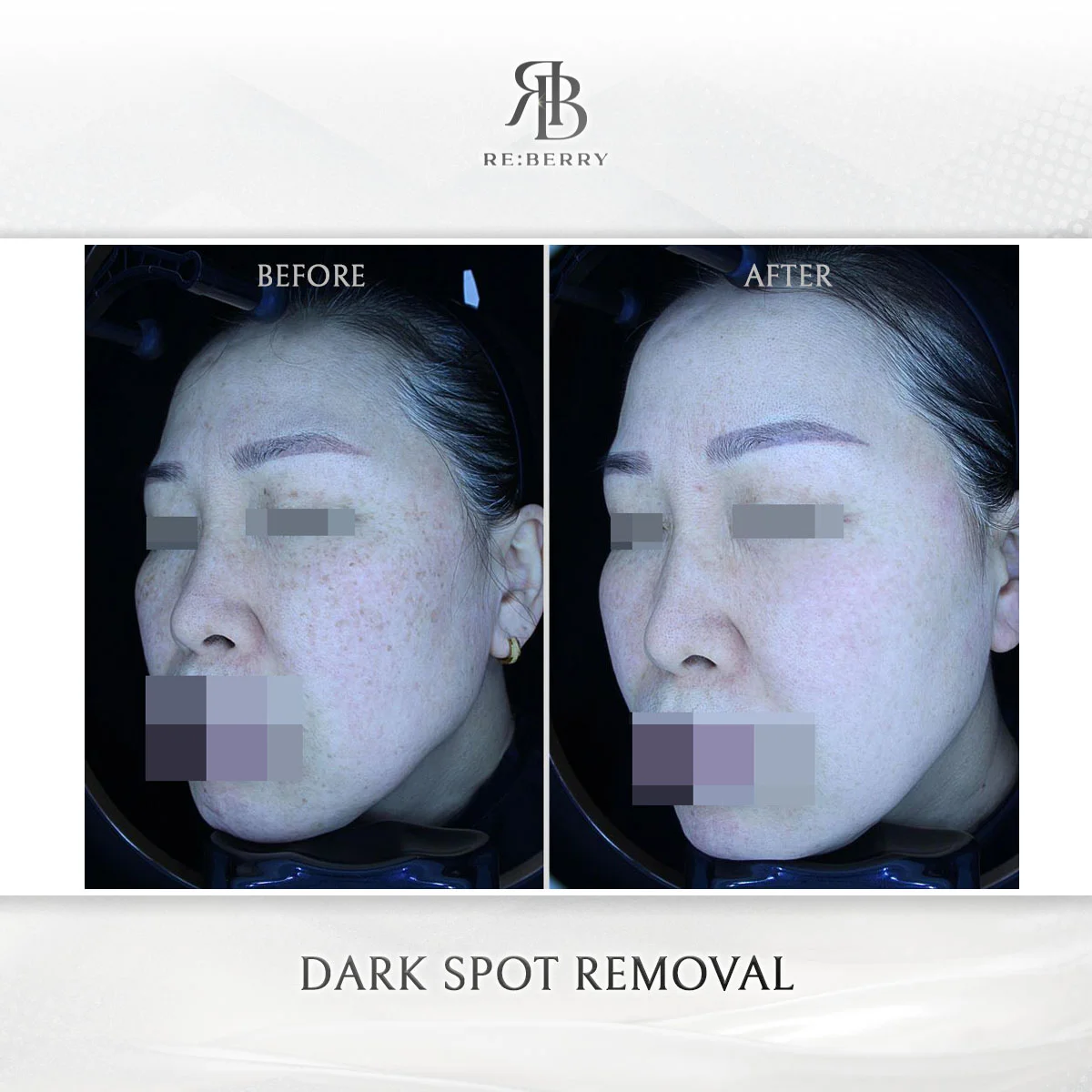
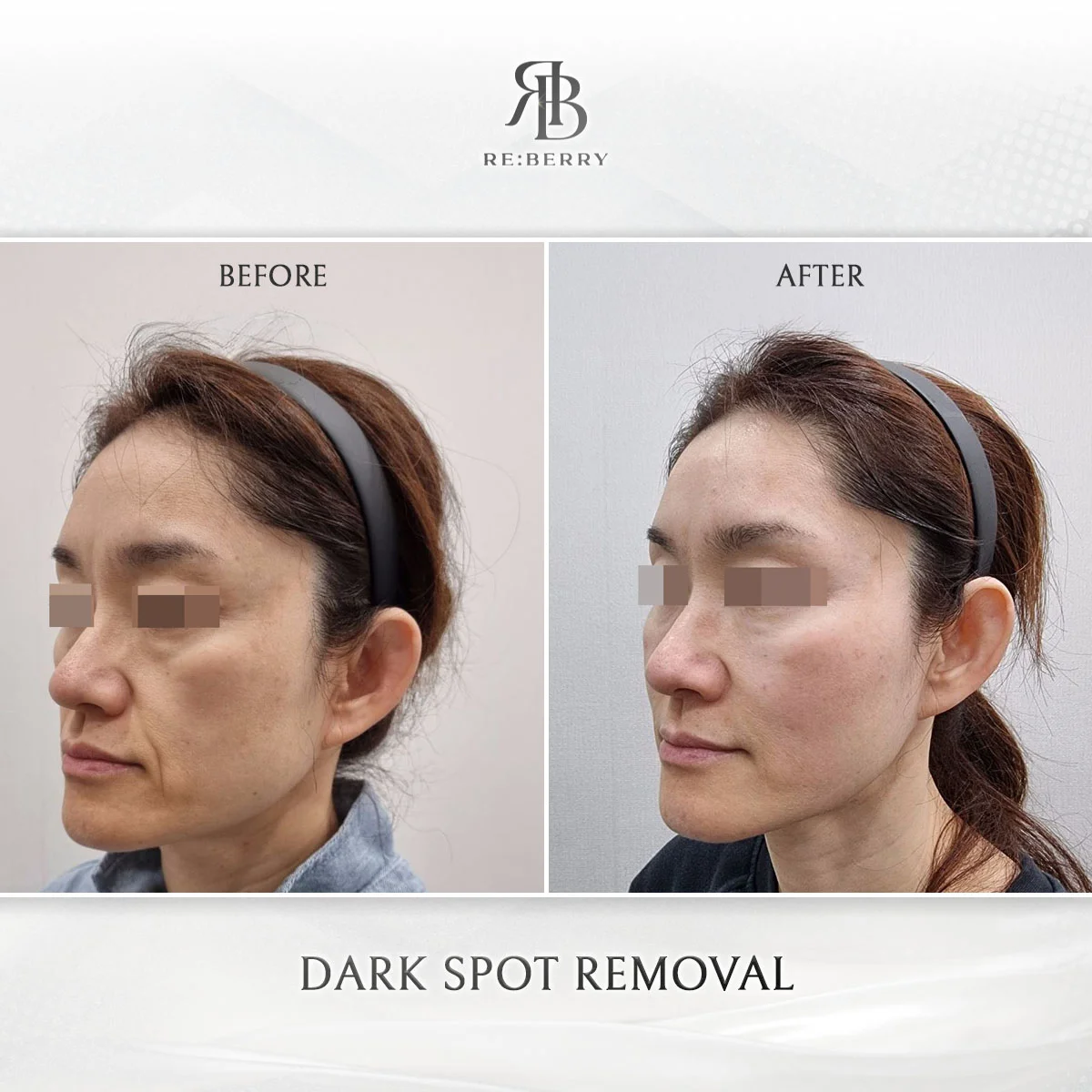
The clinic’s doctors assess mark type, age, and skin tone, then explain how much fading and how long a result is realistic in English.
After numbing for about 30 to 45 minutes, a session typically takes 20 to 40 minutes depending on the area treated.
Visible recovery runs about 3 to 7 days for laser and 1 to 3 days for microneedling before early change is judged.
Improvement builds across a series and peaks 3 to 6 months after the last session as collagen remodels.
Daily sunscreen, stable weight, and occasional maintenance help preserve results over the following years.
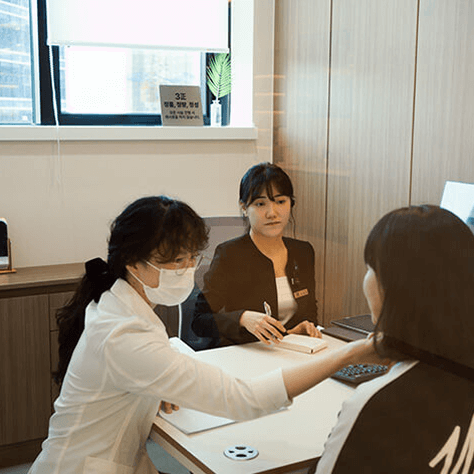
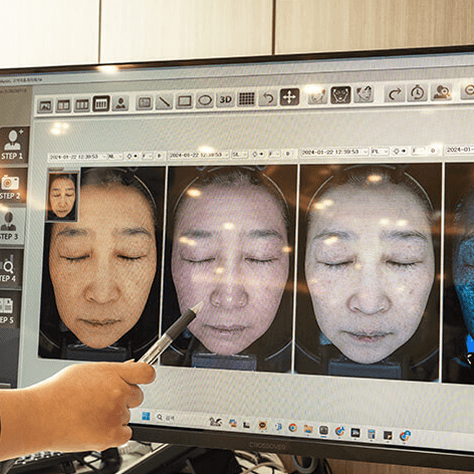
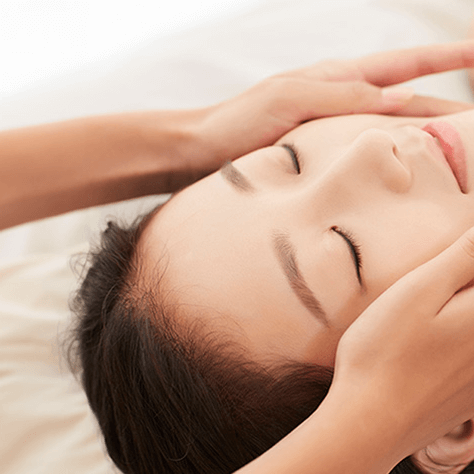
Stretch marks treatment produces long-lasting improvement, with softened marks typically holding for several years. Because fractional laser and microneedling rebuild real collagen, the fading is structural rather than temporary. However, marks are faded, not erased, and new stretching can create fresh striae, so this is a lasting improvement rather than a one-time fix.
No, treatment fades and flattens stretch marks rather than removing them permanently. The softening from rebuilt collagen usually stays for years, but the underlying scar tissue is improved, not deleted. New weight change or pregnancy can also form fresh marks later. Your doctor explains realistic outcomes at consultation and can plan maintenance if wanted.
Early change appears a few weeks after each session, but the full result builds over 3 to 6 months as new collagen forms and reorganises the striae. Because improvement is gradual, judging too early underestimates the outcome. Your doctor reviews progress across the series, which you can plan alongside our laser treatment options.
Yes, a planned series of 3 to 6 sessions usually gives deeper, more durable softening than a single treatment, because each pass layers more collagen. Older or textured marks in particular benefit from a full series. Your doctor confirms how many sessions your marks need and spaces them about 4 weeks apart.
Red (newer) striae generally respond faster and hold results better, because active blood vessels and fresher tissue remodel more readily. Older white striae improve more modestly and may need more sessions. Treating marks while still red or purple, sometimes alongside supportive skin care, tends to give the most durable outcome.
Unprotected sun exposure is the main factor, since ultraviolet light breaks down newly formed collagen and can darken marks. Further weight gain, pregnancy, and skin ageing also shorten how long results hold. Daily sunscreen, stable weight, and good skincare, outlined on our skin care page, meaningfully extend your result.
Yes, treating existing marks does not prevent new ones, because striae form whenever skin is stretched faster than it adapts. Rapid weight gain, growth, or pregnancy can create fresh marks even after older ones are softened. Keeping weight stable and skin well moisturised reduces the risk, and your doctor can advise on prevention.
With numbing cream for about 30 to 45 minutes, most patients feel heat or light prickling rather than sharp pain, and comfort does not affect how long results last. Longevity depends on collagen and aftercare, not discomfort. Deeper settings may feel stronger but also tend to give more durable softening of the marks.
Expect redness and mild swelling for about 3 to 7 days with laser, or 1 to 3 days with microneedling, before early change shows. The true result emerges over 3 to 6 months. Judging in the first weeks underestimates the outcome, so your doctor schedules a review once collagen has had time to remodel.
Complete the recommended session series, then use daily broad-spectrum sunscreen, keep weight stable, moisturise well, and avoid smoking to preserve the new collagen. A consistent routine, like the one on our skin care page, is the single biggest lever on how long your softened marks hold.
Yes, laser and microneedling are often alternated across a plan, and gentler collagen-supporting care can prolong the smooth result between sessions. A periodic hydrating facial supports the barrier while deeper work continues. Your doctor sequences everything around healing so the skin is never overstressed.
No, longevity varies with mark type and age, skin tone, sun habits, weight stability, and how many sessions you complete. Newer, red marks in younger skin with diligent sun care tend to hold results longest. A consultation gives a realistic estimate, and you can review the full laser treatment page first.
Stretch marks treatment is available across our three Seoul-area locations, in Gangnam, Myeongdong, and near Incheon Airport, with full English support for international patients. The clinic’s doctors match the device to your marks and skin tone. You can start by messaging our English-speaking team to plan the best location and timing for you.
Plan about 3 to 5 days so you can have a consultation, a treatment session, and an early review before the most visible redness settles. Since results build over 3 to 6 months, you can complete a series over future trips or assess progress from home while our team supports you remotely.
Yes, flying within a day or two of laser or microneedling is generally fine, and results continue developing over 3 to 6 months wherever you are. Keep the area moisturised and protected from sun while travelling, as sun is the main threat to longevity. Your doctor confirms timing based on the settings used.
International patients can assess stretch marks results at home over the 3 to 6 month window, with remote check-ins in English to review progress. Further sessions or maintenance can be planned around future trips, and your treatment notes are kept on file so any repeat builds on your previous result rather than starting over.
| Fractional Laser | Microneedling / RF Microneedling | Topical Creams | |
|---|---|---|---|
| Energy / mechanism | Micro-columns of thermal injury drive new collagen | Fine needles (often with RF) induce collagen | Surface ingredients, no dermal remodelling |
| Best for | Textured, deeper, or older striae | Texture with minimal downtime, all tones | Very early red marks, prevention support |
| Results timeline | Builds over 3 to 6 months | Builds over 2 to 3 months | Slow, subtle over many weeks |
| How long results last | Often several years for softened marks | Often 1 to 2 years, gentler change | Only while used, superficial |
| Downtime | Usually 3 to 7 days | Usually 1 to 3 days | None |
| Sessions | Often 3 to 6 | Often 3 to 5 | Daily, ongoing |
| Cost factors | Depends on area, depth, and session count | Depends on area and session count | Ongoing product cost |
Real verified reviews from our Google Business Profile, across all Reberry Clinic locations.
PULLED LIVE FROM GOOGLE · GANGNAM · MYEONGDONG · INCHEON AIRPORT
Your treatment is planned and performed by experienced, MFDS-registered doctors across our Seoul-area clinics, with multilingual support for international patients.
Flagship clinic · KOL for leading lifting & regenerative devices · Featured in Authority Magazine (2026)
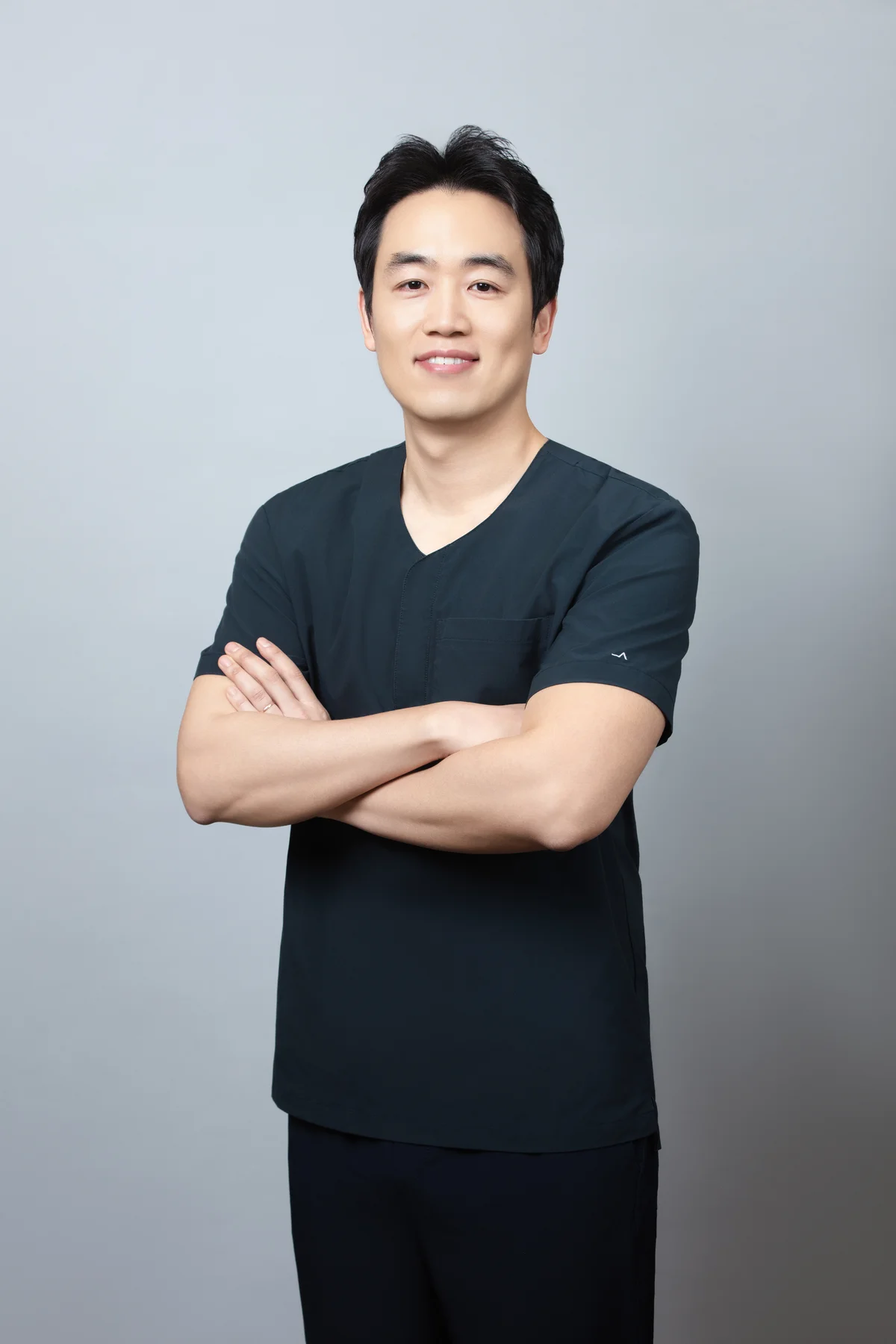
Multilingual tourist care beside Myeongdong Cathedral
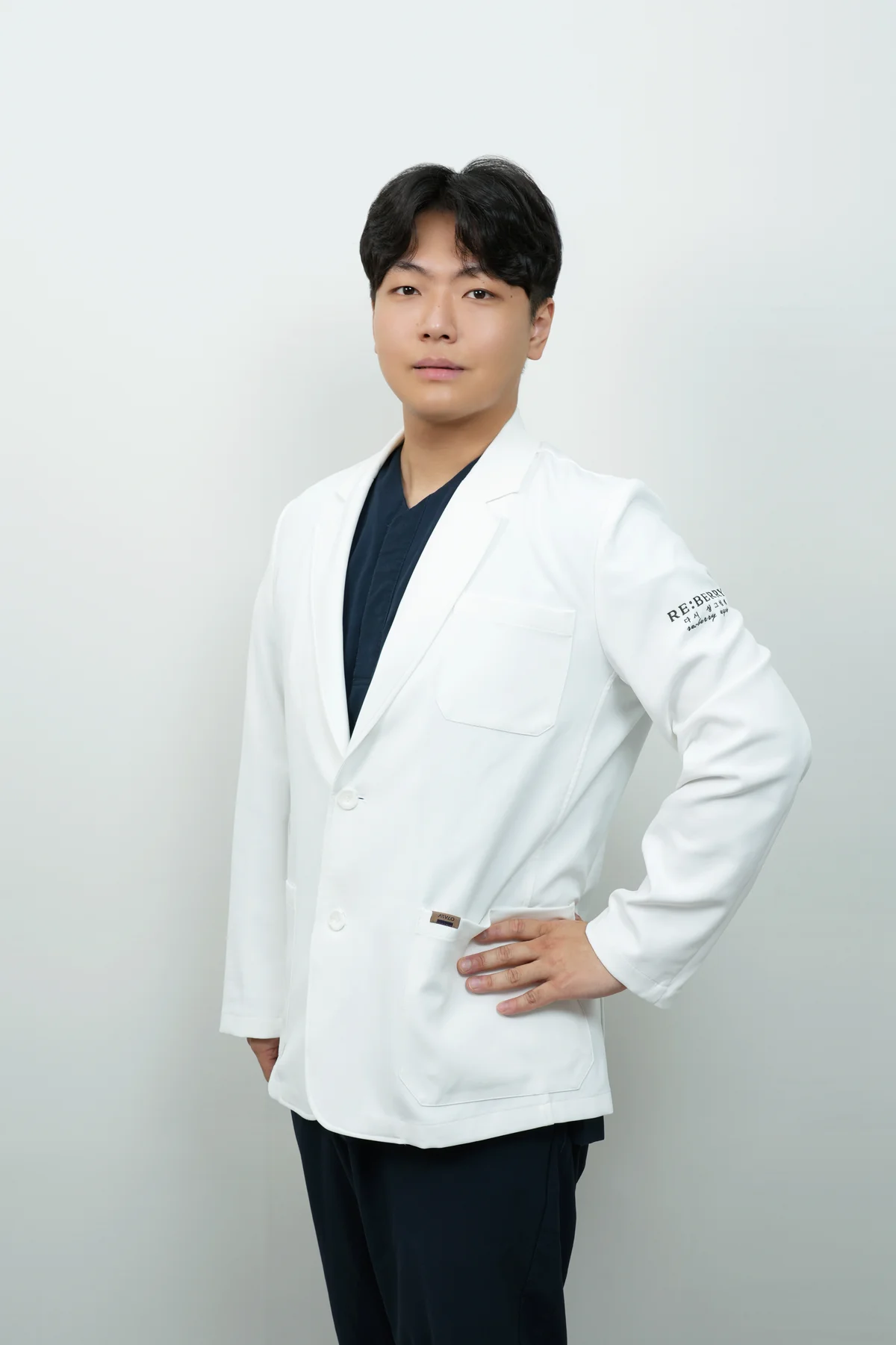
Fast, effective care 20 minutes from the terminals
Message us on WhatsApp for a free consultation in English about your stretch marks results and maintenance.