

Gangnam
Dr. Yoongon Ryu
Aesthetic Medicine Specialist
Flagship clinic · KOL for leading lifting & regenerative devices

Once ink is cleared by laser, it does not regrow, because shattered pigment is carried away by your lymphatic system; full fading typically takes 5 to 10 sessions over several months.
Once a tattoo is cleared by laser, that ink does not return, because shattered pigment is carried away by your lymphatic system rather than masked, so your fading is lasting. What varies is how completely a tattoo clears, since complete clearance is not assured; full results usually need 5 to 10 sessions over several months.
One-on-One guidance from a dedicated doctor, ensuring your skin is professionally monitored and treated from start to finish.
Fluent assistance in English, Japanese, and Chinese, making communication clear, respectful and comfortable for international patients.
Over 100,000 patients worldwide have received our personalized dermatological care, highlighting our expertise and reliable results.
The short answer is that cleared ink does not regrow. Laser tattoo removal works by fragmenting pigment into particles small enough for your immune and lymphatic systems to carry away over the weeks after each session. Once a particle has been cleared from the skin, it is gone, so the fading you achieve through treatment is lasting rather than temporary. Unlike a cover-up, which hides ink, removal actually reduces the pigment present, which is why a properly cleared area does not refill on its own.
What genuinely varies is how completely a tattoo clears, and that is a different question from whether results last. Complete clearance is not assured: ink color, depth, density, the tattoo’s age and your skin tone all influence how much pigment can be removed across a course of sessions. Black and dark inks usually clear more fully than blue, green or yellow. If some residual ink or a faint shadow remains after a full course, that residual stays as treated, while everything cleared remains cleared. Old tattoos already fade slowly on their own; laser simply accelerates and completes far more of that process.
Reberry Clinic is a dermatology clinic where laser tattoo removal is performed by the clinic’s doctors, who set realistic expectations about how completely your tattoo can clear. The clinic serves international patients across three Seoul-area locations (Gangnam, Myeongdong, Incheon Airport) with English-speaking support, and explains your likely session count and lasting outcome during a laser treatment consultation.
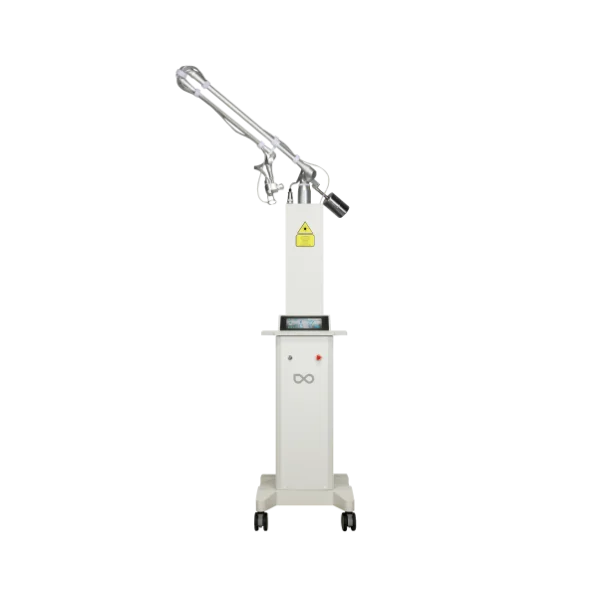
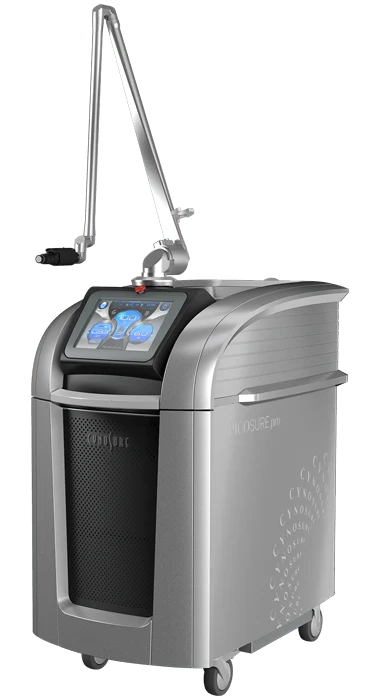
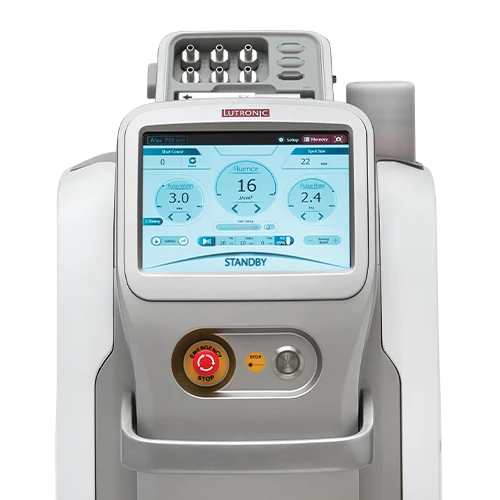
Tattoo ink is permanent in untreated skin because the particles are too large for immune cells to remove, so they stay trapped. Laser tattoo removal changes this with photoacoustic energy: ultra-short pulses, delivered in nanoseconds by Q-switched lasers or trillionths of a second by picosecond lasers, shatter pigment into much smaller fragments. Those fragments are then carried away by the lymphatic system over the following 6 to 8 weeks, which is why each session produces a step of lasting fade rather than a temporary one.
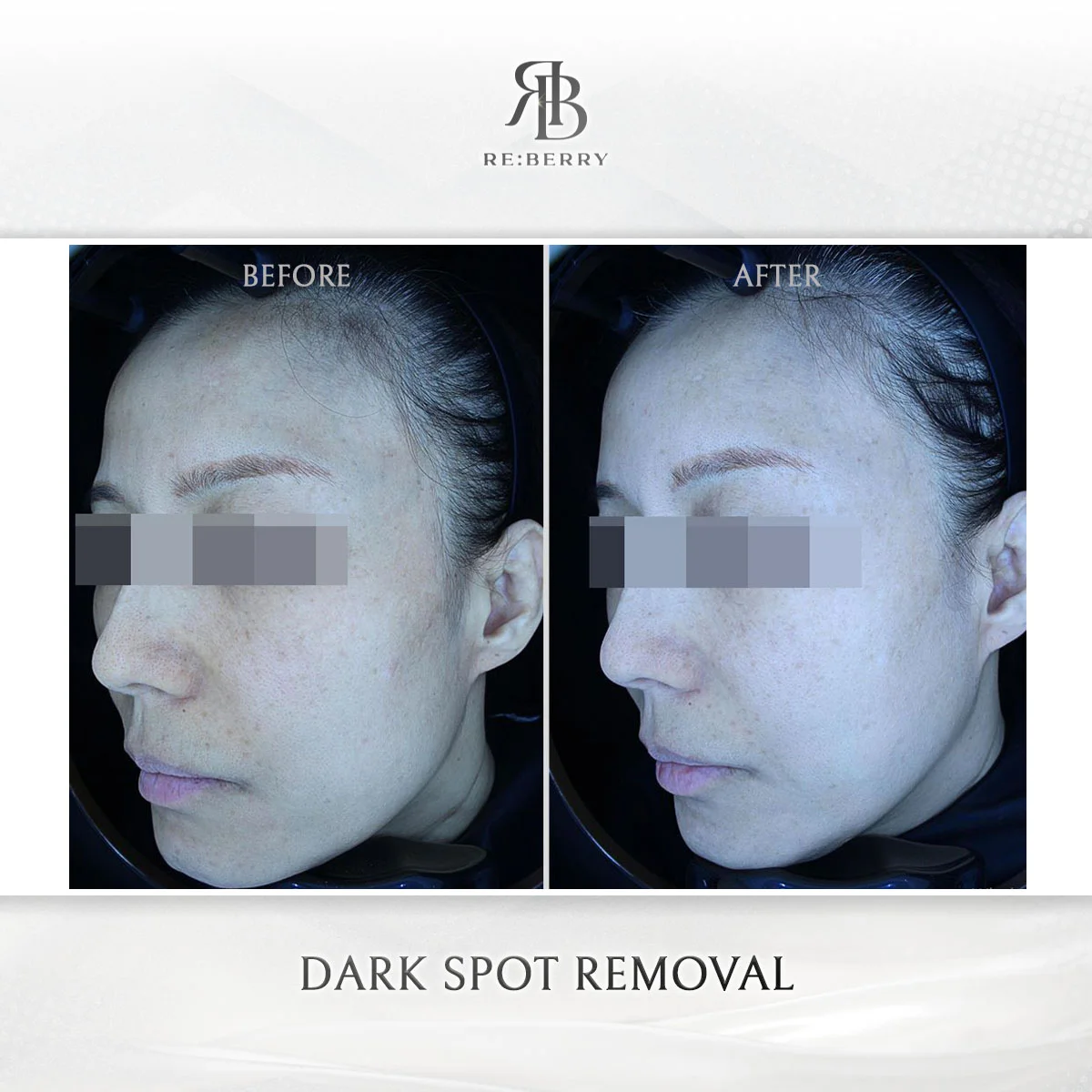
Because the mechanism removes pigment rather than covering it, results accumulate and hold between sessions. Reberry Clinic’s doctors match wavelengths to your ink colors and skin tone so more pigment is cleared per visit, and explain when related pigment-focused laser treatment or dark-spot removal uses the same lasting-clearance principle for other concerns.
One Reberry Clinic, multiple Seoul-area locations. Pricing & current promotions are listed on each branch's own site — tap a clinic to view pricing & book.
Our flagship in the heart of Gangnam.
In Seoul's shopping & tourism heart.
A beauty stop between flights.
The newest Reberry Clinic — in Seoul's trend district.
ONE REBERRY CLINIC · MFDS-REGISTERED DEVICES · MULTILINGUAL CARE AT EVERY LOCATION

Each laser pulse shatters ink into particles many times smaller, across the tattoo’s 1 or more colors.
Your lymphatic system carries the fragments away over the following 6 to 8 weeks, producing a lasting step of fade.
Sessions are spaced about 6 to 8 weeks apart, and each one removes more pigment that does not return.
Across roughly 5 to 10 sessions, cleared layers add up while previous results hold between visits.
After the course, cleared ink stays gone; any residual ink, in maybe 1 area, remains as treated since full clearance is not assured.

See representative outcomes from Reberry Clinic. Results build gradually and vary by individual; your plan is assessed at consultation.
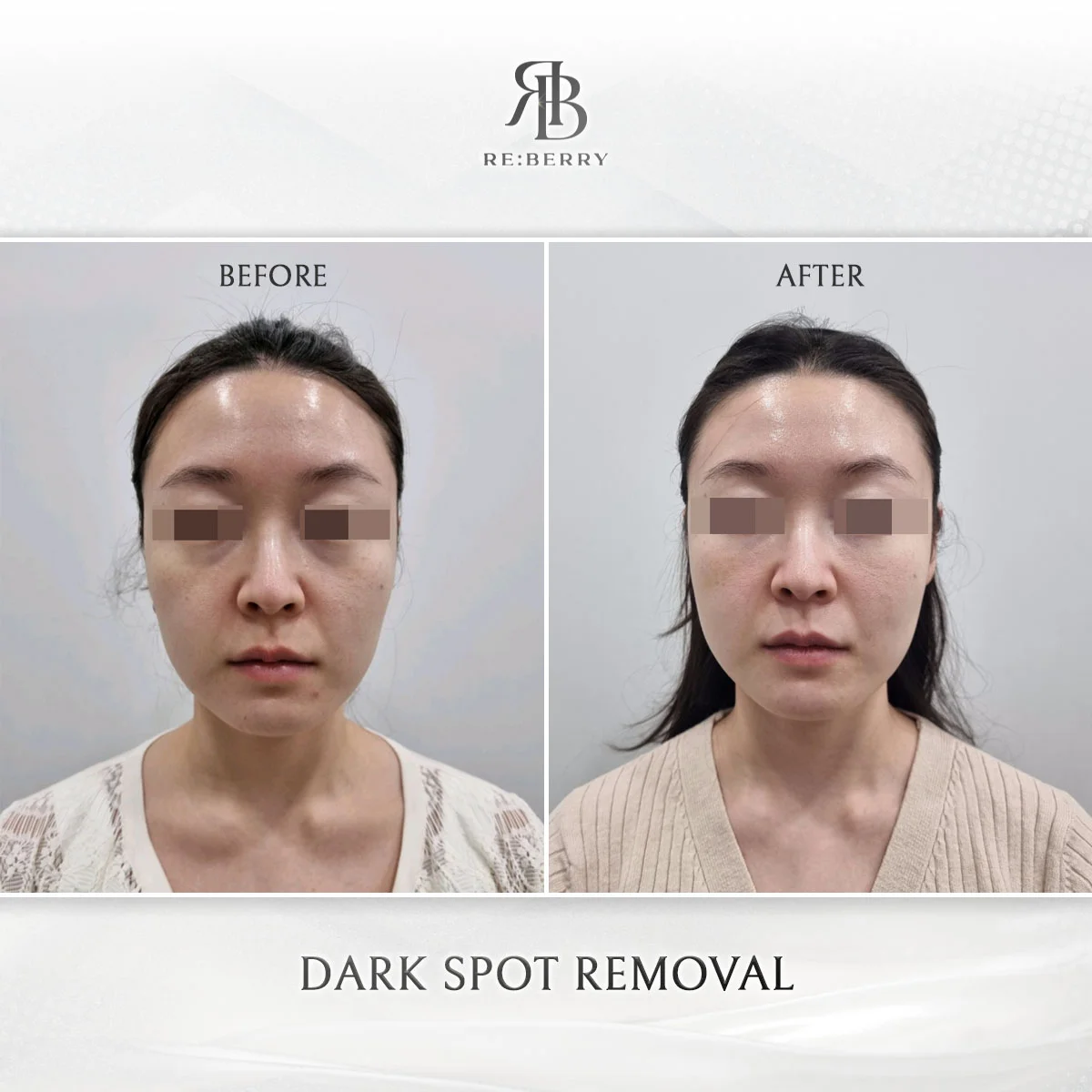
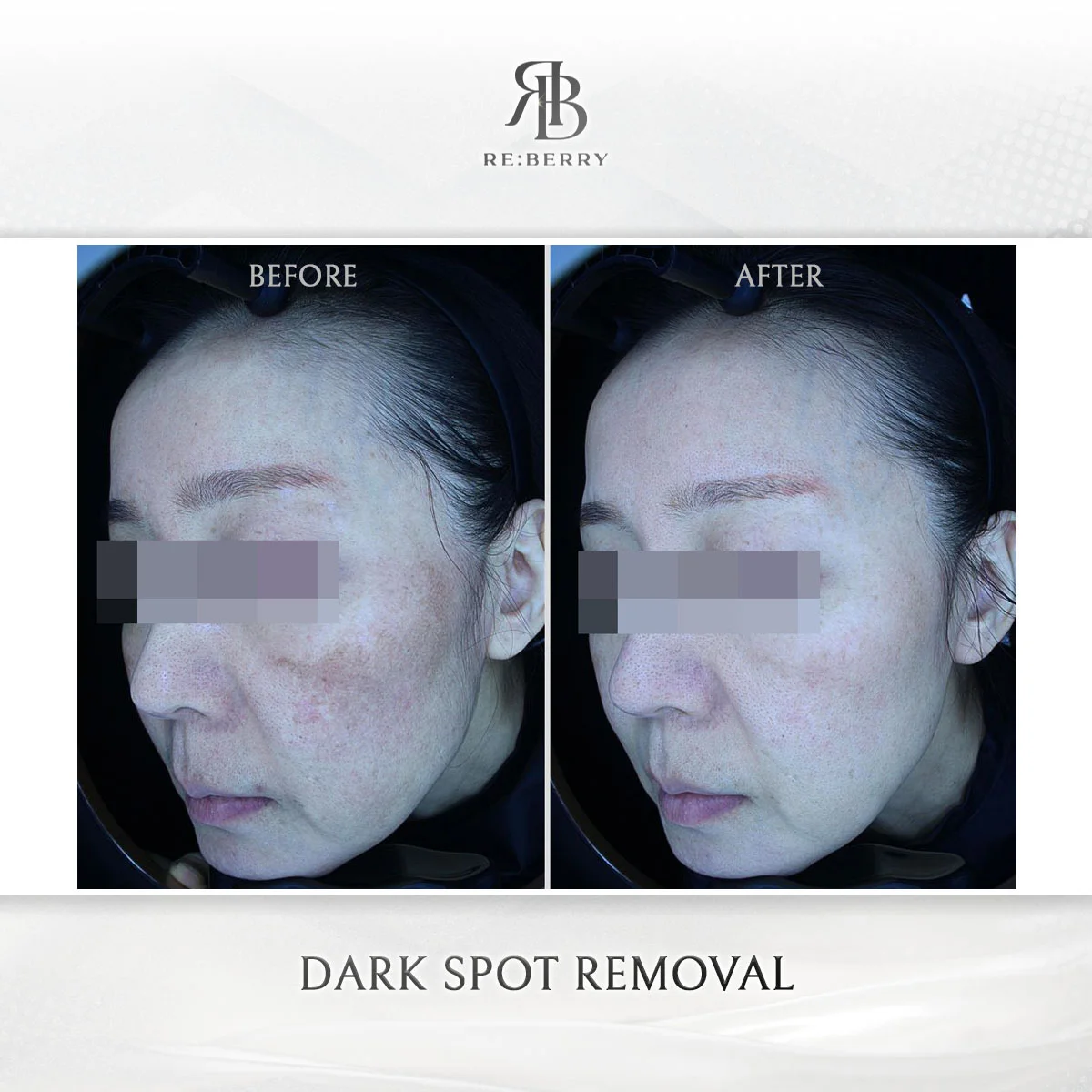
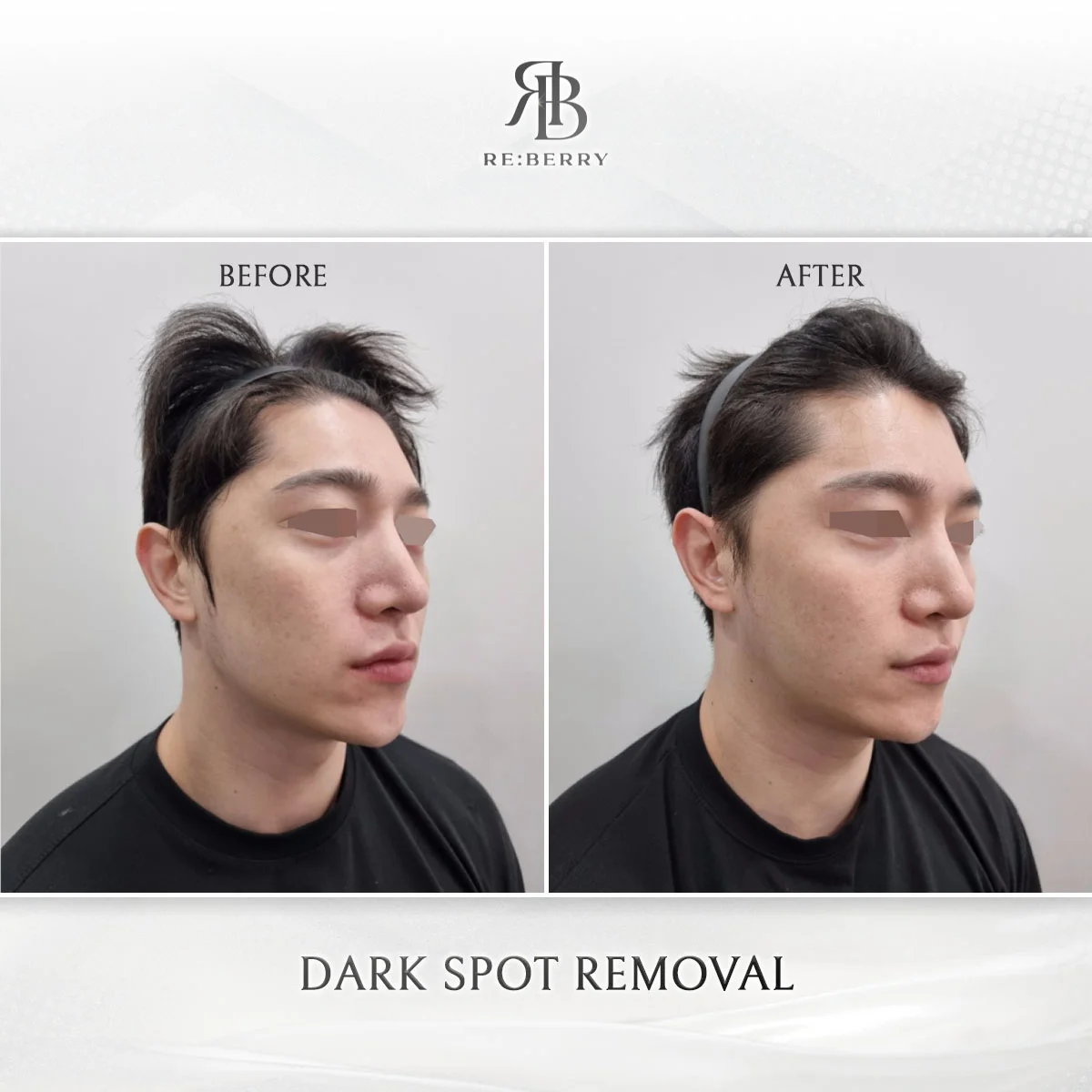
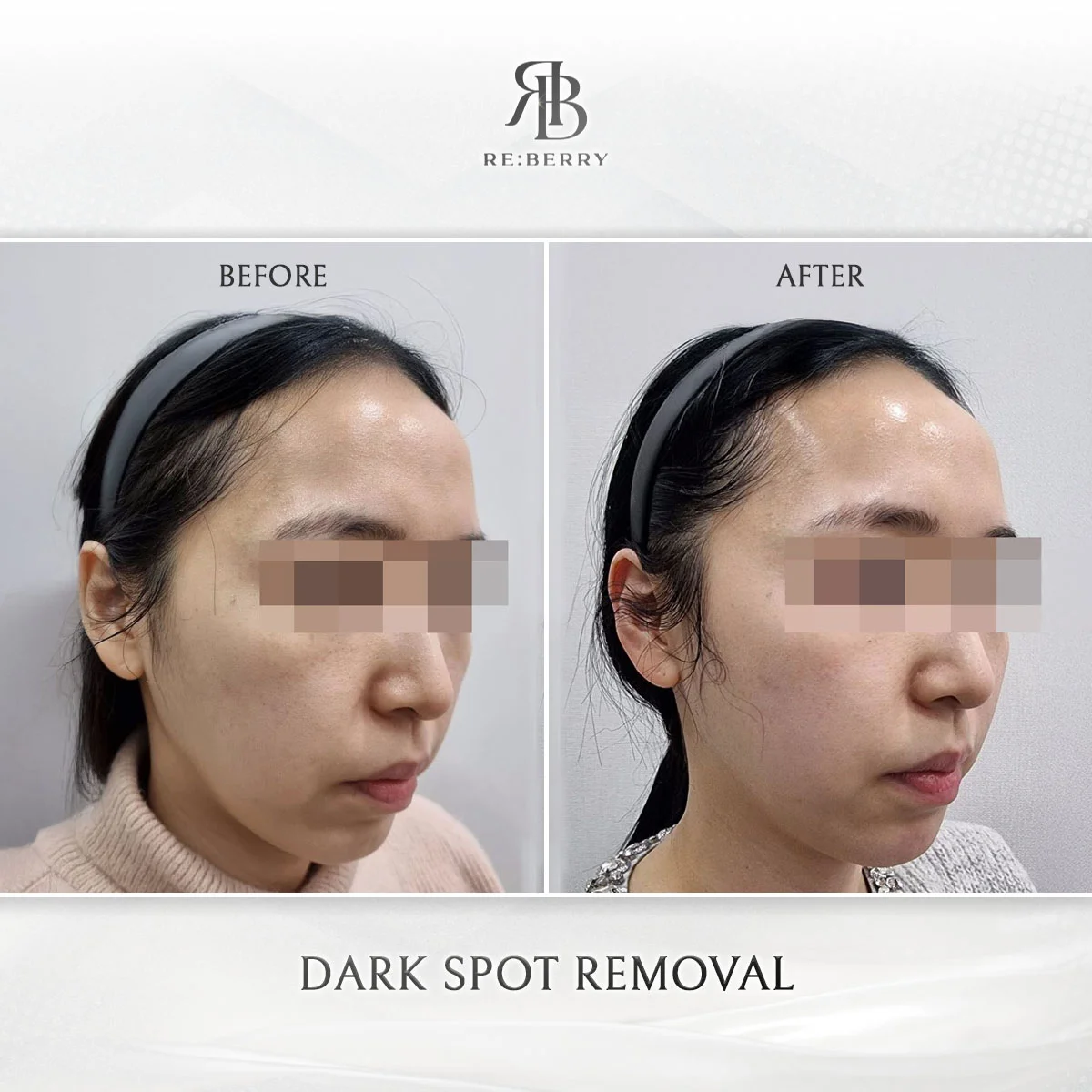
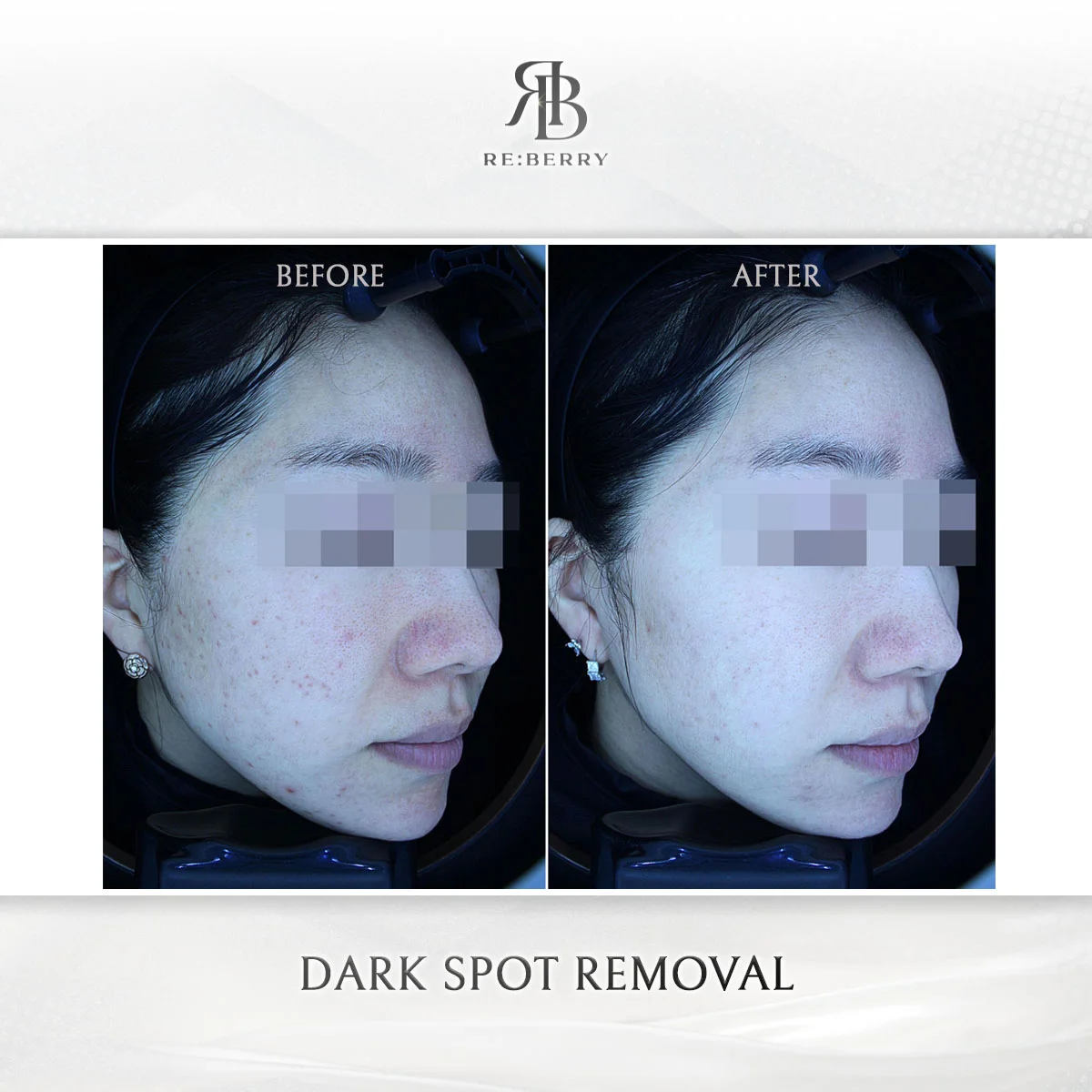
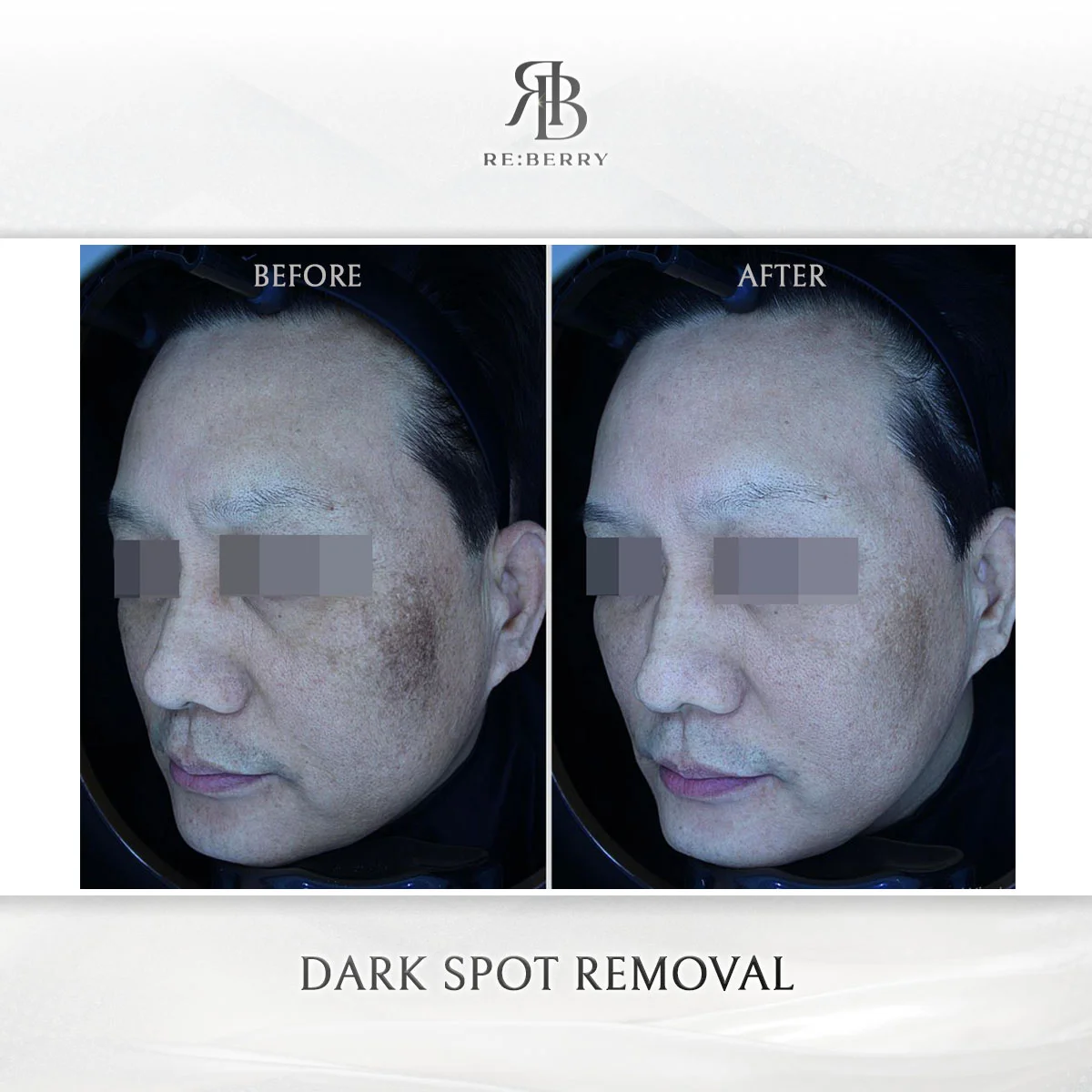
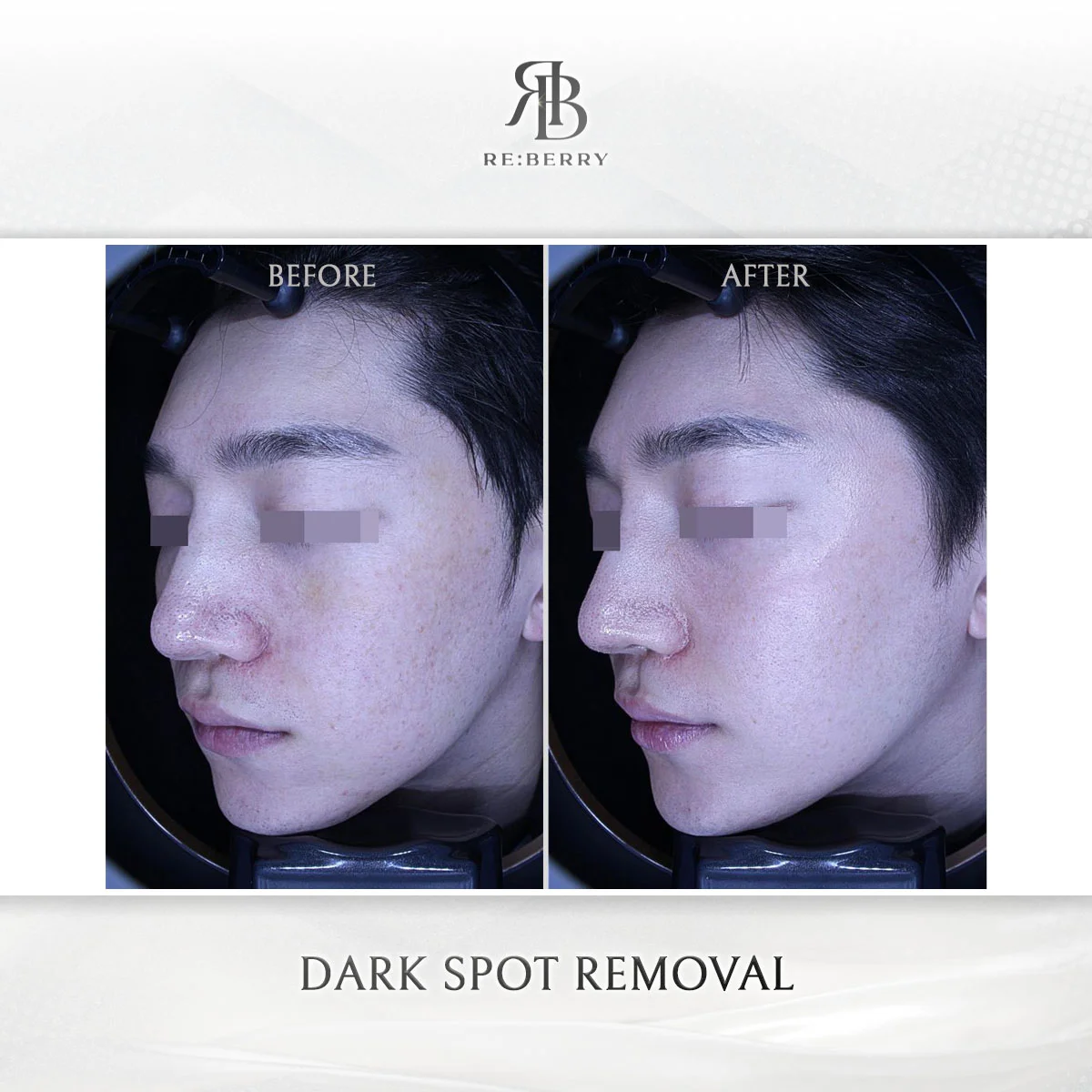
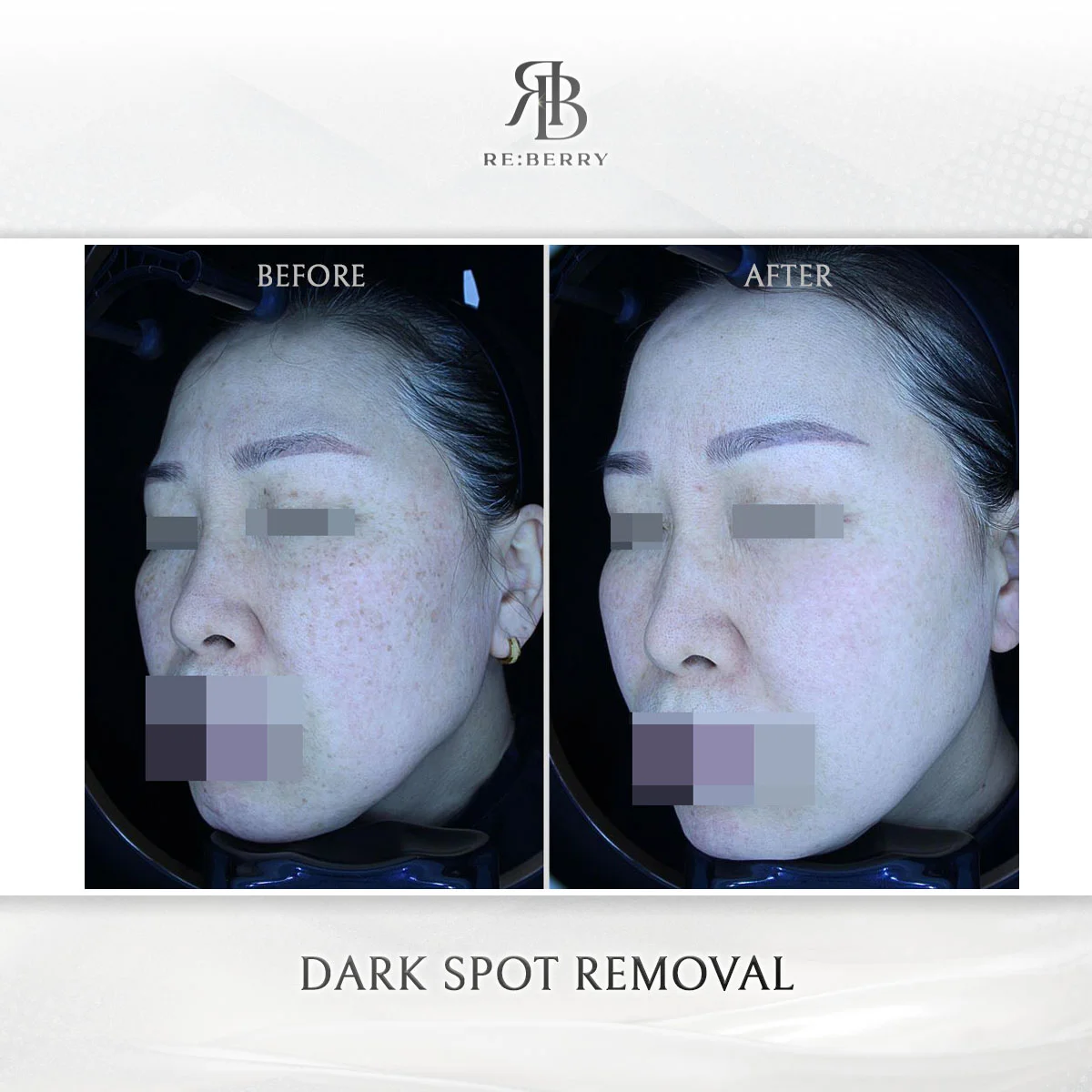
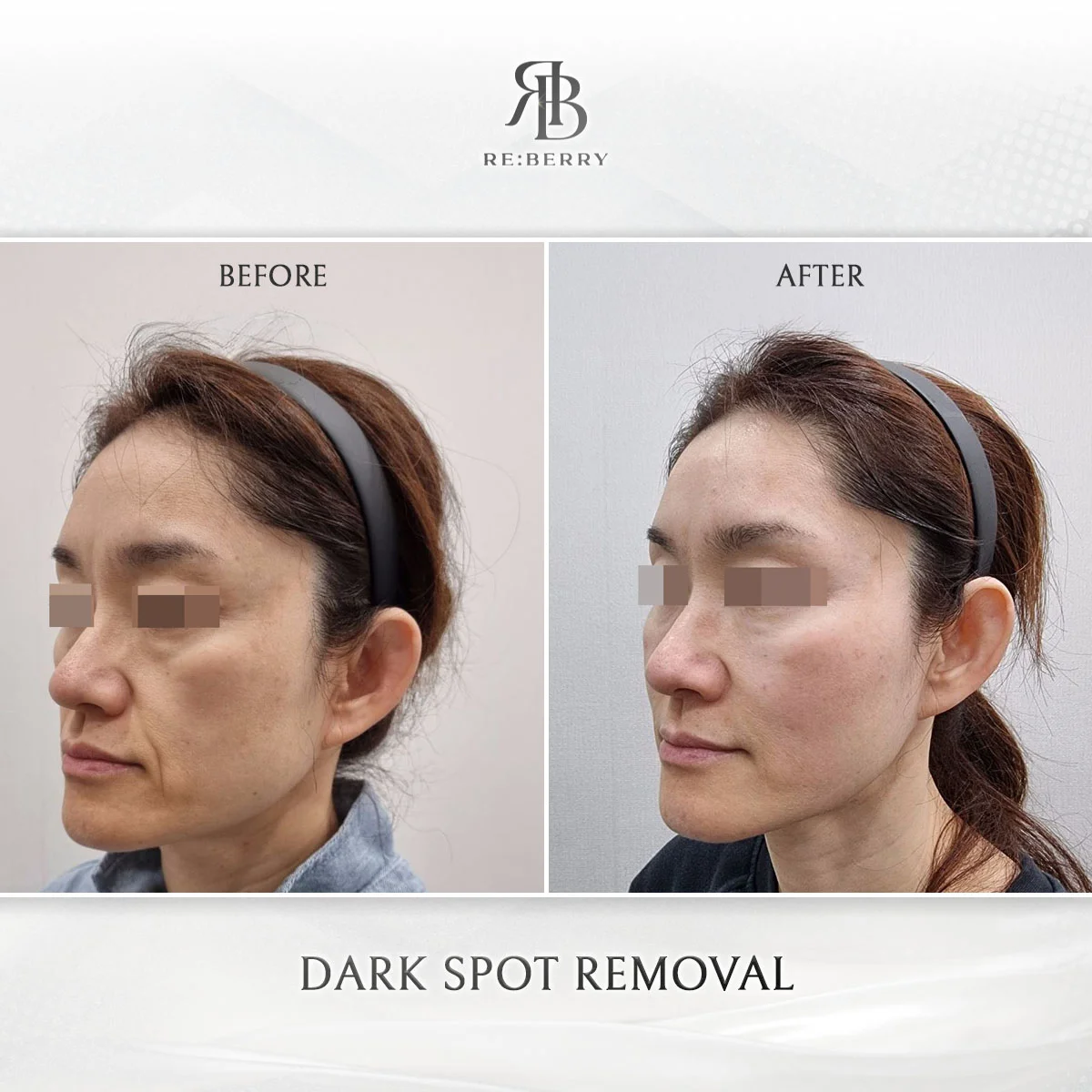
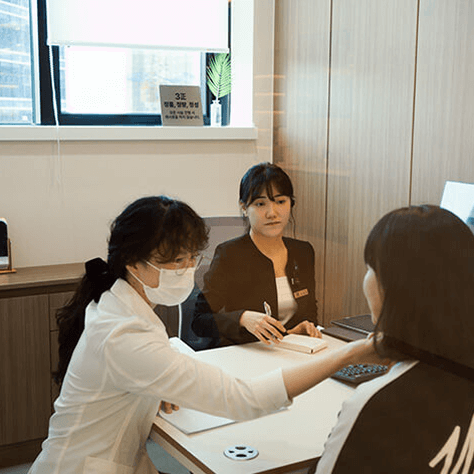
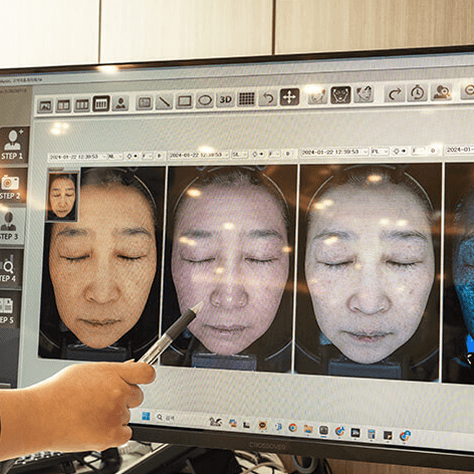
An English-language consultation assesses your tattoo and skin and estimates how completely it can clear across a session course.
After numbing, the doctor delivers laser pulses with skin-matched settings; a session commonly takes 10 to 30 minutes.
Each session is short, but a full course spans several visits spaced about 6 to 8 weeks apart over months.
Ink fades after each session as fragments clear over 6 to 8 weeks, and every cleared step holds between visits.
Cleared ink does not return; follow SPF and wound care, and complete the course for the fullest lasting fade.

Once ink is cleared by laser, it does not regrow, because shattered pigment is carried away by your lymphatic system rather than masked, so the fading you achieve is lasting. What varies is how completely a tattoo clears, since complete clearance is not assured. This is explained when you discuss laser treatment with the team.
No, cleared ink does not return, because removal reduces and clears pigment rather than hiding it. Each session removes particles your body carries away over 6 to 8 weeks, and those results hold. If any faint residual ink remains after a full course, it stays as treated rather than refilling, which your doctor explains during the laser treatment consultation.
Results from each session are already lasting, but full fading usually needs roughly 5 to 10 sessions, spaced 6 to 8 weeks apart, with most professional tattoos reaching 90% or greater clearance. Small amateur designs may need fewer and dense multicolored work more. Your doctor estimates a realistic course during assessment rather than promising a fixed number.
Because laser removal clears pigment from the skin, while a cover-up only layers new ink over the old design, leaving the original ink in place. Removal reduces the pigment present, so cleared areas stay cleared. This difference is why laser results are lasting, and your doctor can compare options during a laser treatment consultation.
A full course typically spans several months, because sessions are spaced 6 to 8 weeks apart to let pigment clear and skin heal. Each session itself takes only 10 to 30 minutes. The timeline reflects biology, not delay, since the lymphatic system needs weeks to carry away fragmented ink between visits before the next session.
No, complete clearance is not assured; how fully a tattoo clears depends on ink colors, depth, density, age and skin tone. Black and dark inks usually clear more fully than blue, green or yellow. A doctor sets realistic expectations at consultation, so you know the likely outcome range for your specific tattoo before starting the course.
Yes, ink color strongly affects clearance. Black and dark grey clear most fully, while blue, green, red and yellow respond to narrower windows and may leave residual tint. Multicolored tattoos often need more laser treatment sessions, and any residual ink remaining after the course stays lasting rather than fading back.
Most patients feel a rubber-band snapping sensation during pulses, which is brief and manageable. Numbing cream and cooling are commonly used to improve comfort, and tolerance varies by location and size. Comfort options are discussed before any laser treatment session so the experience suits you across the course.
Downtime per session is usually short; redness, swelling and crusting settle over several days while the skin heals, and most people resume normal activities quickly. The 6 to 8 week gap between sessions lets the area fully recover and lets cleared pigment hold, so each lasting step of fade builds on the last.
Laser removal clears pigment for a lasting result, while topical fading creams do not reliably reach or remove deep tattoo ink, so they offer little lasting change. If you want genuine, lasting reduction, laser is the established method. Compare options and related dark-spot removal with the team to match your goal.
Often yes, because older tattoos have already begun to fade as the immune system slowly clears ink over years, so laser may need fewer sessions to finish the job. Density, depth and color still matter. Your doctor assesses how much pigment remains and estimates a realistic, lasting course during your consultation rather than assuming a fixed count.
Yes, Reberry Clinic serves international patients with English-speaking support across three Seoul-area locations, including one near Incheon Airport. Because lasting results build over several spaced sessions, the team helps plan visits or local aftercare. Message us on WhatsApp to discuss your tattoo and map a realistic schedule.
A single session takes only 10 to 30 minutes, so one visit fits a short trip, but lasting full clearance needs multiple sessions over months. Each session’s fade holds between visits, so many travelers start in Seoul and continue locally or on return trips. The team maps a realistic schedule during your consultation.
Yes, most patients fly the same or next day, since a single session has limited downtime and any redness or crusting settles over a few days with proper care. The fade from that session is already lasting, and you receive a written aftercare plan so you can protect the area and continue your course from abroad.
Completing the full session course, keeping to 6 to 8 week intervals, following aftercare, using SPF and protecting the area all support the fullest lasting fade. Cleared ink will not return regardless, but finishing the course maximizes how much pigment is removed. Your doctor outlines this plan so your lasting outcome is as complete as your tattoo allows.
| Laser Tattoo Removal | Cover-Up Tattoo | Topical Fading Cream | |
|---|---|---|---|
| Mechanism | Laser shatters ink; lymphatic system clears it | New ink layered over the old design | Surface product claiming to lighten ink |
| What happens to ink | Pigment is reduced and cleared away | Old ink remains, hidden beneath new ink | Little to no effect on deep tattoo ink |
| How lasting | Cleared ink does not regrow | Original ink stays indefinitely under cover | No reliable lasting change to the tattoo |
| Best for | Reducing or removing unwanted ink | Disguising a tattoo without removing it | Not effective for genuine tattoo removal |
| Downtime | Redness and crusting; settles over days | Tattooing recovery | Minimal, but limited benefit |
| Sessions | Often 5 to 10 over months | Usually one to a few | Ongoing with little result |
| Outcome certainty | Lasting fade; complete clearance not assured | Predictable cover, ink not removed | Unreliable |
Real verified reviews from our Google Business Profile, across all Reberry Clinic locations.
PULLED LIVE FROM GOOGLE · GANGNAM · MYEONGDONG · INCHEON AIRPORT
Your treatment is planned and performed by experienced, MFDS-registered doctors across our Seoul-area clinics, with multilingual support for international patients.
Flagship clinic · KOL for leading lifting & regenerative devices

Multilingual tourist care beside Myeongdong Cathedral

Fast, effective care 20 minutes from the terminals
Message us on WhatsApp for a free consultation in English and a realistic assessment of how completely your tattoo can clear.