



Gangnam
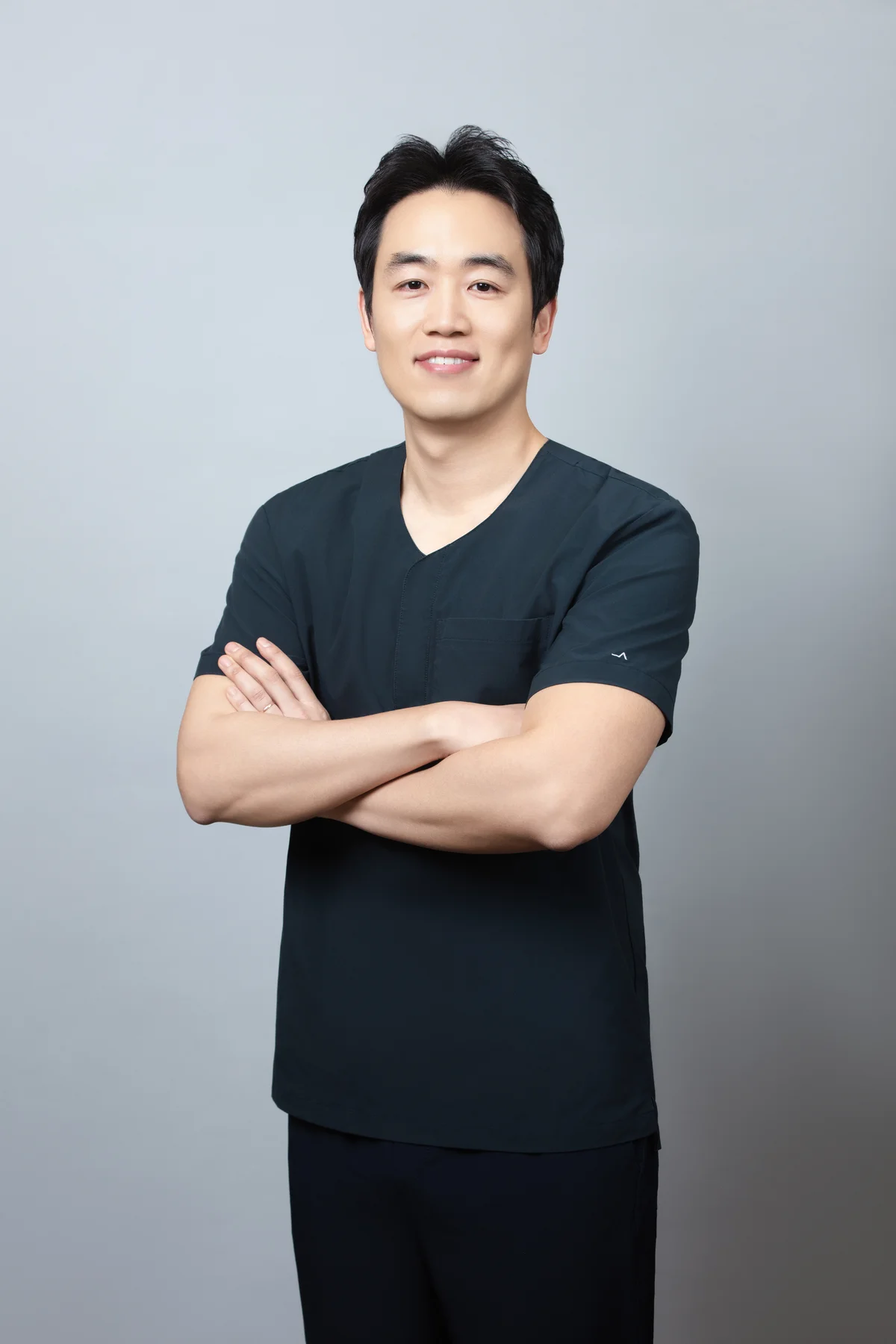
Dr. Yoon-Gon Ryu
Aesthetic Medicine Specialist
Flagship clinic · KOL for leading lifting & regenerative devices · Featured in Authority Magazine (2026)

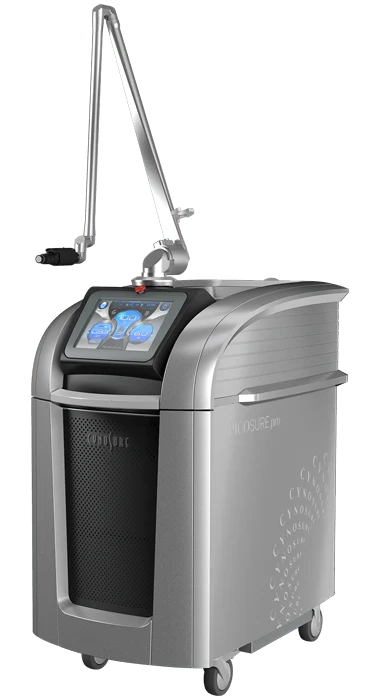
CO2 laser and cryotherapy clear most treated warts, but because warts are caused by HPV that can linger in the skin, recurrence is possible, so removal is planned as clearance plus monitoring.
Wart removal with CO2 laser or cryotherapy clears most treated warts, and a fully resolved wart usually does not regrow in that exact spot. However, warts are caused by HPV, a virus that can persist in surrounding skin, so recurrence over weeks to months is possible. Removal is best planned as clearance plus follow-up, not a one-time fix.
One-on-One guidance from a dedicated doctor, ensuring your skin is professionally monitored and treated from start to finish.
Fluent assistance in English, Japanese, and Chinese, making communication clear, respectful and comfortable for international patients.
Over 100,000 patients worldwide have received our personalized dermatological care, highlighting our expertise and reliable results.
Warts (verrucae) are benign skin growths caused by the human papillomavirus (HPV), which infects skin cells and drives them to thicken into a bump. Removal treatments such as CO2 laser and cryotherapy destroy the visible wart tissue, and a wart that fully clears generally does not come back in that same spot. What makes warts different from a simple bump is the virus: HPV can remain in nearby, still-healthy-looking skin, so new warts can emerge over the following weeks to months even after a clean clearance.
That is why the honest answer to durability has two parts. A wart that is properly cleared is cleared for good in that location, but the condition can recur while the virus is active or the immune system has not fully cleared it. Recurrence rates in studies range widely, commonly around 10 to 20 percent depending on method, wart type, and site. Plantar and periungual warts are more stubborn than common warts. Many patients clear fully after one or a short series of treatments and simply watch for any new spots.
At Reberry Clinic, wart removal is consultation-led, with the clinic’s doctors choosing CO2 laser or cryotherapy by wart type, site, and skin tone, and planning any repeat sessions and follow-up. International patients are supported in English across our three Seoul-area locations (Gangnam, Myeongdong, Incheon Airport).
CO2 laser uses a 10,600 nm wavelength absorbed by water to vaporise the infected wart tissue precisely, layer by layer, down to the base, which is why it clears most lesions in a single session in reported series. Cryotherapy instead freezes the wart with liquid nitrogen, destroying infected cells that then blister and shed, often over a few sessions. In both approaches, once the wart tissue is destroyed and the site heals, that wart does not regrow, because the growth itself has been removed. The reason recurrence still happens is biological: HPV is a virus that can reside in the surrounding, normal-looking skin and in the basal layer, so it may seed a new wart nearby even after a clean result. Clearance therefore depends on removing visible tissue and on the immune system suppressing residual virus. Studies show CO2 laser tends to achieve high single-session clearance with recurrence often in the low tens of percent, while cryotherapy may need more sessions. Good wound care and sun protection help the site heal, and treating new spots early keeps the condition contained.
One Reberry Clinic, multiple Seoul-area locations. Pricing & current promotions are listed on each branch's own site — tap a clinic to view pricing & book.
Our flagship in the heart of Gangnam.
In Seoul's shopping & tourism heart.
A beauty stop between flights.
The newest Reberry Clinic — in Seoul's trend district.
ONE REBERRY CLINIC · MFDS-REGISTERED DEVICES · MULTILINGUAL CARE AT EVERY LOCATION
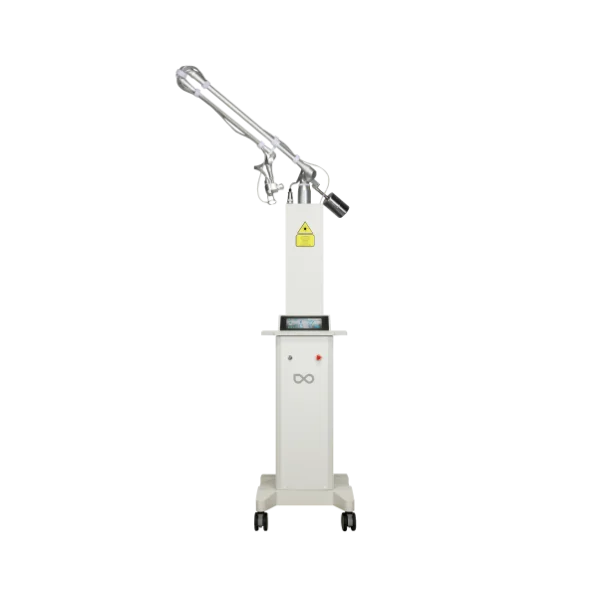
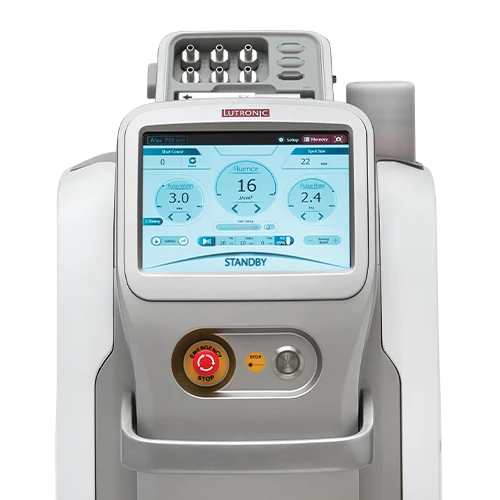
The doctor confirms the lesion is a wart and selects CO2 laser or cryotherapy based on type, site, and skin tone.
After numbing for about 20 to 40 minutes, CO2 laser vaporises the wart to its base in a single focused session.
The treated site scabs and heals over roughly 1 to 3 weeks depending on wart size and location.
A review around 2 to 4 weeks later confirms full clearance and checks for any early recurrence nearby.
A cleared wart stays gone in that spot, while new warts, if any, usually appear within weeks to months and are treated early.
See representative outcomes from Reberry Clinic. Results build gradually and vary by individual; your plan is assessed at consultation.
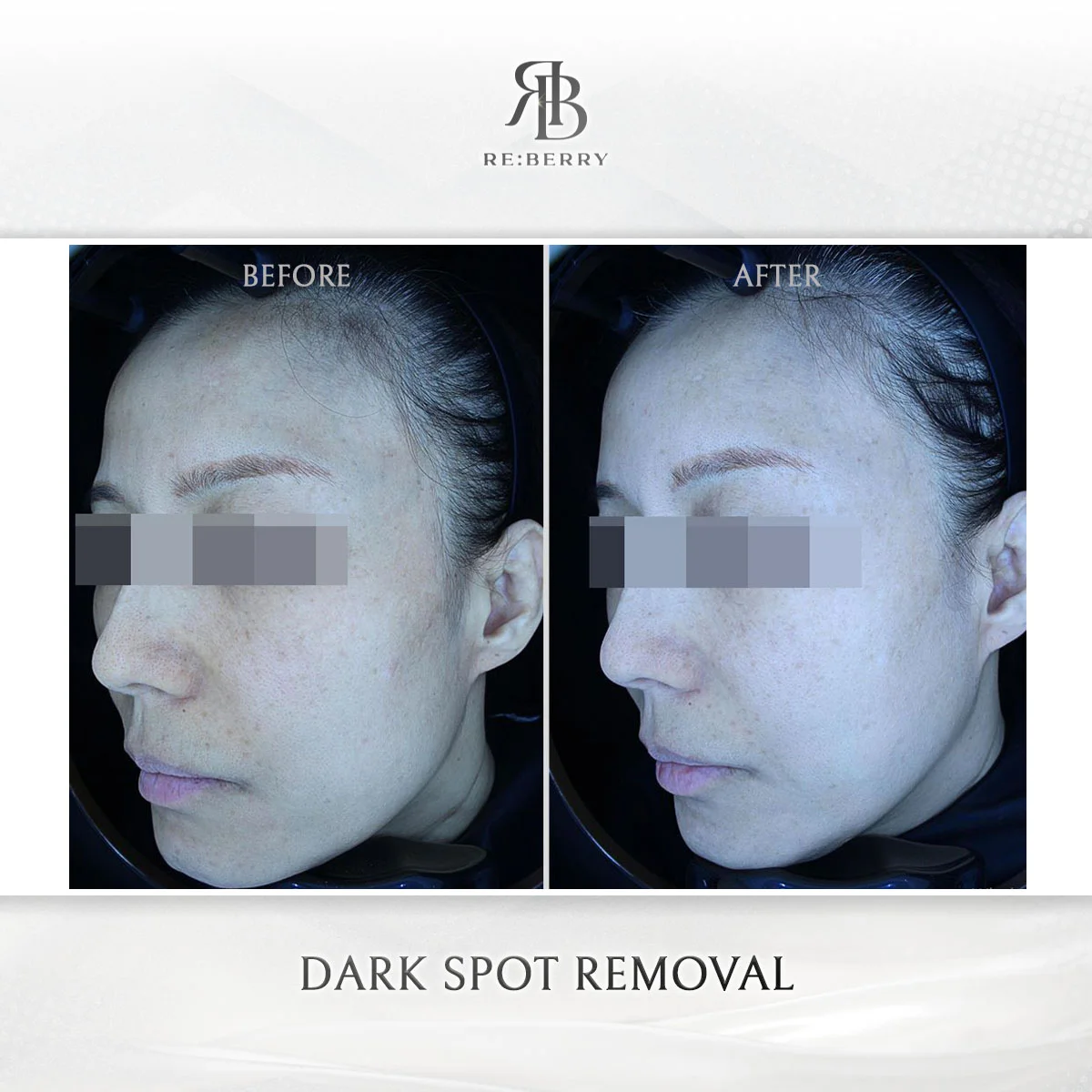
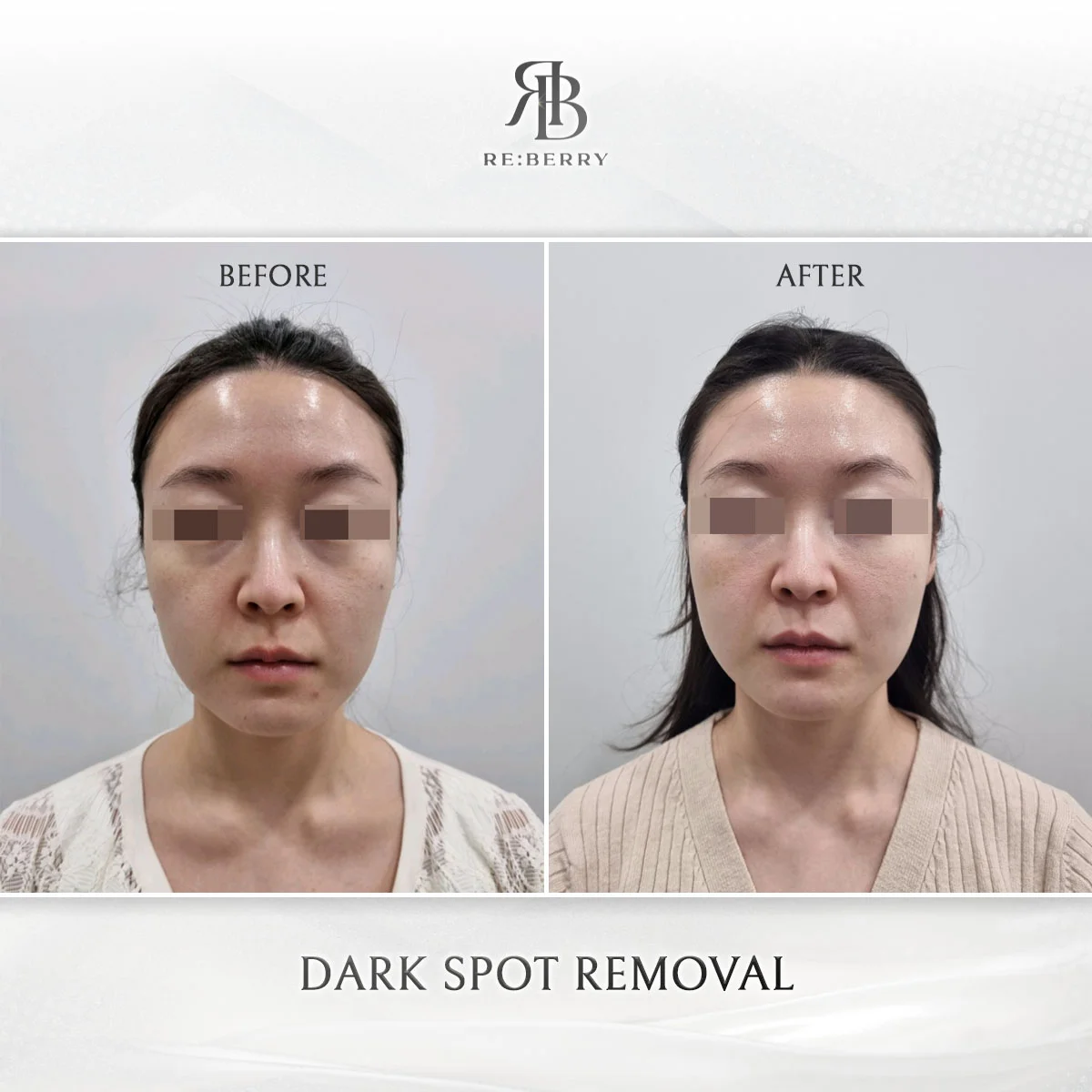
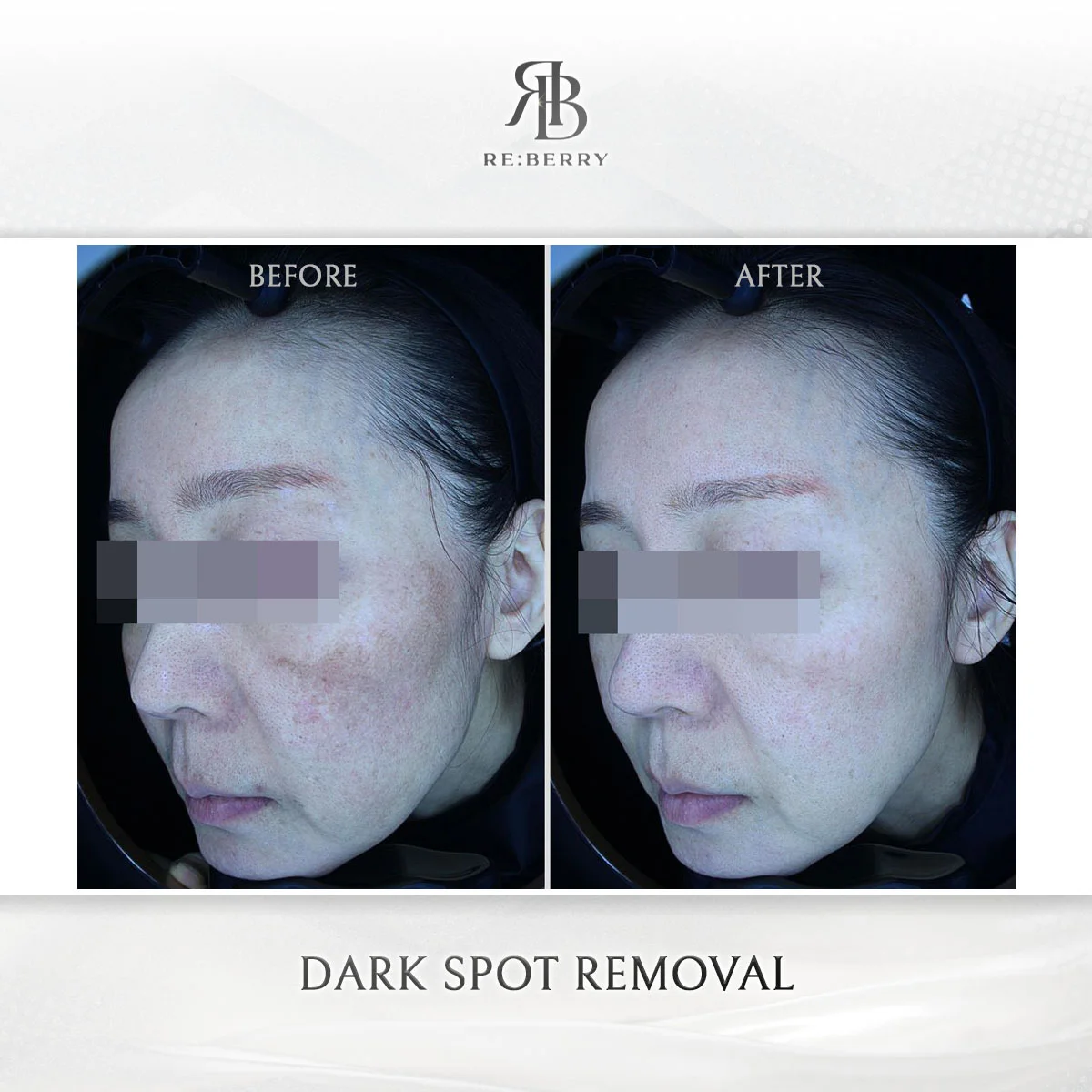
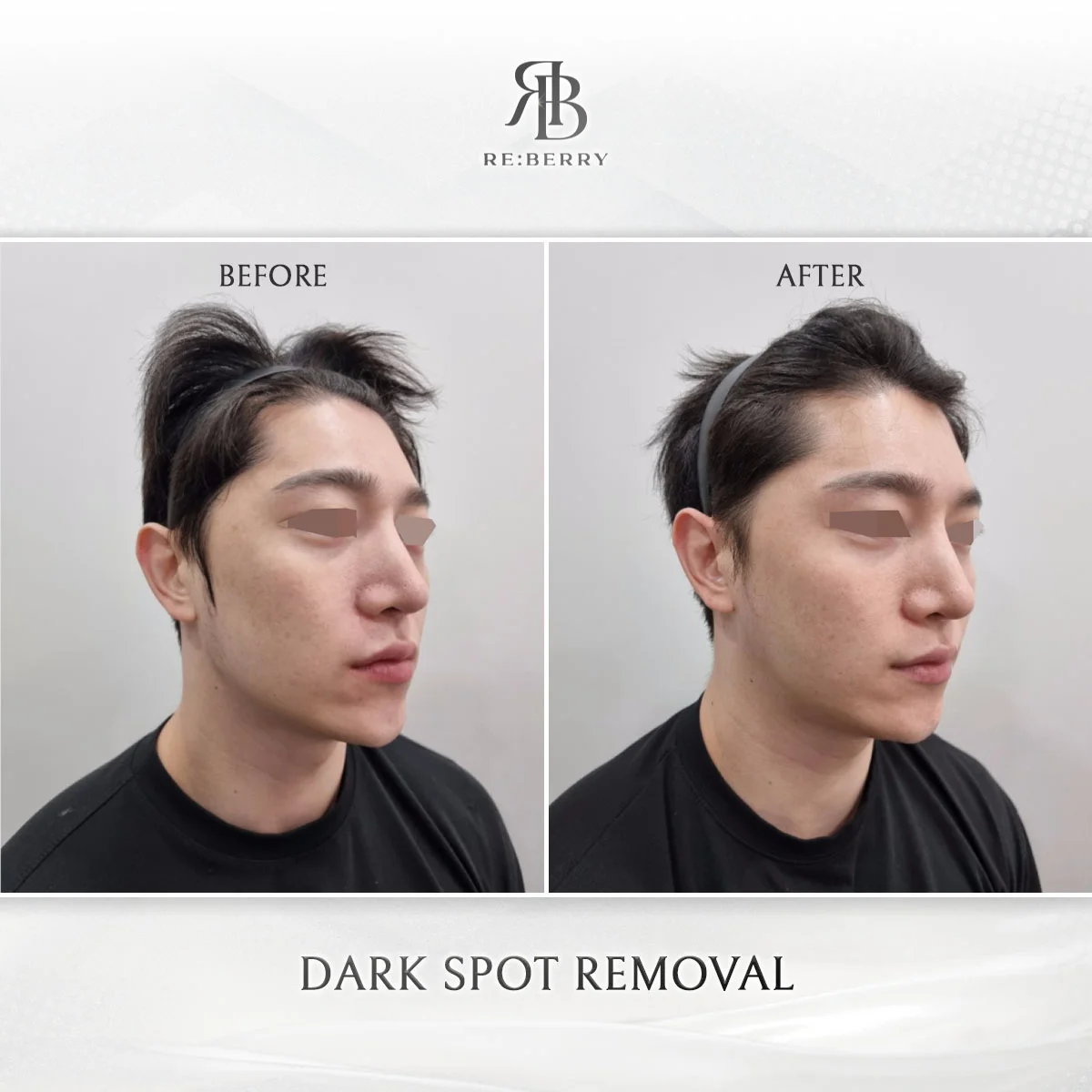
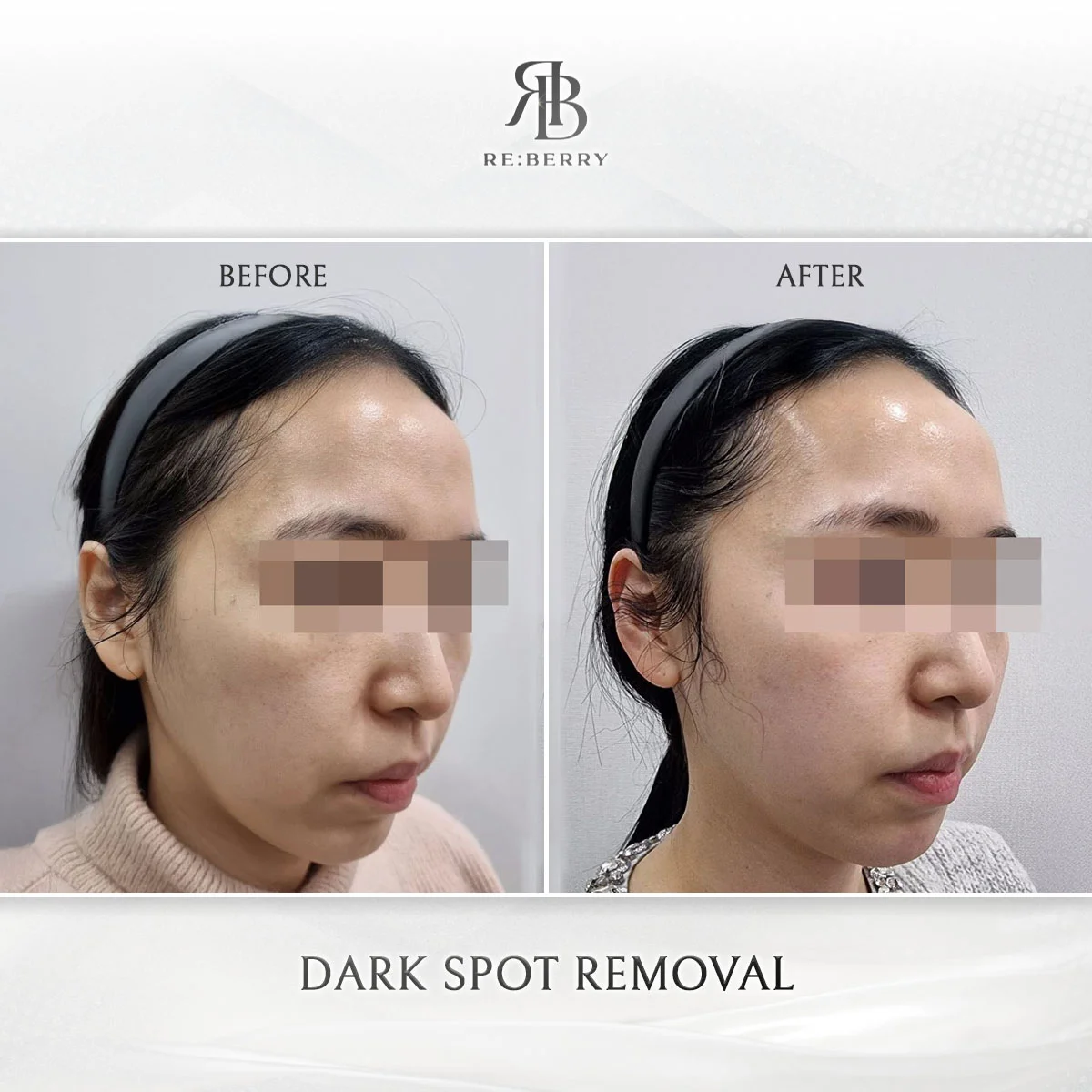
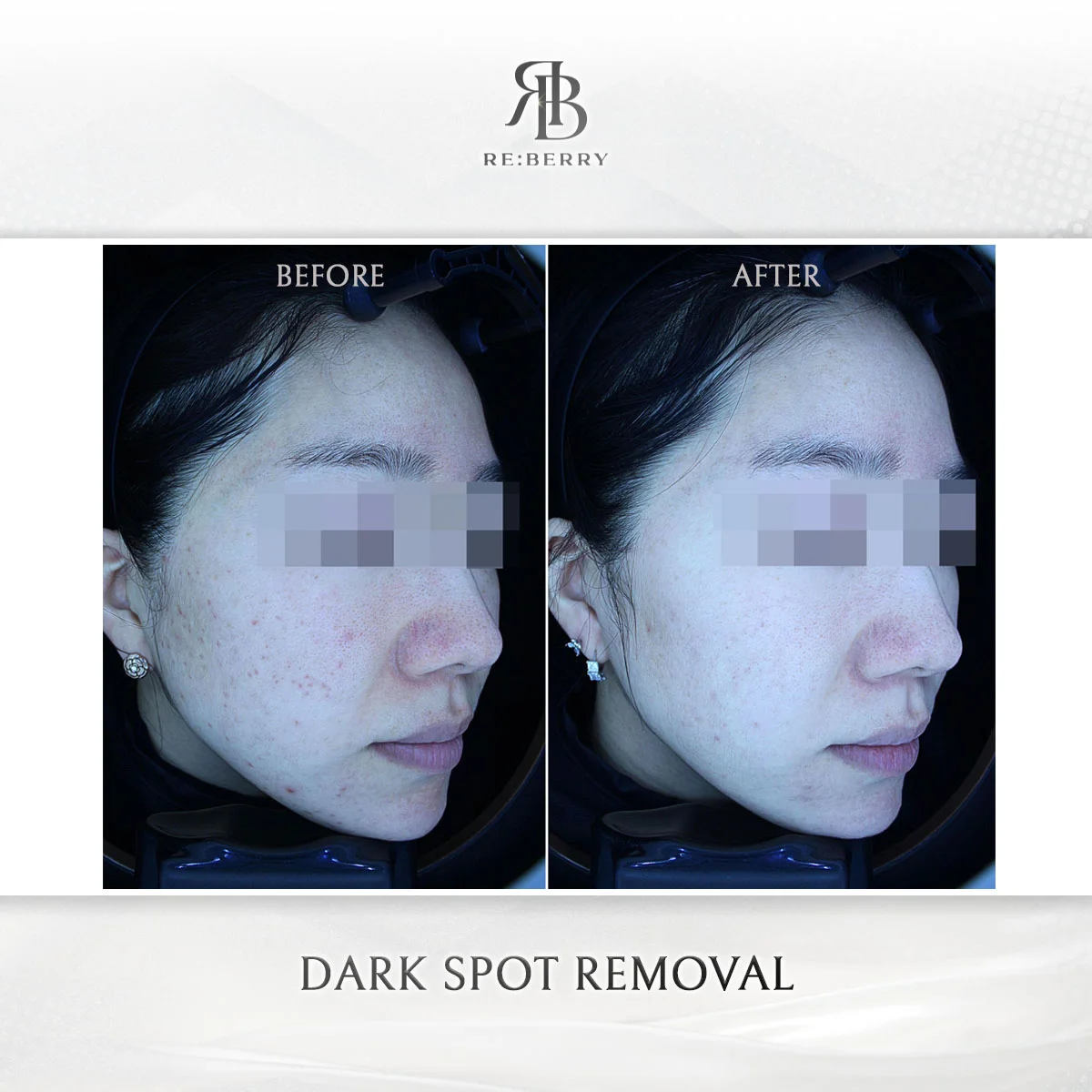
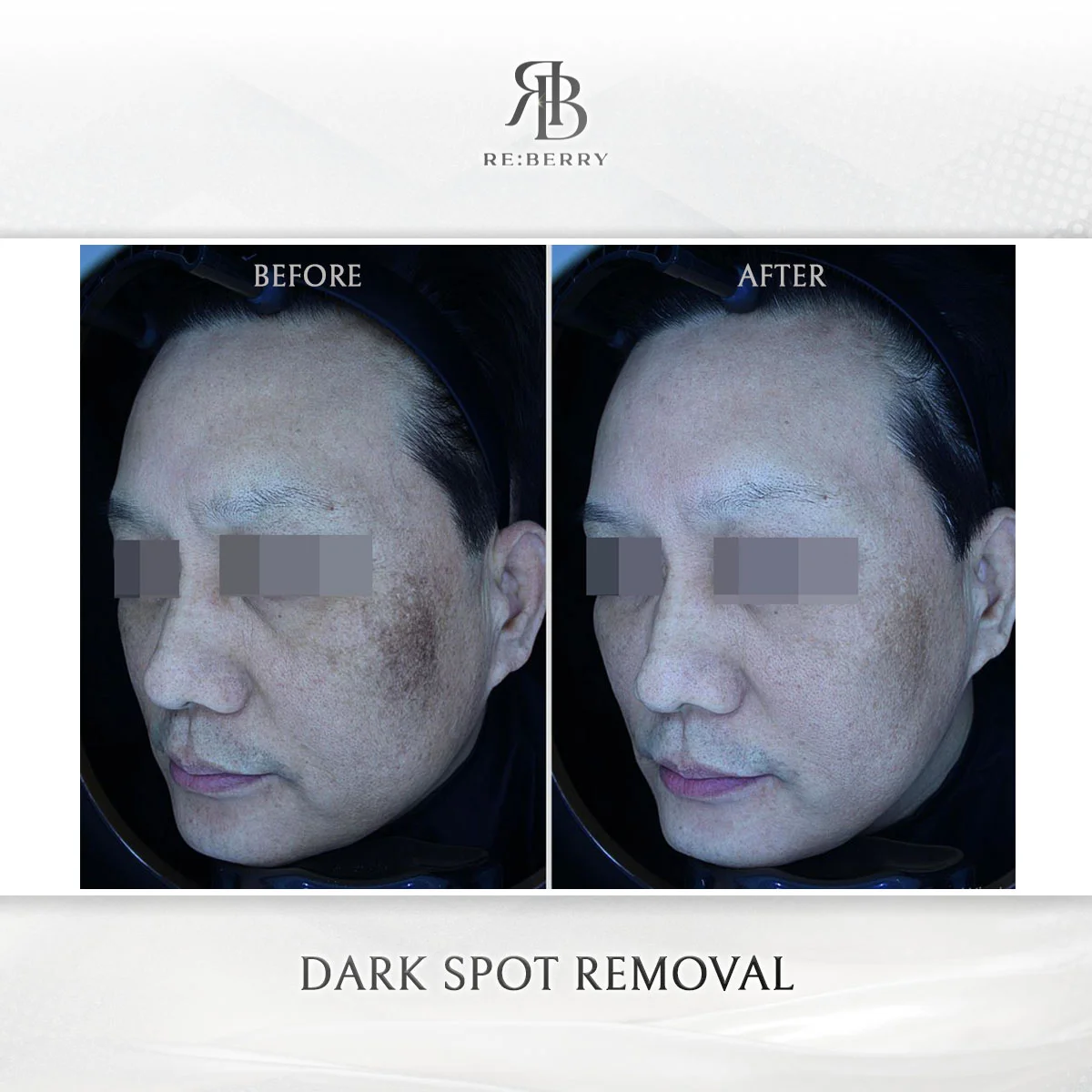
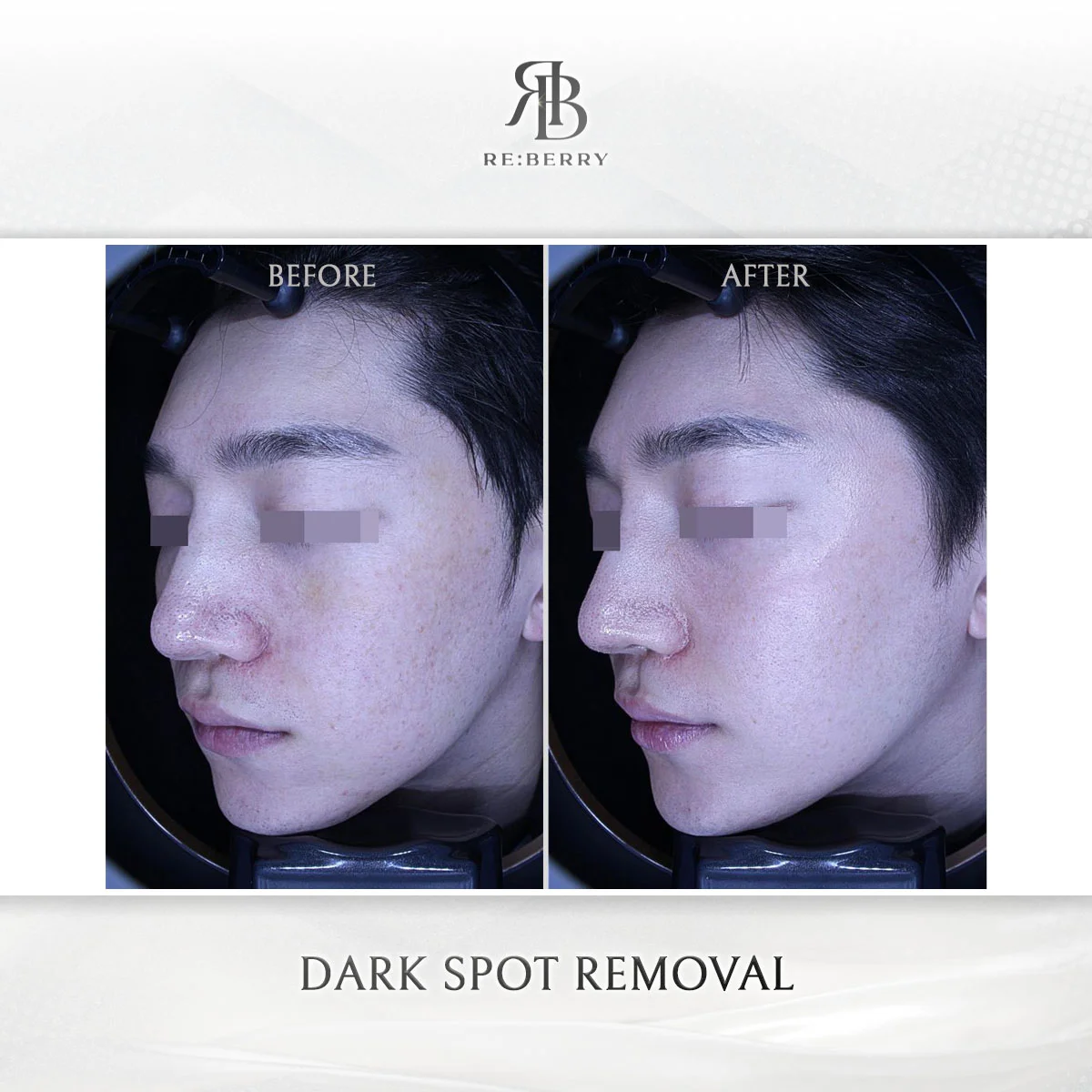
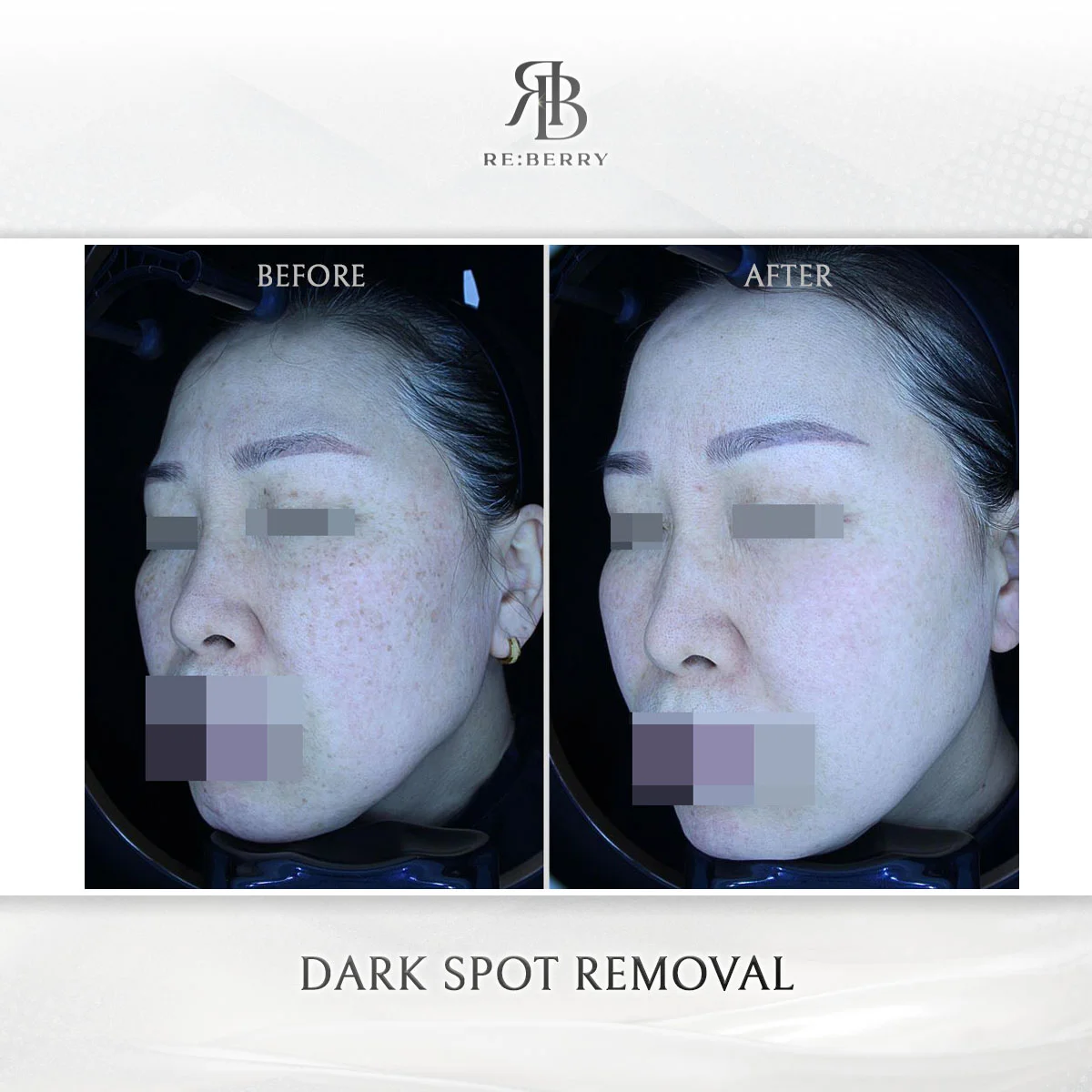
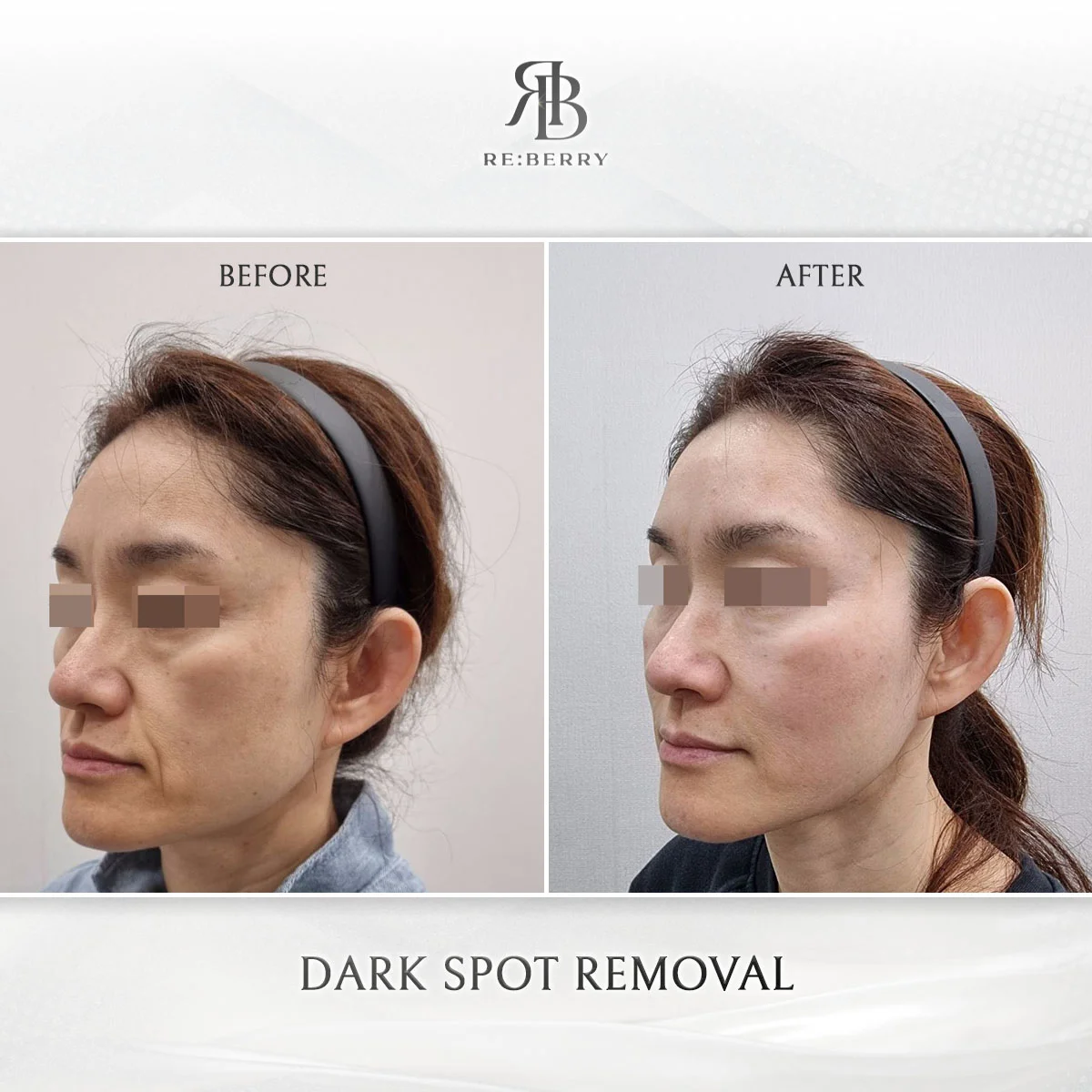
The clinic’s doctors confirm the wart, choose CO2 laser or cryotherapy by type and site, and explain clearance and recurrence in English.
After numbing for about 20 to 40 minutes, CO2 laser treatment usually takes 10 to 20 minutes depending on wart number.
The site scabs and heals over roughly 1 to 3 weeks, with early clearance visible once the scab sheds.
A follow-up around 2 to 4 weeks later confirms clearance and checks for any early recurrence nearby.
A cleared wart stays gone; sun protection, wound care, and treating new spots early keep the condition contained.
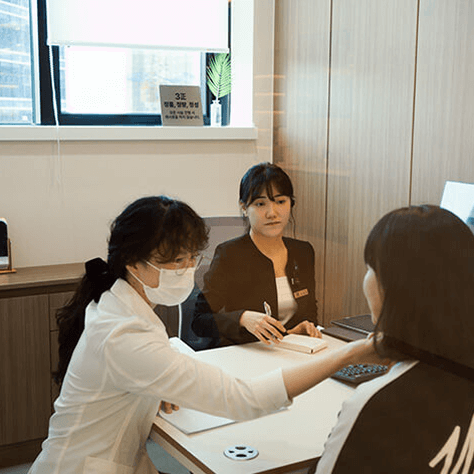
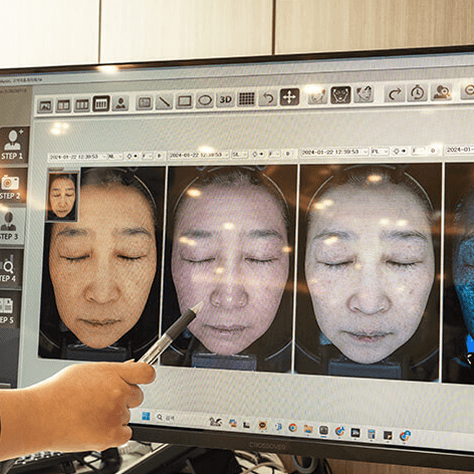

A wart that fully clears with CO2 laser or cryotherapy generally does not regrow in that same spot. However, warts are caused by HPV, which can persist in nearby skin, so new warts may appear over weeks to months. Removal is best seen as clearance plus monitoring rather than a one-time fix, with early treatment of any new spots.
The treated wart itself rarely regrows once the site heals, but recurrence of the condition is possible because HPV can linger in surrounding skin. Reported recurrence commonly ranges around 10 to 20 percent depending on method and wart type. Many patients clear fully after one session, then simply watch for new spots and treat them early.
Warts are viral, so HPV can remain in normal-looking skin near the treated area and seed a new wart later, even after the visible growth is gone. Your immune system helps suppress residual virus over time. Treating new lesions promptly keeps the condition contained. You can review our laser treatment options first.
CO2 laser often clears a wart in a single session, since it vaporises tissue to the base, while cryotherapy commonly needs several sessions spaced a couple of weeks apart. Stubborn plantar or periungual warts may need more. Your doctor confirms the plan among our laser treatment options at your consultation.
The specific wart that is removed is cleared for good in that spot, but the condition is not fully resolved because HPV can cause new warts. Think of it as durable clearance of the treated lesion rather than a one-time fix for the virus. Your doctor explains this and plans any follow-up at consultation.
The treated site typically scabs and heals over about 1 to 3 weeks, depending on wart size and location, with plantar warts on weight-bearing skin taking longer. Early clearance is visible once the scab sheds. Keeping the wound clean and protected, as described on our skin care page, supports even healing.
With numbing applied for about 20 to 40 minutes, CO2 laser feels like heat and pressure rather than sharp pain during the short session. Cryotherapy can cause a stinging, burning sensation as the wart freezes. Comfort does not affect how long the result lasts, which depends on full clearance and the virus, not discomfort.
Expect a scab or blister at the treated site that heals over roughly 1 to 3 weeks, which should be left to shed naturally rather than picked. Plantar warts may be tender when walking during healing. Keeping the area clean, dry, and protected supports recovery and lowers infection risk while the skin closes.
Careful, controlled treatment usually heals with minimal marking, but any tissue-destroying method carries some chance of a small scar or pigment change, especially on deeper skin tones or plantar sites. Doctors treat conservatively to limit this. Sun protection and gentle wound care during healing, outlined on our skin care page, reduce the risk.
A weaker immune response, stubborn wart types such as plantar or periungual, and untreated virus in nearby skin all raise the chance of new warts sooner. Picking at lesions can also spread HPV. Treating new spots early, alongside gentle skin care, helps keep recurrence low, though it cannot be entirely ruled out.
No, clearance and recurrence vary with wart type and site, skin tone, immune status, and the HPV involved. Common warts clear more readily than plantar or periungual warts, which can be stubborn. A consultation gives a realistic estimate, and you can review the full laser treatment page beforehand.
Wart removal is available across our three Seoul-area locations, in Gangnam, Myeongdong, and near Incheon Airport, with full English support for international patients. The clinic’s doctors choose CO2 laser or cryotherapy by wart type. Message our English-speaking team to select the best location and plan clearance plus follow-up.
Plan about 2 to 4 days for a consultation and treatment, since CO2 laser often clears a wart in one session. Healing continues over 1 to 3 weeks afterward, which you can manage at home. If cryotherapy is chosen, our English-speaking team helps coordinate any repeat sessions around your travel.
Yes, flying within a day or two is generally fine, though the treated site will still be scabbing for several days to a few weeks. Keep it clean, dry, and protected while travelling, and avoid pressure on plantar warts. Your doctor confirms timing based on the wart size and method used.
International patients can monitor the healed site at home, with remote check-ins in English to review recovery and watch for any new warts. Because HPV can recur, any repeat treatment is planned around later trips, and your treatment notes are kept on file so future sessions build on your previous clearance.
| CO2 Laser | Cryotherapy | Salicylic Acid (Topical) | |
|---|---|---|---|
| Mechanism | 10,600 nm laser vaporises infected tissue | Liquid nitrogen freezes and destroys tissue | Acid gradually breaks down the wart surface |
| Best for | Stubborn, recalcitrant, or plantar warts | Common warts, accessible sites | Small superficial warts, home use |
| Sessions to clear | Often a single session | Often several sessions | Daily use over many weeks |
| How long treated wart stays clear | Cleared warts generally do not regrow | Cleared warts generally do not regrow | Variable, slower to clear |
| Recurrence of condition | Possible, often low tens of percent | Possible, commonly around 10 to 20 percent | Possible, virus can persist |
| Downtime | About 1 to 3 weeks of scab healing | Blistering and healing over days | None, but slow |
| Cost factors | Depends on wart number, size, and site | Depends on number of sessions | Ongoing product cost |
Real verified reviews from our Google Business Profile, across all Reberry Clinic locations.
PULLED LIVE FROM GOOGLE · GANGNAM · MYEONGDONG · INCHEON AIRPORT
Your treatment is planned and performed by experienced, MFDS-registered doctors across our Seoul-area clinics, with multilingual support for international patients.
Flagship clinic · KOL for leading lifting & regenerative devices · Featured in Authority Magazine (2026)
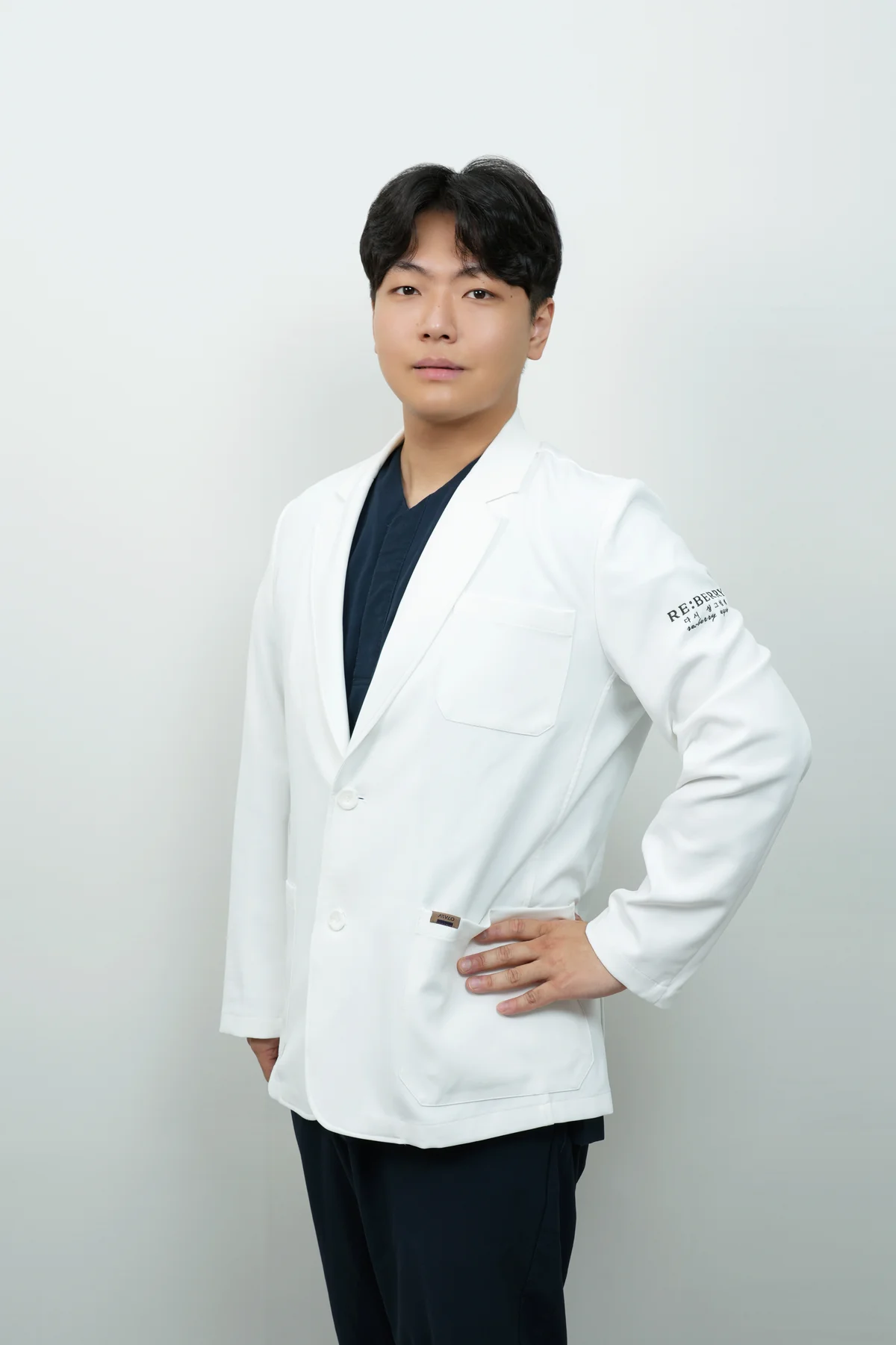
Multilingual tourist care beside Myeongdong Cathedral
Fast, effective care 20 minutes from the terminals
Message us on WhatsApp for a free consultation in English about wart clearance and managing recurrence.