



Gangnam
Dr. Yoon-Gon Ryu
Aesthetic Medicine Specialist
Flagship clinic · for leading lifting & regenerative devices · Featured in Authority Magazine (2026)


Most non-invasive skin treatments are single-visit with little downtime, while ablative laser resurfacing needs 5 to 10 days of healing, so your itinerary shapes the plan.
For most non-invasive skin treatments in Seoul, Korea, 2 to 3 days is enough, since they are single-visit with little downtime, while ablative laser resurfacing needs 5 to 10 days of healing and courses run over several trips. Planning is consultation-led across our Seoul locations, so your treatment is scheduled around the days you actually have.
One-on-One guidance from a dedicated doctor, ensuring your skin is professionally monitored and treated from start to finish.
Fluent assistance in English, Japanese, and Chinese, making communication clear, respectful and comfortable for international patients.
Over 100,000 patients worldwide have received our personalized dermatological care, highlighting our expertise and reliable results.
How many days you need for skin treatment in Seoul depends almost entirely on which treatment you choose and how much downtime it carries, not on a fixed rule. The practical answer ranges from a single afternoon to a longer stay, so the useful first step is to match treatment type to the days you have. A good clinic grades your skin, tells you the day count for each option, and schedules around your travel dates.
Non-invasive treatments are the fastest. Injectables, HydraFacials, HIFU ultrasound tightening, and picosecond laser toning are typically single-visit with little to no social downtime, so a 2 to 3 day trip is comfortable and even allows a couple of compatible treatments in one visit. Ablative fractional CO2 resurfacing is the slowest, needing roughly 5 to 10 days of visible surface healing, so it suits a longer trip or patients happy to begin in Seoul and finish healing at home. Between these sit course-based treatments such as polynucleotide skin boosters and RF microneedling, which run over several sessions spaced weeks apart, so many international patients start a course in one visit and continue on later trips.
At Reberry Clinic, planning is consultation-led and doctor-supervised, with English-language support and settings adapted for diverse and Asian skin. Care is provided across our Seoul locations (Gangnam, Myeongdong), so your treatment can be scheduled around the days you actually have in Seoul. You can review the range of options first on our skin care page.
The number of days a treatment needs is set by how deeply it works and whether it breaks the skin surface. Non-ablative, surface-sparing treatments such as HIFU tightening and picosecond laser toning act below or within the skin without an open wound, so most patients resume normal activity the same day; clinical work in Korean and Asian patients reports fewer than 5 percent with transient redness or swelling, which is why a single-visit, 2 to 3 day plan works. Injectable skin boosters like polynucleotides leave tiny entry points that usually settle within 24 to 72 hours, with occasional small bruises, so a short buffer is wise before events. Ablative fractional CO2 resurfacing deliberately creates microscopic wounds to remodel collagen, so re-epithelialization takes roughly 5 to 8 days and pinkness fades over the following weeks, which is why it needs the longest stay. Course-based treatments add a different kind of timing: individual downtime may be short at 1 to 3 days, but the sessions are spaced 2 to 4 weeks apart, so the full plan runs across return trips rather than one visit. Because Asian and darker skin has a higher chance of post-inflammatory pigmentation, settings are kept conservative and aftercare is emphasized, which can add a day or two of careful recovery. Matching downtime to your itinerary is the practical heart of planning skin treatment in Seoul.
One Reberry Clinic, multiple Seoul-area locations. Pricing & current promotions are listed on each branch's own site — tap a clinic to view pricing & book.
Our flagship in the heart of Gangnam.
In Seoul's shopping & tourism heart.
A beauty stop between flights.
The newest Reberry Clinic — in Seoul's trend district.
ONE REBERRY CLINIC · MFDS-REGISTERED DEVICES · MULTILINGUAL CARE AT EVERY LOCATION
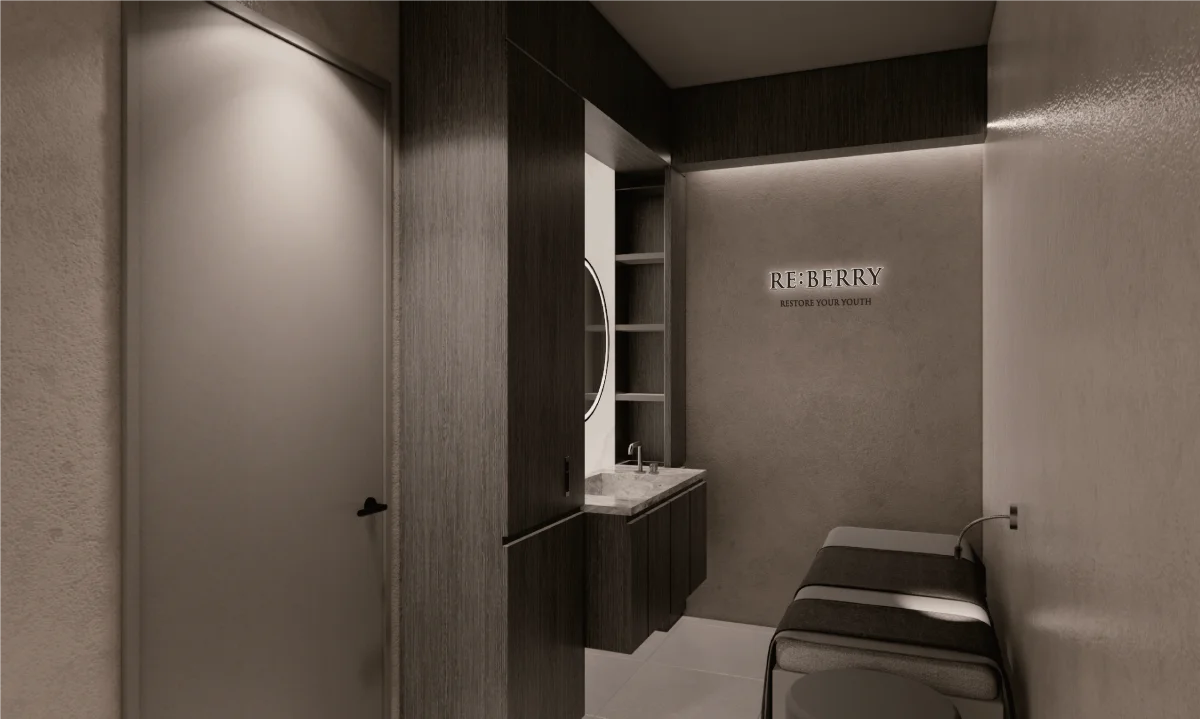

A doctor grades your skin and goals, which decides the modalities and therefore how many days, from 2 to 10, you need.
For a 2 to 3 day trip choose single-visit options; reserve ablative resurfacing, with 5 to 10 days of healing, for a longer stay.
Place higher-downtime steps early in the trip and keep low-downtime toning or boosters in the final 1 to 2 days before flying.
Session-based treatments run 3 or more times, 2 to 4 weeks apart, so you can begin in Seoul and continue on return trips.
Most non-invasive treatments allow flying within about a day, while ablative resurfacing needs a few extra days, which your doctor confirms.
Before-and-after photos are being updated.
The clinic’s doctors grade your skin in English and map which treatments fit your goals and how many days each needs.
Most non-invasive sessions take about 20 to 40 minutes, so several low-downtime treatments can fit into one visit.
A single visit suits many treatments, while a course runs over several weeks and is staged across one or more trips.
Some effects appear within days, while collagen-based results build over 4 to 12 weeks, which your doctor explains upfront.
Downtime is temporary, but sun protection and a skincare routine over the following weeks help protect and extend your result.



For most non-invasive treatments, 2 to 3 days is enough, since they are single-visit with little downtime, while ablative laser resurfacing needs 5 to 10 days of healing. The exact number depends on the modalities your consultation selects. You can review options on our skin care page before booking.
Care is provided across our Seoul locations in Gangnam and Myeongdong, both easy to reach by subway with full English support for international patients. The team can recommend which location best fits your itinerary and treatment, so you can plan a skin-treatment consultation conveniently during your stay in Seoul.
Injectables, HydraFacials, HIFU tightening, and picosecond laser toning are usually single-visit with little to no social downtime, so they fit a 2 to 3 day trip. These suit patients wanting a refresh before an event, such as a HydraFacial, without dedicating extra recovery days in Seoul.
Ablative fractional CO2 resurfacing needs the most, with roughly 5 to 10 days of visible surface healing as skin re-epithelializes. It suits a longer trip or patients happy to begin in Seoul and finish healing at home. Non-ablative laser treatment options generally need far fewer recovery days.
Usually not fully, because course-based treatments such as polynucleotide boosters or RF microneedling need sessions spaced 2 to 4 weeks apart. Most international patients start the first session in Seoul and continue on return trips. Your doctor sets the interval, and the clinic keeps notes on file so the plan stays consistent.
Often yes, because many non-invasive sessions take only 20 to 40 minutes, so a doctor can combine compatible low-downtime treatments within a short visit. The clinic sequences them so the skin is not over-stressed, keeping higher-downtime steps early and gentler ones nearer your flight home.
Most polynucleotide skin booster injections cause minor redness, small bumps, or occasional bruising that typically settle within 24 to 72 hours, so a 2 to 3 day buffer is comfortable. Practice data from Korean aesthetic medicine specialists report these injection-site effects are usually mild and short-lived rather than lengthy recovery.
HIFU ultrasound tightening usually has minimal downtime, with fewer than 5 percent of patients in clinical work reporting transient redness or swelling, so most return to normal activity the same day. That makes it a strong choice for a short Seoul trip. You can review energy-based ultrasound lifting at consultation.
Flying within about a day is generally fine for most non-invasive skin treatments, since they are surface-sparing to minimally invasive. Ablative laser resurfacing needs a few extra days before travel is comfortable. Cabin air is drying, so moisturise and protect treated skin, and follow the aftercare your doctor provides.
Single treatments may need just one visit, while course-based treatments typically run 3 or more sessions spaced 2 to 4 weeks apart. The number depends on your skin goals and how your skin responds, which your doctor grades at consultation and reviews between sessions rather than fixing in advance.
Yes, because Asian and darker skin has a higher risk of temporary post-inflammatory pigmentation, so conservative settings and diligent sun protection matter and can add a day or two of careful aftercare. An experienced clinic tailors energy to your tone, which is an important part of a safe, well-planned schedule.
Some effects, like a HydraFacial glow, appear within days, but collagen-based results from tightening or boosters build gradually over 4 to 12 weeks, so you may leave Seoul before the full effect shows. Your doctor explains which of your chosen treatments give quick versus gradual results at consultation.
Yes, energy tightening and skin-quality treatments are often planned together, staged so the skin is not over-stressed within one trip. Your doctor decides the order and spacing based on downtime. Options such as polynucleotide skin boosters are commonly paired with a tightening session over a short stay.
For a glow before an event, low-downtime treatments a few days ahead work well, while injectables or boosters benefit from a 1 to 2 week buffer for any minor bruising. Avoid ablative resurfacing close to an event because of its 5 to 10 day healing. Your doctor advises exact timing at consultation.
Downtime is the biggest factor, since it is set by how deeply a treatment works and whether it breaks the skin surface. Non-ablative options need the fewest days and ablative resurfacing the most. Your treatment choice, agreed at consultation, therefore drives your trip length more than anything else.
International patients can complete a course across one or more visits, and the clinic offers remote check-ins in English between trips so the plan stays on track. You can continue supportive skin care at home, and your treatment notes are kept on file for continuity across return visits.
How the days you need differ across single-visit treatments, multi-session courses, and ablative laser resurfacing.
| Single-Visit Treatments | Course-Based Treatments | Ablative Laser Resurfacing | |
|---|---|---|---|
| Examples | Injectables, HydraFacial, HIFU, laser toning | Polynucleotide boosters, RF microneedling | Fractional CO2 resurfacing |
| Visits needed | One visit | Several sessions over weeks | One session, longer healing |
| Typical downtime | None to about a day | 24 to 72 hours per session | About 5 to 10 days of surface healing |
| Days in Seoul | 2 to 3 days is comfortable | Start now, continue on return trips | Longer trip, or finish healing at home |
| When to fly home | Within about a day | Within about a day per session | After a few extra healing days |
| Best for | Short trips and pre-event glow | Ongoing skin quality and firmness | Texture, scars, deeper resurfacing |
Real verified reviews from our Google Business Profile, across all Reberry Clinic locations.
PULLED LIVE FROM GOOGLE · GANGNAM · MYEONGDONG · INCHEON AIRPORT
Your treatment is planned and performed by experienced, MFDS-registered doctors across our Seoul-area clinics, with multilingual support for international patients.
Flagship clinic · for leading lifting & regenerative devices · Featured in Authority Magazine (2026)

Multilingual tourist care beside Myeongdong Cathedral

Fast, effective care 20 minutes from the terminals
Message us on WhatsApp for a free consultation in English and a realistic skin-treatment schedule built around your trip.