



Gangnam
Dr. Yoon-Gon Ryu
Aesthetic Medicine Specialist
Flagship clinic · KOL for leading lifting & regenerative devices · Featured in Authority Magazine (2026)

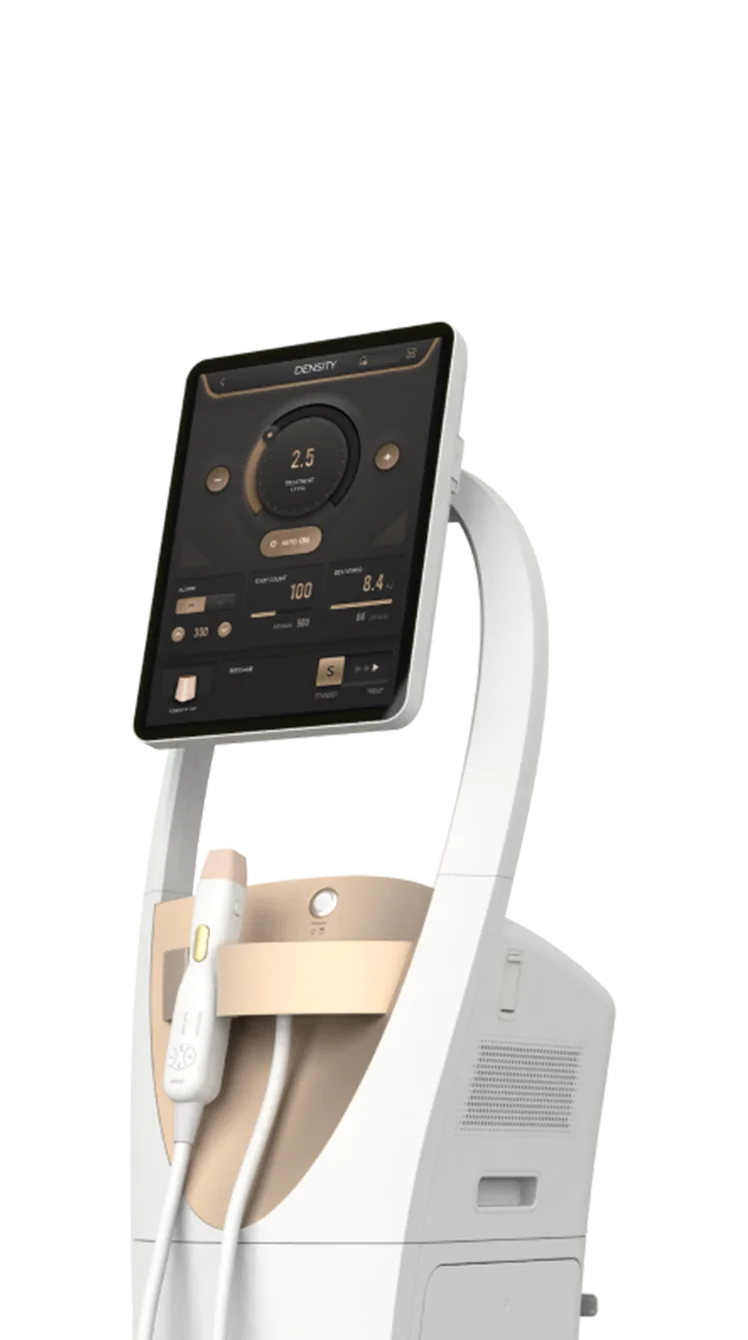
The neck and chest have thinner skin and fewer oil glands than the face, so decolletage rejuvenation usually needs about 2 to 3 injectable booster sessions spaced 3 to 4 weeks apart, with periodic maintenance.
Most decolletage rejuvenation in Korea needs about 2 to 3 injectable booster sessions spaced roughly 3 to 4 weeks apart, because chest skin is thin and results accumulate across a course. Your number depends on skin thinness, sun damage, crepiness and the formula chosen, and maintenance sessions later help sustain the smoother, more hydrated look over time.
One-on-One guidance from a dedicated doctor, ensuring your skin is professionally monitored and treated from start to finish.
Fluent assistance in English, Japanese, and Chinese, making communication clear, respectful and comfortable for international patients.
Over 100,000 patients worldwide have received our personalized dermatological care, highlighting our expertise and reliable results.
Decolletage rejuvenation improves the skin of the neck and upper chest, an area that is thinner, has fewer oil glands and receives more sun than the face, which is why it often shows crepiness, fine lines and sun damage earlier. The most common non-surgical approach uses injectable skin boosters, such as stabilized hyaluronic acid or polynucleotides, delivered as fine micro-injections to hydrate and support the skin from within. Because this thin skin responds gradually, treatment is planned as a short course rather than a single visit.
How many sessions you need is not a single fixed number because it depends on how thin and sun-damaged your chest skin is, how much crepiness you want to soften, and which formula suits your goals. Most plans use about 2 to 3 sessions spaced 3 to 4 weeks apart, allowing hydration and any repair response to build between visits. The clinic’s doctors confirm your number after assessing the area, rather than assuming everyone needs the same schedule.
Reberry Clinic is a dermatology clinic that performs glass-skin booster care, including the decolletage, for international patients in Korea, with English-speaking support at our Seoul locations and near Incheon Airport. Your doctor explains a realistic session count and maintenance rhythm for your skin, so the plan fits both your goals and your travel.
Injectable skin boosters work in the dermis rather than on the surface. Stabilized hyaluronic acid draws and holds water to improve hydration and soften crepey texture, while polynucleotide (PN/PDRN) formulas signal fibroblasts to refresh collagen and elastin, supporting the skin’s own repair. On the decolletage, where skin is thin and has less structural support than the face, these effects build gradually, which is exactly why a course of about 2 to 3 sessions is used rather than one treatment.
Because the chest responds more slowly than the face, spacing sessions 3 to 4 weeks apart lets each treatment build on the last. The clinic’s doctors match the formula and depth to your skin: a polynucleotide-led plan such as Rejuran Healer suits repair and resilience, while a hyaluronic-acid booster suits fast, even hydration. Gentle laser or energy options are a separate category, discussed only when they genuinely fit your goals and skin.
One Reberry Clinic, multiple Seoul-area locations. Pricing & current promotions are listed on each branch's own site — tap a clinic to view pricing & book.
Our flagship in the heart of Gangnam.
In Seoul's shopping & tourism heart.
A beauty stop between flights.
The newest Reberry Clinic — in Seoul's trend district.
ONE REBERRY CLINIC · MFDS-REGISTERED DEVICES · MULTILINGUAL CARE AT EVERY LOCATION
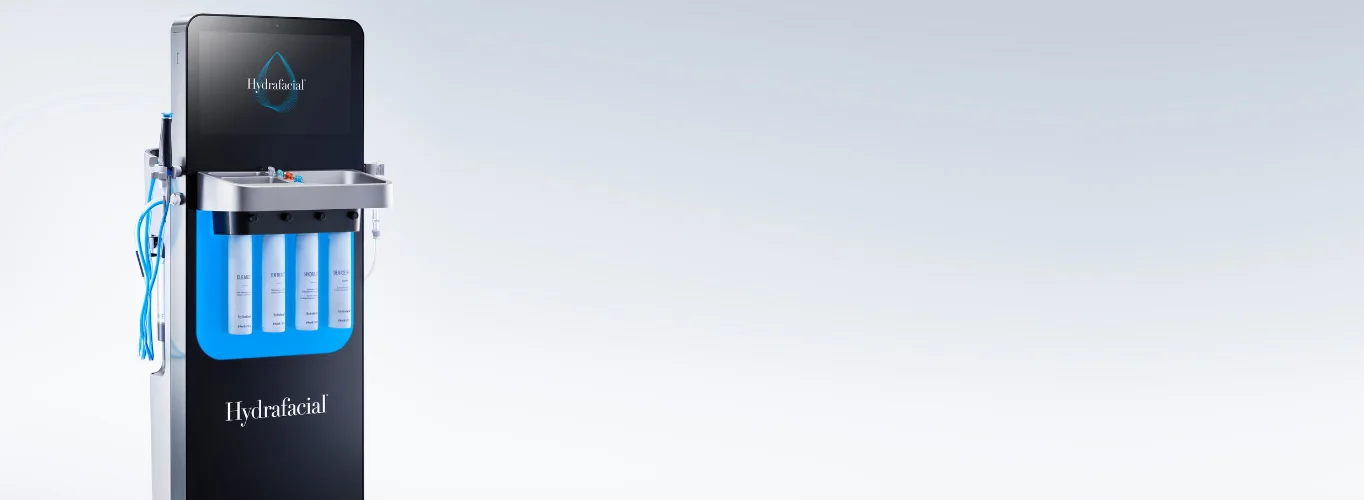
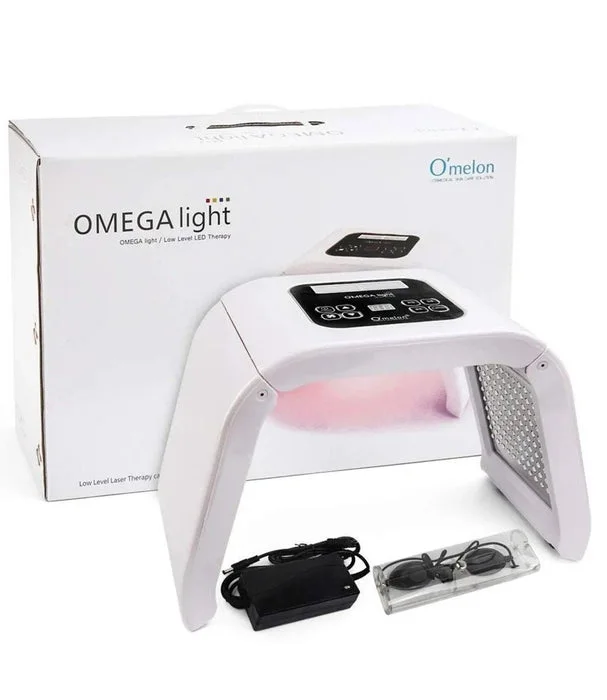
The clinic’s doctors review your chest skin thinness, sun damage and crepiness to set an initial plan of about 2 to 3 sessions.
Fine micro-injections deliver the chosen booster across the decolletage in roughly 20 to 30 minutes after numbing.
Sessions are spaced 3 to 4 weeks apart, because thin chest skin responds gradually and results accumulate between visits.
Over the 2 to 3 session course, hydration and any repair response build, softening crepey texture progressively.
A maintenance session every 6 to 12 months sustains the smoother look, and the interval is adjusted to your skin.

See representative outcomes from Reberry Clinic. Results build gradually and vary by individual; your plan is assessed at consultation.
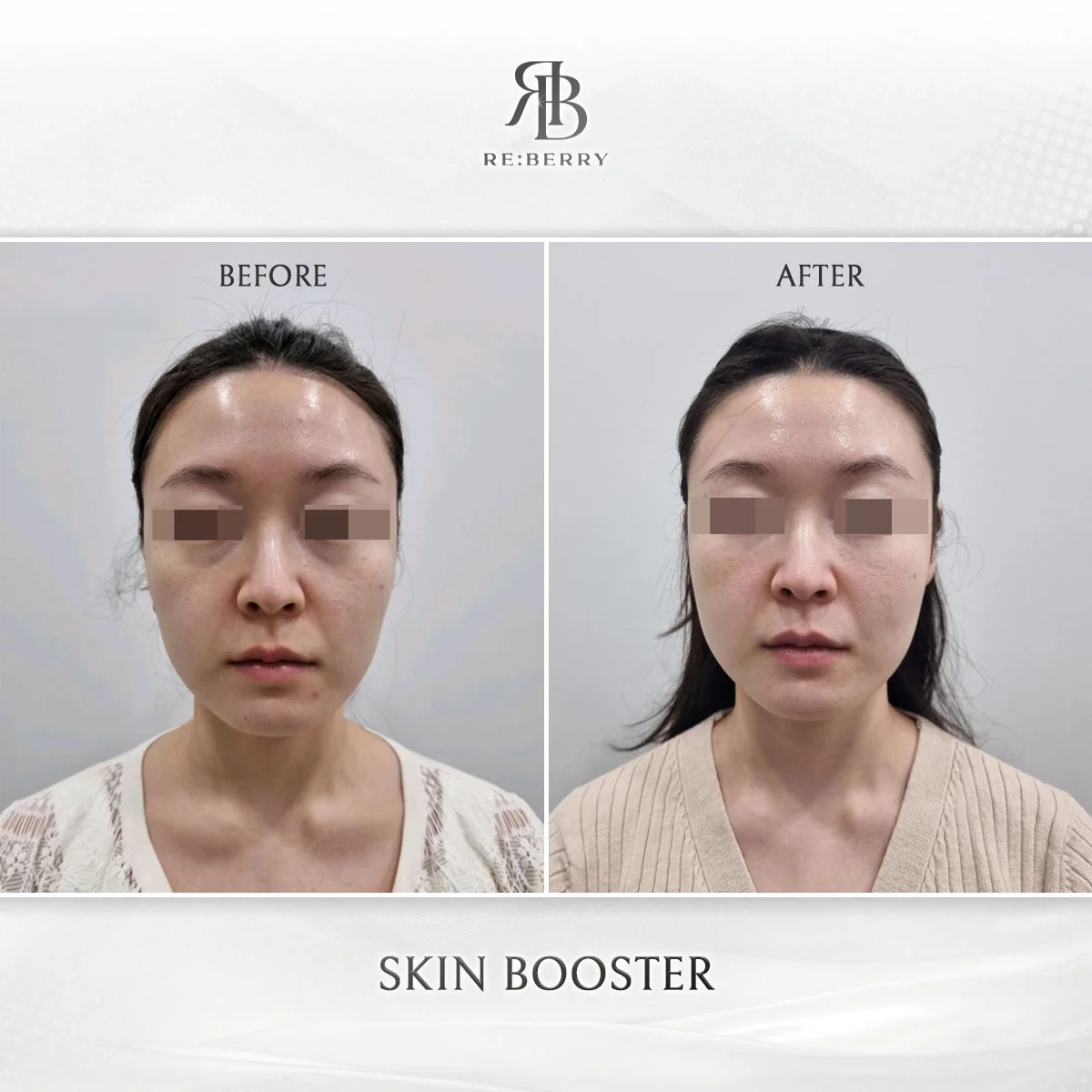
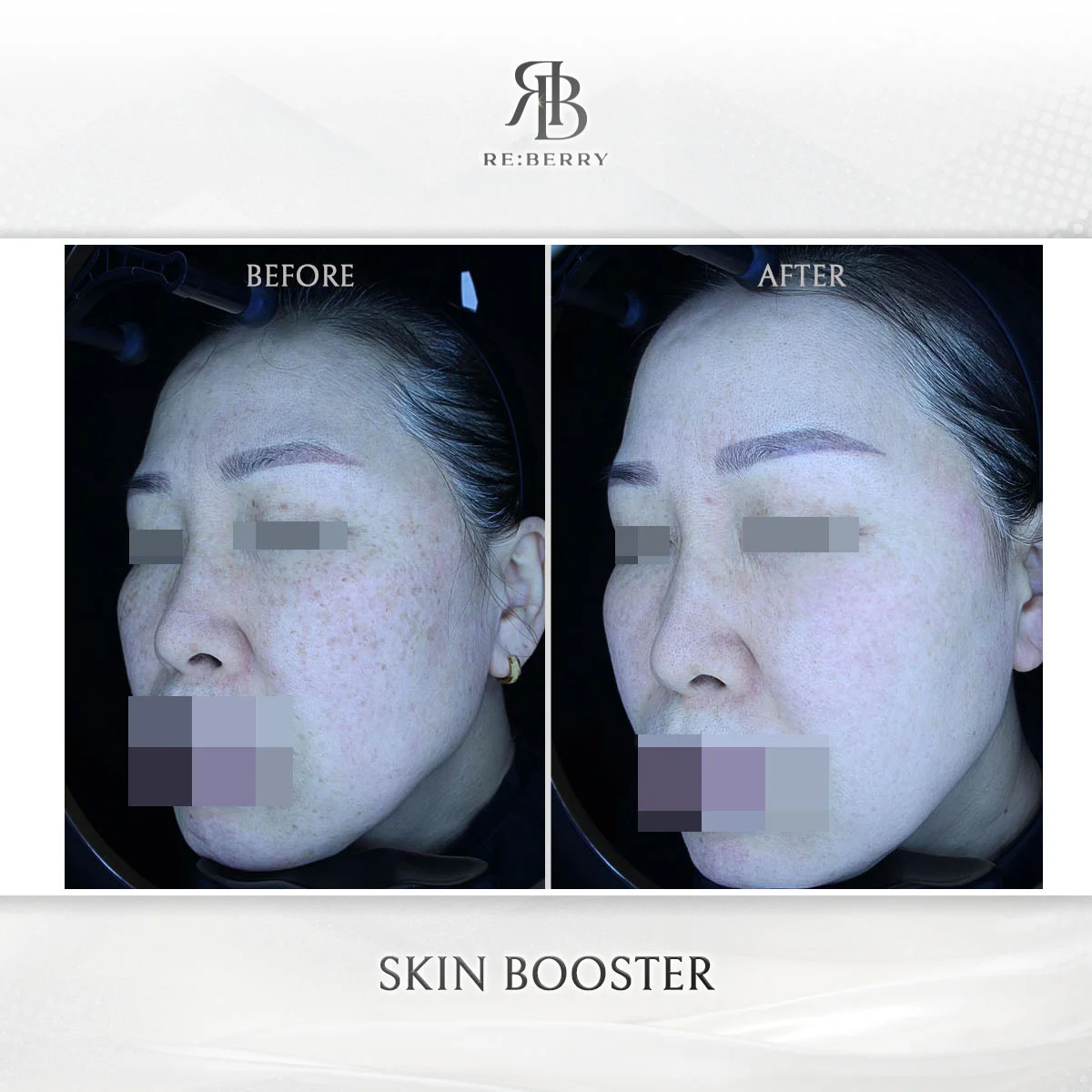
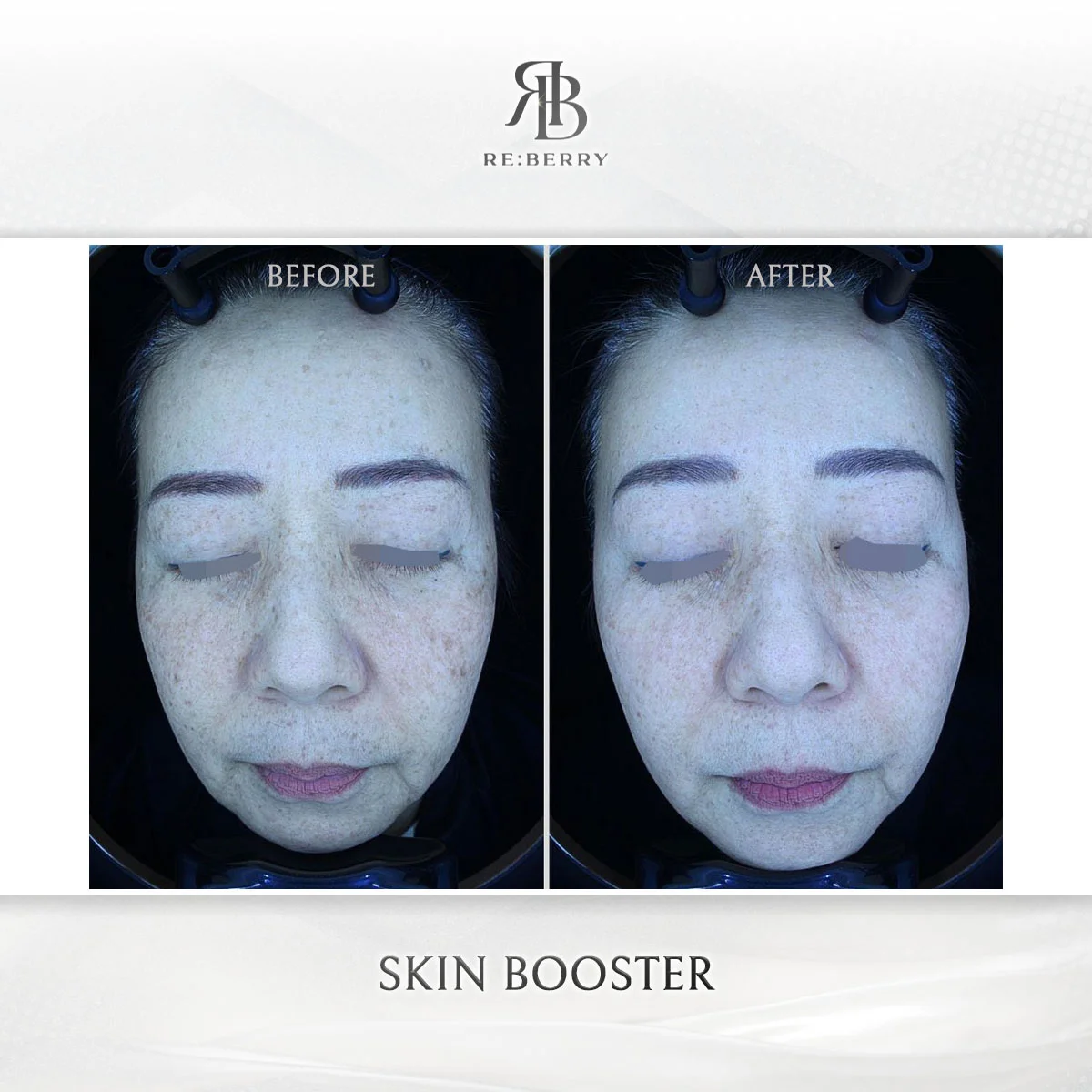
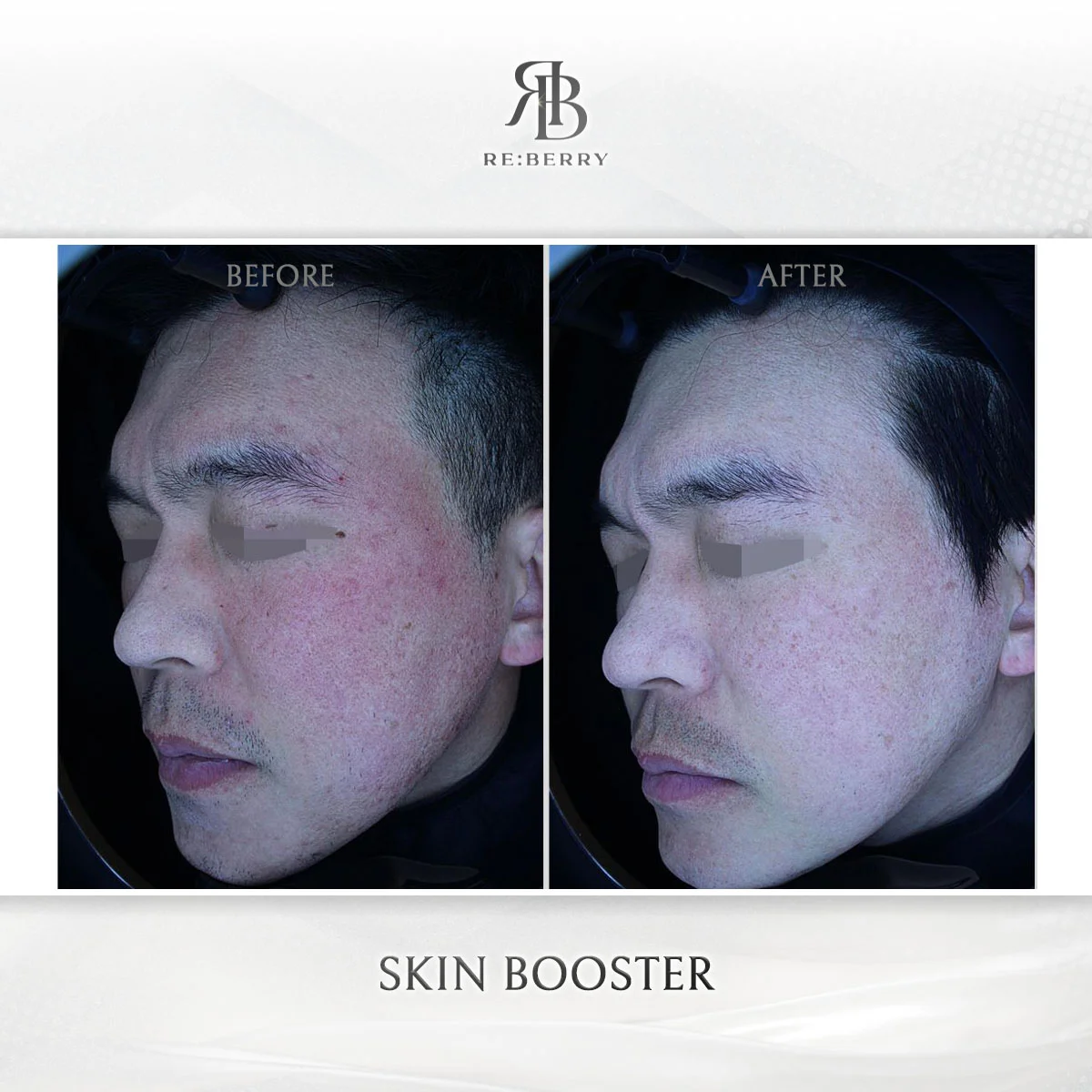
An English-language consultation reviews your chest skin and agrees a plan of about 2 to 3 sessions and a spacing of 3 to 4 weeks.
After numbing, micro-injections across the decolletage take roughly 20 to 30 minutes, with brief redness that settles quickly.
A course of 2 to 3 sessions spans a few weeks, which can be planned around 1 or more visits to Korea.
Skin looks more hydrated and smoother over the weeks after each session, with the fullest effect after the course.
Daily SPF and good skincare protect the chest; a maintenance session every 6 to 12 months sustains the result.



Most decolletage rejuvenation needs about 2 to 3 injectable booster sessions spaced 3 to 4 weeks apart, because chest skin is thin and results accumulate over a course. Your exact number depends on skin thinness, sun damage and formula. The clinic’s doctors confirm it during a glass-skin booster consultation.
The decolletage has thinner skin, fewer oil glands and more sun damage than the face, so it responds gradually and benefits build across a short course rather than after one visit. Spacing sessions 3 to 4 weeks apart lets each treatment build on the last. This is why a polynucleotide booster is planned as a series.
Sessions are usually spaced about 3 to 4 weeks apart, because thin chest skin needs time to respond between treatments and results accumulate gradually. Your doctor confirms the spacing based on the formula and your skin. This rhythm lets a 2 to 3 session course build a smoother, more hydrated look over several weeks.
Hydration and smoothness usually appear over the weeks after each session, with the fullest effect after completing the 2 to 3 session course. Polynucleotide formulas build more slowly than hydration boosters. Your individual timeline is explained when you plan a glass-skin booster course for the chest.
Results from a completed course generally hold for several months, with hydration boosters softening sooner than polynucleotide repair, which can read longer as it matures. A maintenance session every 6 to 12 months sustains the smoother look. The clinic’s doctors give you a realistic longevity estimate after assessing your chest skin.
Yes, most patients book a maintenance session roughly every 6 to 12 months after the initial course, because boosters are gradually cleared or their repair effect softens over time. The interval depends on your skin and formula. Your doctor adjusts the schedule at each review rather than applying one fixed timeline to everyone.
Discomfort is usually mild because a numbing cream is applied and the needles are very fine; most patients describe brief stinging across the chest at each point. Sensitivity varies by individual and area. Comfort options are reviewed beforehand so each short session stays manageable during your appointment on the day.
Downtime is minimal; you may have brief redness, tiny bumps or pinpoint marks on the chest that usually settle within hours to a day or two. Most patients return to normal activities the same day. This makes a short course practical to fit into a trip to Korea without extended recovery between sessions.
A hyaluronic-acid booster suits crepey, dehydrated skin by adding hydration, while a polynucleotide formula suits sun-damaged skin needing repair. Many plans combine or sequence them across the course. The clinic’s doctors choose based on your skin, and you can compare options such as Rejuran Healer at consultation.
Yes, boosters are often combined with a hydrafacial or gentle laser to address tone or texture alongside hydration, provided the doctor sequences them safely across the course. Combining can improve the overall result. Your suitability and timing are planned during assessment so each treatment supports the other.
Yes, because boosters work in the dermis with hydrating or regenerative ingredients rather than surface ablation, they suit a wide range of skin tones when the formula and depth are chosen correctly. Suitability, including any tendency to scarring, is confirmed during assessment before a course is planned for your chest.
Sometimes, but because sessions are spaced 3 to 4 weeks apart, a full 2 to 3 session course often spans longer than a short trip. Some patients complete part of the course in Korea and continue later, or plan a longer stay. Our team helps you plan the timing realistically around your travel dates.
Each session takes only about 20 to 30 minutes plus numbing, so 1 to 2 days per visit is comfortable, allowing consultation, treatment and a short check. Because downtime is minimal, you can usually sightsee soon after. The team helps you schedule your sessions around your itinerary and any maintenance.
Yes, most patients fly the same or next day because downtime is minimal and any redness or small bumps on the chest settle quickly. You receive a written aftercare plan so you can protect and maintain your glass-skin booster results from abroad and time your next session.
Yes, Reberry Clinic serves international patients with English-speaking support at our Seoul locations and near Incheon Airport. You can begin the course on your trip and continue maintenance later. Message us on WhatsApp to plan your 2 to 3 session schedule around your travel dates and goals.
| HA Skin Booster | Rejuran Healer (PN) | Juvelook (PDLLA) | |
|---|---|---|---|
| Mechanism | Stabilized hyaluronic-acid hydration | Polynucleotide (PN) regenerative repair | PDLLA collagen stimulator |
| Best for on the chest | Crepey, dehydrated decolletage skin | Sun-damaged skin needing repair and resilience | Gradual collagen-led firmness on the chest |
| Typical sessions | Usually 2 to 3 spaced sessions | Usually 3 spaced sessions | Usually 2 to 3 spaced sessions |
| Spacing | About 3 to 4 weeks apart | About 3 to 4 weeks apart | About 3 to 4 weeks apart |
| Results timeline | Hydration builds over weeks | Builds over weeks to a couple of months | Builds gradually over 2 to 3 months |
| Maintenance | Every 6 to 12 months | Every 6 to 12 months | As collagen effect softens over time |
| Cost context | Consultation-led; depends on sessions | Consultation-led; depends on sessions | Consultation-led; depends on sessions |
Real verified reviews from our Google Business Profile, across all Reberry Clinic locations.
PULLED LIVE FROM GOOGLE · GANGNAM · MYEONGDONG · INCHEON AIRPORT
Your treatment is planned and performed by experienced, MFDS-registered doctors across our Seoul-area clinics, with multilingual support for international patients.
Flagship clinic · KOL for leading lifting & regenerative devices · Featured in Authority Magazine (2026)

Multilingual tourist care beside Myeongdong Cathedral

Fast, effective care 20 minutes from the terminals
Message us on WhatsApp for a free consultation in English and a realistic decolletage plan with a session count for your chest skin.