

Gangnam
Dr. Yoongon Ryu
Aesthetic Medicine Specialist
Flagship clinic · KOL for leading lifting & regenerative devices

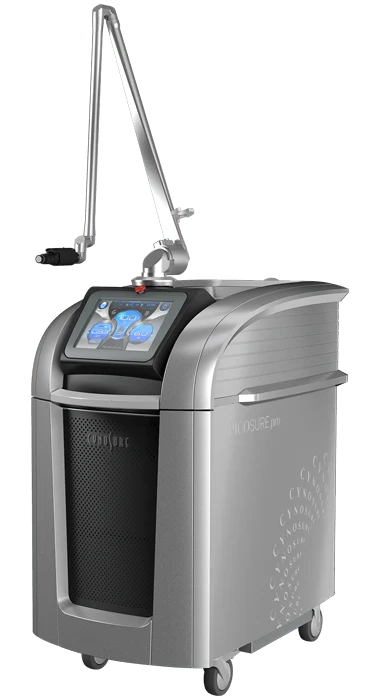
Most permanent-makeup eyeliner clears in about 3 to 6 picosecond laser sessions spaced 6 to 8 weeks apart, though dense or older ink can need more.
Most eyeliner tattoo removal in Korea takes about 3 to 6 picosecond laser sessions, spaced 6 to 8 weeks apart, to fade permanent-makeup pigment near the lash line. Black eyeliner usually clears fastest, while dense, layered, or older ink can need more passes. Your exact number is confirmed after a consultation that checks pigment colour, depth, and skin tone.
One-on-One guidance from a dedicated doctor, ensuring your skin is professionally monitored and treated from start to finish.
Fluent assistance in English, Japanese, and Chinese, making communication clear, respectful and comfortable for international patients.
Over 100,000 patients worldwide have received our personalized dermatological care, highlighting our expertise and reliable results.
Eyeliner tattoo removal typically takes about 3 to 6 laser sessions when a picosecond device is used, with each session set roughly 6 to 8 weeks apart so the skin heals and the immune system carries away shattered pigment between visits. Simple black eyeliner in a single layer often clears toward the lower end of that range, while brown-black blends, re-touched work, or ink placed deeply may need several more passes.
The reason removal is done in a series, not one session, is that laser light fragments pigment into tiny particles the body then clears gradually. Trying to force it in fewer sittings raises the risk of blistering and pigment change around the delicate eyelid, so pacing sessions protects both the eye area and the final result. Older tattoos are sometimes easier because pigment has already faded, but stubborn saturated ink can be the opposite.
At Reberry Clinic, eyeliner tattoo removal is consultation-led: the clinic’s doctors examine the pigment colour, how deep and dense it sits, and your skin tone before estimating your session count. International patients are supported in English across our three Seoul-area locations (Gangnam, Myeongdong, Incheon Airport).
Modern removal near the lash line uses a Q-switched or picosecond 1064/532 nm Nd:YAG laser, delivering pulses in picoseconds to shatter tattoo pigment through photoacoustic and photothermal effect while sparing surrounding skin. Each pulse breaks a fraction of the ink into particles small enough for the immune system to remove over the following weeks, which is exactly why 6 to 8 week intervals matter: clearing is biological, not instant. In Asian-skin studies, more than 70 percent of patients reached over 70 percent clearance after about 4 sessions with a picosecond system, and comparative work shows picosecond lasers generally need fewer sittings than older nanosecond Q-switched lasers for the same result. Black ink absorbs 1064 nm strongly and fades fastest; brown, flesh-tone, or white-mixed cosmetic pigments can shift or resist and sometimes need extra sessions. Because the eyelid skin is thin and close to the eye, protective corneal shields are used and settings kept conservative, which favours a slightly longer series over aggressive single passes.
One Reberry Clinic, multiple Seoul-area locations. Pricing & current promotions are listed on each branch's own site — tap a clinic to view pricing & book.
Our flagship in the heart of Gangnam.
In Seoul's shopping & tourism heart.
A beauty stop between flights.
The newest Reberry Clinic — in Seoul's trend district.
ONE REBERRY CLINIC · MFDS-REGISTERED DEVICES · MULTILINGUAL CARE AT EVERY LOCATION
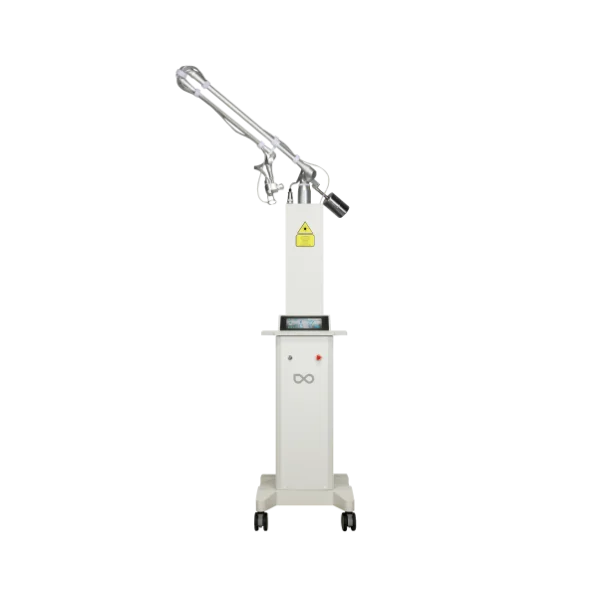
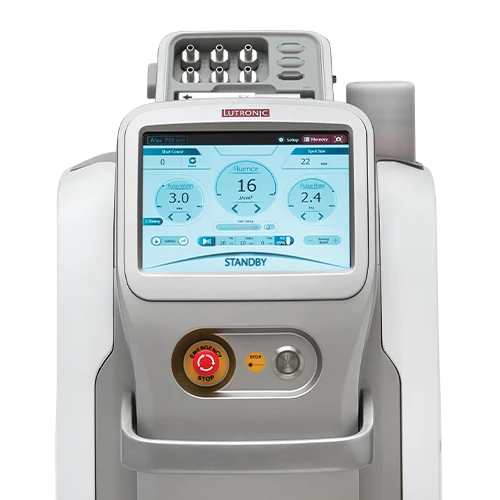
The doctor grades pigment colour, depth, and density, which sets whether you sit near 3 or closer to 6 sessions.
The initial 2 sessions, 6 to 8 weeks apart, usually produce the most visible early fading of dark ink.
Between each session, roughly 6 to 8 weeks, the body carries away fragmented pigment, so results build gradually.
Sessions 3 and 4 address deeper or blended pigment; many patients reach over 70 percent clearance by around session 4.
A further 1 to 2 sessions may be added for stubborn saturated ink before results are judged complete.

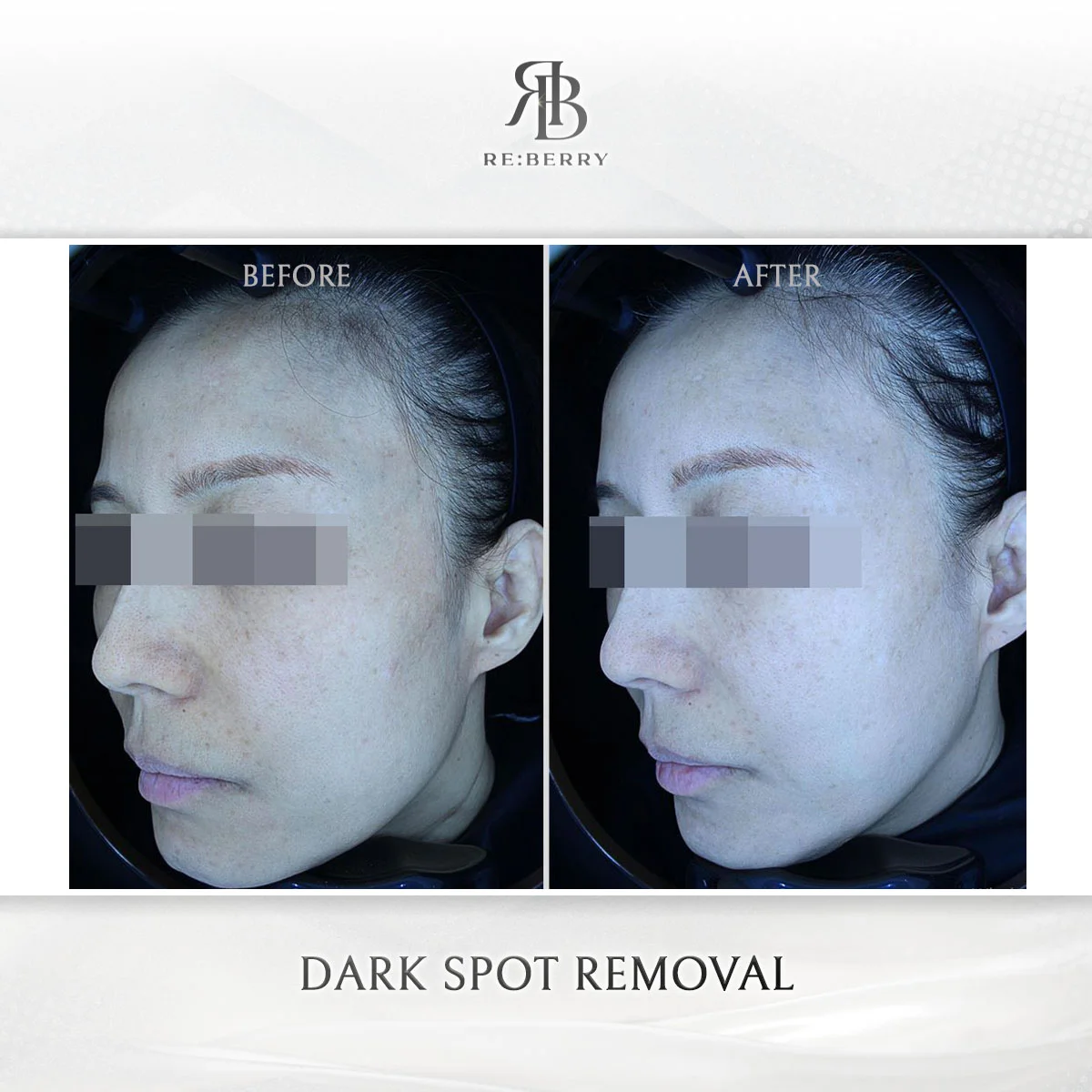
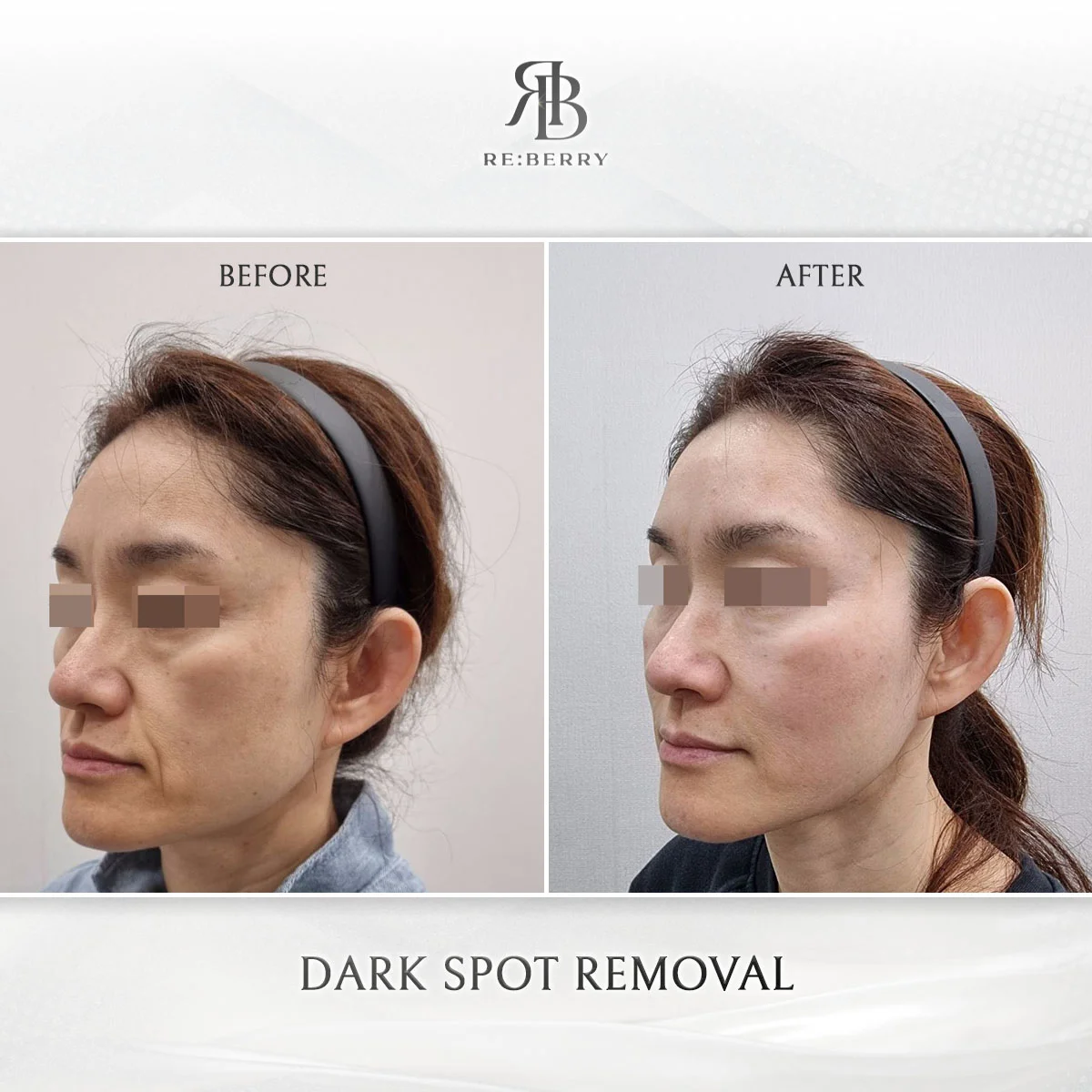
See representative outcomes from Reberry Clinic. Results build gradually and vary by individual; your plan is assessed at consultation.
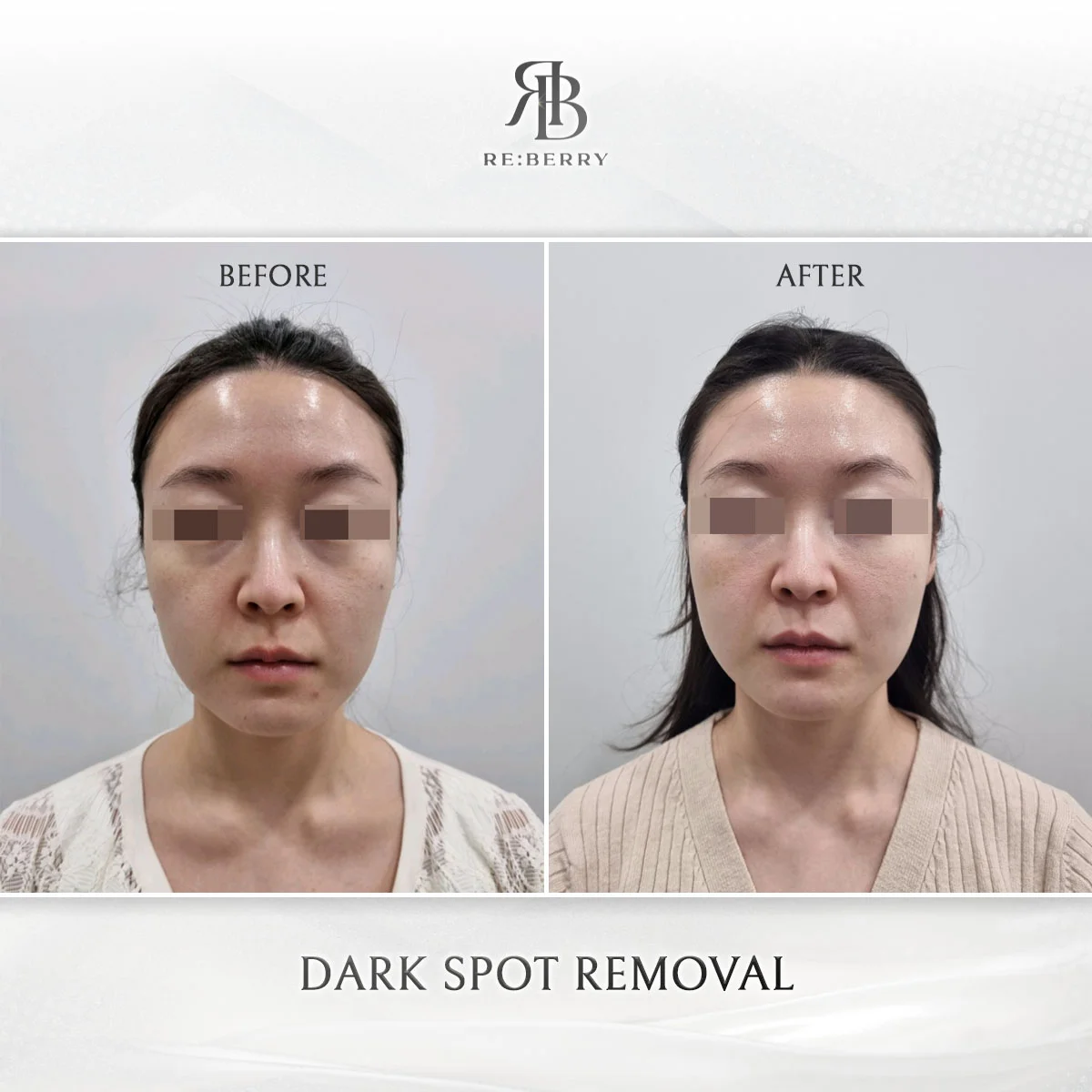
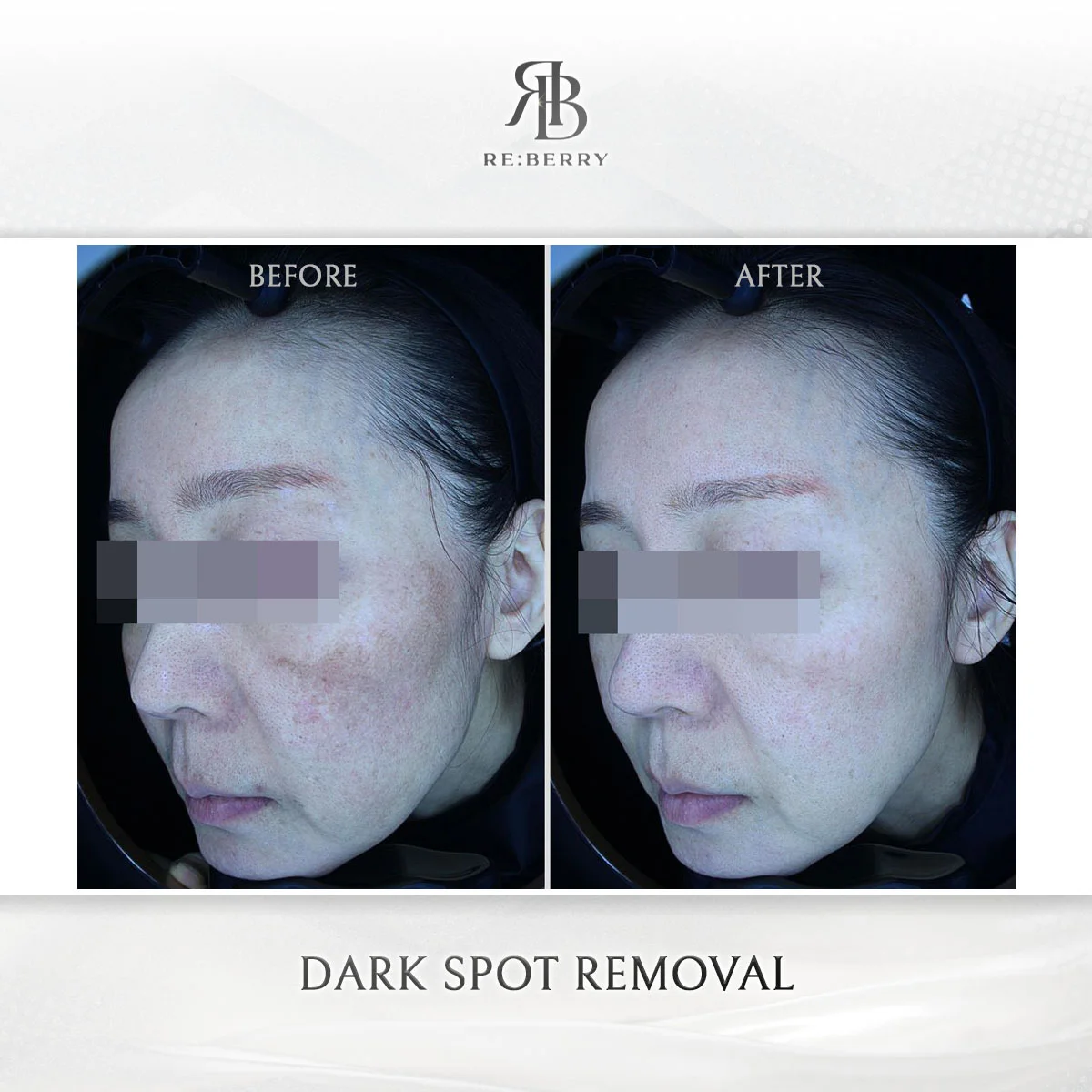
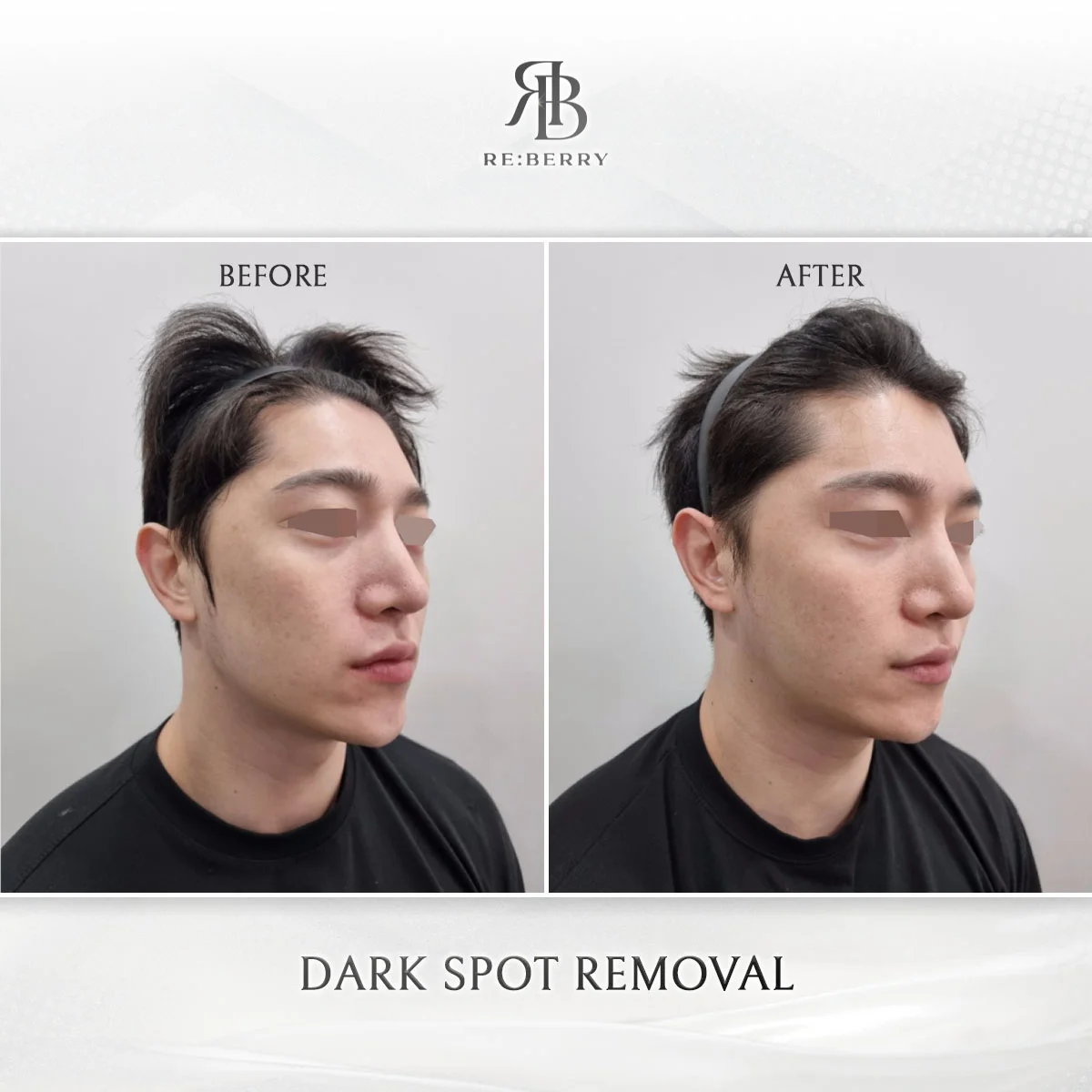
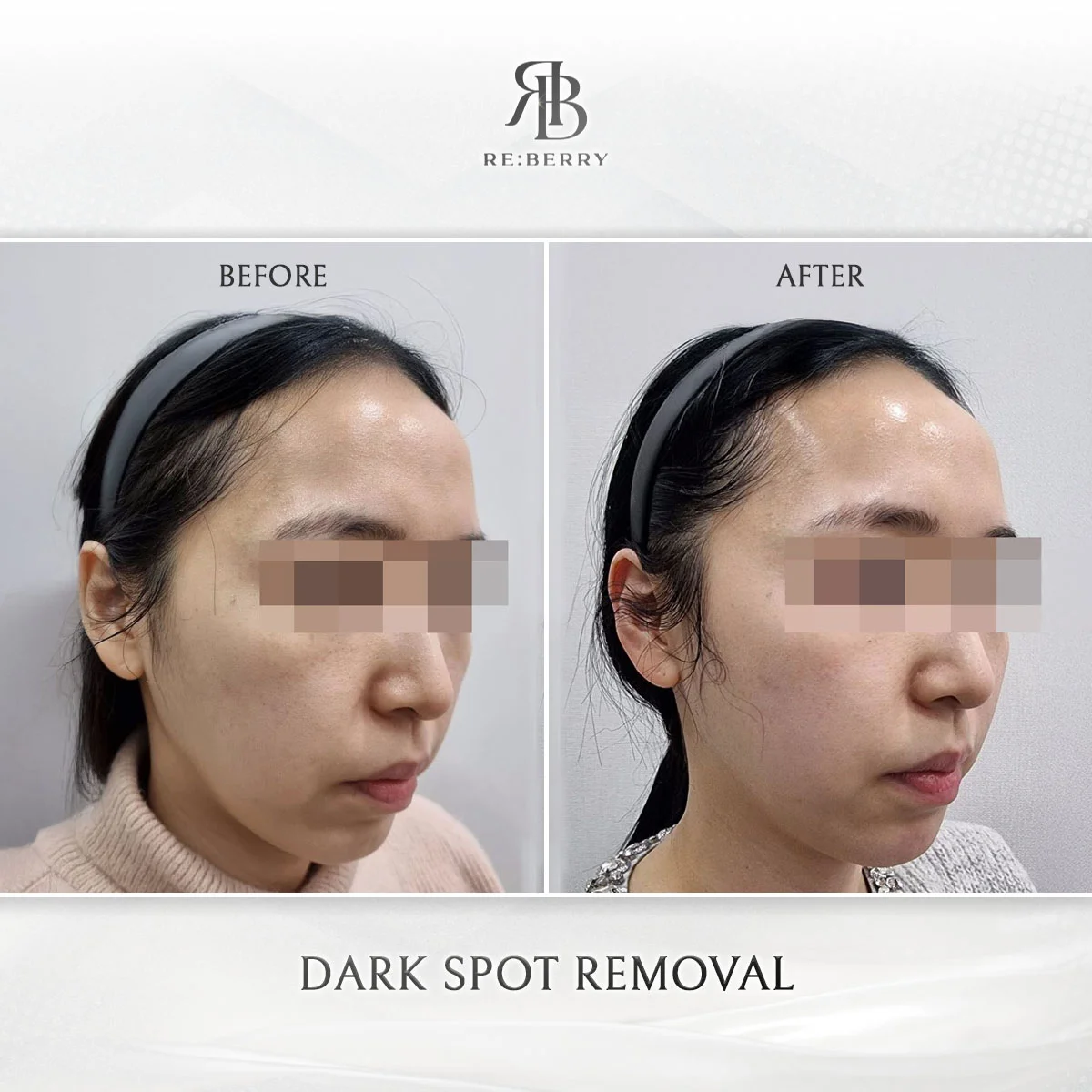
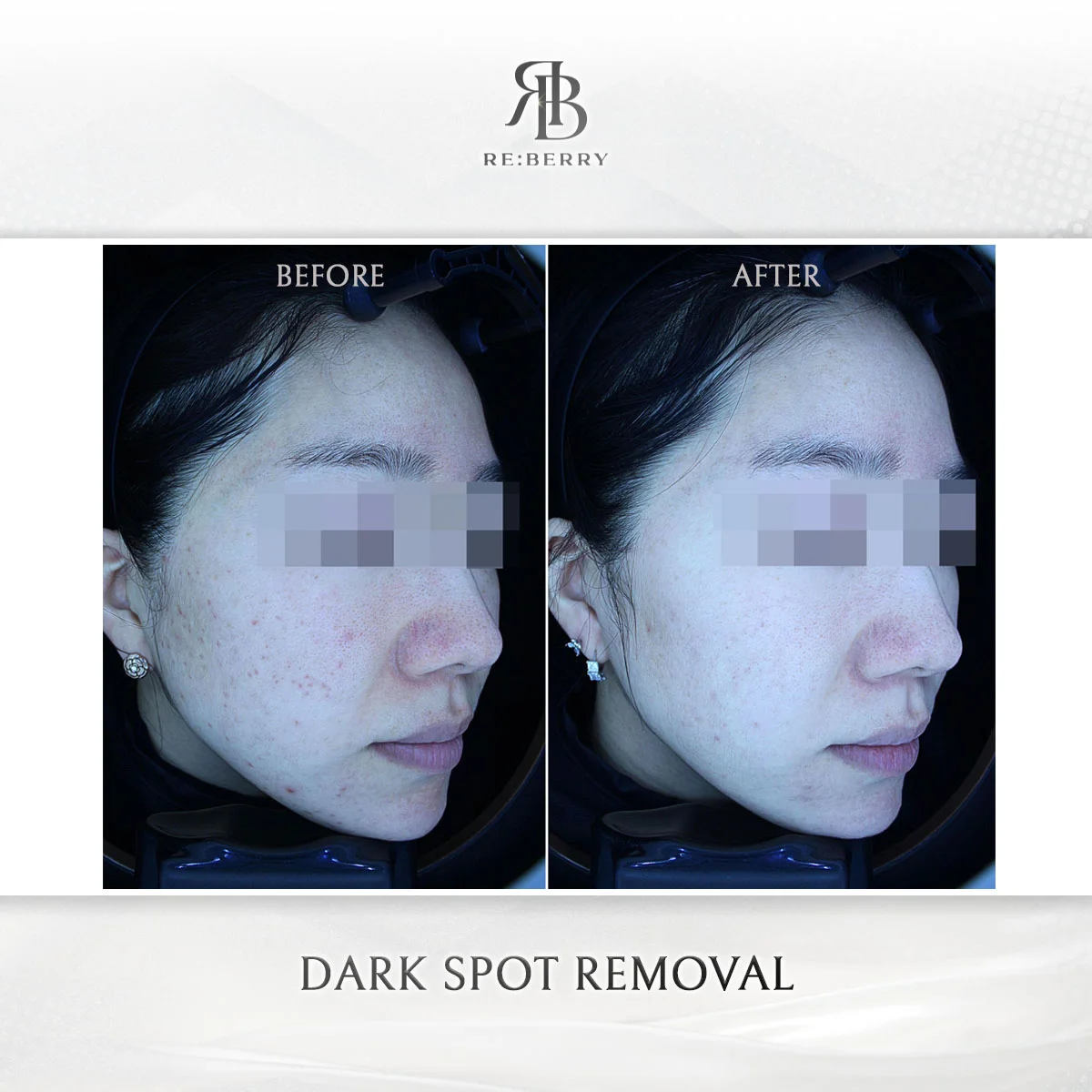
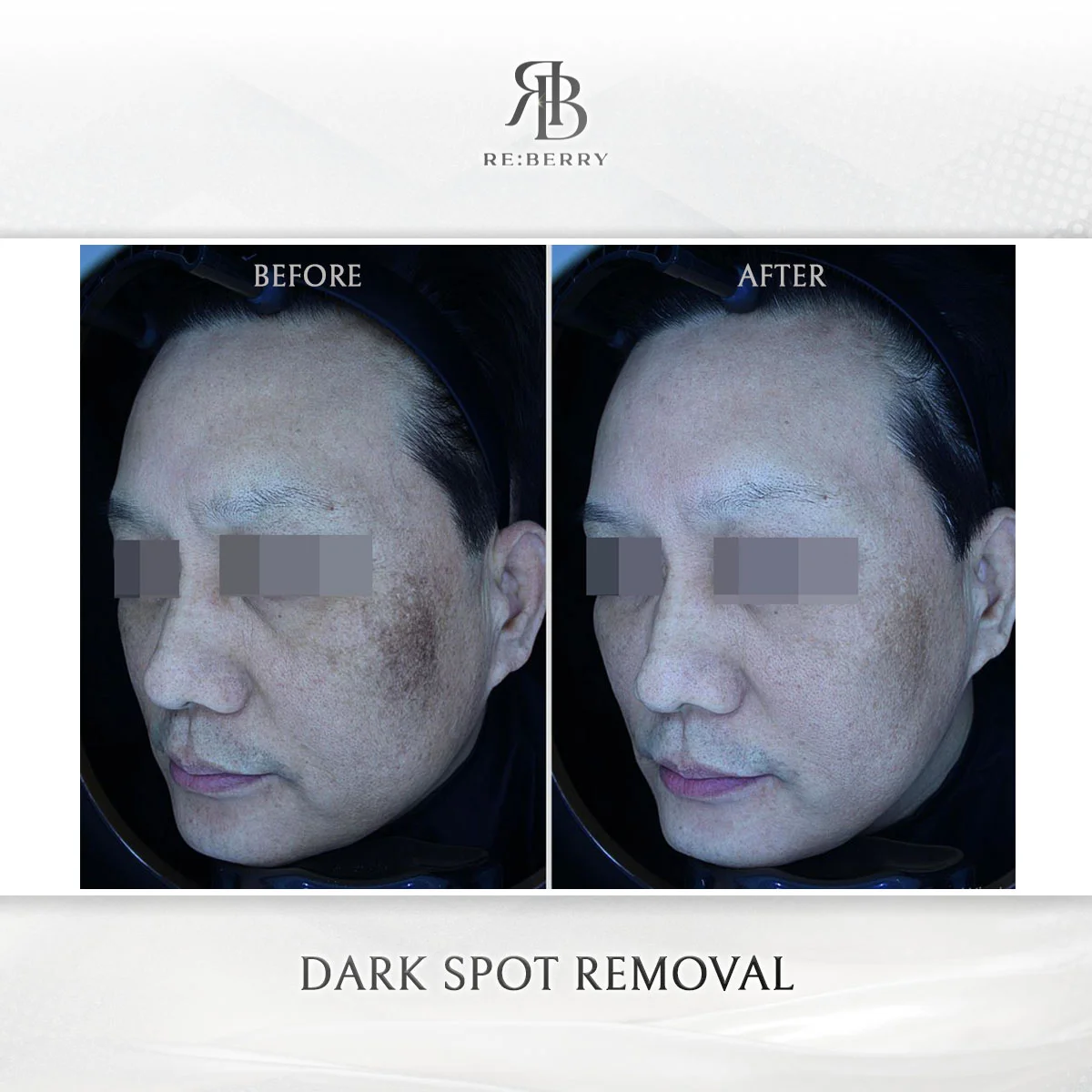
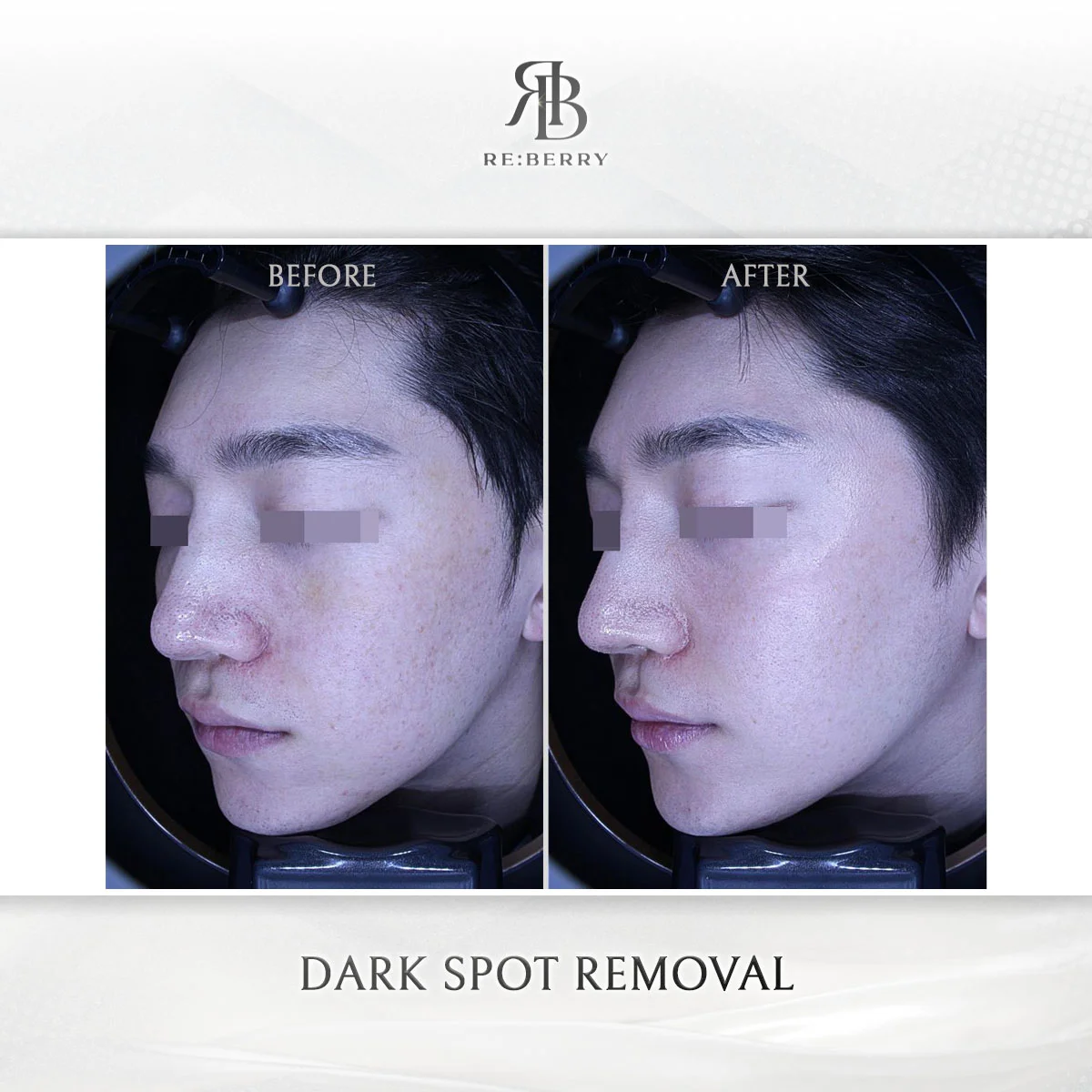
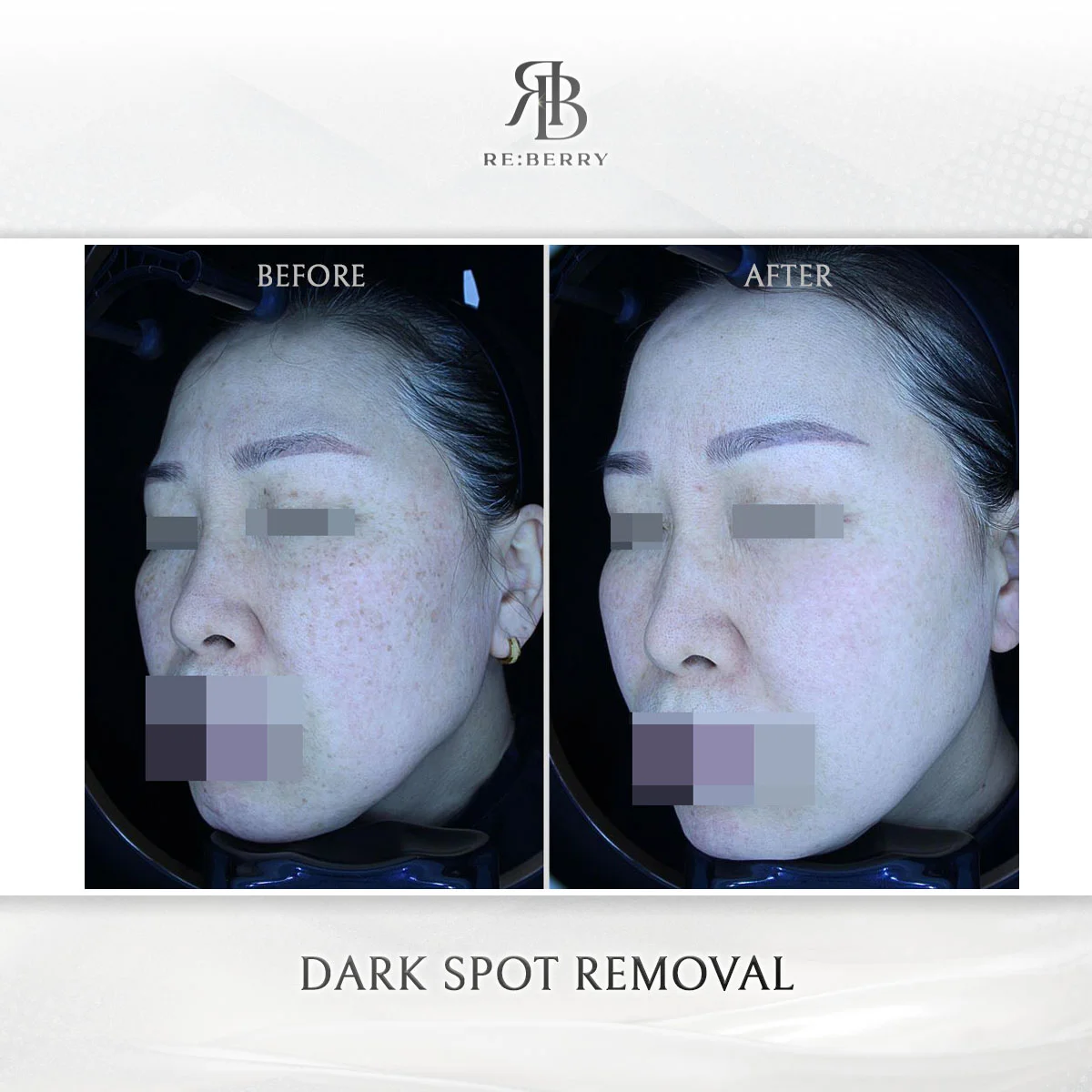
The clinic’s doctors examine ink colour, depth, and skin tone, then estimate whether you need nearer 3 or 6 sessions, explained in English.
After numbing for about 20 to 30 minutes and placing corneal eye shields, each session takes roughly 10 to 20 minutes.
You wait about 6 to 8 weeks between each session so swelling settles and the body clears fragmented pigment.
Fading builds across the series, with many reaching over 70 percent clearance by around session 4.
Once cleared, removed eyeliner ink does not return; daily sun protection helps avoid pigment change during the 3 to 6 session course.
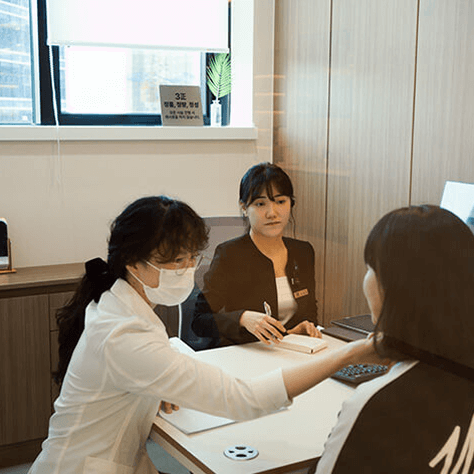
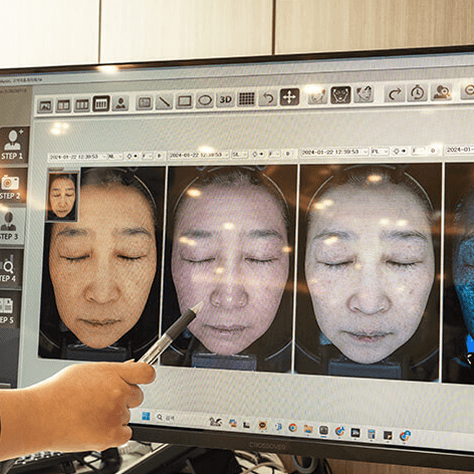

Most eyeliner tattoo removal takes about 3 to 6 picosecond laser sessions, spaced 6 to 8 weeks apart. Dark black ink usually clears fastest, while blended or deeply placed pigment can need more. Your exact count is confirmed at consultation, where the doctor reviews pigment colour, depth, and your skin tone before treatment starts.
Removal works in a series because the laser only shatters part of the pigment each time, and your body then clears those particles over 6 to 8 weeks. Forcing more in one sitting raises the risk of blistering near the eye. Spacing about 3 to 6 sessions steadily fades the ink, as explained on our laser treatment page.
Sessions are spaced about 6 to 8 weeks apart, giving the eyelid time to heal and the immune system time to remove fragmented pigment. Going faster does not speed clearance and can irritate the delicate area. Your doctor sets each interval based on how your skin recovers between the roughly 3 to 6 sessions in your plan.
Yes, colour strongly affects session count. Black ink absorbs the 1064 nm laser well and usually clears in the fewest sessions, while brown, flesh-tone, or white-mixed cosmetic pigments resist or can shift and often need extra passes. Similar wavelength logic applies to dark spot removal, which the doctor also assesses.
Older, already-faded eyeliner sometimes clears in fewer sessions because pigment has partly broken down, while dense fresh or re-touched work can need more. There is no fixed rule, since ink depth and saturation matter more than age alone. A consultation and, where useful, a small test patch help set a realistic number.
With numbing cream applied for about 20 to 30 minutes, most patients describe a rubber-band snap or heat rather than sharp pain, and each session lasts only around 10 to 20 minutes. The eyelid is sensitive, so comfort measures and eye shields are used. Discomfort does not change how many sessions you ultimately need.
Expect swelling, redness, and light scabbing around the lash line for about 3 to 7 days after each session, with the eyelid area sometimes puffy on day one. Cool compresses and gentle aftercare help. Because you have 6 to 8 weeks between sessions, downtime fully settles well before your next appointment.
When performed with protective corneal eye shields and conservative settings, laser removal near the lash line is done carefully to protect the eye. This is precisely why a slightly longer, gentler series is preferred over aggressive single passes. At consultation the doctor screens your eye area, as outlined with our laser treatment options.
No, once pigment is cleared it does not regrow, because the ink particles have been carried away by the body rather than temporarily hidden. What varies is how many of your original 3 to 6 sessions are needed to reach full fading. After the course, protecting the area from sun helps keep the skin tone even.
Yes, gentle barrier-supporting skin care between sessions helps the eyelid recover, and your doctor may suggest a routine to reduce irritation. Nothing aggressive is used on healing skin. A calming approach, similar to the guidance on our skin care page, keeps the area comfortable across the 6 to 8 week gaps.
Some saturated or blended pigments simply need more than the average, so a plan of 3 to 6 sessions may extend by 1 or 2 more. The doctor reassesses clearance at each visit and adjusts. If a colour resists, settings or wavelength may be changed, always keeping the delicate eyelid safe rather than pushing for speed.
Picosecond lasers generally clear cosmetic ink in fewer sessions than older Q-switched lasers, often around 3 to 6 versus 5 to 7 for similar ink, with lower pigment-change risk in Asian skin. The doctor selects the device suiting your pigment and tone. You can review devices on our laser treatment page.
Because sessions are 6 to 8 weeks apart, most international patients complete one or two sittings per trip rather than the whole course in one visit. A single session needs only about 3 to 7 days of local settling. Our English-speaking team helps sequence sessions around repeat trips or a longer stay.
Yes, flying a day or two after a session is generally fine, since downtime is mainly local swelling and light scabbing for about 3 to 7 days. Keep the area clean, moisturised, and shielded from sun. Your doctor confirms timing, and remaining sessions in your 3 to 6 course can be booked around future travel.
International patients often split the roughly 3 to 6 sessions across multiple visits, with remote check-ins in English to review fading between trips. Your notes and settings are kept on file, and other laser needs like acne treatment can be sequenced into the same trip so the course stays consistent.
| Picosecond Nd:YAG | Q-switched Nd:YAG | Non-laser fading methods | |
|---|---|---|---|
| Mechanism | Picosecond pulses shatter pigment finely | Nanosecond pulses fragment pigment | Acids or abrasion break down surface pigment |
| Typical sessions | Often about 3 to 6 | Often about 5 to 7 | Highly variable, often many |
| Best for | Black and dark cosmetic eyeliner ink | Established dark ink where pico unavailable | Not advised near the eye |
| Pigment-change risk | Lower risk with careful settings | Somewhat higher than picosecond | Higher scarring risk near eyelid |
| Downtime per session | About 3 to 7 days of swelling | About 5 to 7 days | Unpredictable |
| Interval between sessions | About 6 to 8 weeks | About 6 to 8 weeks | Not applicable |
| Cost factors | Depends on ink density and session count | Depends on ink density and session count | Depends on method and area |
Real verified reviews from our Google Business Profile, across all Reberry Clinic locations.
PULLED LIVE FROM GOOGLE · GANGNAM · MYEONGDONG · INCHEON AIRPORT
Your treatment is planned and performed by experienced, MFDS-registered doctors across our Seoul-area clinics, with multilingual support for international patients.
Flagship clinic · KOL for leading lifting & regenerative devices

Multilingual tourist care beside Myeongdong Cathedral

Fast, effective care 20 minutes from the terminals
Message us on WhatsApp for a free consultation in English about your eyeliner tattoo removal and session plan.