



Gangnam
Dr. Yoon-Gon Ryu
Aesthetic Medicine Specialist
Flagship clinic · for leading lifting & regenerative devices · Featured in Authority Magazine (2026)

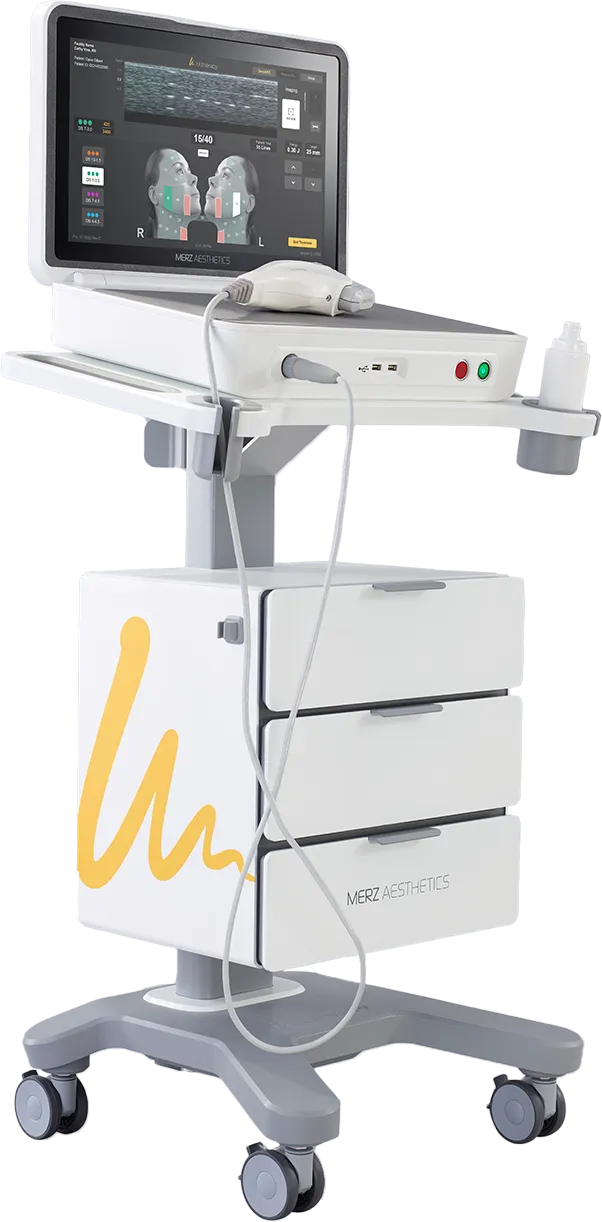
Most non-surgical energy lifts are designed as a single session, while thread or layered plans typically run 1 to 3 sessions spaced weeks apart.
Most non-surgical face lifting in Korea is planned as 1 energy-device session, such as ultrasound or radiofrequency, while thread lifts and layered or staged plans usually run 1 to 3 sessions spaced 4 to 12 weeks apart. The exact number depends on your laxity, the modality chosen and your goals, so a doctor confirms it at consultation.
One-on-One guidance from a dedicated doctor, ensuring your skin is professionally monitored and treated from start to finish.
Fluent assistance in English, Japanese, and Chinese, making communication clear, respectful and comfortable for international patients.
Over 100,000 patients worldwide have received our personalized dermatological care, highlighting our expertise and reliable results.
In non-surgical face lifting, a session means one complete treatment visit with a chosen modality, not a quick top-up. Energy-based lifts like micro-focused ultrasound or monopolar radiofrequency are usually delivered in a single, comprehensive session because they stimulate collagen that keeps remodeling for 2 to 3 months afterward. Adding more energy on the same day rarely improves the result and is not how these devices are designed to work.
Other approaches are structured differently. Thread lifts place absorbable PDO or PLLA threads in one session, but some patients add a second session months later as threads dissolve. Biostimulator injectables such as collagen-stimulating fillers are often planned as a short series, commonly 2 to 3 sessions spaced 4 to 6 weeks apart, because the effect builds layer by layer. So when people ask how many sessions face lifting needs, the honest answer is that it depends on which method best matches their face.
Reberry Clinic is a dermatology clinic serving international patients across three Seoul-area locations (Gangnam, Myeongdong, Incheon Airport) with English-speaking support. Because the clinic is consultation-led, the clinic’s doctors assess your skin laxity, fat and bone support, then recommend a modality and a realistic session count rather than applying a fixed template to every face.
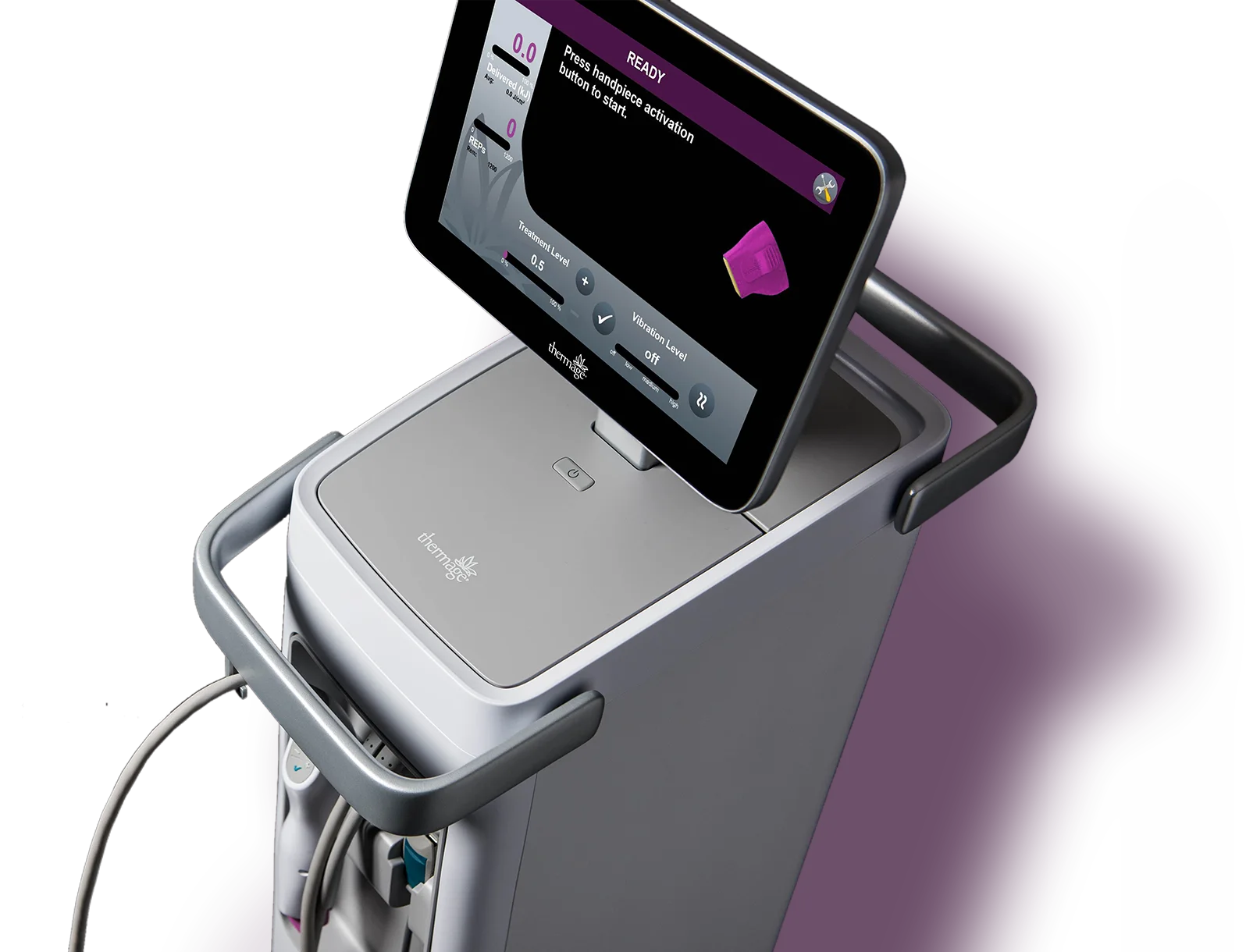
The number of sessions is driven by how each technology delivers energy or material. Micro-focused ultrasound reaches the deeper SMAS layer and deposits heat in tiny zones, triggering a single wave of collagen remodeling, so one session is the standard plan. Monopolar radiofrequency heats a broad volume of dermis to tighten, and is also typically delivered as one comprehensive session. These differ from devices that work more superficially and may be repeated more often.
Thread lifts and biostimulators are different again. A thread lift mechanically repositions tissue in 1 session and adds collagen as threads dissolve, while collagen-stimulating injectables build volume gradually and therefore suit a 2 to 3 session series. The clinic’s doctors map your anatomy first, then explain whether a one-and-done energy lift or a short layered plan fits your goals. You can read more about the clinic’s face lifting options and how each is paced.
One Reberry Clinic, multiple Seoul-area locations. Pricing & current promotions are listed on each branch's own site — tap a clinic to view pricing & book.
Our flagship in the heart of Gangnam.
In Seoul's shopping & tourism heart.
A beauty stop between flights.
The newest Reberry Clinic — in Seoul's trend district.
ONE REBERRY CLINIC · MFDS-REGISTERED DEVICES · MULTILINGUAL CARE AT EVERY LOCATION


A doctor grades your skin laxity, fat support and bone structure across the 3 main facial zones to gauge what 1 session can achieve.
They select 1 primary method, such as ultrasound, radiofrequency or threads, because each has a typical 1 to 3 session range.
Energy lifts are usually planned as 1 session; biostimulator or thread plans may be staged into 2 to 3 visits spaced 4 to 12 weeks apart.
Staged sessions are spaced 4 to 12 weeks apart so collagen can remodel before the next visit is added.
Because results build over 2 to 3 months, the doctor reviews your outcome before deciding whether any further session is worthwhile.
Reberry Clinic · Prices verified: Oct 2026
| Clinic | Price (KRW) |
|---|---|
| GangnamStandardin the Gangnam medical district | from₩150,000 |
| MyeongdongStandardcity-center flagship | from₩200,000 |
| Incheon AirportPromotionalinside the airport, same-day visits | from₩45,000 |
VAT excluded · Final price depends on treatment scope and skin condition · Confirmed after consultation
Before-and-after photos are being updated.
An English-language consultation grades your laxity, recommends a modality and sets a realistic session count rather than a fixed package.
The first session is delivered; a typical energy lift takes around 45 to 60 minutes after preparation and imaging.
Most energy lifts are a single visit, so they fit a short Seoul trip; staged thread or biostimulator plans are spaced over weeks.
Tightening can appear early, but the main lift builds over 2 to 3 months as collagen forms.
Results often last around a year; SPF, good skincare and any agreed maintenance session help sustain them.



Most non-surgical lifts need 1 energy-device session, while thread or biostimulator plans run 1 to 3 sessions spaced weeks apart. The exact count depends on your laxity and chosen method. A doctor confirms it during a face lifting consultation rather than selling a fixed package.
Energy lifts like ultrasound and radiofrequency trigger a single wave of collagen remodeling that keeps working for 2 to 3 months, so one comprehensive session is the design. Adding more energy the same day rarely helps. A doctor explains this when planning your face lifting treatment.
You may need 2 to 3 sessions with thread lifts or collagen-stimulating injectables, which build results in layers spaced 4 to 12 weeks apart, or if your laxity is more advanced. The number is decided after assessment, not assumed in advance, so the plan matches your face rather than a generic count.
Staged sessions are usually spaced 4 to 12 weeks apart so collagen can remodel before the next visit. Injectable biostimulator series often sit at 4 to 6 weeks, while a second thread session may be months later. The exact spacing is set by your doctor based on how your skin responds.
Comfort varies by modality: ultrasound feels like warmth and brief deep pulses, radiofrequency adds cooling bursts, and thread lifts use local anesthetic. Most patients find each manageable. Your tolerance and comfort options are reviewed beforehand so the chosen thread lift or energy plan suits you.
Energy lifts have little downtime, with brief redness or tenderness settling within hours to a couple of days. Thread lifts may bring a few days of mild swelling or bruising. Most energy-lift patients resume normal activities the same day, which makes treatment practical during a short Seoul trip.
Some tightening shows early, but the main lift builds over 2 to 3 months as new collagen forms, with continued refinement after that. Thread lifts add an immediate component. Because results take time, your doctor reviews the outcome before deciding whether any further session is worthwhile.
Non-surgical lifting results often last around twelve months, though this varies with age, laxity and lifestyle. A maintenance session and good skincare help sustain the effect. Longevity is individualized at consultation rather than promised as a fixed duration, since every face ages and responds differently.
Yes, doctors sometimes combine an energy lift with threads or biostimulators across separate sessions to address different layers, which can change the total session count. Combinations are planned carefully to avoid overtreatment. The clinic discusses how a layered face lifting plan would be paced for you.
For mild to moderate jowl sagging, one ultrasound or radiofrequency session is often enough because these reach deeper supportive layers. More advanced sagging may need a layered plan or a different approach. A doctor grades your laxity first so the recommended number of sessions is realistic for your result.
Ultrasound and radiofrequency are usually single sessions, while thread lifts are one session with a possible later second, and biostimulators suit a 2 to 3 session series. Each works at a different depth. Compare the clinic’s thread lift and energy options to match method to goal.
Aftercare is simple: protect skin with SPF, keep it hydrated, and avoid heat, intense exercise and harsh actives for a few days. Energy lifts need no special recovery, while thread lifts add gentle restrictions on chewing and sleeping position. You receive written aftercare so you can follow it once home.
Yes, because micro-focused ultrasound and radiofrequency work below the surface, they suit a wide range of skin tones when settings are chosen correctly. Experienced, imaging-guided technique supports safety. Your suitability and the right number of sessions are confirmed during assessment before any plan is finalized for your skin.
Yes, Reberry Clinic serves international patients with English-speaking support across three Seoul-area locations, including one near Incheon Airport. Because most energy lifts are a single session, you can be assessed and treated on your trip. Message us on WhatsApp to plan your visit and session count.
Because most energy lifts are one session, even a short trip works, with the session taking around an hour after assessment. Staged thread or biostimulator plans may need a return visit weeks later. Our team helps schedule treatment around your itinerary and explains the session plan during consultation.
Yes, most patients fly the same or next day after an energy lift, since downtime is minimal and any redness settles quickly. After a thread lift, a short wait may be advised. The main lift develops gradually after you return, and a written aftercare plan supports follow-up from abroad.
Often no in-person follow-up is required after a single energy lift, since results build on their own over 2 to 3 months. If a staged plan was started, any second session is scheduled around your travel. The clinic supports remote follow-up so you can check progress on your face lifting from home.
| Ultrasound lift | Radiofrequency lift | Thread lift | |
|---|---|---|---|
| Energy / mechanism | Micro-focused ultrasound to the deeper SMAS layer | Monopolar radiofrequency heating a broad volume of dermis | Absorbable PDO or PLLA threads repositioning tissue |
| Typical sessions | Often a single session | Often a single session | 1 session, sometimes a second as threads dissolve |
| Best for | Sagging along the jawline and lower face | Overall crepey tightening and smoothing | Defined repositioning of sagging tissue |
| Pain / comfort | Moderate; warmth and brief deep pulses | Heat with cooling bursts | Local anesthetic used; pressure during placement |
| Downtime | Little; brief redness or tenderness | Little; brief redness | A few days of mild swelling or bruising |
| Results timeline | Builds over 2 to 3 months | Builds over 2 to 3 months | Immediate lift plus gradual collagen over weeks |
| Cost context | Consultation-led; depends on lines and area | Consultation-led; depends on tip and area | Consultation-led; depends on thread count |
Real verified reviews from our Google Business Profile, across all Reberry Clinic locations.
PULLED LIVE FROM GOOGLE · GANGNAM · MYEONGDONG · INCHEON AIRPORT
Your treatment is planned and performed by experienced, MFDS-registered doctors across our Seoul-area clinics, with multilingual support for international patients.
Flagship clinic · for leading lifting & regenerative devices · Featured in Authority Magazine (2026)

Multilingual tourist care beside Myeongdong Cathedral

Fast, effective care 20 minutes from the terminals
Message us on WhatsApp for a free consultation in English and a realistic face lifting session plan for your skin.