



Gangnam
Dr. Yoon-Gon Ryu
Aesthetic Medicine Specialist
Flagship clinic · for leading lifting & regenerative devices · Featured in Authority Magazine (2026)

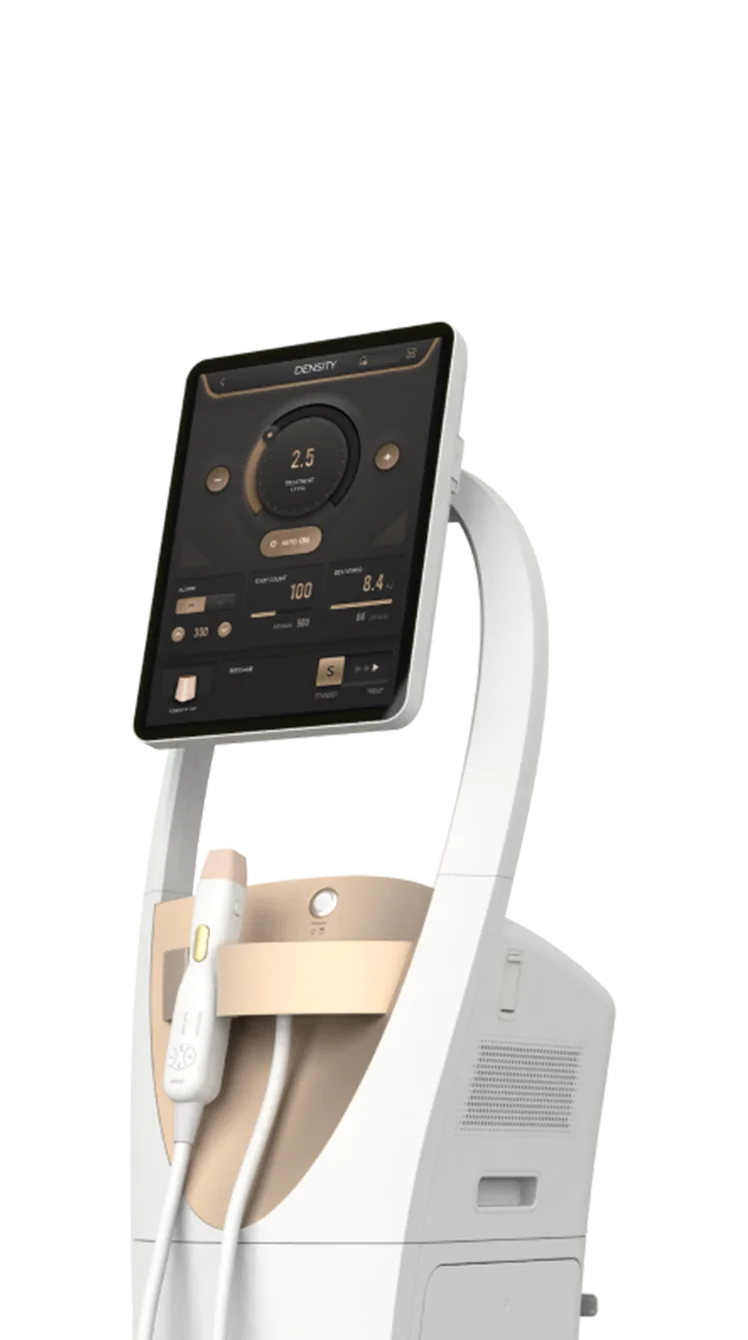
Most patients have a starting course of 3 to 5 glass skin sessions spaced 2 to 4 weeks apart, then a maintenance session every 1 to 3 months.
Most people need a starting course of 3 to 5 glass skin sessions spaced 2 to 4 weeks apart, then maintenance every 1 to 3 months to keep the dewy, even finish. Mild concerns and younger skin may reach the look in 3 sessions, while uneven tone, large pores or dull texture often need 4 to 5, decided after assessment.
One-on-One guidance from a dedicated doctor, ensuring your skin is professionally monitored and treated from start to finish.
Fluent assistance in English, Japanese, and Chinese, making communication clear, respectful and comfortable for international patients.
Over 100,000 patients worldwide have received our personalized dermatological care, highlighting our expertise and reliable results.
Glass skin describes a smooth, poreless-looking, luminous complexion, and in Korea it is treated as a skin-quality goal built from several combined treatments rather than a single device. Because the look depends on hydration, even tone, refined texture and a healthy barrier all at once, the result is cumulative: each session improves one layer of the picture, and the dewy, reflective finish appears as those gains stack. This is why a starting course of 3 to 5 sessions is the standard recommendation rather than a one-off treatment.
The exact number is individualized. Younger skin with mainly dryness or dullness may reach the look in around 3 sessions, while skin with uneven pigmentation, enlarged pores, rough texture or sun damage usually benefits from 4 to 5, sometimes with an extra session for stubborn tone concerns. Spacing of 2 to 4 weeks lets the skin recover and respond between sessions, so a course is usually completed over roughly 6 to 12 weeks. After that, the glassy finish is sustained with lighter maintenance every 1 to 3 months rather than starting from scratch.
Reberry Clinic is a dermatology clinic serving international patients across three Seoul-area locations (Gangnam, Myeongdong, Incheon Airport) with English-speaking support. The clinic’s doctors assess your skin and goals first, then set the number of sessions, the mix of treatments and the spacing, so your glass skin plan matches your skin rather than a generic template.
For visual context, browse glass facial before and after photos, and see how the Korean glass facial protocol is structured.
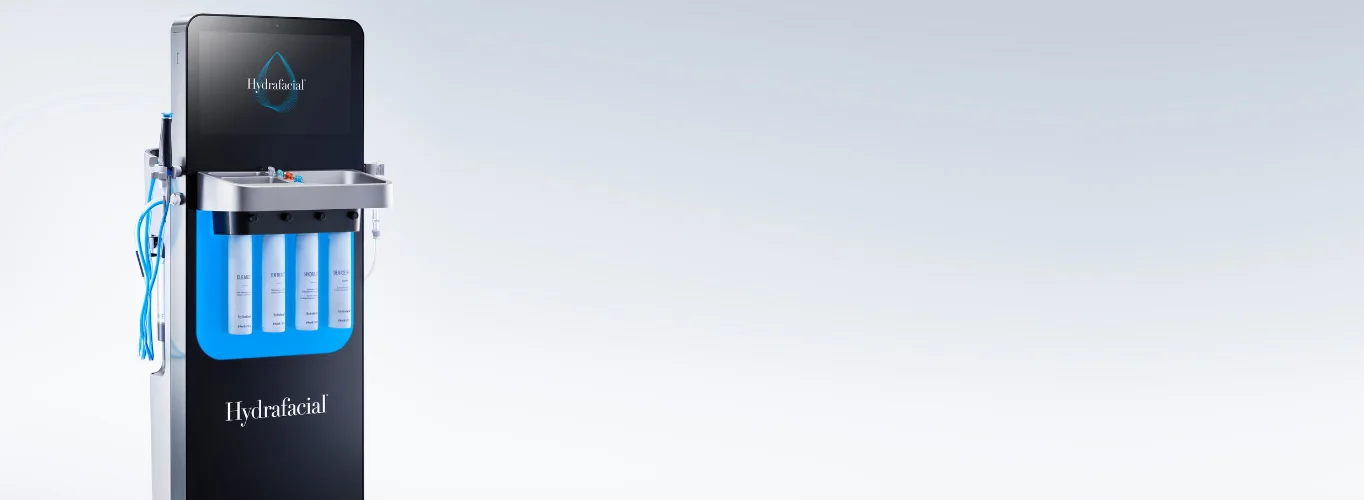
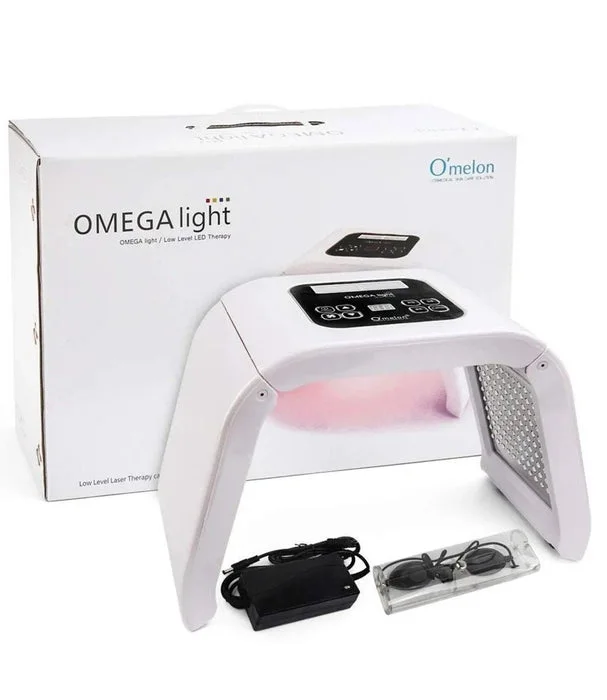
Glass skin is usually achieved by layering complementary treatments over a course: deep cleansing and hydration to plump and refine the surface, light-based or laser toning to even out pigment and brightness, and skin boosters or polynucleotides to improve hydration and texture from within. Because each of these works on a different driver of skin quality and most build gradually over weeks, repeating and combining them across 3 to 5 sessions produces a far more convincing, durable glow than any single treatment alone.
How many sessions you need depends on which drivers dominate your skin. If hydration and smoothness are the main gaps, a series built around a hydrating facial may need fewer sessions; if tone and pigment are the issue, more toning sessions are added; and for texture and resilience the clinic’s doctors may fold in a polynucleotide skin booster, planning the total session count across the combination rather than for one treatment in isolation.
One Reberry Clinic, multiple Seoul-area locations. Pricing & current promotions are listed on each branch's own site — tap a clinic to view pricing & book.
Our flagship in the heart of Gangnam.
In Seoul's shopping & tourism heart.
A beauty stop between flights.
The newest Reberry Clinic — in Seoul's trend district.
ONE REBERRY CLINIC · MFDS-REGISTERED DEVICES · MULTILINGUAL CARE AT EVERY LOCATION

A doctor evaluates hydration, tone, pores and texture across the 4 main drivers of glass skin to set a starting course.
The first session targets the biggest gap, often hydration or cleansing; the glow at this stage is partial and short-lived.
Each session 2 to 4 weeks later adds toning or boosting, so even tone and smoothness build cumulatively.
Skin with uneven pigment, large pores or sun damage often adds 1 to 2 sessions for a fuller, lasting finish.
After the course, 1 lighter session every 1 to 3 months sustains the glass finish for most patients.

Before-and-after photos are being updated.
An English-language consultation assesses your skin and sets a course, typically 3 to 5 sessions, plus a maintenance plan.
Each session combines cleansing, hydration and a targeted step and usually takes around 30 to 60 minutes.
Sessions are spaced 2 to 4 weeks apart, so a full course spans roughly 6 to 12 weeks.
A glow appears after each session, with the lasting glass finish building over the course.
Daily SPF and good skincare hold the result; a maintenance session every 1 to 3 months sustains it.



Most people need a starting course of 3 to 5 sessions spaced 2 to 4 weeks apart, then maintenance every 1 to 3 months. Mild dullness may reach the look in 3, while uneven tone or large pores often need 4 to 5. Your exact number is set after the doctor assesses your skin during the glass skin consultation.
One session gives a noticeable but short-lived glow, because the dewy, even finish depends on hydration, tone and texture improving together over weeks. A single visit cannot address every driver at once. That is why a 3-to-5-session course is recommended, with the look building cumulatively rather than appearing instantly from one treatment.
Glass skin is a skin-quality goal, not one device, so it combines hydration, toning and boosters across the course. Each treatment improves a different layer, such as moisture, pigment or texture, and the reflective finish appears when those gains stack. The exact mix and number of sessions are mapped during your glass skin assessment.
Sessions are usually spaced 2 to 4 weeks apart, which lets the skin recover and respond between treatments before the next builds on it. This spacing means a starting course of 3 to 5 sessions runs over roughly 6 to 12 weeks. The doctor confirms your intervals at assessment so each session adds to the last effectively.
A fresh glow appears after each session, but the lasting glass finish builds over the full course as hydration, tone and texture improve together over several weeks. Early sessions show partial change; the convincing, even result develops by the end of the 3-to-5-session glass skin plan, then is held with regular maintenance afterwards.
After the starting course, the glass finish typically holds for weeks to a few months and is sustained with a lighter maintenance session every 1 to 3 months plus daily skincare and SPF. Because skin renews continuously, glass skin is not a one-time fix; ongoing care keeps the dewy, even look from fading.
Most of the combined steps are comfortable, with hydration and cleansing feeling pleasant and any laser toning or booster step causing only brief warmth or mild stinging. Numbing can be used where needed. Comfort measures are arranged at the start of each session and do not change how many sessions your plan includes.
Downtime is usually minimal; you may have brief redness or a flushed glow for a few hours, and most patients return to normal activities and makeup the same or next day. Because the approach favours gentle, layered steps, it suits travelers fitting sessions around a Seoul trip without extended recovery time.
Yes, the treatments are well suited to a wide range of skin tones when settings are chosen correctly, and much of the toning and skin-booster experience comes from Korean and Asian skin. Conservative settings reduce pigment risk in deeper tones. Your suitability and the safest mix are confirmed by the clinic’s doctors before any plan.
Yes, a glass skin course is itself a combination and can also be sequenced with treatments like a laser treatment for pigment or a skin booster for texture. The doctor plans the order and spacing so steps complement rather than overload the skin, adjusting the total session count across the combined plan.
Yes, younger, well-protected skin with mainly dryness may reach the look in around 3 sessions, while mature or sun-damaged skin with uneven tone and texture often needs 4 to 5. Sun damage in particular adds toning sessions. The doctor accounts for this at assessment so your session count fits your starting skin.
Daily broad-spectrum SPF is the single most important step, alongside gentle hydration, a simple barrier-supporting routine and avoiding harsh scrubs right after sessions. Good home care protects the gains so each session builds on the last. You receive a written routine to follow, which also helps the finish hold longer afterwards.
Yes, Reberry Clinic serves international patients with English-speaking support across three Seoul-area locations, including one near Incheon Airport. You can start your course on your trip and continue from abroad. Message us on WhatsApp to plan a session schedule that fits your itinerary and to discuss your glass skin goals.
Because the course is spaced over weeks, one trip usually covers a consultation and 1 to 2 sessions, each brief with minimal downtime, while the rest are planned around your schedule. There is no long course to complete in one stay. Our team helps you fit sessions into your itinerary and supports follow-up from abroad.
Yes, most patients fly the same or next day because downtime is minimal and any redness settles quickly, and the finish continues to build after you return. Stay hydrated and use SPF during travel. You receive a written aftercare plan so you can continue your glass skin routine and schedule remaining sessions from abroad.
Not constantly; after the starting 3-to-5-session course, most people maintain the look with one lighter session every 1 to 3 months rather than frequent visits. Because skin renews over time, some maintenance keeps the glass finish, but the intensive phase is the initial course. The doctor sets a realistic schedule that fits your routine.
How a combined glass skin course compares on session count with two single-track approaches.
| Glass Skin Course | Single Hydrafacial | Laser Toning Only | |
|---|---|---|---|
| Approach | Combined hydration, toning and boosters | Hydradermabrasion cleansing and hydration | Picosecond or Q-switched pigment toning |
| Typical initial course | 3 to 5 sessions | 1 session, repeatable | A series of 5 or more |
| Spacing | 2 to 4 weeks apart | As desired, often monthly | 2 to 4 weeks apart |
| Main driver addressed | Hydration, tone, pores and texture together | Surface hydration and smoothness | Pigment and brightness |
| Build time | Cumulative over 6 to 12 weeks | Immediate but short-lived glow | Gradual over the series |
| Best for | An all-round glass finish | A quick pre-event refresh | Dull, uneven, pigmented skin |
| Cost context | Consultation-led; depends on the mix and sessions | Consultation-led; depends on add-ons | Consultation-led; depends on sessions |
Real verified reviews from our Google Business Profile, across all Reberry Clinic locations.
PULLED LIVE FROM GOOGLE · GANGNAM · MYEONGDONG · INCHEON AIRPORT
Your treatment is planned and performed by experienced, MFDS-registered doctors across our Seoul-area clinics, with multilingual support for international patients.
Flagship clinic · for leading lifting & regenerative devices · Featured in Authority Magazine (2026)

Multilingual tourist care beside Myeongdong Cathedral

Fast, effective care 20 minutes from the terminals
Message us on WhatsApp for a free consultation in English and a personalized glass skin session plan.