

Smile lines can be charming, but when the deep lines from nose to edge of the mouth look more etched-in, many people explore smoother, more refreshed options. And if you are searching for the best way to soften those lines, you’ve likely come across Botox as a recommended treatment. Meanwhile, you may not be sure how many units of Botox you actually need for smile lines. In fact, the number of Botox units needed for smile lines isn’t the same for everyone, and understanding that variation is key to getting natural-looking results.
In this guide, you’ll get a clear picture of how many units of Botox you may actually need for smile lines, along with why these lines form and how Botox works to relax them. You’ll also learn the essential post-treatment precautions that help your results last longer and look more refined. By the end, you’ll be able to make an informed, confident decision about your smile line treatment.
Why Do Smile Lines Form?

Smile lines, also known as laugh lines or nasolabial folds, form because of a mix of natural aging and repeated facial expressions. Over time, your skin gradually loses collagen and elastin, the proteins responsible for keeping it firm, smooth, and elastic. As this structure weakens, the creases that appear when you smile or laugh stop bouncing back and eventually settle into permanent lines around the mouth.
Another major factor is the gradual loss of facial volume. As the cheeks flatten or slightly sag with age, it creates deeper shadows and makes smile lines appear more defined. Sun exposure, genetics, and lifestyle habits like smoking further speed up the breakdown of collagen, making these folds more noticeable. Even weight fluctuations, dehydration, and environmental stressors can influence how prominent your smile lines become. Understanding these causes helps you choose the right treatment and realistic dosage of Botox to soften them effectively.
How Does Botox Treat Smile Lines?

Botox treats smile lines by gently relaxing the overactive muscles that create those creases whenever you smile or laugh. It blocks the nerve signals that trigger muscle contractions, allowing the targeted muscles to soften. As these muscles relax, the skin over them smooths out, reducing the visibility of folds and preventing them from deepening with repeated expressions.
For effectiveness, Botox Injections are especially beneficial for dynamic wrinkles, those lines that become more noticeable during facial movements. The results develop gradually, with visible softening typically appearing within a few days and full improvement within two weeks. While the outcome isn’t permanent, you can expect the smoothing effects to last about three to six months, with maintenance sessions helping preserve a natural, refreshed look.
How Many Units of Botox are Needed for Smile Lines?

The area around the mouth is one of the most delicate and challenging spots to treat, which is why people often ask how many units of Botox they actually need for smile lines. Because these lines are created by both muscle movement and aging changes, the dosage must be tailored carefully to avoid over-relaxing the muscles while still softening the creases.
Most times, the number of Botox units required for nasolabial folds or smile lines varies from person to person. Skilled injectors usually start with the minimal effective units, but the precise amount depends on several factors: your muscle strength, the depth of the lines, facial anatomy, and whether it’s your first Botox treatment or a maintenance session. This personalized approach ensures natural, balanced results without freezing your expression.
What a Unit of Botox Actually Is?
A Botox unit is a standardized medical measurement that reflects the biological activity or strength of the botulinum toxin, not its volume or weight. It shows how powerfully the product can relax a targeted muscle, ensuring consistent and predictable results during treatment.
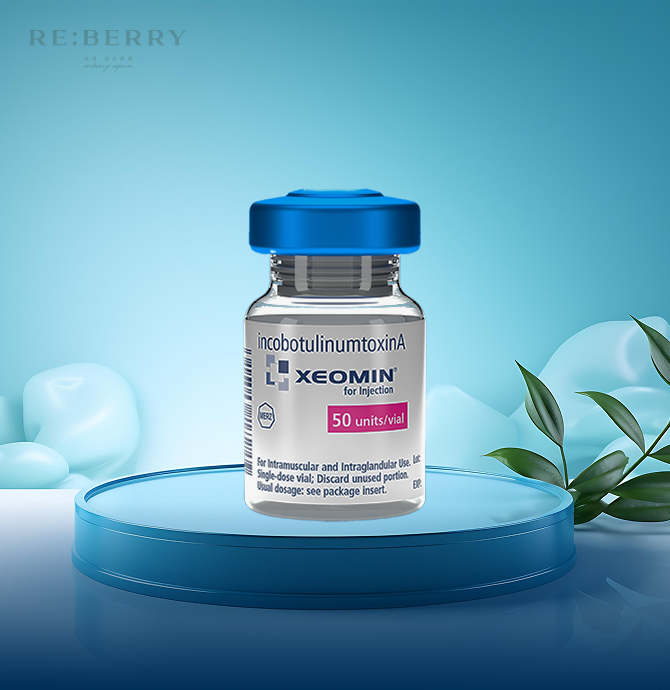
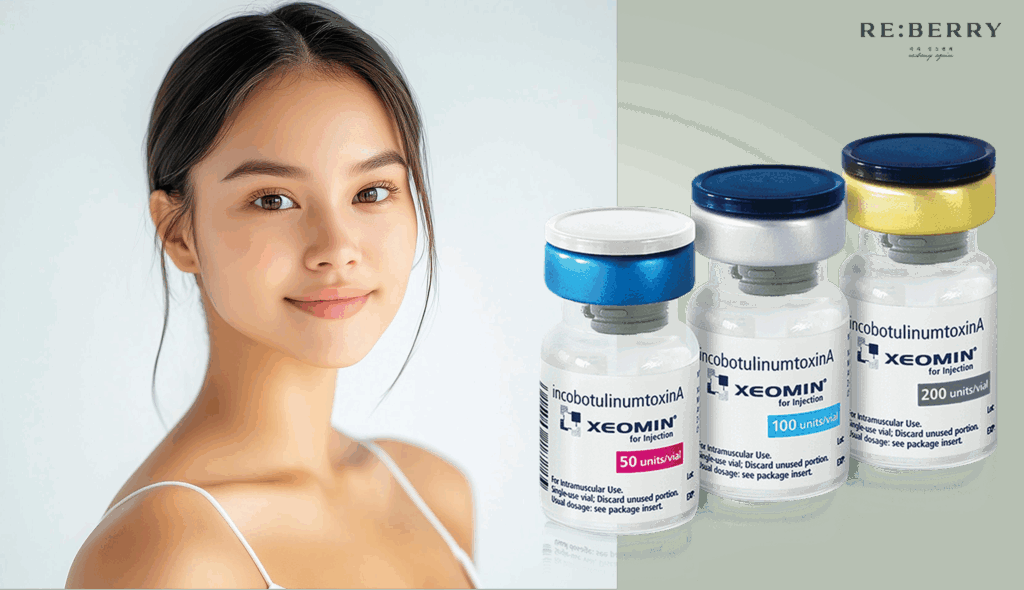
These units are specific to the Botox brand and aren’t interchangeable with other neurotoxins like Dysport, Xeomin, or Daxxify, which use different formulas and testing methods. While the product is reconstituted with saline before injection, this only changes the liquid volume, not the number of active units. Ultimately, the ideal dosage varies for each person, depending on muscle strength, wrinkle depth, and individual anatomy.
How Long Will the Effect of Botox Last?
When used for smile lines or nasolabial folds, the effects of Botox typically last around 3 to 4 months, though some people may enjoy smoother skin for up to 6 months. Because this area is highly expressive, the results wear off slightly faster than in less active regions of the face. It’s also important to understand that while Botox softens dynamic wrinkles, deeper folds caused by volume loss may respond better to dermal fillers or a combined treatment approach for longer-lasting improvement.
The longevity of your Botox results depends on several factors, including your metabolism, muscle strength, skin elasticity, and lifestyle habits. People with stronger facial muscles or faster metabolisms may notice the effects of fading sooner. Excessive sun exposure, smoking, or frequent intense workouts can also influence how long the neurotoxin remains effective. Treatment-specific elements, such as the dosage used, injection technique, and whether fillers are combined with Botox, play a major role as well. A personalized consultation ensures you receive the most appropriate and longest-lasting outcome for your smile lines.
What are the Post-Treatment Cares?

After getting Botox for smile lines, following the right post-treatment care is essential to ensure the product stays in the intended muscles and delivers optimal, natural-looking results. For the first few hours, avoid lying down, touching the area, or applying makeup to prevent migration and irritation. Over the next 24–48 hours, steer clear of strenuous exercise, heat exposure, alcohol, and blood thinners, as these can increase bruising and reduce effectiveness.
Long-term habits like protecting your skin from sun damage, maintaining a good skincare routine, and scheduling regular treatments can help extend your results. If your smile lines also involve volume loss, combining Botox with dermal fillers may offer a more comprehensive and longer-lasting correction.
Get Safe and Effective Botox at Reberry Clinic
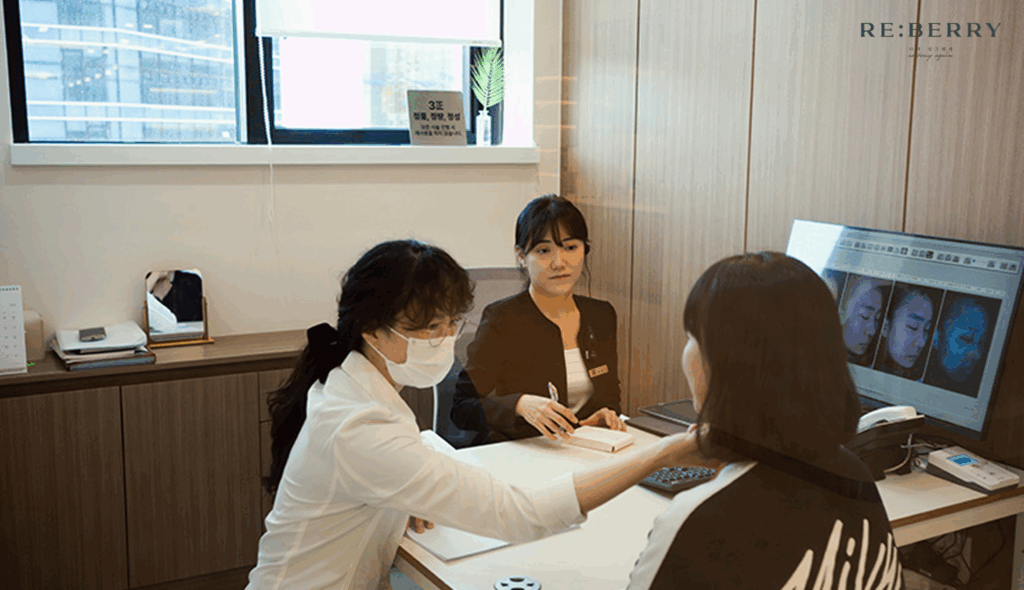
Getting Botox treatment is not just about enhancing your appearance; it’s equally important to ensure safety and proper care at every step. The wrong injection technique or the use of unauthorized products may lead to unwanted results or even serious complications.
At Reberry Clinic, we use only FDA-approved Botox formulations, ensuring the highest level of reliability and clinical safety. All treatments are performed by expert aesthetic medicine specialists who prioritize natural-looking outcomes while maintaining strict procedural precision. We’ve helped countless patients achieve smooth, refined smile lines with personalized and successful treatments.