



Gangnam
Dr. Yoon-Gon Ryu
Aesthetic Medicine Specialist
Flagship clinic · for leading lifting & regenerative devices · Featured in Authority Magazine (2026)

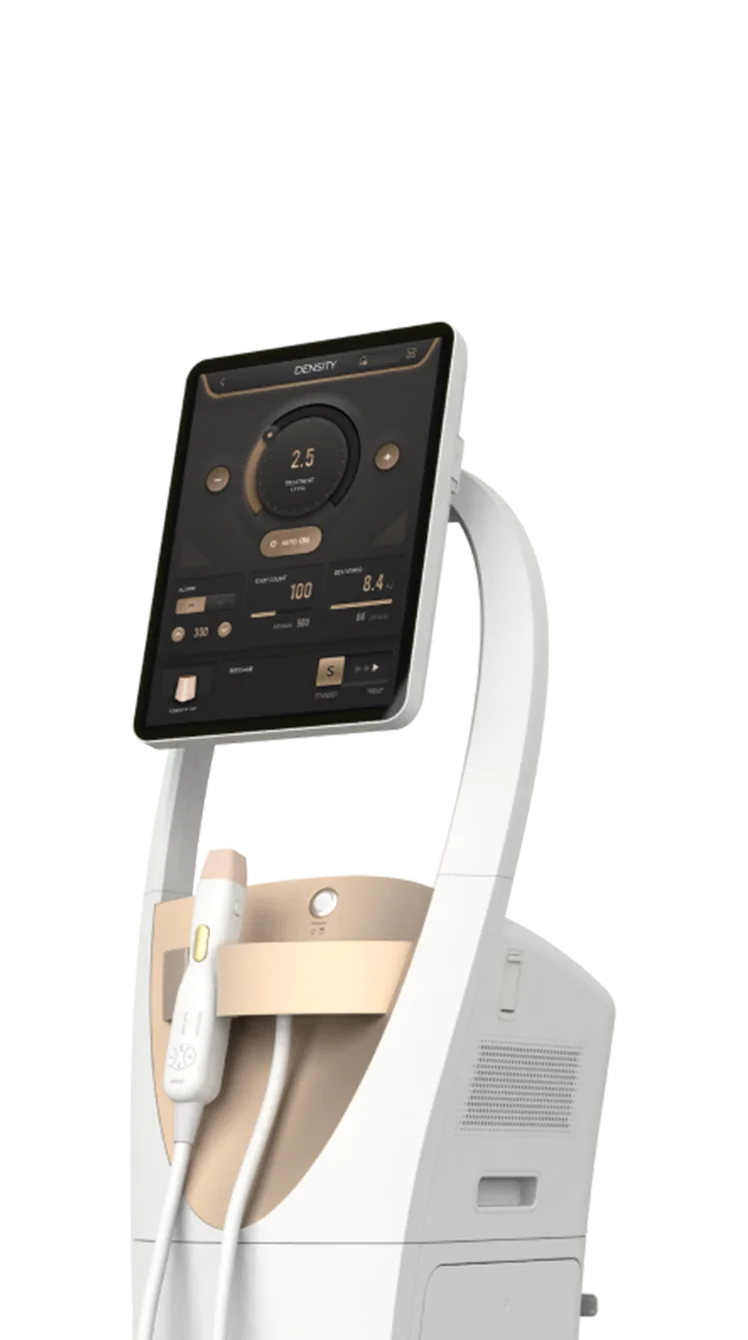
There is no single fixed price: cost depends on which of several treatments you combine and how many of the typical 3 to 5 sessions you choose.
Glass skin treatment in Korea has no single fixed price because it is a combination of therapies, not one product. Cost depends on which treatments you pair, how many of the usual 3 to 5 sessions you do, the area treated, and your skin goals. The clinic’s doctors confirm a personalised estimate at consultation rather than a flat figure.
One-on-One guidance from a dedicated doctor, ensuring your skin is professionally monitored and treated from start to finish.
Fluent assistance in English, Japanese, and Chinese, making communication clear, respectful and comfortable for international patients.
Over 100,000 patients worldwide have received our personalized dermatological care, highlighting our expertise and reliable results.
Glass skin describes a smooth, luminous, poreless-looking complexion, and achieving it is usually a combination of several treatments rather than one single procedure. That is the main reason there is no flat price: your cost reflects which therapies are combined for your skin, not a one-size-fits-all package.
The biggest cost drivers are the treatment mix (for example skin boosters, gentle laser toning, and hydrating facials), the number of sessions you complete (commonly 3 to 5 spaced a few weeks apart), the area treated, and how much your starting skin concerns, like dullness, texture, or pigment, need addressing. Add-ons such as skin boosters or polynucleotide therapy raise the cost more than a standalone facial.
At Reberry Clinic, glass skin care is consultation-led, so pricing is qualitative until your plan is set: the clinic’s doctors first assess your skin, then build a tailored protocol and confirm the cost for it. International patients are supported in English across our three Seoul-area locations (Gangnam, Myeongdong, Incheon Airport), so the plan can be sized to your goals and time in Seoul.
Curious how results actually look? See real glass facial before and after photos from our Seoul clinics, or read the full Korean glass facial protocol guide.
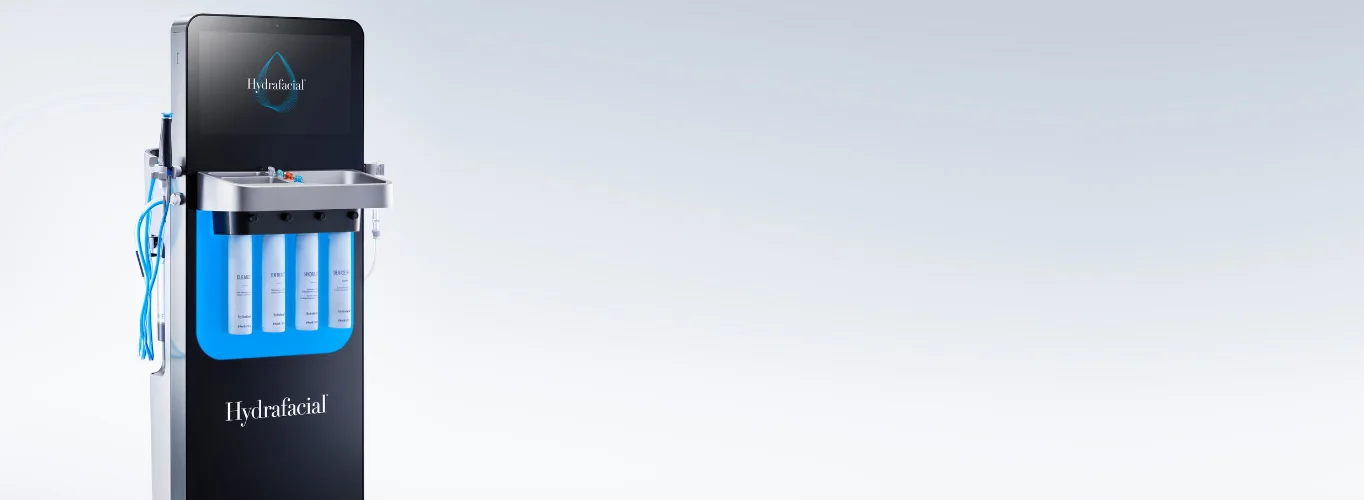
The glass skin look comes from improving several skin properties at once, including hydration, surface smoothness, even tone, and reflectivity, which is why protocols layer different mechanisms. A typical plan might combine a hydrating facial that resurfaces and hydrates, low-fluence laser toning that gently evens pigment over multiple passes, and an injectable skin booster or polynucleotide therapy that improves hydration and texture from within. Each of these has its own session rhythm, usually 3 to 5 visits spaced 2 to 4 weeks apart, and each adds to the total. Because no two patients start with the same dullness, pore size, or pigment, a doctor sizes the combination individually, which makes a single advertised price misleading. Skin boosters and biostimulators add the most to cost, while a standalone facial sits at the lower end, so the final figure scales with how comprehensive your protocol is.
One Reberry Clinic, multiple Seoul-area locations. Pricing & current promotions are listed on each branch's own site — tap a clinic to view pricing & book.
Our flagship in the heart of Gangnam.
In Seoul's shopping & tourism heart.
A beauty stop between flights.
The newest Reberry Clinic — in Seoul's trend district.
ONE REBERRY CLINIC · MFDS-REGISTERED DEVICES · MULTILINGUAL CARE AT EVERY LOCATION

Across about 10 to 15 minutes, the doctor evaluates hydration, pore size, tone, and texture to decide which 2 to 3 therapies to combine.
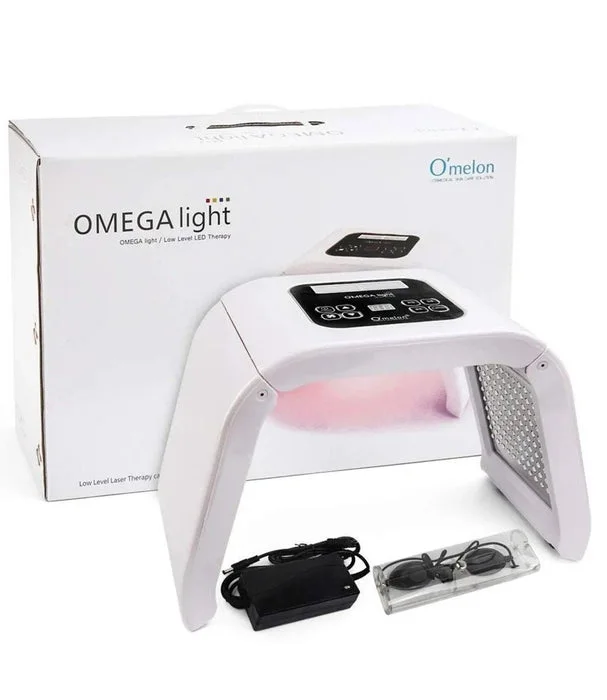
A plan layers options such as a hydrating facial, gentle laser toning, and an optional skin booster, each adding to cost.
Most protocols run 3 to 5 sessions spaced 2 to 4 weeks apart, and total cost scales with how many you do.
Full-face versus targeted zones and add-ons like polynucleotide therapy shift the estimate up or down.
Your final cost for the full 3 to 5 session plan is confirmed at consultation, not quoted as one flat figure beforehand.

Before-and-after photos are being updated.
The clinic’s doctors assess your skin and goals, then build a tailored combination and confirm its cost in English.
A session combining facial and toning usually takes 30 to 60 minutes depending on the therapies included.
Most protocols run 3 to 5 sessions spaced 2 to 4 weeks apart, sized to your goals and time in Seoul.
Radiance improves gradually across the series, with cumulative glow building over several weeks rather than after one visit.
Daily sunscreen, hydration, and occasional maintenance sustain the look, since glass skin is upkept over time, not fixed once.



There is no single fixed price because glass skin is a combination of treatments, not one product. Cost depends on which therapies you pair, how many of the usual 3 to 5 sessions you do, the area treated, and your skin goals. The clinic’s doctors confirm a personalised estimate at consultation.
Glass skin is achieved by layering several treatments, such as hydrating facials, laser toning, and skin boosters, each with its own session rhythm. Because everyone starts with different dullness, pores, and pigment, the mix is individualised. That is why a single advertised figure is misleading and pricing is confirmed per plan.
A typical glass skin plan combines a hydrating facial, gentle low-fluence laser toning, and often an injectable skin booster or polynucleotide therapy. Each targets a different property, hydration, tone, or texture. Your doctor selects the mix for your skin. See the overview on our glass skin treatment page.
Injectable skin boosters and polynucleotide therapy usually add the most to the total, while a standalone hydrating facial sits at the lower end and laser toning falls in between. Cost scales with how comprehensive your protocol is. You can compare hydrating options on our hydrafacial page.
Most glass skin protocols run 3 to 5 sessions spaced 2 to 4 weeks apart, since glow builds cumulatively rather than after one visit. The exact number depends on your starting skin and chosen mix, and total cost scales with how many you complete. Your doctor sets a realistic schedule at consultation.
Yes, treating the full face costs more than targeting specific zones like the cheeks or under-eye area, because more product and time are involved. Larger or more concerns also lengthen the plan. Your doctor factors the area into your personalised estimate so it reflects exactly what your skin needs.
Value depends on your goals: a layered plan can meaningfully improve hydration, tone, and radiance over a series, which many patients find worthwhile. Because it is customised, you only pay for the therapies your skin actually needs. A consultation clarifies expected outcomes so you can weigh the cost against your priorities.
Yes, beginning with a hydrating facial is a lower-cost entry point that boosts radiance with little downtime, and you can add laser toning or skin boosters later. This staged approach lets you scale spending to results. A supportive skin care routine extends value between sessions.
Comfort varies by component: hydrating facials are relaxing, laser toning feels like mild warmth or light snaps around 2 to 3 out of 10, and skin boosters involve fine injections eased by numbing cream. Discomfort is generally short-lived. Your doctor adjusts intensity so each session in the plan stays tolerable.
Downtime is usually minimal: facials and laser toning have little to none, while injectable skin boosters can leave mild redness or tiny bumps for about a day. Because downtime is short across the plan, most international patients continue sightseeing the same day with sun protection between their spaced sessions.
Most adults wanting brighter, smoother, more hydrated skin are suitable candidates, especially for dullness, mild texture, or uneven tone. Those with active infection or certain skin conditions may need treatment first. A consultation confirms your skin type so a safe, cost-effective combination can be tailored to your goals.
Results can last several months depending on the treatments used and your skincare, but glow is maintained over time rather than permanent. New sun exposure, dehydration, and ageing gradually reduce it. Daily sunscreen, hydration, and occasional maintenance sessions help sustain the look and protect the value of your initial series.
Yes, glass skin plans are inherently combinations and can also be sequenced with other gentle therapies for tone or texture. Some patients add a polynucleotide skin booster for deeper hydration. Your doctor sequences everything so the skin is not over-stressed in a single visit.
Side effects are usually mild and temporary, such as redness, light swelling, or tiny injection bumps that settle within a day or so. Transient sensitivity can occur after laser toning. Following aftercare and strict sun protection keeps risks low across the series for most skin types and tones.
Daily broad-spectrum sunscreen, consistent hydration, and gentle, barrier-supporting skincare are essential to protect glow between and after sessions. A tailored skin care routine extends results so you get more from what you spent. Your doctor provides a written aftercare plan suited to your combination.
For a single combined session, 2 to 3 days is comfortable for a consultation, the treatment, and a short review. For a multi-session glass skin plan, longer stays or split trips spaced 2 to 4 weeks apart can be arranged. Our English-speaking team helps coordinate timing around your travel and budget.
International patients can complete a glass skin series across split trips, and the clinic offers remote check-ins in English between visits to review progress. Costs are confirmed per plan at consultation. You can also book related care such as ongoing skin care when you return, with notes kept on file.
| Hydrating Facial | Laser Toning | Skin Booster | |
|---|---|---|---|
| Role in glass skin | Resurfaces and hydrates the surface | Evens tone and softens pigment | Boosts hydration and texture from within |
| Mechanism | Hydradermabrasion cleansing and infusion | Low-fluence laser passes | Injectable hydrator or polynucleotide |
| Best for | Dull, congested, dehydrated skin | Uneven tone and mild pigment | Deeper hydration and glow |
| Downtime | Little to none | Minimal, possible brief redness | Mild redness or tiny bumps for a day or so |
| Sessions | Often a short series for upkeep | Typically several sessions | Usually a planned course |
| Relative cost driver | Lower end of a glass skin plan | Mid-range, depends on sessions | Higher end, adds most to total |
Real verified reviews from our Google Business Profile, across all Reberry Clinic locations.
PULLED LIVE FROM GOOGLE · GANGNAM · MYEONGDONG · INCHEON AIRPORT
Your treatment is planned and performed by experienced, MFDS-registered doctors across our Seoul-area clinics, with multilingual support for international patients.
Flagship clinic · for leading lifting & regenerative devices · Featured in Authority Magazine (2026)

Multilingual tourist care beside Myeongdong Cathedral

Fast, effective care 20 minutes from the terminals
Message us on WhatsApp for a free consultation in English about a glass skin plan tailored to your goals and budget.