

Gangnam
Dr. Yoongon Ryu
Aesthetic Medicine Specialist
Flagship clinic · KOL for leading lifting & regenerative devices

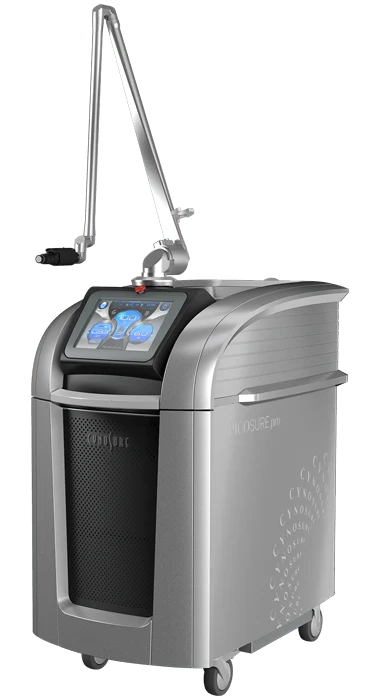
Laser toning cost is shaped mainly by the number of sessions in the series (often 5 to 10), the area treated, and whether the goal is melasma control, even tone, or overall brightness.
Laser toning cost in Korea is consultation-led and depends mainly on how many sessions your series needs (often 5 to 10 for diffuse pigment or melasma), the area treated, and your goal, whether even tone, melasma control, or brightness. Reberry Clinic quotes after assessment rather than a fixed figure, usually per session or as a package.
One-on-One guidance from a dedicated doctor, ensuring your skin is professionally monitored and treated from start to finish.
Fluent assistance in English, Japanese, and Chinese, making communication clear, respectful and comfortable for international patients.
Over 100,000 patients worldwide have received our personalized dermatological care, highlighting our expertise and reliable results.
Laser toning cost in Korea is not a single sticker price; it is built from a few variables a clinic assesses during consultation. Toning uses a low-fluence 1,064-nm Q-switched Nd:YAG laser delivered in gentle repeated passes, and because each session is deliberately mild, results build cumulatively across a series rather than in one visit. The biggest driver is therefore the number of sessions your pigment and goal require, often 5 to 10 for diffuse discolouration or melasma, with periodic maintenance afterwards.
The area treated and the goal are the next drivers. Full-face toning is a larger plan than a targeted zone, and a melasma-control goal is managed differently from a general even-tone or brightness goal. Clinics usually price toning per session or as a discounted package, since a series is expected. This is why a very low per-session price can be misleading if it means more sessions overall or a device that is not truly a low-fluence toning system, while value is best judged by the number of sessions and what each includes.
Reberry Clinic is consultation-led and does not advertise a fixed toning figure, because a quote should follow an honest look at your pigment type, skin type, and goal. The clinic serves international patients in Korea with English-speaking support, and explains exactly what a package covers so you compare clinics on a like-for-like basis. You can see how toning fits a wider pigment plan on our dark spot removal page.
Laser toning uses a low-fluence 1,064-nm Q-switched Nd:YAG laser, which delivers very low energy in many gentle, overlapping passes. The 1,064-nm wavelength reaches deeper melanin while the low fluence avoids the heat that can worsen reactive pigment such as melasma, so the melanin is broken down gradually and cleared over a series rather than in one aggressive session. This deliberate, cumulative approach is why toning is planned and priced as a course, typically 5 to 10 sessions, not a single treatment.
Reberry Clinic is a dermatology clinic, and toning is planned by the clinic’s doctors, who set the fluence, spacing, and number of sessions for your skin type and goal, and who often pair toning with prescribed topicals and strict sun protection to reduce recurrence. Where pigment overlaps with defined spots, texture, or a glow goal, the doctor may combine toning with a pigment-selective laser treatment or a glass-skin brightening plan, each of which changes the overall cost. The aim is the right course for your skin rather than the longest or most expensive one.
One Reberry Clinic, multiple Seoul-area locations. Pricing & current promotions are listed on each branch's own site — tap a clinic to view pricing & book.
Our flagship in the heart of Gangnam.
In Seoul's shopping & tourism heart.
A beauty stop between flights.
The newest Reberry Clinic — in Seoul's trend district.
ONE REBERRY CLINIC · MFDS-REGISTERED DEVICES · MULTILINGUAL CARE AT EVERY LOCATION
In about 10 to 15 minutes, the clinic’s doctors identify your pigment type and whether the goal is melasma control, even tone, or brightness.
The plan reflects whether a targeted zone or the full face is toned, 1 major price driver.
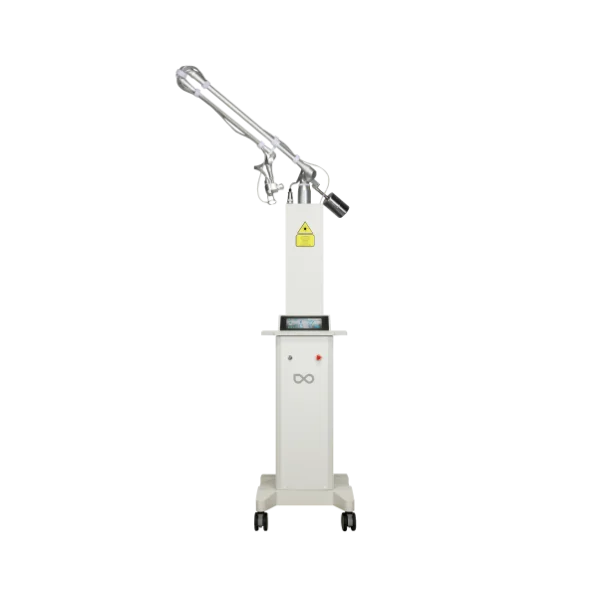
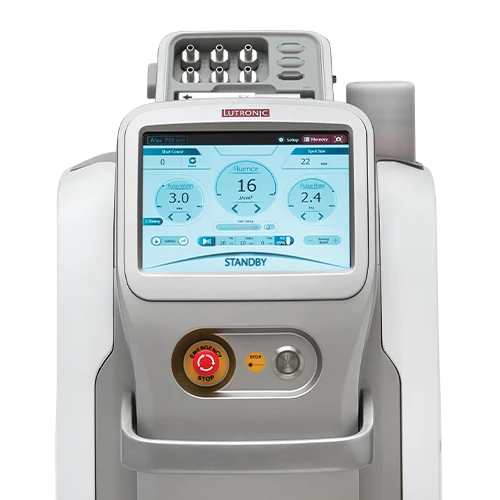
A genuine low-fluence 1,064-nm Q-switched Nd:YAG system is set to gentle parameters for your skin type.
Toning is cumulative, so a course of 5 to 10 sessions spaced 1 to 2 weeks apart is planned, feeding the quote.
You get a personalised figure, usually per session or as a package, with maintenance discussed separately.
See representative outcomes from Reberry Clinic. Results build gradually and vary by individual; your plan is assessed at consultation.
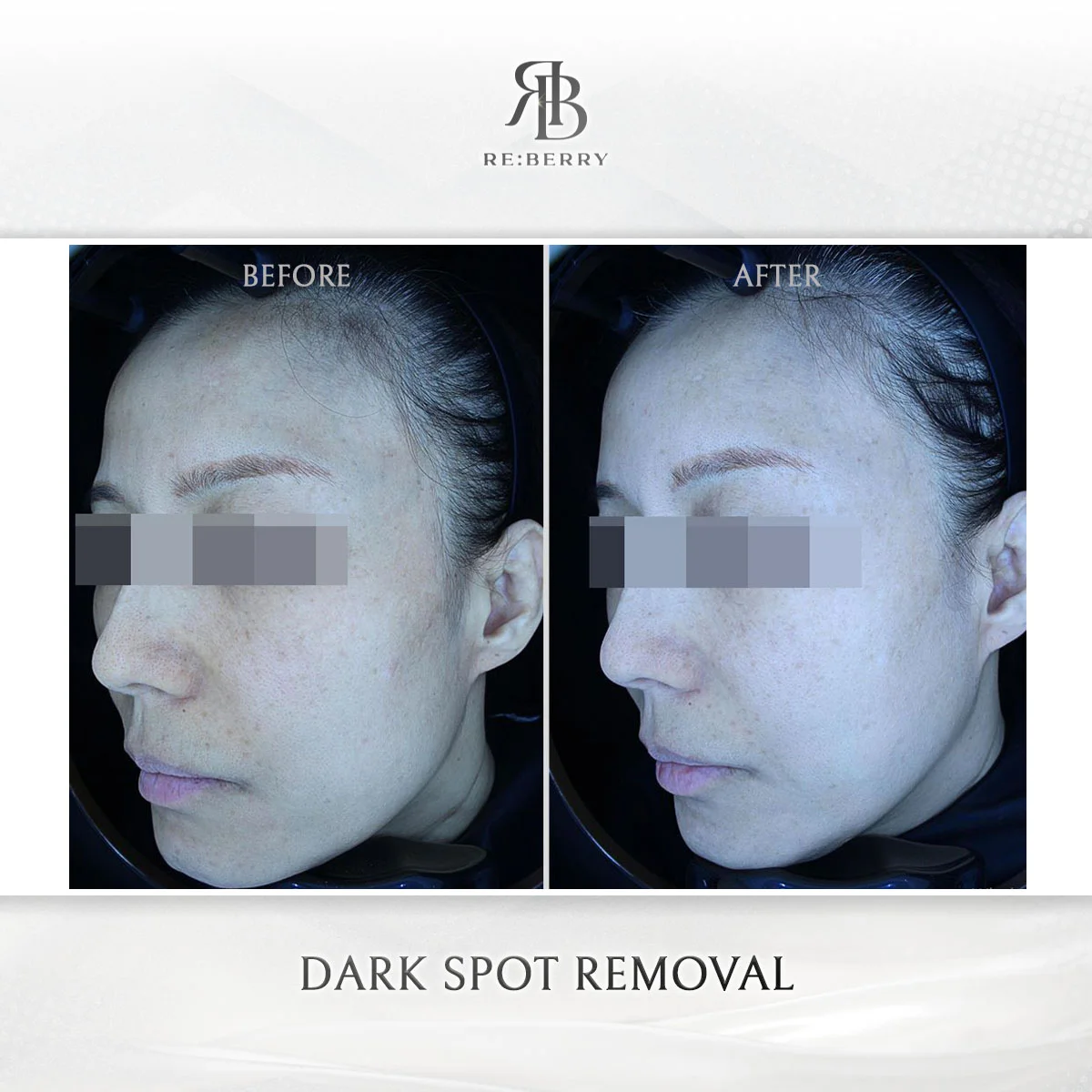
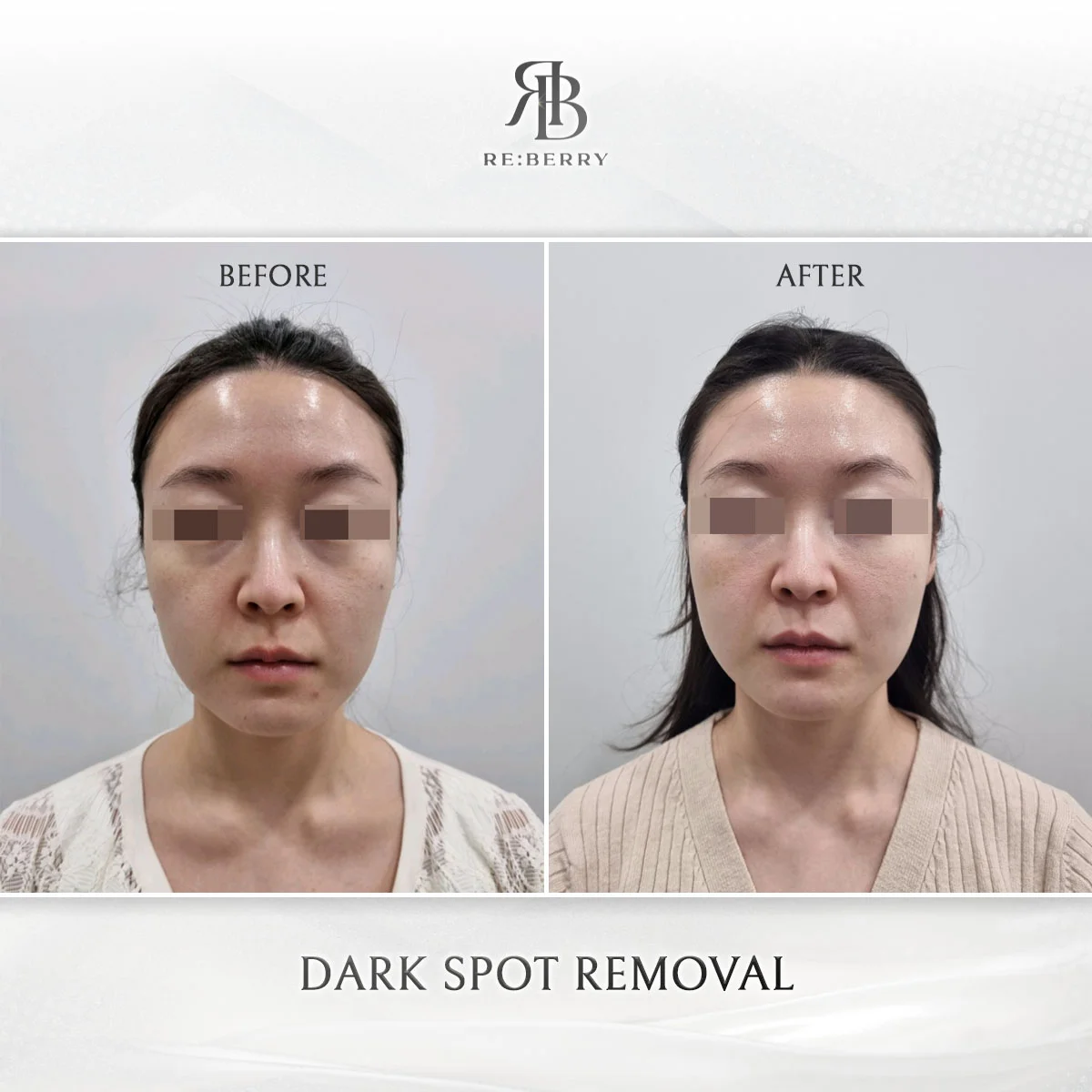
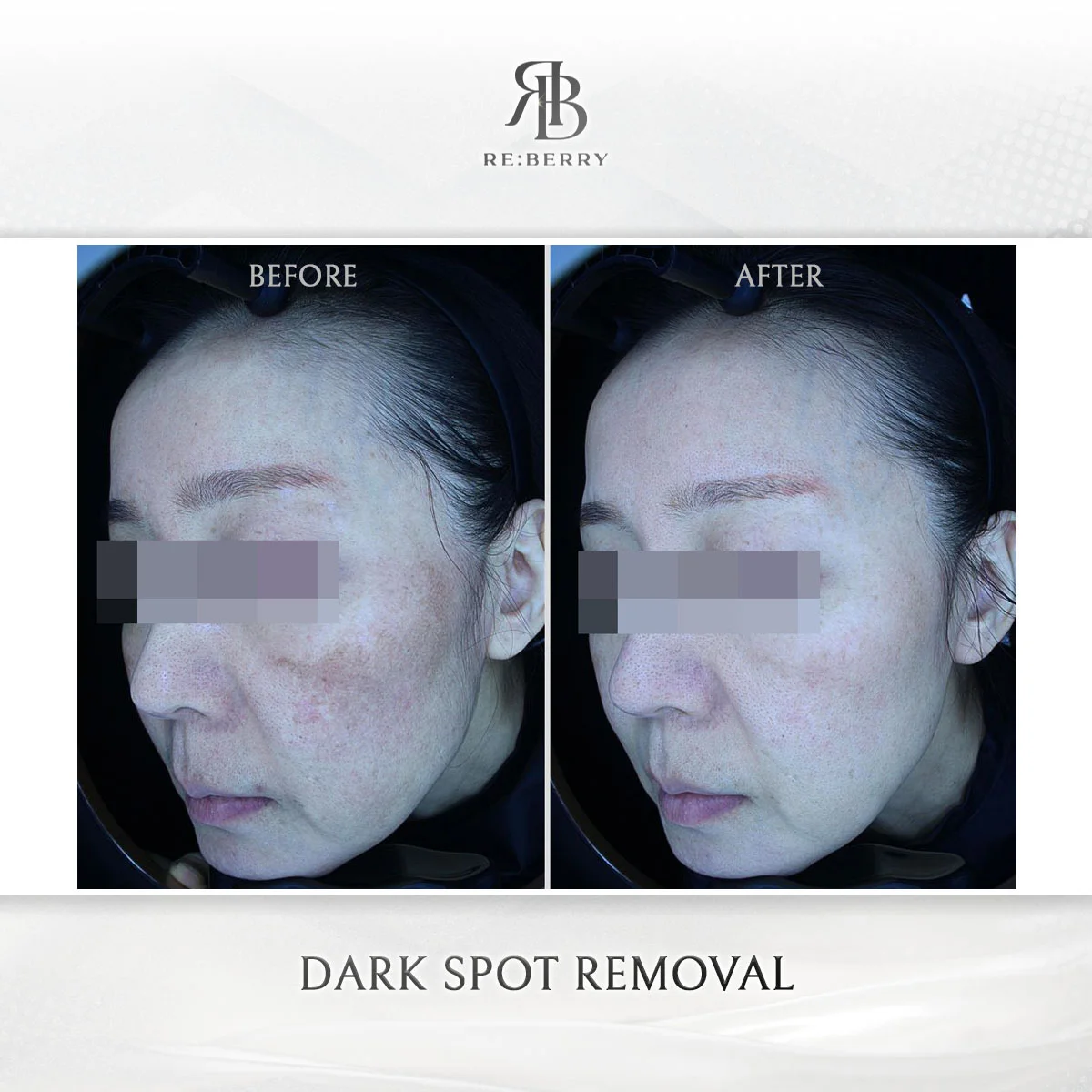
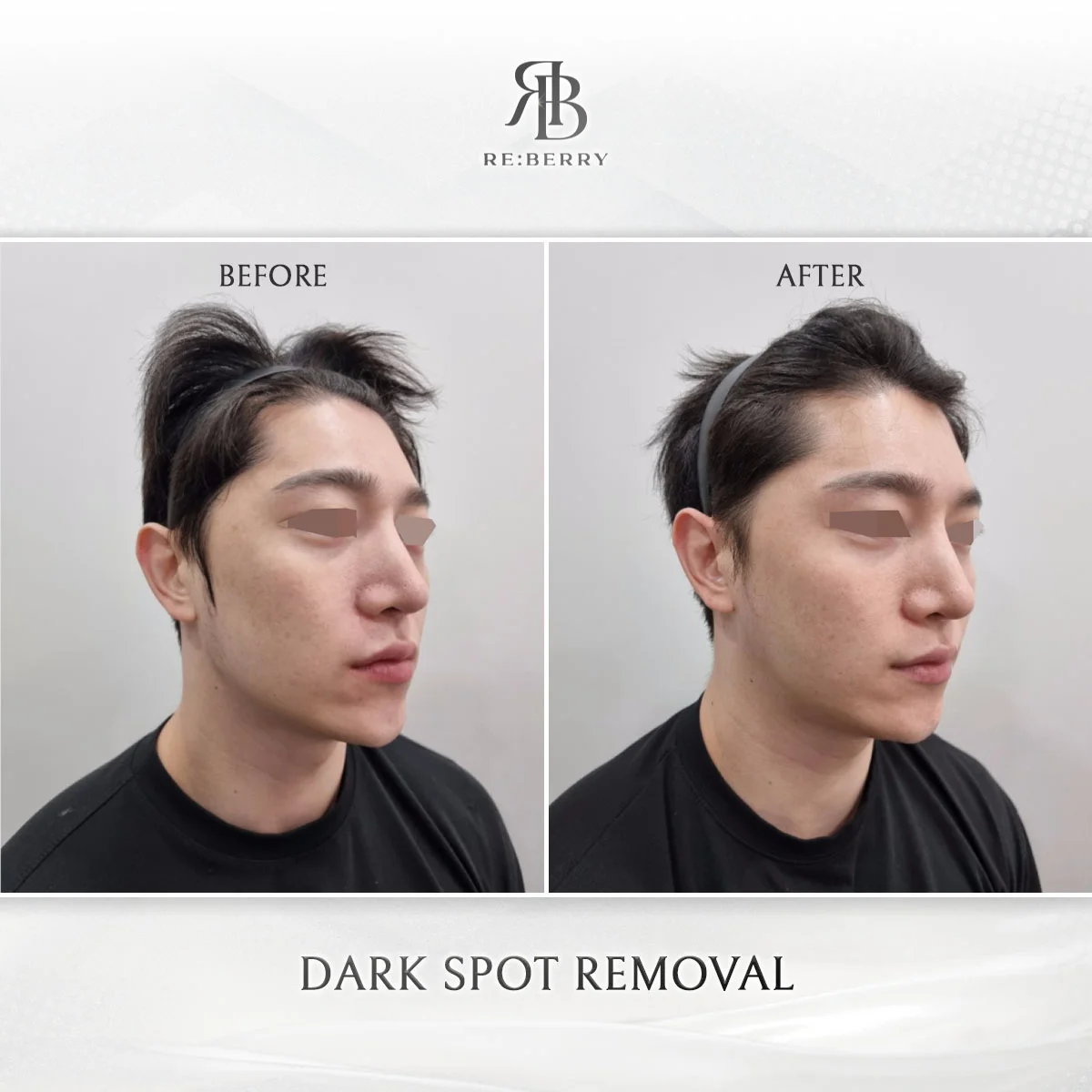
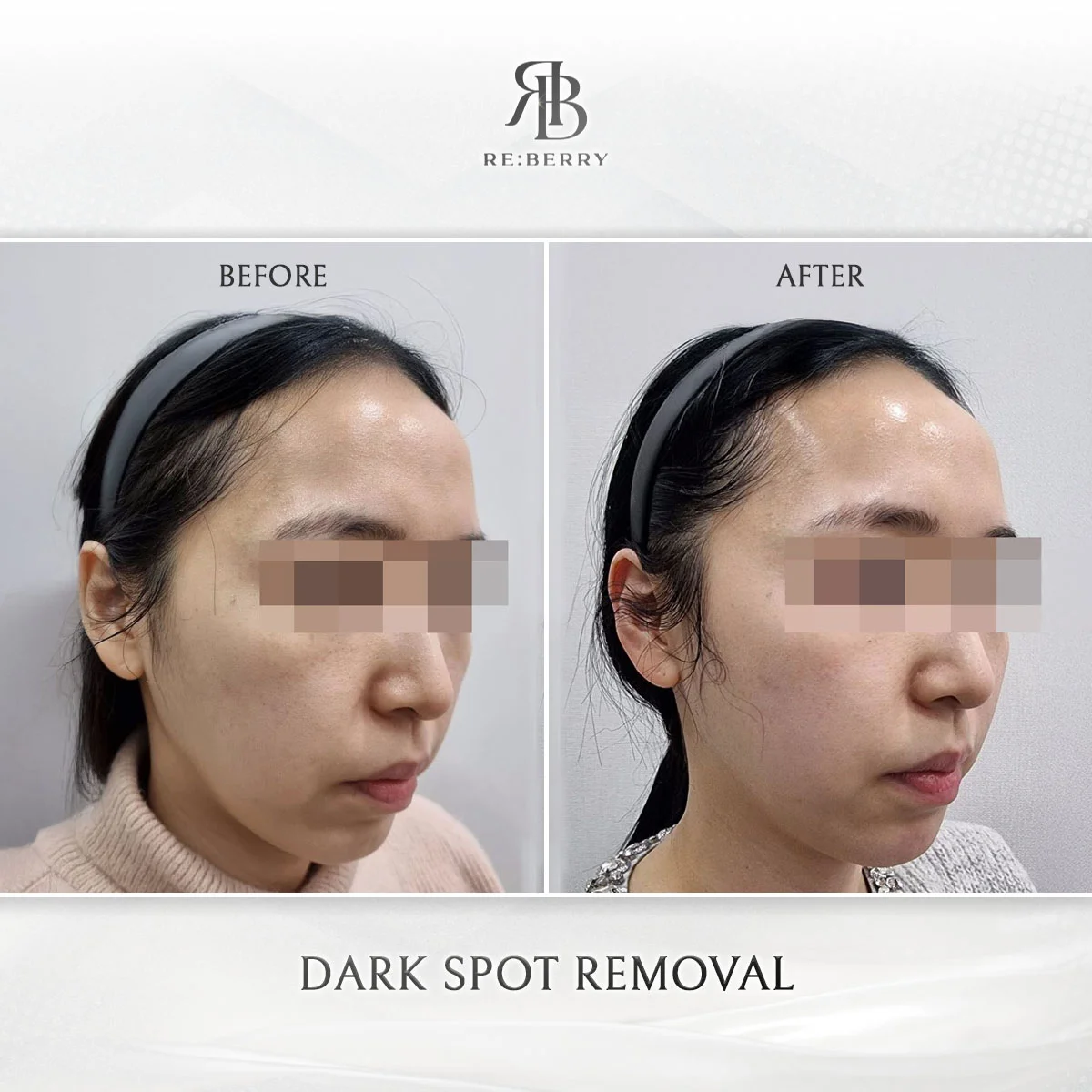
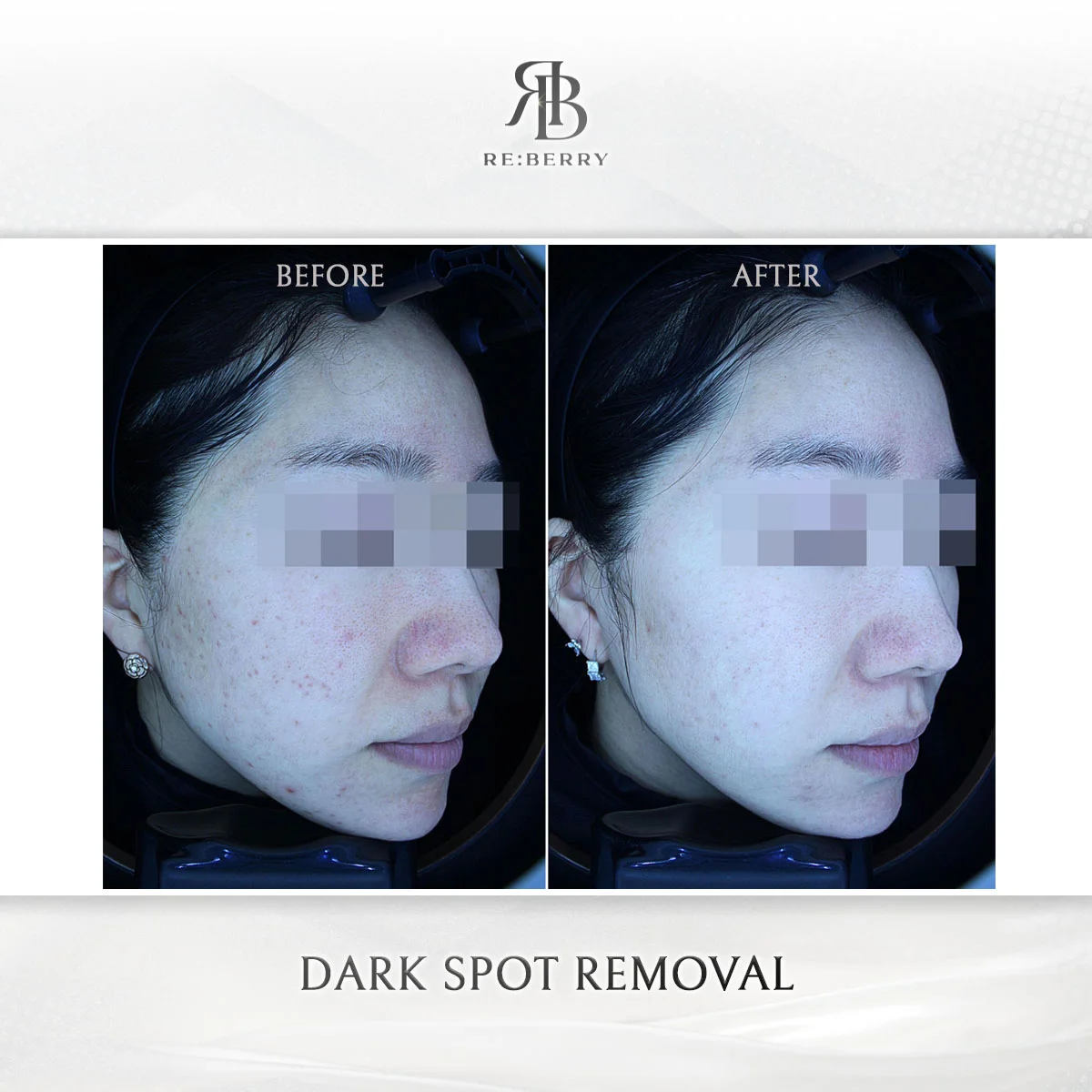
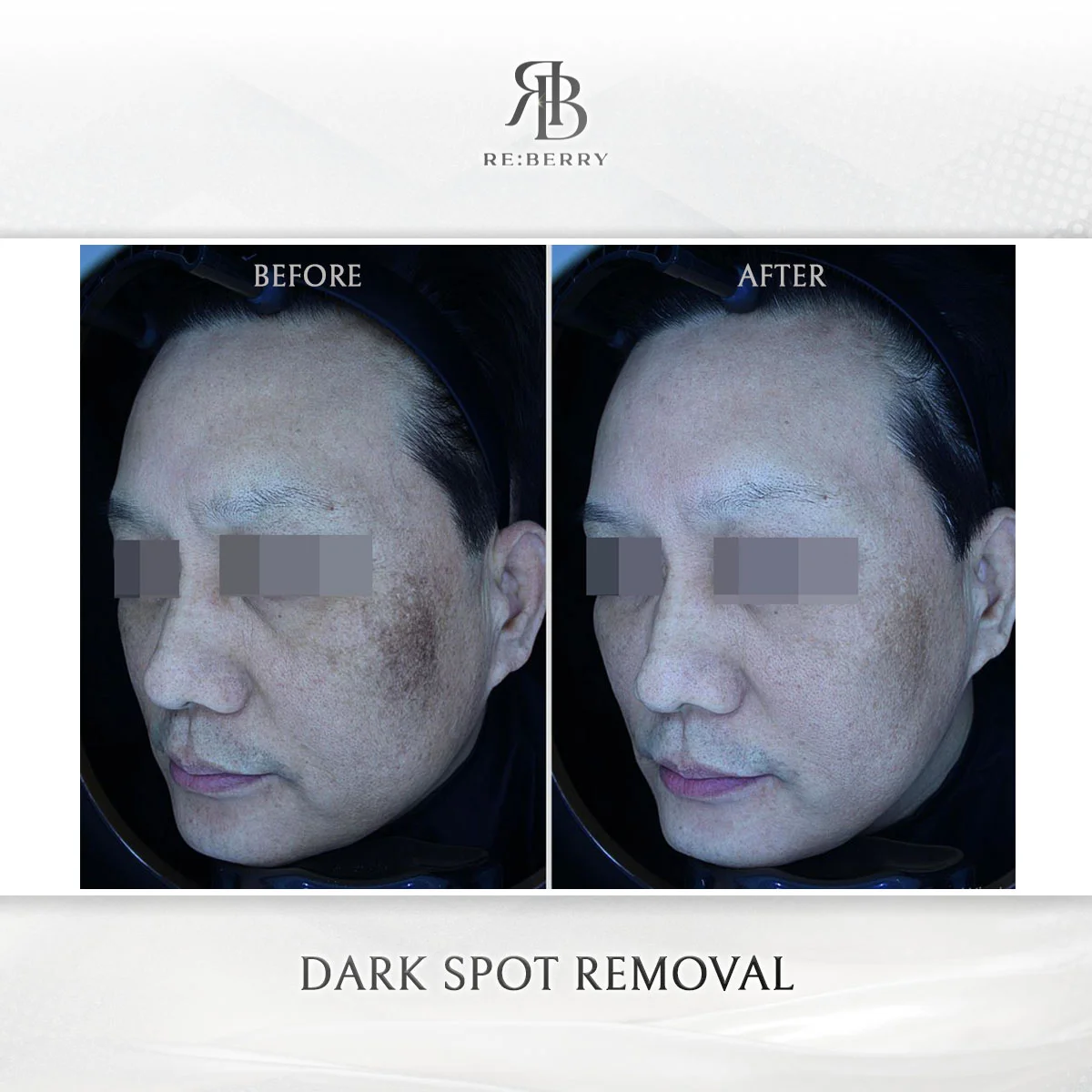
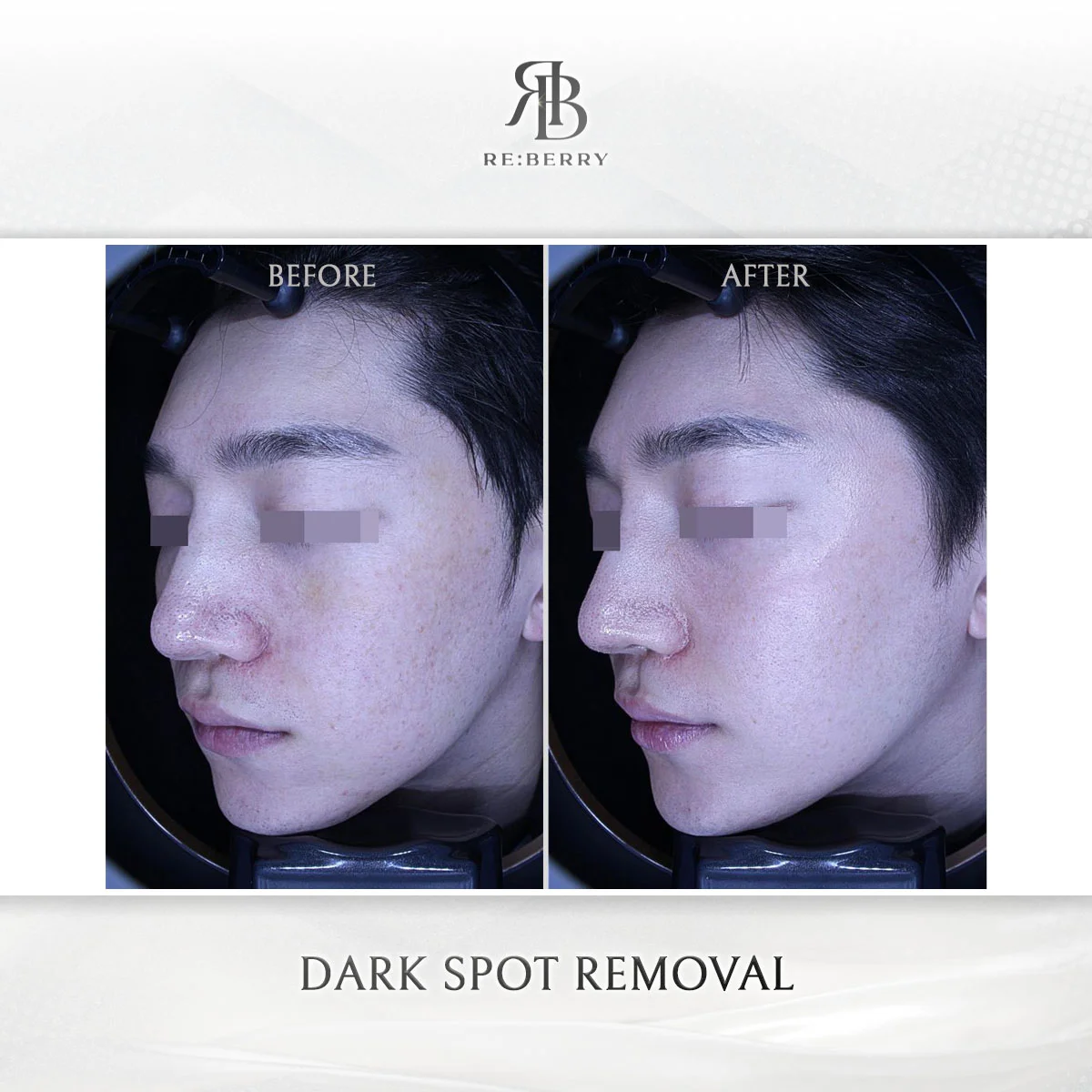
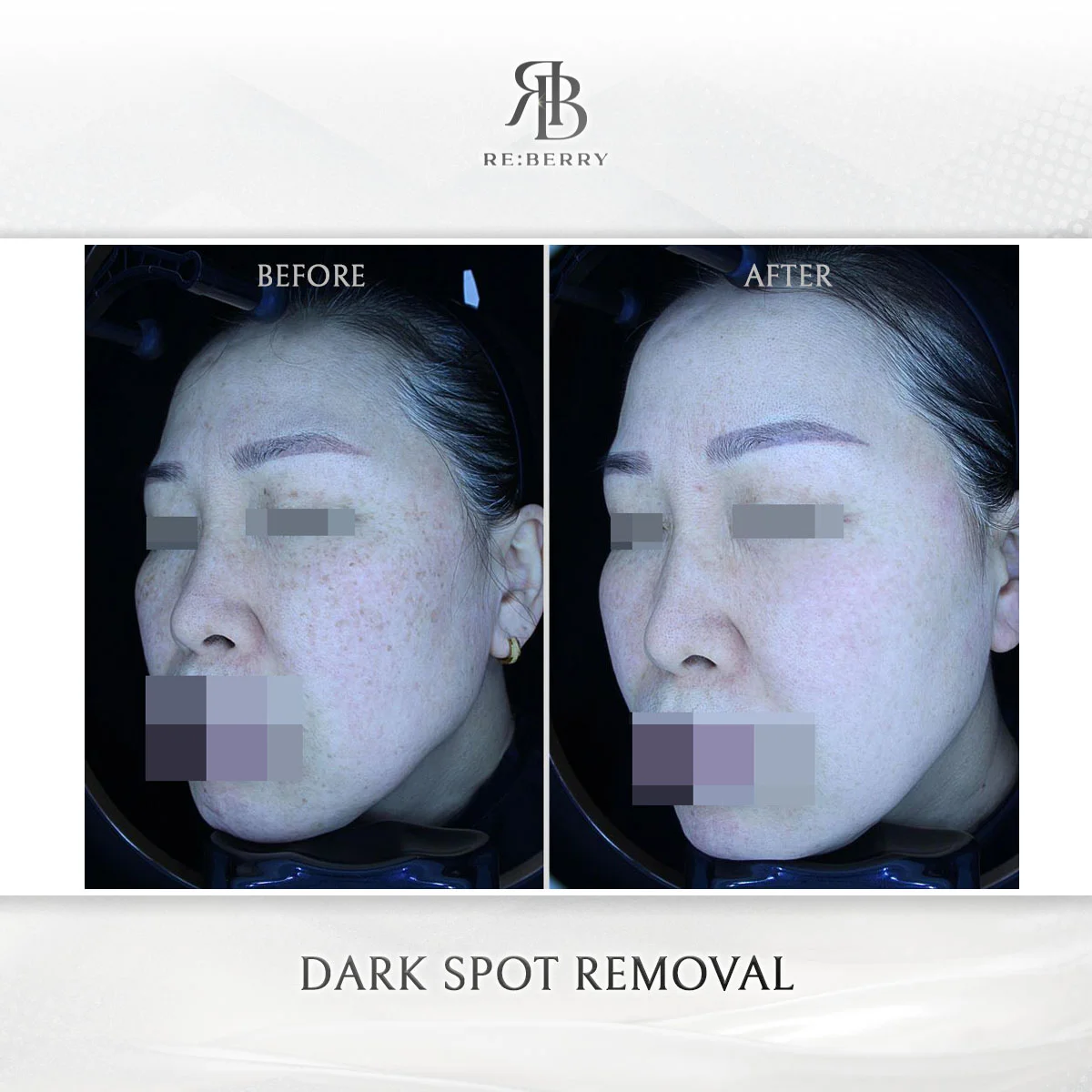
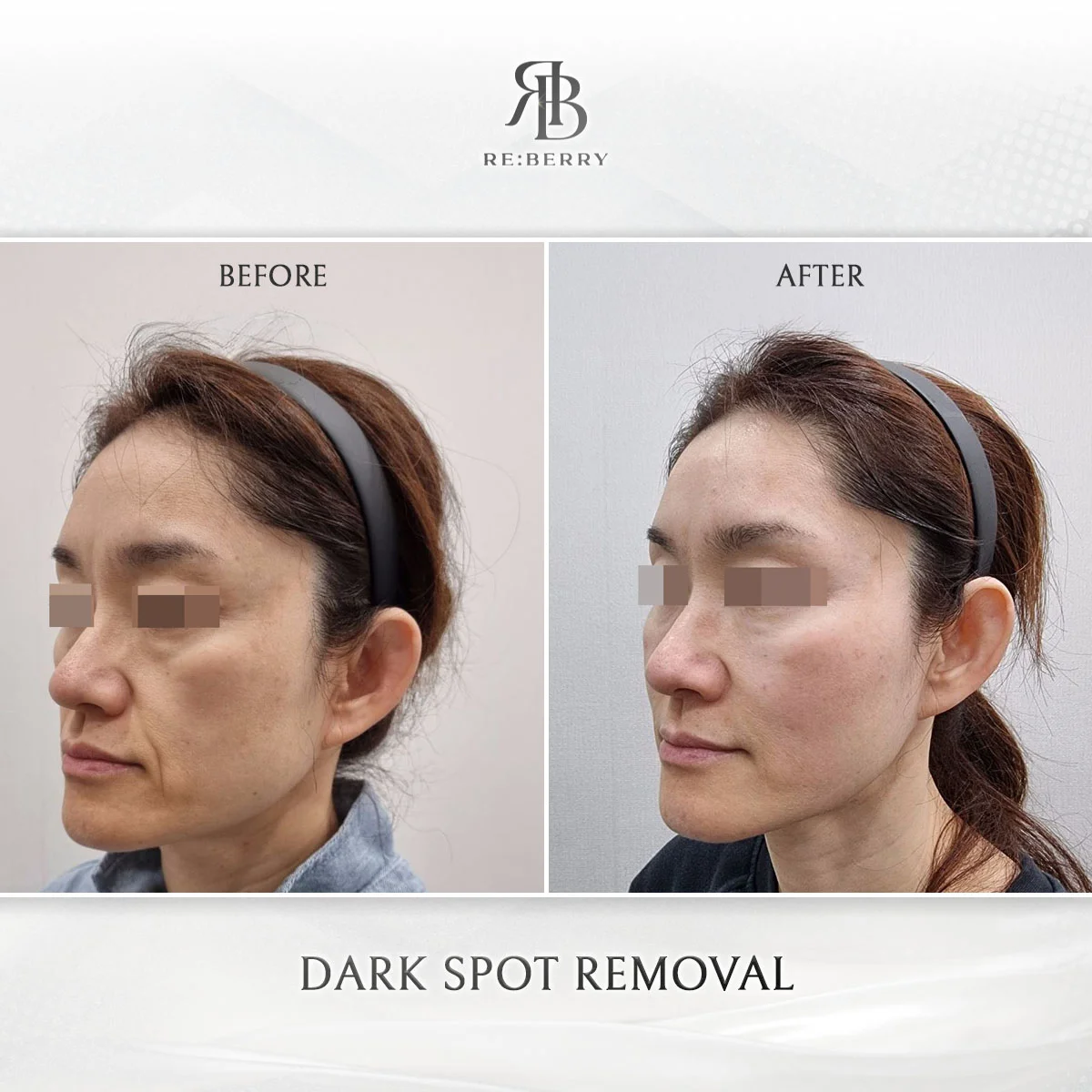
An English-language consultation assesses your pigment type and goal, then produces a personalised course plan and quote.
A toning session is gentle and usually takes about 15 to 25 minutes, with little to no downtime afterwards.
Toning is a course, often 5 to 10 sessions spaced 1 to 2 weeks apart, planned so travellers can time visits or split them across trips.
Tone evens gradually across the series rather than after one session, with brightness building over the weeks of the course.
Prescribed topicals and daily sun protection extend results and reduce recurrence, especially for melasma, affecting long-term cost.
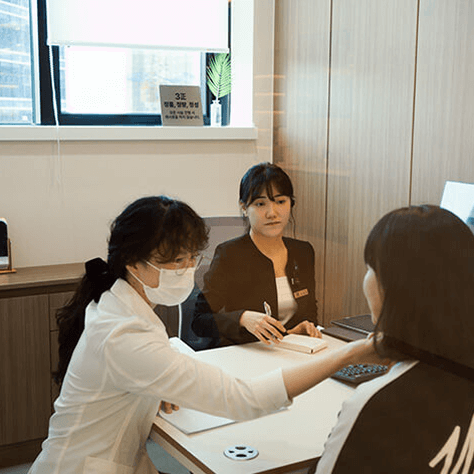
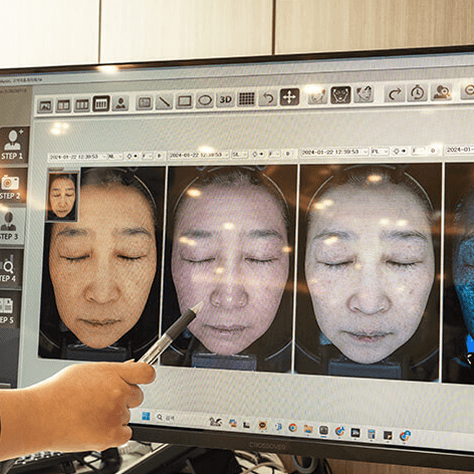
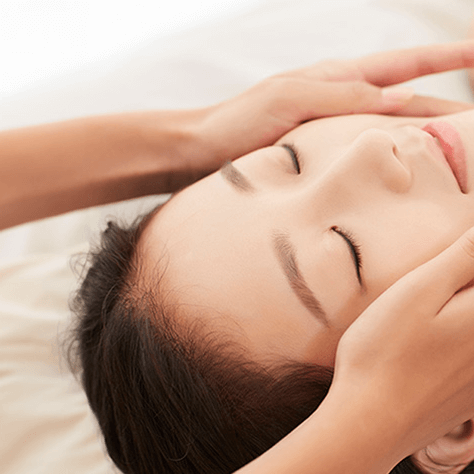
Laser toning cost is consultation-led and depends mainly on how many sessions your course needs, the area treated, and your goal, so a personalised quote follows assessment. Reberry Clinic does not advertise a fixed figure because pigment and goals vary. Pricing, usually per session or as a package, is explained transparently when you plan your treatment on our dark spot removal page.
Because toning is cumulative and the number of sessions depends on your pigment, skin type, and goal, a single sticker price would not reflect your actual course. The clinic’s doctors assess first, then quote, as outlined on our dark spot removal page. This consultation-led approach lets you compare per-session and package inclusions rather than a headline number.
The number of sessions is the main driver, since toning is a gentle, cumulative course, often 5 to 10 sessions for diffuse pigment or melasma, with maintenance after. The treated area and your goal also matter. Comparing only the per-session figure, without checking how many sessions you truly need, can mislead you on total cost.
Most patients need a course of about 5 to 10 sessions spaced 1 to 2 weeks apart, with periodic maintenance afterwards, especially for melasma. Your doctor estimates this after assessing your pigment and goal. Where defined spots also need clearing, a pigment-selective laser treatment may be combined, which changes the overall plan.
It can be, because low-fluence toning is gentle enough for reactive melasma-prone skin that harsher lasers can worsen, and studies show meaningful improvement across a course. Value depends on realistic expectations, since melasma is recurrence-prone and needs maintenance. Your doctor explains the likely course length and upkeep so you can weigh the long-term cost honestly.
Most patients feel only mild warmth and a light tingling during toning, since the low-fluence settings are deliberately gentle, which is part of why it suits sensitive skin. There is usually no numbing needed. Any sensation is brief and ends with the session, and the doctor adjusts the parameters for your comfort and skin type throughout.
Downtime is minimal, and most people return to normal activities immediately, so toning rarely adds hotel nights, which makes it convenient for travellers. Skin may look slightly flushed for a short time after a session. There are no dressings and makeup can usually be worn soon after, so you can continue your trip the same day.
Toning builds gradually, so most people notice more even, brighter tone after several sessions rather than after the first, with the fuller effect emerging across the course. Setting this expectation is part of the consultation. Because pigment can recur, lasting value depends on maintenance sessions, topicals, and sun protection rather than the initial course alone.
Not necessarily; a very low per-session price can mean many more sessions overall, or a device that is not a genuine low-fluence toning system, rather than real savings. Value is best judged by the total course and inclusions. Ask how many sessions, what device, and what aftercare your quote covers before comparing clinics on price alone.
Yes, especially with melasma, which is recurrence-prone and can rebound with sun exposure or hormonal triggers even after a good course, which affects maintenance cost over time. Sun spots are less likely to recur in place but new ones can form. Daily sunscreen and prescribed topicals slow this, and your doctor plans realistic periodic upkeep.
They can, since prescribed brightening topicals and diligent sun protection support a toning course and reduce recurrence, but they often save money by extending results and limiting repeat sessions. Your clinic itemises these and pairs them with a suitable skin care routine you maintain at home between visits.
Toning is gentle, so most patients only experience brief flushing or mild warmth that settles within hours at no extra cost. Rarely, with too-frequent or aggressive treatment, uneven lightening can occur, which is why spacing and settings matter. Serious effects are uncommon when a genuine low-fluence protocol is followed for your skin type.
Yes, toning is often combined with brightening care to enhance overall glow and even tone, which the doctor sequences safely and itemises so you see what each element adds. You can explore how this fits on our glass facial skin page. Thoughtful combining can improve results without simply choosing the most expensive option.
A single session needs only a day, including consultation, since downtime is minimal. Because toning is a course over several weeks, many travellers start now and split the remaining sessions across trips, or plan a longer stay. Our English team coordinates spacing so the schedule, and its cost, fits your travel plans.
Yes, flying soon after a toning session is generally fine, often the same day, because it is superficial and gentle with only brief flushing, so you rarely need extra nights. Keep skin moisturised, avoid sun in transit, and apply sunscreen on arrival. Any specific guidance for your course is given before you travel.
International patients can have remote check-ins in English to review progress, adjust topicals, and plan remaining or maintenance sessions on a future trip, which limits unnecessary visits. If you continue upkeep, you can explore our skin care options for daily care. Your treatment notes stay on file for continuity between visits.
| Laser toning (low-fluence QS Nd:YAG) | Pigment-selective laser | Prescribed topical routine | |
|---|---|---|---|
| Mechanism | Gentle repeated low-fluence passes | Short high-selectivity pulses on defined pigment | Actives slow melanin over time |
| Best for | Melasma and diffuse discolouration | Discrete sun spots and lentigines | Maintenance and recurrence control |
| Main price driver | Number of sessions in the course | Number of spots and sessions | Products used over time |
| Pain / comfort | Mild warmth | Brief snapping sensation | Generally comfortable |
| Downtime | Little to none | Darkening then flaking over days | None |
| Results timeline | Builds gradually over the series | Often visible after a few sessions | Builds over weeks to months |
| Cost context | Consultation-led; depends on session count | Consultation-led; depends on spots and sessions | Depends on products chosen |
Real verified reviews from our Google Business Profile, across all Reberry Clinic locations.
PULLED LIVE FROM GOOGLE · GANGNAM · MYEONGDONG · INCHEON AIRPORT
Your treatment is planned and performed by experienced, MFDS-registered doctors across our Seoul-area clinics, with multilingual support for international patients.
Flagship clinic · KOL for leading lifting & regenerative devices
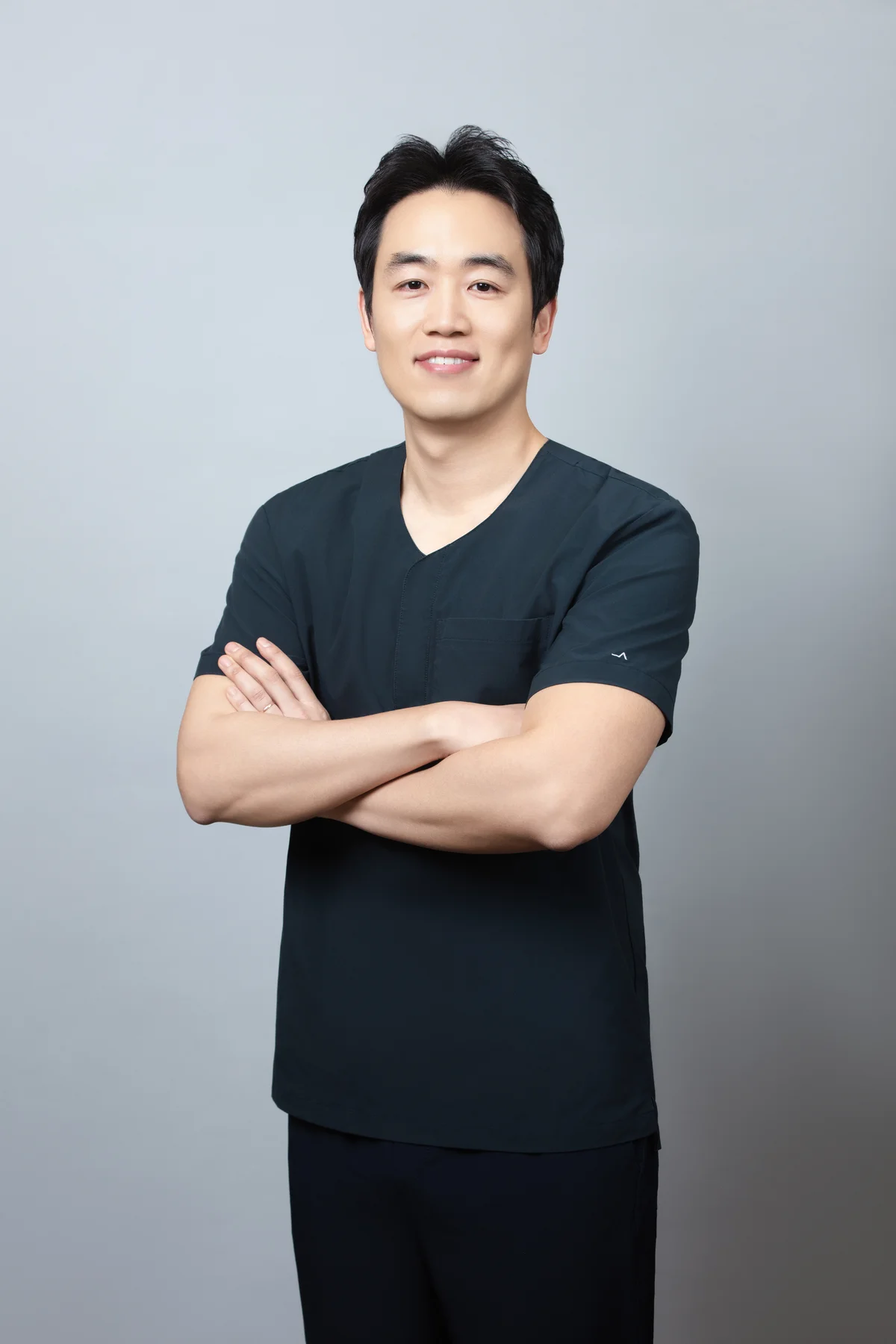
Multilingual tourist care beside Myeongdong Cathedral
Fast, effective care 20 minutes from the terminals
Message us on WhatsApp for a free consultation in English and a personalised laser toning course plan and quote.