

Gangnam
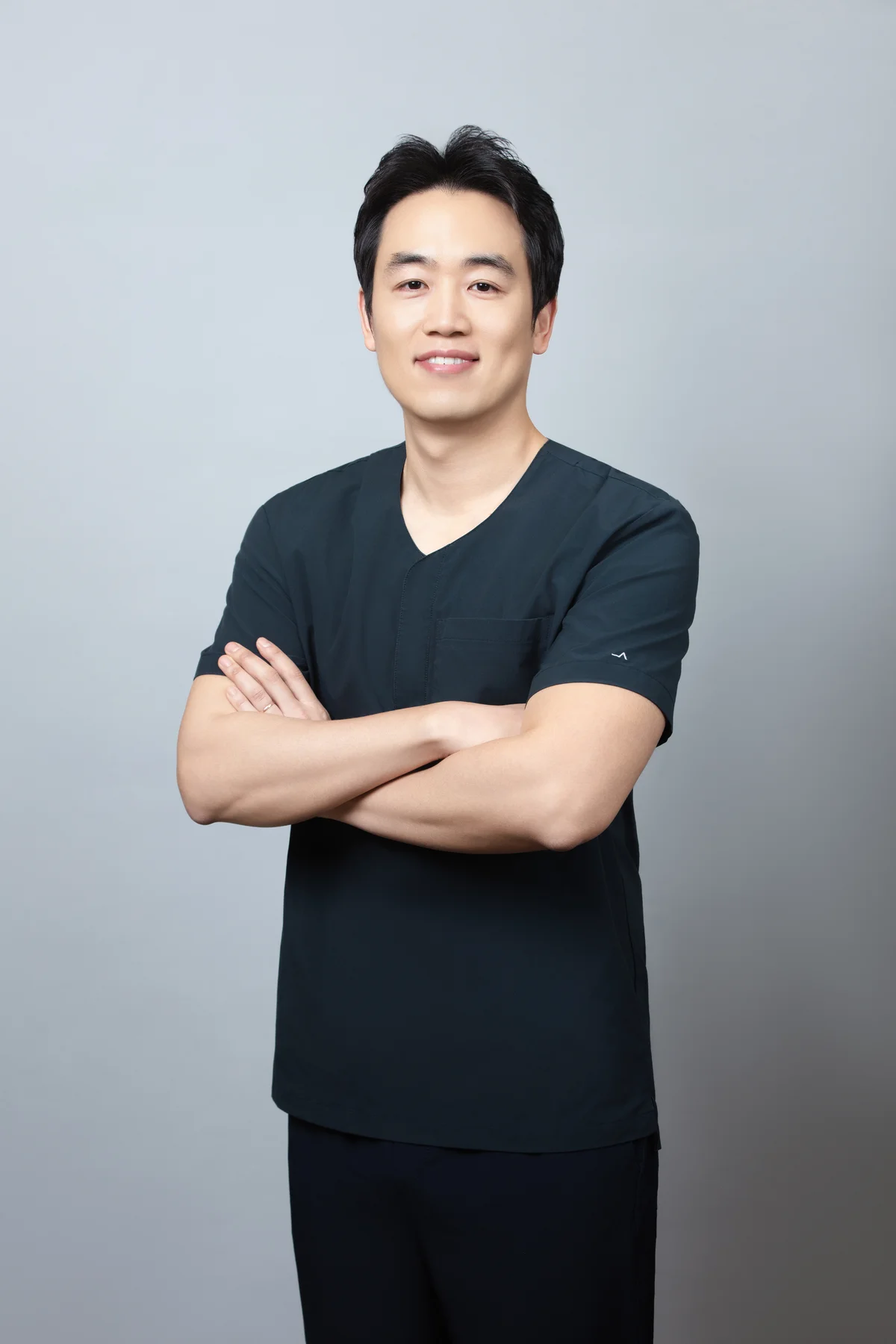
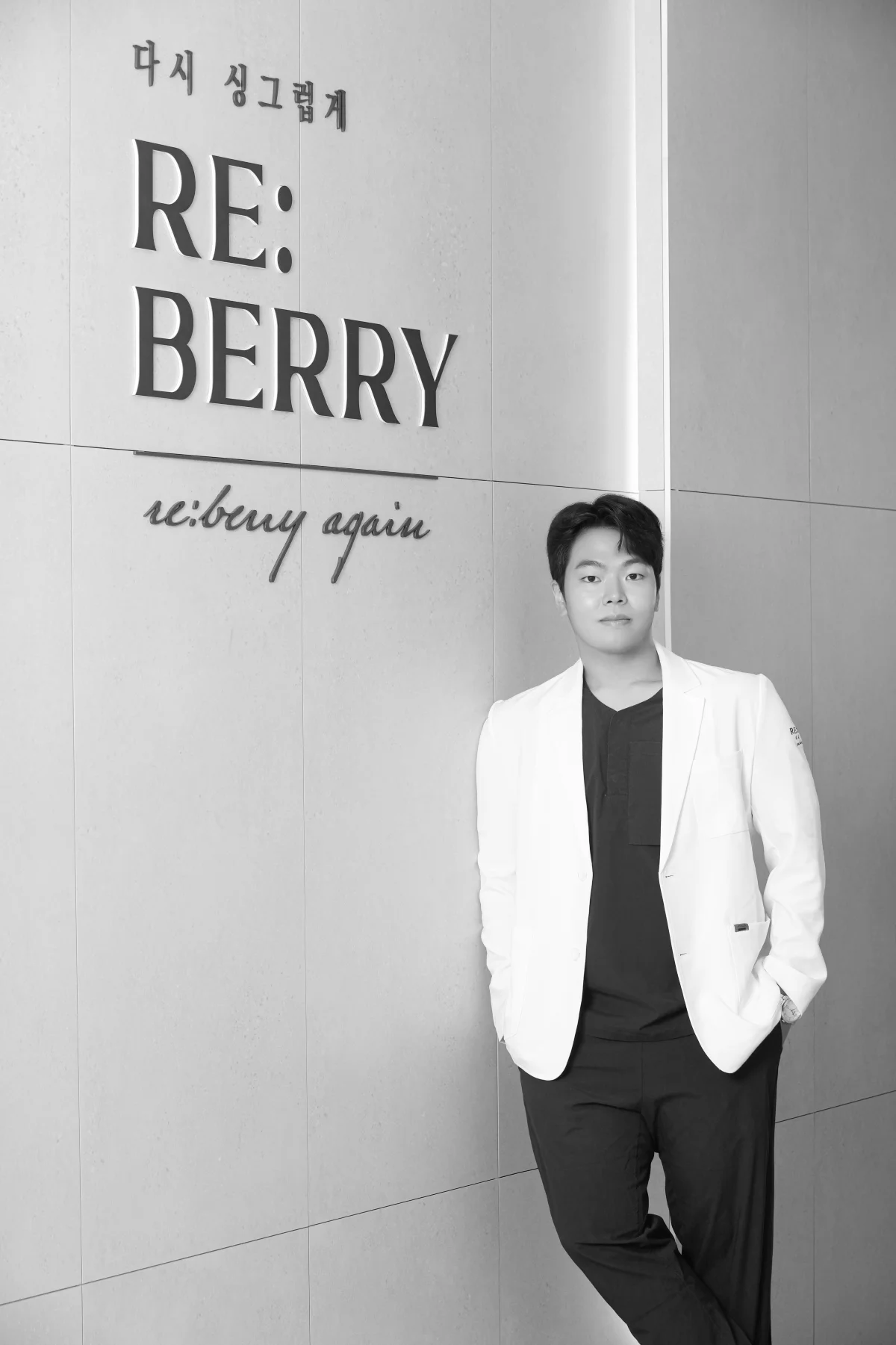
Dr. Yoongon Ryu
Aesthetic Medicine Specialist
Flagship clinic · KOL for leading lifting & regenerative devices

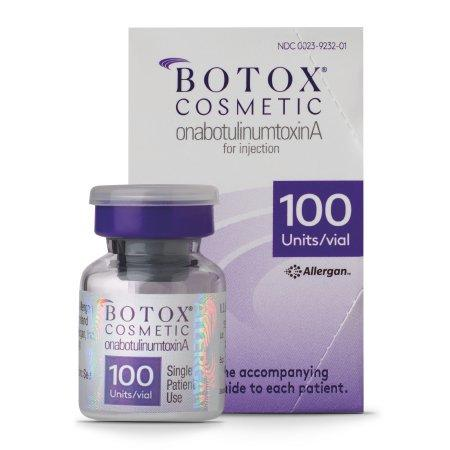
Sole hyperhidrosis is treated with plantar intradermal botulinum toxin type A dosed by foot size, so cost reflects your units, one foot versus both, and how many of a roughly 4 to 6 month cycle of sessions you need.
Sole hyperhidrosis cost in Korea depends on your foot size, the botulinum toxin type A units injected across roughly 25 to 40 points per sole, whether you treat one foot or both, and how often you return over a 4 to 6 month cycle. Because sweat severity and foot area differ, the clinic’s doctors confirm your individual cost at consultation.
One-on-One guidance from a dedicated doctor, ensuring your skin is professionally monitored and treated from start to finish.
Fluent assistance in English, Japanese, and Chinese, making communication clear, respectful and comfortable for international patients.
Over 100,000 patients worldwide have received our personalized dermatological care, highlighting our expertise and reliable results.
Sole hyperhidrosis cost in Korea is shaped less by a single sticker price and more by how much toxin your feet actually need. Plantar hyperhidrosis, or excessive sweating of the soles, is treated by injecting botulinum toxin type A intradermally across a grid of roughly 25 to 40 points per sole. This temporarily blocks the nerve signals that drive the sweat glands. Because dosing scales with the surface area of the sole, larger feet and more severe sweating require more units, and units are the biggest single cost driver.
The second driver is whether you treat one sole or both. Most patients with primary plantar hyperhidrosis sweat symmetrically and treat both feet in the same visit, which roughly doubles the units compared with a single sole. Your baseline sweat severity, often graded on a simple 4 point scale at consultation, also influences how densely the grid is placed and therefore the total units.
The third driver is your schedule. Sole hyperhidrosis treatment is not a one-time fix; dryness typically holds for around 4 to 6 months, so many patients plan one or two visits a year rather than a single appointment. At Reberry Clinic, this treatment is consultation-led: the clinic’s doctors assess your sweating, explain the plan and cost transparently in English, and support international patients in Korea.
Sole hyperhidrosis treatment works by placing botulinum toxin type A into the superficial skin of the sole, and the technique itself shapes the cost. Rather than a few deep injections, the toxin is delivered as many shallow intradermal micro-injections across a grid of about 25 to 40 points per sole so that dryness is even from the heel to the toes. At this depth the toxin blocks acetylcholine at the sweat glands. Because the sole is a large area with thick, sensitive skin, plantar dosing is higher than for a small facial zone, and that is reflected in the units used. A larger foot, more severe sweating, or extending coverage onto the toes all raise the total units, while a smaller foot or milder case uses fewer. The sole is one of the more sensitive areas to inject, so the clinic’s doctors give particular attention to comfort measures, and they factor your sweat severity grade into the plan. This is why your final cost is set after an in-person assessment rather than from a one-size menu.
One Reberry Clinic, multiple Seoul-area locations. Pricing & current promotions are listed on each branch's own site — tap a clinic to view pricing & book.
Our flagship in the heart of Gangnam.
In Seoul's shopping & tourism heart.
A beauty stop between flights.
The newest Reberry Clinic — in Seoul's trend district.
ONE REBERRY CLINIC · MFDS-REGISTERED DEVICES · MULTILINGUAL CARE AT EVERY LOCATION
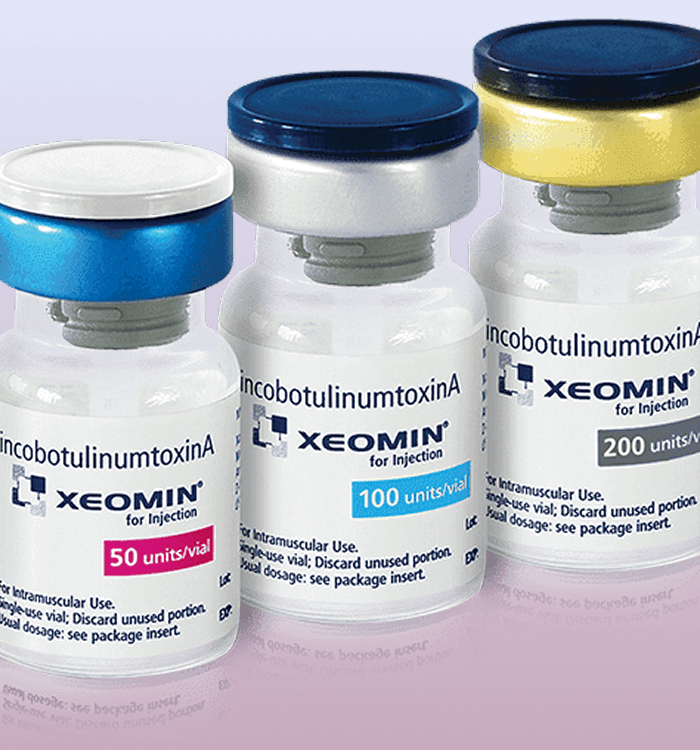
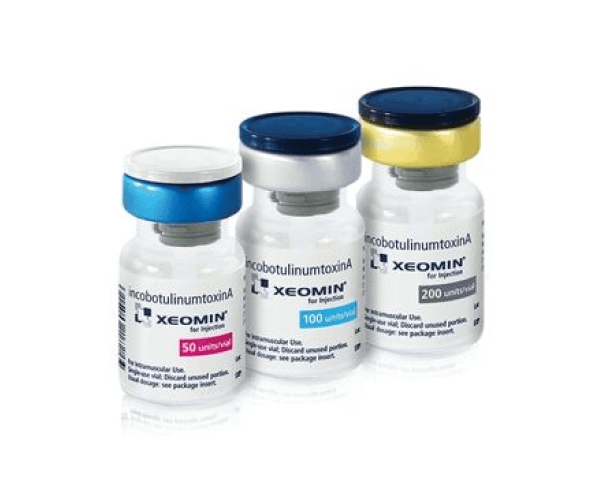
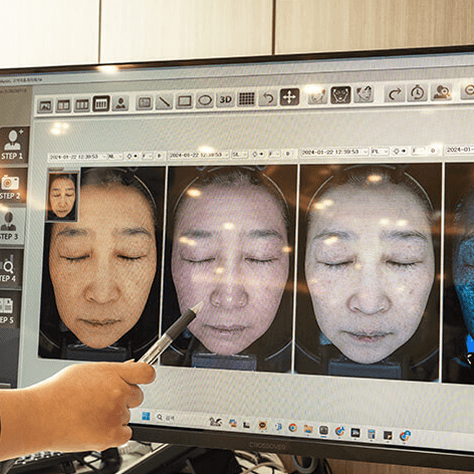
The clinic’s doctors assess your sole sweat severity, often on a 4 point scale, which is the first factor in how many units your plan needs.
Cost scales with foot area, so larger soles and coverage extended onto the 5 toes use more units than a small foot alone.
Most patients treat both soles in 1 visit, which roughly doubles the units versus a single foot and is the biggest swing in cost.
The toxin is placed across roughly 25 to 40 intradermal points per sole; the total units across both feet shape the amount used and the price.
Because dryness typically lasts about 4 to 6 months, most patients budget for 1 to 2 sessions a year rather than a single visit.
After 1 in-person assessment, the clinic’s doctors give you a transparent, individualised cost in English instead of one fixed price for everyone.

See representative outcomes from Reberry Clinic. Results build gradually and vary by individual; your plan is assessed at consultation.
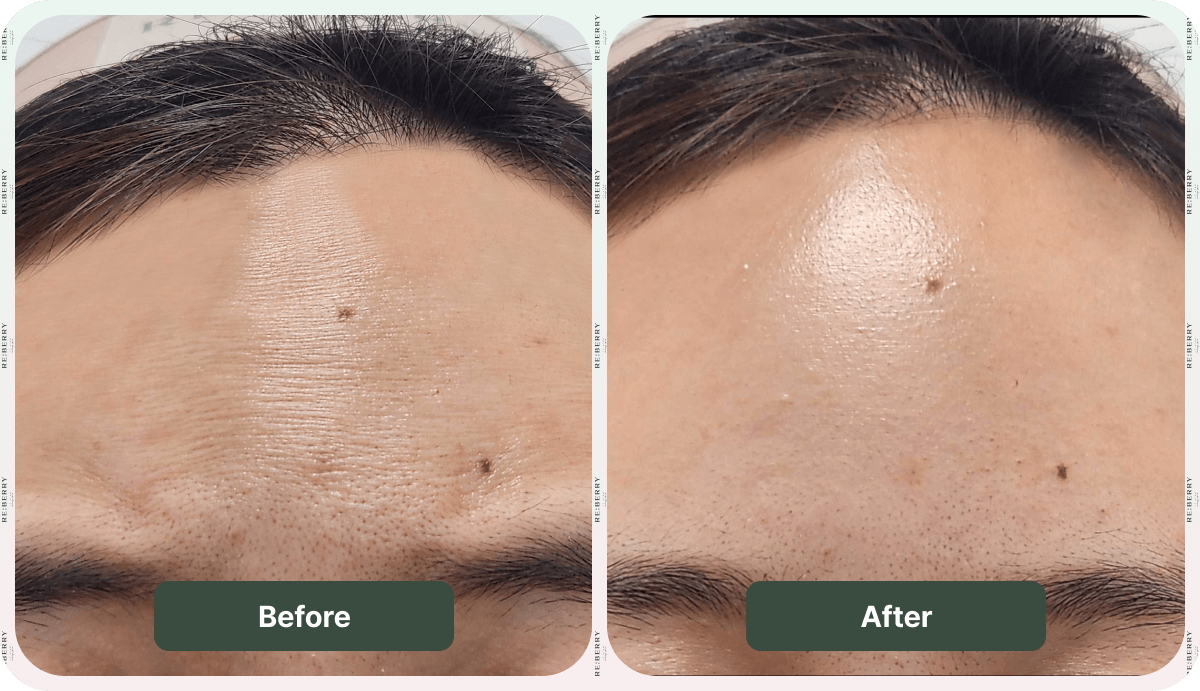
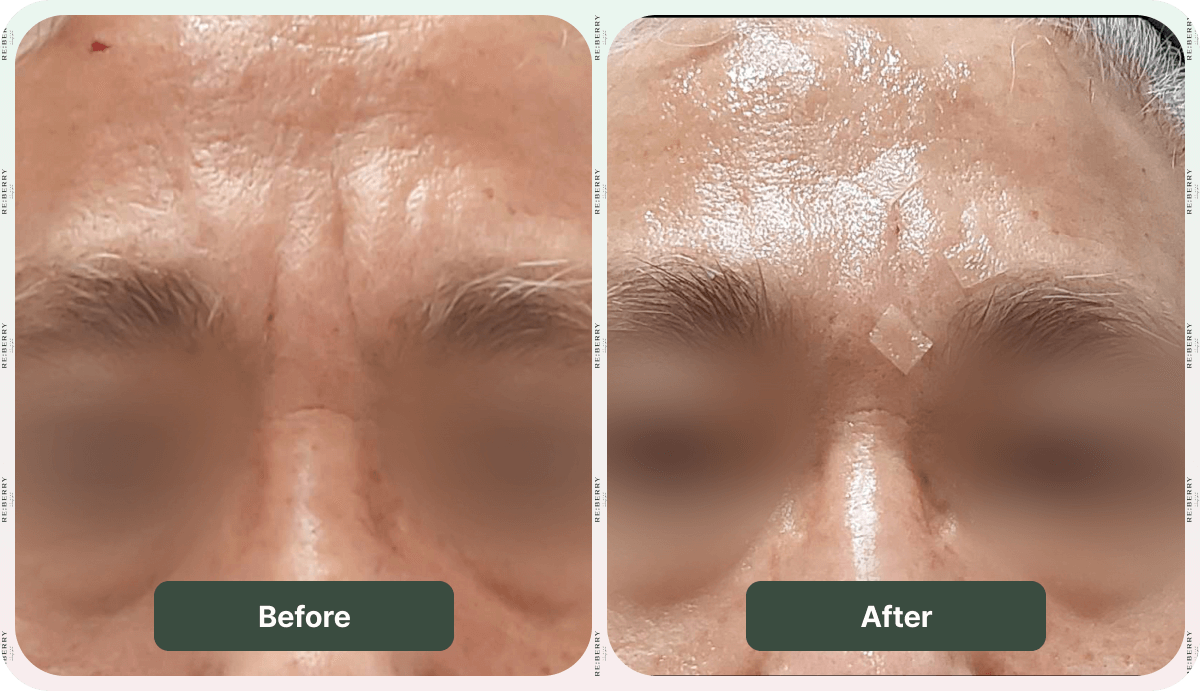
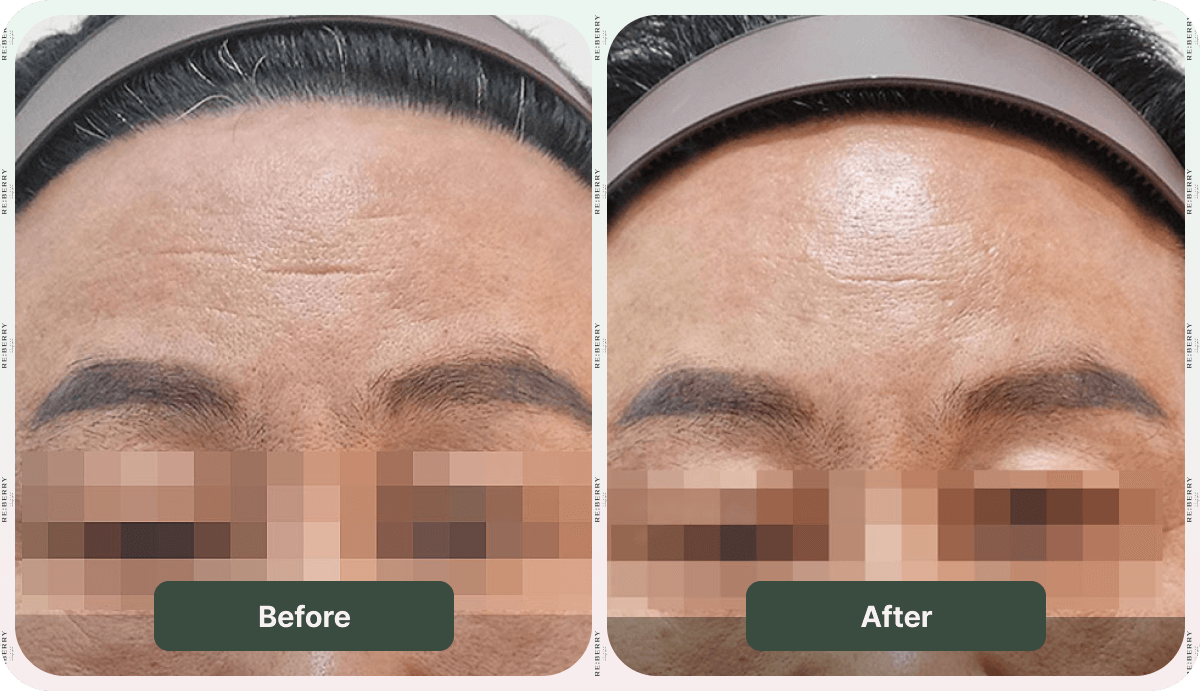
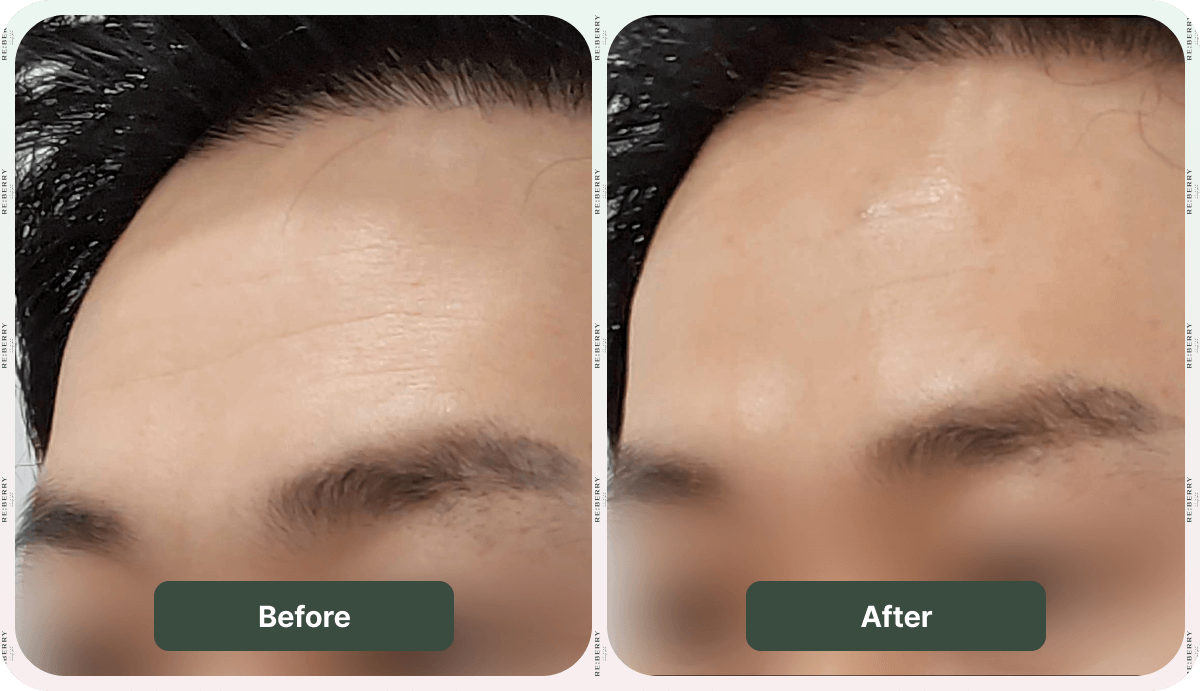
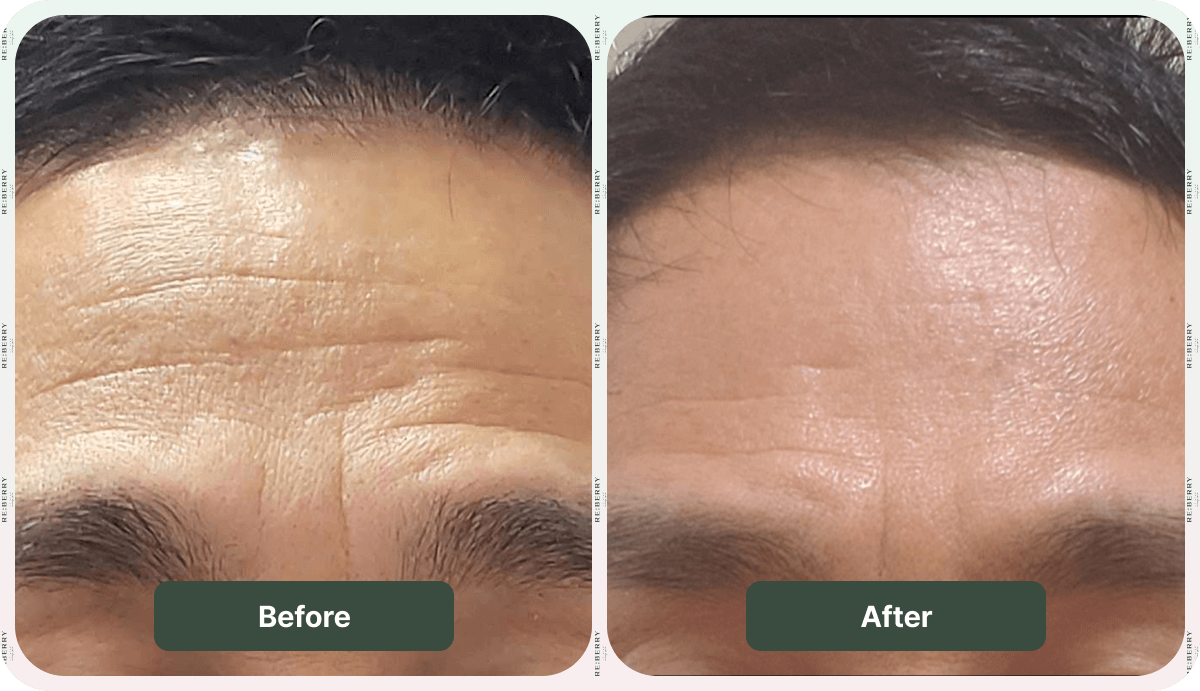
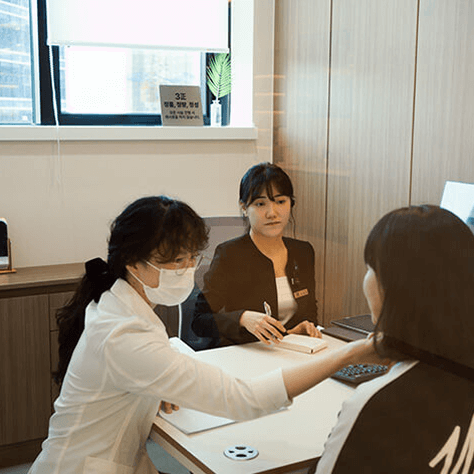
The clinic’s doctors grade your sole sweating, then explain the units, one foot versus both, and what drives the cost, in English.
Once a plan is agreed, a session usually takes about 30 to 45 minutes, including numbing and the grid of injections across each sole.
Because sole results last around 4 to 6 months, cost is mapped across 1 to 2 visits a year rather than billed as a single appointment.
Dryness usually builds over about 1 to 2 weeks, and your doctor reviews how your soles respond to fine-tune the plan and cost.
As sweating gradually returns over about 4 to 6 months, occasional maintenance sessions sustain dryness, which is factored into long-term planning.
Sole hyperhidrosis cost in Korea depends on your foot size, the botulinum toxin units injected across roughly 25 to 40 points per sole, whether you treat one foot or both, and how often you return over a 4 to 6 month cycle. Because plans are individualised, the clinic’s doctors confirm your exact cost at consultation. You can start on our botox injection page.
Sole sweating is treated with a grid of intradermal injections whose total units differ by foot size and severity. Treating both soles uses roughly double the units of one foot. That is why cost is set after a doctor grades your sweating rather than from a fixed menu that ignores your foot area and severity.
The number of botulinum toxin units is usually the biggest factor, and that scales with foot size and whether you treat one sole or both. Larger, more severe feet need more units across a denser grid. Your sweat severity, assessed on a simple scale at consultation, helps decide the total units and therefore the cost.
Yes, treating both soles roughly doubles the units compared with a single foot, so it costs more. Most people with primary plantar hyperhidrosis sweat symmetrically and treat both feet in one visit. Your doctor confirms at consultation whether one or both soles need treatment on our botox injection page, which sets the units and the cost.
Sole results typically last about 4 to 6 months, so most patients plan one or two sessions a year rather than a single visit. Cost is usually budgeted across this cycle. Some studies show duration lengthening with repeated treatment, which your doctor reviews between sessions. Learn more on our injection treatment page.
Comfort measures are part of the technique, not a separate charge. Because soles have thick, sensitive skin, numbing cream, cooling, or a nerve block may be used before the grid of injections. Your doctor explains the comfort options for your case at consultation, so there are no cost surprises on the day.
Sole dryness usually builds over about 1 to 2 weeks rather than immediately, as the toxin settles into the skin and quietens the sweat glands. Results are gradual and dose-dependent. Your doctor reviews your response so the plan, units, and cost stay matched to how your soles behave over the following weeks.
Effects on sole sweating generally hold for around 4 to 6 months, then fade gradually, so it is maintained rather than a one-time fix. Occasional maintenance sessions keep feet dry. This rhythm is factored into long-term cost planning, and some patients find duration lengthens with repeated sessions, which your doctor explains.
Most patients walk normally soon after treatment, though the soles can feel tender for a day or two because the skin is sensitive. The intradermal technique targets sweat glands in the skin. Your doctor advises gentle activity immediately after and discusses timing if you plan a lot of walking during your trip.
Most adults with primary plantar hyperhidrosis that disrupts footwear, work, or daily life are suitable, especially if antiperspirants have not helped. A consultation confirms the plan and cost and rules out other causes. Certain conditions, like pregnancy or neuromuscular disorders, mean it is not advised. See our botox injection page.
Botulinum toxin for sweaty soles is widely performed and generally considered safe when a trained doctor uses appropriate depth and dosing. A consultation reduces risks such as temporary tenderness or bruising. You can review the broader approach on our injection treatment page before your consultation.
Yes, more severe sweating often needs a denser grid and more units, which affects the plan and its cost. Your doctor grades your sweating at consultation, frequently on a 4 point scale, to decide how many units each sole needs. Milder cases may use fewer units, keeping the plan appropriately sized and priced.
Yes, many patients with sweaty soles also have sweaty palms and plan both regions together, which can be more efficient to coordinate. Each region is dosed separately, so palms add their own units. Your doctor maps a combined plan on our injectable treatments overview and explains how the cost is structured across the areas you want treated.
Aftercare is simple and inexpensive: keep the soles clean, avoid heavy walking or pressure immediately after, and follow your doctor’s advice. There is little added expense. A doctor-led review a couple of weeks later checks your response, and any adjustment is discussed transparently as part of your plan.
For a first session, 1 to 2 days in Korea is usually comfortable, allowing a consultation, the injections, and a short check. Because dryness builds over 1 to 2 weeks, many international patients travel home the same trip. Our English-speaking team helps coordinate timing and cost around your schedule.
Yes, flying within a day or so is generally fine, as the injections are minimally invasive with only tiny puncture points on the soles. Avoid long walks or heavy pressure on the feet straight after, keep the skin clean, and your doctor will advise on aftercare suited to your travel plans and return timing.
International patients can plan maintenance around return visits, and the clinic offers remote check-ins in English between trips so your plan and cost stay on track. Your treatment notes, including units used per sole, are kept on file for continuity, making repeat sessions easier to plan across visits.
| One Sole | Both Soles | Soles Plus Palms Combined | |
|---|---|---|---|
| Approach | Intradermal grid over a single sole | Intradermal grid across both soles in one visit | Soles treated together with a separate palmar plan |
| Best for | Asymmetric or single-foot sweating | Typical symmetric primary plantar hyperhidrosis | Sweating of both soles and palms together |
| Units used | Fewer units over one foot | Roughly double the units across two feet | Sole units plus a separate palmar dose |
| Comfort measures | Numbing suited to one sensitive sole | Numbing across both soles, more injection points | Extra planning, as palms are also sensitive |
| Results timeline | Dryness builds over about 1 to 2 weeks | Dryness across both feet over roughly 1 to 2 weeks | Soles respond first, palms reviewed separately |
| Cost factors | Depends on units for the single foot | Depends on total units across both feet | Highest, since a second region is added |
Real verified reviews from our Google Business Profile, across all Reberry Clinic locations.
PULLED LIVE FROM GOOGLE · GANGNAM · MYEONGDONG · INCHEON AIRPORT
Your treatment is planned and performed by experienced, MFDS-registered doctors across our Seoul-area clinics, with multilingual support for international patients.
Flagship clinic · KOL for leading lifting & regenerative devices
Multilingual tourist care beside Myeongdong Cathedral
Fast, effective care 20 minutes from the terminals
Message us on WhatsApp for a free consultation in English about sole hyperhidrosis and a transparent, individualised cost plan.