

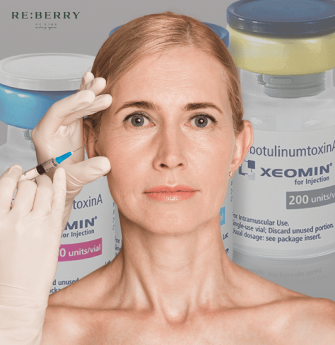
The visible signs of aging in your 50s are more pronounced and often noticeable even when your face is at rest. The deeper fine lines and loss of elasticity make your overall facial appearance look more tired and aged. Botox can effectively address these expression-related wrinkles, but the timing and frequency are critical. Scheduling Botox too soon or too late at this age can affect your results. So, you may wonder how often you should get Botox in your 50s?
In your 50s, the 3 to 4 month interval is recommended for the treatment, but it is important to note that the timing depends on factors such as your muscle activity, metabolism, and personal aesthetic goals. At this stage, Botox primarily focuses on correcting existing wrinkles and supporting overall facial rejuvenation.
In this guide, we will explain how Botox works in your 50s, the ideal frequency for repeated treatments, the areas commonly treated, and tips to make your results last longer.
How Does Botox Work on Your Skin in the 50’s?
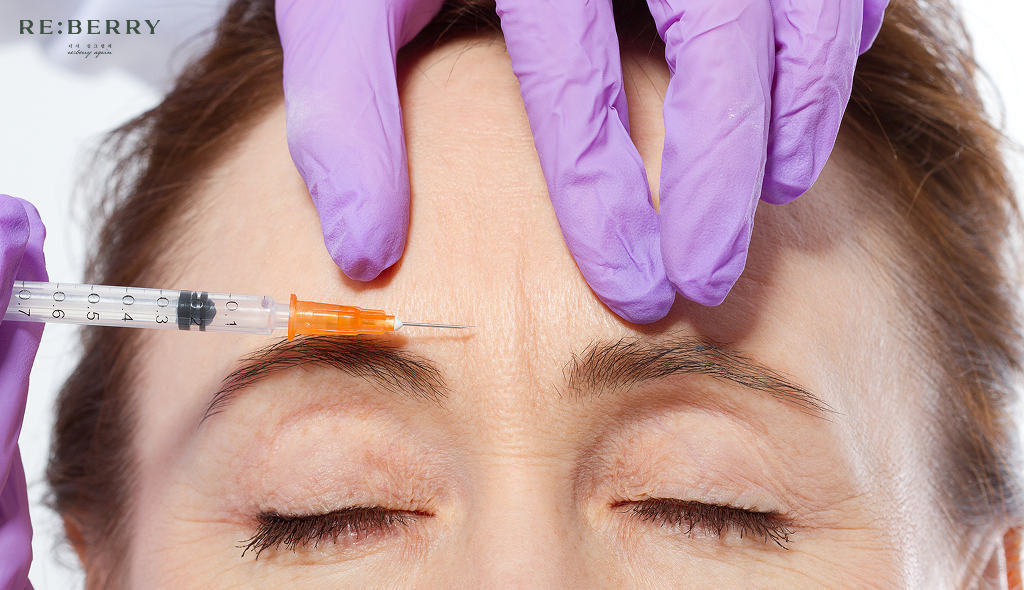
In your 50s, signs of aging are static, meaning they’re visible even when your face is at rest. The skin naturally loses elasticity and collagen, and years of repeated muscle movements cause fine lines, wrinkles, and sagging. Botox works by temporarily blocking acetylcholine, the neurotransmitter responsible for sending nerve signals to facial muscles, specifically those in the forehead, glabella, and eye-contour areas. When injected, it temporarily relaxes the underlying muscles responsible for dynamic wrinkles, such as forehead lines, frown lines, and crow’s feet.
Additionally, in your 50s, Botox acts as a maintenance treatment, helping correct existing wrinkles and support overall facial rejuvenation. It softens deeper lines, refreshes the face, and restores natural facial balance. While Botox is highly effective for managing expression-related wrinkles, it cannot restore lost facial volume. So, in your 50s, dermal fillers or other rejuvenating treatments can be combined with Botox to add volume and enhance overall results. With consistent treatments, your skin can maintain a smooth and youthful appearance.
How Often To Get Botox In Your 50s?
In your 50s, you should generally get Botox every 3 to 4 months to maintain smooth skin and manage deepening wrinkles effectively. While metabolism is also considered for the frequency of the Botox injection, 3 to 4 times per year is the standard timing for the treatment. This interval allows the muscles to respond properly to the treatment, giving the skin time to adjust gradually to each session. As the effects of Botox are temporary, following the proper routine prevents lines from becoming more pronounced and ensures that results remain natural and balanced.
However, the exact timing can vary depending on factors such as muscle strength, skin elasticity, lifestyle, and aesthetic goals. If you wait longer than the recommended interval, the effects wear off gradually, while getting treatments too frequently may lead to over-treatment and an unnatural appearance. So, maintaining a consistent schedule allows your provider to track facial changes, adjust injections as needed, and achieve long-lasting results.
How Many Units of Botox Are Typically Needed in Your 50s?
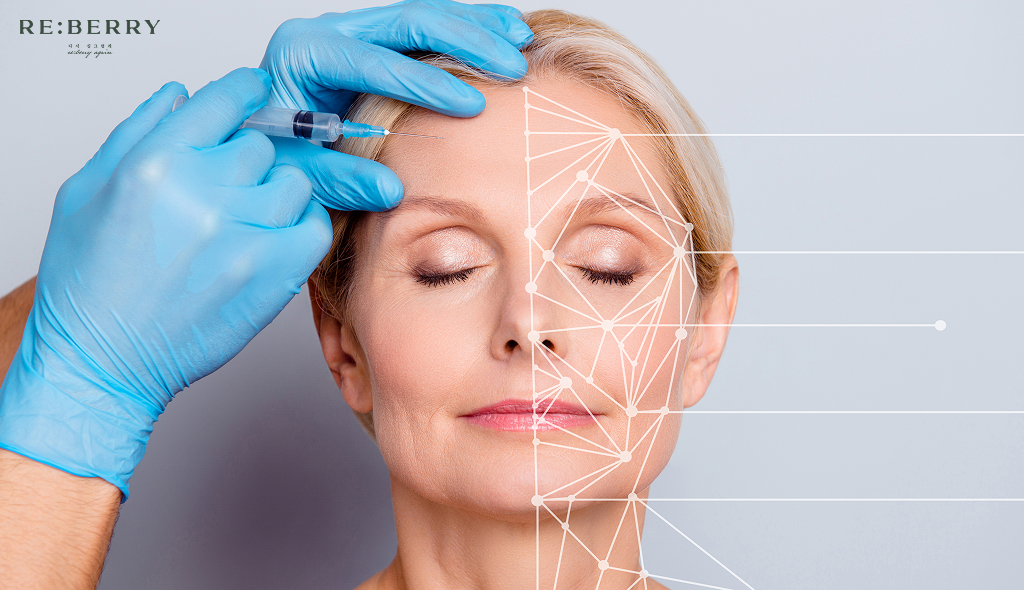
In your 50s, you typically need around 40 to 50 units of Botox, but the exact number of units can vary depending on factors such as muscle strength, wrinkle depth, and the overall condition of your skin. At this stage, treatments focus on softening deeper, more pronounced lines, so the dosage is carefully adjusted to achieve balanced and natural-looking results, while maintaining natural facial movement. Individuals in their 50s often require slightly higher units due to reduced skin elasticity.
Common treatment areas and typical units required per session:
| Treatment Area | Typical Units |
|---|---|
| Forehead lines | 10–20 units |
| Frown lines | 10–15 units |
| Crow’s feet | 10–14 units per side |
| Neck bands | 25–50 units total |
| Jawline | 20–50 units per side |
| Gummy smile | 2–5 units |
| Lip lines | 4–8 units per line |
Furthermore, it is important to note that these are just the general Botox units required in common areas. Using higher Botox units can lead to the risk of a frozen or uneven look. So, to achieve an effective and natural result, your dosage must be determined by a qualified professional or the provider.
Before and After results of Botox
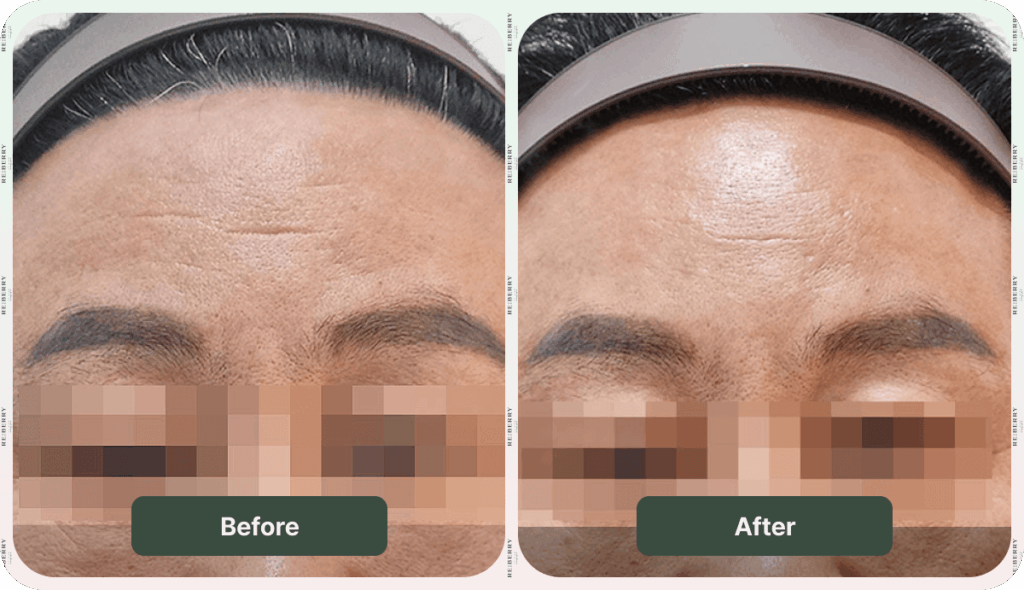
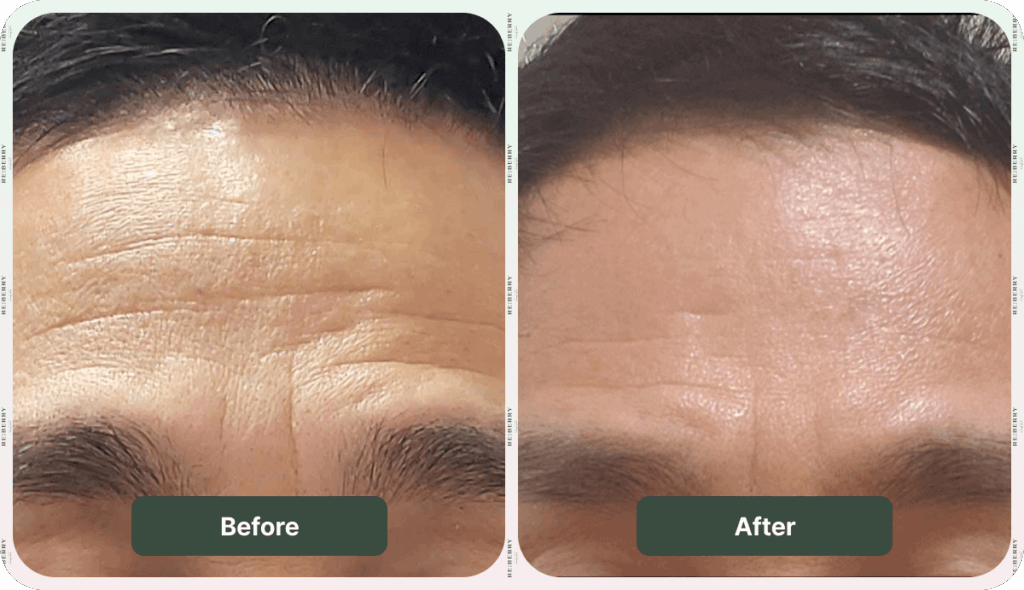
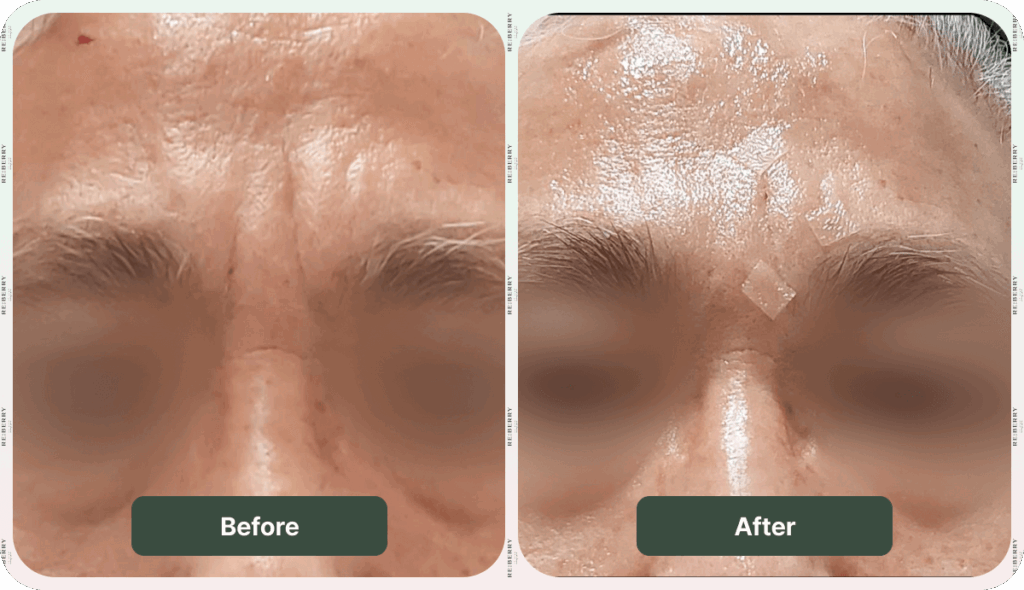
What Are The Key Areas To Treat With Botox At 50s?
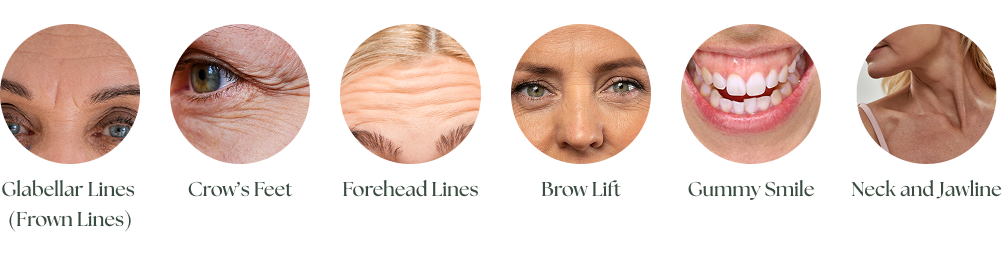
In your 50s, several areas of the face show pronounced signs of aging. The neck and jawline lose firmness and definition, while the forehead and glabella areas form deeper lines and wrinkles. Botox can effectively address these concerns, but understanding which areas respond well to the injection helps to achieve the natural and balanced look. Below are the key areas where Botox is most commonly and effectively used at 50s:
Glabellar Lines (Frown Lines)
Glabellar lines, also known as “11s,” are the vertical wrinkles that form between the eyebrows. These lines can make the face appear tired or stressed even when at rest. Botox relaxes the corrugator and the procerus muscles, responsible for frown lines, reducing their movement and softening the wrinkles. With carefully placed injections, the area can look rejuvenated without freezing natural expressions.
Crow’s Feet
Crow’s feet are the fine lines that appear at the outer corners of the eyes. They form due to repeated movement of the orbicularis oculi muscles during smiling or squinting, combined with thinning skin and loss of elasticity. Botox relaxes these muscles, which softens the wrinkles and smooths the skin around the eye contour areas, resulting in a youthful and refreshed appearance.
Forehead Lines
Forehead lines are horizontal wrinkles that appear across the forehead and become more prominent with age. They develop due to repeated lifting of the eyebrows and gradual loss of skin elasticity. Botox targets the frontalis muscle to relax its movement and smooth the lines, reducing the appearance of a tired or worried expression.
Brow Lift
A Botox brow lift involves subtly lifting heavy or drooping eyebrows to open up the eye area. This treatment can improve the appearance of tired-looking eyes and enhance overall facial symmetry. Over time, it can help prevent further sagging and maintain a rejuvenated eye area.
Gummy Smile
A gummy smile occurs when an excessive amount of gum tissue is visible above the upper teeth while smiling. This happens due to overactive muscles around the upper lip, such as the levator labii superioris, combined with natural changes in muscle tone and skin elasticity over time. Botox softens the appearance of the gums without restricting natural lip movement or expression and creates an aesthetically pleasing smile.
Neck and Jawline
The neck and jawline are common areas that lose definition over time, often resulting in sagging skin and jowls. These changes form due to a combination of weakened platysma muscles, overactive masseter muscles, and the natural loss of skin elasticity. Botox softens the jaw contour, restores balance to the lower face and neck while preserving natural movement and expressions.
How safe is Botox for people in their 50s?
Botox is generally considered safe and effective for people in their 50s. At this stage, treatment can safely address wrinkles, sagging, and other age-related changes without affecting natural expressions or muscle function. Botox also has a proven safety record across all age groups. The side effects are generally mild and temporary, such as slight bruising, redness, or swelling at the injection site, and they usually resolve within a few days.
However, safety also depends on a thorough assessment and full disclosure of your medical history to the practitioner. If you have any medical conditions, allergies, or have had any cosmetic procedures, it is important to share this information with your practitioner before treatment. This detail allows the practitioner to customize the Botox injections, including dosage and placement, to suit your individual needs and ensure safe, effective results.
Which Treatments Can Be Combined with Botox in Your 50s for Maximum Rejuvenation?
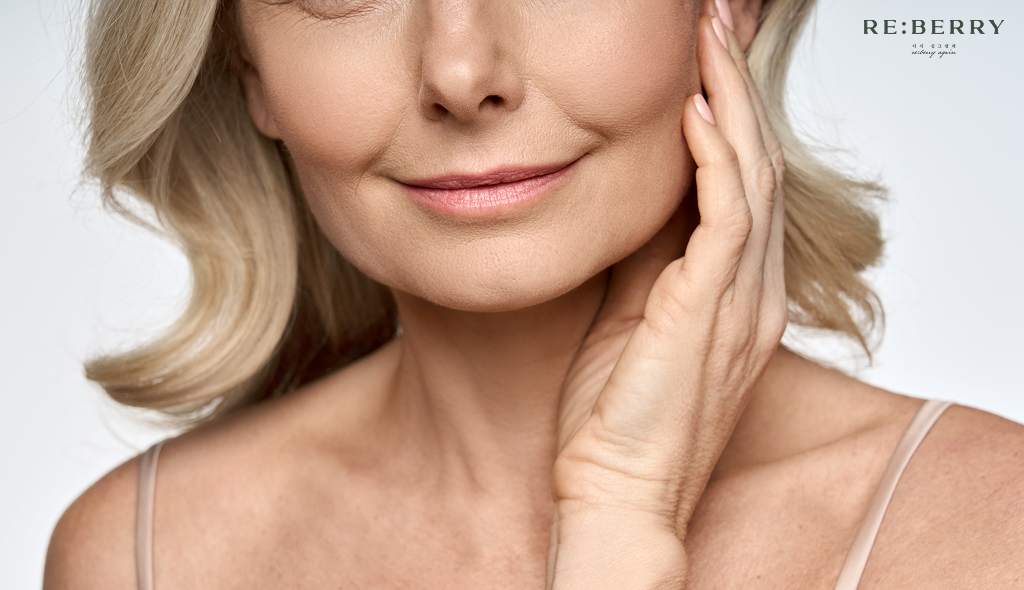
In your 50s, Botox alone can provide effective results, but combining it with other treatments maximizes anti-aging effects by addressing multiple signs of aging simultaneously. While Botox smooths dynamic wrinkles, complementary procedures restore volume, tighten sagging skin, and improve texture. Key options include:
Restore Facial Volume and Lift with Dermal Fillers
Dermal fillers restore lost volume in areas like the cheeks, lips, and nasolabial folds. When combined with Botox, fillers complement the muscle-relaxing effects by adding volume, lifting sagging areas, and smoothing deeper fine lines. This combination can create a natural “liquid facelift,” addressing both wrinkles and volume loss for a more youthful, balanced appearance.
Smooth Skin Texture and Even Tone with Laser Resurfacing or IPL
Laser resurfacing and IPL (Intense Pulsed Light) treatments target surface-level concerns such as sun spots, visible veins, and uneven skin tone. These procedures work by delivering focused light energy to the skin, stimulating cellular repair and promoting a more even, radiant complexion. When paired with Botox, they enhance overall rejuvenation by refining skin texture, reducing discoloration, and improving skin brightness. This ensures that softened wrinkles blend seamlessly with smoother, healthier-looking skin.
Tighten and Firm Sagging Skin with Microneedling or Ultherapy
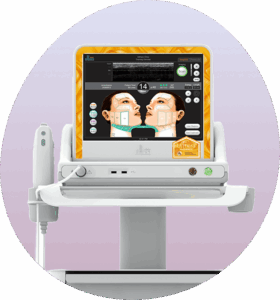
Microneedling works by creating tiny micro-injuries in the skin, which stimulate the body’s natural collagen and elastin production. This process helps improve skin firmness, elasticity, and overall texture, reducing the appearance of fine lines and minor scars. Non-surgical skin tightening treatments like Ultherapy Prime use focused ultrasound energy to lift and tighten deeper layers of the skin, targeting areas such as the jawline, neck, and lower face. When combined with Botox, these procedures complement the wrinkle-smoothing effects by addressing sagging, loose skin, and restoring facial contours, providing a firmer, more lifted, and youthful appearance.
Refresh and Rejuvenate the Skin with Chemical Peels
Chemical peels are treatments that exfoliate the outer layer of the skin, removing dull, damaged cells to reveal a smoother and brighter complexion. They help reduce fine lines, pigmentation, sun damage, and other surface imperfections. When combined with Botox, chemical peels enhance overall anti-aging results by improving skin texture, tone, and radiance, complementing the wrinkle-smoothing effects of Botox.
Tips to Maintain Botox Results Longer in Your 50s
Botox can help smooth wrinkles and create a refreshed appearance, but maintaining the results requires consistent care and healthy lifestyle habits. In your 50s, skin often experiences more volume loss, decreased elasticity, and slower skin renewal, which makes following these practices even more important. By incorporating these tips, you can maximize the effectiveness of your Botox and keep your skin looking youthful for a longer period.
Stay Regular with Your Appointments
The effects of Botox gradually fade away, and delaying follow-up sessions can allow wrinkles to return more prominently. Keeping a consistent schedule, typically every 3-4 months, helps maintain smoother skin and prevents lines from becoming deeper.
Apply Sunscreen Daily
Sun exposure accelerates visible aging by breaking down collagen and causing pigmentation. In your 50s, the skin becomes more sensitive to UV damage, making daily protection essential. Applying a broad-spectrum sunscreen every day helps maintain your Botox results and supports healthier, more resilient skin.
Keep Skin Hydrated to Enhance Botox Results
In your 50s, the skin naturally loses moisture more quickly, which can make fine lines and wrinkles appear more defined. Maintaining proper hydration helps improve skin smoothness and elasticity, allowing Botox results to look softer and more natural. Using a consistent skincare routine with hydrating ingredients helps support the skin’s surface, making results appear more even and longer-lasting.
Avoid Heat and Intense Activity After Treatment
After receiving Botox, it’s important to avoid activities that increase heat and blood flow to the face, such as strenuous exercise, saunas, steam rooms, or hot showers for the first 24 to 48 hours. Limiting these activities helps the treatment settle properly, ensuring more effective and longer-lasting results.
Adopt Skin-Friendly Lifestyle Habits
Daily habits play a major role in how your skin ages. Factors like smoking, poor nutrition, lack of sleep, and stress can speed up wrinkle formation and reduce the longevity of results. Focusing on balanced nutrition, proper hydration, and adequate rest supports healthier skin and helps maintain a refreshed appearance over time.
Restore a Smoother, More Youthful Appearance in Your 50s at Reberry Clinic
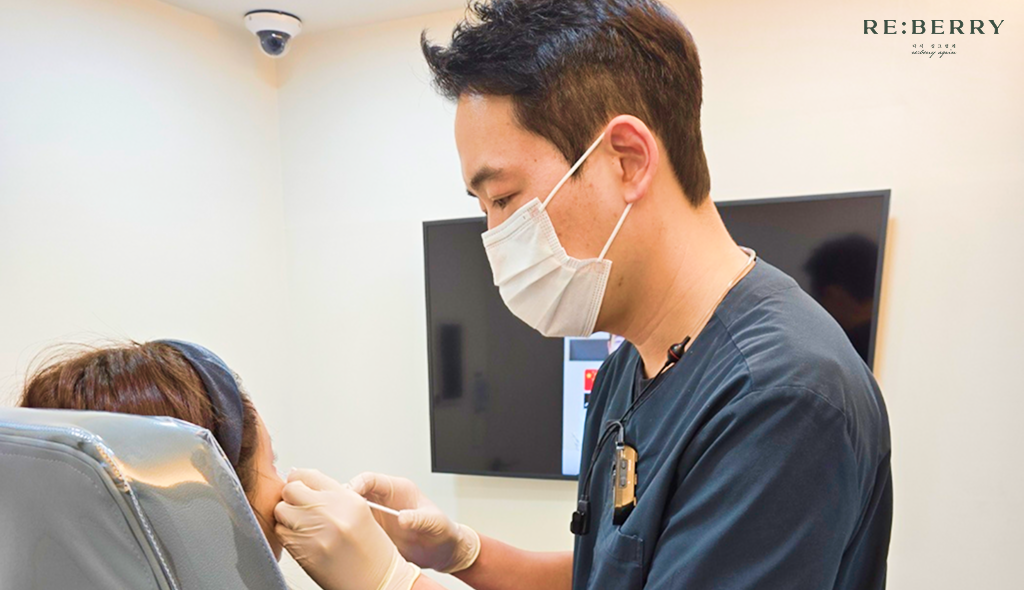
In your 50s, Botox can be highly effective in addressing visible signs of aging, such as fine lines, wrinkles, and sagging skin. However, achieving optimal results and ensuring safety requires the right technique, careful planning, and a personalized approach tailored to your unique facial structure and aging patterns.
At Reberry Clinic, we use FDA-approved Botox products to provide treatments that are both safe and effective. Our aesthetic medicine specialists thoroughly evaluate your facial features and specific concerns to design a customized plan, ensuring precise and balanced results. This approach helps soften lines, restore a refreshed appearance, and maintain a natural look, all while prioritizing your comfort and long-term skin health.