



Gangnam
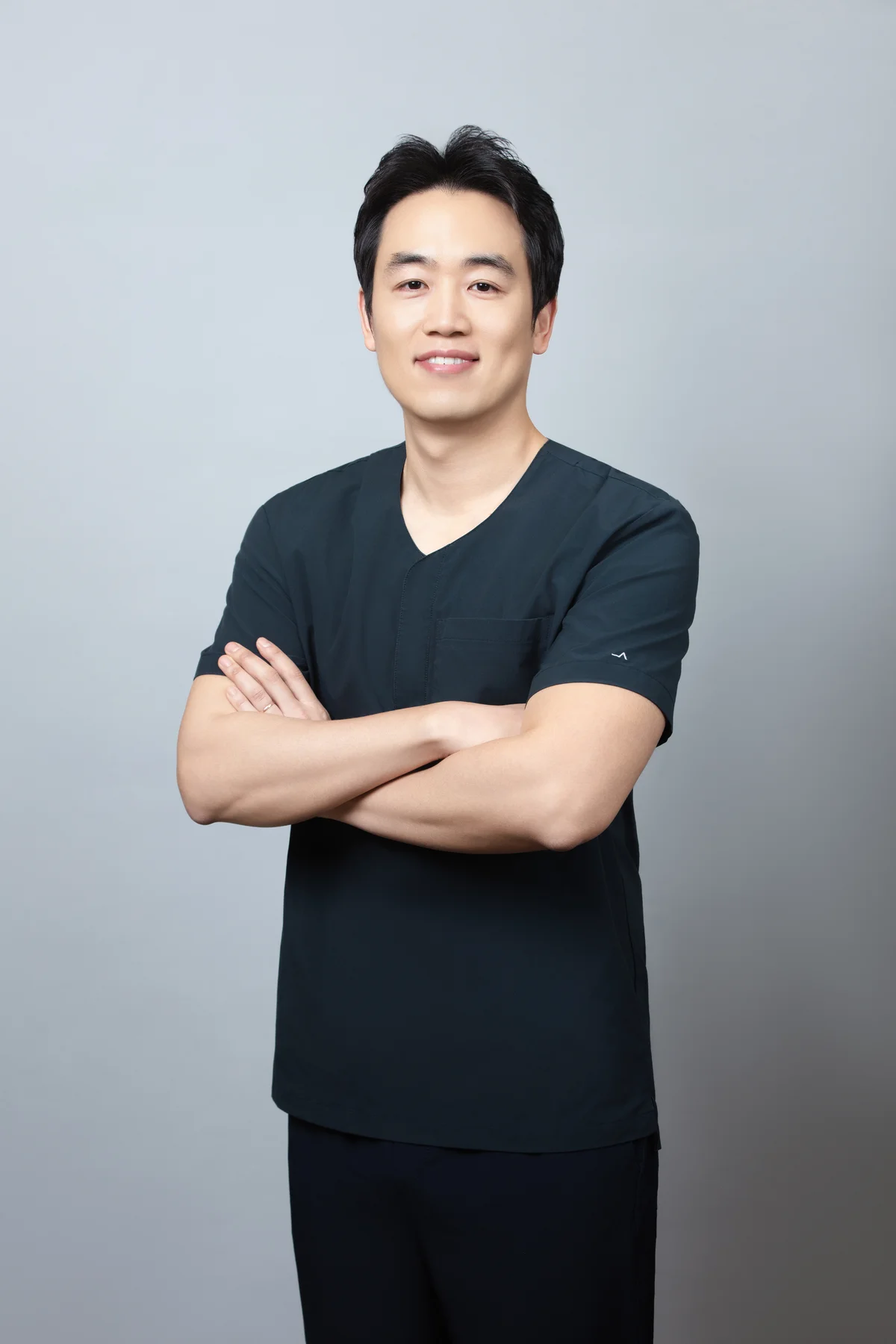
Dr. Yoon-Gon Ryu
Aesthetic Medicine Specialist
Flagship clinic · KOL for leading lifting & regenerative devices · Featured in Authority Magazine (2026)

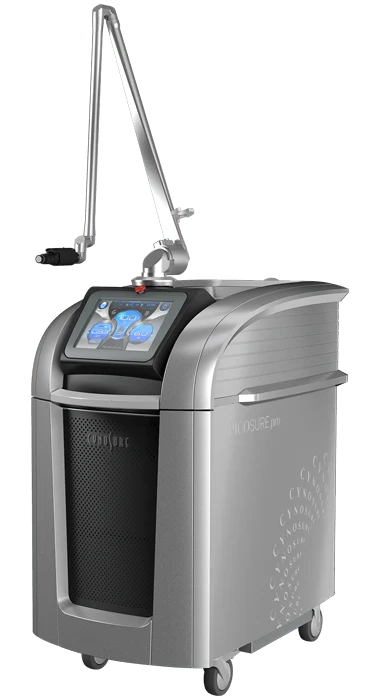
Pigment is not one condition: sun spots, post-inflammatory marks, and melasma each respond differently, so most plans layer laser toning or IPL with topicals across 4 to 6 sessions.
Hyperpigmentation treatment in Seoul, Korea usually combines laser toning or IPL with topical brighteners, matched to your specific pigment type. Sun spots and freckles often clear faster than melasma, which is managed rather than cured because it recurs. At Reberry Clinic, the clinic’s doctors assess your pigment depth first, then build a staged plan in English.
One-on-One guidance from a dedicated doctor, ensuring your skin is professionally monitored and treated from start to finish.
Fluent assistance in English, Japanese, and Chinese, making communication clear, respectful and comfortable for international patients.
Over 100,000 patients worldwide have received our personalized dermatological care, highlighting our expertise and reliable results.
Hyperpigmentation is any patch of skin that turns darker than the surrounding area because melanocytes have produced excess melanin. In Seoul clinics the most common forms are sun-induced spots and freckles, post-inflammatory hyperpigmentation left behind by acne or injury, and melasma, a hormone- and light-driven pattern that sits on the cheeks, forehead, and upper lip. Because these look similar but behave very differently, accurate diagnosis is the first and most important step.
Treatment is rarely a single procedure. Superficial sun spots and freckles respond well to laser toning with a low-fluence 1064-nm Q-switched Nd:YAG laser or to intense pulsed light (IPL), which target and break up pigment so the body can clear it. Deeper or hormonally driven pigment such as melasma is approached more cautiously, usually with gentle laser toning at conservative settings combined with prescription topical brighteners, because aggressive energy can make melasma rebound.
At Reberry Clinic, hyperpigmentation care is consultation-led. The clinic’s doctors grade your pigment type and depth, then design a staged plan and explain it in English. International patients are supported in Seoul, Korea across our operating locations, so treatment can be planned around your travel schedule.
Laser toning uses a low-fluence 1064-nm Q-switched Nd:YAG laser that delivers energy in extremely short pulses. This selectively heats and shatters melanin particles into fragments small enough for the immune system to carry away, while the low fluence keeps surrounding skin calm, which is why a series of gentle passes is preferred over one aggressive treatment. IPL, or intense pulsed light, is not a laser but a broadband light source; it is filtered to target the brown of pigment and the red of vessels, making it effective for scattered sun spots, freckles, and background redness in one pass. Neither device removes pigment instantly. Fragmented melanin surfaces and flakes away over one to two weeks, and multiple sessions are needed because each pass clears only part of the pigment load. Melasma is the exception: because its pigment is unstable and light-sensitive, doctors use conservative laser-toning settings and pair them with topical agents rather than pushing energy, since the goal is long-term control, not a quick, high-intensity clearance that can trigger rebound.
One Reberry Clinic, multiple Seoul-area locations. Pricing & current promotions are listed on each branch's own site — tap a clinic to view pricing & book.
Our flagship in the heart of Gangnam.
In Seoul's shopping & tourism heart.
A beauty stop between flights.
The newest Reberry Clinic — in Seoul's trend district.
ONE REBERRY CLINIC · MFDS-REGISTERED DEVICES · MULTILINGUAL CARE AT EVERY LOCATION
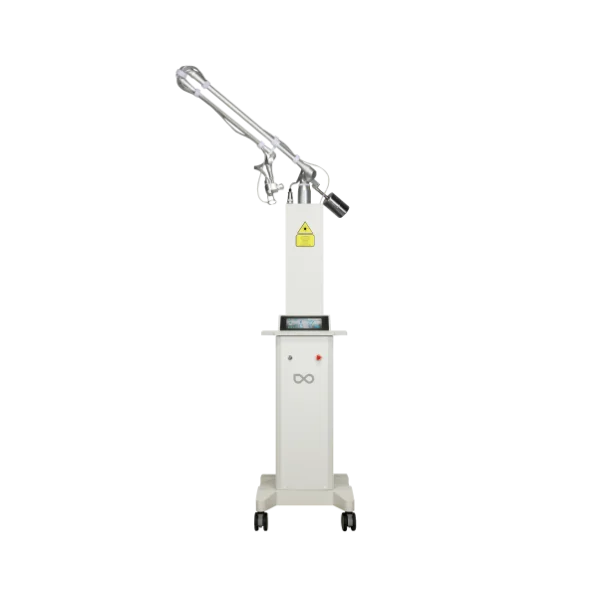
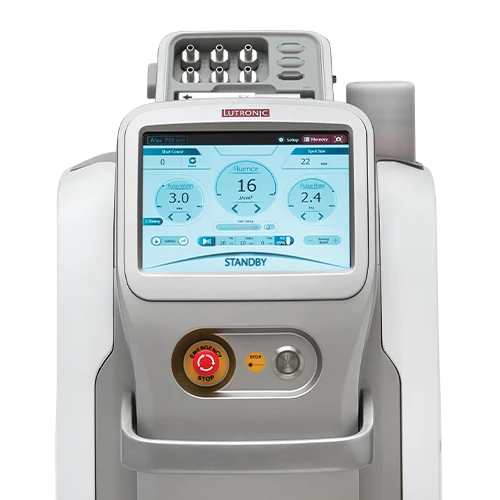
The clinic’s doctors distinguish among the 3 main types (sun spots, post-inflammatory marks, melasma), which determines device, settings, and how many sessions you need.
Superficial spots may suit IPL or 1 laser-toning approach; melasma-prone skin is treated with low-fluence toning to avoid rebound.
Laser toning is usually repeated across 4 to 6 sessions spaced 1 to 2 weeks apart, so pigment clears gradually rather than in a single aggressive pass.
Prescription brighteners and daily SPF 50 sunscreen support the in-clinic sessions, which is essential because melasma recurs without maintenance.
Your doctor reviews progress every few sessions and adjusts the plan, since roughly half of melasma cases need occasional maintenance to stay controlled.
Reberry Clinic · Prices verified: Oct 2026
| Clinic | Price (KRW) |
|---|---|
| GangnamPigment Laser (Toning + Custom Laser) | from₩300,000 |
| MyeongdongOne-Day Revlite Toning 1 Session | from₩200,000 |
| Incheon AirportPigment Laser Toning (Revlite, Trial) | from₩99,000 |
VAT excluded · Treatment packages differ by clinic — see each clinic page for its full menu · Confirmed after consultation
See representative outcomes from Reberry Clinic. Results build gradually and vary by individual; your plan is assessed at consultation.
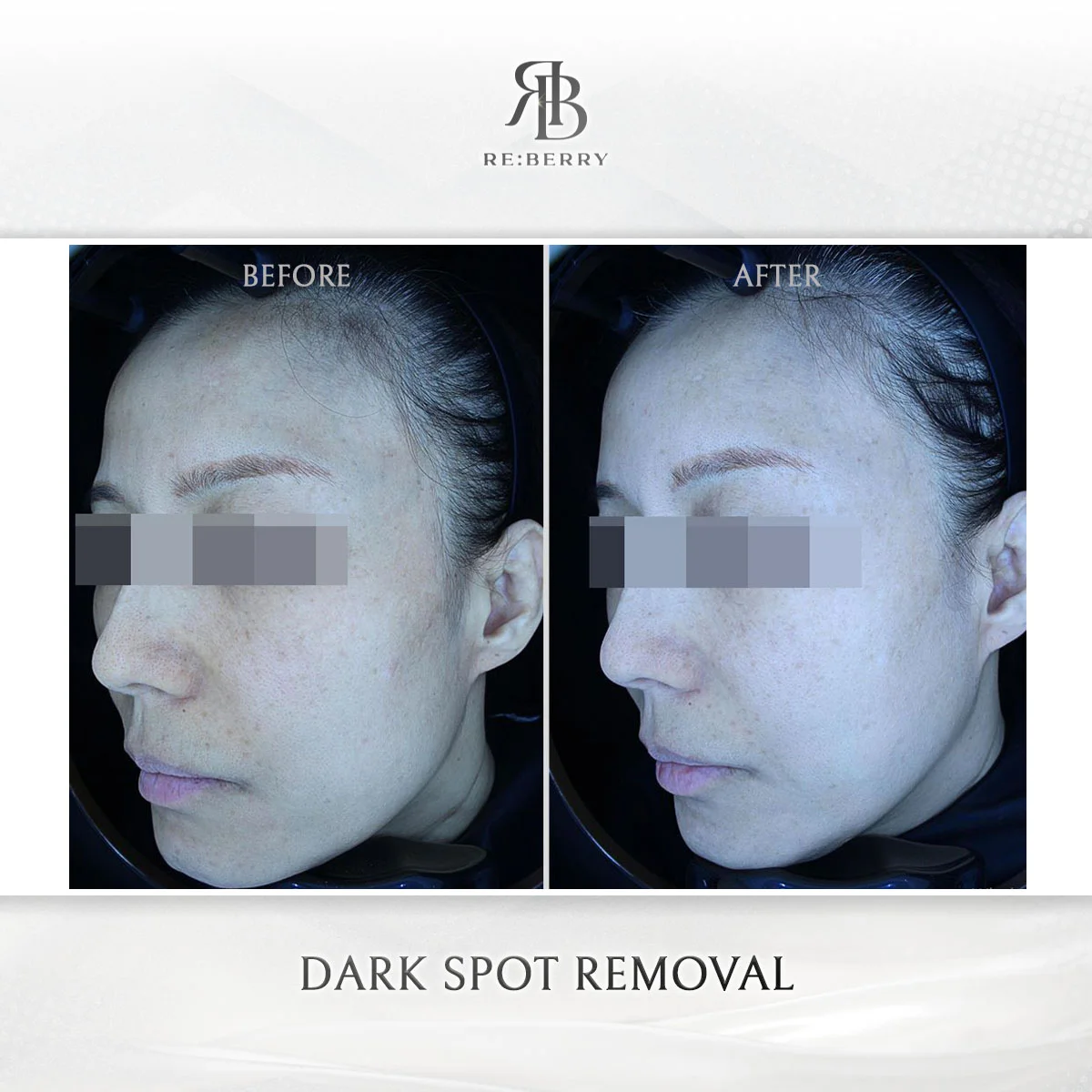
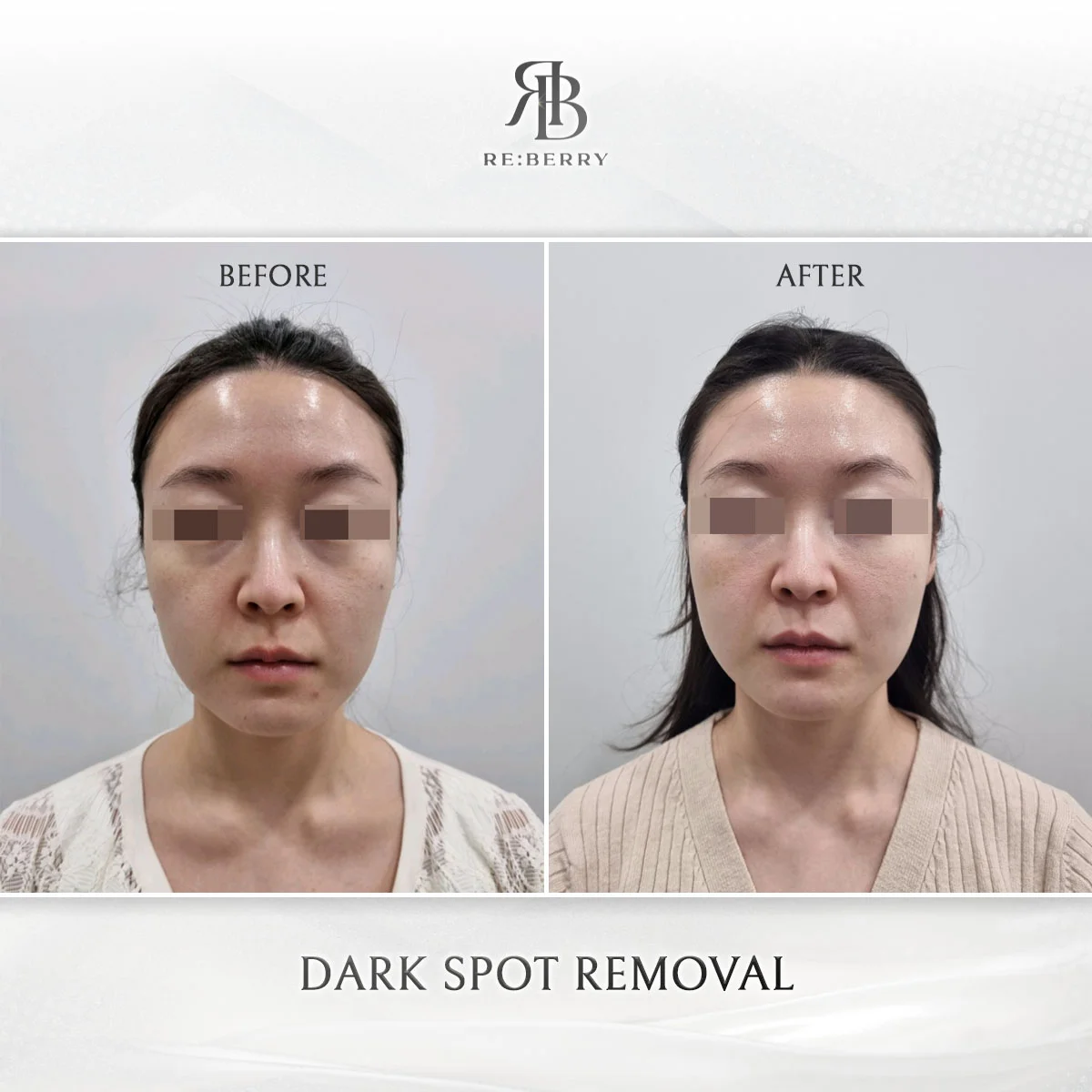
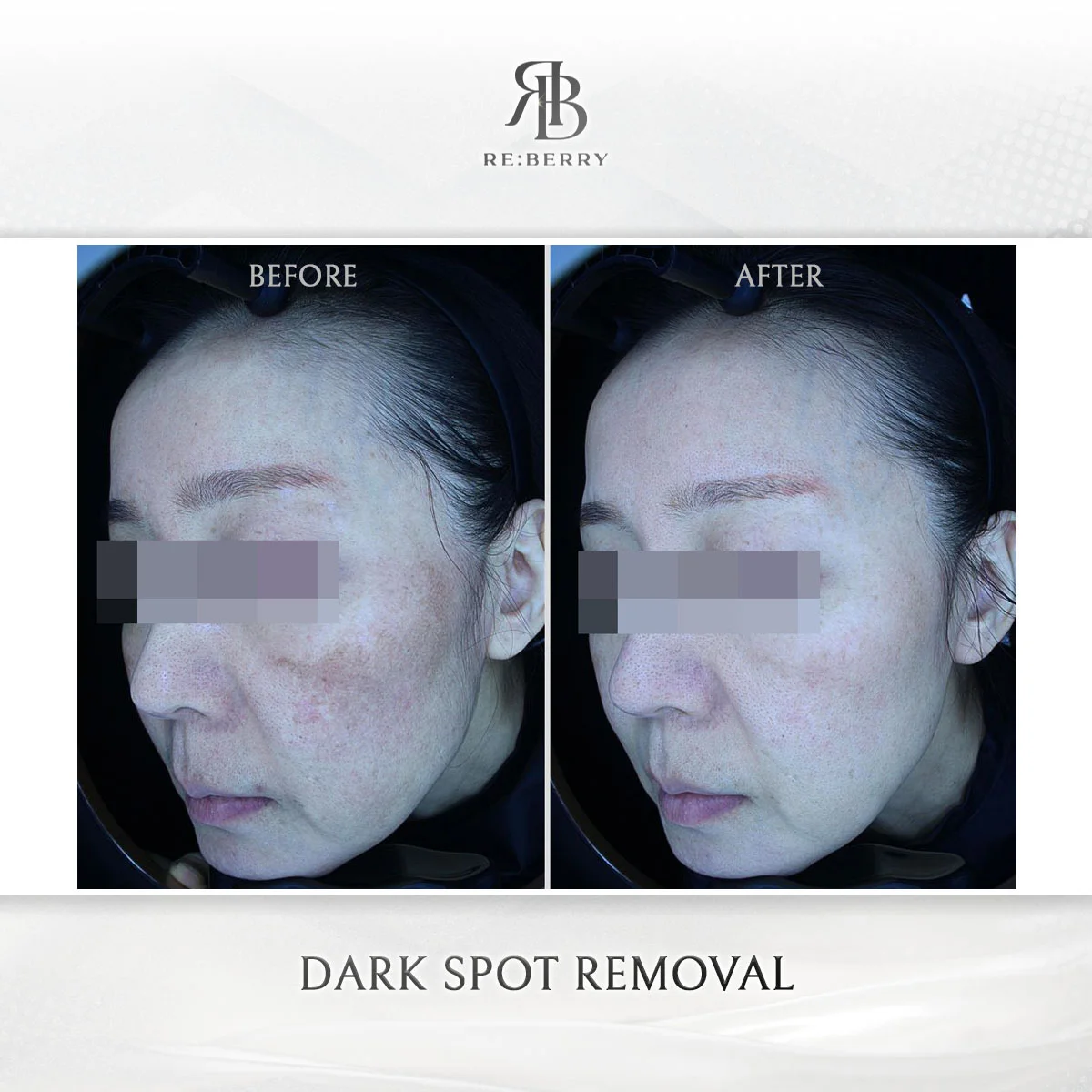
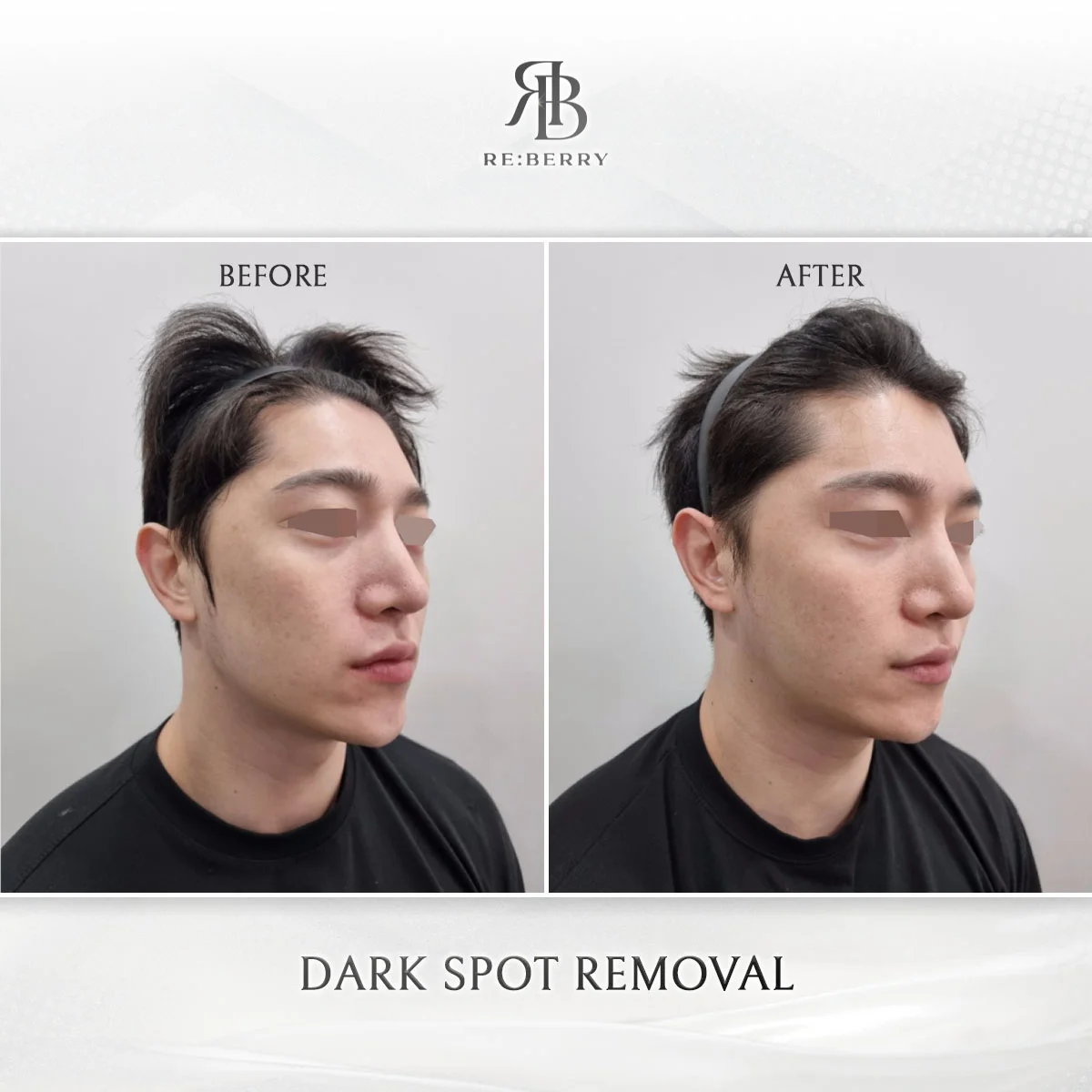
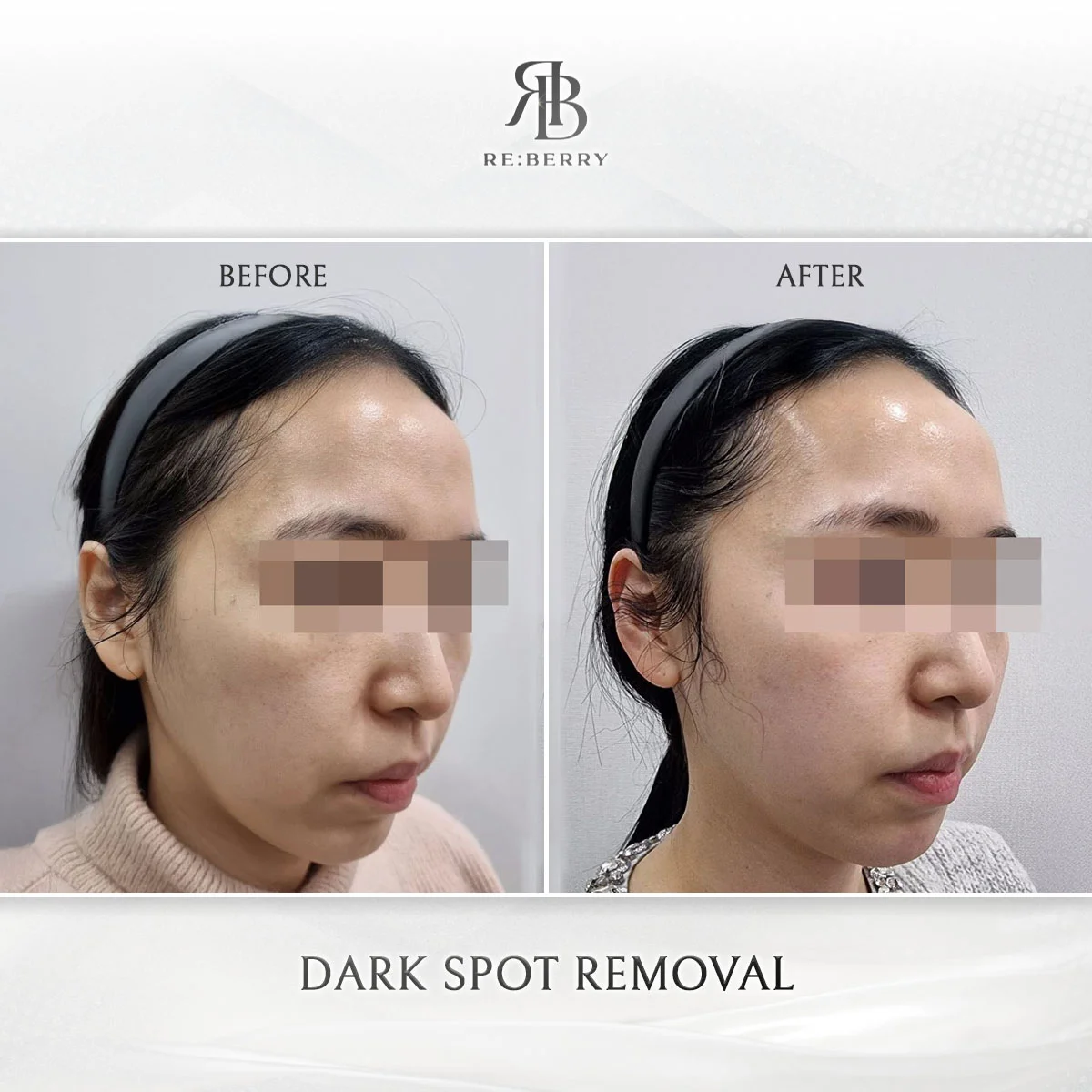
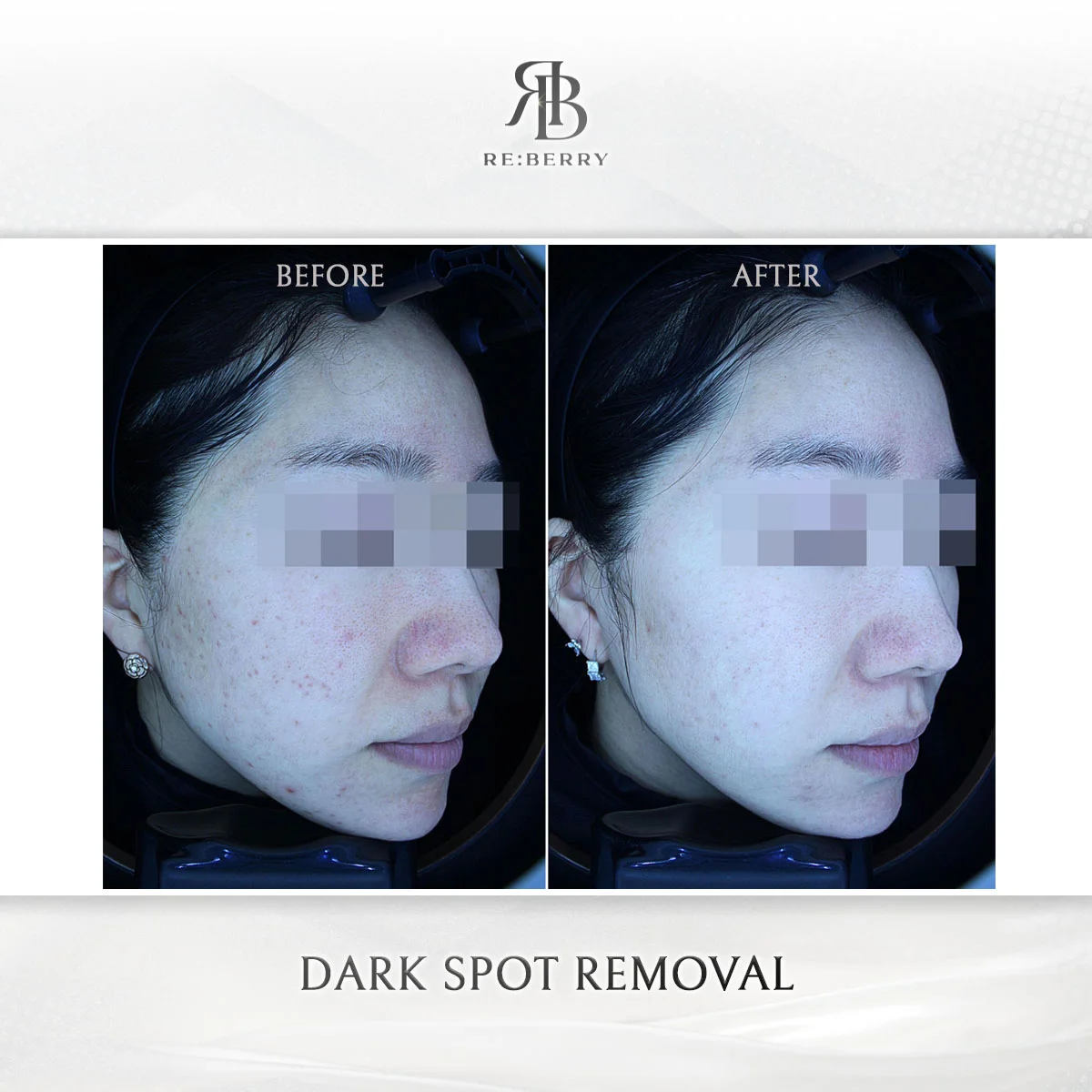
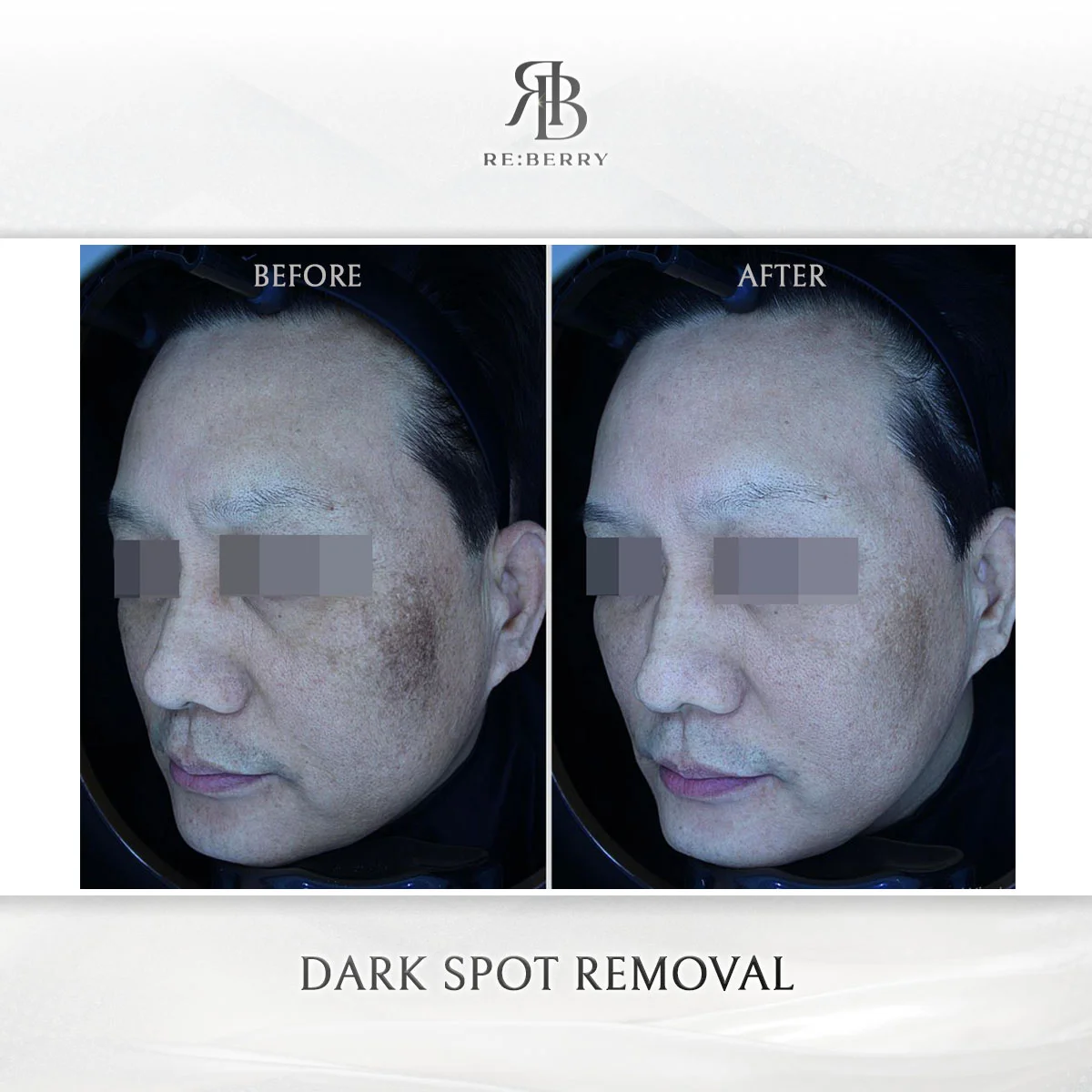
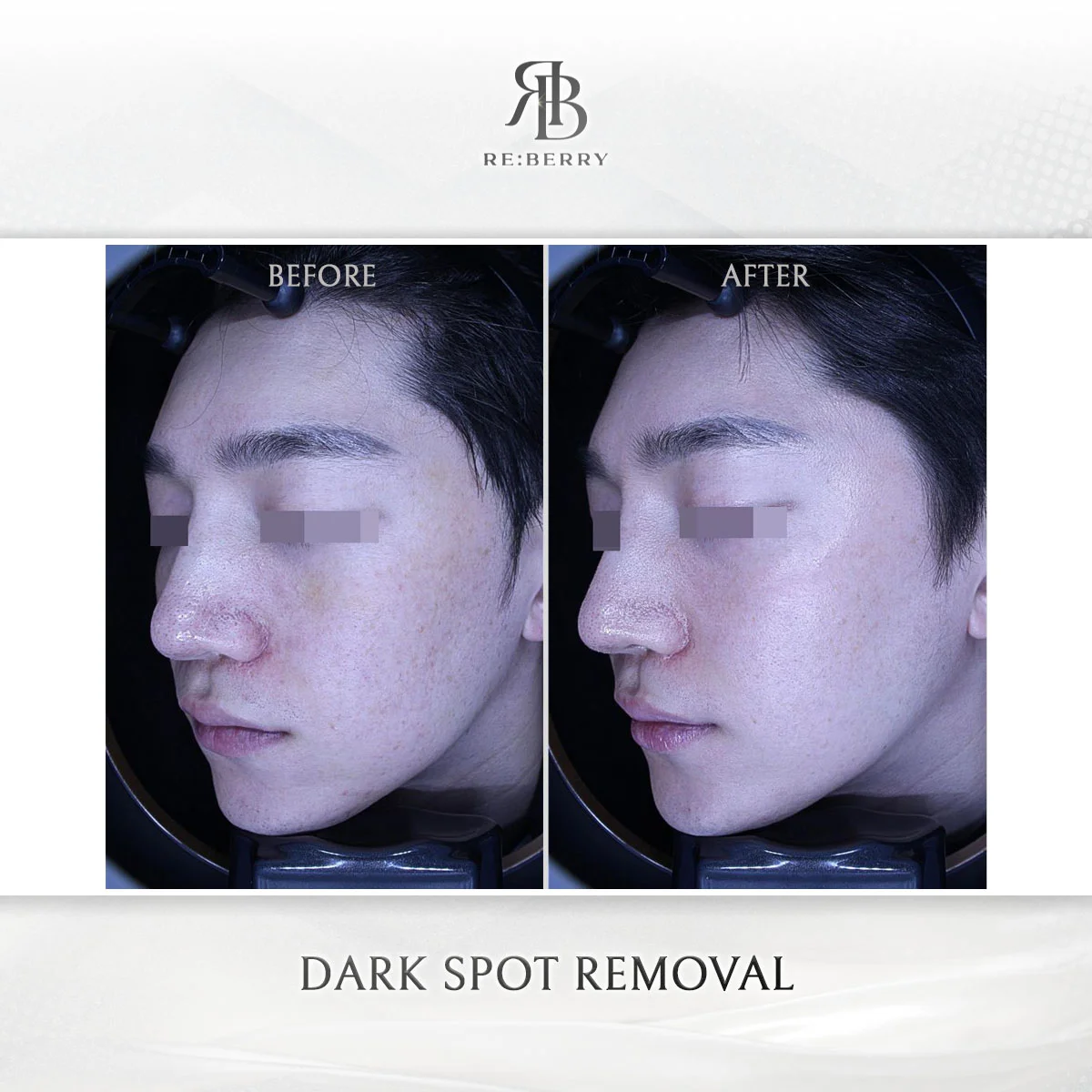
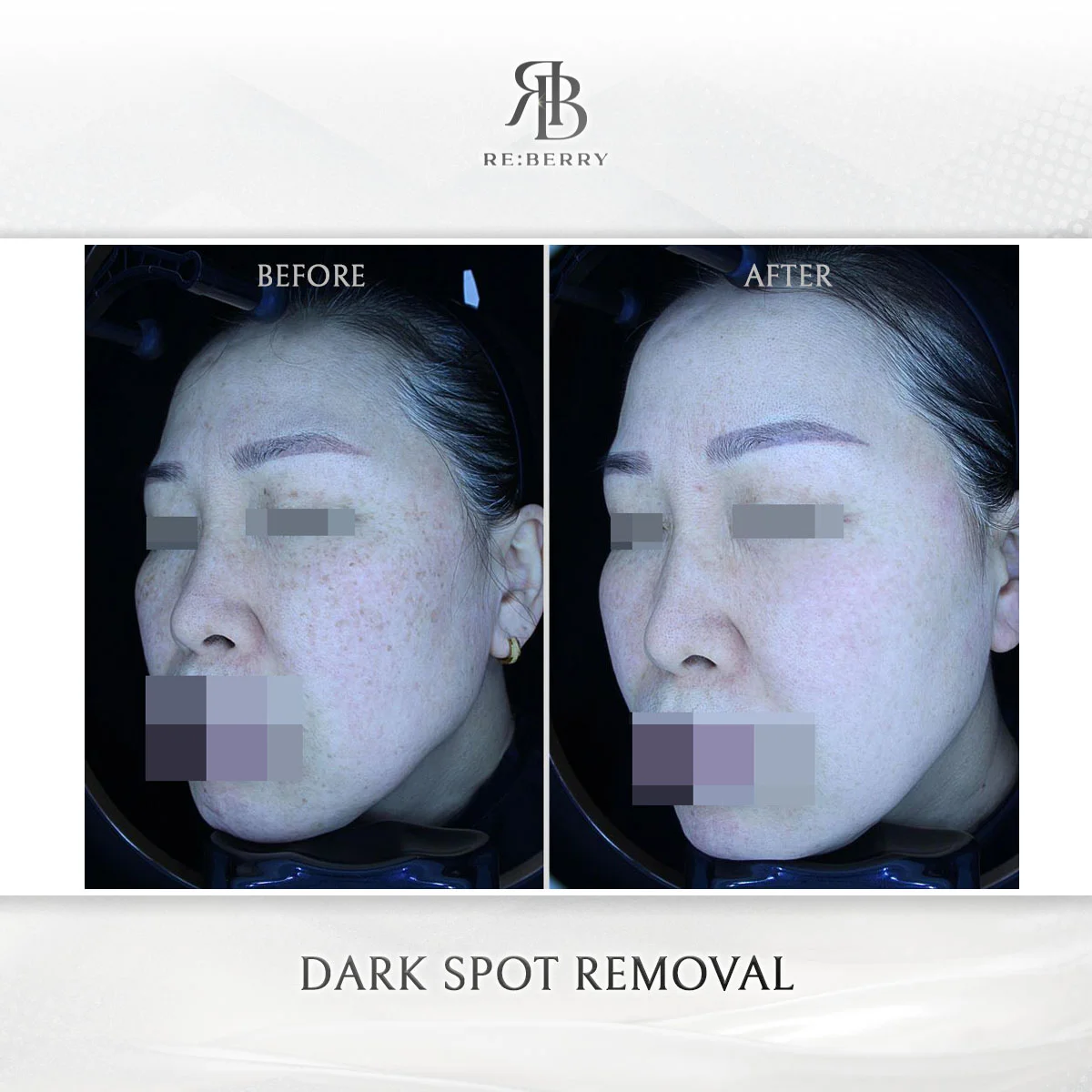
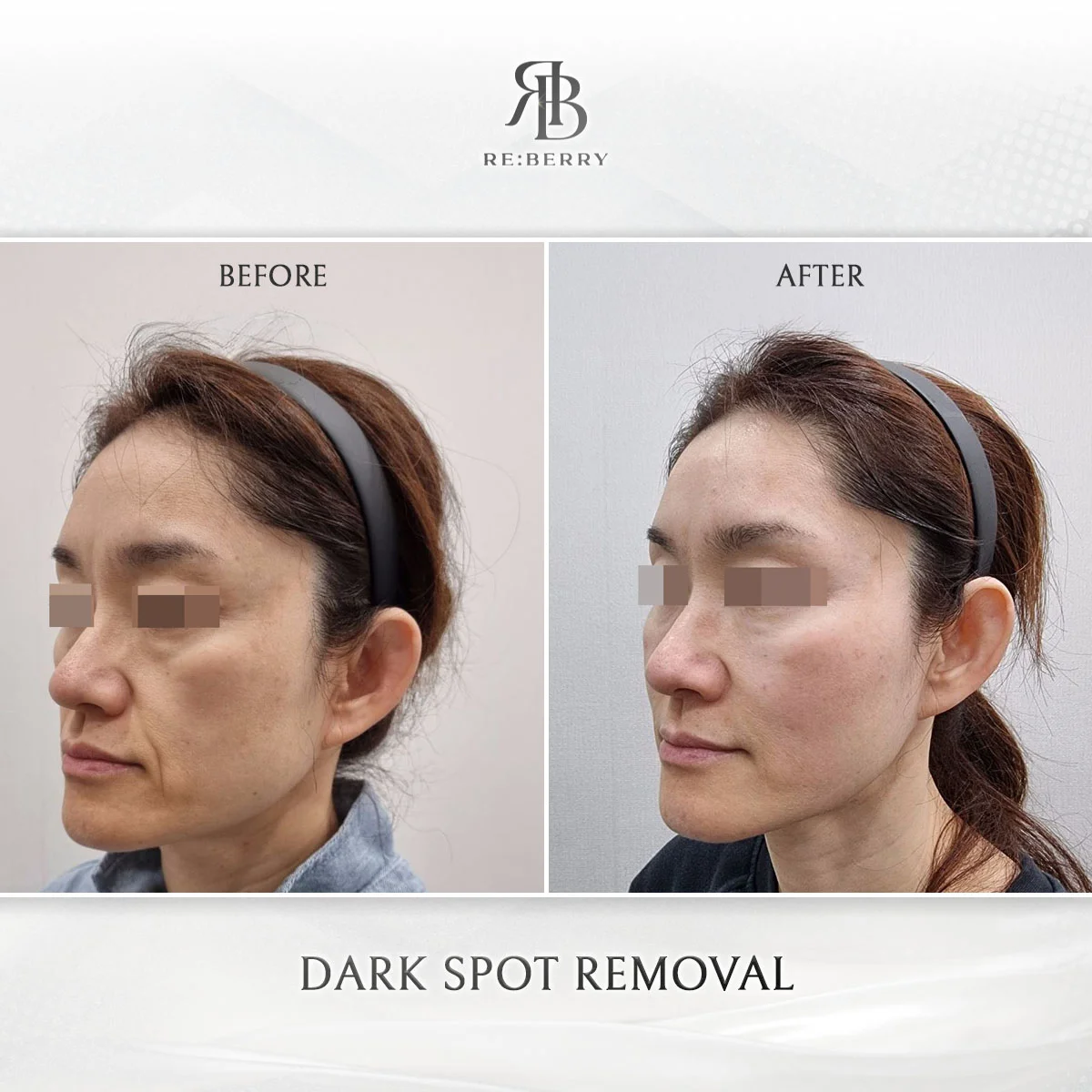
The clinic’s doctors examine your pigment under good lighting, identify the type and depth, and explain your plan and expected sessions in English.
A typical laser-toning or IPL session takes about 15 to 30 minutes, often with numbing cream applied 20 minutes beforehand for comfort.
Pigment plans run as a course of 4 to 6 or more sessions spaced 1 to 2 weeks apart, not a single visit.
Sun spots may lift within a few weeks, while melasma improves more gradually across the series as pigment is cleared conservatively.
Because melasma recurs, daily SPF 50 sunscreen and periodic maintenance sessions keep results stable over the long term.
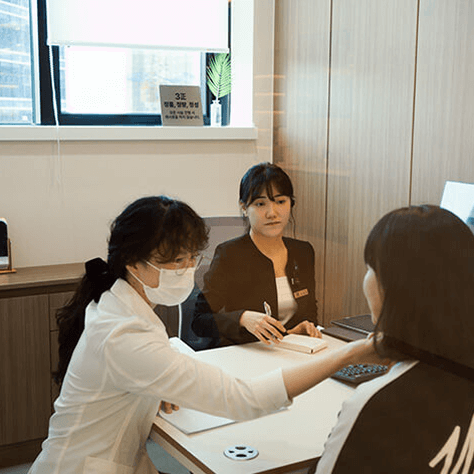
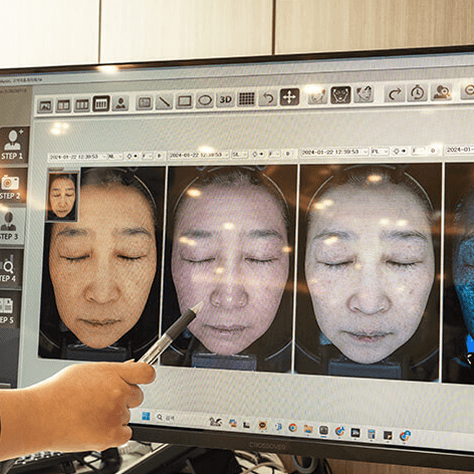

There is no single answer; the right choice depends on your pigment type. Sun spots and freckles often respond to IPL or laser toning, while melasma is managed conservatively with low-fluence toning plus topicals. A consultation identifies your type first, which you can start via our dark spot removal page.
Melasma is treated cautiously with low-fluence laser toning and topical brighteners because aggressive energy can make it rebound. Sun spots and freckles are more superficial, so they tolerate stronger IPL or toning and often clear faster. Your doctor grades pigment depth at consultation to choose the safest approach for each type.
Most pigment plans run across 4 to 6 or more laser-toning sessions spaced 1 to 2 weeks apart, since each pass clears only part of the melanin. Melasma often needs more sessions plus maintenance. Your doctor sets the exact number after grading your pigment type, depth, and how your skin responds.
Laser toning causes only mild warmth and is generally well tolerated, and numbing cream is available if you prefer. IPL feels like a brief snapping sensation. Most patients describe both as comfortable, and sessions are short. You can explore related energy-based options on our laser treatment page.
Laser toning usually has little to no downtime, so many patients return to normal activity the same day. After IPL, sun spots may temporarily darken and then flake off over several days, which is expected. Redness settles quickly, and daily sunscreen protects the treated skin while it heals.
Sun spots often visibly lighten within a few weeks, while melasma improves more gradually across the full series because it is treated conservatively. Because pigment clears in stages, results build session by session rather than after a single visit, and your doctor reviews progress to adjust the plan as needed.
Sun spots and freckles can often be cleared durably, but melasma is chronic and prone to return, so it is managed and controlled rather than fixed in one course. Daily SPF 50 sunscreen and occasional maintenance sessions keep pigment stable. Your doctor explains realistic expectations for your specific pigment type at consultation.
Melasma is driven by sunlight, heat, and hormones, so it recurs when triggers return, even after good clearance. Roughly half of cases need ongoing maintenance. Consistent SPF 50 sunscreen, avoiding heat, and periodic low-fluence toning help keep it controlled long term, which your doctor builds into your plan.
Yes, prescription brighteners and daily sunscreen work alongside laser toning and IPL to slow new pigment forming and stabilise results, especially for melasma. Topicals are often the difference between temporary and lasting improvement. Your doctor tailors a supportive skin care routine to complement your sessions.
Laser toning suits melasma-prone and diffuse pigment at low fluence, IPL suits scattered sun spots and redness in one broadband pass, and creams support both while slowing new pigment. Many plans combine them. Your doctor matches the mix to your pigment type rather than relying on any single method.
Yes, when settings are matched to your skin tone, low-fluence toning is widely used in Korea for Asian and darker skin because it lowers the risk of post-inflammatory pigment. Conservative energy is key. Your doctor selects device and fluence carefully to treat pigment while protecting surrounding skin from new marks.
Most adults with sun spots, freckles, post-acne marks, or melasma are suitable, though the approach differs by type. A consultation confirms your pigment grade and whether toning, IPL, or a combined plan fits best. Unstable or rapidly changing pigmented lesions are assessed separately first to rule out other causes before any treatment.
Daily SPF 50 sunscreen, gentle non-irritating skincare, and avoiding picking or heat are essential, especially for melasma. Sun exposure is the fastest way to undo progress. A tailored skin care routine supports the treated skin between sessions and is discussed transparently as part of your plan.
Yes, laser toning and IPL are often paired with hydrating or brightening facials to support the skin barrier between sessions. Combining sensibly can improve comfort and results. A gentle hydrafacial is one supportive option, and your doctor sequences treatments so the skin is not over-stressed.
For a first session, 2 to 3 days is comfortable, allowing a consultation, the procedure, and a short review. Because pigment plans run as a course, many international patients begin in Seoul and continue on return visits. Our English-speaking team helps coordinate timing around your travel schedule.
Yes, flying within a day or so is generally fine after laser toning or IPL, which are non-invasive. Cabin air is drying, so moisturise and keep treated skin protected from sun. If sun spots are flaking after IPL, let them shed naturally and avoid picking while you travel.
International patients can complete a pigment course across one or more visits, and the clinic offers remote check-ins in English between trips so the plan stays on track. You can continue supportive skin care at home. Your treatment notes are kept on file for continuity across sessions.
| Laser Toning (QS Nd:YAG) | IPL | Topical-Only Regimen | |
|---|---|---|---|
| Mechanism | Low-fluence 1064-nm laser shatters melanin | Broadband light targets brown and red | Brighteners slow melanin production over time |
| Best for | Melasma-prone skin and diffuse pigment | Scattered sun spots, freckles, redness | Mild pigment or maintenance between sessions |
| Pain / comfort | Mild warmth, generally well tolerated | Brief snapping sensation, tolerable | Painless but slow |
| Downtime | Little to none | Spots may darken then flake over days | None |
| Results timeline | Builds across a series of sessions | Sun spots often improve within weeks | Gradual over months |
| Cost context | Depends on session count and area | Depends on area and passes | Lowest in-clinic cost, ongoing product use |
Real verified reviews from our Google Business Profile, across all Reberry Clinic locations.
PULLED LIVE FROM GOOGLE · GANGNAM · MYEONGDONG · INCHEON AIRPORT
Your treatment is planned and performed by experienced, MFDS-registered doctors across our Seoul-area clinics, with multilingual support for international patients.
Flagship clinic · KOL for leading lifting & regenerative devices · Featured in Authority Magazine (2026)
Multilingual tourist care beside Myeongdong Cathedral
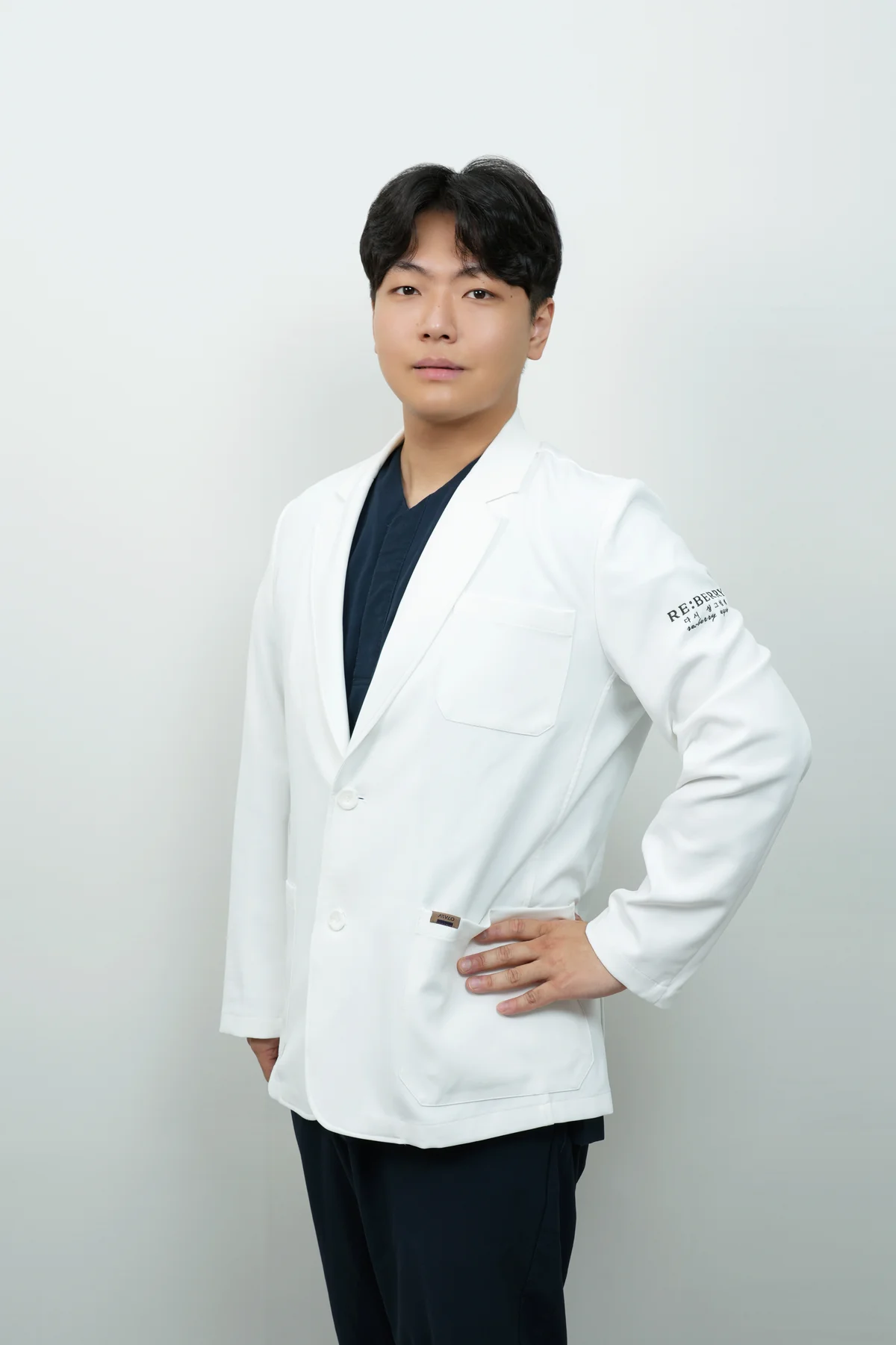
Fast, effective care 20 minutes from the terminals
Message us on WhatsApp for a free consultation in English about your hyperpigmentation and a staged, individualised treatment plan.