



Gangnam
Dr. Yoon-Gon Ryu
Aesthetic Medicine Specialist
Flagship clinic · KOL for leading lifting & regenerative devices · Featured in Authority Magazine (2026)


The cost of reaching a Seoul clinic depends on which of 3 routes you take, with the AREX train the lowest and taxis the highest, plus a near-airport option with no transit cost.
Incheon Airport to Seoul clinic access cost depends on your route: the AREX express train is the lowest-cost option, airport limousine buses are moderate, and taxis are the highest for door-to-door convenience. Fares change over time, so check official sources for exact figures, or skip transit cost entirely by treating near the airport in Yeongjongdo.
One-on-One guidance from a dedicated doctor, ensuring your skin is professionally monitored and treated from start to finish.
Fluent assistance in English, Japanese, and Chinese, making communication clear, respectful and comfortable for international patients.
Over 100,000 patients worldwide have received our personalized dermatological care, highlighting our expertise and reliable results.
The cost of Incheon Airport to Seoul clinic access is shaped mainly by which route you choose and how many people are travelling. The AREX (Airport Railroad Express) is the lowest per-person option, with a flat express fare to Seoul Station and an even cheaper commuter service. Airport limousine buses sit in the middle, charging a set fare per rider to specific districts. A private taxi is the highest-cost route, billed by distance and time, though it can be reasonable when 3 or 4 people share one car.
Because published fares change with policy and fuel costs, no single number stays accurate for long, so we describe cost qualitatively and point you to official airport transport information for exact figures. What matters for planning is the ranking: train cheapest, bus moderate, taxi highest for door-to-door ease. Time also has a hidden cost; a delayed bus or taxi in heavy traffic can mean a missed appointment, which the fixed-schedule AREX helps you avoid.
There is one way to remove transit cost from the equation entirely: treating near the airport. Our Incheon Airport (Yeongjongdo) location, led by Dr. Sunbeen Kim, Medical Director, serves airport-transit and near-airport patients, so a consultation or suitable skin treatment can happen before you spend anything on the journey into Seoul.
Understanding transit cost means weighing 3 routes against your itinerary. The AREX express is the cheapest fixed option for reaching Seoul Station in about 43 minutes, and the all-stop commuter train is cheaper still, though it takes closer to 60 minutes; both are billed per person, so cost does not fall when you travel in a group. Airport limousine buses charge a moderate set fare per rider to districts like Gangnam and Myeongdong, taking 60 to 90 minutes depending on traffic. Taxis bill by distance and time, making them the highest-cost route for 1 traveller but potentially competitive when 3 or 4 share the fare door-to-door in 60 to 75 minutes off-peak. Beyond the ticket price, factor in the cost of your time and the risk of delay: a traffic-bound bus can jeopardise an appointment, whereas rail timing is fixed. For patients whose schedule is tight or whose appointment window is narrow, the most economical decision is sometimes to avoid the trip altogether and use our near-airport location, where there is no transit fare at all and you pay only for the care you receive.
One Reberry Clinic, multiple Seoul-area locations. Pricing & current promotions are listed on each branch's own site — tap a clinic to view pricing & book.
Our flagship in the heart of Gangnam.
In Seoul's shopping & tourism heart.
A beauty stop between flights.
The newest Reberry Clinic — in Seoul's trend district.
ONE REBERRY CLINIC · MFDS-REGISTERED DEVICES · MULTILINGUAL CARE AT EVERY LOCATION

Start from the known order: AREX train lowest cost, limousine bus moderate, and taxi highest for door-to-door convenience.
For 1 or 2 people the train is usually cheapest, but for 3 or 4 sharing a taxi the per-person cost can be competitive.
Factor in the district; Gangnam sits about 30 to 40 minutes past Seoul Station, adding a transfer cost that Myeongdong at 10 to 15 minutes avoids.
Give road routes a 30-minute buffer at peak times, since a missed appointment is a real cost the fixed-schedule train helps avoid.
Weigh all of the above against our near-airport location, where 0 transit fare applies and you pay only for the treatment.
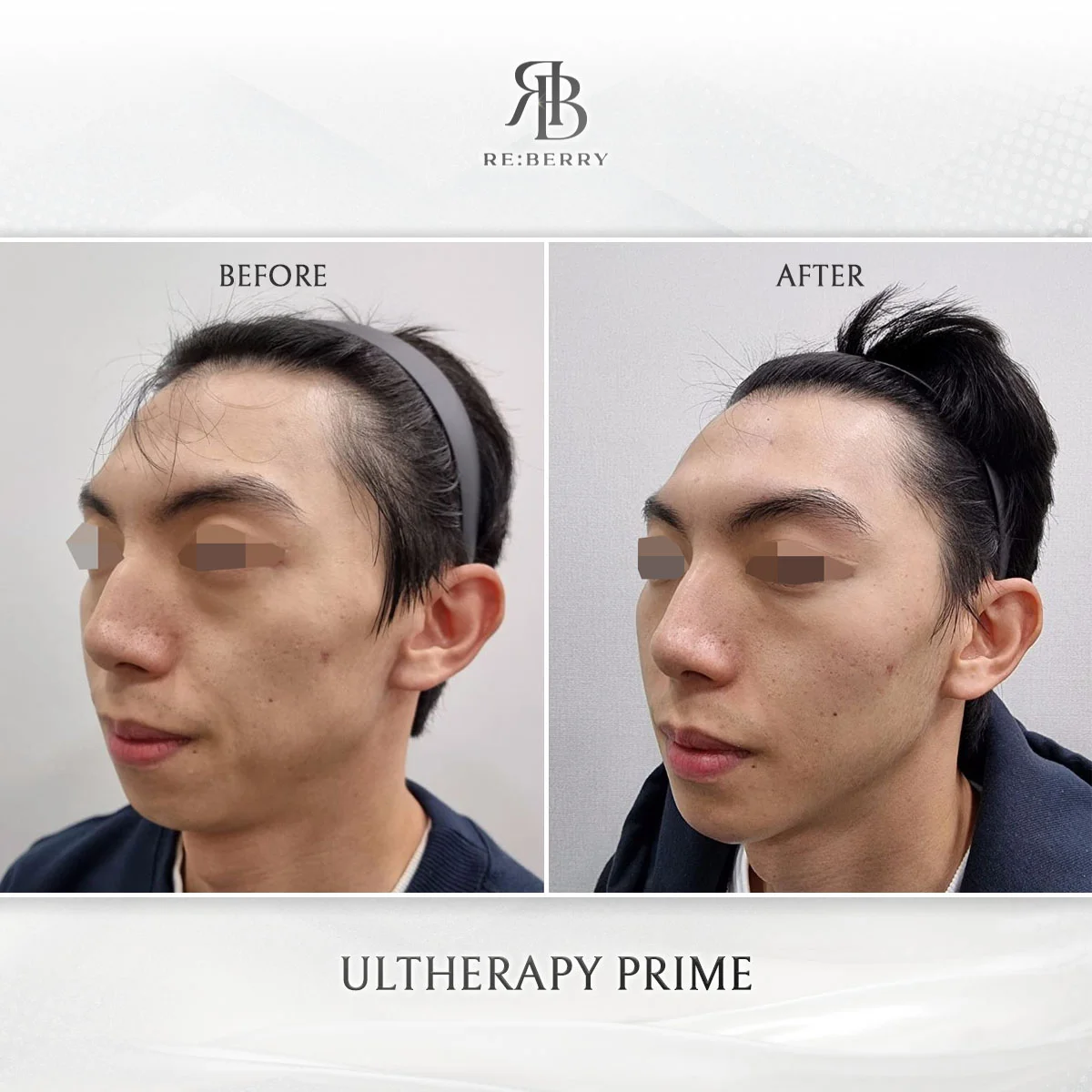
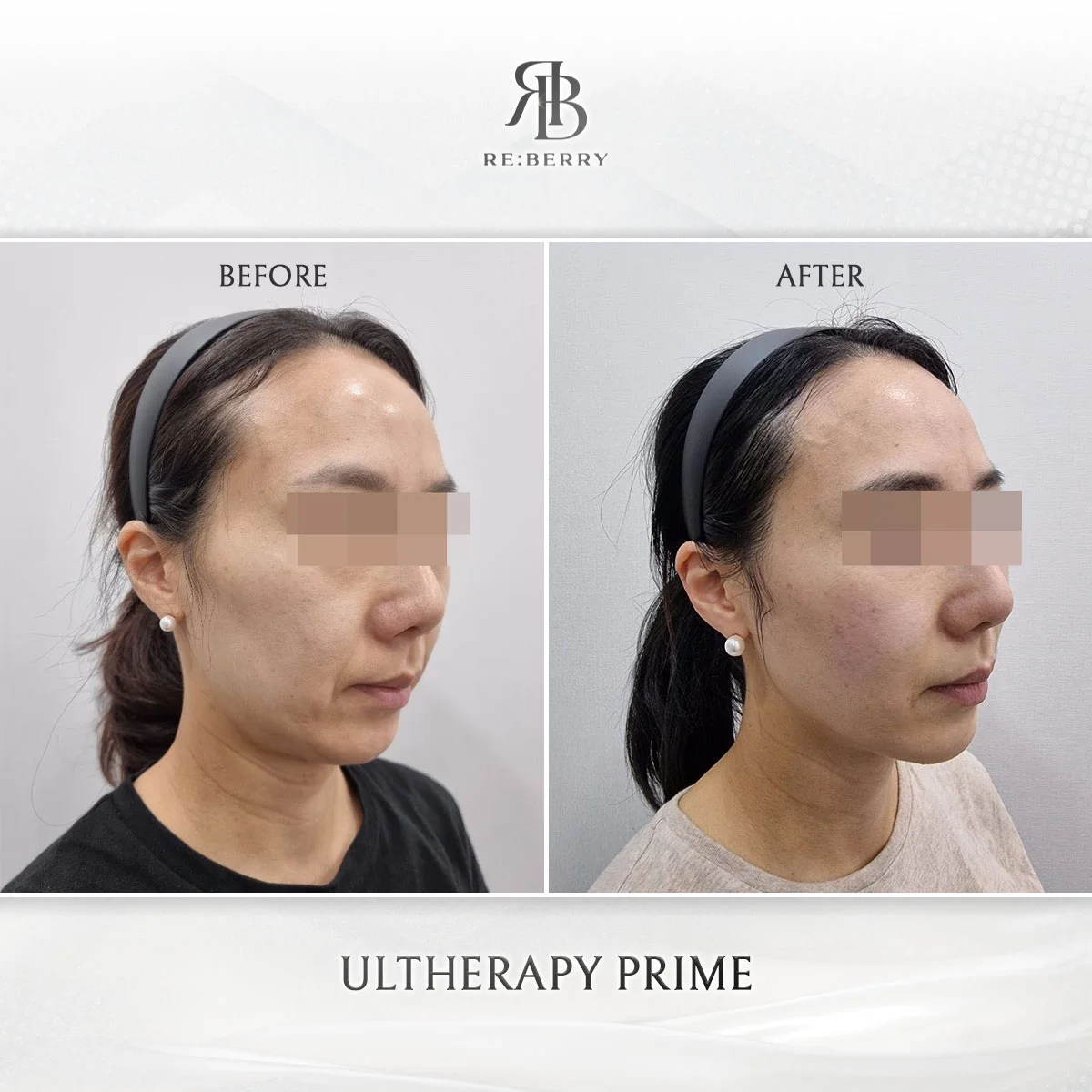
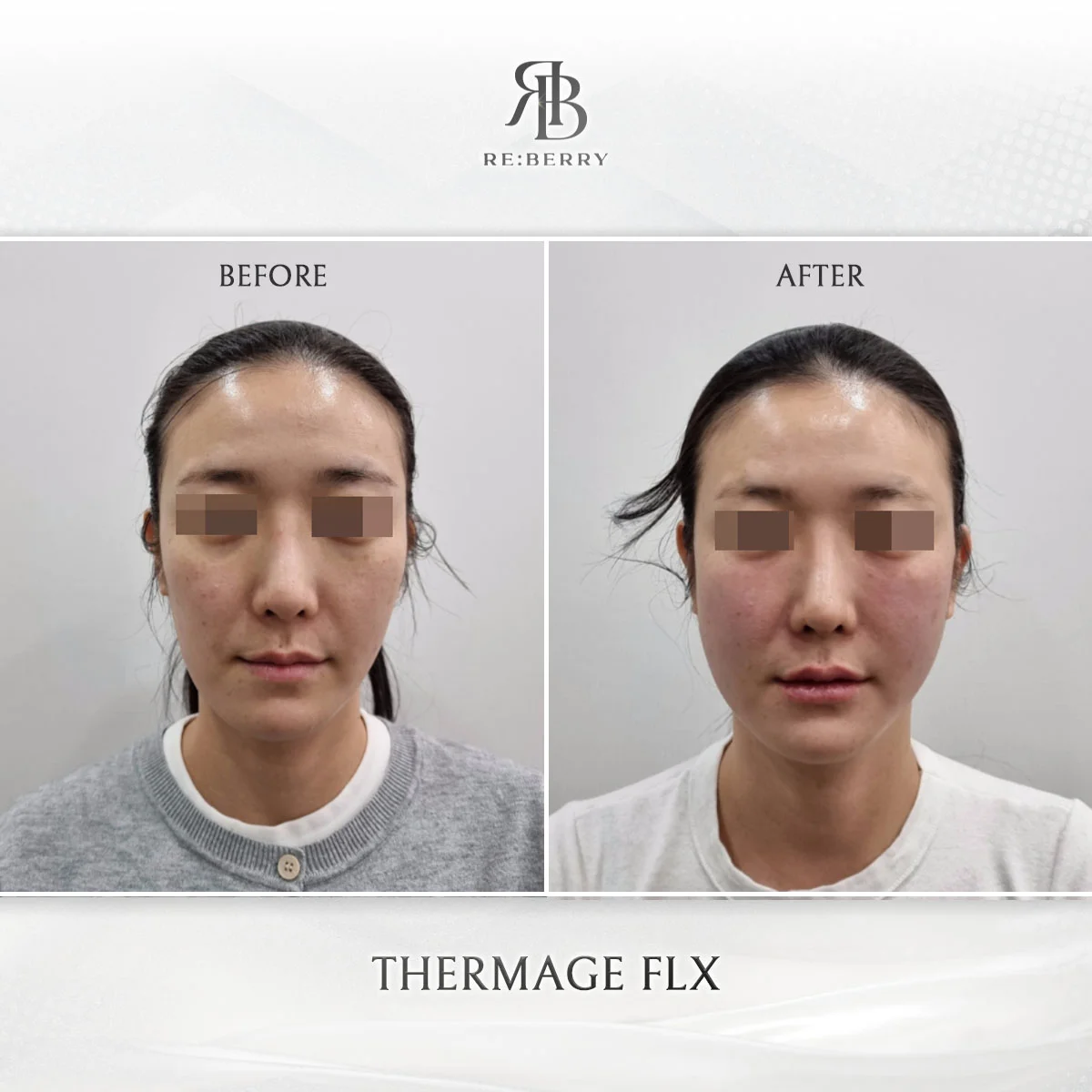
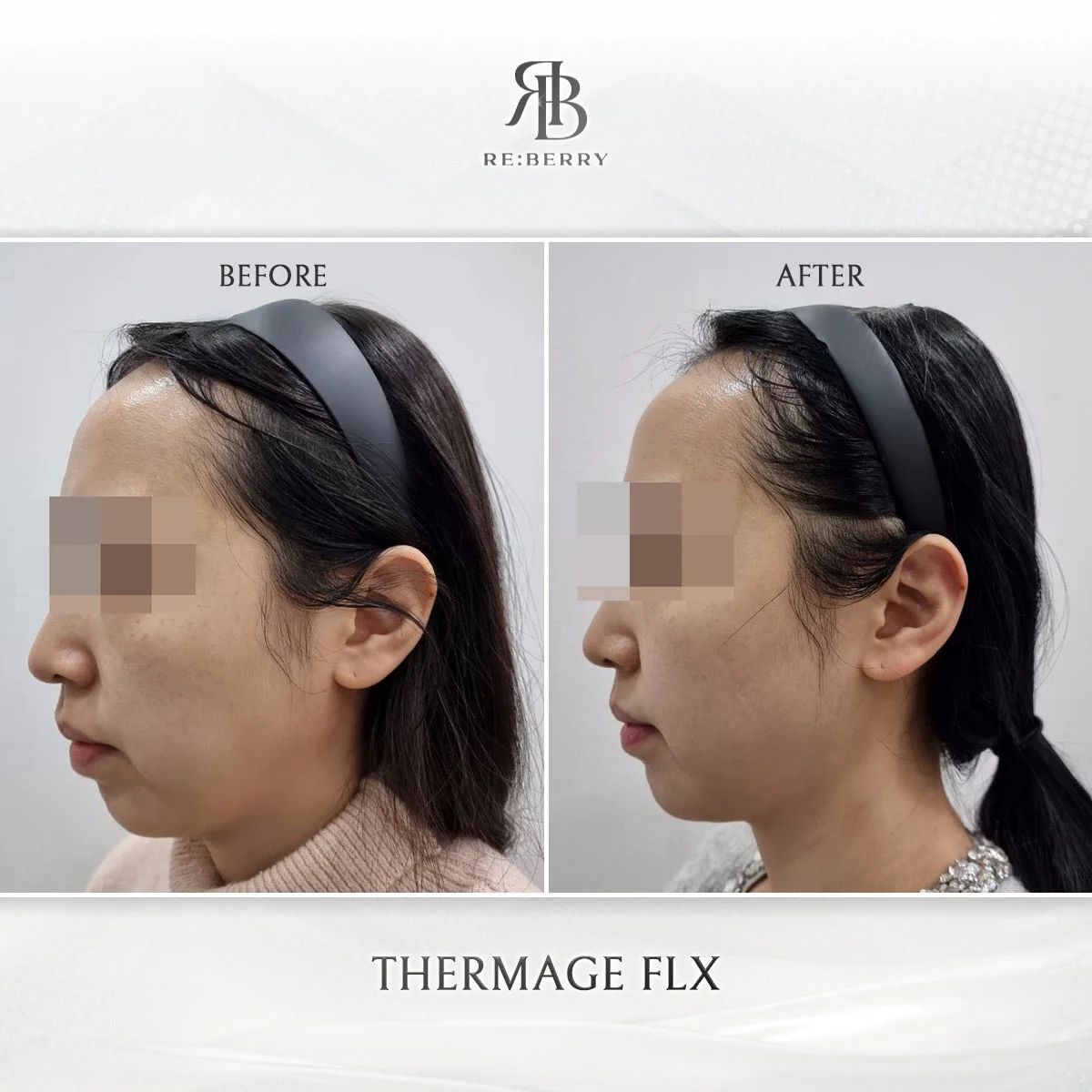
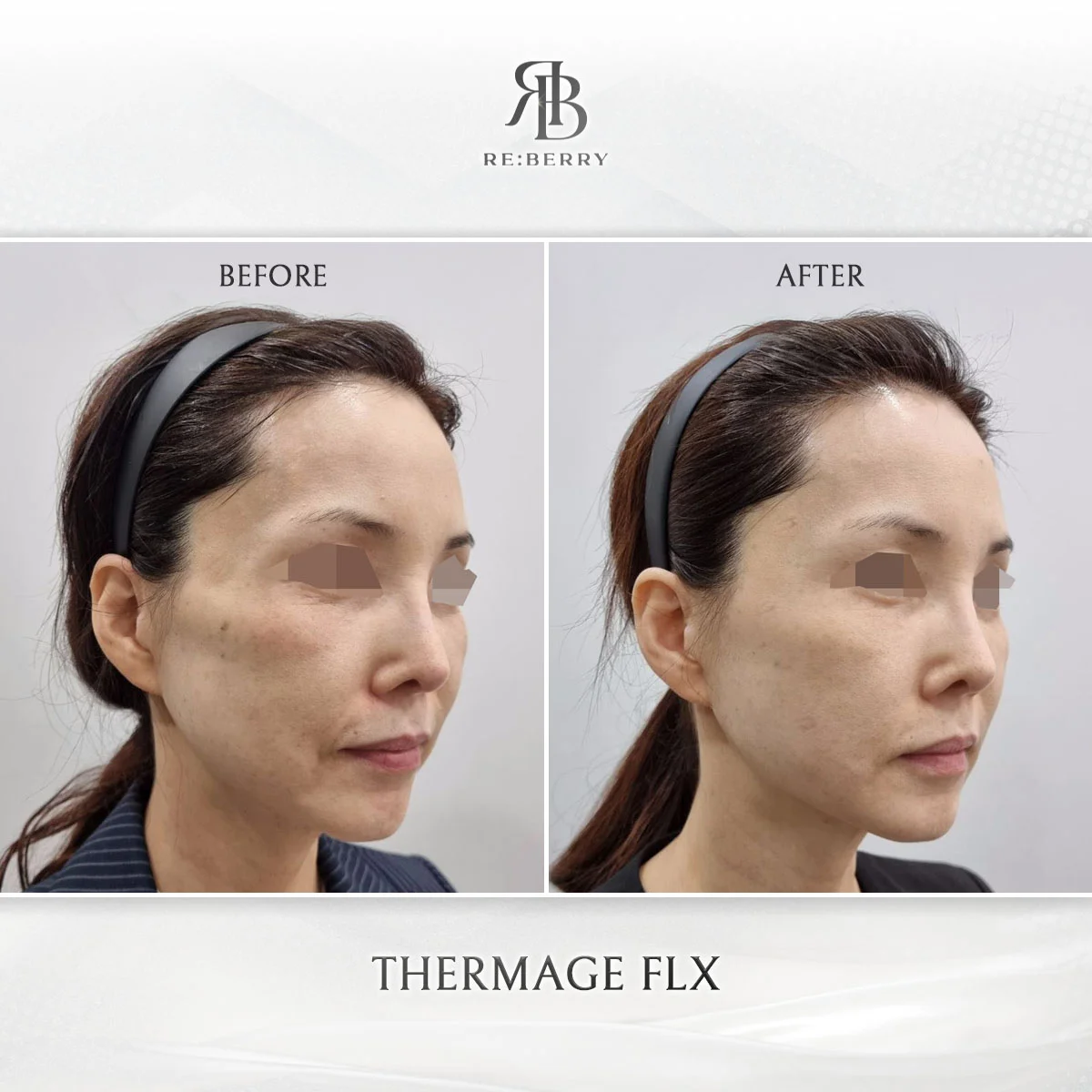
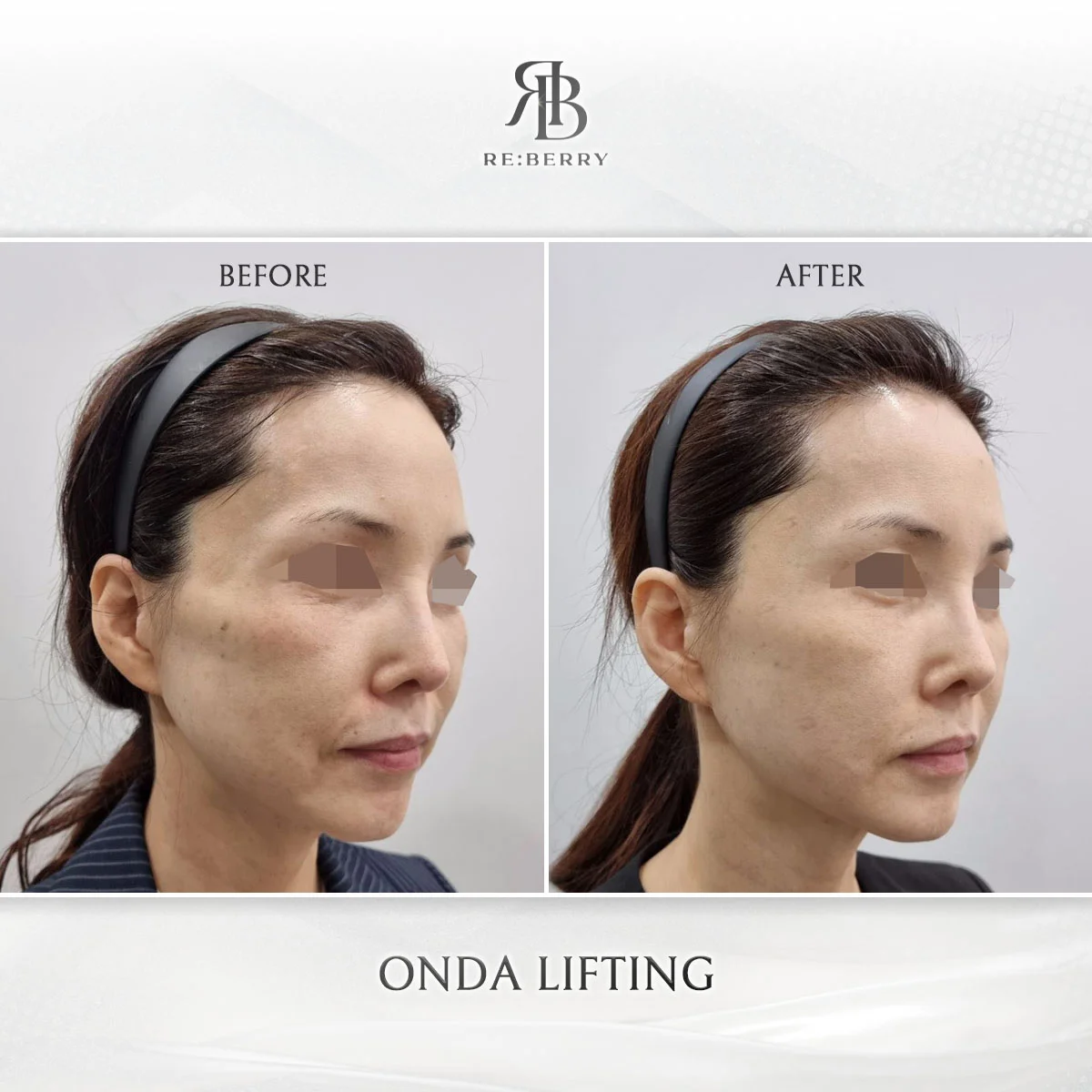
See representative outcomes from Reberry Clinic. Results build gradually and vary by individual; your plan is assessed at consultation.
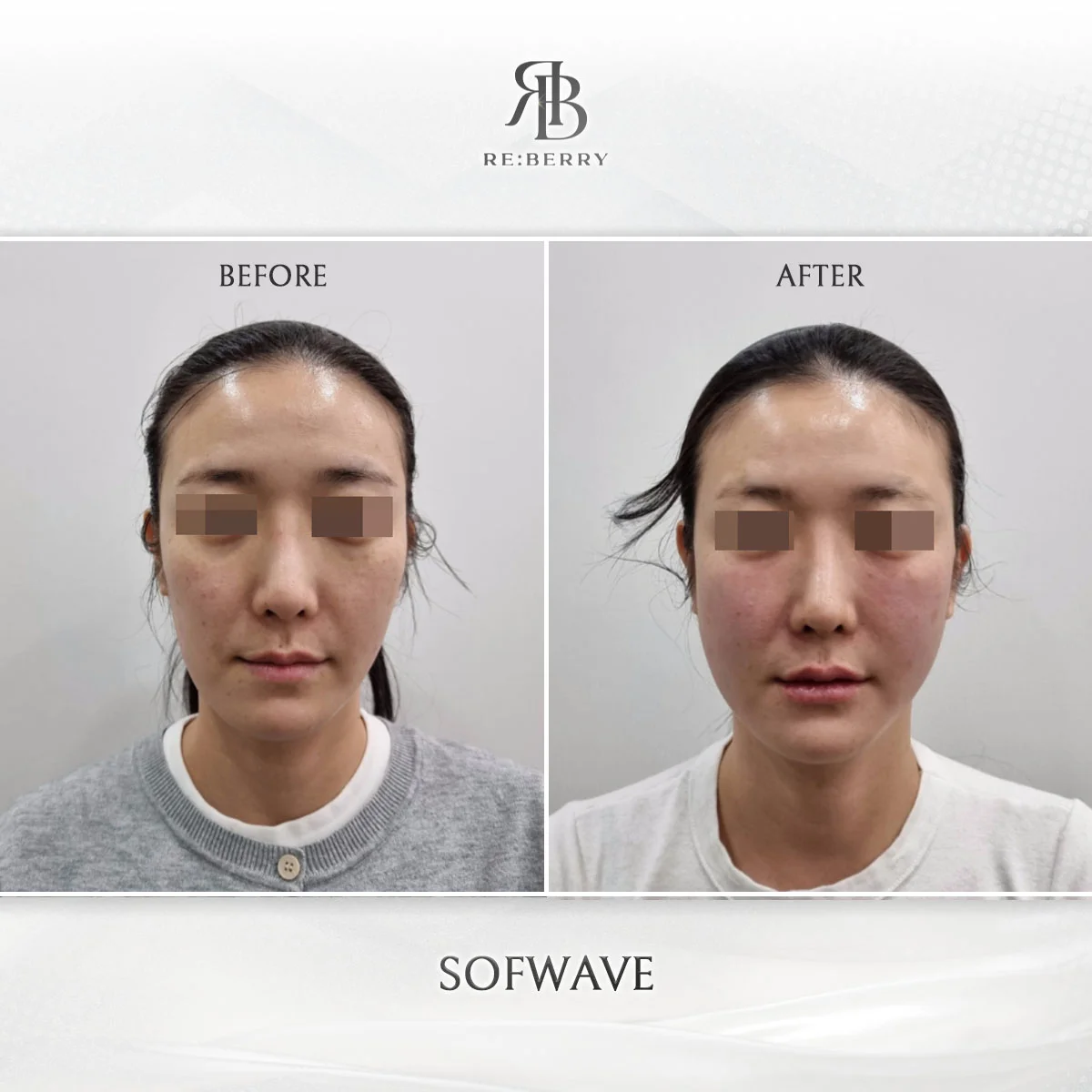
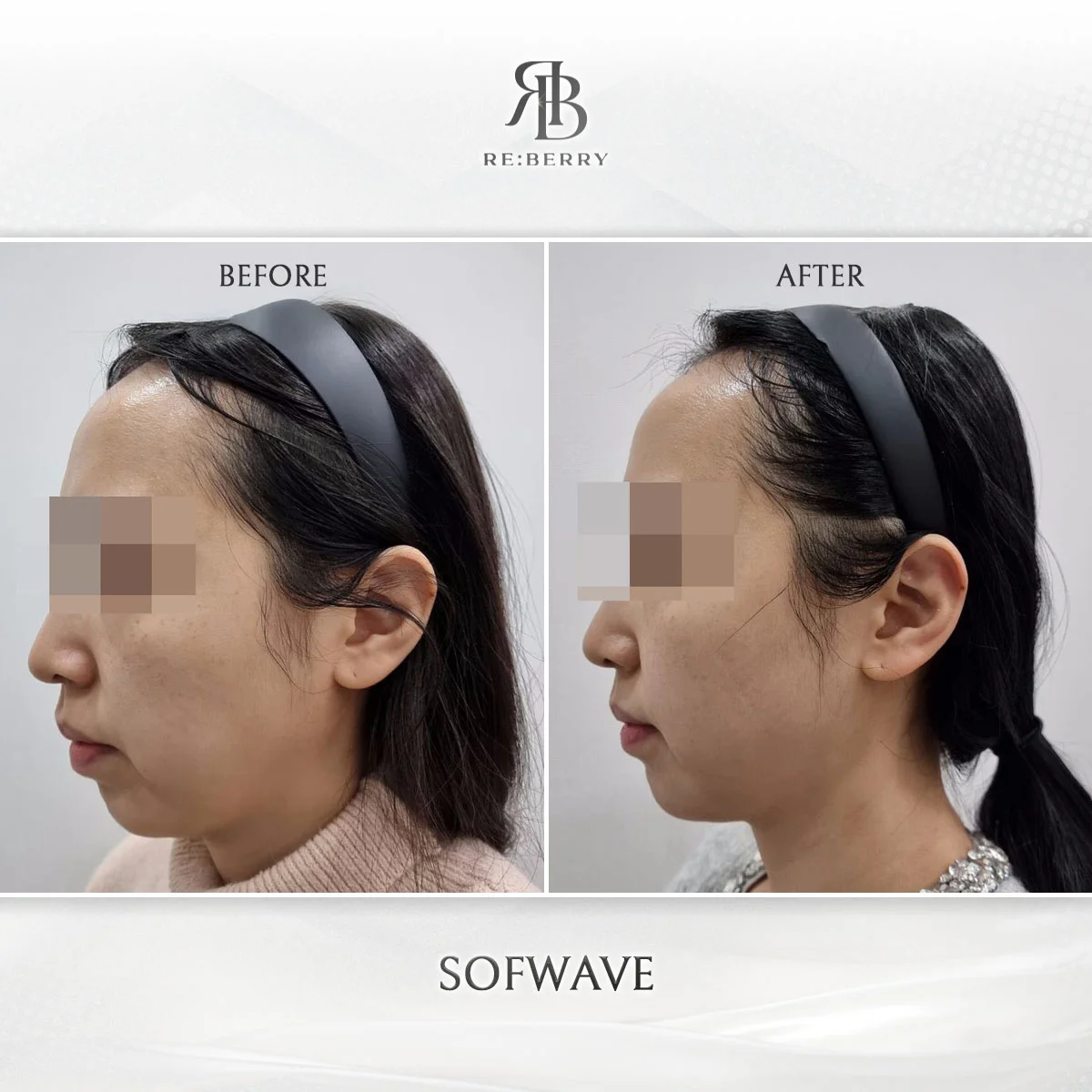
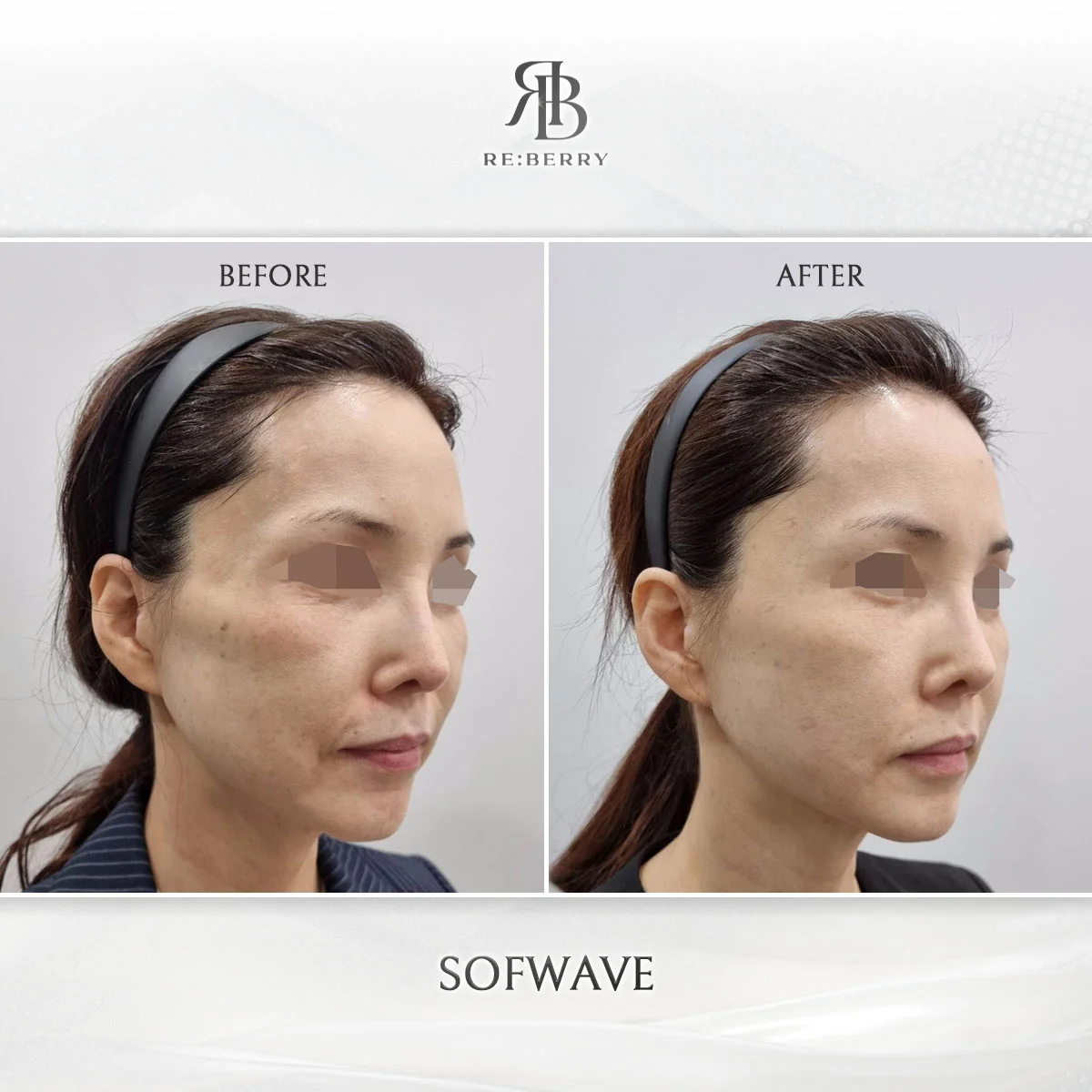
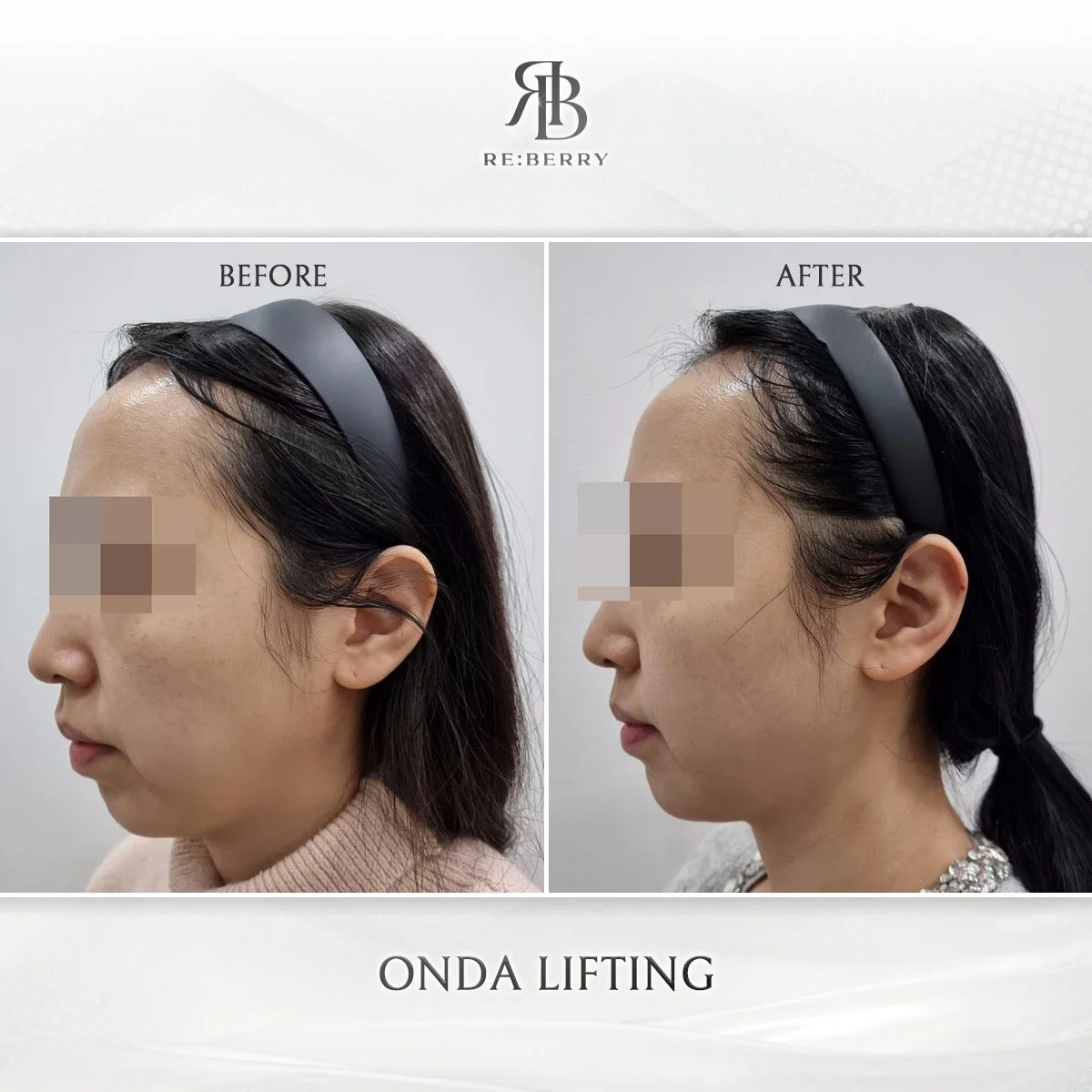
Message our team in English before travelling so we can help you weigh route cost against a near-airport visit at our Incheon Airport (Yeongjongdo) location.
Take the lowest-cost AREX express to Seoul Station in about 43 minutes, or come straight to our near-airport location and pay no transit fare.
Budget roughly 60 to 90 minutes of travel time for a Seoul appointment, or almost none if you treat near the airport first.
Treatment timelines depend on the procedure rather than the route, so your doctor sets realistic expectations at consultation.
You receive written aftercare and, for travellers, remote check-ins so results are supported once you continue your journey.



Cost depends on your route: the AREX express train is the lowest per person, airport buses are moderate, and taxis are highest for door-to-door convenience. Fares change over time, so check official airport sources for exact figures. You can also skip transit cost by treating near the airport; see our skin care options.
The AREX train is the cheapest route to Seoul Station, and its all-stop commuter service is cheaper still than the express, though it takes closer to 60 minutes. Both are billed per person. For solo or paired travellers on a budget, the train almost always beats a bus or taxi on cost while staying traffic-proof.
A taxi is worth its higher cost mainly when 3 or 4 people share one car door-to-door, or when heavy luggage makes train transfers impractical. For a single traveller it is the most expensive route. Off-peak, a shared taxi to central Seoul takes roughly 60 to 75 minutes with no transfers required.
Yes, your destination affects total cost because Gangnam sits about 30 to 40 minutes past Seoul Station, adding a transfer, while Myeongdong is only 10 to 15 minutes away. That extra leg raises both time and fare. Our Seoul locations in Gangnam and Myeongdong are both reachable, and staff can suggest the cheapest path.
You can avoid transit cost by treating near the airport at our Incheon Airport (Yeongjongdo) location, which serves transit and near-airport patients with no journey to pay for. You then pay only for the care you receive. Explore treatment context first on our skin care page.
Yes, transit cost and treatment cost are entirely separate; getting to the clinic is a travel expense, while your skin plan is priced by the clinic after a consultation. Reberry Clinic is consultation-led and explains treatment cost transparently. A near-airport visit removes the travel expense from your overall budget for the day.
Exact fares change with government policy, fuel prices, and taxi rates, so any figure quoted online can quickly go out of date. For current prices, official airport transport pages are the reliable source. We describe the cost ranking instead: train lowest, bus moderate, taxi highest for convenience, which stays accurate for planning.
Treatment cost is set after a doctor examines your skin and builds a tailored plan, rather than from a single fixed menu, because the same concern can need different plans. This keeps pricing fair to your needs. You can review the approach on our laser treatment page before you visit.
It can be cheaper overall because you avoid transit fares and travel time, though the treatment itself is priced the same doctor-led way as at our Seoul locations. For short windows, a gentle option such as a hydrafacial near the airport often makes the whole trip more economical. Your doctor plans care to fit your budget.
The train fare stays the same at peak hours, but road routes effectively cost more because traffic lengthens the trip and taxi meters run longer. Peak congestion also raises the risk of a missed appointment. Choosing the fixed-schedule AREX, or a near-airport visit, protects both your budget and your timing.
For a first treatment, 2 to 3 days is comfortable, allowing a consultation, the procedure, and a short review, which also spreads any transit cost across fewer trips. Some skin care plans run as a series across return visits. Staying near your entry point can lower overall travel expense during your stay.
For most gentle skin treatments, flying within a day or so is generally fine, though it depends on the specific procedure and your doctor’s advice. A responsible clinic gives written aftercare for travel. Cabin air is drying, so moisturise and protect treated skin from sun during and after your flight home.
You rarely need to pre-book the AREX or airport buses, which run frequently and are paid on the day, keeping planning simple; private taxis can be arranged ahead if you prefer. Knowing the cost ranking before arrival helps you decide quickly. Our team can suggest the most economical route to your chosen location.
For a group of 3 to 4, a shared taxi can rival the train because the fare splits across riders, whereas train and bus tickets are charged per person. For 1 or 2 travellers, the train is usually cheapest. Weigh the split fare against luggage and timing to pick the best-value option.
Remote follow-ups and check-ins are typically arranged as part of your care so your plan stays on track after you return home, which teledermatology research supports for post-procedure monitoring. You can also continue a supportive skin care routine. Ask the clinic how follow-up from abroad is handled before you book.
| AREX Express Train | Airport Bus / Taxi | Near-Airport Clinic | |
|---|---|---|---|
| Cost position | Lowest per-person transit option | Bus moderate; taxi highest for convenience | No transit fare; you pay only for care |
| How billed | Flat fare per person to Seoul Station | Bus set fare per rider; taxi by distance and time | Not applicable; there is no journey to bill |
| Best value for | Solo or paired travellers on a schedule | Groups of 3 to 4 sharing a taxi, or heavy luggage | Short layovers and tight departure windows |
| Time cost | About 43 minutes plus a transfer, traffic-proof | About 60 to 90 minutes, exposed to traffic delay | No travel time; the time is your consultation |
| Delay risk | Low, rail timing is fixed | Higher, road congestion can affect arrival | None, you stay near the airport |
| Extra transfers | Subway or short taxi from Seoul Station | Usually door-to-district or door-to-door | None required |
Real verified reviews from our Google Business Profile, across all Reberry Clinic locations.
PULLED LIVE FROM GOOGLE · GANGNAM · MYEONGDONG · INCHEON AIRPORT
Your treatment is planned and performed by experienced, MFDS-registered doctors across our Seoul-area clinics, with multilingual support for international patients.
Flagship clinic · KOL for leading lifting & regenerative devices · Featured in Authority Magazine (2026)

Multilingual tourist care beside Myeongdong Cathedral

Fast, effective care 20 minutes from the terminals
Message us on WhatsApp for a free consultation in English about Incheon Airport to Seoul clinic access cost and your skin plan.