



Gangnam
Dr. Yoon-Gon Ryu
Aesthetic Medicine Specialist
Flagship clinic · KOL for leading lifting & regenerative devices · Featured in Authority Magazine (2026)

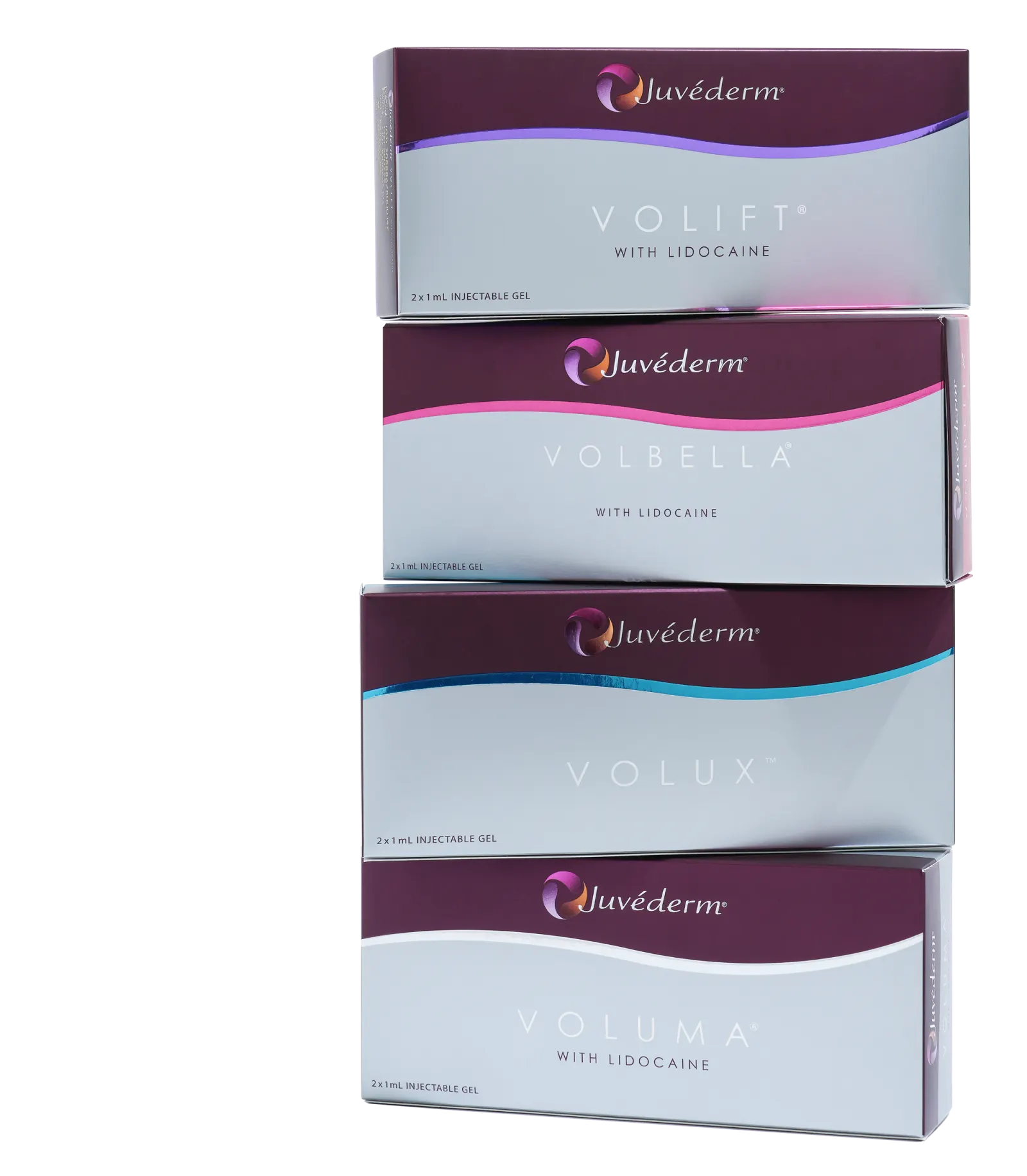
An umbrella for the 3 main in-clinic injectable families, neuromodulators, dermal fillers, and skin boosters, each with its own purpose, delivered at our Myeongdong (Seoul) location.
Injectable treatment in Myeongdong, Seoul is an umbrella term for in-clinic injectables, mainly neuromodulators for dynamic lines, dermal fillers for volume and contour, and skin boosters for skin quality. Each targets a different goal, so the clinic’s doctors assess your face and history first, then build a tailored plan at our Myeongdong location rather than applying one fixed approach.
One-on-One guidance from a dedicated doctor, ensuring your skin is professionally monitored and treated from start to finish.
Fluent assistance in English, Japanese, and Chinese, making communication clear, respectful and comfortable for international patients.
Over 100,000 patients worldwide have received our personalized dermatological care, highlighting our expertise and reliable results.
Injectable treatment is an umbrella term for a family of in-clinic procedures that deliver a product into or under the skin with a fine needle or cannula, rather than through surgery. In practice it covers three main groups: neuromodulators, commonly called botox, which relax targeted muscles to soften dynamic lines; dermal fillers, usually hyaluronic acid gels that restore volume and contour; and skin boosters such as polynucleotide, which improve skin quality, hydration, and firmness over a course of sessions.
Because each group works differently, injectable treatment is best understood as a toolkit, not a single procedure. A person wanting to soften frown lines needs a very different plan from someone restoring midface volume or improving overall skin texture, and many patients combine categories for a balanced result. This is why the right starting point is an assessment of your face, goals, and history rather than picking a product first.
At Reberry Clinic, injectable care is consultation-led and evidence-honest. Our Myeongdong (Seoul) location is at 5, Myeongdong 10-gil, Jung-gu, about 5 minutes from Myeongdong Station, and international patients are supported in English. Dr. Seung Jae Baek, Medical Director, and the clinic’s doctors recommend the injectable family, product, and quantity that suit you, and explain everything transparently before you decide.
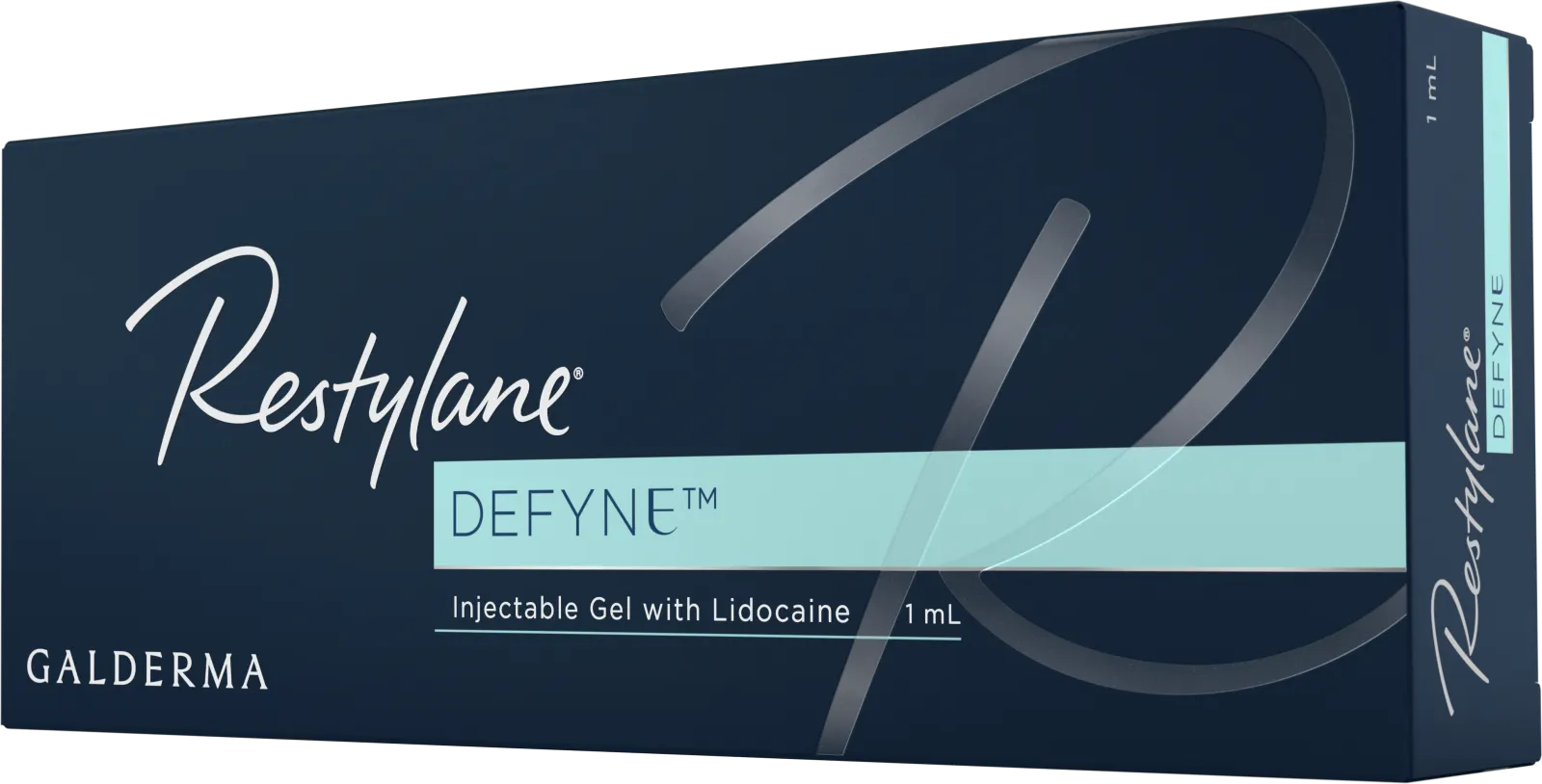
Each injectable family uses a different mechanism, which is why matching product to goal matters. Neuromodulators use botulinum toxin type A to temporarily reduce the muscle contractions that create dynamic lines, with effects that typically last a few months before repeating; a well-known trial used a 20-unit dose for frown lines and followed patients for 120 days. Dermal fillers are gels, most often hyaluronic acid, that physically restore volume and contour and are dosed per syringe, from 1 syringe for a small area to several across the face. Skin boosters such as injectable polynucleotide are placed into the dermis to support hydration, elasticity, and repair, and are planned as a course of about 3 to 4 sessions because their effect builds gradually. Collagen-stimulating injectables work over weeks to months by prompting the skin’s own collagen. Because the mechanisms, dosing, and timelines differ, the clinic’s doctors select and sequence the right combination for you rather than applying a single technique.
One Reberry Clinic, multiple Seoul-area locations. Pricing & current promotions are listed on each branch's own site — tap a clinic to view pricing & book.
Our flagship in the heart of Gangnam.
In Seoul's shopping & tourism heart.
A beauty stop between flights.
The newest Reberry Clinic — in Seoul's trend district.
ONE REBERRY CLINIC · MFDS-REGISTERED DEVICES · MULTILINGUAL CARE AT EVERY LOCATION


The clinic’s doctors examine your face and history and match your goal to 1 or more of the main injectable families.
A plan may use toxin, filler, skin boosters, or a combination, since each of these 3 groups targets a different concern.
Dosing is defined, such as units for toxin, from 1 syringe upward for filler, or a course of about 3 to 4 booster sessions.
The injectable is placed with a fine needle or cannula, usually within a 15 to 30 minute session, with numbing where helpful.
Because results are temporary, top-ups are scheduled, often every few months for toxin, so upkeep is planned from the start.
See representative outcomes from Reberry Clinic. Results build gradually and vary by individual; your plan is assessed at consultation.
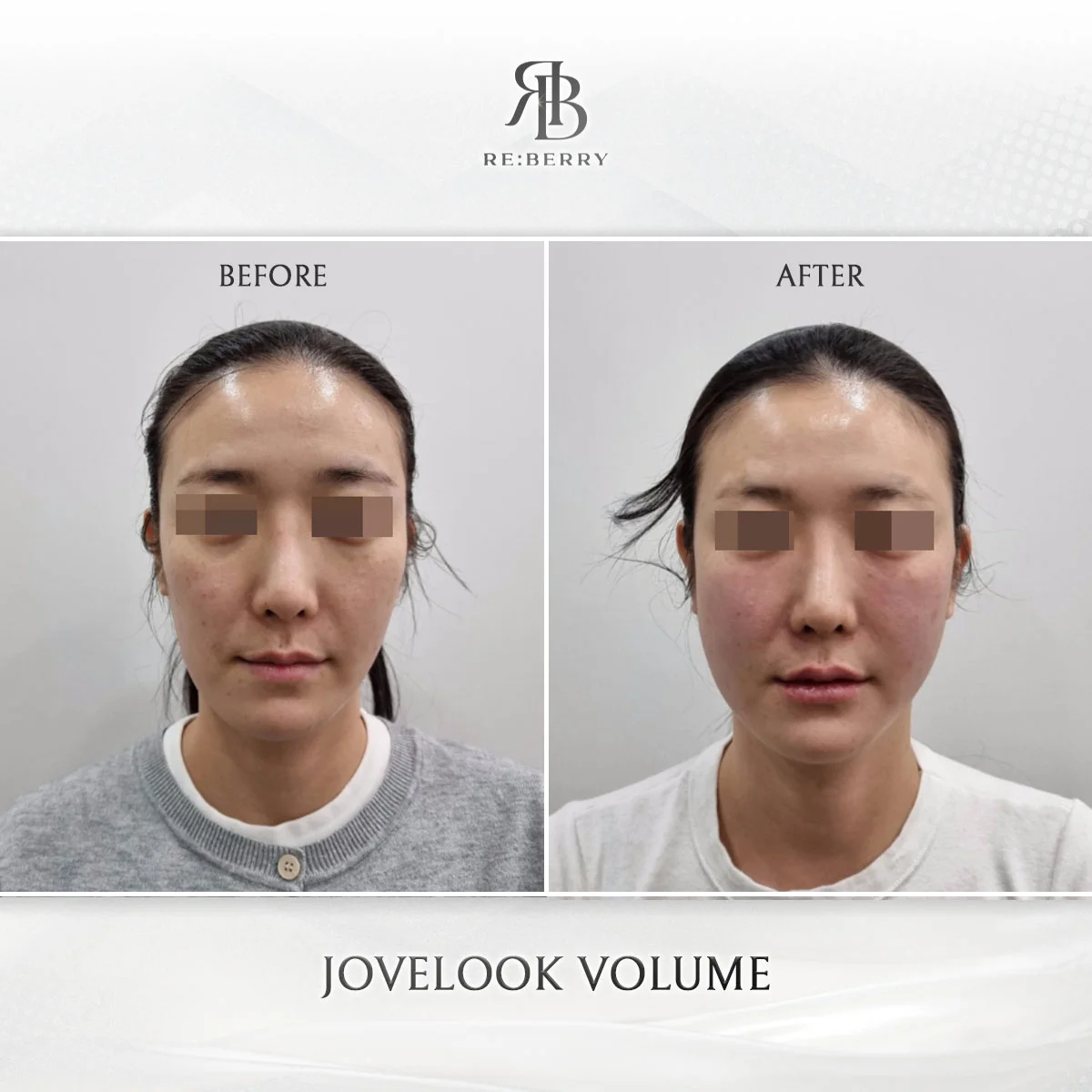
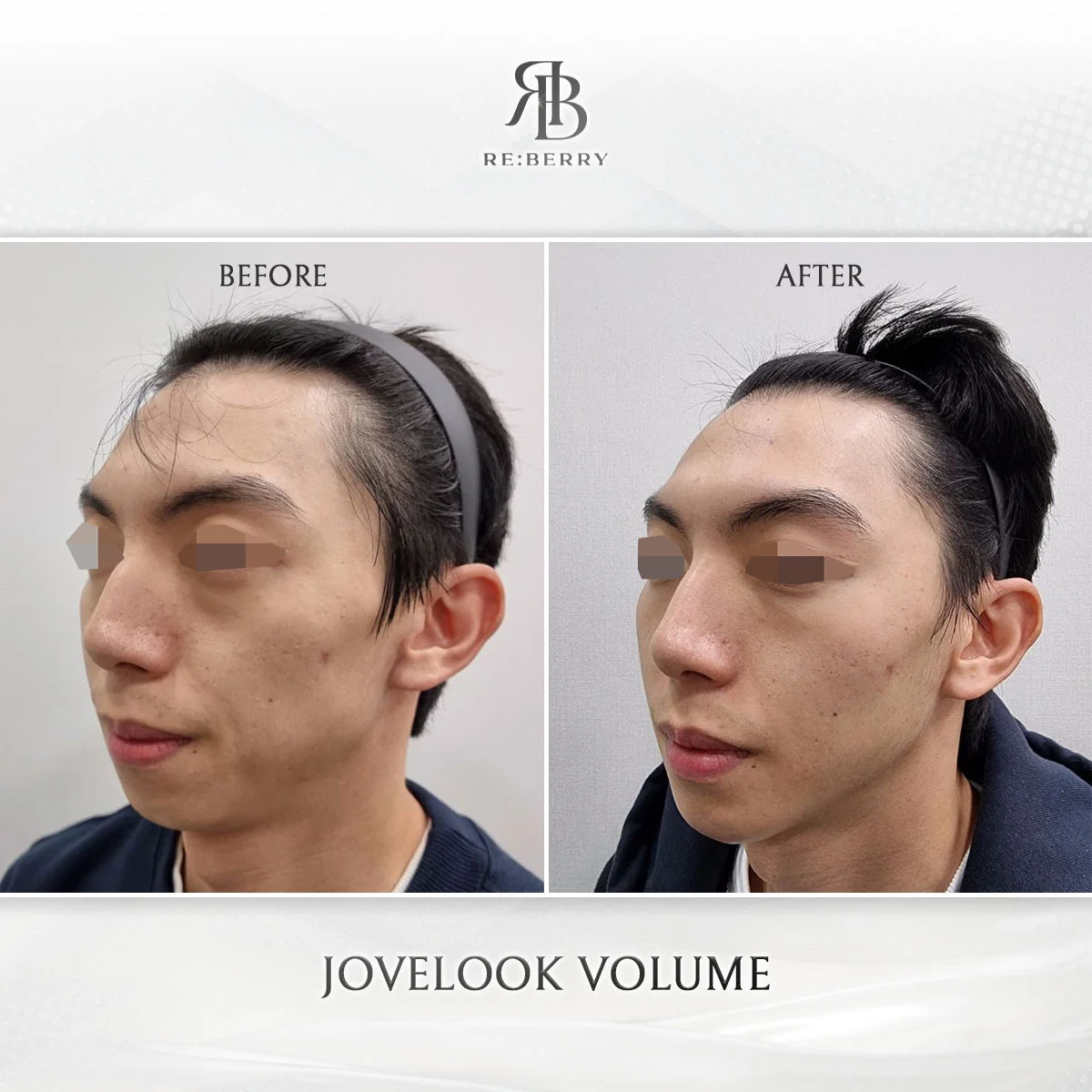
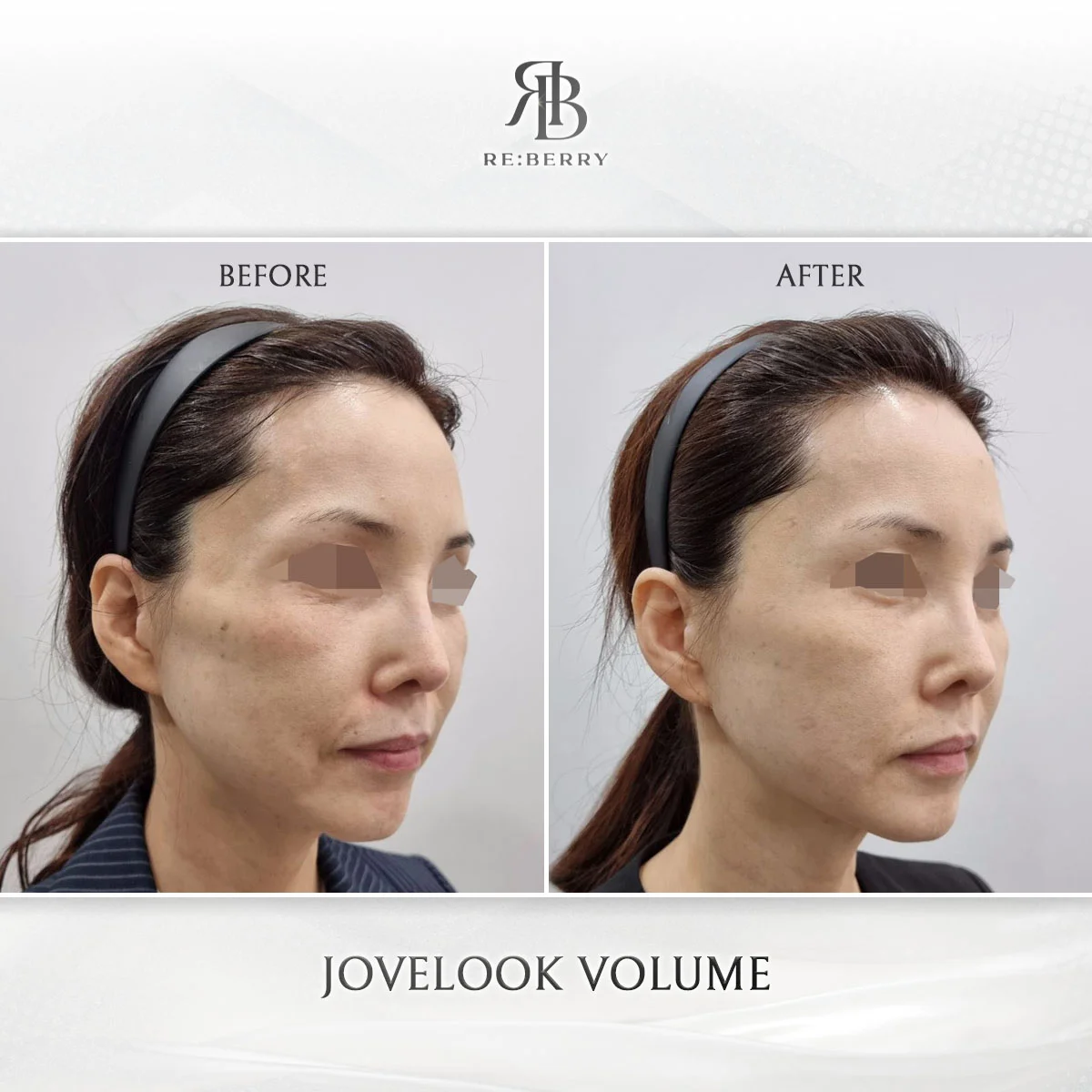
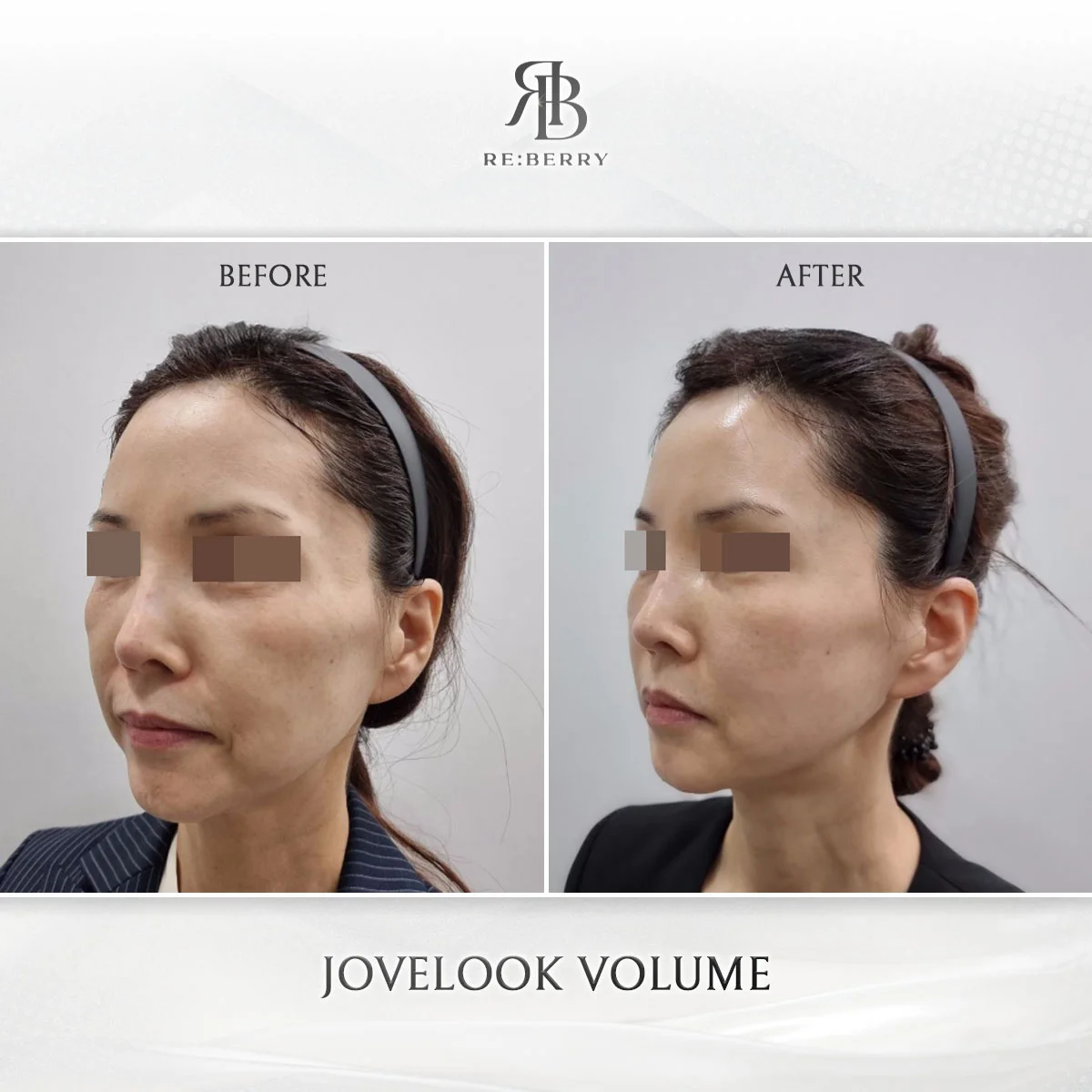
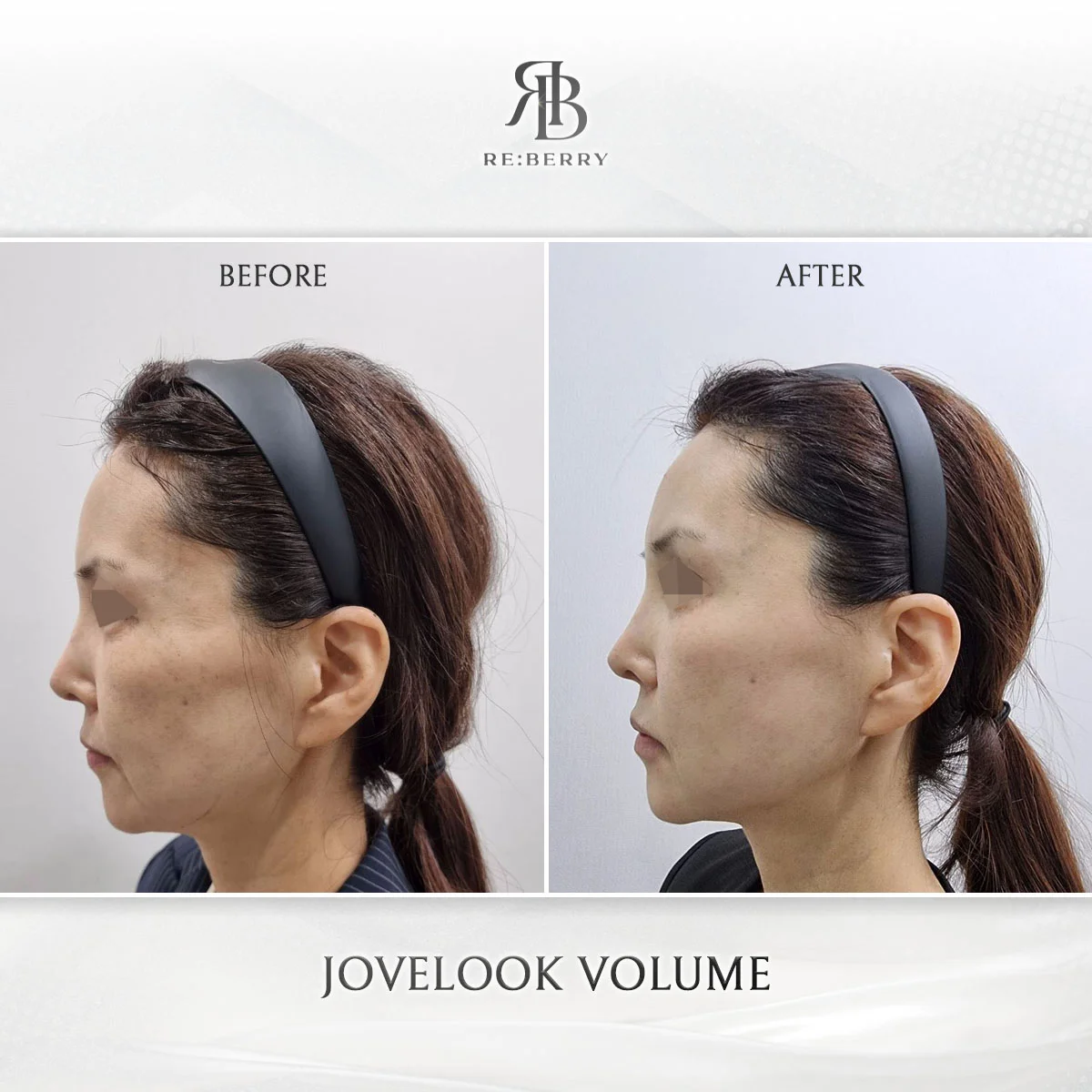
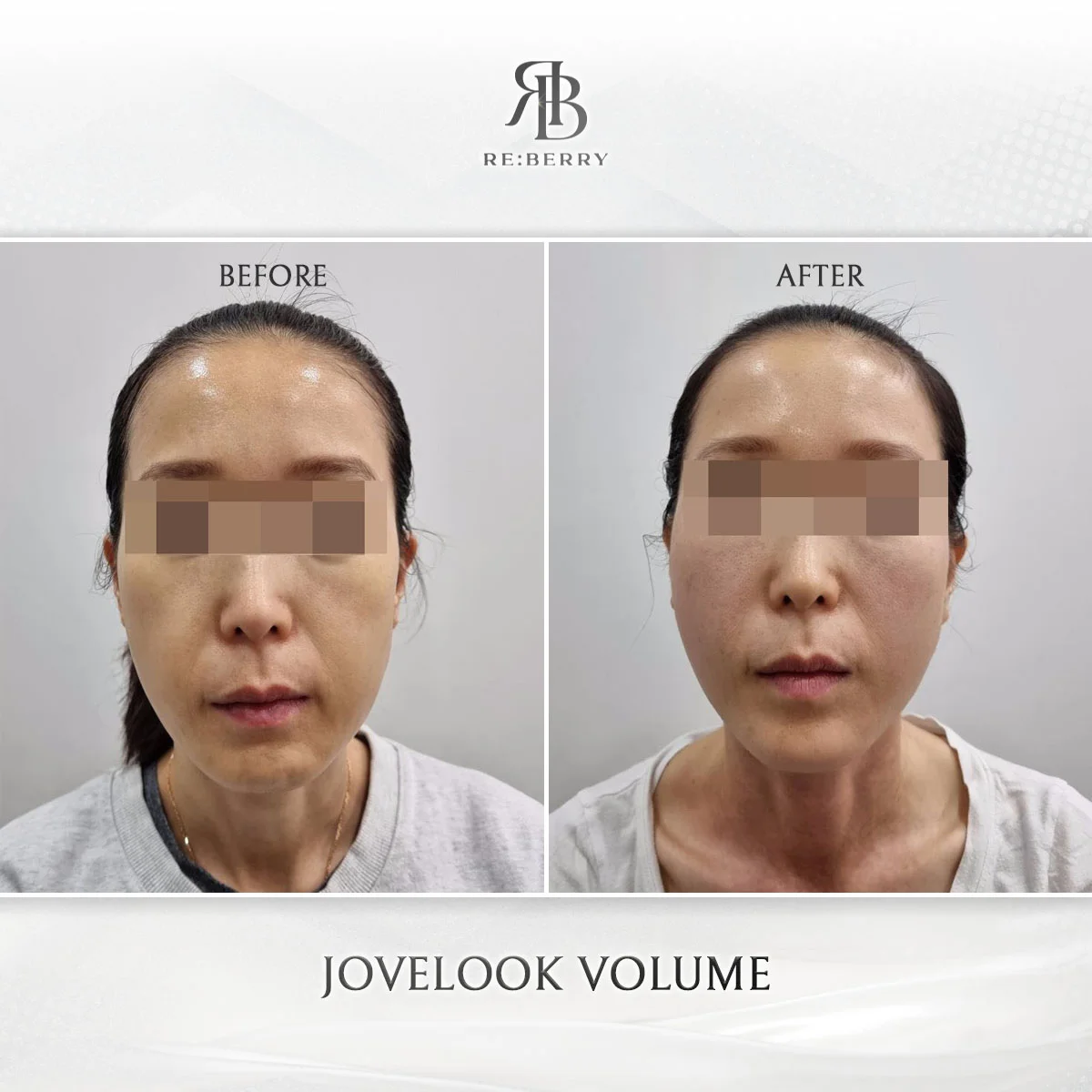
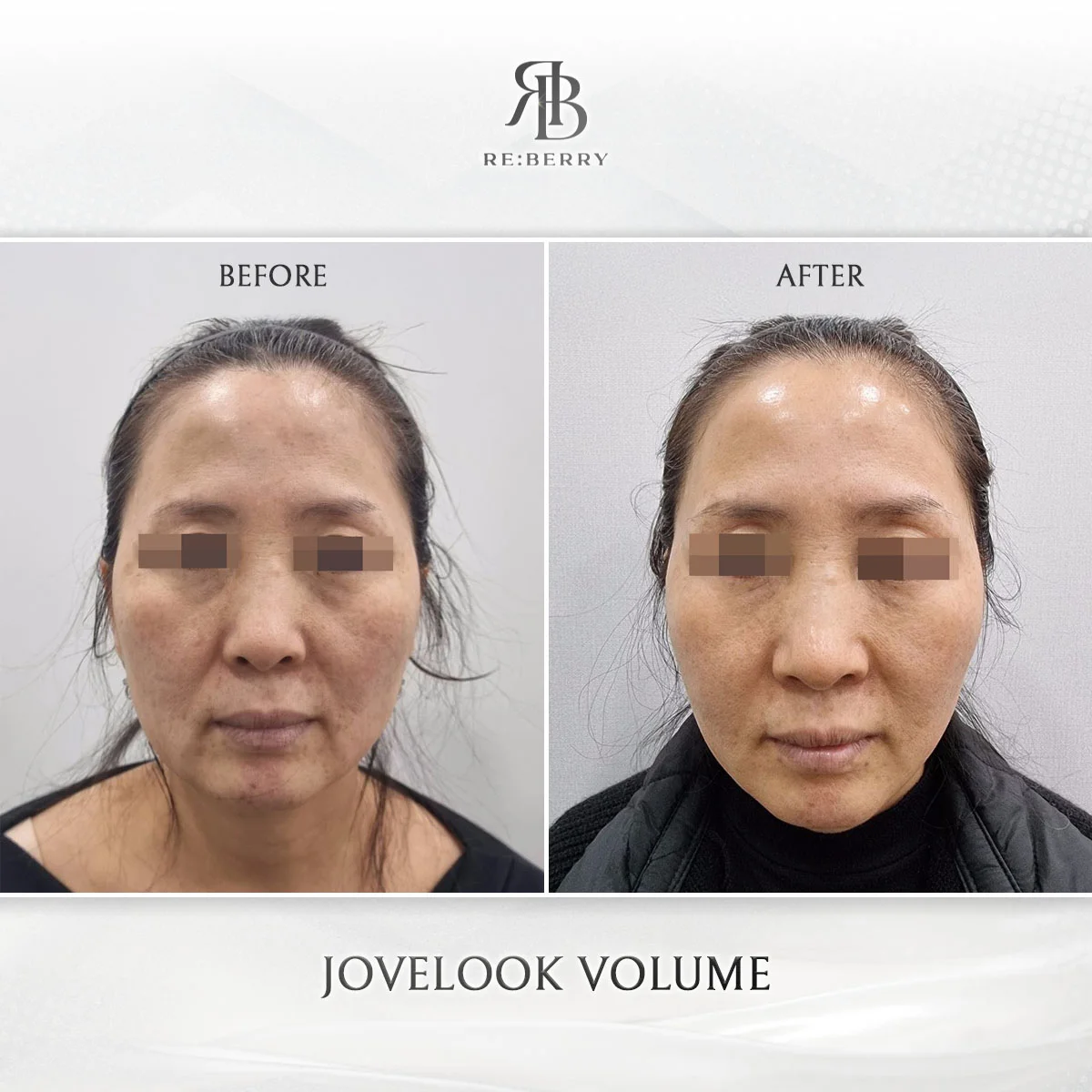
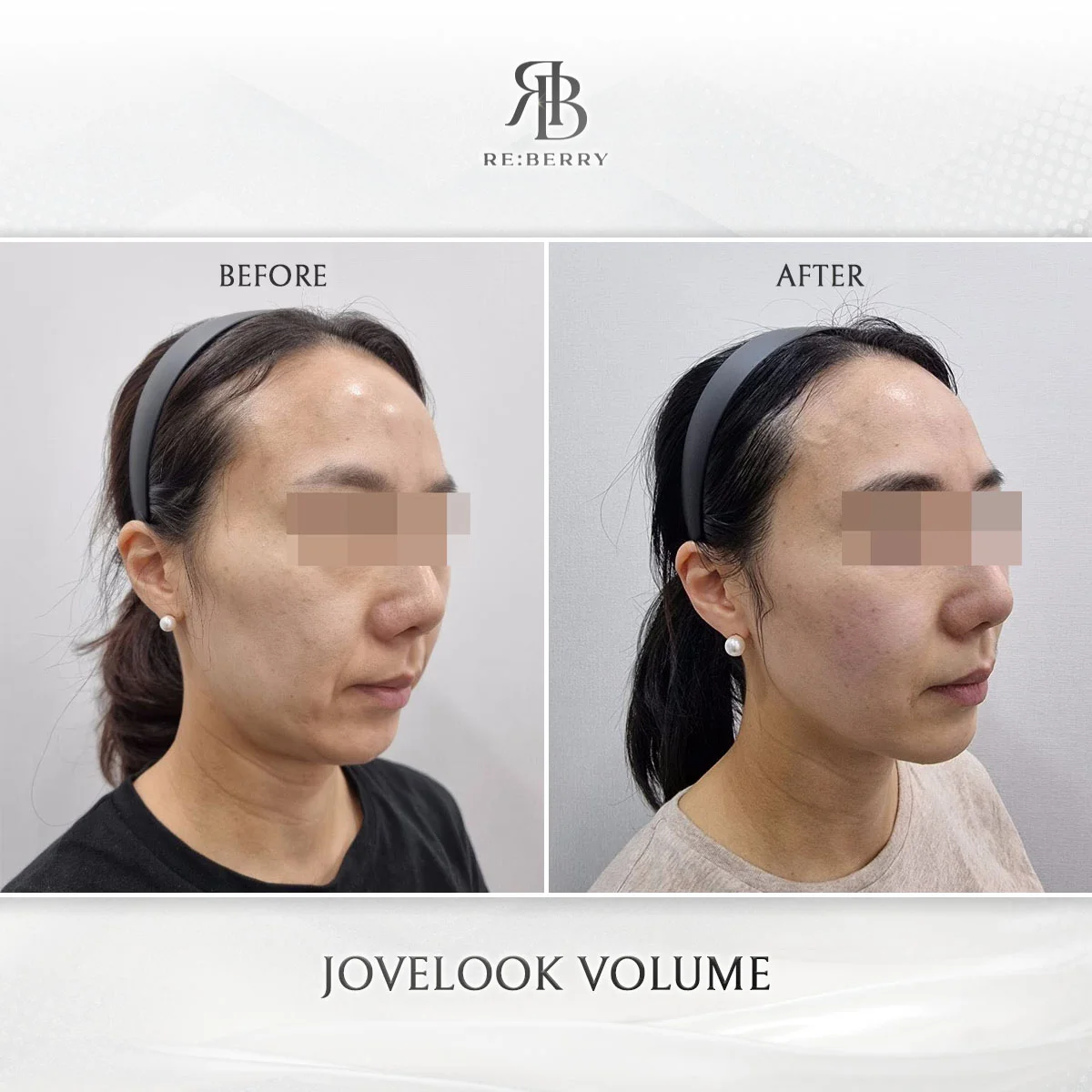
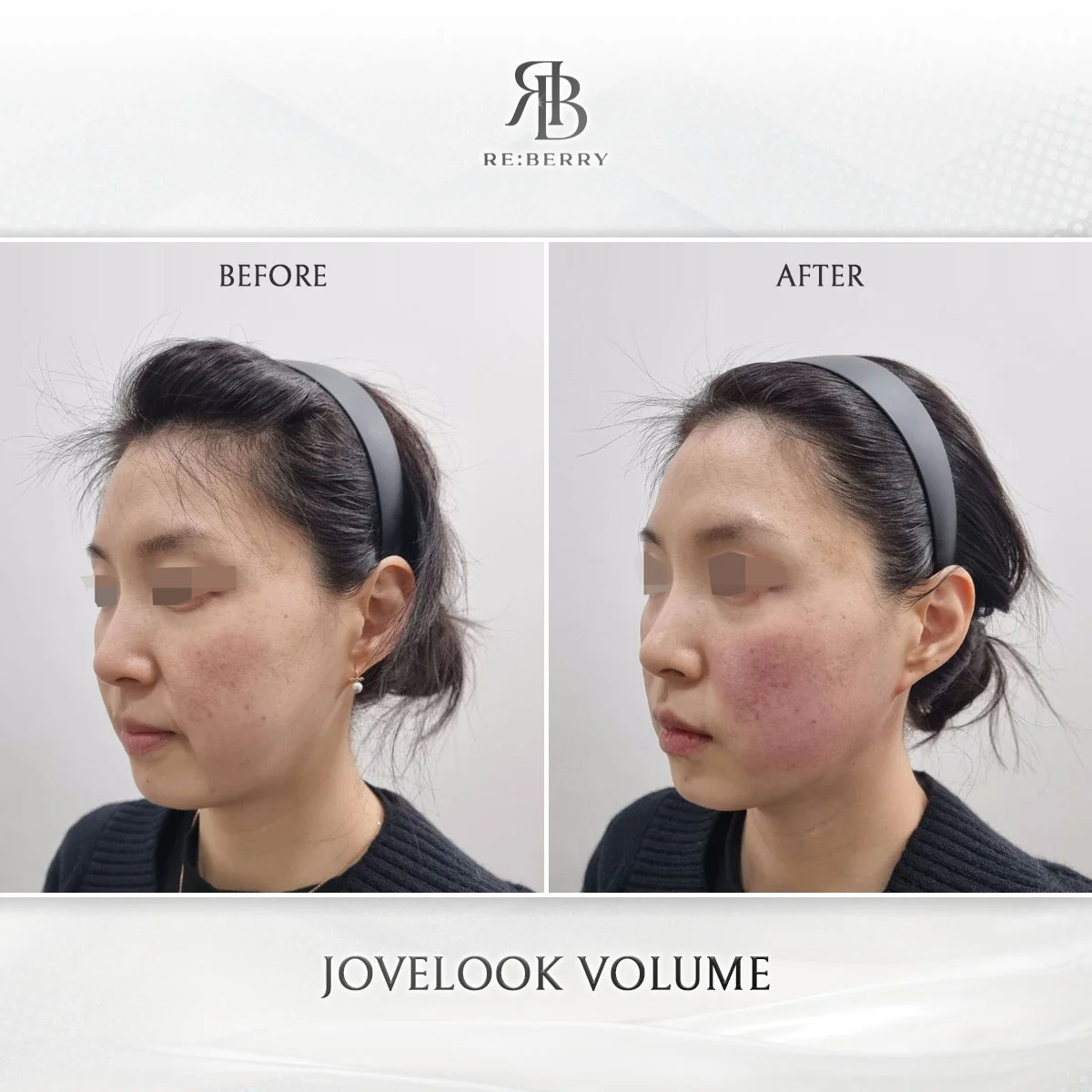
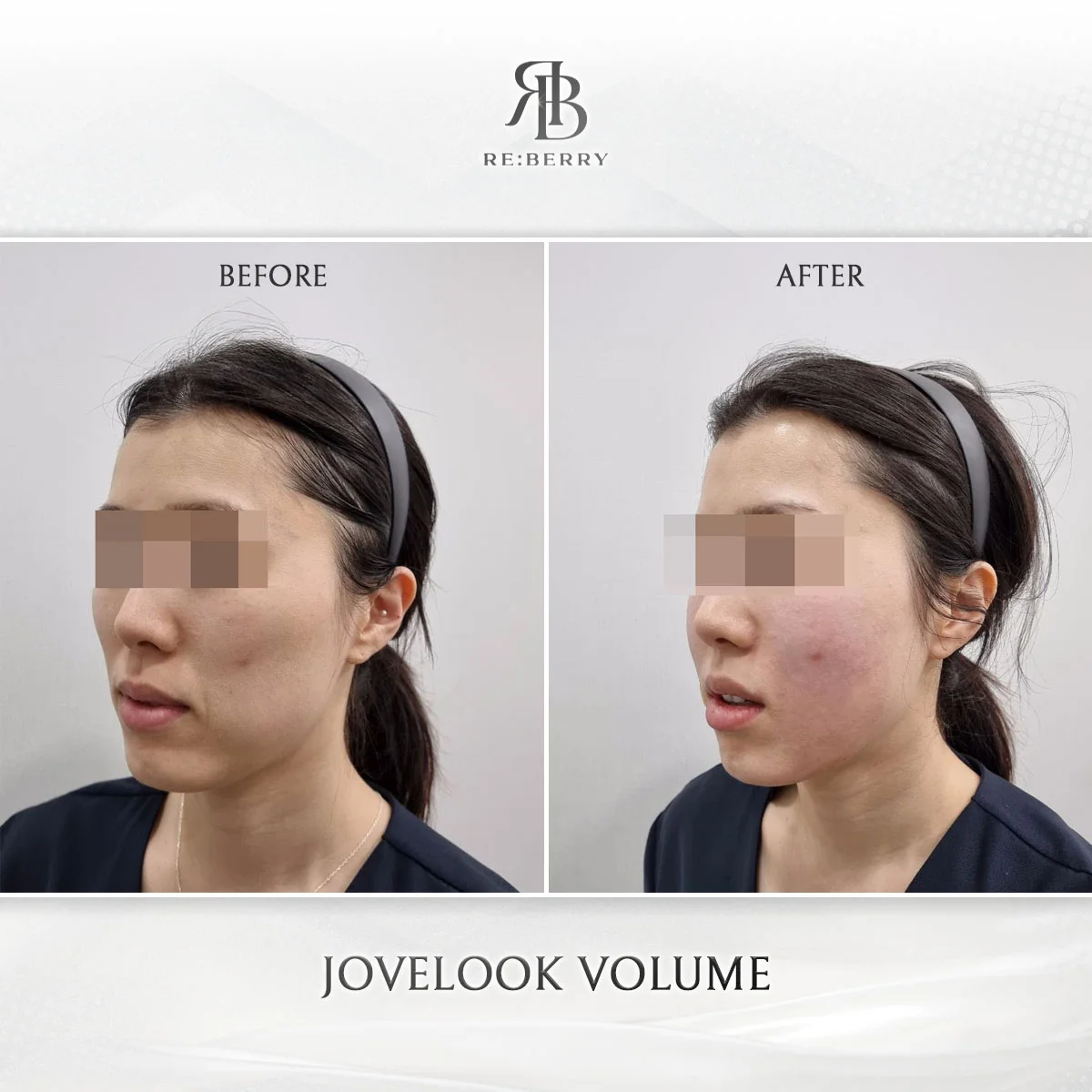
At our Myeongdong location, the clinic’s doctors assess your face and goals in English and recommend which injectable family or families fit.
Once a plan is agreed, an injectable session usually takes about 15 to 30 minutes, with numbing applied where it helps comfort.
Single toxin or filler visits are one appointment, while booster and collagen-stimulator plans run as a course over weeks.
Toxin effects appear within days, filler is immediate, and boosters build over several sessions, so timelines differ by family.
Because results are temporary, periodic top-ups plus good skincare and sun protection help maintain your outcome over time.



Injectable treatment is an umbrella term for non-surgical procedures that place a product into or under the skin, mainly neuromodulators for dynamic lines, dermal fillers for volume, and skin boosters for skin quality. Each targets a different goal. You can see the full menu on our injection treatment page.
There are three main families: neuromodulators (commonly called botox) that relax targeted muscles, dermal fillers that add volume and contour, and skin boosters or collagen stimulators that improve skin quality over a course. Many patients combine them. Your doctor recommends which fits your goals after an assessment at consultation.
The right injectable depends on your goal: soften expression lines, restore lost volume, or improve overall skin texture. A consultation examines your face and history, then matches you to the right family, or a combination. You can compare related options like injectable fillers before your visit.
Neuromodulators use botulinum toxin type A to temporarily relax the muscles that create dynamic lines, with effects typically lasting a few months before repeating. In one trial a 20-unit dose was followed for 120 days. Learn more on our botox injection page ahead of your consultation.
Dermal fillers add volume and contour with a gel, usually hyaluronic acid, while neuromodulators relax muscles to soften movement lines. They solve different problems and are often combined. Filler effect is immediate, toxin appears over days. See our injectable fillers page for how filler plans work.
Skin boosters are injectables such as polynucleotide placed into the dermis to support hydration, elasticity, and skin quality, rather than to add volume or relax muscles. They are typically given as a course of about 3 to 4 sessions because the effect builds gradually. Your doctor confirms whether they suit your skin goals.
Most injectable sessions take about 15 to 30 minutes depending on the family and areas treated, with numbing applied where it helps. Toxin and filler are usually one appointment, while boosters run across a course. You can generally return to normal activity soon after, which suits a busy travel schedule.
Discomfort is usually mild and brief, and numbing cream or fine needles help keep sessions comfortable. Some areas are more sensitive than others, and filler may cause short-lived tenderness. Staff manage comfort throughout, and your doctor explains what to expect for your specific injectable before you begin.
It depends on the family: neuromodulators typically last a few months, fillers can last months to over a year depending on product, and boosters build over a course then need maintenance. Results are temporary, not permanent, so periodic top-ups are planned as part of keeping your outcome consistent.
Yes, many plans combine categories, such as toxin for movement lines plus filler for volume, for a balanced outcome. Combining is common because each family solves a different concern. Your doctor sequences treatments safely and can add other injection treatments where they suit your goals.
Injectables are widely performed and generally considered safe when a trained doctor selects the product, dose, and technique for you. A consultation reduces risks like bruising or temporary swelling. Safety depends on proper assessment, so our doctors review your history before any injectable rather than treating everyone the same way.
Most healthy adults wanting to soften lines, restore volume, or improve skin quality are suitable, and a consultation confirms which family fits. Some conditions, such as pregnancy or certain allergies, need review first. Your doctor assesses your goals and history, then builds a tailored plan and explains it clearly.
Yes, a consistent skincare routine and sun protection help injectable results last better between visits. A tailored skin care routine supports your skin’s barrier and overall quality. Your doctor recommends upkeep that complements your in-clinic plan rather than duplicating it, so your result stays consistent.
Injectable treatment is provided at our Myeongdong (Seoul) location, at 5, Myeongdong 10-gil, Jung-gu, about 5 minutes from Myeongdong Station, with English support. You can arrange a consultation and treatment in one trip; visit the injection treatment page to start.
For a toxin or filler visit, 1 to 2 days is often comfortable, allowing a consultation, treatment, and a short review. Booster courses run across weeks, so many international patients begin in Seoul and continue on return trips. Our English-speaking team helps coordinate timing around your travel plans.
Yes, flying within a day or so is generally fine for most injectables, which are minimally invasive. For fillers, avoid heavy pressure on treated areas and expect possible short swelling. If you had a booster session, your doctor advises on aftercare so travel does not interfere with your plan.
International patients can complete filler or booster plans across one or more visits, and the clinic offers English check-ins between trips so the plan stays on track. You can continue supportive skin care at home. Your treatment notes are kept on file for continuity across appointments.
| Neuromodulator (Botox) | Dermal Filler | Skin Booster / Collagen Stimulator | |
|---|---|---|---|
| Mechanism | Relaxes targeted muscles temporarily | Adds volume and contour with a gel | Supports skin quality and collagen over time |
| Best for | Dynamic lines, slimming, contouring | Volume loss, hollows, definition | Texture, hydration, gradual firmness |
| Onset | Within a few days | Immediate placement effect | Builds over weeks across the course |
| Downtime | Usually minimal | Minimal to mild, short swelling possible | Usually minimal, brief bumps possible |
| How long it holds | Typically a few months, then repeated | Months to over a year, product dependent | Builds over the course, then maintenance |
| Session pattern | Single visit, repeated periodically | Single visit per plan | A planned course of several sessions |
Real verified reviews from our Google Business Profile, across all Reberry Clinic locations.
PULLED LIVE FROM GOOGLE · GANGNAM · MYEONGDONG · INCHEON AIRPORT
Your treatment is planned and performed by experienced, MFDS-registered doctors across our Seoul-area clinics, with multilingual support for international patients.
Flagship clinic · KOL for leading lifting & regenerative devices · Featured in Authority Magazine (2026)

Multilingual tourist care beside Myeongdong Cathedral

Fast, effective care 20 minutes from the terminals
Message us on WhatsApp for a free consultation in English about the right injectable plan for your goals.