

Gangnam
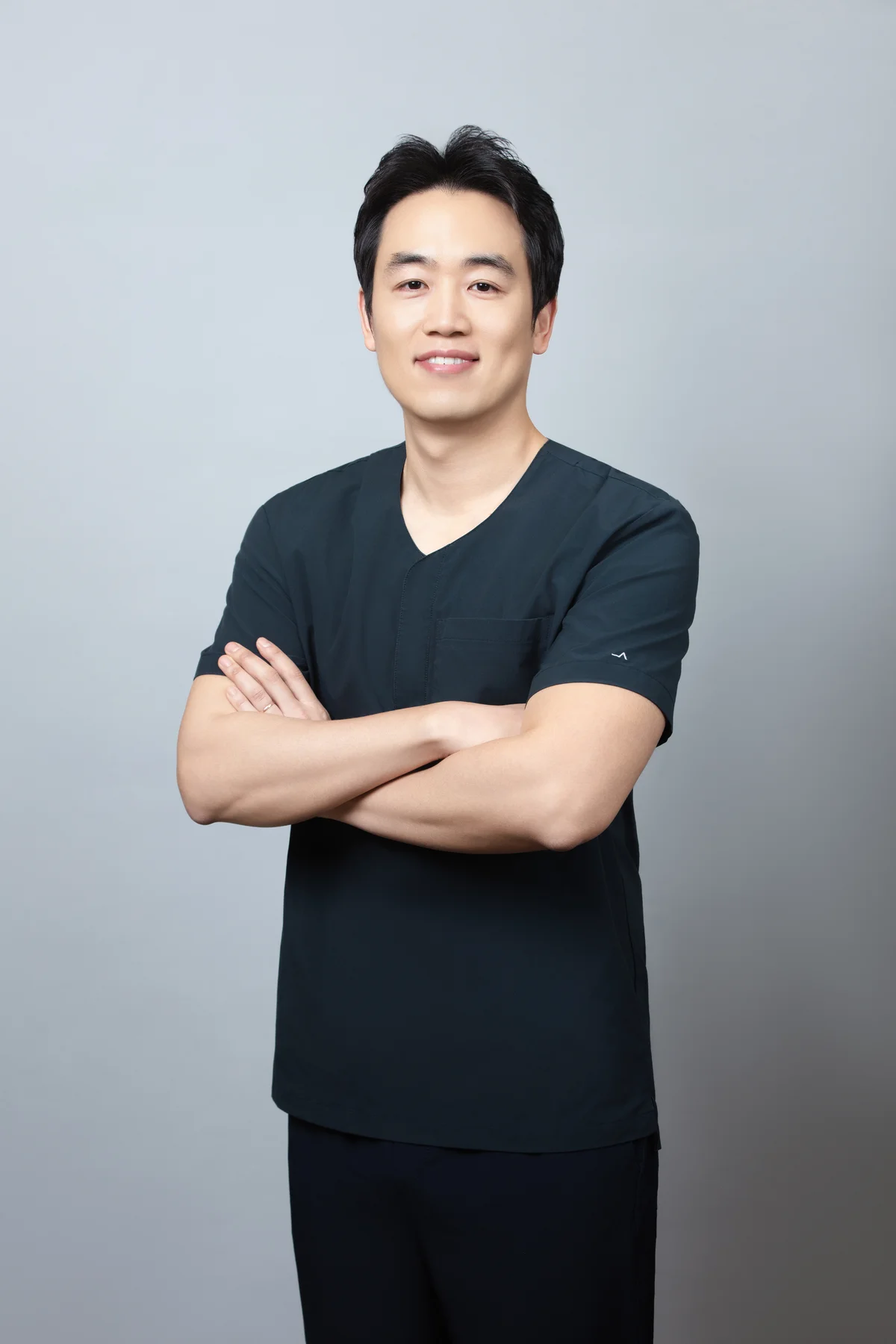
Dr. Yoongon Ryu
Aesthetic Medicine Specialist
Flagship clinic · KOL for leading lifting & regenerative devices

Performed by trained doctors with sterile, single-use tools after a screening, acne extraction is well tolerated, with brief redness settling within a day for most patients.
Acne extraction in Korea is generally safe when it is performed by trained doctors using sterile, single-use tools after a consultation that screens out cystic acne and contraindications. Common effects are short-lived redness and small marks that settle within a day or two, with scarring and infection risk far lower than self-squeezing at home, across our three Seoul-area locations.
One-on-One guidance from a dedicated doctor, ensuring your skin is professionally monitored and treated from start to finish.
Fluent assistance in English, Japanese, and Chinese, making communication clear, respectful and comfortable for international patients.
Over 100,000 patients worldwide have received our personalized dermatological care, highlighting our expertise and reliable results.
Acne extraction is considered safe for most people with blackheads, whiteheads, and clogged pores when it is carried out professionally. The key safety factors are who performs it, the sterility of the tools, and a proper screening beforehand. A trained provider uses single-use loop extractors or fine lancets under magnification, applying controlled pressure that empties a pore far more cleanly than fingernails squeezing at home.
The most important safeguard is the consultation. Not every breakout suits extraction: deep cystic or nodular acne can worsen if pressed and usually needs medical therapy first, which is why your doctor grades severity before starting. Screening also catches contraindications such as active skin infection, recent oral retinoid use, or a history of keloid scarring.
At Reberry Clinic, extraction is doctor-led and consultation-based, and the clinic’s doctors explain risks and aftercare in plain English. International patients are supported across our three Seoul-area locations (Gangnam, Myeongdong, Incheon Airport), so you can ask questions and understand the procedure before agreeing to it.
Professional acne extraction reduces risk through three controls that home squeezing lacks: sterility, technique, and selection. Sterile, single-use tools and disinfected skin sharply lower the chance of introducing bacteria, while fingers and nails carry contamination that can deepen inflammation. Technique matters because a provider releases a pore along its natural opening with even pressure under magnification, rather than crushing surrounding tissue, which is what drives many at-home scars. Selection is the third control: a doctor screens which lesions are ready to extract and which should be left or treated medically, since pressing an unready cystic lesion can rupture it deeper and worsen scarring. Studies of acne management consistently note that improper self-manipulation raises post-inflammatory hyperpigmentation and scarring, whereas supervised comedone extraction performed on suitable lesions is a low-risk adjunct. Aftercare completes the safety picture, with gentle skincare and daily sun protection limiting marks over the 1 to 3 days the skin takes to calm.
One Reberry Clinic, multiple Seoul-area locations. Pricing & current promotions are listed on each branch's own site — tap a clinic to view pricing & book.
Our flagship in the heart of Gangnam.
In Seoul's shopping & tourism heart.
A beauty stop between flights.
The newest Reberry Clinic — in Seoul's trend district.
ONE REBERRY CLINIC · MFDS-REGISTERED DEVICES · MULTILINGUAL CARE AT EVERY LOCATION
The clinic’s doctors grade severity and rule out cystic acne or contraindications before any of the lesions are touched.
Skin is cleansed and single-use tools are used, cutting the infection risk that home squeezing carries.
Each pore is released along its opening under magnification, in 1 gentle motion, to protect surrounding tissue.
A soothing step such as LED or a cool mask helps the skin settle over the next 1 to 3 days.
You leave with written aftercare and daily SPF guidance, the 2 habits that most reduce marks.
See representative outcomes from Reberry Clinic. Results build gradually and vary by individual; your plan is assessed at consultation.
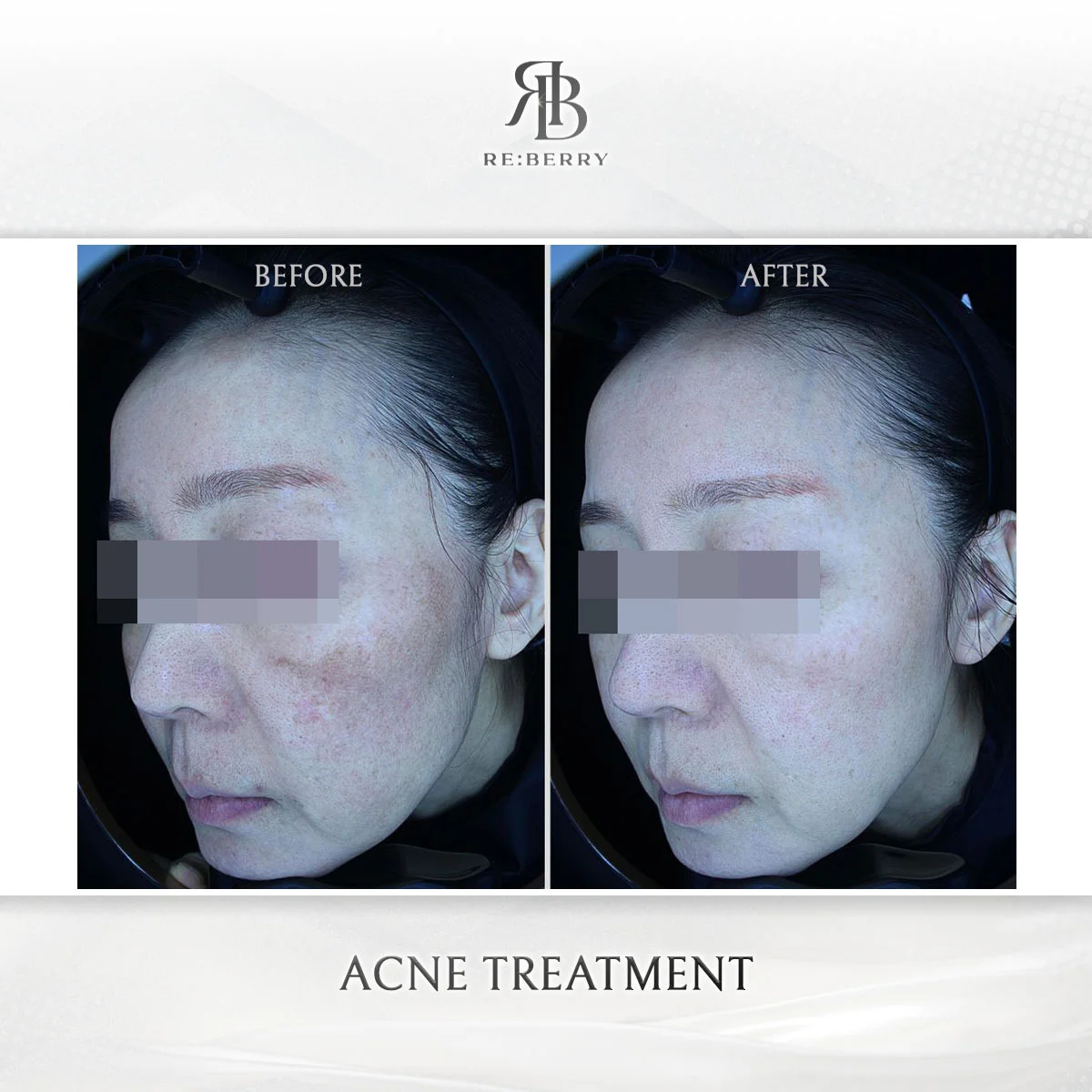
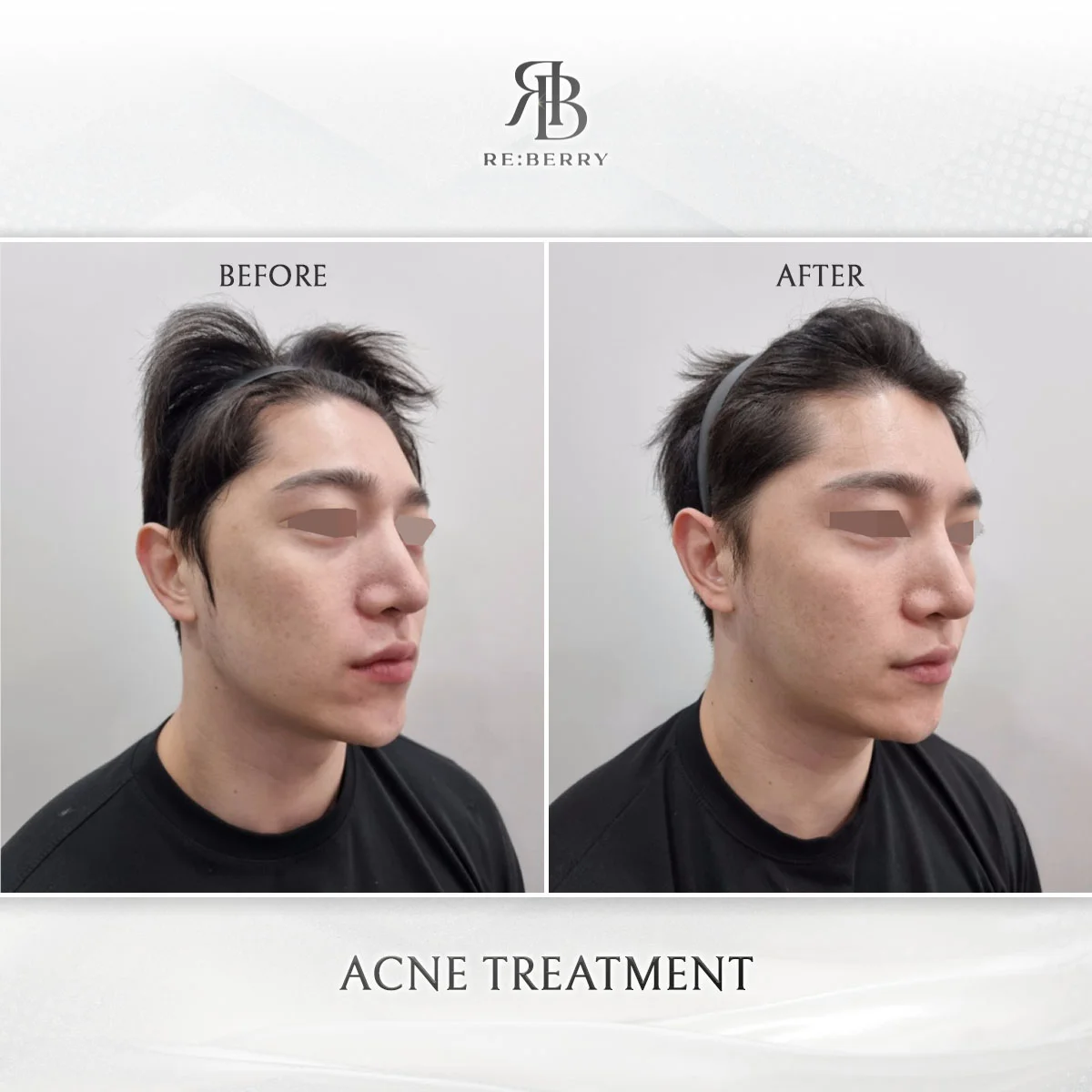
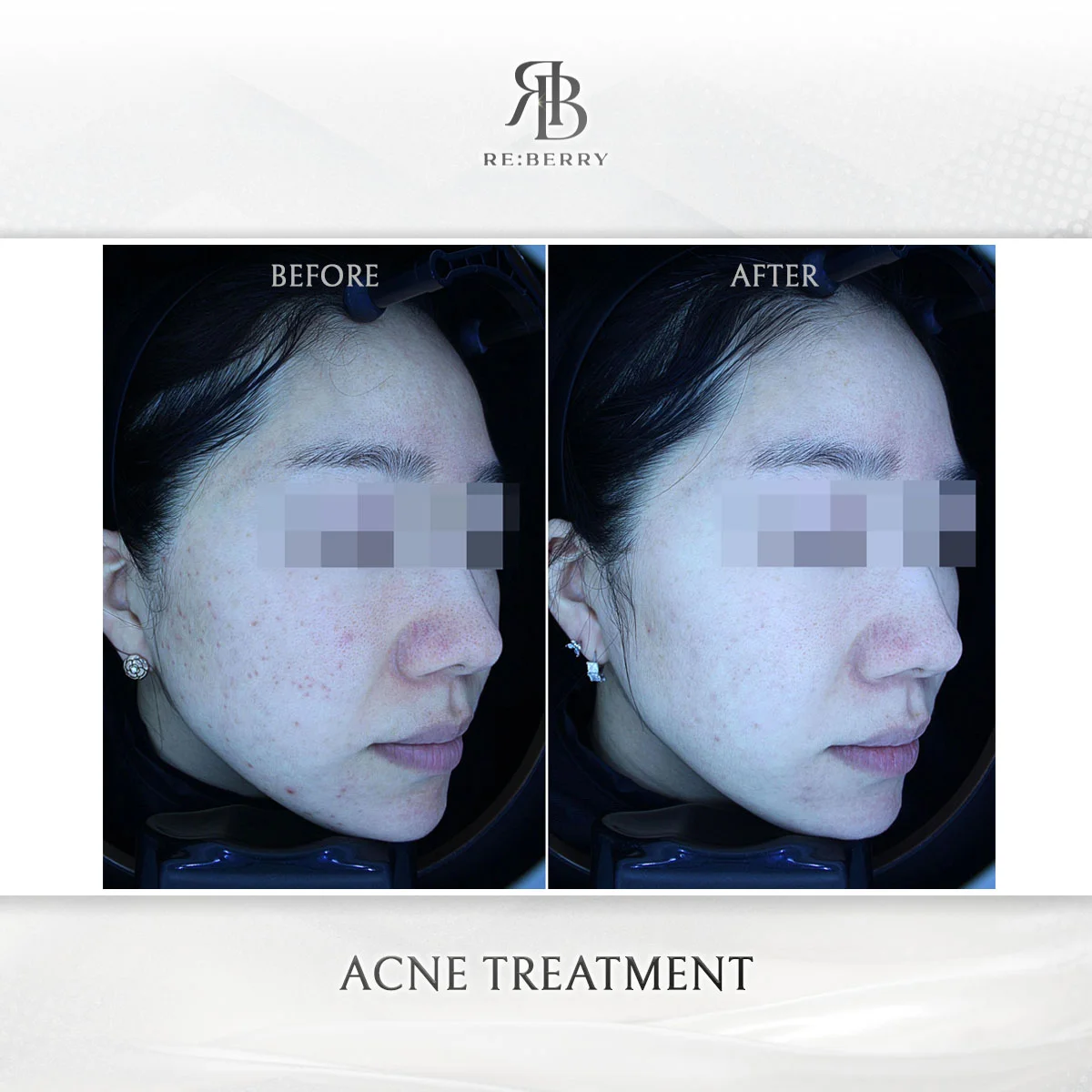
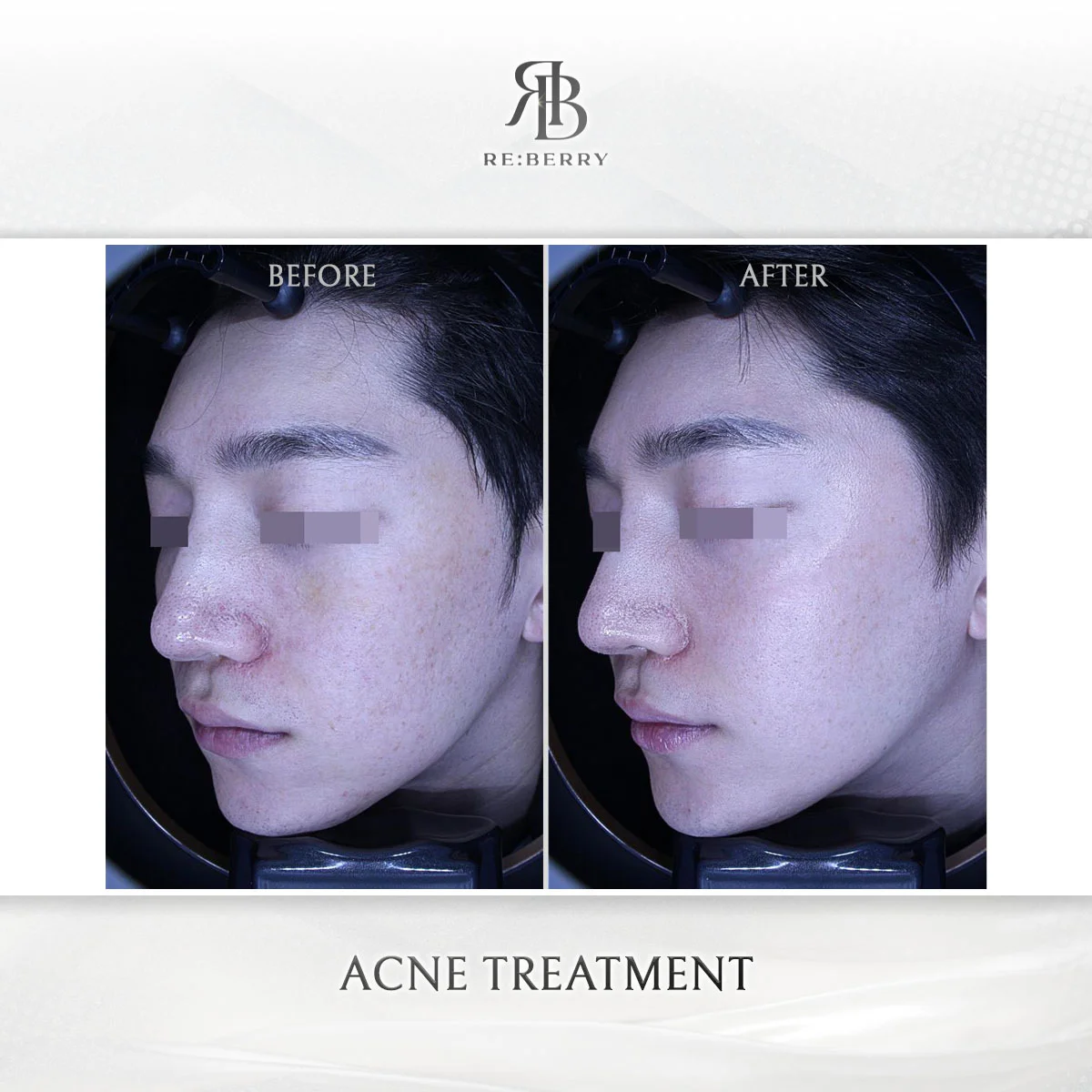
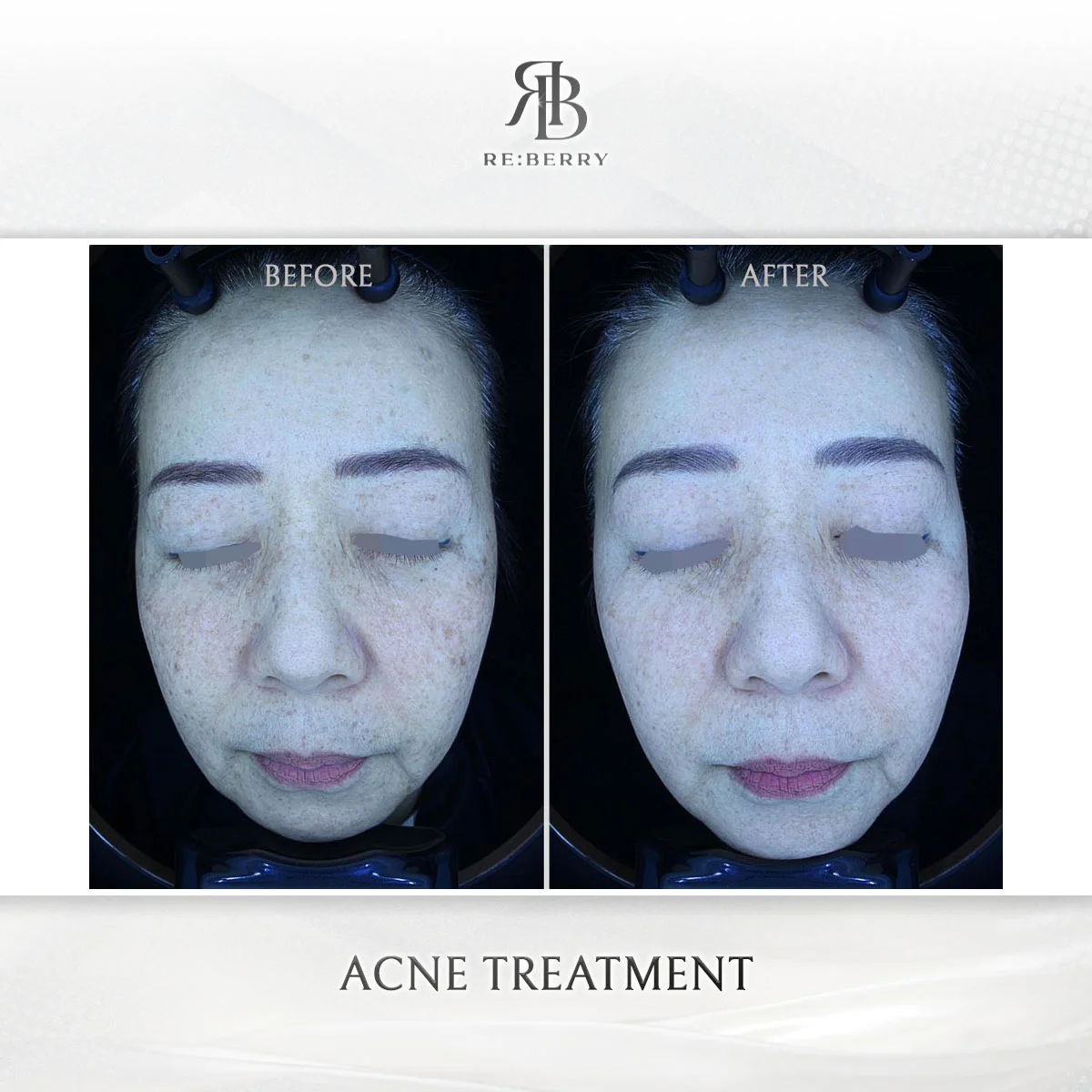
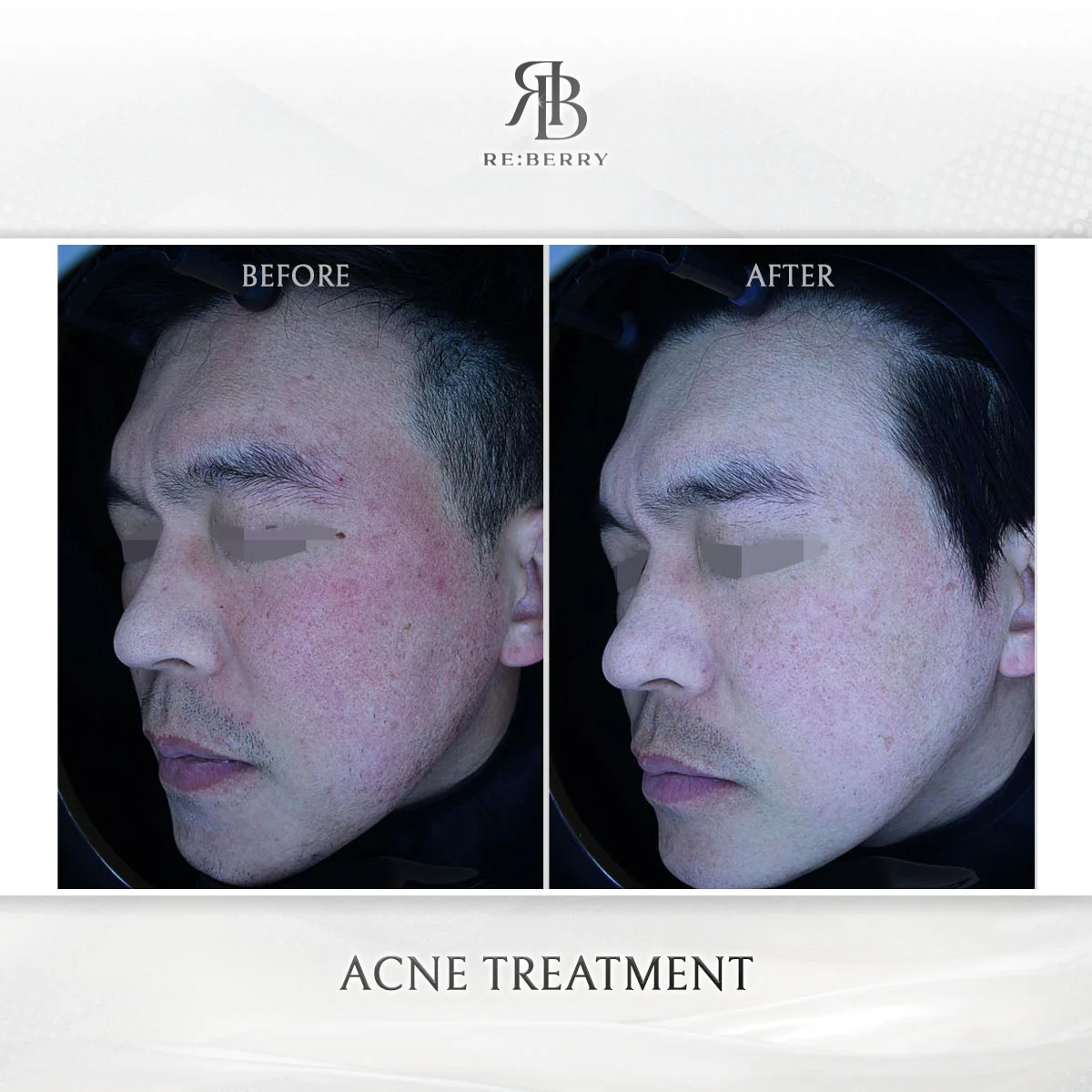
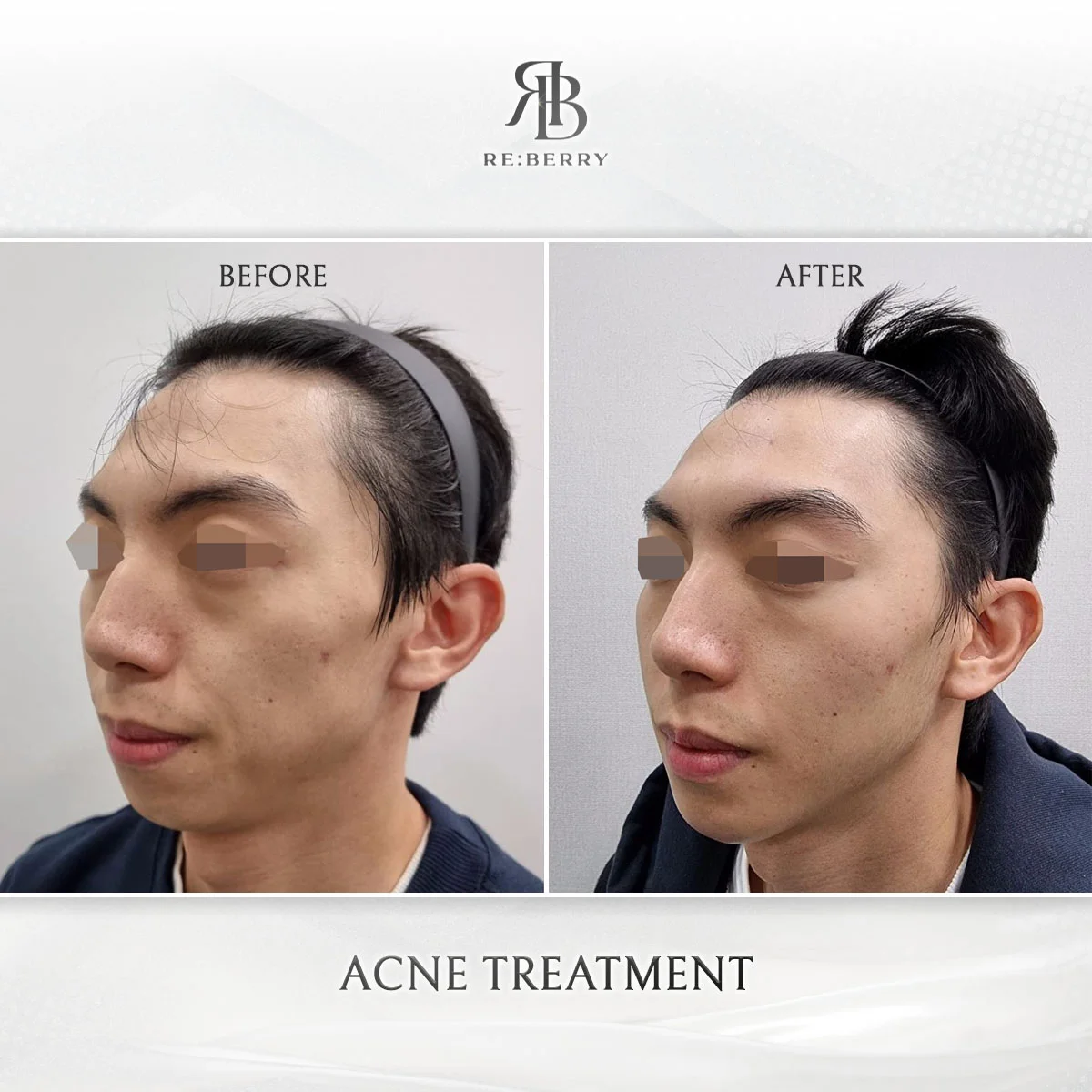
The clinic’s doctors grade your acne, screen for contraindications, and explain risks and aftercare in English before any treatment.
After cleansing and optional softening, a session usually takes 20 to 40 minutes with sterile, single-use tools.
Most patients return to normal activities the same day, with mild redness for a few hours afterward.
Pores look clearer immediately, and any redness or small marks settle over 1 to 3 days with aftercare.
Gentle skincare and daily sunscreen reduce marks; recurring acne is managed across 3 to 6 visits, not a one-time fix.
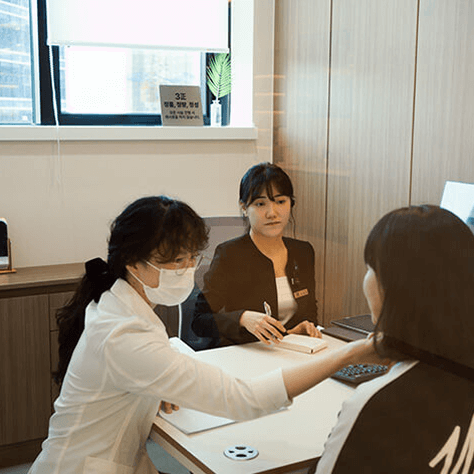
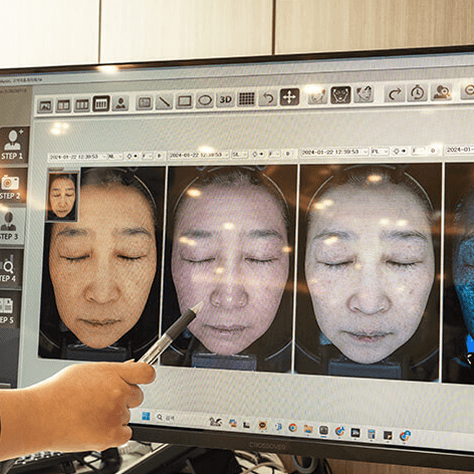
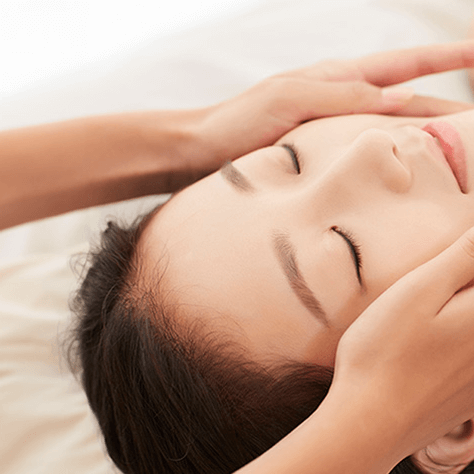
Acne extraction is generally safe when performed by trained doctors using sterile, single-use tools after a screening consultation. Common effects are short-lived redness and small marks that settle within a day or two. Scarring and infection risk are far lower than squeezing at home, which a consultation reinforces with proper patient selection.
Acne extraction is a hands-on procedure where a trained provider releases blocked pores, blackheads, whiteheads, and pustules with sterile tools under magnification. It empties congestion more safely than home squeezing and is often part of a wider acne treatment plan tailored to your skin.
The main risks are temporary redness, mild swelling, and small marks that usually fade within days. Less commonly, a deeper lesion can bruise or leave a transient dark mark, especially if picked afterward. Choosing trained doctors and following aftercare keeps these uncommon and short-lived for most patients.
Done on suitable lesions with controlled technique, scarring is uncommon, because pressure is applied along the pore opening rather than crushing tissue. Pressing deep cystic acne can worsen scarring, which is why screening matters. You can review safer alternatives on our acne treatment page if extraction isn’t ideal.
Yes, professional extraction is far safer than home squeezing, which uses contaminated fingers and crushing pressure that often deepens inflammation and leaves marks. Trained providers use sterile tools, magnification, and patient selection. This lowers scarring and infection risk, protecting your skin barrier rather than damaging it through picking.
People with severe cystic or nodular acne, active skin infection, recent oral retinoid use, or a history of keloid scarring should avoid extraction or be assessed first. A consultation screens for these so the procedure is only done when it is appropriate. Your doctor suggests safer alternatives when needed.
Most patients feel mild pinching pressure rather than sharp pain, often around 2 to 4 out of 10. Pre-softening with steam and gentle technique keep it comfortable, while inflamed lesions can feel more tender. Numbing options can be discussed for sensitive skin during your consultation if needed.
Downtime is usually brief, with mild redness and small marks settling within a few hours to a day. Larger inflamed lesions may stay pink slightly longer. Most international patients return to sightseeing the same afternoon, using sunscreen and gentle skincare while the skin calms down comfortably.
Yes, with careful technique and aftercare it is suitable for darker and Asian skin, though these tones are more prone to post-inflammatory dark marks. Conservative handling and strict sun protection reduce that risk. A laser treatment may complement extraction for residual marks once the skin settles.
Most adults with blackheads, whiteheads, and clogged pores are suitable candidates, especially mild-to-moderate cases. Severe cystic acne may need medical therapy first, which a consultation determines. Your doctor confirms candidacy and explains the safety steps before any extraction begins, so you know what to expect.
Pores look clearer immediately, since blocked material is removed during the session. Redness fades over 1 to 3 days, revealing smoother skin. Lasting control of recurring acne builds across a series of 3 to 6 visits paired with a consistent home routine your doctor recommends for ongoing safety.
Sessions are typically spaced 1 to 4 weeks apart so the skin recovers between visits, with most plans running 3 to 6 sessions for recurring acne. Over-treating in one sitting is avoided to protect the barrier. The clinic’s doctors set a safe, paced schedule for your skin at consultation.
Yes, extraction is often paired with LED, a soothing laser, or a hydrating facial to calm the skin afterward. Your doctor sequences treatments so the barrier is not over-stressed in a single visit, keeping the combined plan gentle, effective, and safe for your skin type.
Use gentle, non-comedogenic skincare, avoid touching or picking, and apply daily sunscreen to prevent dark marks. A supportive skin care routine aids recovery and lowers recurrence. Your doctor provides written aftercare so the skin heals cleanly and the safety benefits of the procedure are preserved.
For a single session, 1 to 2 days is comfortable, allowing a consultation and the procedure with brief redness afterward. If you want a multi-visit plan, longer stays or split trips can be arranged. Our English-speaking team helps coordinate safe spacing between sessions around your travel schedule.
Yes, flying within 24 hours is generally fine because acne extraction is minimally invasive. Cabin air can be drying, so moisturise gently and protect treated skin from sun at your destination. If you had extensive extraction, your doctor will advise on aftercare and products to keep the skin safe while travelling.
International patients can complete an acne plan across one or more visits, and the clinic offers remote check-ins in English between trips to monitor healing. Related care such as ongoing skin care can be arranged on return, and your treatment notes are kept on file for safe continuity.
| Professional Extraction | Acne Laser | At-Home Squeezing | |
|---|---|---|---|
| Safety controls | Sterile tools, screening, trained technique | Calibrated device, trained operator | None; nails and contamination |
| Best for | Blackheads, whiteheads, clogged pores | Inflammatory acne and oil control | Not advised; high risk of harm |
| Scarring risk | Low when on suitable lesions | Low with correct settings | Higher, from crushing and infection |
| Pain / comfort | Mild pinching pressure | Mild warmth and snaps | Variable, often worsens lesions |
| Downtime | Brief redness for hours to a day | Mild redness that settles quickly | Unpredictable redness and marks |
| Sessions | Often 3 to 6 for ongoing care | A multi-session course | Repeated picking worsens skin |
| Cost factors | Depends on lesion count and add-ons | Depends on area and sessions | No fee but costly to fix damage |
Real verified reviews from our Google Business Profile, across all Reberry Clinic locations.
PULLED LIVE FROM GOOGLE · GANGNAM · MYEONGDONG · INCHEON AIRPORT
Your treatment is planned and performed by experienced, MFDS-registered doctors across our Seoul-area clinics, with multilingual support for international patients.
Flagship clinic · KOL for leading lifting & regenerative devices
Multilingual tourist care beside Myeongdong Cathedral

Fast, effective care 20 minutes from the terminals
Message us on WhatsApp for a free consultation in English about whether extraction is safe and suitable for your skin.