



Gangnam
Dr. Yoon-Gon Ryu
Aesthetic Medicine Specialist
Flagship clinic · KOL for leading lifting & regenerative devices · Featured in Authority Magazine (2026)


Superficial peels using AHA, BHA, or low-strength TCA have a well-documented safety record across Fitzpatrick skin types I to VI when a doctor sets the acid strength to your skin, with post-inflammatory pigmentation the main risk to manage in deeper tones.
Yes, a chemical peel is generally safe in Korea when a doctor grades your skin and matches the acid type and strength to it. Superficial AHA, BHA, and low-strength TCA peels are well studied across skin tones, with post-inflammatory hyperpigmentation the main risk in deeper skin. Safety depends on correct assessment, sun protection, and aftercare rather than the peel alone.
One-on-One guidance from a dedicated doctor, ensuring your skin is professionally monitored and treated from start to finish.
Fluent assistance in English, Japanese, and Chinese, making communication clear, respectful and comfortable for international patients.
Over 100,000 patients worldwide have received our personalized dermatological care, highlighting our expertise and reliable results.
A chemical peel applies a controlled acid solution to exfoliate the outer skin so smoother, more even skin can surface. For safety, the depth matters most: superficial peels using alpha-hydroxy acids (AHA, such as glycolic or lactic acid), beta-hydroxy acid (BHA, salicylic acid), or low-strength trichloroacetic acid (TCA) are the most widely used and have the strongest safety record. Deeper peels reach further and carry more risk, so they are chosen carefully and rarely needed for common concerns like dullness, mild pigmentation, or congested skin.
In Korea, chemical peels are performed under medical supervision at a dermatology clinic, which is central to safety. The clinic’s doctors assess your Fitzpatrick skin type, history of pigmentation, recent sun exposure, and any active skin conditions before choosing the acid and strength. Superficial peels are generally low-downtime, but they still carry some risk: mild redness, flaking, and temporary sensitivity are normal, and the concern in Asian and deeper skin is post-inflammatory hyperpigmentation, which careful strength selection and sun protection help prevent.
At Reberry Clinic, international patients receive consultation-led peel care in English across our Seoul locations (Gangnam, Myeongdong) and at our Incheon Airport (Yeongjongdo) location near ICN. The clinic’s doctors grade your skin, explain realistic expectations, and build a plan rather than applying a one-size-fits-all peel. You can browse related options first on our skin care page.
A chemical peel works by lowering the skin’s surface pH so the acid loosens the bonds between dead surface cells, prompting controlled exfoliation and renewal. Different acids target different concerns: salicylic acid (BHA) is oil-soluble and suits congested, acne-prone skin; glycolic and lactic acids (AHA) address dullness, texture, and uneven tone; and low-strength TCA can be used for more targeted resurfacing. Safety comes from matching the acid, its concentration, and the number of coats to your skin rather than pushing depth. In practice, a doctor often starts at a conservative strength over the first 1 to 2 sessions, then adjusts based on how your skin responds. Neutralisation, timing, and immediate aftercare are controlled in-clinic, and diligent sunscreen afterwards is the single most important step to reduce post-inflammatory hyperpigmentation, especially in Fitzpatrick types IV to VI. Because private skin care in Korea is self-paid and consultation-led, the clinic’s doctors confirm the specific protocol and expected recovery before treatment, applying the same careful, individualised approach at our Gangnam, Myeongdong, and Incheon Airport (Yeongjongdo) locations.
One Reberry Clinic, multiple Seoul-area locations. Pricing & current promotions are listed on each branch's own site — tap a clinic to view pricing & book.
Our flagship in the heart of Gangnam.
In Seoul's shopping & tourism heart.
A beauty stop between flights.
The newest Reberry Clinic — in Seoul's trend district.
ONE REBERRY CLINIC · MFDS-REGISTERED DEVICES · MULTILINGUAL CARE AT EVERY LOCATION

The clinic’s doctors assess your Fitzpatrick type, which for many Asian patients is III to V, plus any pigmentation history, 1 of the biggest safety factors.
Among AHA, BHA, and low-strength TCA, the doctor selects 1 acid suited to your concern, such as salicylic acid for acne-prone skin.
The first 1 to 2 sessions often use a lower concentration so the skin’s reaction can be observed before any step up.
The peel is timed and controlled by staff, usually over about 10 to 20 minutes, then neutralised to keep depth predictable.
Daily sunscreen is essential for the weeks after, and progress is reviewed across a series of roughly 3 to 6 sessions spaced 2 to 4 weeks apart.
Reberry Clinic · Prices verified: Oct 2026
| Clinic | Price (KRW) |
|---|---|
| GangnamLala Peel | from₩77,000 |
| MyeongdongAllergy Care / Lala Peel / Oxygen Enzyme (choose 1) | from₩150,000 |
| Incheon AirportLala Peel | from₩77,000 |
VAT excluded · Treatment packages differ by clinic — see each clinic page for its full menu · Confirmed after consultation
See representative outcomes from Reberry Clinic. Results build gradually and vary by individual; your plan is assessed at consultation.
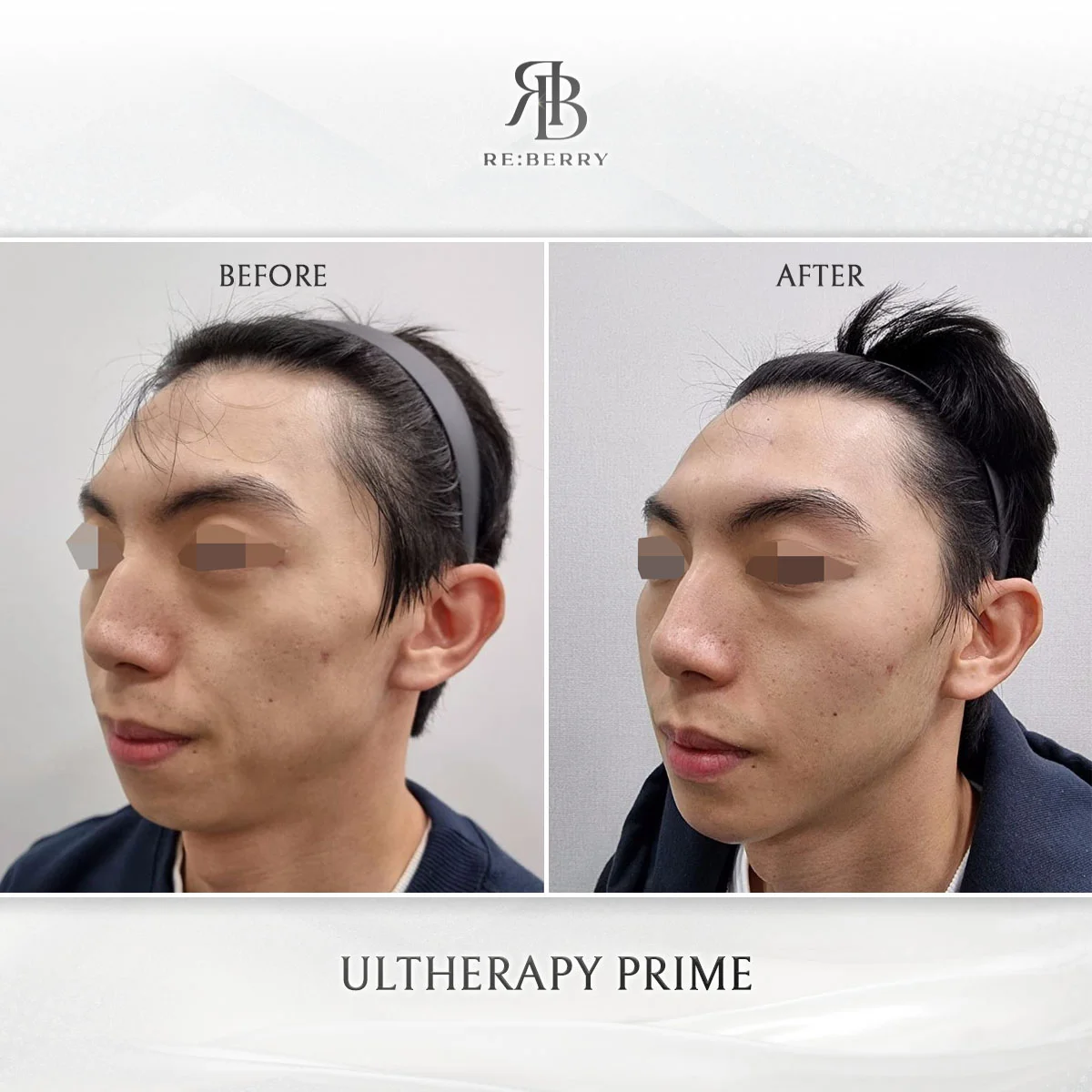
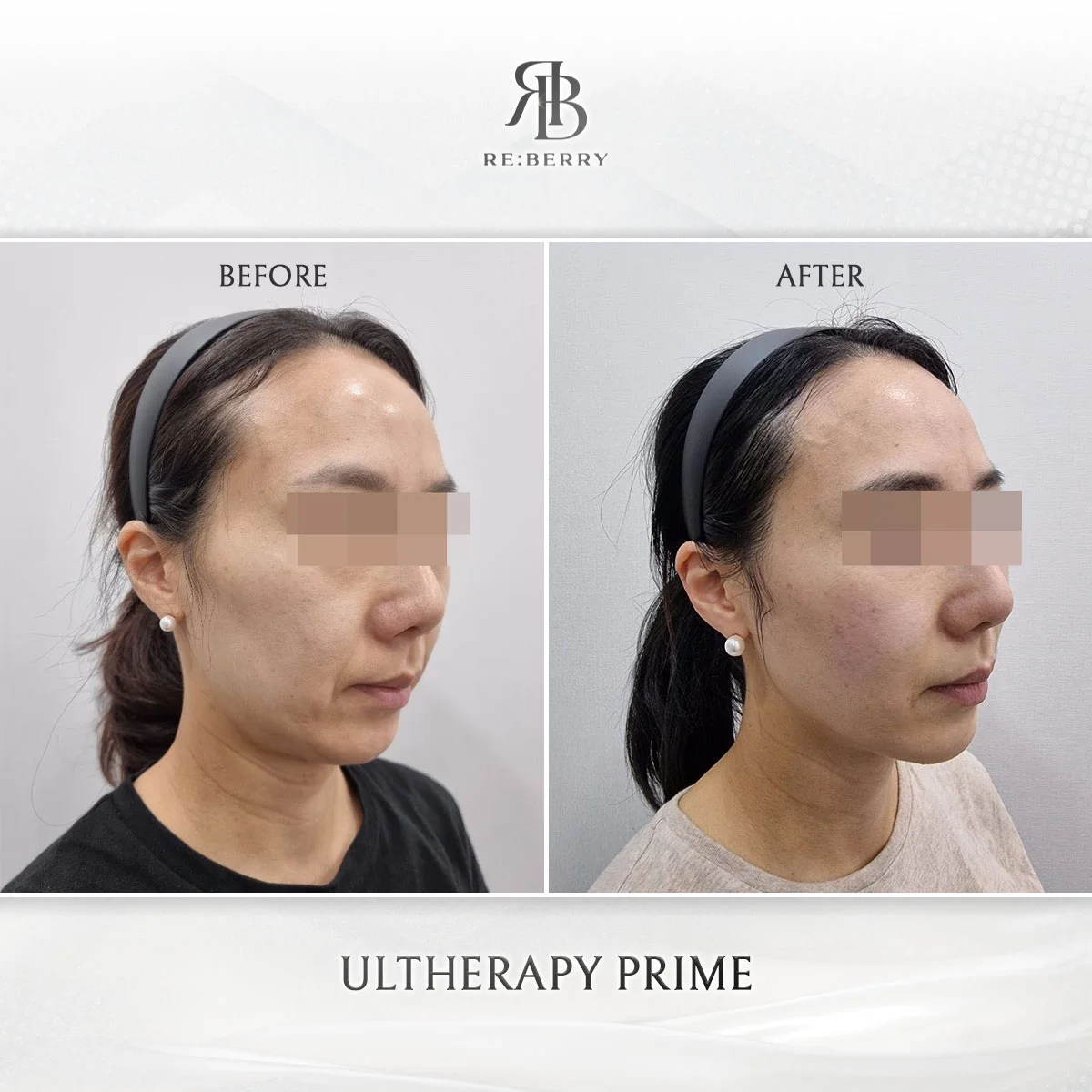
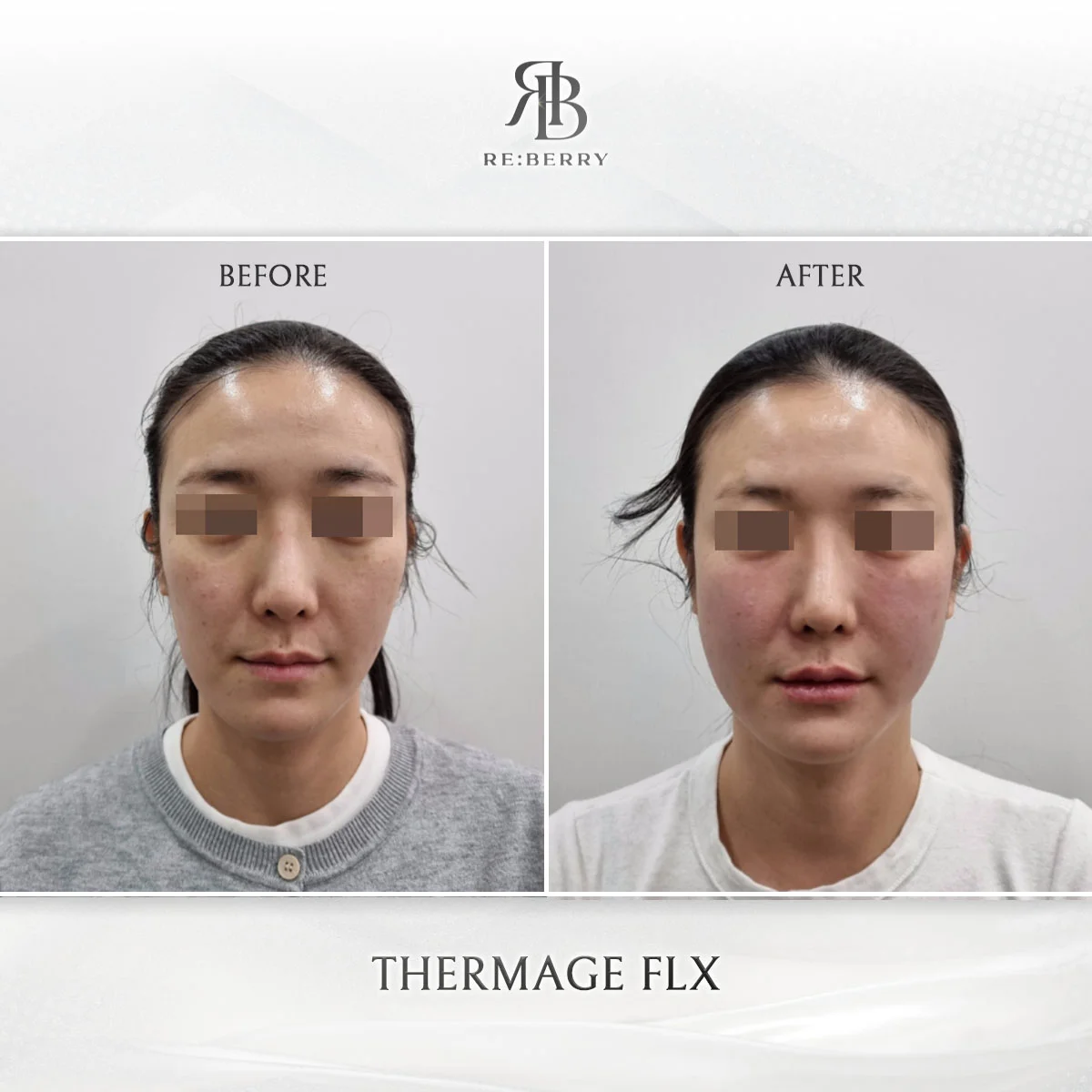
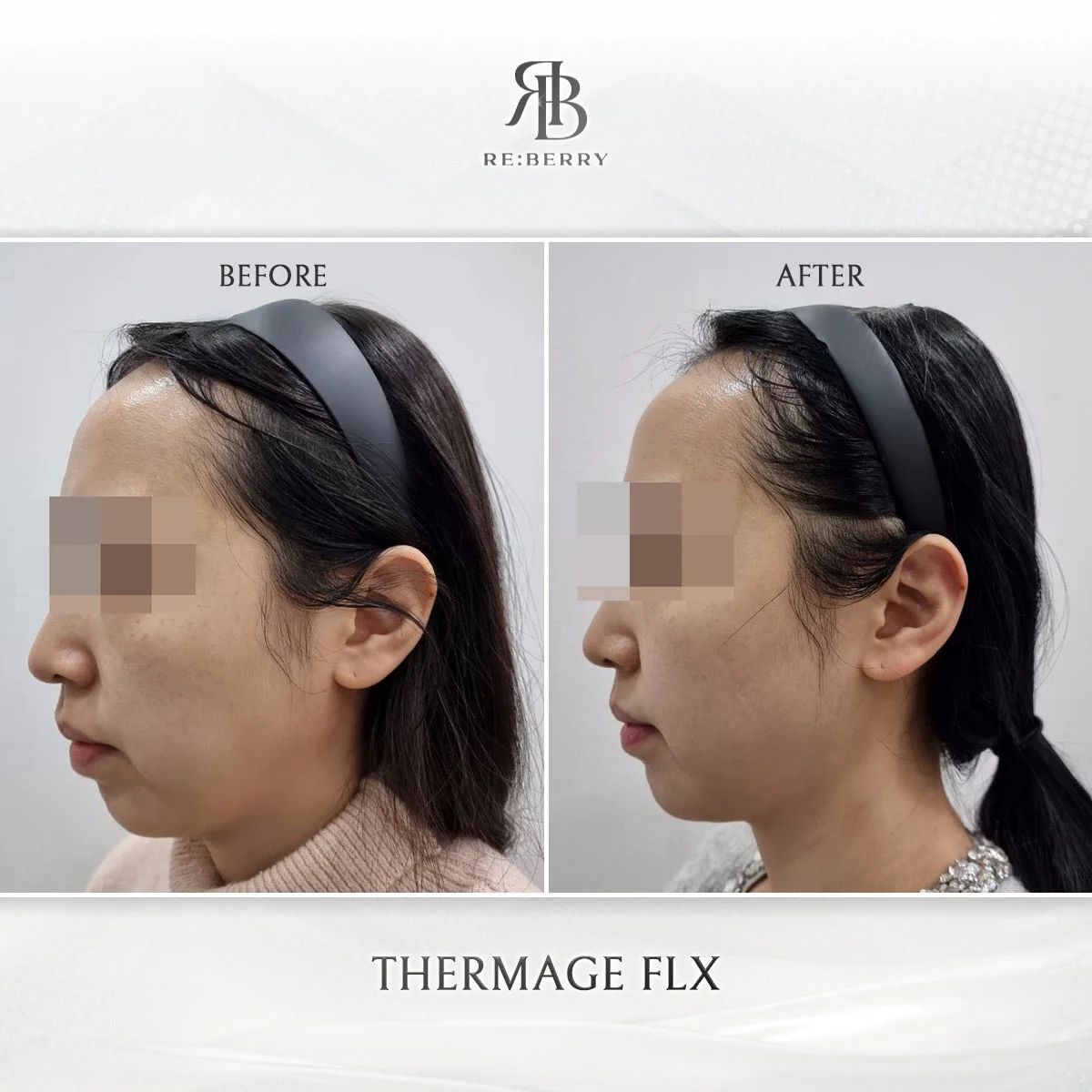
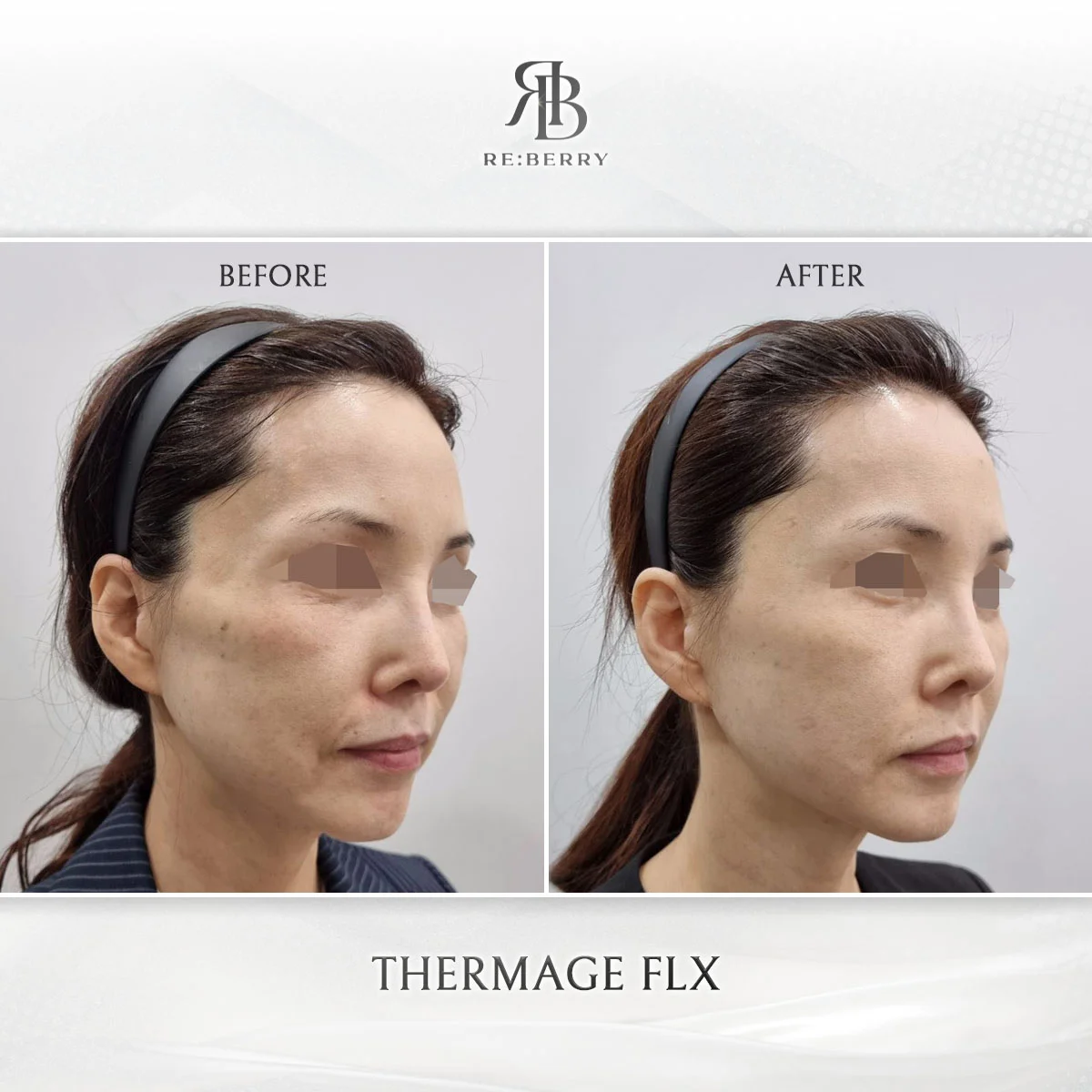
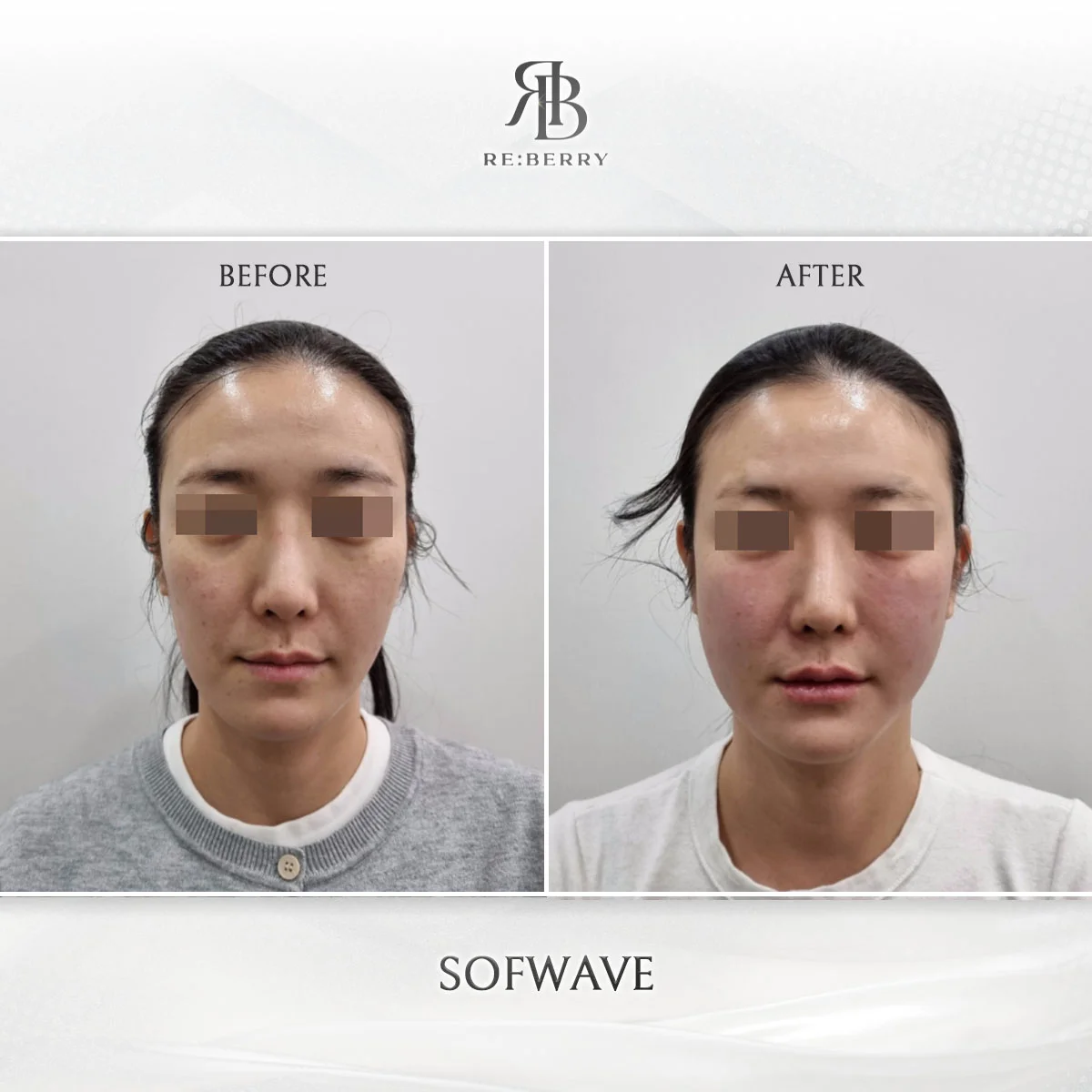
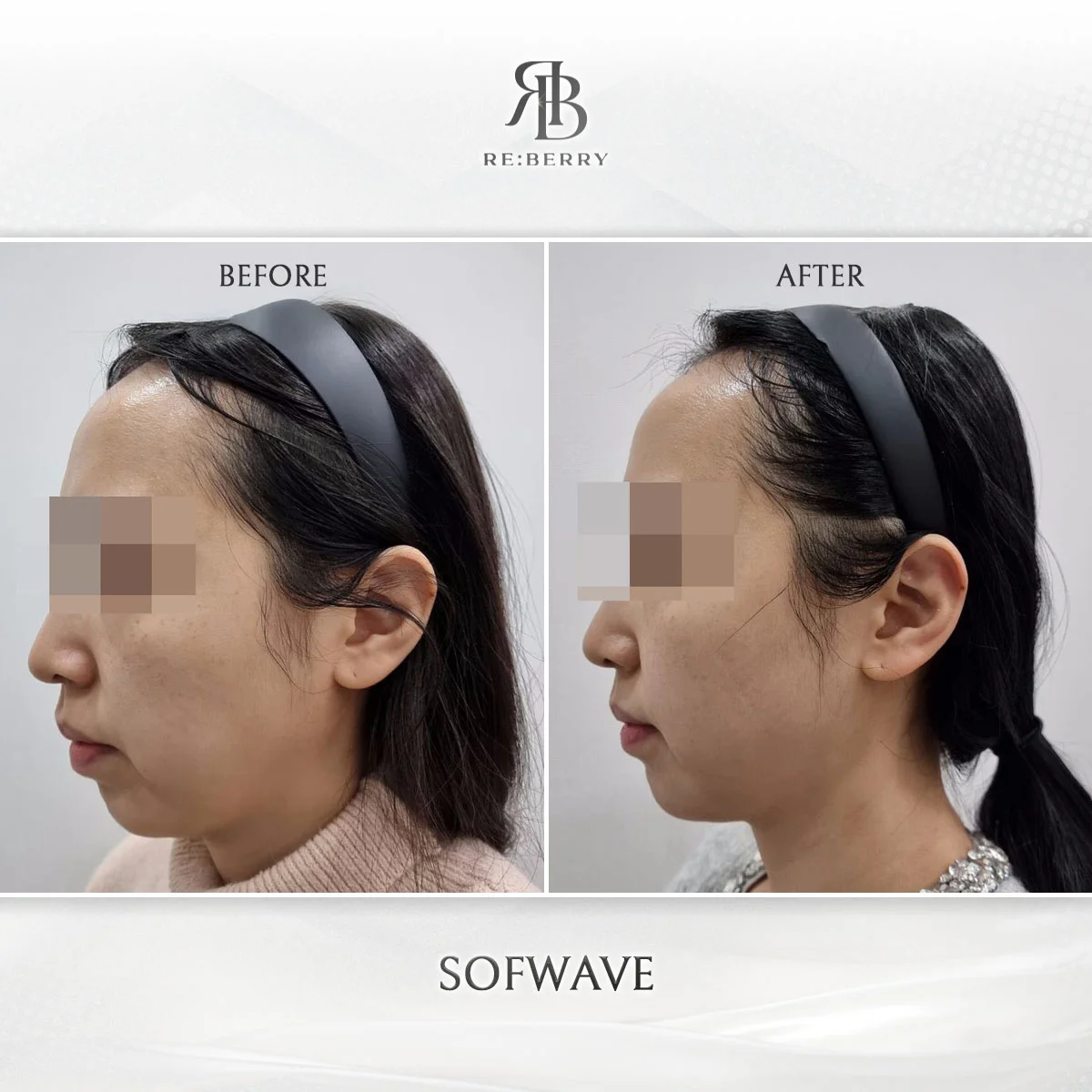
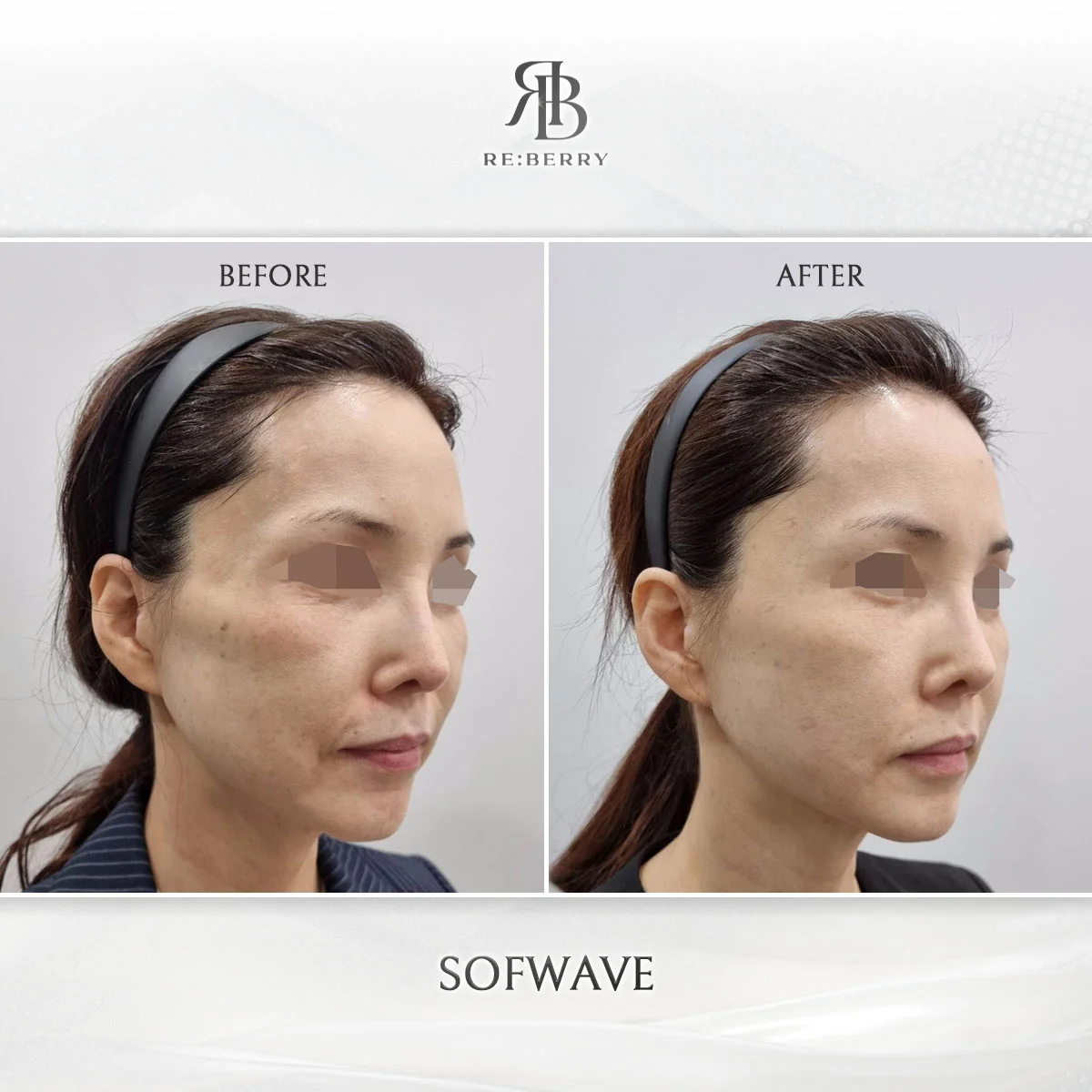
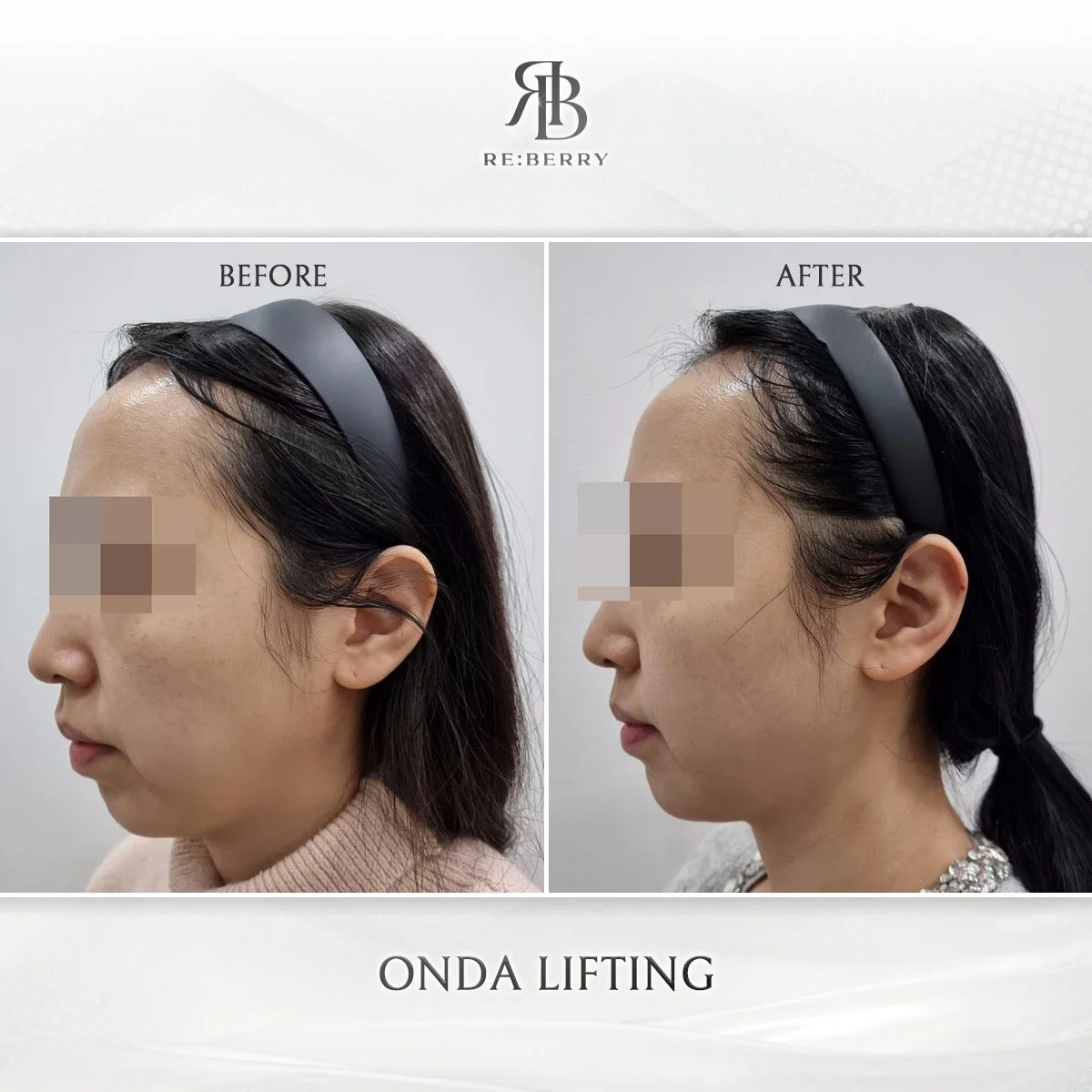
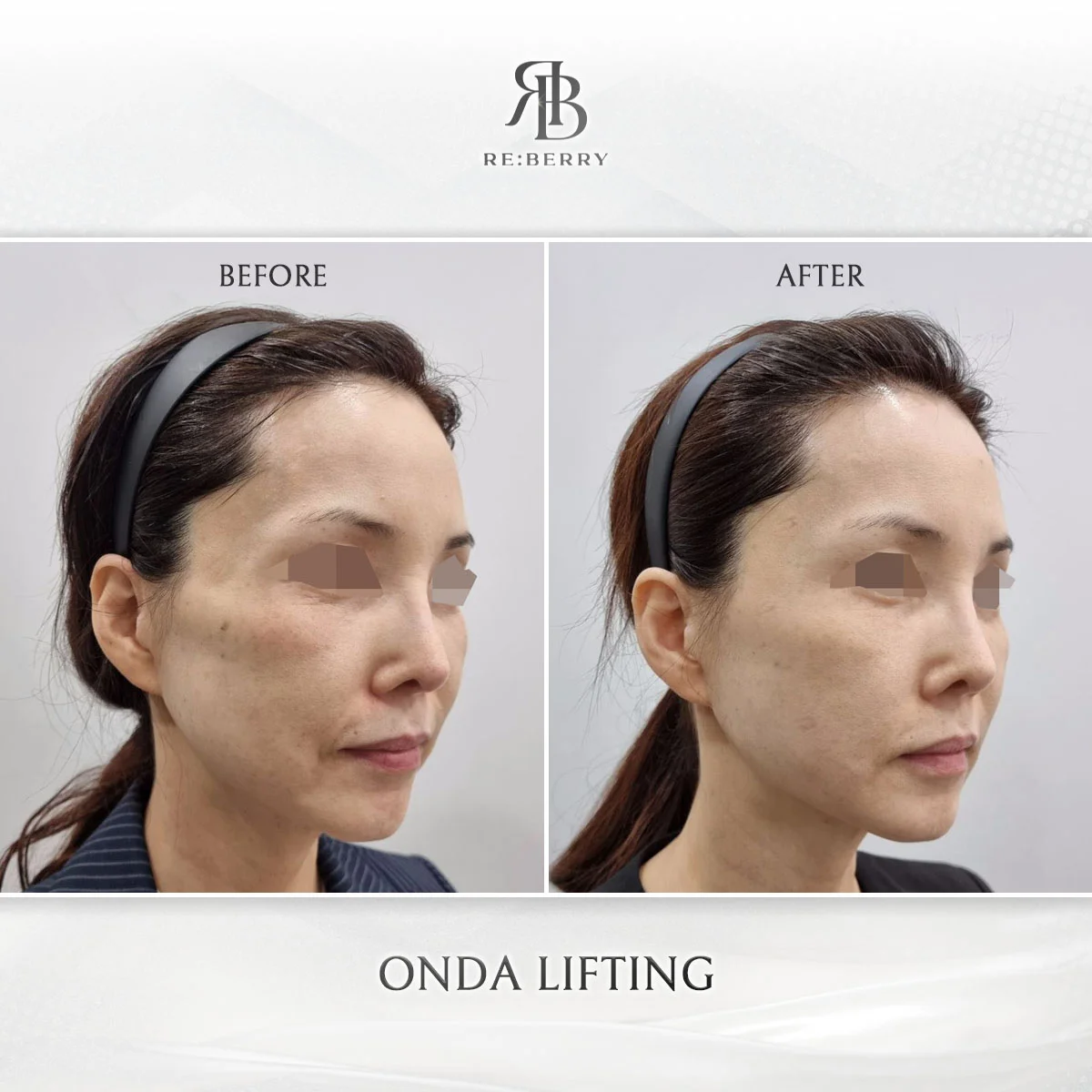
The clinic’s doctors grade your skin in English, review pigmentation history and sun exposure, and choose a safe acid and strength before you decide.
A superficial peel is applied and timed in-clinic, usually taking about 10 to 20 minutes, then neutralised so the depth stays predictable.
Many plans run as a series of about 3 to 6 sessions spaced 2 to 4 weeks apart, rather than one deep peel.
Some refresh is visible within days as light flaking settles, while tone and texture changes build over the series across several weeks.
Daily sunscreen and a gentle home routine sustain results and lower pigmentation risk, and occasional maintenance peels help over time.



Yes, a chemical peel is generally safe in Korea when performed by a doctor who matches the acid strength to your skin. Superficial AHA, BHA, and low-strength TCA peels have a strong safety record across skin tones. The main manageable risk is post-peel pigmentation in deeper skin. Browse related options on our skin care page.
Yes, superficial peels are widely used and studied in Asian skin, with salicylic acid peels well tolerated in Korean patients. The key is a conservative, correctly matched strength to reduce post-inflammatory hyperpigmentation. Your doctor grades your Fitzpatrick type, which for many Asian patients is III to V, and adjusts the plan so it stays safe and comfortable.
In deeper skin, the main risk is post-inflammatory hyperpigmentation, where treated areas darken temporarily. This is why strength is set conservatively and daily sunscreen is essential afterwards. Correct assessment lowers the risk substantially. Milder effects like redness and flaking are normal and settle, and your doctor explains what to expect before treatment.
Most people feel a mild tingling, warmth, or stinging that lasts through the short application, not sharp pain. Superficial peels are usually well tolerated without anaesthetic. The sensation eases quickly once the peel is neutralised. If your skin is sensitive, tell your doctor so the strength and timing can be adjusted for comfort at consultation.
Superficial peels usually involve minimal downtime, with mild redness, dryness, or light flaking over a few days. You can often return to routine quickly, though makeup and strong actives may be paused briefly. Deeper peels involve more visible peeling. Your doctor tailors aftercare to your skin so recovery stays predictable and comfortable.
Many plans run as a series of about 3 to 6 sessions spaced 2 to 4 weeks apart, since superficial peels build results gradually. The exact number depends on your concern and how your skin responds. Your doctor reviews progress between sessions and adjusts the plan. Compare with our acne treatment options.
Some brightness and smoother texture can appear within days as light flaking settles, while tone and pigmentation changes build over the series across several weeks. Results are gradual rather than instant, and your doctor sets realistic expectations. Consistent aftercare and sun protection help results show and last. Explore our dark spot removal options too.
Yes, salicylic acid (BHA) peels are oil-soluble and suit congested, acne-prone skin, with Korean studies showing reduced acne lesions over a series. Peels can also soften post-acne marks over time. Your doctor decides whether a peel alone or a combined plan fits your skin. See our acne treatment page.
Peels can be part of a melasma or pigmentation plan, but they are used cautiously because aggressive peels can worsen pigmentation. Conservative superficial peels combined with topical care and strict sun protection are the safer route. Your doctor assesses whether a peel suits your specific pigmentation before starting, rather than treating every case the same way.
Keep skin hydrated, avoid picking any flaking, pause strong actives like retinoids briefly, and use daily broad-spectrum sunscreen, which is the most important step. Sun protection directly lowers post-peel pigmentation risk. Your doctor gives written aftercare in English, and a gentle skin care routine supports recovery between sessions.
Peels use acids to exfoliate the surface and suit tone, texture, and mild pigmentation, while lasers use light energy and can target deeper or more specific concerns. Peels often have lower cost and minimal downtime, whereas lasers vary widely. Your doctor advises which fits your skin. Compare on our laser treatment page.
Most people with mild to moderate acne, dullness, or uneven tone are suitable, provided there is no active infection or recent heavy sun exposure. Deeper skin tones can be treated safely with a conservative plan. A consultation confirms suitability and screens for contraindications, so your doctor tailors the acid and strength to your individual skin.
Yes, peels are often combined with hydration, topical brightening, or other in-clinic treatments as part of a wider plan, though not everything is done in one session. Spacing matters to avoid over-treating the skin. Your doctor sequences treatments safely. A hydrafacial is one gentle option sometimes paired with peel plans.
No, English-language support is part of the service, not a surcharge, so cost reflects the peel type, your concern, and how many sessions your plan needs. Because private skin care is self-paid, the clinic’s doctors confirm your transparent cost at consultation. There is no separate fee for care in English or for being an international patient.
For a single superficial peel, 1 to 2 days is usually comfortable, allowing a consultation, the peel, and a short review. Because a series tends to give the clearest results, many international patients start in Seoul and continue on return visits. Our English-speaking team helps coordinate the timing around your travel plans.
Yes, flying within a day or so is generally fine after a superficial peel, as downtime is minimal. Cabin air is drying, so moisturise well and protect treated skin from sun exposure. Avoid harsh actives around your flight. If you had a stronger peel, your doctor gives specific travel aftercare so skin stays comfortable.
Peels performed at a licensed dermatology clinic use professional-grade agents applied under medical supervision, which is safer than unsupervised home peels. The clinic’s doctors control concentration, timing, and neutralisation. This medical oversight, combined with correct skin assessment, is a core reason clinic peels have a strong safety record compared with self-administered products.
| AHA Peel (Glycolic / Lactic) | BHA Peel (Salicylic) | Low-Strength TCA Peel | |
|---|---|---|---|
| Mechanism | Water-soluble surface exfoliation | Oil-soluble, penetrates into pores | Protein coagulation for targeted resurfacing |
| Best for | Dullness, texture, uneven tone | Acne-prone, congested, oily skin | More stubborn pigmentation or texture |
| Depth | Superficial | Superficial | Superficial to medium depending on strength |
| Downtime | Usually minimal, light flaking | Usually minimal, some dryness | Mild to moderate, more visible peeling |
| Pigmentation risk in deeper skin | Lower when strength is conservative | Lower, often well tolerated in Asian skin | Higher, so used with extra caution |
| Sessions | Often a series of several sessions | Often repeated over a series | Fewer sessions, chosen selectively |
Real verified reviews from our Google Business Profile, across all Reberry Clinic locations.
PULLED LIVE FROM GOOGLE · GANGNAM · MYEONGDONG · INCHEON AIRPORT
Your treatment is planned and performed by experienced, MFDS-registered doctors across our Seoul-area clinics, with multilingual support for international patients.
Flagship clinic · KOL for leading lifting & regenerative devices · Featured in Authority Magazine (2026)

Multilingual tourist care beside Myeongdong Cathedral

Fast, effective care 20 minutes from the terminals
Message us on WhatsApp for a free consultation in English and a doctor-graded, safe chemical peel plan matched to your skin.