

Gangnam
Dr. Yoongon Ryu
Aesthetic Medicine Specialist
Flagship clinic · KOL for leading lifting & regenerative devices

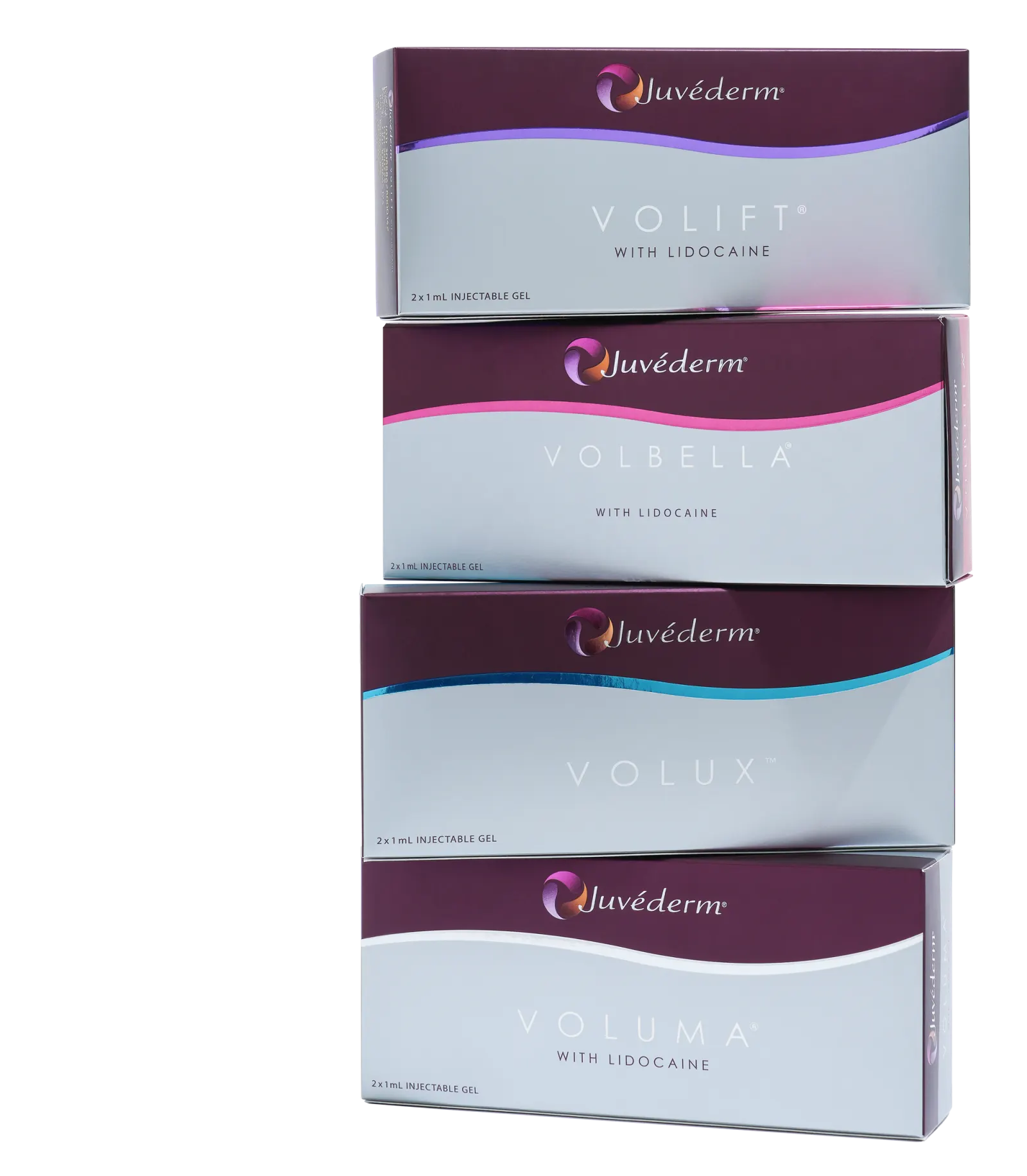
Most hyaluronic acid fillers carry a low rate of serious complications, under roughly 1 in 1,000 when injected correctly, and most side effects are mild and temporary.
Yes, dermal filler is generally safe in Korea when an approved hyaluronic acid product is injected by a qualified doctor in a licensed clinic. Most side effects are mild and temporary, such as swelling or bruising lasting a few days. Serious problems are rare but possible, so doctor skill, product authenticity and proper aftercare matter most.
One-on-One guidance from a dedicated doctor, ensuring your skin is professionally monitored and treated from start to finish.
Fluent assistance in English, Japanese, and Chinese, making communication clear, respectful and comfortable for international patients.
Over 100,000 patients worldwide have received our personalized dermatological care, highlighting our expertise and reliable results.
Dermal filler safety is not a single yes-or-no answer; it depends on the product injected, the doctor performing it and the setting. Most filler used in Korea is hyaluronic acid (HA), a sugar molecule that occurs naturally in skin. HA fillers are widely studied, can be dissolved with an enzyme called hyaluronidase if needed, and are approved by Korea’s Ministry of Food and Drug Safety (MFDS) when sourced through legitimate channels. This reversibility is a major reason HA is considered the safer default for most facial areas.
The risks that matter are mostly technique-dependent. The most common reactions are swelling, bruising, redness and tenderness, which usually settle within a few days to two weeks. Rare but serious complications include vascular occlusion, where filler blocks a blood vessel, which is why a doctor’s knowledge of facial anatomy and prompt management protocols are essential. Choosing an experienced injector in a licensed clinic, rather than the cheapest option, is the single biggest safety factor.
Reberry Clinic is a dermatology clinic that performs injectable fillers through the clinic’s doctors, using approved products and assessing your suitability before treatment. The clinic serves international patients with English-speaking support across three Seoul-area locations (Gangnam, Myeongdong, Incheon Airport), so you can ask questions and understand the plan before anything is injected.
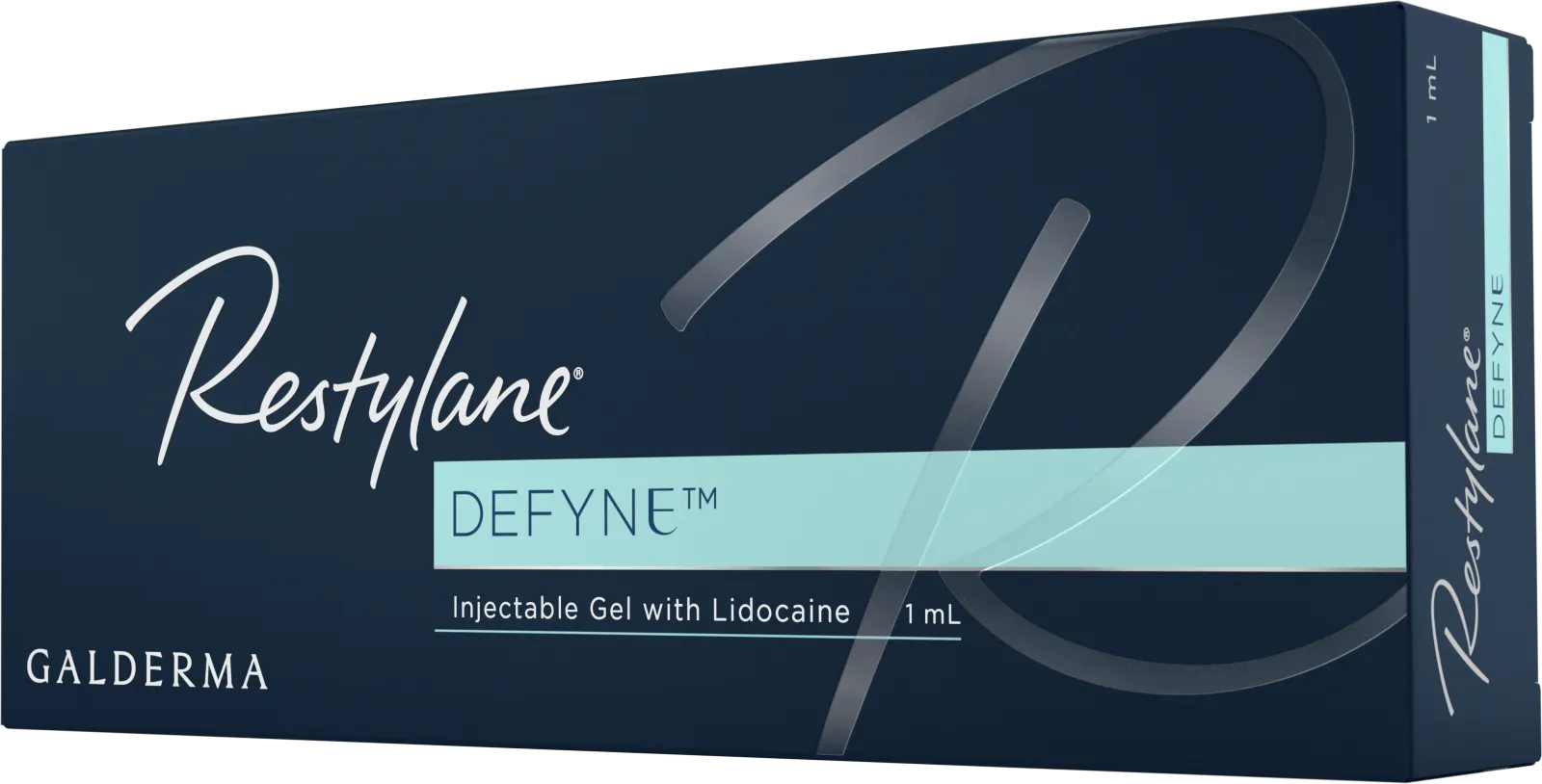
Hyaluronic acid filler is a soft gel placed under the skin to add volume, smooth folds or refine contours. Because HA binds water, it integrates with tissue and gives an immediate, adjustable result. Different products have different particle sizes and cross-linking, so a doctor selects a thinner gel for delicate areas like lips or tear troughs and a firmer gel for structural support such as the chin or cheeks. Matching product to area is part of safe injecting.
The key safety feature is reversibility: if a result is uneven or a vessel concern arises, hyaluronidase can dissolve HA filler, usually within hours to a day. This option does not exist for permanent or semi-permanent fillers, which is one reason many doctors prefer HA for most patients. Reberry Clinic’s doctors discuss product choice, depth and the role of complementary treatments so the plan suits your anatomy rather than a one-size template.
One Reberry Clinic, multiple Seoul-area locations. Pricing & current promotions are listed on each branch's own site — tap a clinic to view pricing & book.
Our flagship in the heart of Gangnam.
In Seoul's shopping & tourism heart.
A beauty stop between flights.
The newest Reberry Clinic — in Seoul's trend district.
ONE REBERRY CLINIC · MFDS-REGISTERED DEVICES · MULTILINGUAL CARE AT EVERY LOCATION
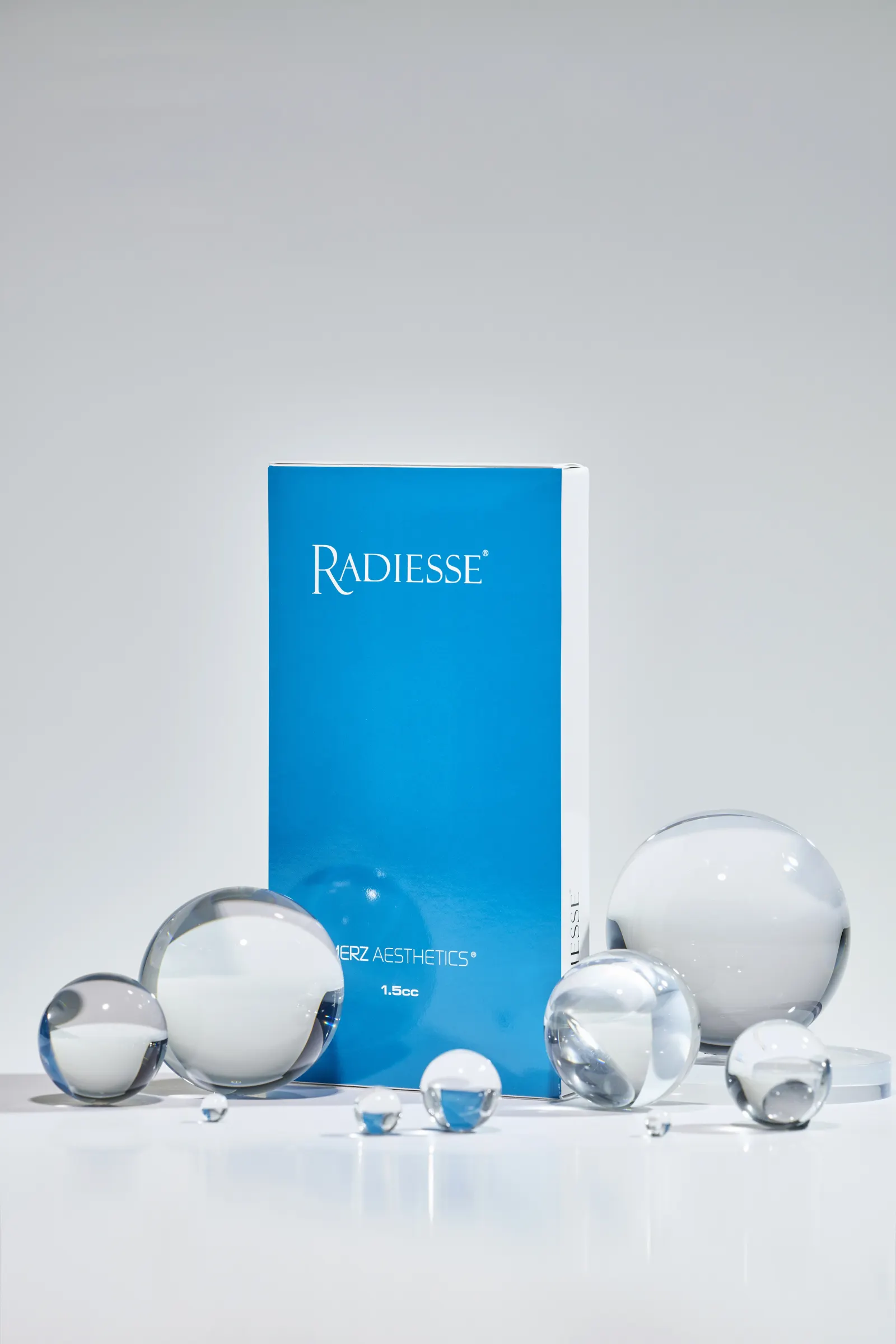

A doctor reviews your medical history, medications and goals, and examines the 1 or more areas you want treated.
An approved HA product is matched to each area, choosing from at least 2 gel firmnesses for delicate versus structural zones.
The skin is cleansed and numbing cream or a product containing lidocaine reduces discomfort over roughly 15 to 20 minutes.
The doctor injects slowly using technique that lowers vascular risk; a typical session takes about 15 to 30 minutes for 1 to 2 areas.
Results are checked immediately, with written aftercare and a follow-up route for any concern in the first 1 to 2 weeks.
See representative outcomes from Reberry Clinic. Results build gradually and vary by individual; your plan is assessed at consultation.
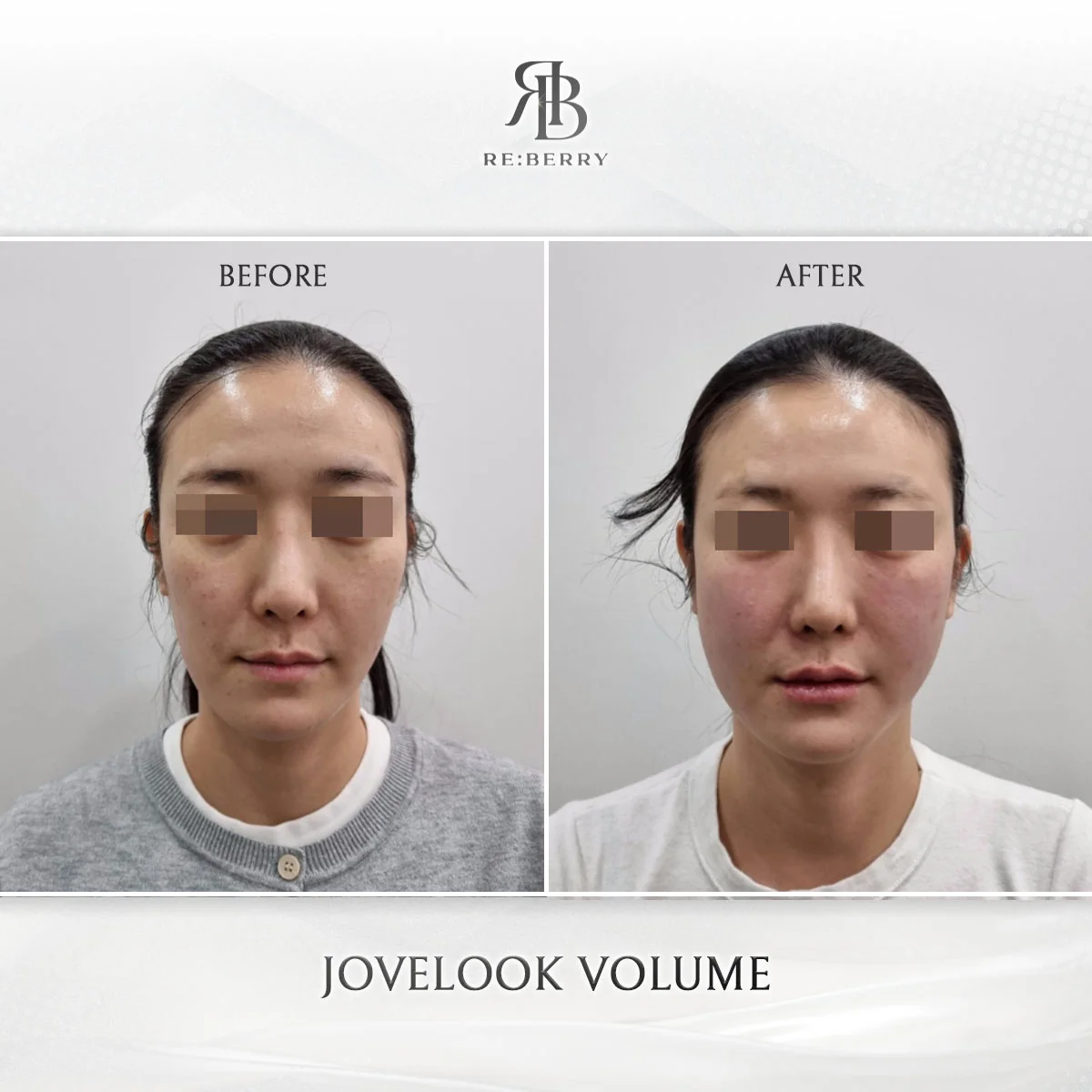
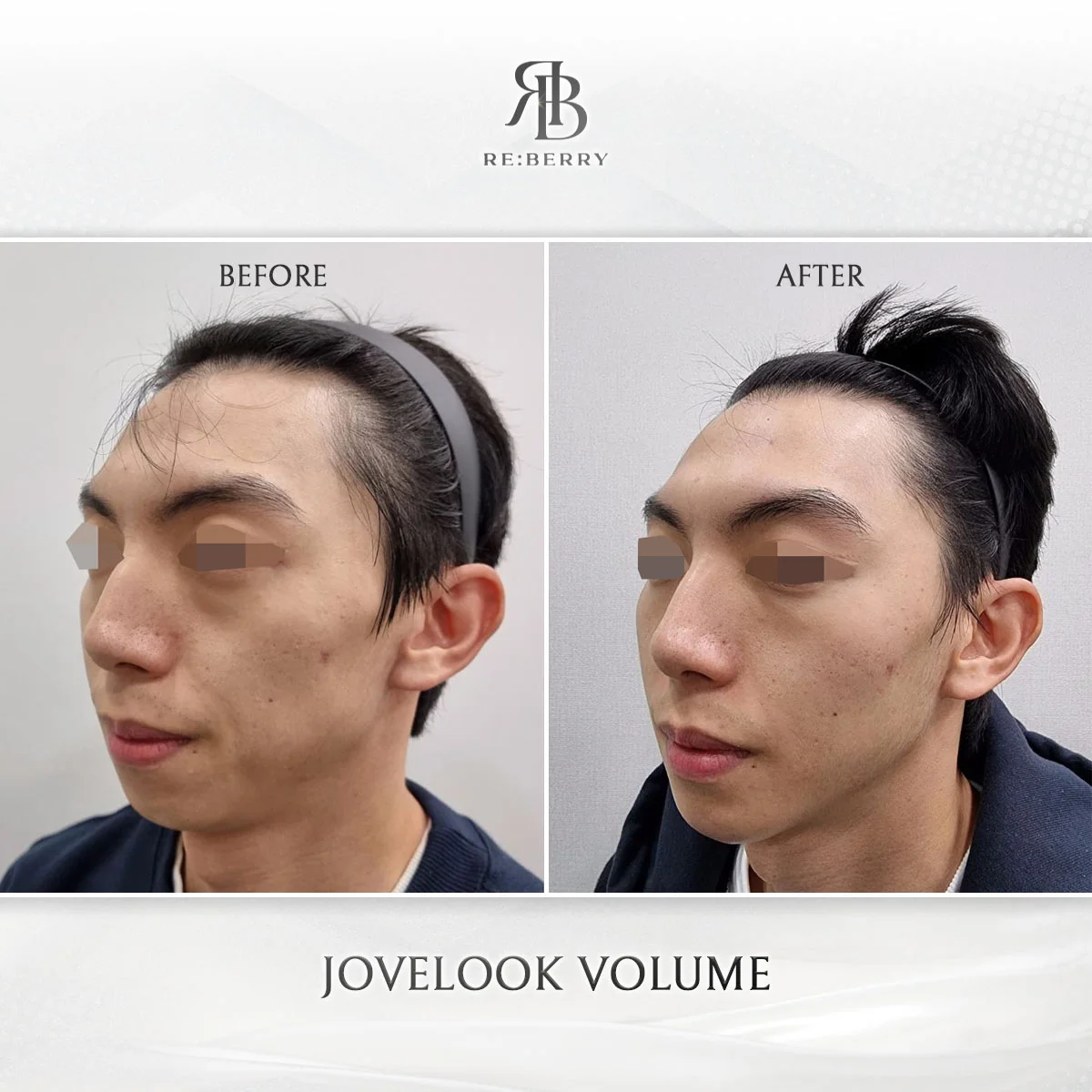
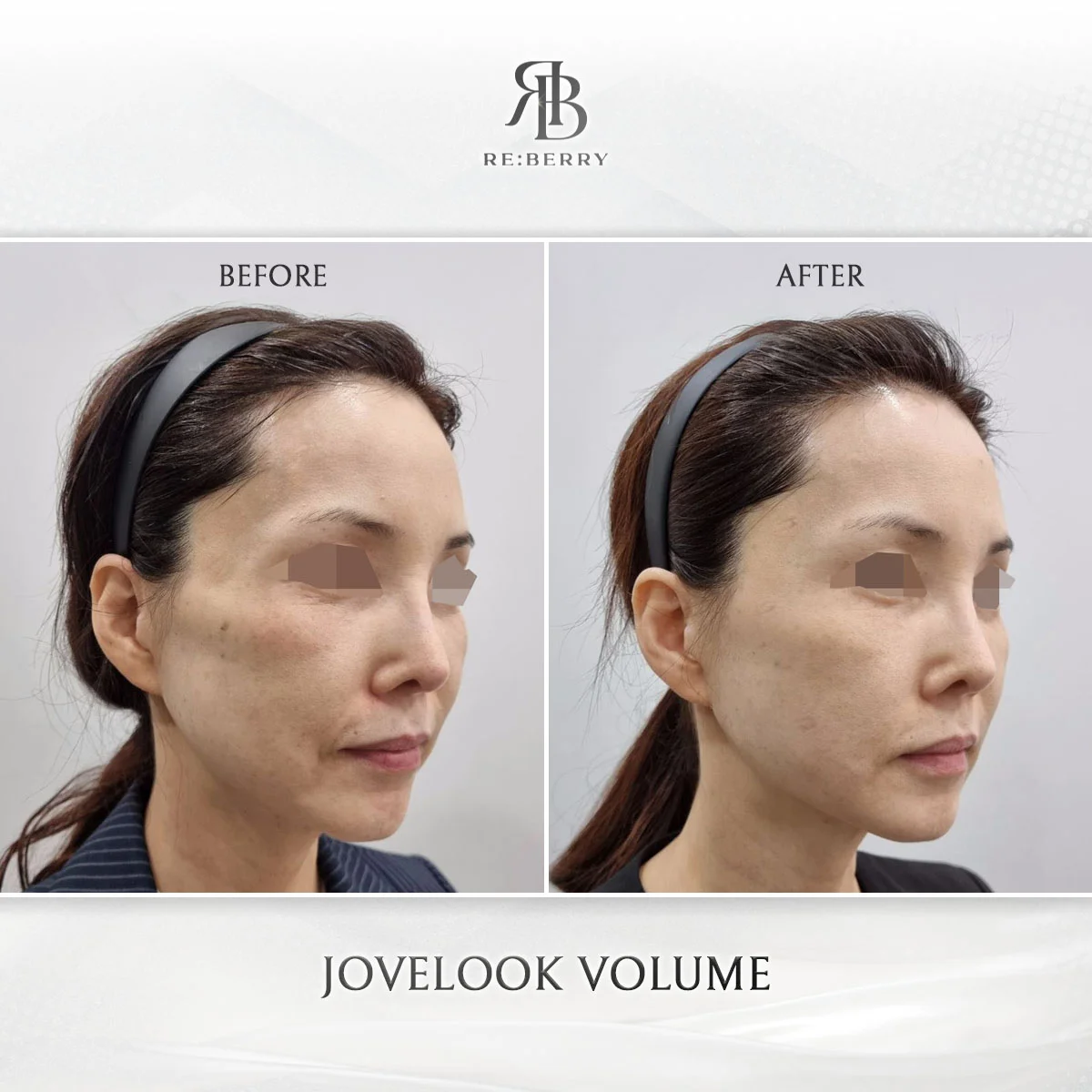
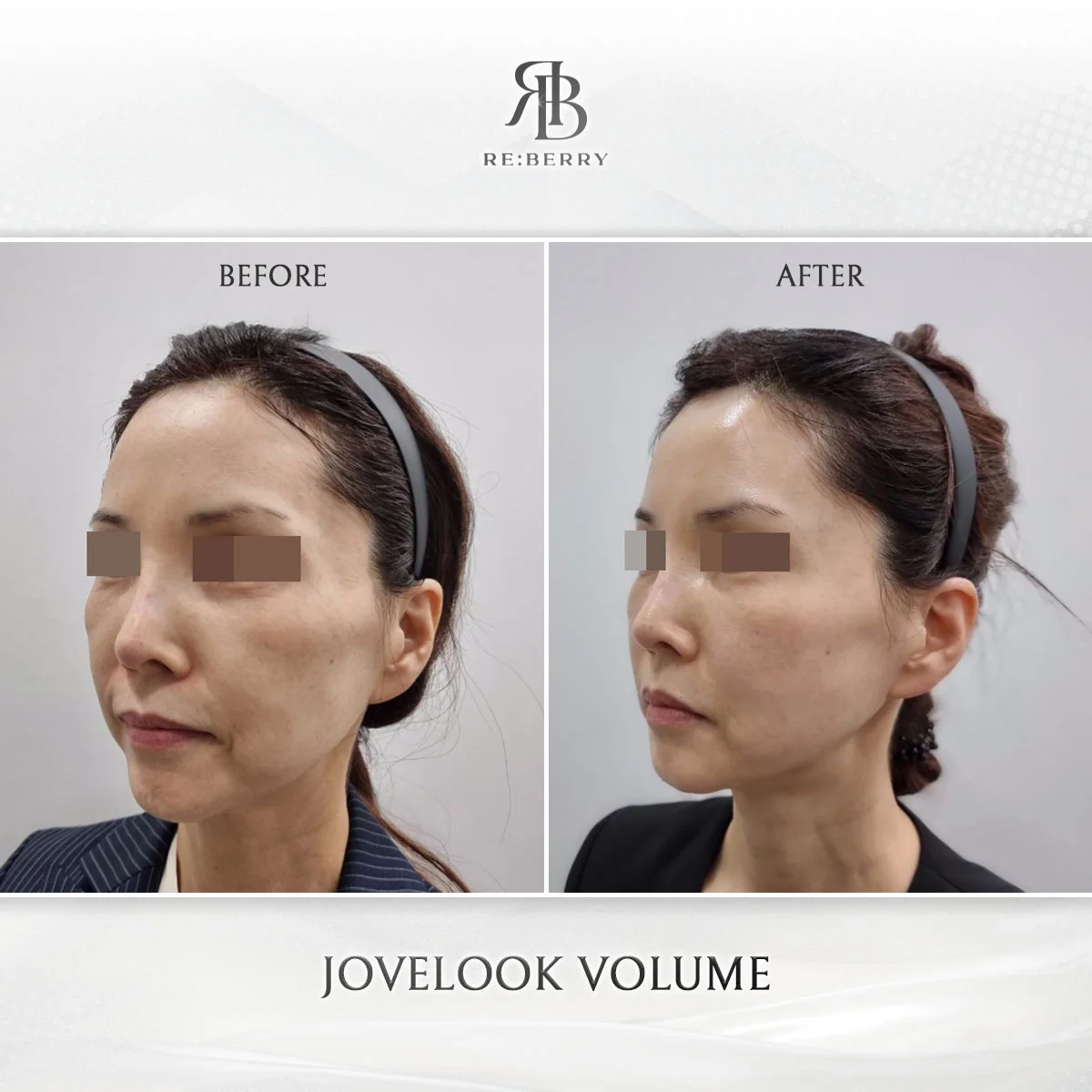
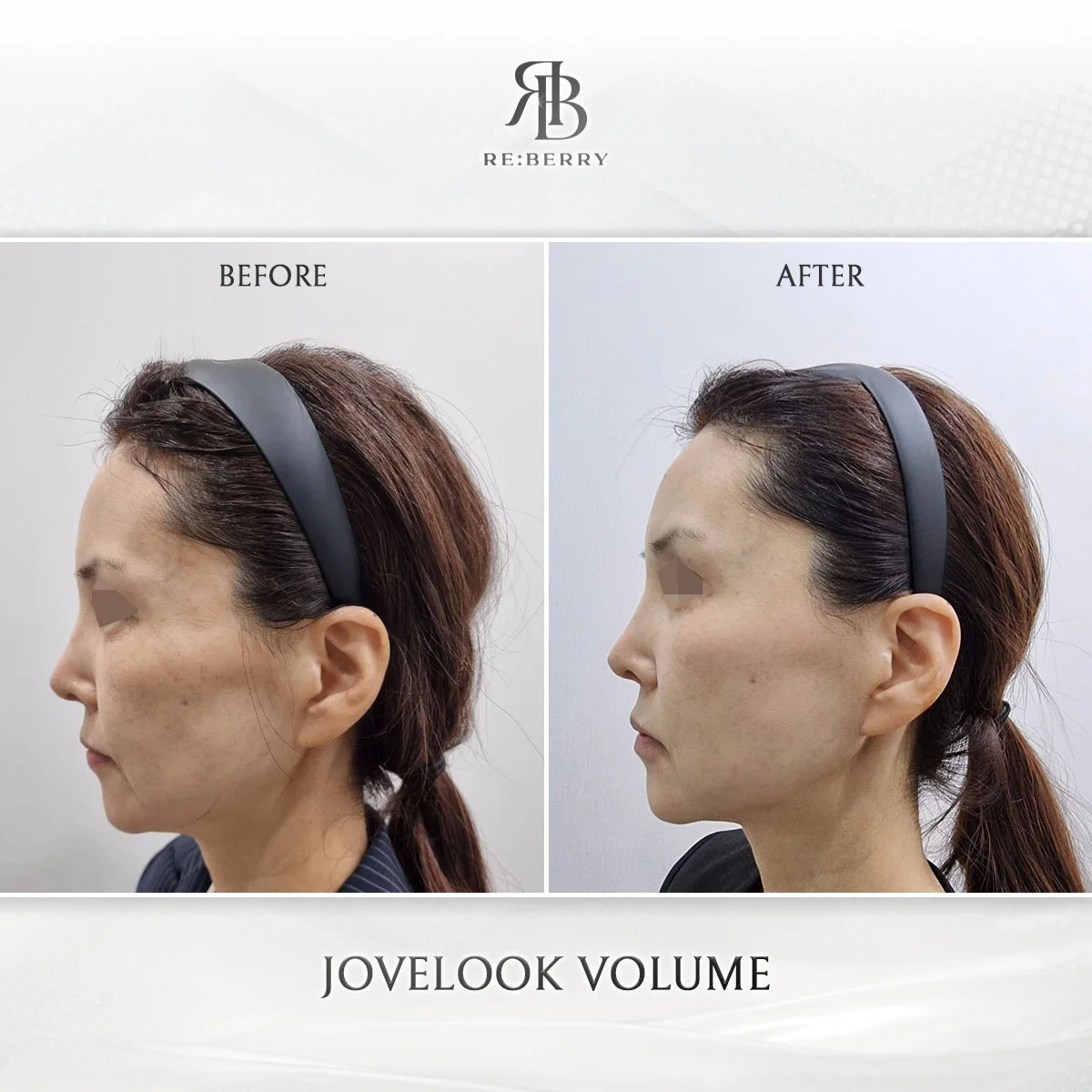
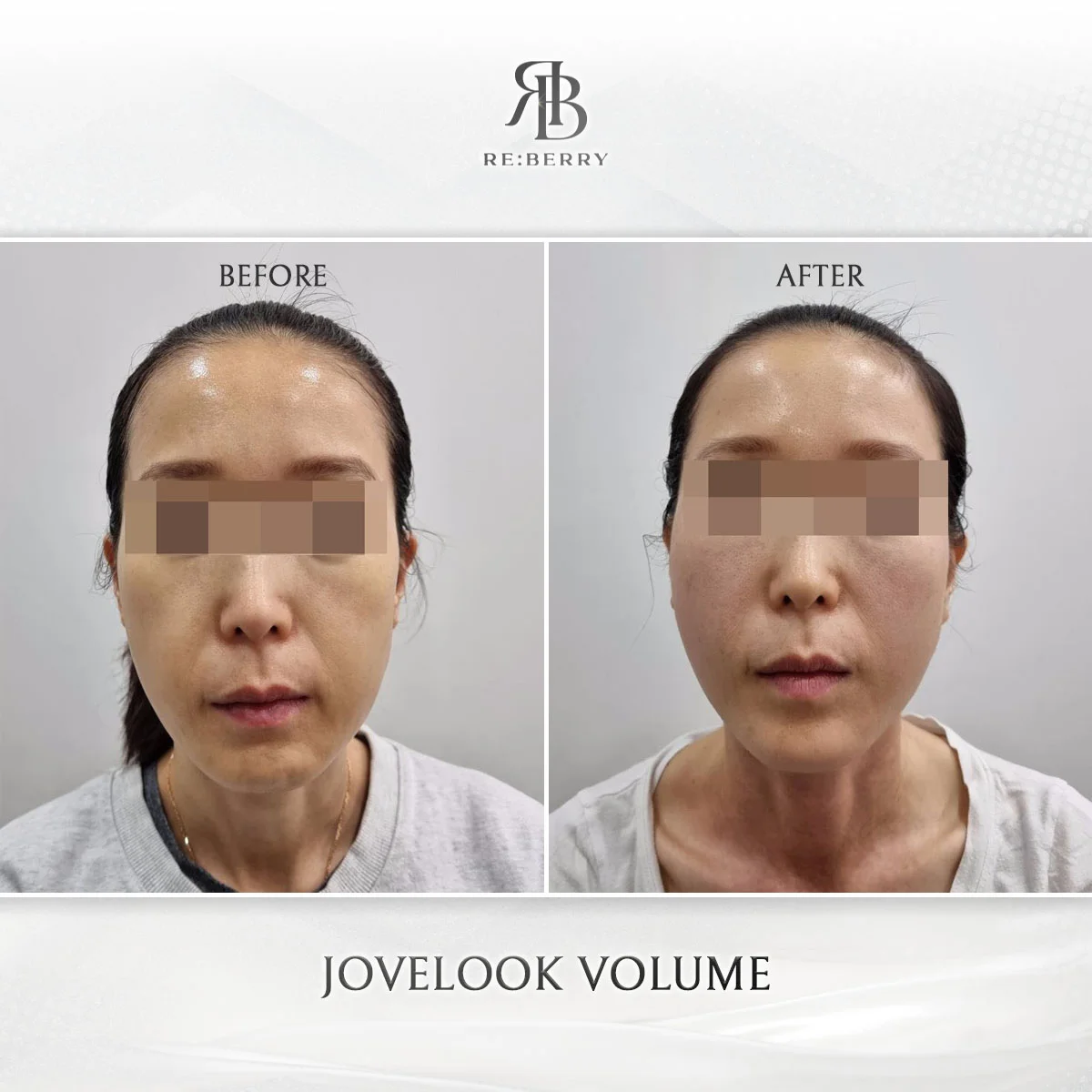
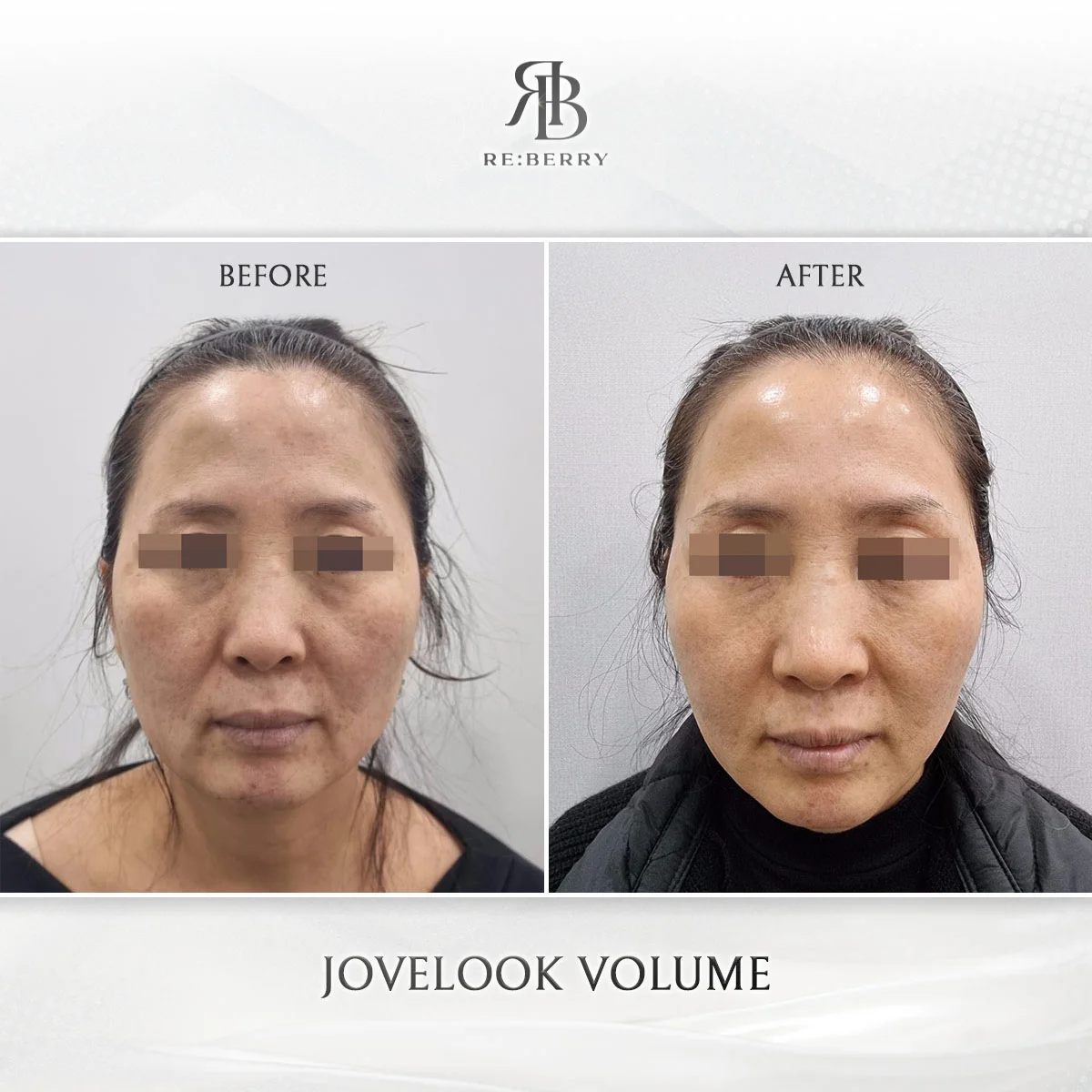
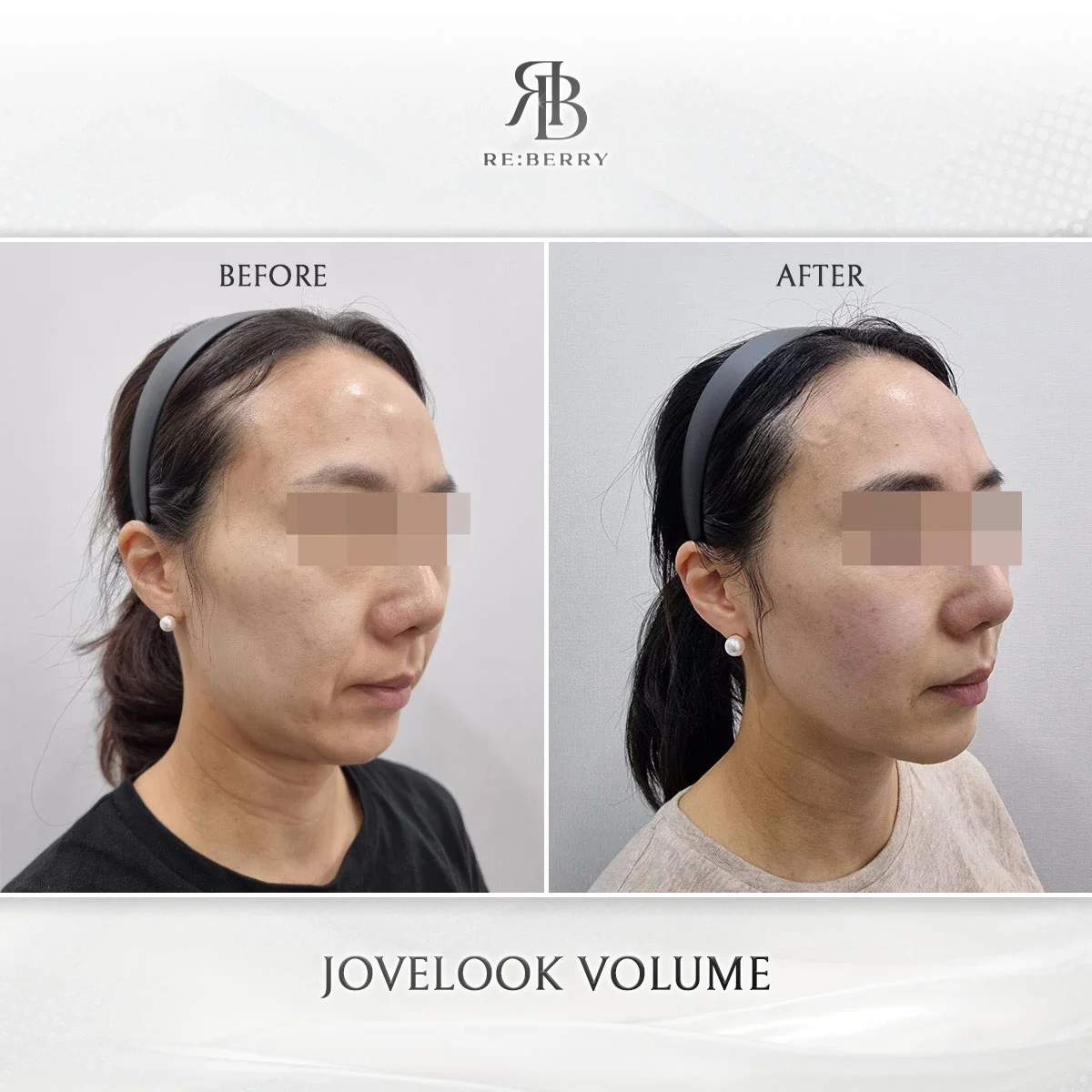
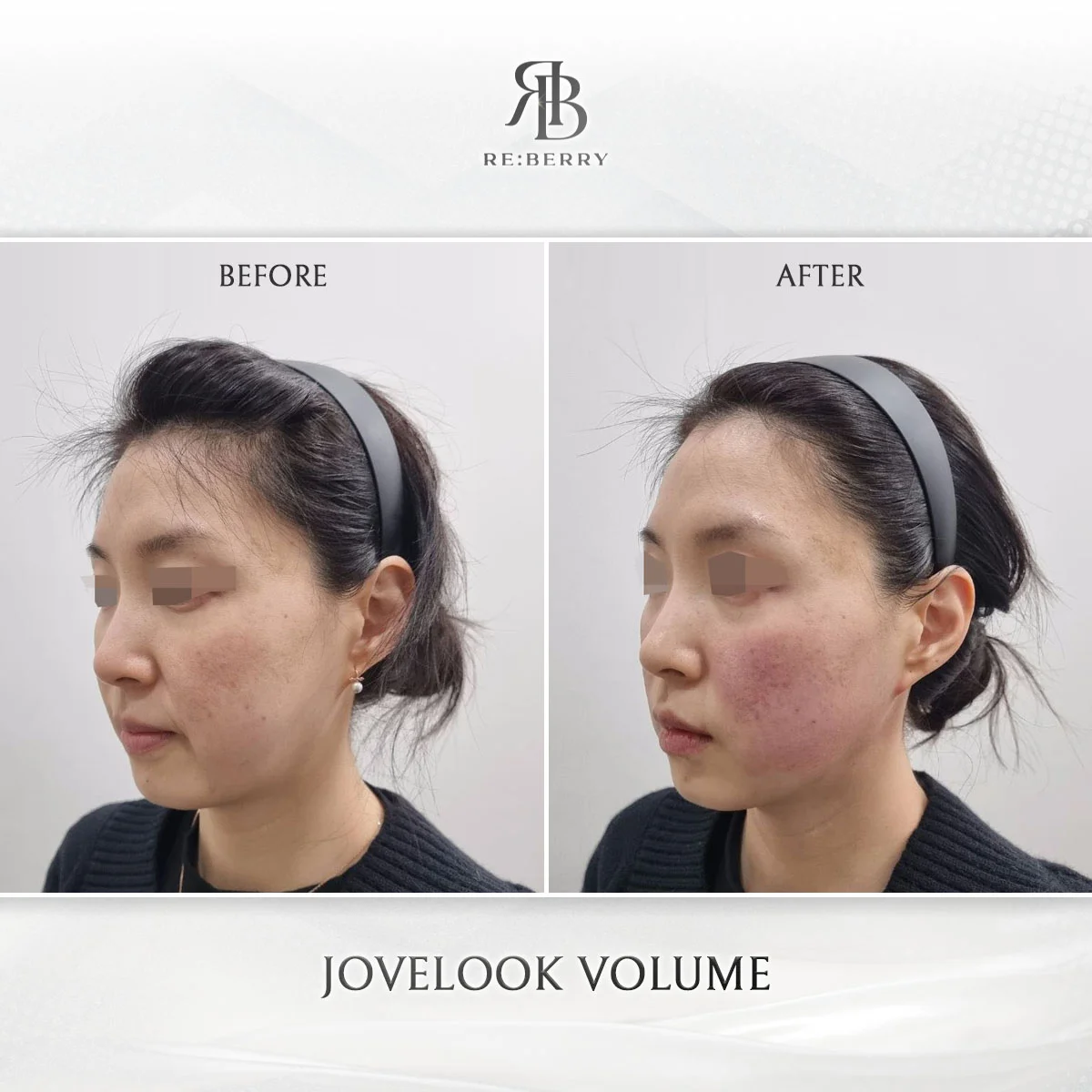
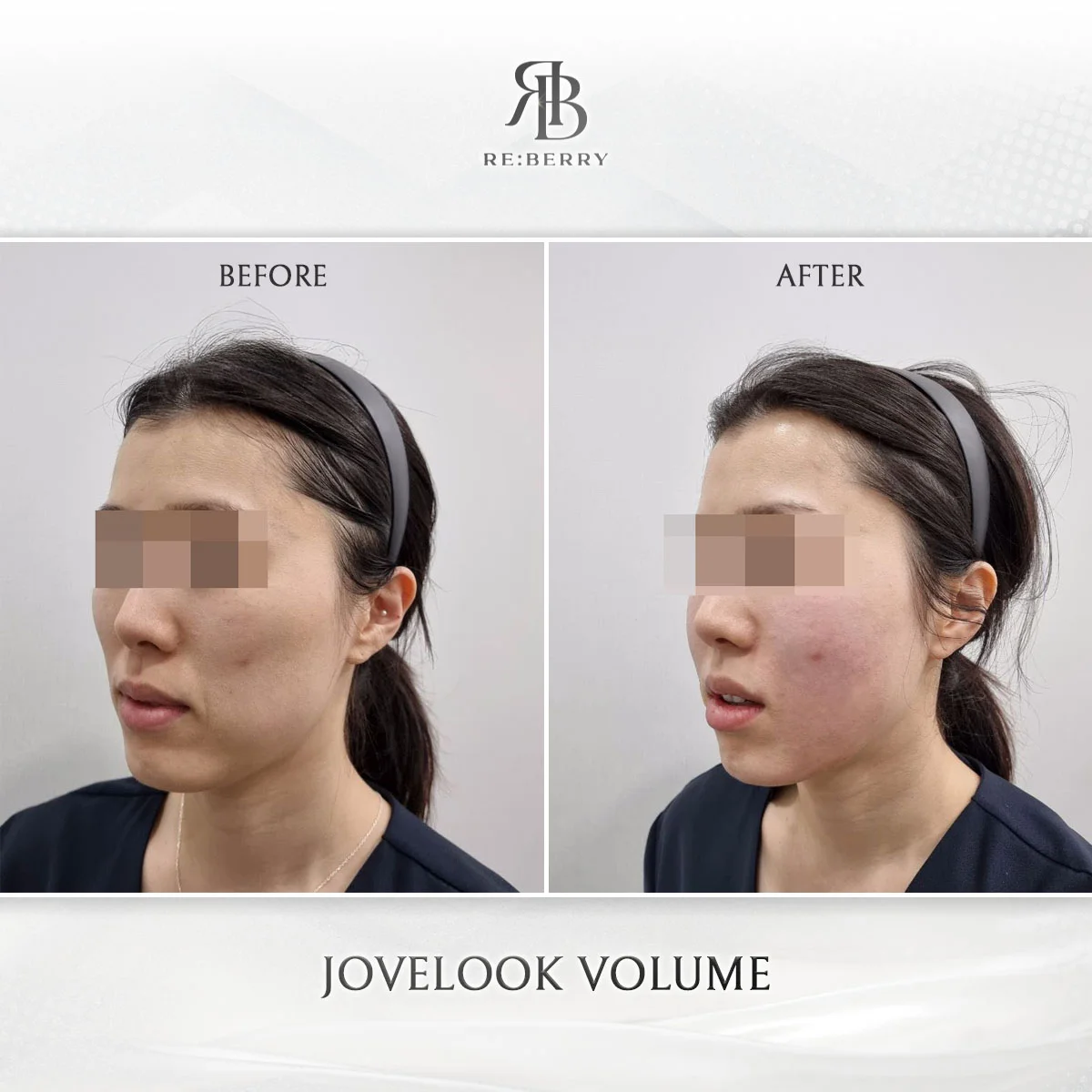
An English-language consultation reviews your history and goals and confirms whether filler is appropriate and which product suits each area.
After numbing, the doctor injects the planned areas; most sessions take about 15 to 30 minutes for one to two zones.
Treatment fits a short Seoul trip and is usually a single visit, with results visible immediately.
The final look settles as swelling fades, typically within one to two weeks of treatment.
HA filler commonly lasts several months to over a year by area; you receive written aftercare and a follow-up route from abroad.
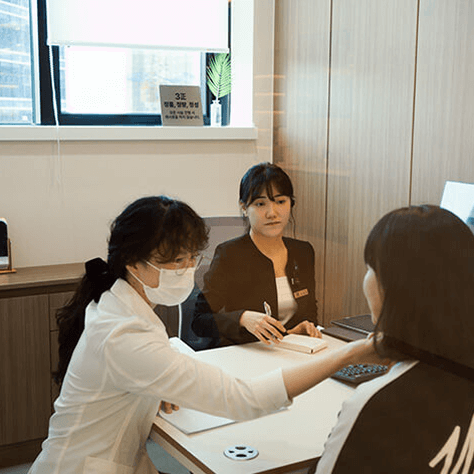
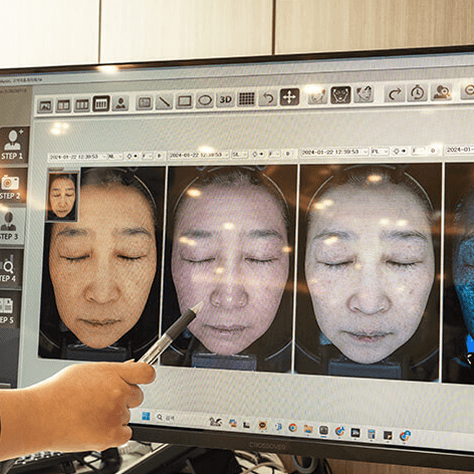
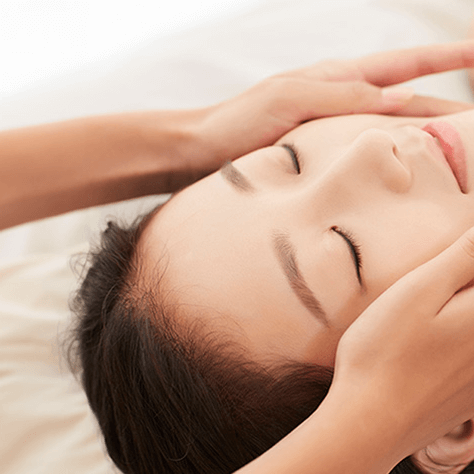
Yes, dermal filler is generally safe in Korea when an approved hyaluronic acid product is injected by a qualified doctor in a licensed clinic. Most side effects are mild and temporary. The biggest safety factors are injector skill and product authenticity, which Reberry Clinic addresses when planning injectable fillers with you.
Swelling, bruising, redness and tenderness at the injection site are the most common, affecting many patients briefly and usually settling within a few days to two weeks. These are expected reactions rather than complications. Cold compresses and following aftercare help, and your doctor explains what is normal versus what needs review.
Yes, hyaluronic acid filler can be dissolved with an enzyme called hyaluronidase, usually within hours to a day, which is a key reason HA is the safer default for most areas. This reversibility means an uneven result can be adjusted, unlike permanent fillers. Reberry Clinic uses HA products that allow this option.
Vascular occlusion, where filler blocks a blood vessel, is the most serious risk; it is rare but is why a doctor’s anatomy knowledge and prompt protocols matter. Reputable clinics keep hyaluronidase on hand to manage it. Choosing an experienced injector in a licensed clinic lowers this risk substantially.
Most patients feel only mild discomfort because numbing cream is applied and many fillers contain lidocaine. A brief pinch or pressure during injection is normal. Comfort options are reviewed during your injectable fillers consultation, and the doctor adjusts technique to your sensitivity.
Downtime is minimal for most people; mild swelling or bruising can occur but usually settles within a few days, and many patients return to normal activities the same day. Avoid heavy exercise, alcohol and heat for about 24 to 48 hours after your filler session, and most resume work or sightseeing quickly.
You see volume immediately, but early swelling can exaggerate it, so the settled result typically appears within one to two weeks. Patience in that window is normal. Your doctor maps the expected timeline at the assessment so you know when to judge the final look rather than the first-day appearance.
Hyaluronic acid filler commonly lasts several months to over a year, varying by product, area and individual metabolism; lips often fade faster than structural areas like the chin. Because longevity differs, expectations are individualized at consultation rather than promised as one fixed duration for everyone.
Ask the clinic which approved product is used and confirm it is sourced through legitimate channels regulated by Korea’s MFDS. A licensed clinic should answer openly and use sealed, traceable products. Reberry Clinic is a dermatology clinic that uses approved products and explains your plan before any filler is injected.
Often yes; many patients combine filler with treatments like toxin or skin boosters, but timing and sequence are planned by your doctor to keep things safe. Combining is assessed individually. The team can explain how botulinum toxin or skin healing injectables may fit alongside filler.
Yes, because filler is placed beneath the surface rather than relying on light or heat, it suits a wide range of skin tones. Bruising and pigmentation considerations are managed by technique, and gentler options like skin-healing injectables may complement it. Your suitability is confirmed during assessment by the clinic’s doctors.
For about 24 to 48 hours, avoid strenuous exercise, alcohol, saunas and pressing the treated area, and use gentle skincare. Some swelling or bruising is normal in the first few days. You receive written aftercare so travelers can follow it abroad and know when to contact the clinic with any concern.
Yes, Reberry Clinic serves international patients with English-speaking support across three Seoul-area locations, including one near Incheon Airport. You can be assessed and treated on your trip and supported afterward from abroad. Message us on WhatsApp to discuss safety, suitability and plan your visit.
Because filler is usually a single short session, even a one-day window works after consultation, though leaving a buffer day lets initial swelling settle before photos or events. There is no multi-day course required. Our team helps schedule it around your itinerary.
Yes, most patients fly the same or next day since downtime is minimal, though mild swelling or bruising may still be present in transit. The settled result develops over the following one to two weeks. You receive a written aftercare plan so you can follow up from abroad if anything concerns you.
| Hyaluronic Acid Filler | Biostimulator (e.g. Sculptra/Juvelook) | Permanent / Semi-permanent Filler | |
|---|---|---|---|
| Mechanism | Soft HA gel adds volume directly | Stimulates your own collagen over time | Non-absorbable material stays long term |
| Reversibility | Reversible; dissolvable with hyaluronidase | Not directly reversible; resolves slowly | Not reversible without surgery |
| Onset of result | Immediate | Gradual over weeks to months | Immediate but permanent |
| Best for | Volume, contour and folds | Diffuse collagen loss and skin quality | Rarely first choice for most patients |
| Common side effects | Swelling, bruising, tenderness, usually short-lived | Swelling, possible small nodules | Higher long-term nodule and migration risk |
| Safety note | Widely studied, adjustable | Doctor-dependent technique | Hardest to correct if unhappy |
Real verified reviews from our Google Business Profile, across all Reberry Clinic locations.
PULLED LIVE FROM GOOGLE · GANGNAM · MYEONGDONG · INCHEON AIRPORT
Your treatment is planned and performed by experienced, MFDS-registered doctors across our Seoul-area clinics, with multilingual support for international patients.
Flagship clinic · KOL for leading lifting & regenerative devices
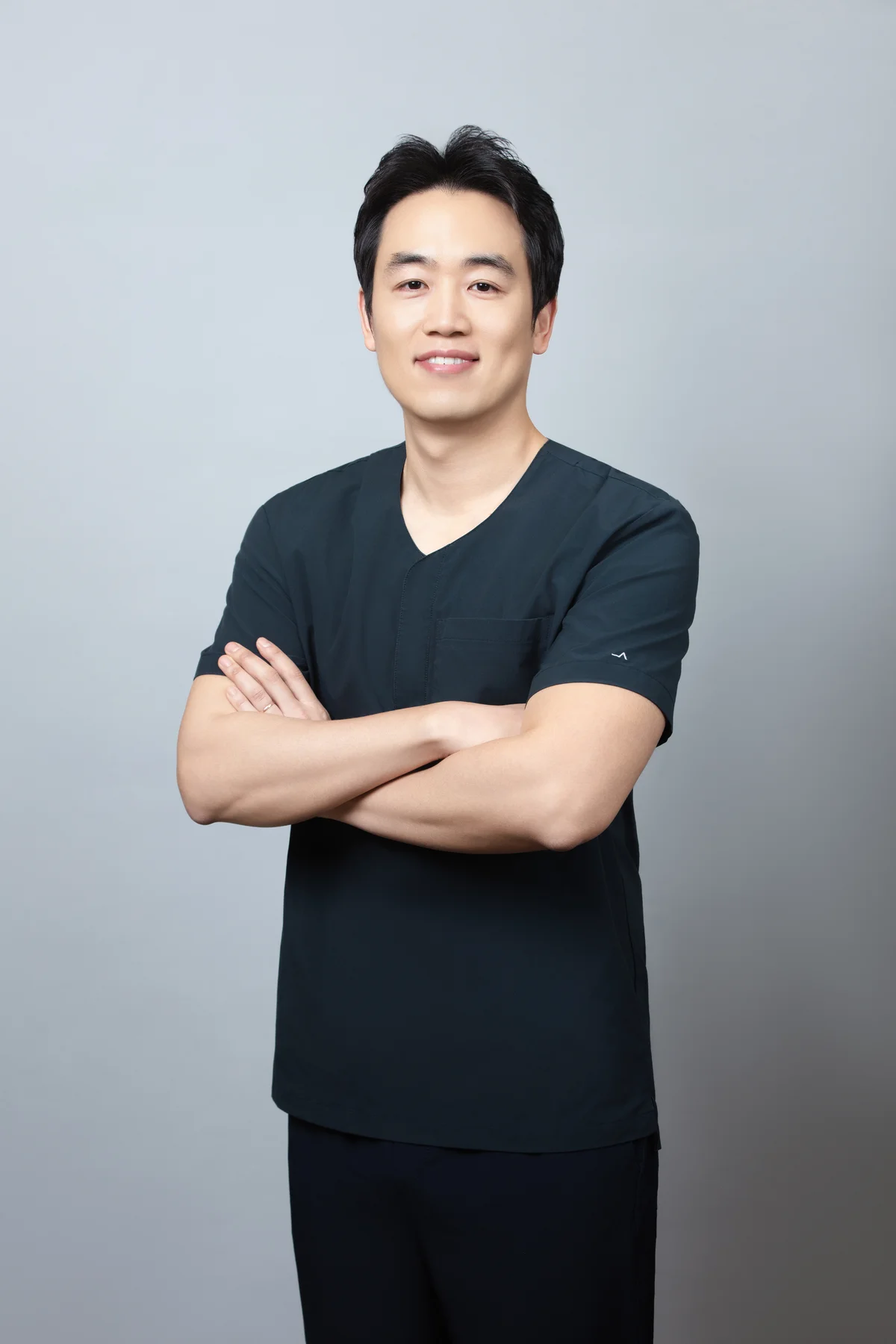
Multilingual tourist care beside Myeongdong Cathedral
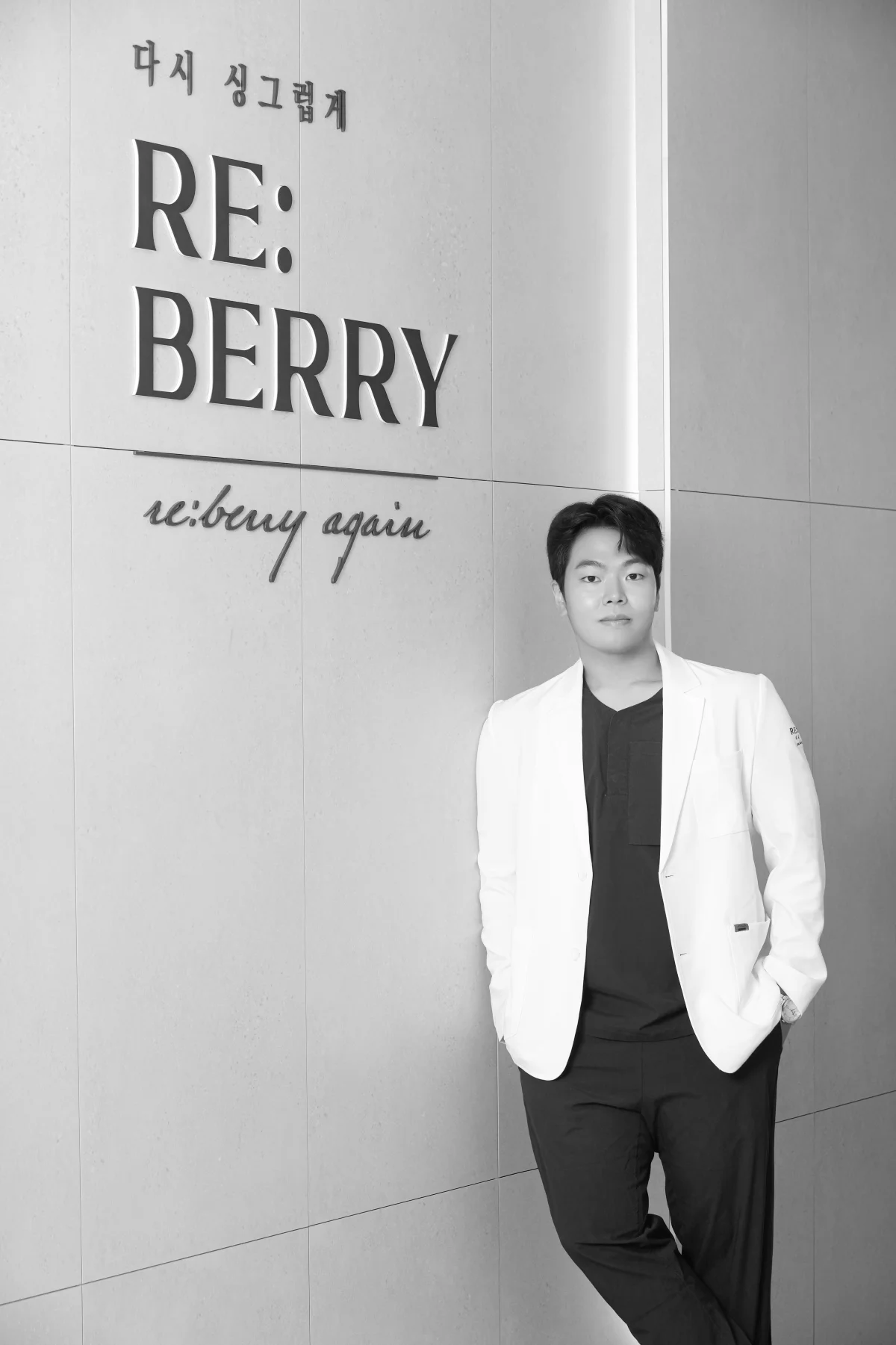
Fast, effective care 20 minutes from the terminals
Message us on WhatsApp for a free consultation in English about filler safety, suitability and a personalized plan.