

Gangnam
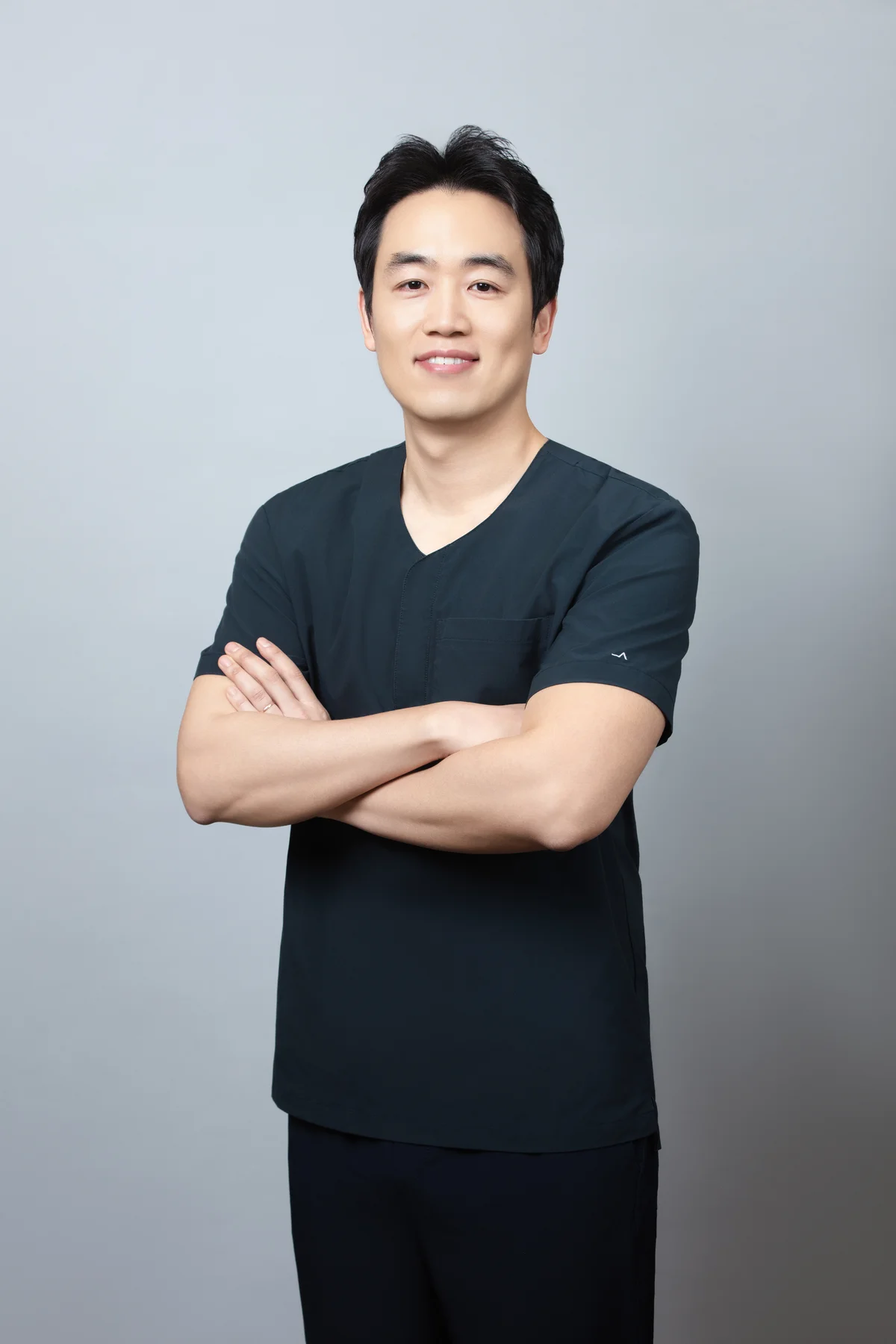
Dr. Yoongon Ryu
Aesthetic Medicine Specialist
Flagship clinic · KOL for leading lifting & regenerative devices

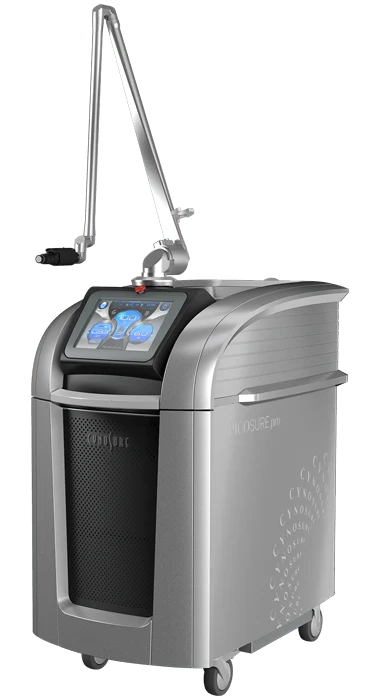
A conservative, phototype-matched approach: most protocols run across 4 to 8 sessions with low-energy settings chosen to limit post-inflammatory pigment.
Hyperpigmentation treatment in Korea is generally safe when the laser, energy, and interval are matched to your pigment type and skin tone. On melanin-rich Asian skin the main concern is post-inflammatory hyperpigmentation, so experienced clinics use low-fluence settings, a patch test, and spaced sessions rather than aggressive single passes. A consultation confirms your candidacy first.
One-on-One guidance from a dedicated doctor, ensuring your skin is professionally monitored and treated from start to finish.
Fluent assistance in English, Japanese, and Chinese, making communication clear, respectful and comfortable for international patients.
Over 100,000 patients worldwide have received our personalized dermatological care, highlighting our expertise and reliable results.
Hyperpigmentation treatment is a set of laser, light, and topical methods that reduce excess melanin, whether it sits as sun spots, freckles, melasma, or post-inflammatory marks. In Korea these treatments are common because clinics see a high volume of Fitzpatrick type III to V skin every day, which shapes how conservatively energy is delivered.
Safety depends far more on the correct diagnosis and settings than on the machine name. Epidermal pigment such as freckles and lentigines usually clears faster than dermal or mixed melasma, which needs a gentler, longer plan. A doctor first identifies which type of pigment you have, because the wrong approach can darken rather than lighten the skin.
At Reberry Clinic, care is available across our Seoul locations (Gangnam, Myeongdong) and near Incheon Airport, with English-speaking staff who explain each option before anything is started. The clinic favors staged, low-energy protocols that respect Asian skin biology.
Most pigment lasers used in Korea rely on selective photothermolysis: a specific wavelength is absorbed by melanin and delivered in extremely short pulses that shatter the pigment while sparing surrounding tissue. For melasma and darker tones, a 1064 nm Q-switched Nd:YAG laser at low fluence is a mainstay because it heats the skin minimally across many soft passes.
Picosecond lasers push pulses into the trillionths of a second, favoring a photomechanical rather than photothermal effect, which can lower heat build-up. Intense pulsed light (IPL) targets superficial sun spots but is used cautiously on melasma. The common safety thread is restraint: lower energy, larger spot sizes, and longer intervals reduce the chance of provoking new pigment.
One Reberry Clinic, multiple Seoul-area locations. Pricing & current promotions are listed on each branch's own site — tap a clinic to view pricing & book.
Our flagship in the heart of Gangnam.
In Seoul's shopping & tourism heart.
A beauty stop between flights.
The newest Reberry Clinic — in Seoul's trend district.
ONE REBERRY CLINIC · MFDS-REGISTERED DEVICES · MULTILINGUAL CARE AT EVERY LOCATION
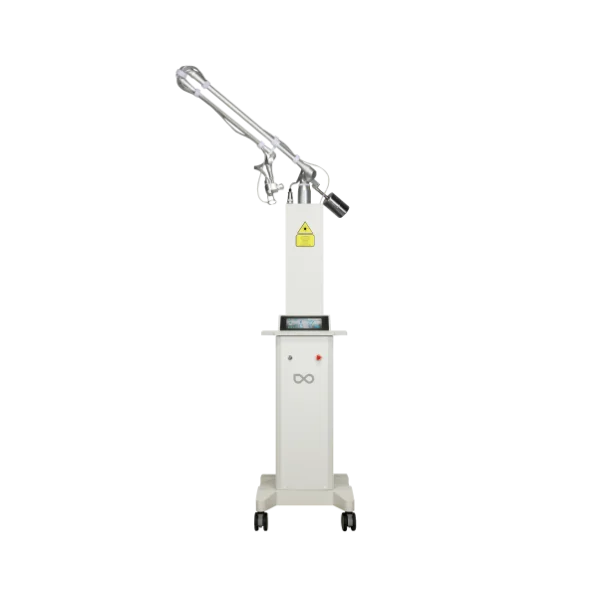
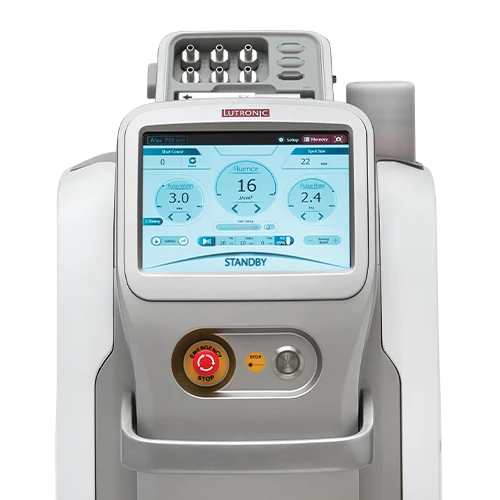
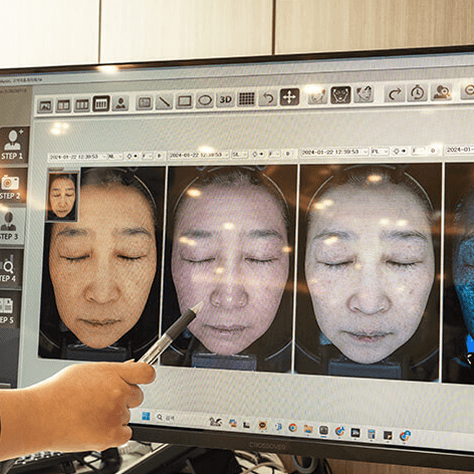
The doctor examines your pigment under good lighting, sometimes with a Wood’s lamp, to classify it into 1 of 3 types, epidermal, dermal, or mixed, before choosing any device.
A small test area is treated and reviewed after 1 to 2 weeks so the response and any pigment reaction can be checked before full treatment.
Energy is kept low, often with 8 to 10 mm spot sizes, and passes are gentle so heat stays minimal on melanin-rich skin.
Most plans run 4 to 8 sessions at 2 to 4 week intervals, giving skin time to recover and reducing cumulative energy risk.
Daily broad-spectrum SPF and topical agents are used throughout, since more than 50 percent of melasma relapse links to sun exposure.
Progress is reviewed at each of the 4 to 8 visits and settings are adjusted, stopping or slowing if any hypopigmentation or rebound appears.
See representative outcomes from Reberry Clinic. Results build gradually and vary by individual; your plan is assessed at consultation.
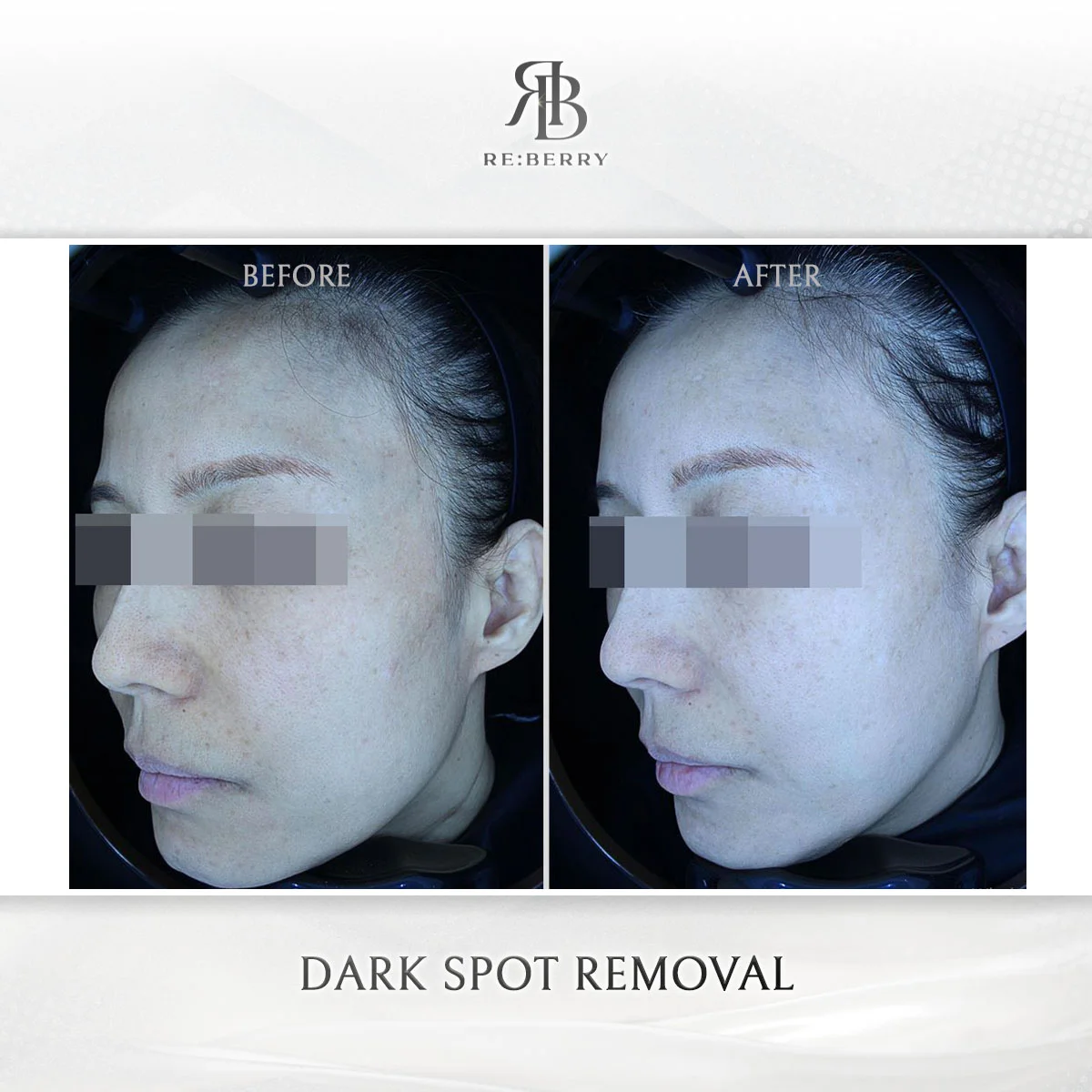
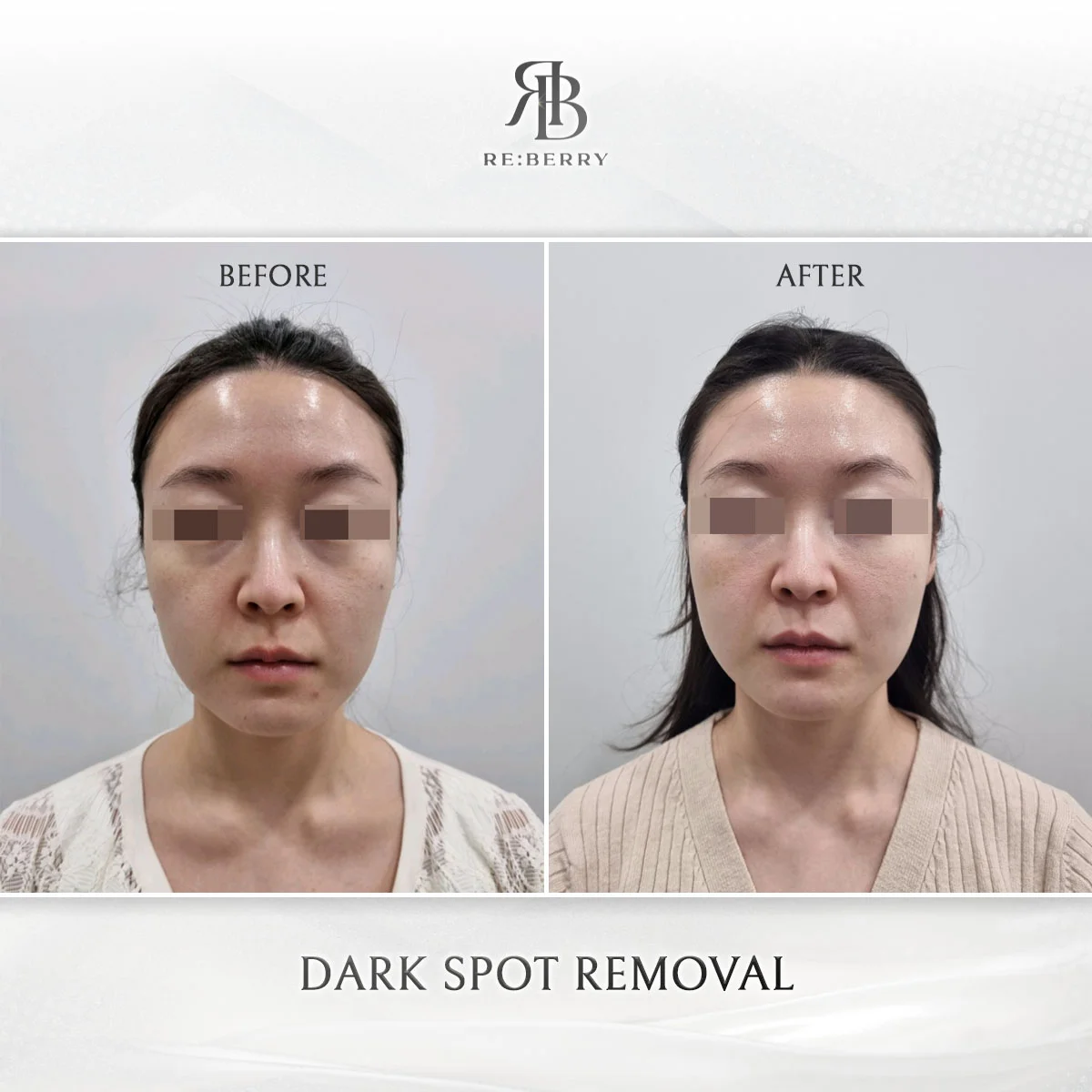
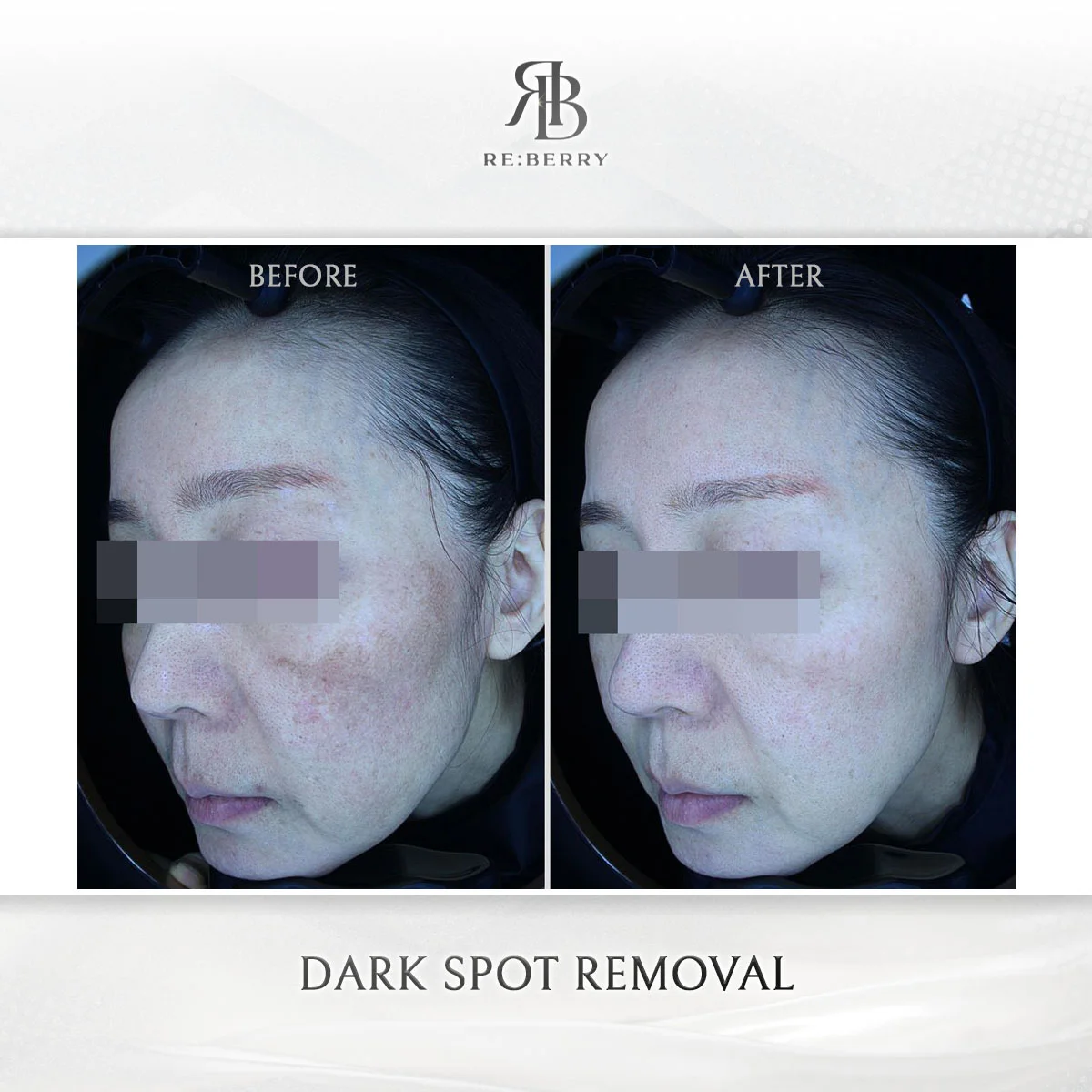
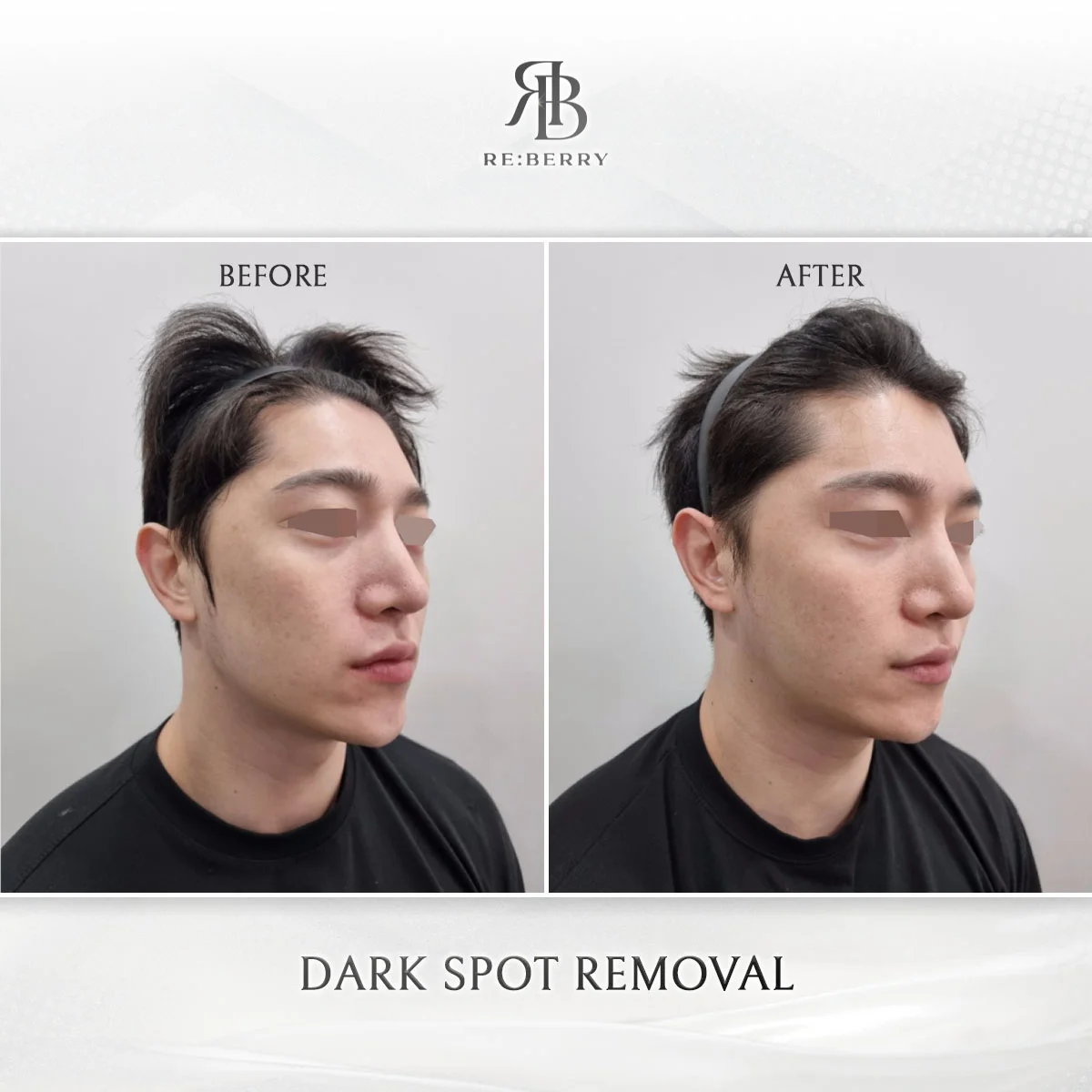
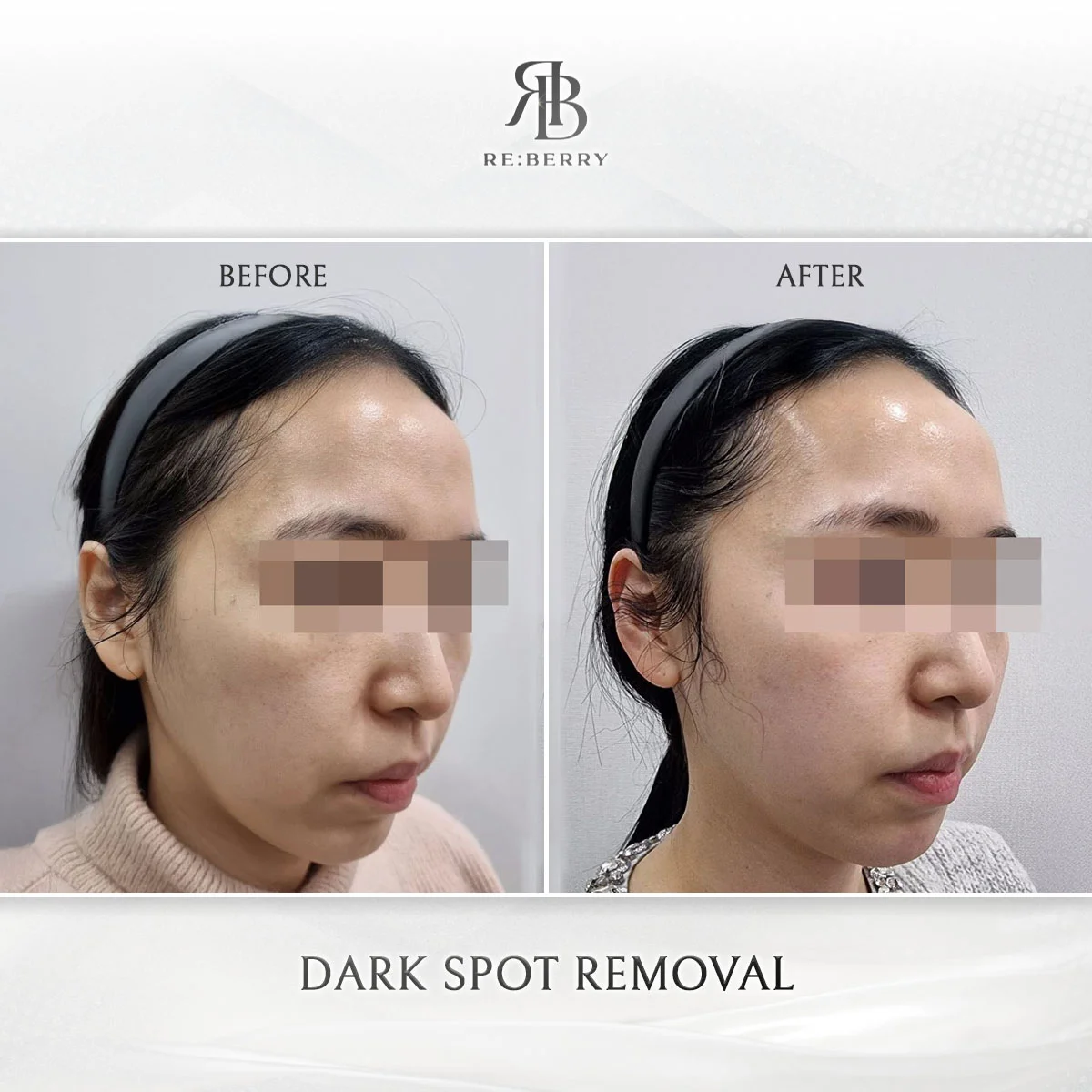
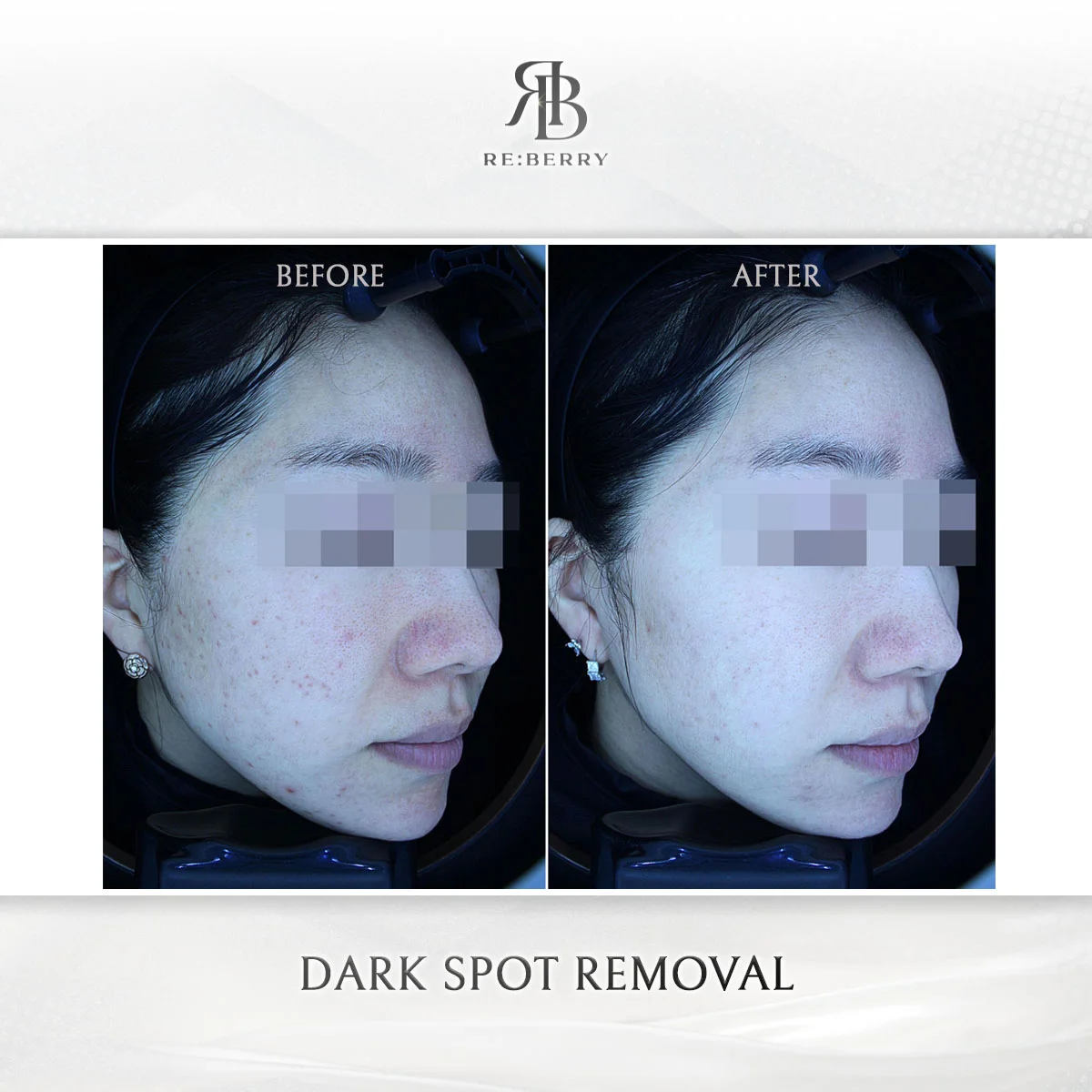
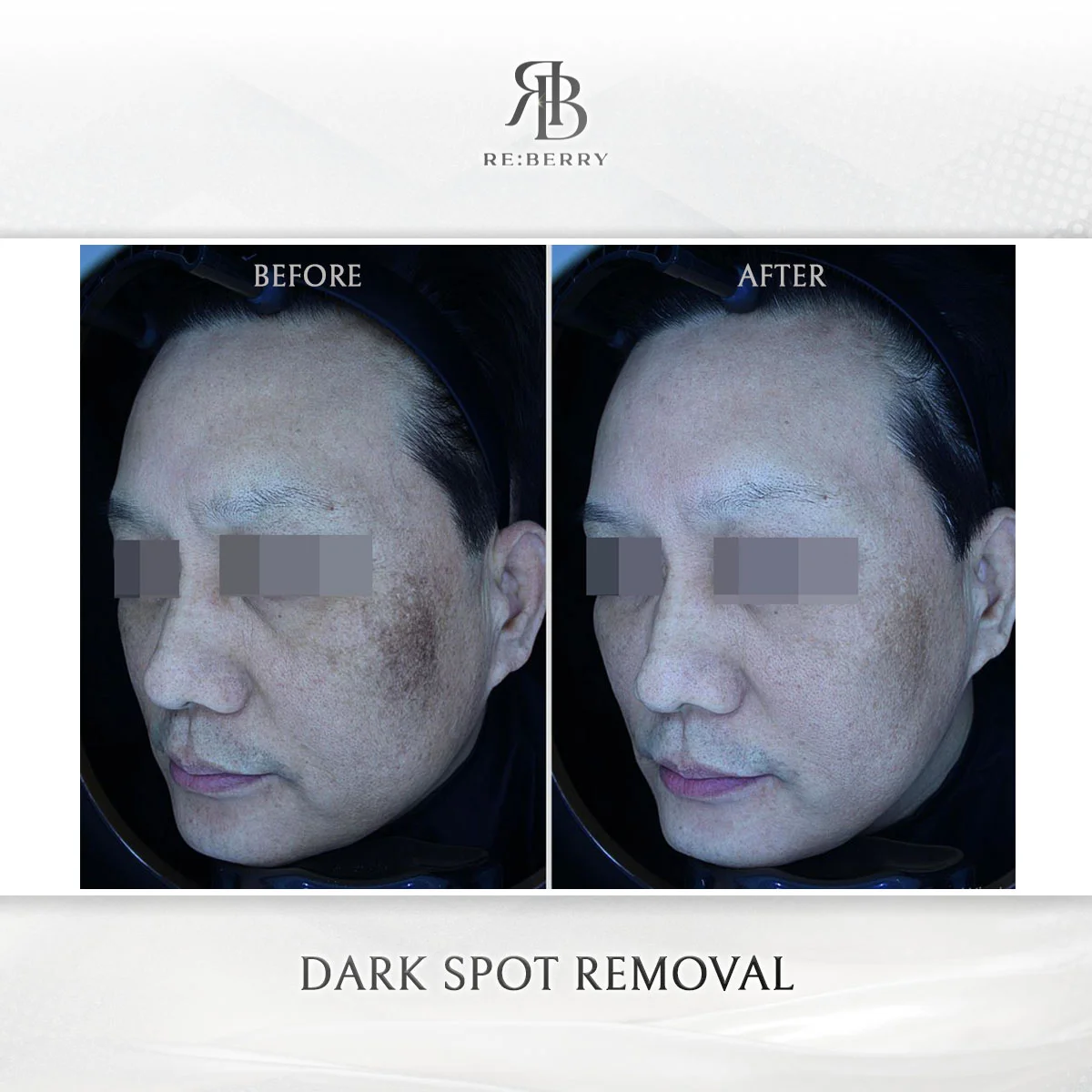
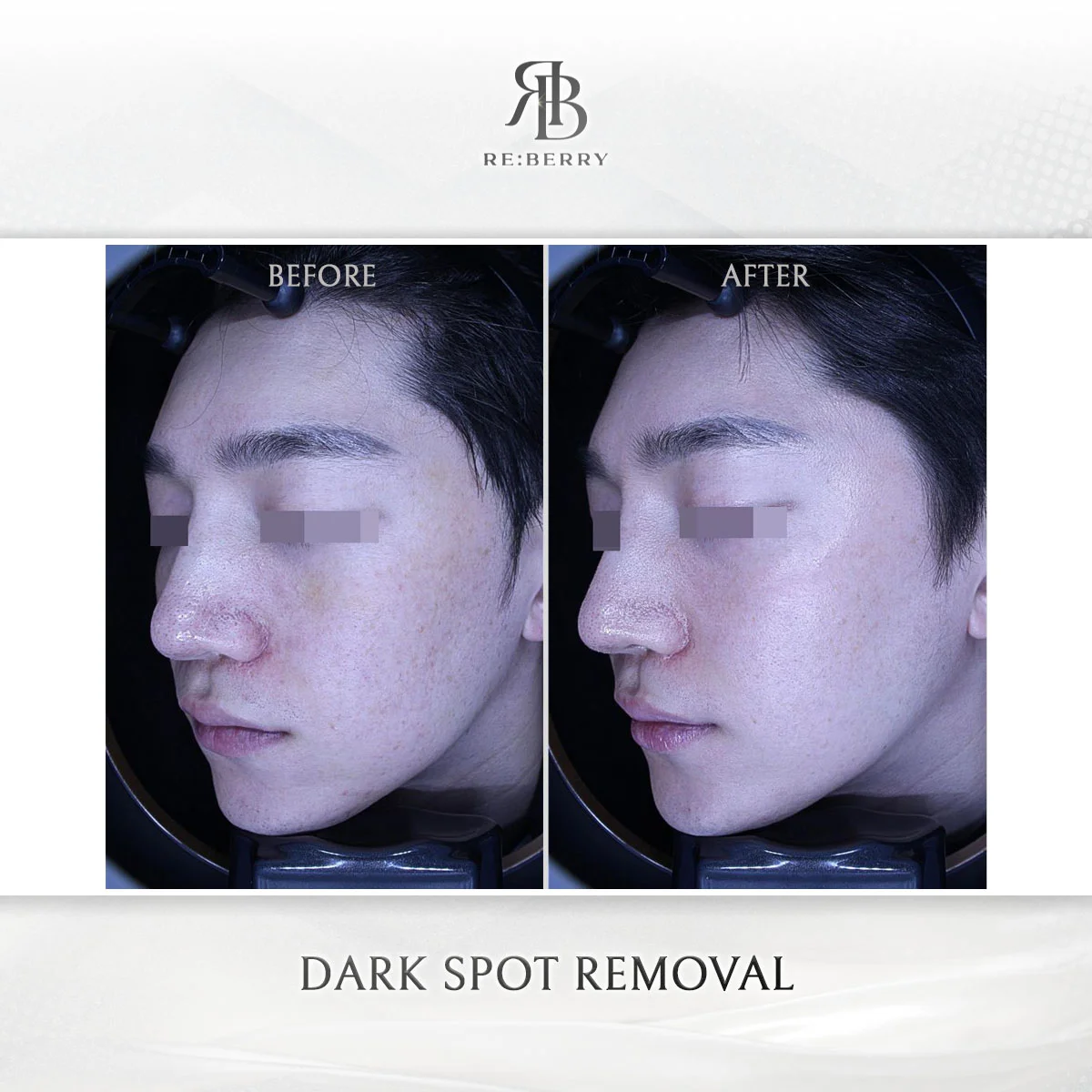
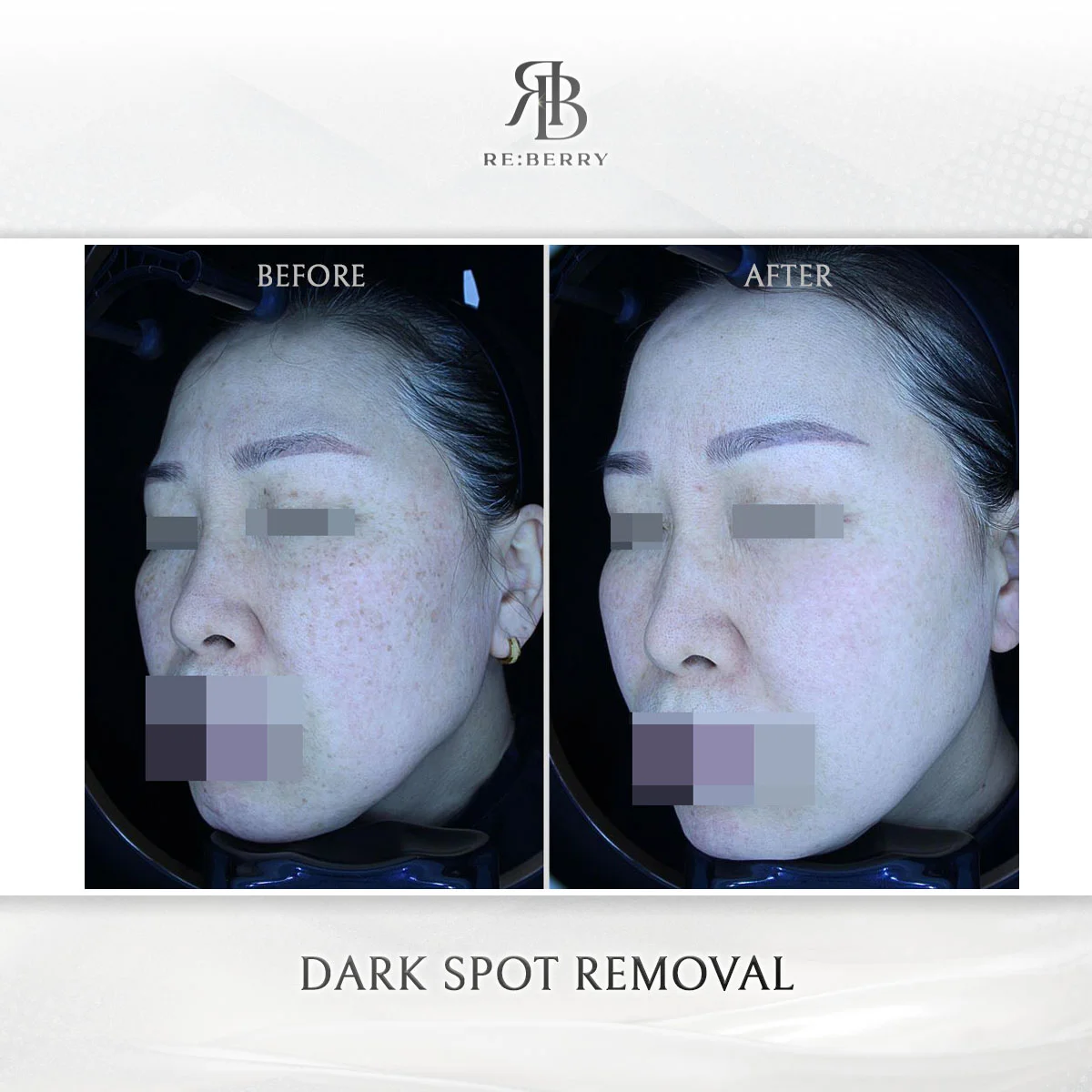
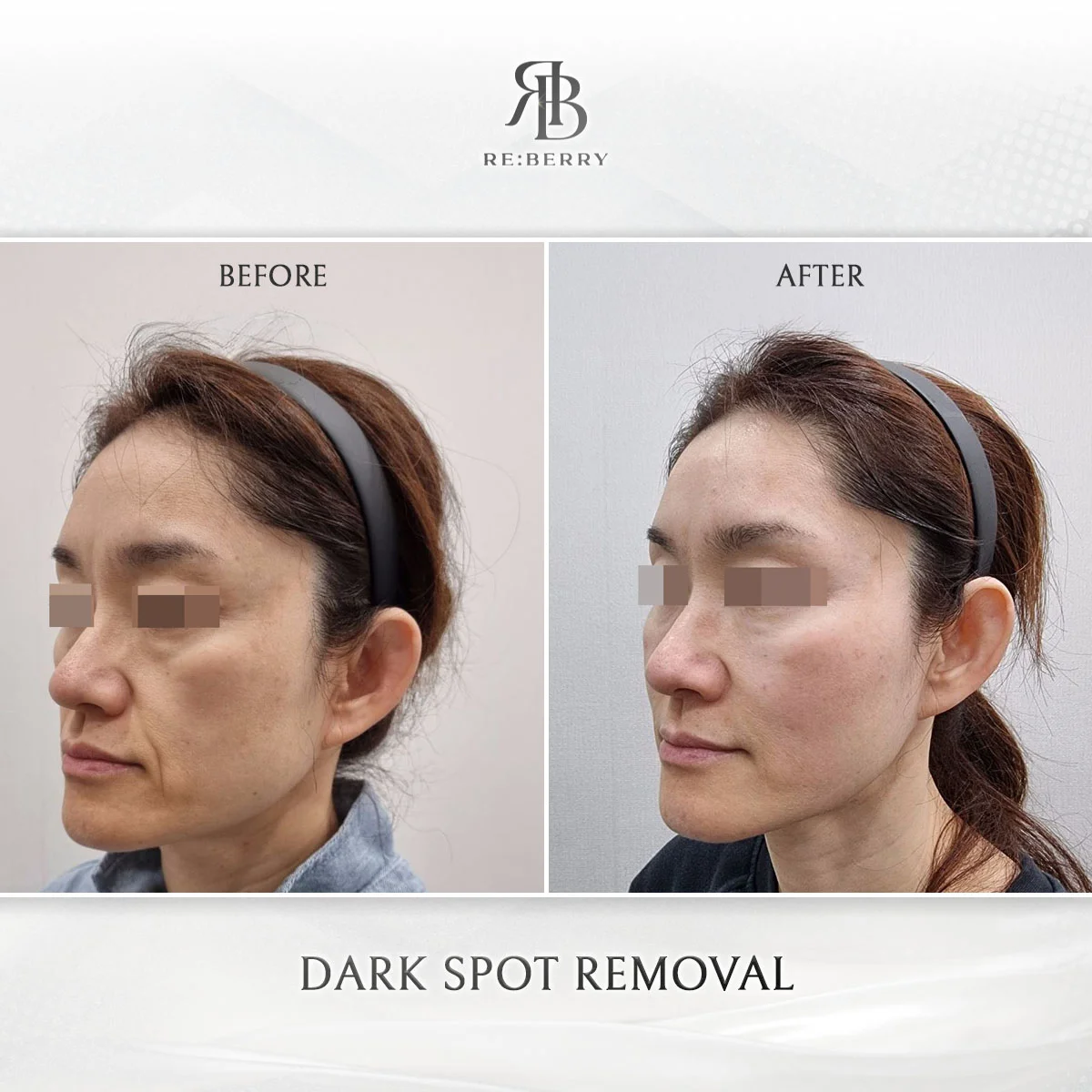
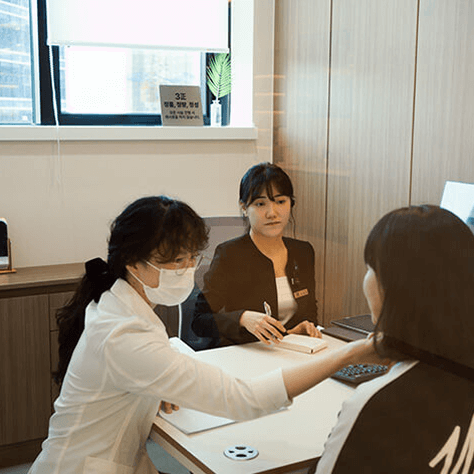
The clinic’s doctor classifies your pigment type and reviews history, medications, and sun habits before recommending any device.
After a patch test result is confirmed, treatment takes roughly 15 to 30 minutes with numbing cream if needed.
Each session is short; most plans span 4 to 8 visits at 2 to 4 week intervals depending on pigment depth.
Superficial spots often lighten within a few sessions, while melasma fades gradually over several weeks to months.
Daily SPF, gentle skincare, and periodic maintenance help hold results, since pigment can return with sun exposure.

Yes, it is generally safe when the laser and energy are matched to your pigment type and skin tone. Korean clinics treat many Fitzpatrick III to V patients, so conservative low-fluence protocols, patch tests, and spaced sessions are standard. Learn more about the full dark spot removal approach.
The main risk is post-inflammatory hyperpigmentation, where treated skin temporarily darkens instead of clearing. This is why clinics keep energy low, use larger spot sizes, and space sessions. Mottled hypopigmentation is a rarer risk with high cumulative energy, which careful pacing helps avoid.
Most patients describe a mild warm, snapping sensation rather than sharp pain, especially with low-fluence toning. Numbing cream is available for more sensitive lasers. Comfort is a reason many pigment plans favor gentle, repeated passes over a single aggressive session on melanin-rich skin.
Most hyperpigmentation plans run 4 to 8 sessions at 2 to 4 week intervals, though superficial sun spots can respond faster. Melasma usually needs the longer end of that range. The exact count is set at your consultation after your pigment type is confirmed.
Downtime is usually minimal with laser toning, often just brief redness for a few hours. With treatments targeting sun spots, the spots may darken and then flake over several days. Most international patients continue normal activities, using sunscreen and gentle skincare afterward.
Melasma is a chronic condition, so treatment manages and fades it rather than being a one-time fix. Pigment can return with sun, heat, or hormones. A maintenance plan with sun protection and topical support gives the most stable long-term control over recurring pigment.
A 1064 nm low-fluence Q-switched Nd:YAG laser is a common choice for darker and melasma-prone skin because it delivers low heat across many soft passes. See how this fits within laser treatment options at the clinic.
Superficial pigment such as sun spots often lightens within a few sessions, while melasma fades more gradually over several weeks to months. Because change is progressive, comparing photos across visits is the clearest way to track your improvement over the series.
Yes, pigment plans are often paired with skin boosters or hydrating facials to support the skin barrier, which can improve tolerance. Ask about combining with a HydraFacial for gentle exfoliation and hydration between laser sessions.
Results can last well with maintenance, but pigment may return with sun exposure or hormonal changes, so this is not a one-time fix. Ongoing daily SPF, gentle skincare, and occasional touch-up sessions keep tone even over the long term.
Daily broad-spectrum sunscreen is essential, since sun exposure drives more than half of melasma relapse. Avoid heat, harsh scrubs, and picking flaking spots. Gentle moisturizers, a steady skin care routine, and any prescribed brightening topicals support the skin between sessions.
Yes, a patch test on a small area is a key safety step, especially on darker skin. Reviewing the response after 1 to 2 weeks lets the doctor confirm the settings are safe before a full-face treatment, reducing the chance of an unexpected pigment reaction.
Yes, most pigment laser sessions have minimal downtime, so flying the same or next day is usually fine. Bring sunscreen for the journey and airport transfers, and avoid sun on any treated spots. Care near Incheon Airport suits transit and stopover patients.
The clinic supports international patients with English-language follow-up, so you can share progress photos and questions remotely. If a series needs several visits, sessions can be planned around your travel dates during your consultation.
Cost depends on the pigment type, treated area, laser chosen, and number of sessions, so there is no single fixed price. Melasma plans that need more sessions cost more than a few sun spots. A consultation gives a clear, personalized estimate for your case.
Care is available at Reberry Clinic’s Seoul locations in Gangnam and Myeongdong, plus a location near Incheon Airport for transit patients. All offer English-language support, so international patients can plan pigment treatment around their stay in Seoul, Korea.
People with an active tan, recent significant sun exposure, active skin infection, or certain photosensitizing medications should postpone or avoid treatment until reviewed. Pregnancy and a keloid history also need discussion. The doctor screens for these at the initial consultation to keep treatment safe.
| Low-Fluence Q-switched Nd:YAG | Picosecond Laser | Intense Pulsed Light (IPL) | |
|---|---|---|---|
| Mechanism | 1064 nm nanosecond pulses, mostly photothermal | Trillionth-second pulses, mostly photomechanical | Broadband light absorbed by superficial pigment |
| Best for | Melasma, dull tone, mixed pigment, darker skin | Stubborn or deeper pigment, tattoo-type marks | Superficial sun spots and freckles on lighter tone |
| PIH risk on Asian skin | Low when kept low-fluence and spaced | Generally lower heat, still needs care | Higher on melasma and darker tones |
| Downtime | Minimal, brief flush | Minimal to mild | Spots may darken then flake over days |
| Sessions | Typically a series of 4 to 8 | Often fewer for lentigines | Series for sun spots |
| Cost context | Varies by area and session count; set at consultation | Often higher per session | Usually lower per session |
Real verified reviews from our Google Business Profile, across all Reberry Clinic locations.
PULLED LIVE FROM GOOGLE · GANGNAM · MYEONGDONG · INCHEON AIRPORT
Your treatment is planned and performed by experienced, MFDS-registered doctors across our Seoul-area clinics, with multilingual support for international patients.
Flagship clinic · KOL for leading lifting & regenerative devices
Multilingual tourist care beside Myeongdong Cathedral
Fast, effective care 20 minutes from the terminals
Message us on WhatsApp for a free consultation in English about hyperpigmentation treatment in Korea.