

Gangnam
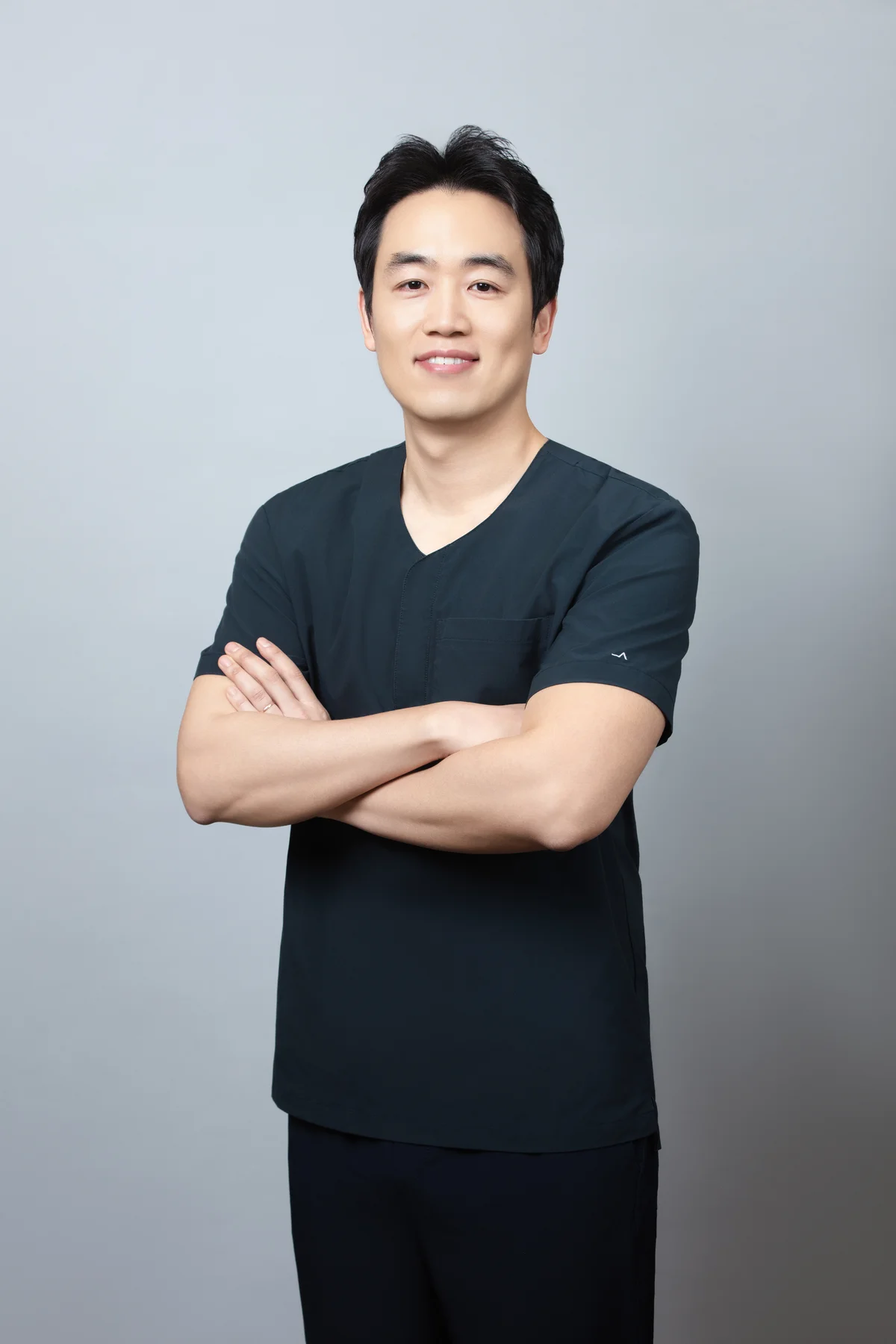
Dr. Yoongon Ryu
Aesthetic Medicine Specialist
Flagship clinic · KOL for leading lifting & regenerative devices

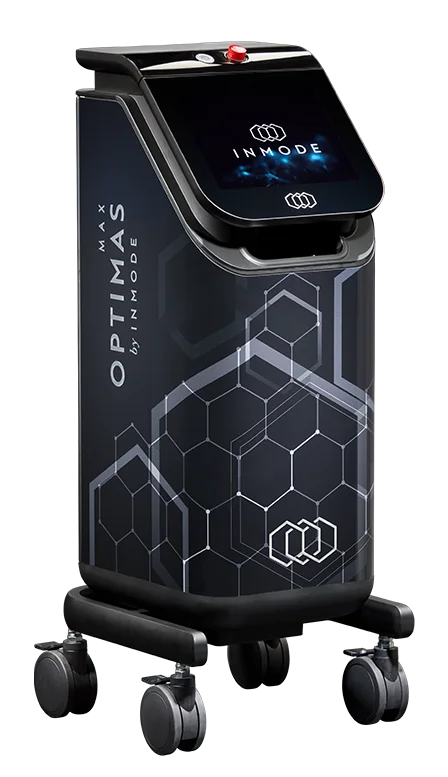
InMode uses radiofrequency energy with built-in temperature monitoring and surface cooling, heating the dermis to about 40 to 43 degrees Celsius; side effects are usually limited to mild redness or swelling for 1 to 3 days.
Yes, InMode is considered safe in Korea when a doctor performs it with correct settings. It is radiofrequency, not light, so it suits a wide range of skin tones, and temperature sensors plus cooling protect the surface. Most side effects are mild redness, warmth, or brief swelling that settle within a few days.
One-on-One guidance from a dedicated doctor, ensuring your skin is professionally monitored and treated from start to finish.
Fluent assistance in English, Japanese, and Chinese, making communication clear, respectful and comfortable for international patients.
Over 100,000 patients worldwide have received our personalized dermatological care, highlighting our expertise and reliable results.
InMode is a multi-application radiofrequency (RF) platform used for non-surgical skin tightening, texture refinement, and contour. People ask whether it is safe because RF delivers controlled heat into the deeper skin, and any heat-based aesthetic treatment carries some risk if it is poorly chosen or poorly performed. The reassuring point is that InMode is designed around measurable, monitored energy rather than guesswork, which is what makes it a mainstream option in Korean dermatology and aesthetic clinics.
The platform works in two main ways: bipolar RF that heats the dermis evenly between two poles, and fractional RF microneedling that places energy at selectable depths through tiny insulated needles. In both modes a built-in temperature sensor and surface cooling keep the outer skin protected while the deeper tissue reaches the therapeutic range associated with collagen remodeling. Because RF heats tissue through electrical current rather than targeting pigment, the risk of pigment-related side effects is lower than with some light-based devices, which matters for darker and Asian skin tones.
Safety in practice depends heavily on who performs the treatment and how it is planned. At Reberry Clinic, InMode is assessed and supervised by the clinic’s doctors across three Seoul-area locations (Gangnam, Myeongdong, Incheon Airport), with your medical history reviewed and the plan explained in English so international patients understand exactly what to expect.

InMode is built on radiofrequency energy, not ultrasound or laser light, and its safety design centers on control. In bipolar RF mode, current flows between two electrodes and heats the dermis to roughly 40 to 43 degrees Celsius, a range linked to collagen remodeling, while a temperature sensor and cooling protect the epidermis. In fractional RF microneedling mode, an array of insulated micro-needles delivers RF at selectable depths, typically between 0.5 and 4 mm, so heat is concentrated below the surface and the outermost skin is largely spared. The insulation on the needles is a key safety feature because it limits heat at the surface, which reduces the risk of pigment changes. This measurable, depth-controlled delivery is why the clinic’s doctors can match energy to your skin rather than applying a single fixed setting to everyone.
One Reberry Clinic, multiple Seoul-area locations. Pricing & current promotions are listed on each branch's own site — tap a clinic to view pricing & book.
Our flagship in the heart of Gangnam.
In Seoul's shopping & tourism heart.
A beauty stop between flights.
The newest Reberry Clinic — in Seoul's trend district.
ONE REBERRY CLINIC · MFDS-REGISTERED DEVICES · MULTILINGUAL CARE AT EVERY LOCATION
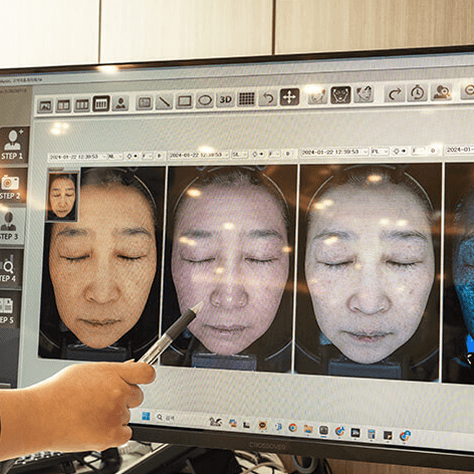
The clinic’s doctors review your medical history, medications, and any implants in 1 screening step before confirming you are a suitable candidate for RF.
The RF mode and depth, typically 0.5 to 4 mm, are chosen for your skin and the area, rather than 1 fixed setting for everyone.
Bipolar RF warms the dermis to about 40 to 43 degrees Celsius while a temperature sensor and cooling protect the surface.
When used, insulated micro-needles place RF below the surface, limiting heat at the skin to lower the risk of pigment change.
You receive written aftercare covering the 1 to 3 days redness may last and the about 24 hours to avoid heavy makeup, so recovery stays predictable even after you travel home.
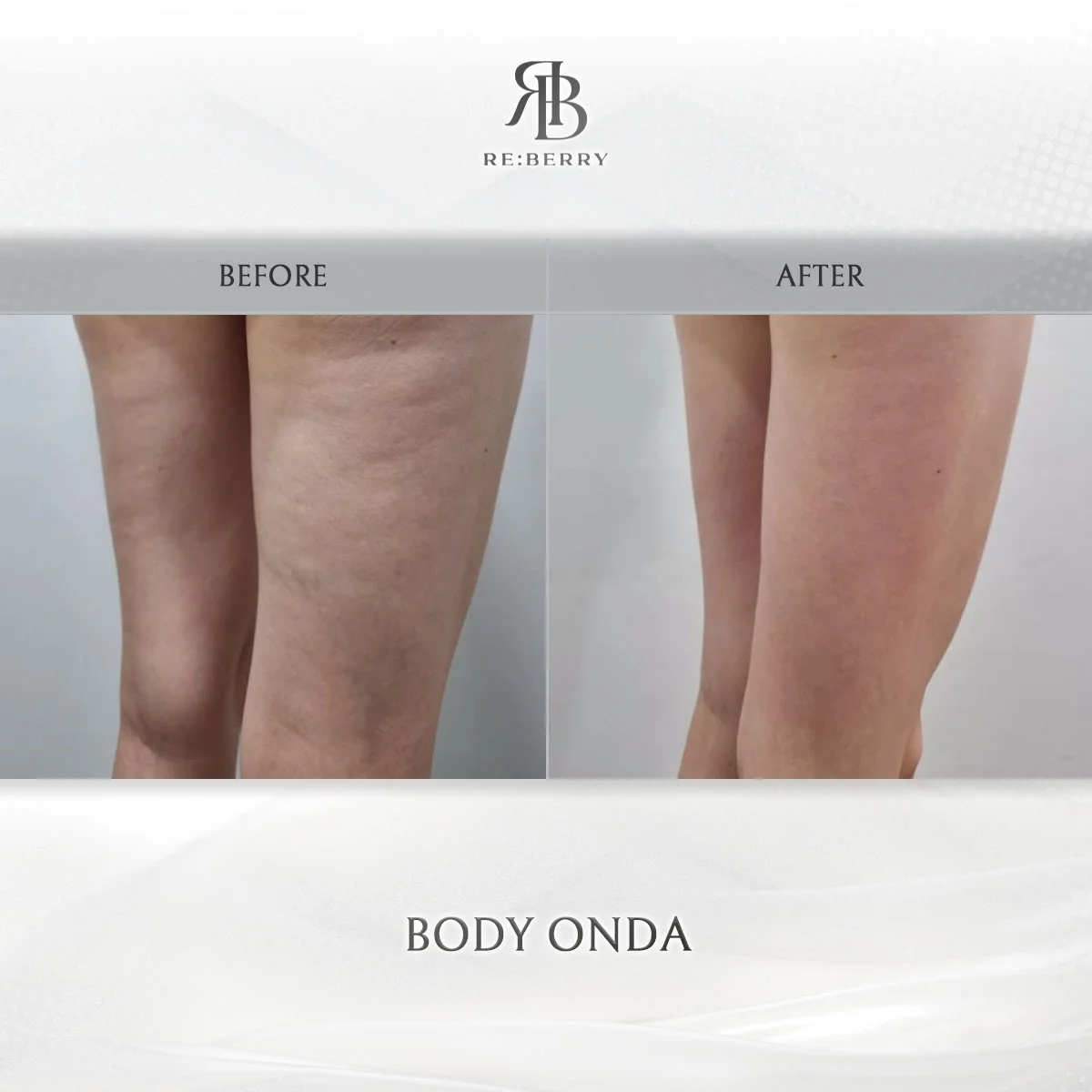
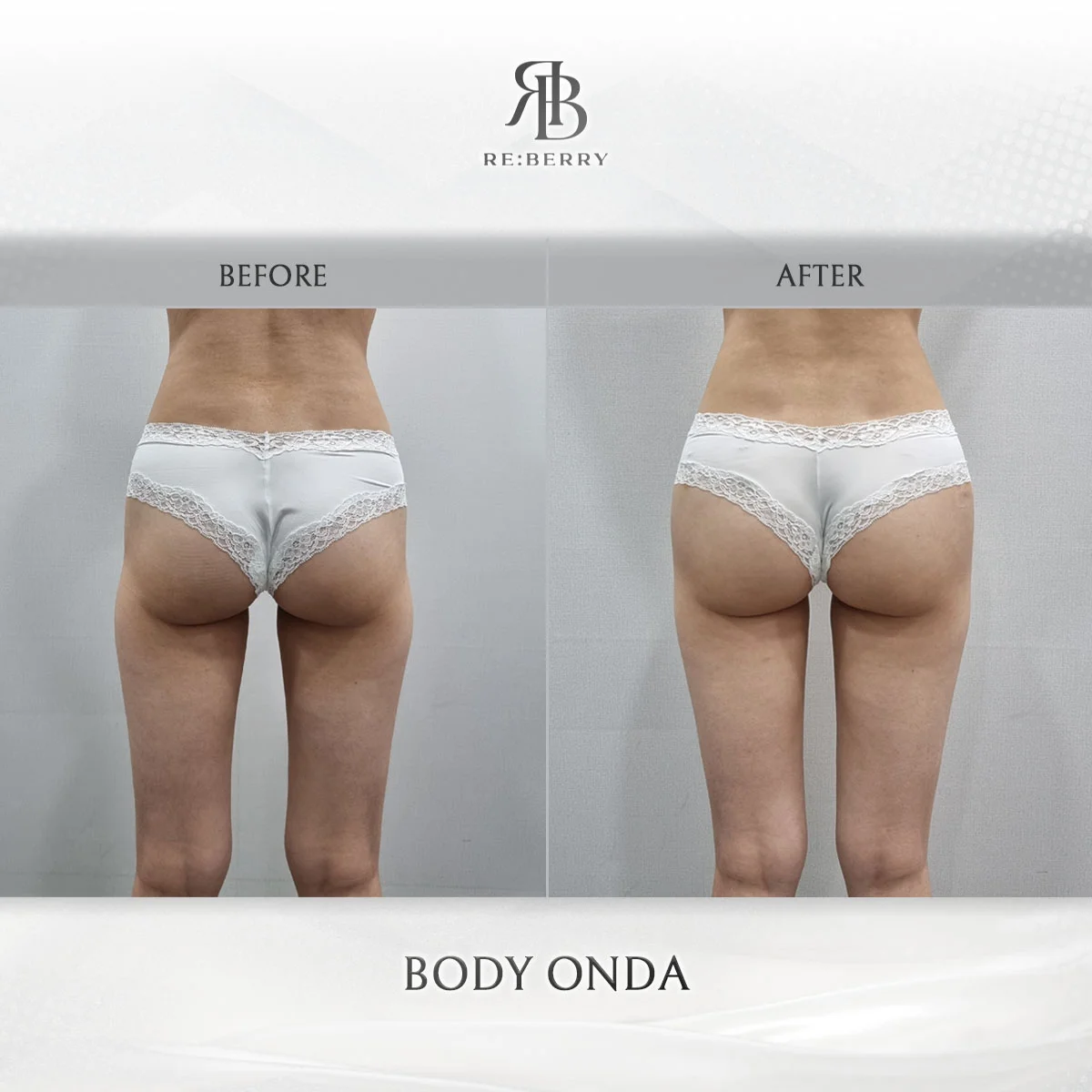
See representative outcomes from Reberry Clinic. Results build gradually and vary by individual; your plan is assessed at consultation.
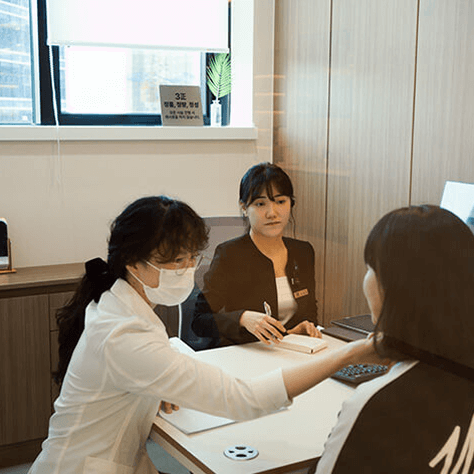
The clinic’s doctors review your history, assess your skin, and confirm whether RF is suitable, explaining risks in English.
A session typically takes 30 to 60 minutes; numbing cream is applied before RF microneedling for comfort.
Most plans run 1 to 3 sessions spaced about 4 weeks apart, depending on the area and goals.
Firming builds gradually over 8 to 12 weeks as collagen forms, with no surgical recovery in between.
Results last months and vary by skin; sun protection and gentle care help keep risk low and results steady.
Yes, InMode is considered safe in Korea when a doctor performs it with correct settings, temperature monitoring, and surface cooling. Side effects are usually mild redness or swelling for a few days. Suitability is confirmed at consultation, as outlined on our InMode page, before any treatment begins.
InMode uses radiofrequency, which heats tissue through electrical current rather than targeting pigment, so it is colour-blind to melanin and suits a wide range of skin tones. Insulated needles and a temperature sensor protect the surface. This mechanism is one reason RF is widely used for darker and Asian skin where some light-based devices carry more pigment risk.
InMode is not suitable for people with a pacemaker, metal implant, or electronic device in the treatment zone without review, or for those who are pregnant or breastfeeding. Active infection, open wounds, or a keloid tendency also need assessment first. A consultation screens your history so the clinic’s doctors can confirm whether RF is appropriate for you.
Bipolar RF feels like a warm massage, while RF microneedling is done after numbing cream, so most people tolerate it well. Brief heat or tiny pinpricks during microneedling are normal, not a sign of harm. Any discomfort is temporary and settles once the session ends, with no lingering pain when settings are appropriate for your skin.
Expect mild redness, warmth, and slight swelling for a few hours to a few days, plus small needle marks if microneedling is used. Bruising and temporary sensitivity are less common and self-resolving. Serious complications are rare with correct settings, which is why a doctor reviews your history and chooses parameters individually rather than using one default.
Yes, because radiofrequency heats tissue through current rather than pigment, InMode is generally suitable across a wide range of skin tones, including darker and Asian skin. Insulated microneedling further limits surface heat. Your doctor still assesses your skin and history before treatment, and you can learn more on our InMode page.
Bipolar RF has essentially no downtime, so you can resume normal activities immediately. RF microneedling may leave mild redness or a sandpaper-like texture for one to three days. There are no dressings, so recovery is predictable and short, which is reassuring for international visitors planning a brief Seoul trip.
Some skin feels firmer within days, but the main improvement builds over 8 to 12 weeks as new collagen forms, with refinement continuing for several months. Because the process is gradual rather than sudden, results look natural. A short series often deepens the effect, and your doctor explains a realistic timeline at consultation.
Most plans involve 1 to 3 sessions spaced about 4 weeks apart, with the number tailored to your skin, the area, and your goals. Spacing sessions allows tissue to recover and collagen to build between visits. Your doctor confirms a safe interval and total at consultation rather than fixing a set number in advance.
Yes, InMode is often sequenced with other energy or injectable treatments, with timing planned by your doctor to keep it safe. For deeper lifting, some patients pair RF with a focused-ultrasound option; you can compare that approach on our Ultherapy Prime page to understand how the technologies differ and combine.
Yes, InMode RF is used on body areas such as the abdomen, arms, and knees, with depth and mode adjusted for thicker skin. The same safety controls, temperature monitoring and surface protection, apply. Settings differ from facial treatment, so the clinic’s doctors plan each zone individually based on your skin and goals.
InMode is consultation-led, so cost depends on the area, the RF mode used, and the number of sessions rather than a single sticker price. A doctor maps a plan first, then explains the figure. This keeps both the treatment and the budget matched to your skin, with no pressure to add sessions you do not need.
Aftercare is straightforward: keep treated skin clean and hydrated, use sun protection, and avoid intense heat such as saunas for a few days. After RF microneedling, avoid heavy makeup for about 24 hours. Following the written plan lowers the small risk of irritation, and you can pair it with a gentle skin care routine.
A single InMode session needs only 2 to 3 days, covering consultation, treatment, and a brief review, because downtime is minimal. You can pair it with another option such as Thermage FLX if advised. Our English-speaking team coordinates timing so the visit fits a short trip comfortably and safely.
Yes, flying soon after InMode is generally fine, often the same day, because the treatment is non-surgical with minimal swelling. Stay hydrated on the flight and protect your skin from sun on arrival. If you had extensive microneedling, your doctor will advise specific timing before you travel so the journey stays comfortable.
International patients can arrange remote check-ins in English after returning home, with progress reviewed over the weeks results develop and any concerns addressed early. Your treatment notes and settings are kept on file for any future visit. If you want gentle complementary care later, you can explore our skin care options.
All three are well-established energy devices; here is how their mechanisms and typical side effects compare.
| InMode RF | Thermage FLX | Ultherapy Prime | |
|---|---|---|---|
| Energy / mechanism | Bipolar RF + RF microneedling, dermis | Monopolar radiofrequency (RF) | Micro-focused ultrasound (MFU-V), SMAS |
| Skin-tone suitability | Wide range, since RF is not light-based | Wide range, RF-based | Wide range, depth-selected |
| Typical side effects | Mild redness, warmth, brief needle marks | Brief redness and warmth | Brief redness, possible mild swelling |
| Pain / comfort | Warmth; microneedling under numbing cream | Heating with cooling bursts | Brief deep warmth during pulses |
| Downtime | Minimal; 1 to 3 days redness if microneedling | Minimal | Minimal |
| Surface protection | Temperature sensor, cooling, insulated needles | Cooling bursts and contact cooling | Imaging-guided depth, no needles |
| Sessions | Often 1 to 3 | Usually 1 | Usually 1 planned session |
Real verified reviews from our Google Business Profile, across all Reberry Clinic locations.
PULLED LIVE FROM GOOGLE · GANGNAM · MYEONGDONG · INCHEON AIRPORT
Your treatment is planned and performed by experienced, MFDS-registered doctors across our Seoul-area clinics, with multilingual support for international patients.
Flagship clinic · KOL for leading lifting & regenerative devices
Multilingual tourist care beside Myeongdong Cathedral

Fast, effective care 20 minutes from the terminals
Message us on WhatsApp for a free consultation in English about whether InMode is right and safe for your skin.