

Gangnam
Dr. Yoongon Ryu
Aesthetic Medicine Specialist
Flagship clinic · KOL for leading lifting & regenerative devices

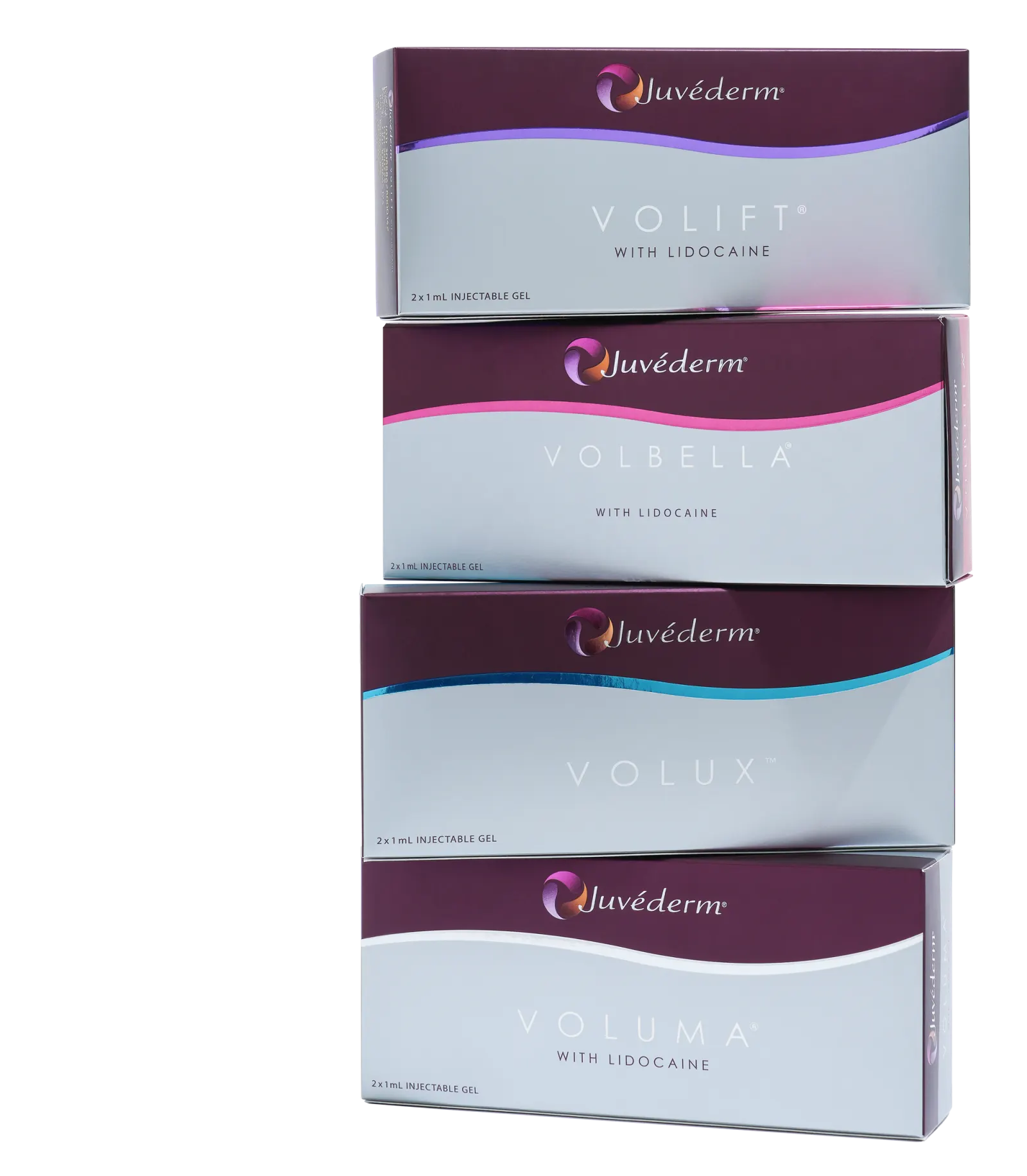
Under doctor screening and supervision over a 30 to 60 minute session, IV wellness drips are generally well tolerated, with minor cannula-site tenderness most common.
IV drip therapy is generally safe in Korea when a doctor screens you first and supervises the 30 to 60 minute infusion. The most common effect is brief tenderness at the cannula site, while allergic reactions or fluid imbalance are uncommon. Reberry Clinic frames it as wellness support and reviews your kidney, liver, and heart status first.
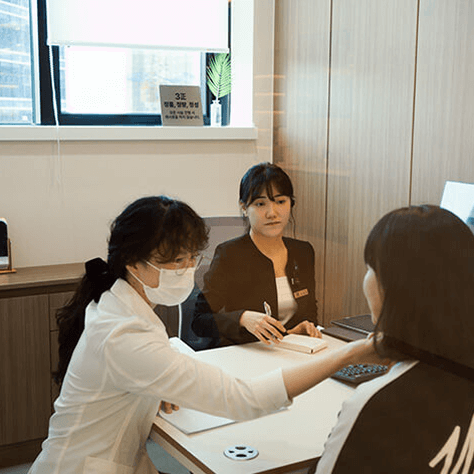
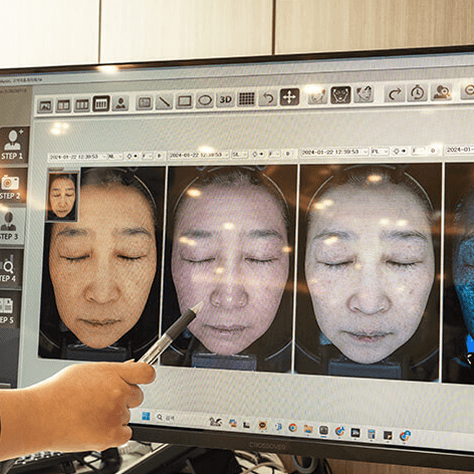
One-on-One guidance from a dedicated doctor, ensuring your skin is professionally monitored and treated from start to finish.
Fluent assistance in English, Japanese, and Chinese, making communication clear, respectful and comfortable for international patients.
Over 100,000 patients worldwide have received our personalized dermatological care, highlighting our expertise and reliable results.
IV drip therapy is generally considered safe when it is doctor-led: a clinician screens your health, places a fine cannula, and supervises the infusion of fluids, vitamins, and minerals over about 30 to 60 minutes. Most people experience nothing more than brief tenderness where the cannula is placed. Because the procedure is minor and minimally invasive, downtime is minimal and most patients resume normal activities straight away.
That said, safety depends on the setting. Intravenous fluids and nutrients are well established in medicine for treating dehydration or documented deficiencies, but for elective wellness use in healthy people the evidence of benefit is limited. The real safety questions are screening and supervision: a proper consultation identifies contraindications such as kidney, liver, or heart conditions, allergies, or fluid-balance issues before any drip is given. Uncommon risks include allergic reaction, vein irritation, lightheadedness, or, rarely, electrolyte disturbance from excess fluids or minerals, all of which careful screening and a tailored blend work to prevent.
At Reberry Clinic, IV drip therapy is consultation-led and framed honestly as supportive wellness care, not a treatment for any specific condition, with no guaranteed-outcome claims. The clinic’s doctors review your history, tailor the blend, and monitor you throughout. International patients are supported in English across three Seoul-area locations (Gangnam, Myeongdong, Incheon Airport).
An IV drip delivers nutrients intravenously through a fine cannula, usually in the forearm, so they enter the bloodstream directly rather than passing through digestion. The prepared solution is infused slowly over roughly 30 to 60 minutes while a clinician monitors comfort and the infusion rate. Safety comes largely from the medical wrapper around the drip: the blend, concentration, and rate are decided by the clinic’s doctors based on your screening, and the session is supervised so any reaction is caught early and the rate adjusted promptly.
This is why an unsupervised or unscreened drip carries more risk than a properly run one. Reberry Clinic frames elective IV drips as general wellness support, not a substitute for a balanced diet or medical treatment, and makes no disease-cure claims. Where a drip is not appropriate, the doctor will say so and may suggest another option on the injection treatment page instead, so safety guides the recommendation rather than sales.
One Reberry Clinic, multiple Seoul-area locations. Pricing & current promotions are listed on each branch's own site — tap a clinic to view pricing & book.
Our flagship in the heart of Gangnam.
In Seoul's shopping & tourism heart.
A beauty stop between flights.
The newest Reberry Clinic — in Seoul's trend district.
ONE REBERRY CLINIC · MFDS-REGISTERED DEVICES · MULTILINGUAL CARE AT EVERY LOCATION


The clinic’s doctors review your history in 1 consultation to rule out contraindications before any drip is prepared.
The blend and concentration are set for you, since 1 standard mix does not suit every patient or condition.
A trained clinician places a single-use cannula, usually in the forearm, using sterile technique before the infusion.
Fluids are infused over roughly 30 to 60 minutes while you are monitored so the rate can be adjusted promptly.
You are observed for a few minutes afterwards, with most visits completed within about 1 hour door to door.
See representative outcomes from Reberry Clinic. Results build gradually and vary by individual; your plan is assessed at consultation.
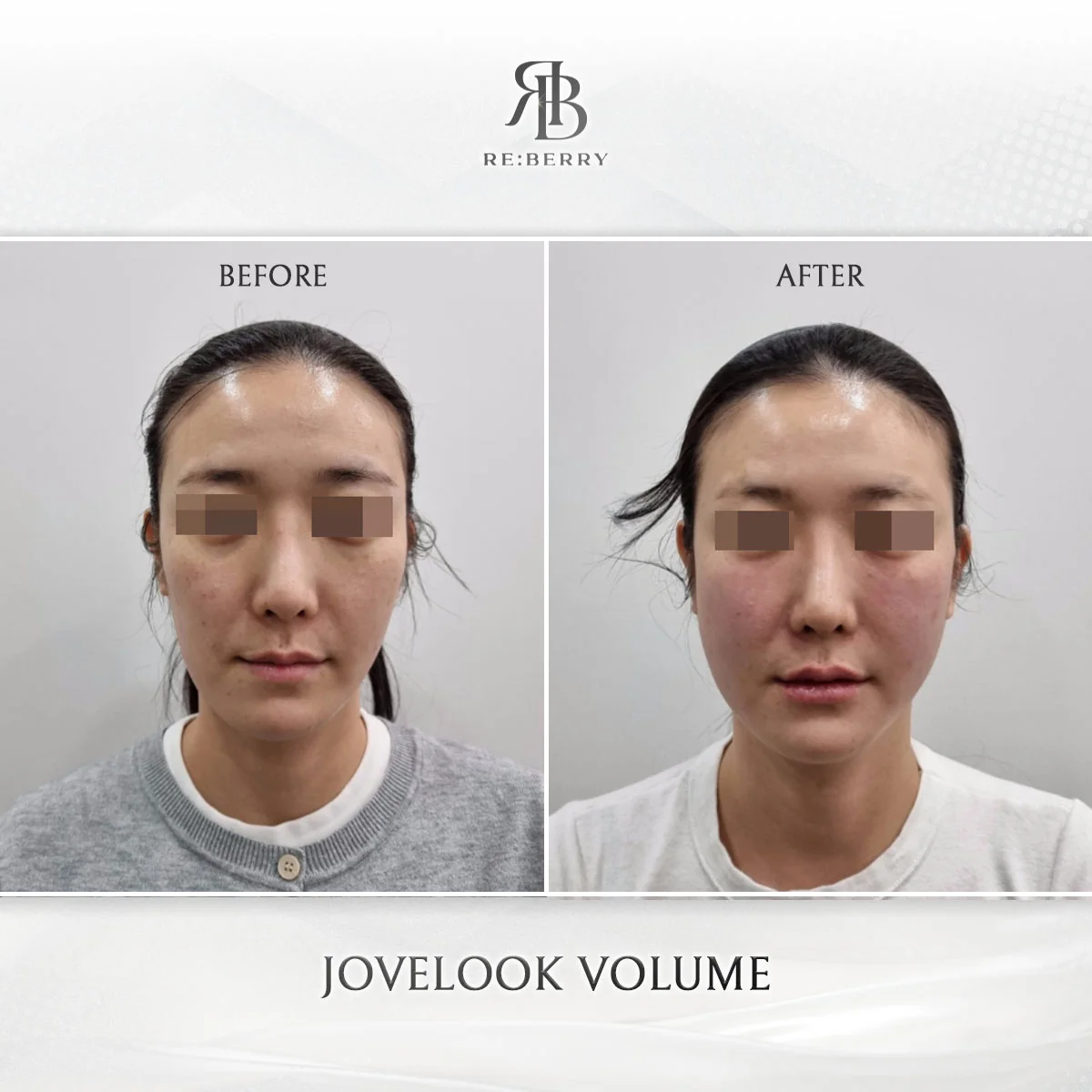
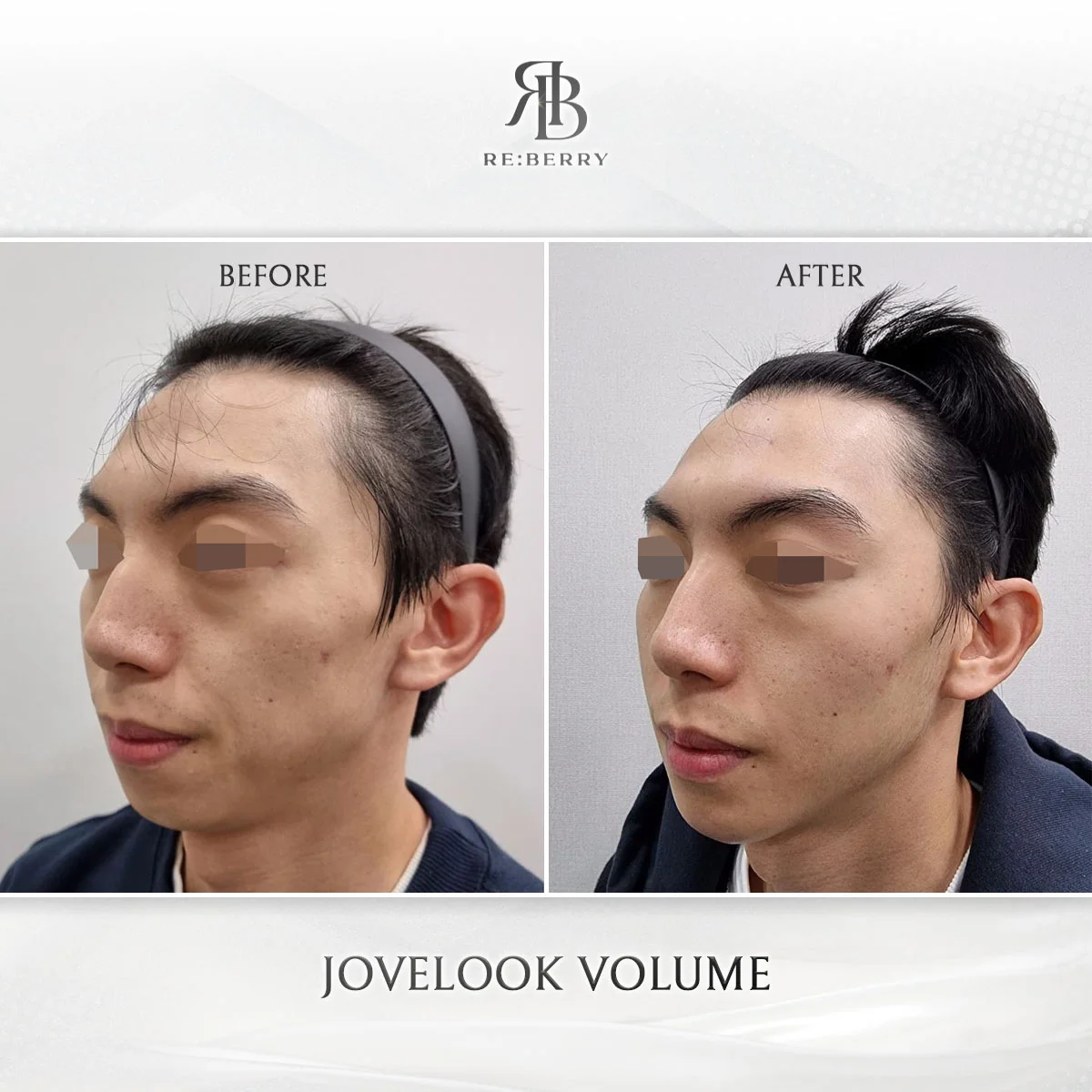
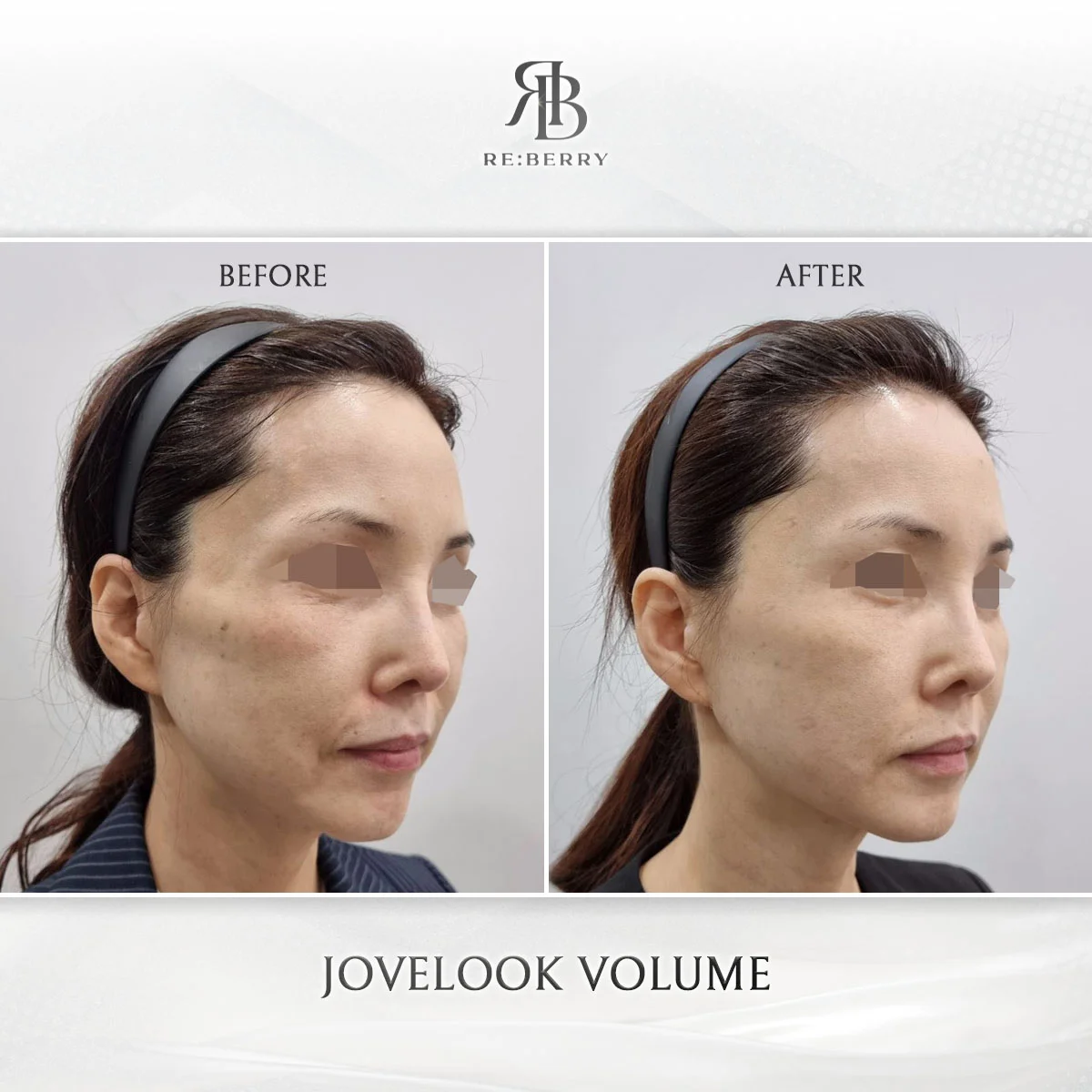
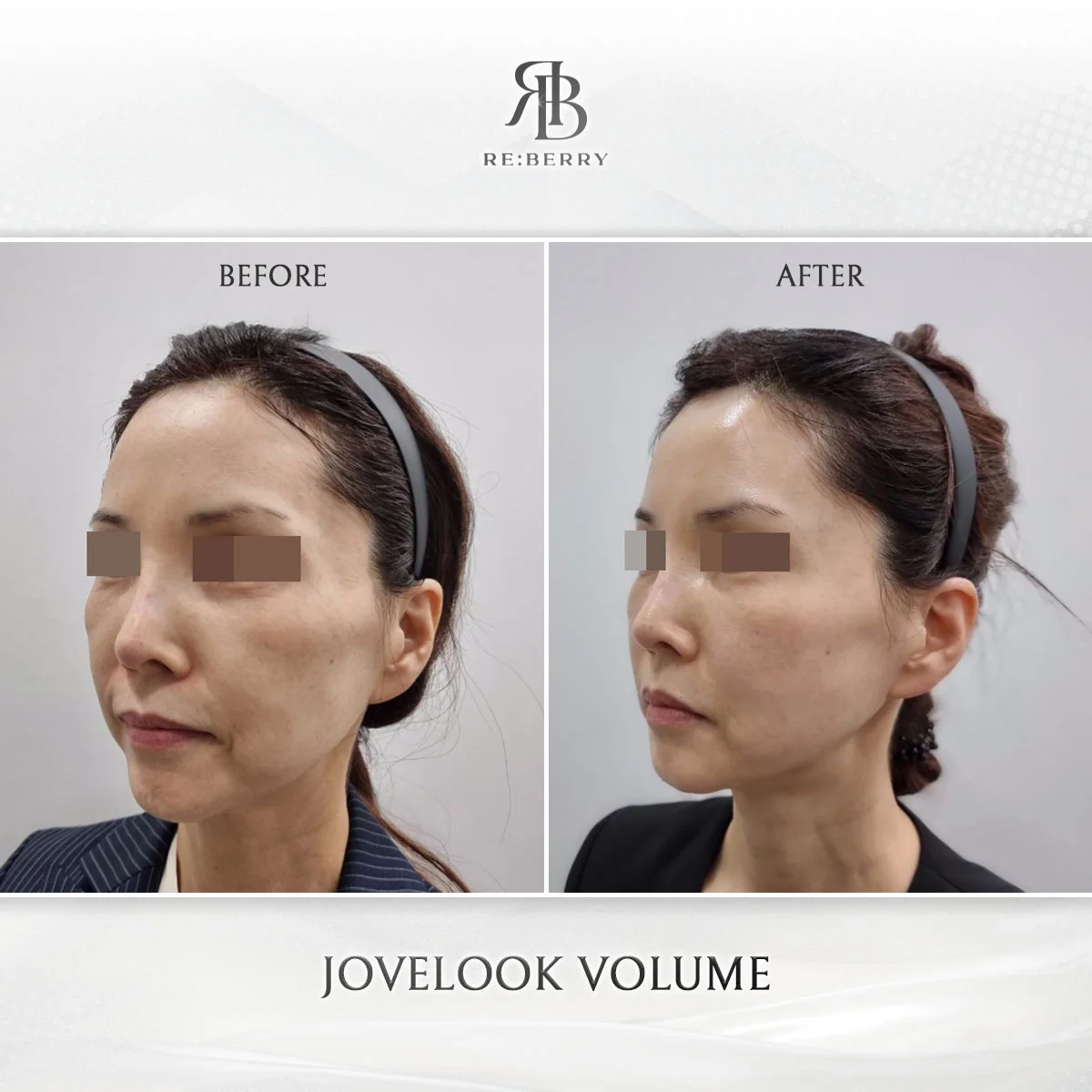
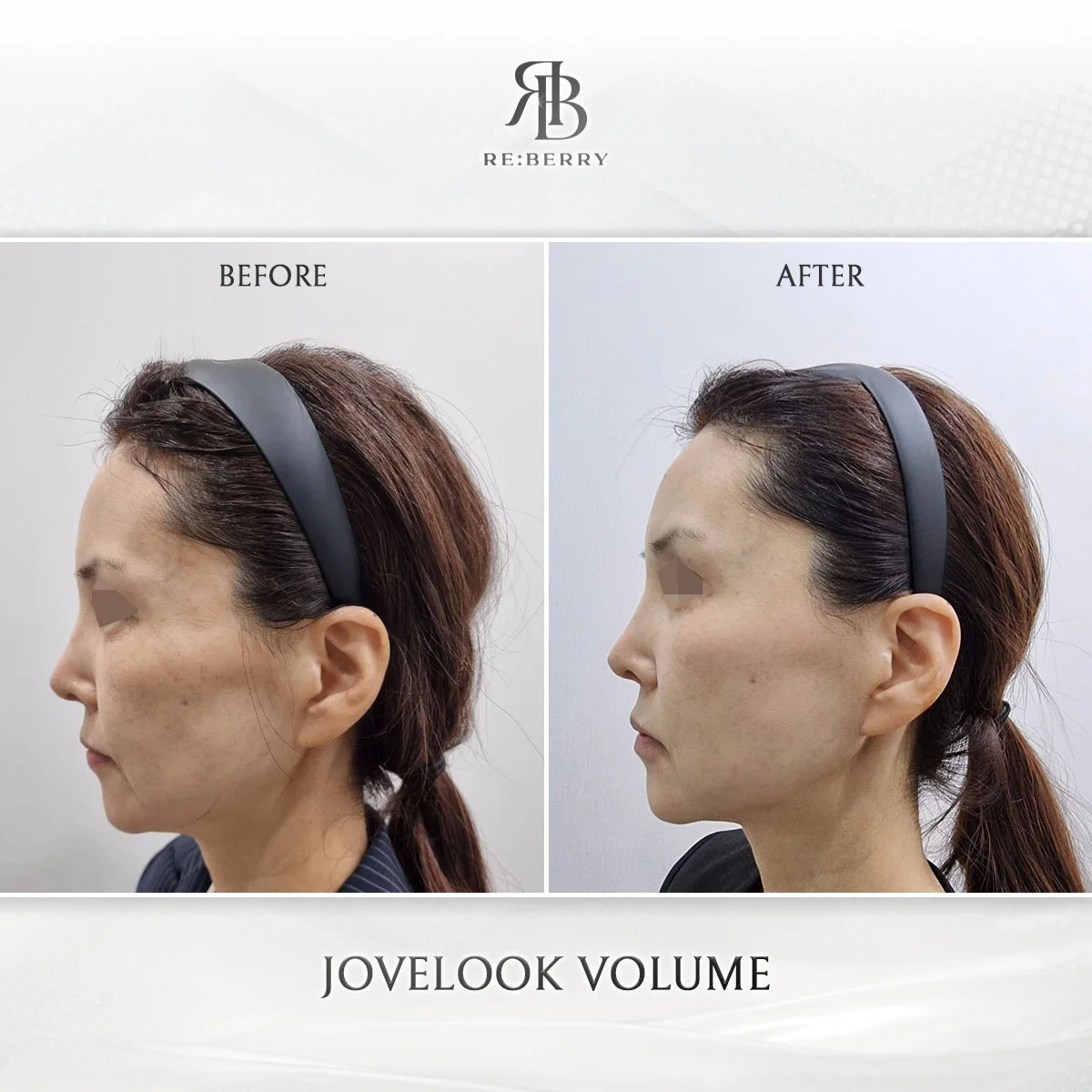
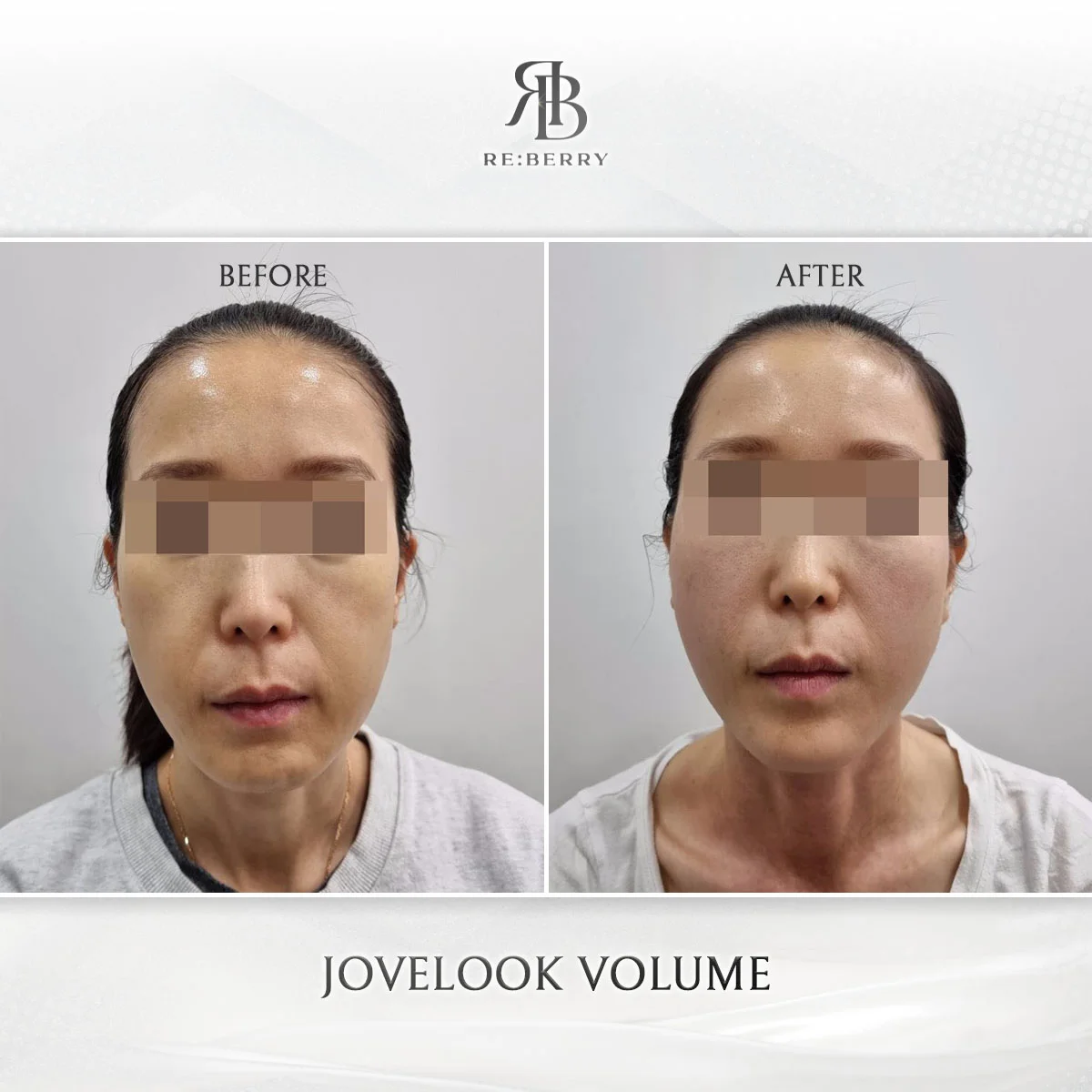
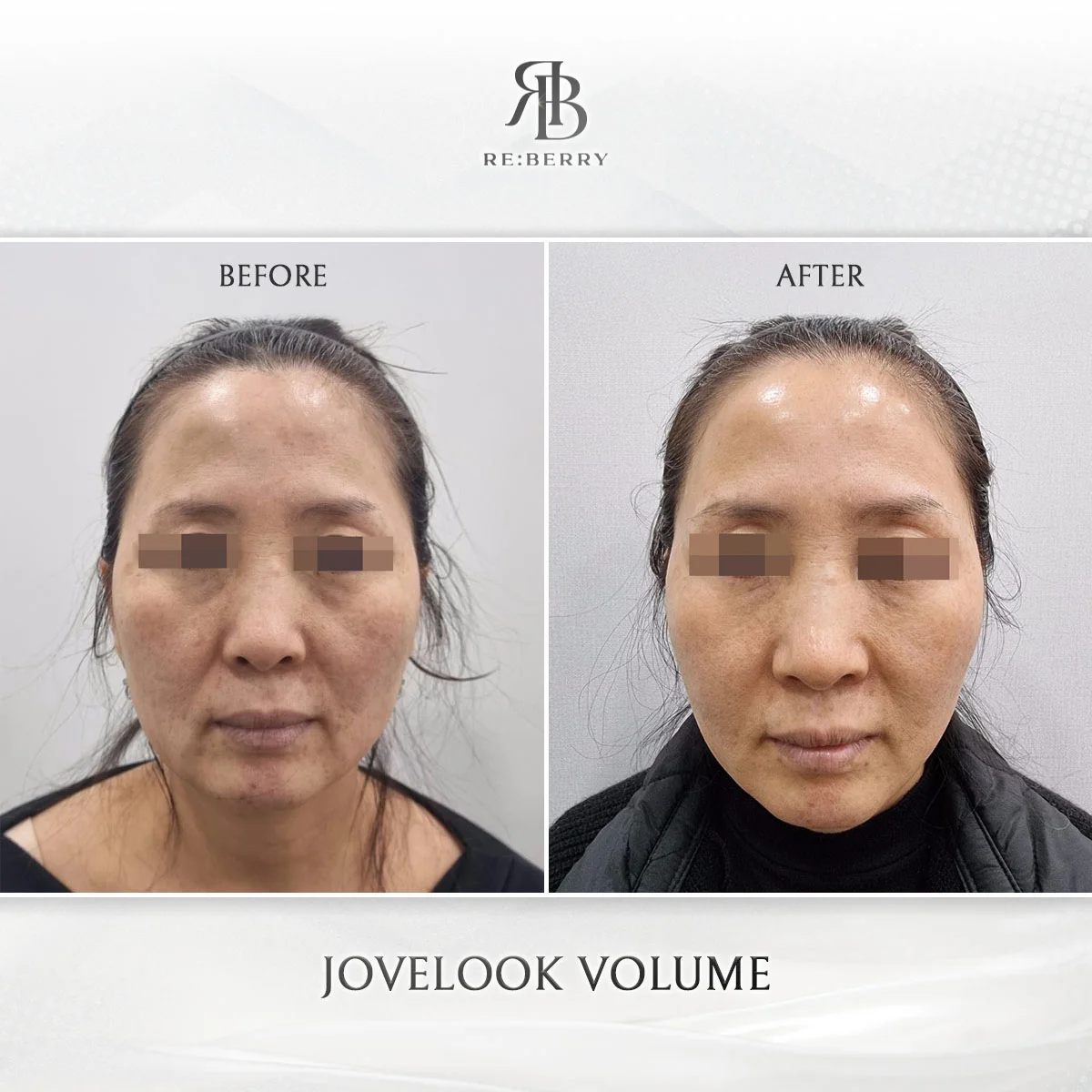
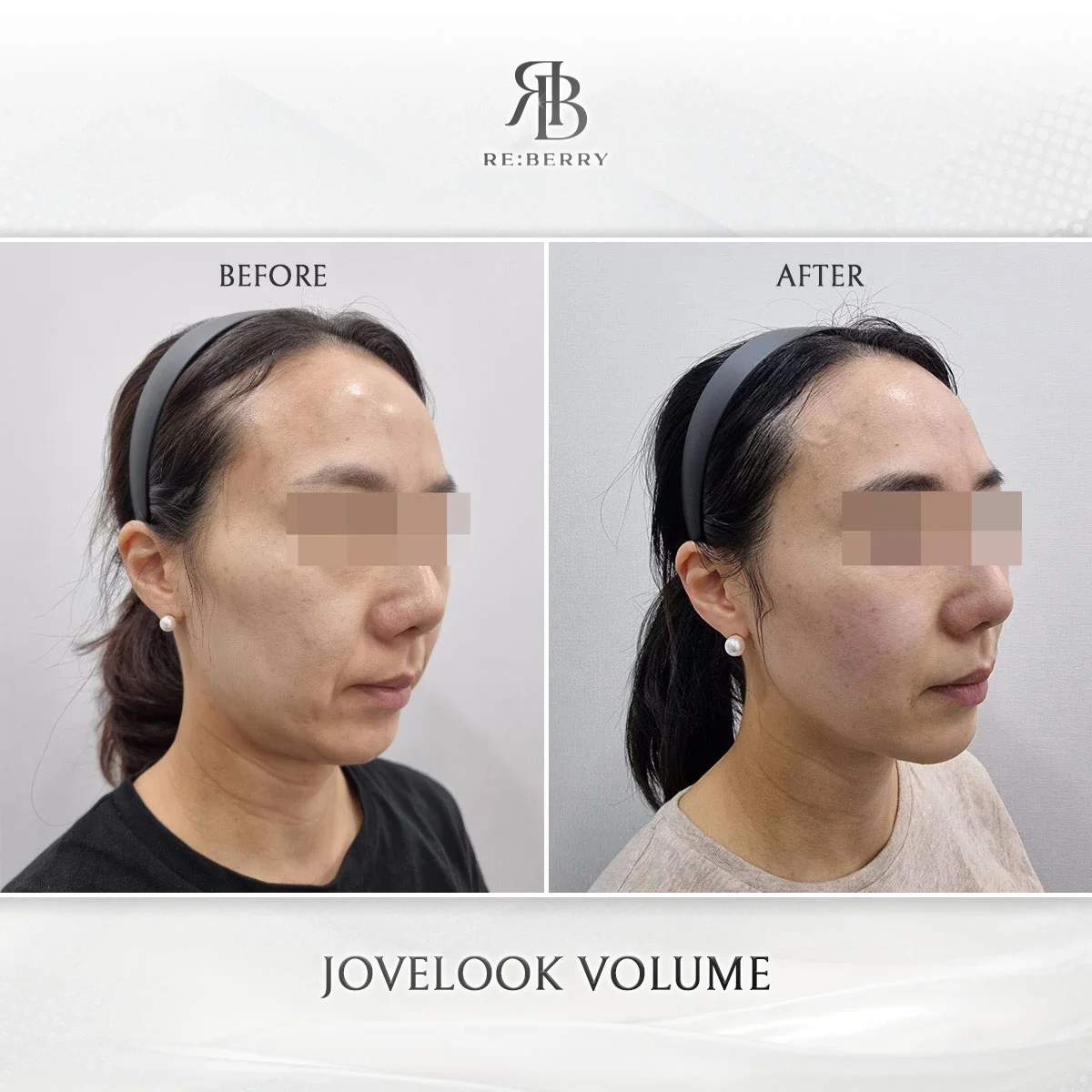
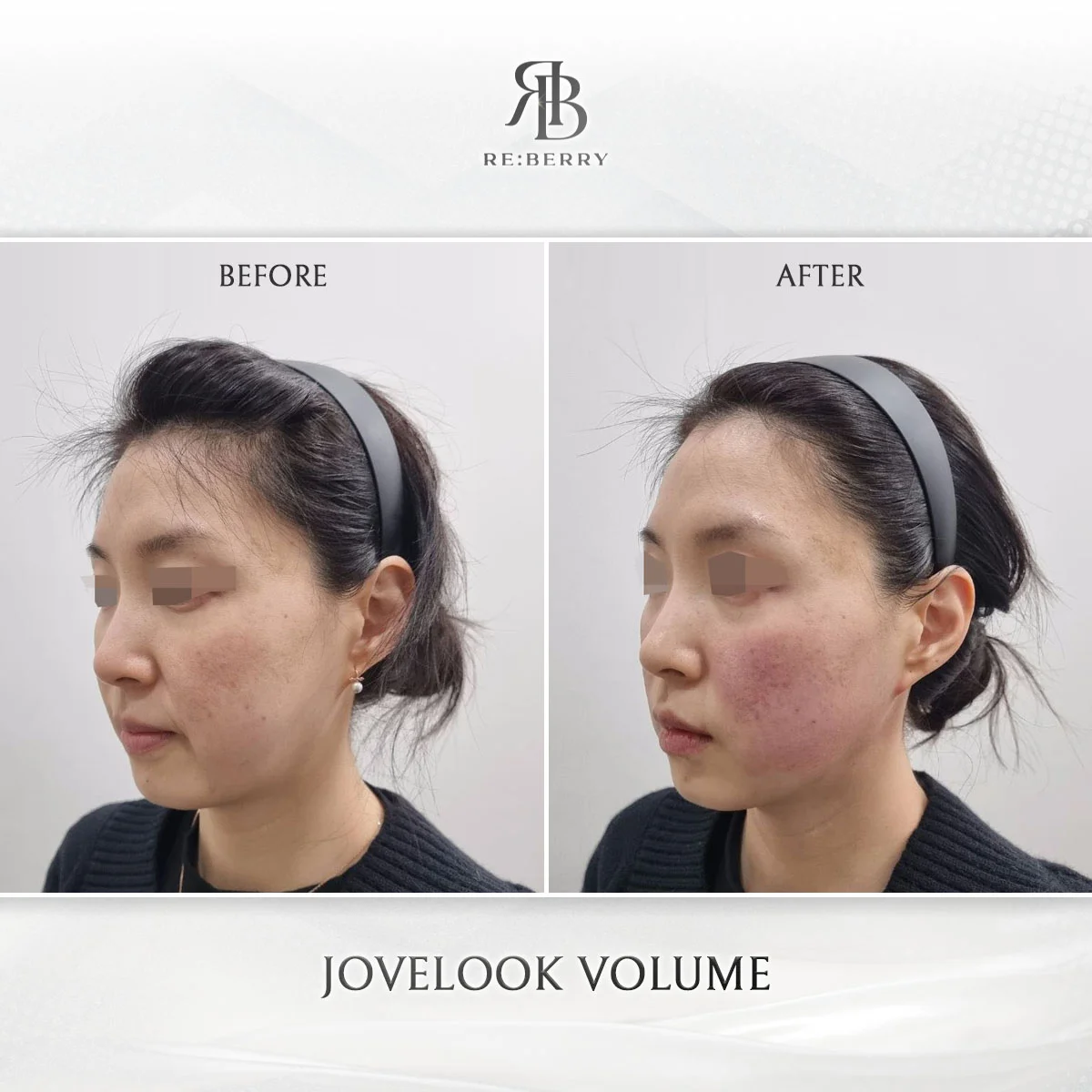
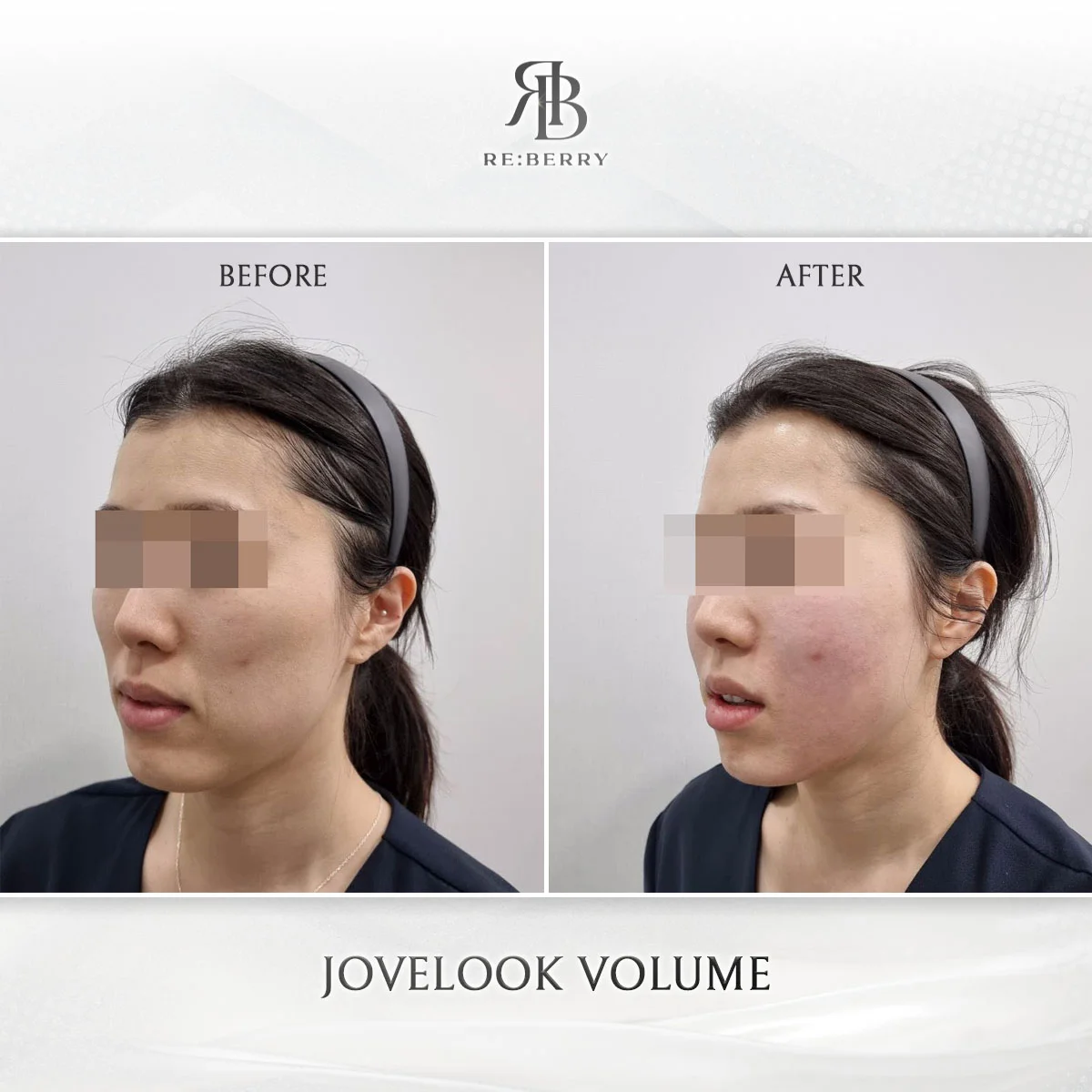
The clinic’s doctors review your health history in English, screen for contraindications, and tailor a suitable blend.
After a sterile cannula is placed, the drip is infused over roughly 30 to 60 minutes while you are monitored.
Most visits are completed within about 1 hour, including consultation and brief post-infusion observation.
Any subjective wellness effects are individual and not guaranteed; your doctor explains realistic expectations and risks first.
Stay hydrated, watch the cannula site, and resume normal activities; any repeat sessions are decided individually.

IV drip therapy is generally safe when a doctor screens you first and supervises the 30 to 60 minute infusion. The most common effect is brief cannula-site tenderness, while allergic reactions or fluid imbalance are uncommon. Reberry Clinic reviews your kidney, liver, and heart status beforehand; you can read more on our injection treatment page.
Safety comes mainly from screening, sterile technique, and supervision, not the ingredients alone. A proper consultation rules out contraindications, a single-use cannula is placed cleanly, and a clinician monitors the infusion so any reaction is caught early. An unscreened or unsupervised drip carries more risk, which is why a doctor-led clinic setting matters.
Most people have no more than brief tenderness at the cannula site. Less commonly, mild lightheadedness, nausea, or vein irritation can occur during the session, which is why infusions are supervised. These effects are usually short-lived; you can review related options on our injection treatment page beforehand.
Serious risks are uncommon but include an allergic reaction to a component or, rarely, an electrolyte or fluid disturbance from excess fluids or minerals. Infection at the cannula site is also possible without sterile technique. Doctor screening of your kidney and heart status, a tailored blend, and supervision are specifically there to reduce these uncommon risks.
People with significant kidney, liver, or heart conditions, fluid-overload risk, a known allergy to a component, or active infection need careful medical review and may be advised against it. Pregnant or breastfeeding patients should discuss it with a doctor first. A consultation confirms whether this or another injection treatment is appropriate for you.
Most people feel only a brief pinch when the single-use cannula is placed, lasting a few seconds, and the infusion itself is generally painless. Sterile, single-use equipment and trained placement keep infection risk low. You rest comfortably throughout, and you can tell the clinician if you feel any discomfort so the rate is adjusted.
For healthy people, an elective wellness drip is generally well tolerated under supervision, though the evidence of benefit is limited since you may not need extra nutrients. Excess intake is the main concern, which screening and a tailored blend manage. Your doctor explains honestly that it is wellness support, not a necessity, before you decide.
For general wellness use it is supportive care, not a treatment for any specific condition or a cure. Intravenous fluids and nutrients are established for dehydration or documented deficiencies, but elective drips in healthy people have limited evidence. If you have a medical concern, your doctor will direct you to appropriate care rather than relying on a drip.
A clinician supervises the full 30 to 60 minute infusion, watching comfort and the infusion rate, and you are observed for a few minutes afterwards. This monitoring means any lightheadedness or reaction is addressed quickly by slowing or stopping the drip. Continuous supervision is a key reason a clinic drip is safer than an unsupervised one.
Both are generally well tolerated under the same safeguards: screening, sterile cannula, and supervision. A vitamin drip carries the usual micronutrient considerations, while a single-compound antioxidant drip has its own profile. Your doctor matches the option to your health among our injection treatments after screening.
Yes, Reberry Clinic serves international patients with English-speaking support across three Seoul-area locations, including one near Incheon Airport, so screening and consent are clearly explained. You are assessed for safety before any drip. Message us on WhatsApp to ask about suitability and to plan a supervised session during your trip.
Aftercare is simple: stay hydrated, eat normally, and keep the cannula site clean and dry for a few hours, watching for redness or swelling. There are no special restrictions for most patients. The clinic provides written guidance, and you can pair it with gentle skin care if you wish.
Yes, be wary of clinics promising dramatic energy, detox, or skin results, since elective drips have limited evidence and such claims overstate what a drip can do. Reberry Clinic frames drips honestly as wellness support with individual effects. Choosing a doctor-led clinic that screens you and explains the limits is the safer approach.
A single drip needs only part of 1 day, and flying soon after is generally fine because the procedure is minor with minimal downtime. Stay hydrated during the flight and watch the cannula site. If you have a relevant medical condition, your doctor advises any specific timing before you travel home safely.
International patients can arrange remote check-ins in English if they have questions after returning home or want guidance on repeat sessions, each decided individually for safety. Your consultation notes are kept on file. If you later want skin-focused care, you can review our skin care options before returning to Seoul.
| Vitamin IV drip | Glutathione drip | Oral supplements | |
|---|---|---|---|
| Delivery | Intravenous infusion | Intravenous infusion | Oral capsules or tablets |
| Main safety factor | Screening, sterile cannula, supervision | Screening, sterile cannula, supervision | Dosing and product quality |
| Most common effect | Brief cannula-site tenderness | Brief cannula-site tenderness | Mild stomach upset in some people |
| Uncommon risks | Allergy, vein irritation, fluid imbalance | Allergy, vein irritation | Excess intake if overdosed |
| Supervision | Continuous during the session | Continuous during the session | None |
| Downtime | Minimal | Minimal | None |
| Best for | A supervised micronutrient and fluid top-up | A supervised antioxidant drip | A low-risk at-home daily habit |
Real verified reviews from our Google Business Profile, across all Reberry Clinic locations.
PULLED LIVE FROM GOOGLE · GANGNAM · MYEONGDONG · INCHEON AIRPORT
Your treatment is planned and performed by experienced, MFDS-registered doctors across our Seoul-area clinics, with multilingual support for international patients.
Flagship clinic · KOL for leading lifting & regenerative devices

Multilingual tourist care beside Myeongdong Cathedral

Fast, effective care 20 minutes from the terminals
Message us on WhatsApp for a free consultation in English about whether an IV drip is safe and suitable for you.