



Gangnam
Dr. Yoon-Gon Ryu
Aesthetic Medicine Specialist
Flagship clinic · KOL for leading lifting & regenerative devices · Featured in Authority Magazine (2026)

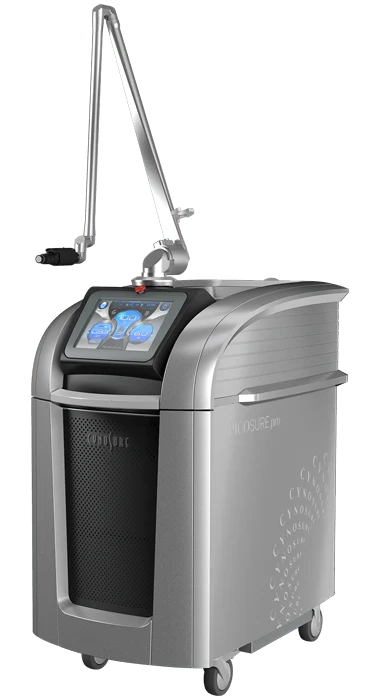
Milia removal is a minor in-office procedure, and safety comes down to 3 checkable factors: a licensed doctor, sterile technique, and laser or extraction settings matched to your skin type.
Yes, milia removal is generally safe in Korea when a licensed doctor uses fine CO2 laser or sterile extraction, sterile single-use tools, and settings matched to your skin type. It is a minor procedure with a small, real risk of temporary redness or post-inflammatory pigmentation, so verify the doctor, hygiene, and honest expectations before treatment.
One-on-One guidance from a dedicated doctor, ensuring your skin is professionally monitored and treated from start to finish.
Fluent assistance in English, Japanese, and Chinese, making communication clear, respectful and comfortable for international patients.
Over 100,000 patients worldwide have received our personalized dermatological care, highlighting our expertise and reliable results.
Milia are tiny, firm white cysts, usually 1 to 2 mm across, that form when keratin becomes trapped just under the skin surface, most often around the eyes, cheeks, and forehead. They are harmless and not contagious, but many people want them removed for cosmetic reasons. Because they sit so superficially, safe removal is about precision and hygiene rather than aggressive treatment.
In Korea, milia are typically removed by a licensed doctor using one of two approaches: sterile manual extraction, where a fine sterile needle de-roofs the cyst and gentle pressure evacuates the keratin, or fine ablative CO2 laser, which vaporises the roof of the cyst with pinpoint control. Both are minor, in-office procedures. Safety hinges on who performs it, whether sterile single-use tools are used, and whether laser settings are matched to your skin type, since overly aggressive treatment can cause scarring or pigment change.
Reberry Clinic operates in Seoul (Gangnam and Myeongdong) plus a location near Incheon Airport, with English support throughout the visit. International patients are guided through assessment, the procedure, and aftercare so that milia removal is something you can verify at each step rather than simply hope goes well when treating skin in Korea.
Safe milia removal in a reputable Korean clinic is procedural, not a slogan. A licensed doctor first confirms the lesions really are milia and not another type of bump, because misidentifying a lesion is a genuine risk when non-medical settings treat them blindly. For manual extraction, the doctor cleans the area, uses a sterile single-use needle or lancet to open the 1 to 2 mm cyst, and expresses the keratin with light pressure, taking seconds per lesion. For fine CO2 laser, ablative energy is delivered in short pulses to vaporise only the cyst roof, and settings are lowered for deeper Asian skin tones because melanin absorbs laser energy and can trigger pigment changes if the energy is too high. Sterile technique, correct depth, and conservative energy are the 3 factors that keep the procedure safe and reduce the small risk of post-inflammatory hyperpigmentation, temporary redness, or, rarely, a shallow mark. A careful doctor treats a few test lesions first, explains realistic downtime, and never promises a flawless result, since honest expectations are part of safety in Seoul, Korea.
One Reberry Clinic, multiple Seoul-area locations. Pricing & current promotions are listed on each branch's own site — tap a clinic to view pricing & book.
Our flagship in the heart of Gangnam.
In Seoul's shopping & tourism heart.
A beauty stop between flights.
The newest Reberry Clinic — in Seoul's trend district.
ONE REBERRY CLINIC · MFDS-REGISTERED DEVICES · MULTILINGUAL CARE AT EVERY LOCATION
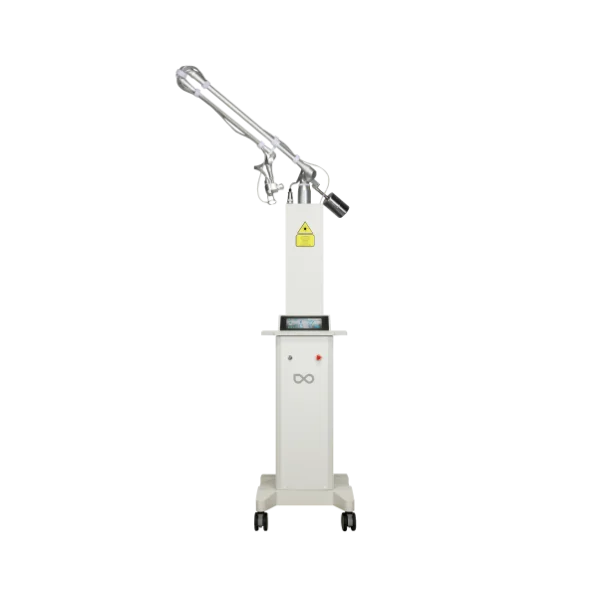
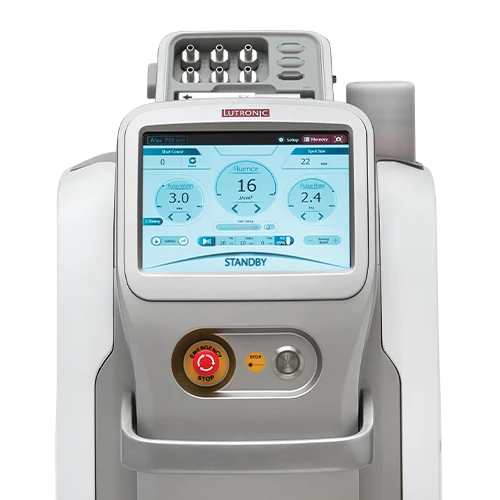
A licensed doctor examines the bumps to confirm they are milia and not another lesion, which is the single most important of the 3 safety factors before any removal.
The area is cleaned, and for sensitive zones a topical anaesthetic may be applied for 15 to 20 minutes so the 1 to 2 mm lesions can be treated comfortably.
The doctor either de-roofs each cyst with a sterile single-use needle or uses 1 short CO2 laser pulse per lesion, choosing the gentler option for your skin type.
For deeper Asian tones, laser energy is set conservatively because melanin absorbs light, and 1 overly aggressive setting is the main driver of post-inflammatory pigmentation.
You receive sunscreen and gentle-care guidance for the next 5 to 7 days, plus follow-up, including remote check-ins within 1 to 3 days if you travel home.
Reberry Clinic · Prices verified: Oct 2026
| Clinic | Price (KRW) |
|---|---|
| GangnamCO2 Laser Small Lesion (under 1mm) | from₩10,000 |
| MyeongdongCO2 Laser 1 Area (1mm) | from₩15,000 |
VAT excluded · Treatment packages differ by clinic — see each clinic page for its full menu · Confirmed after consultation
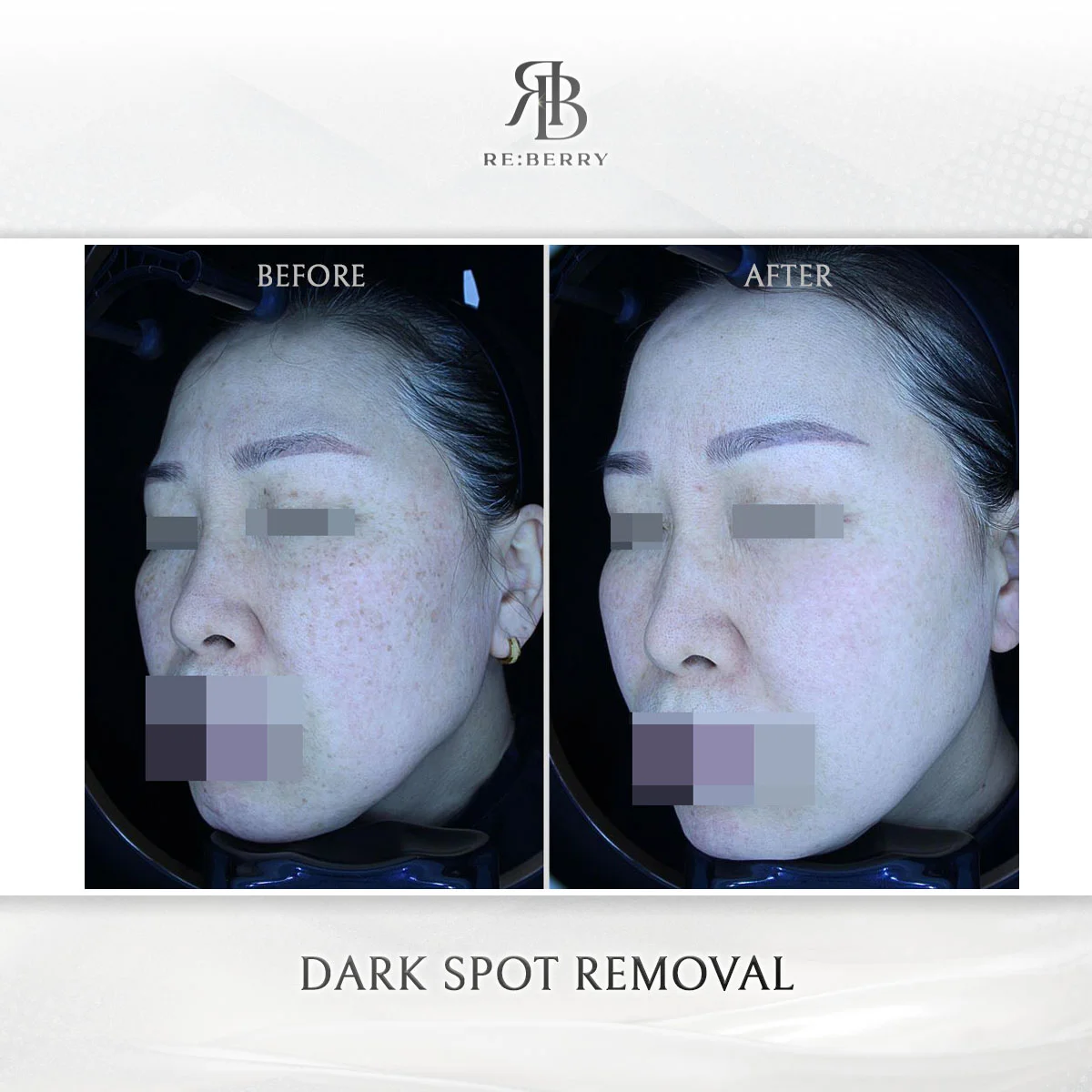
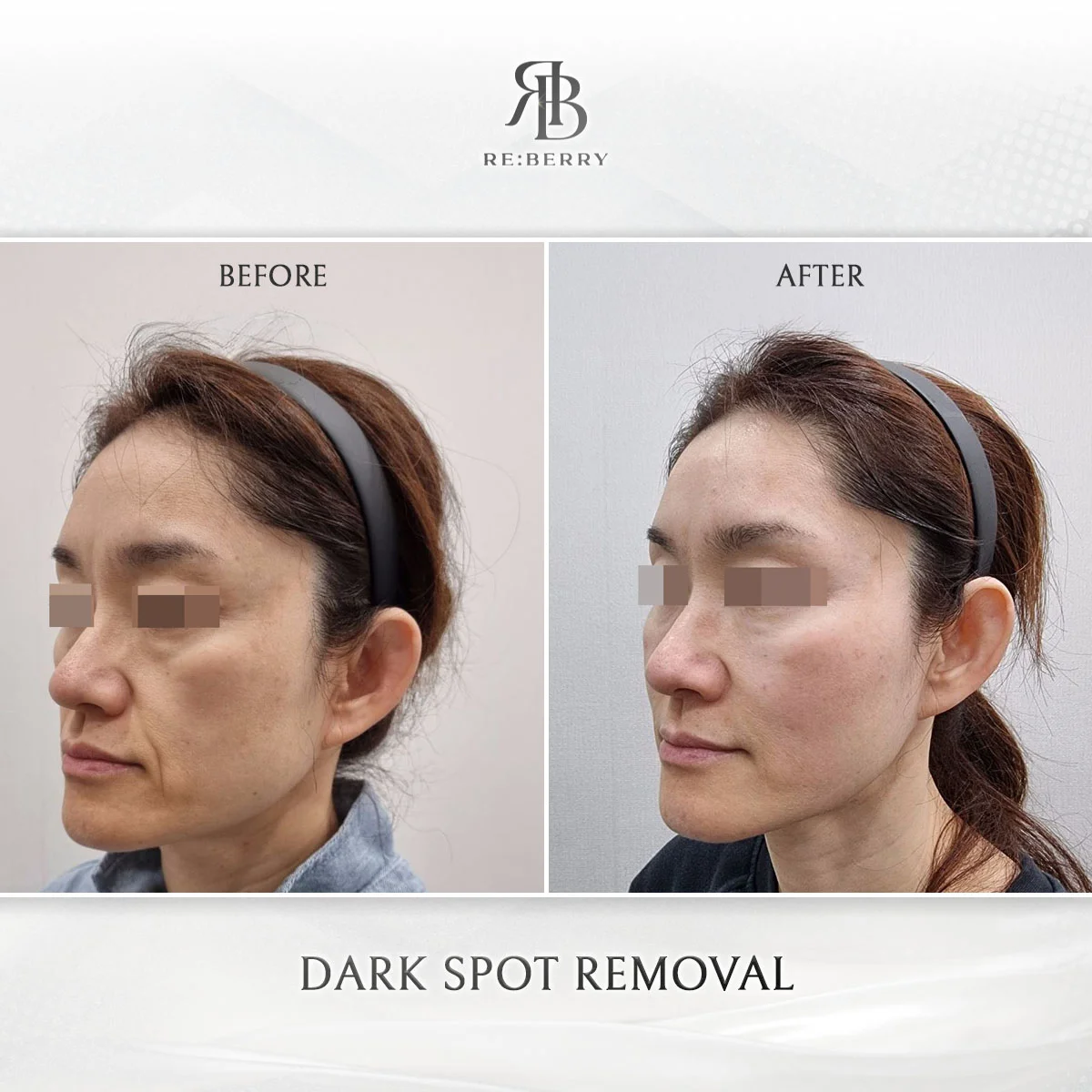
See representative outcomes from Reberry Clinic. Results build gradually and vary by individual; your plan is assessed at consultation.
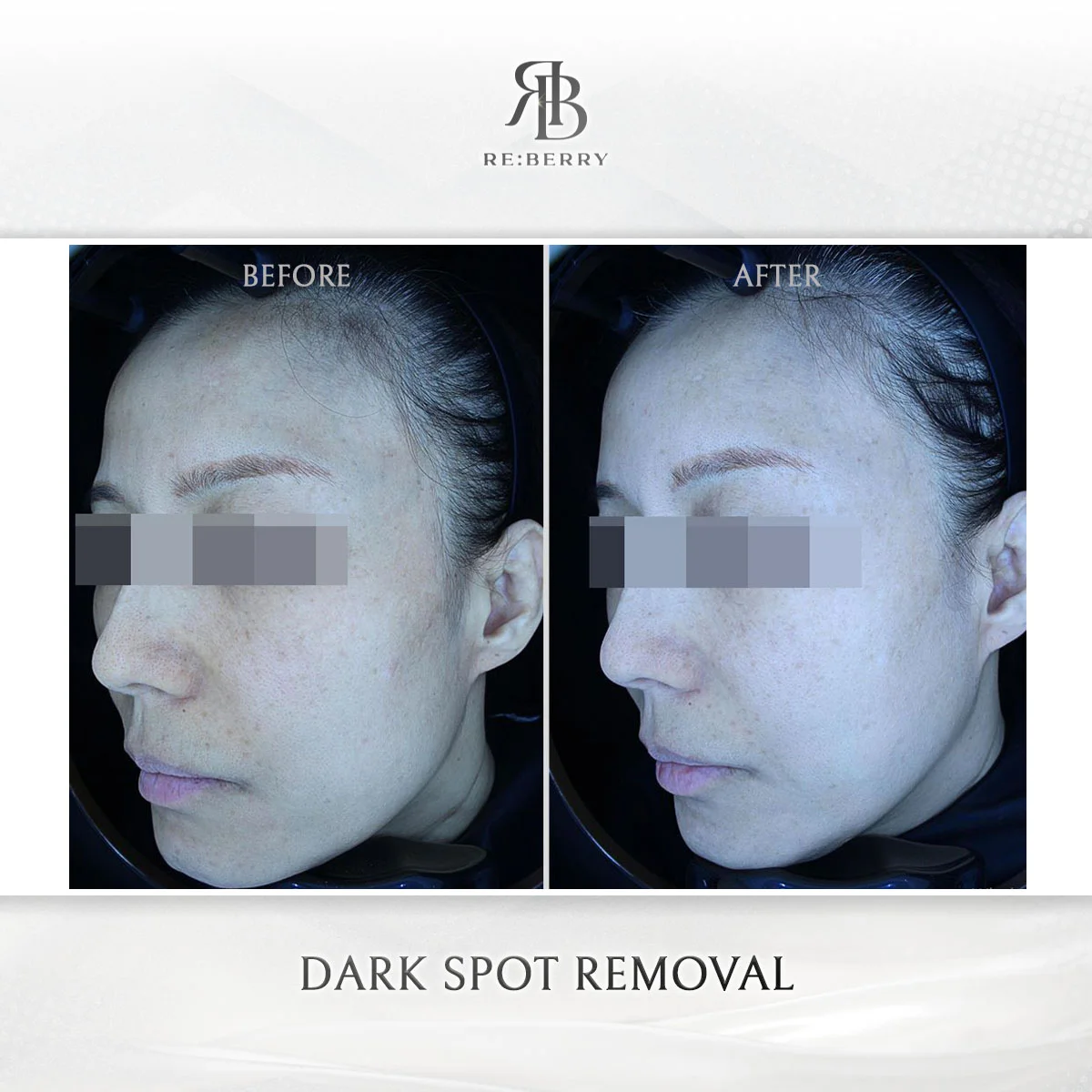
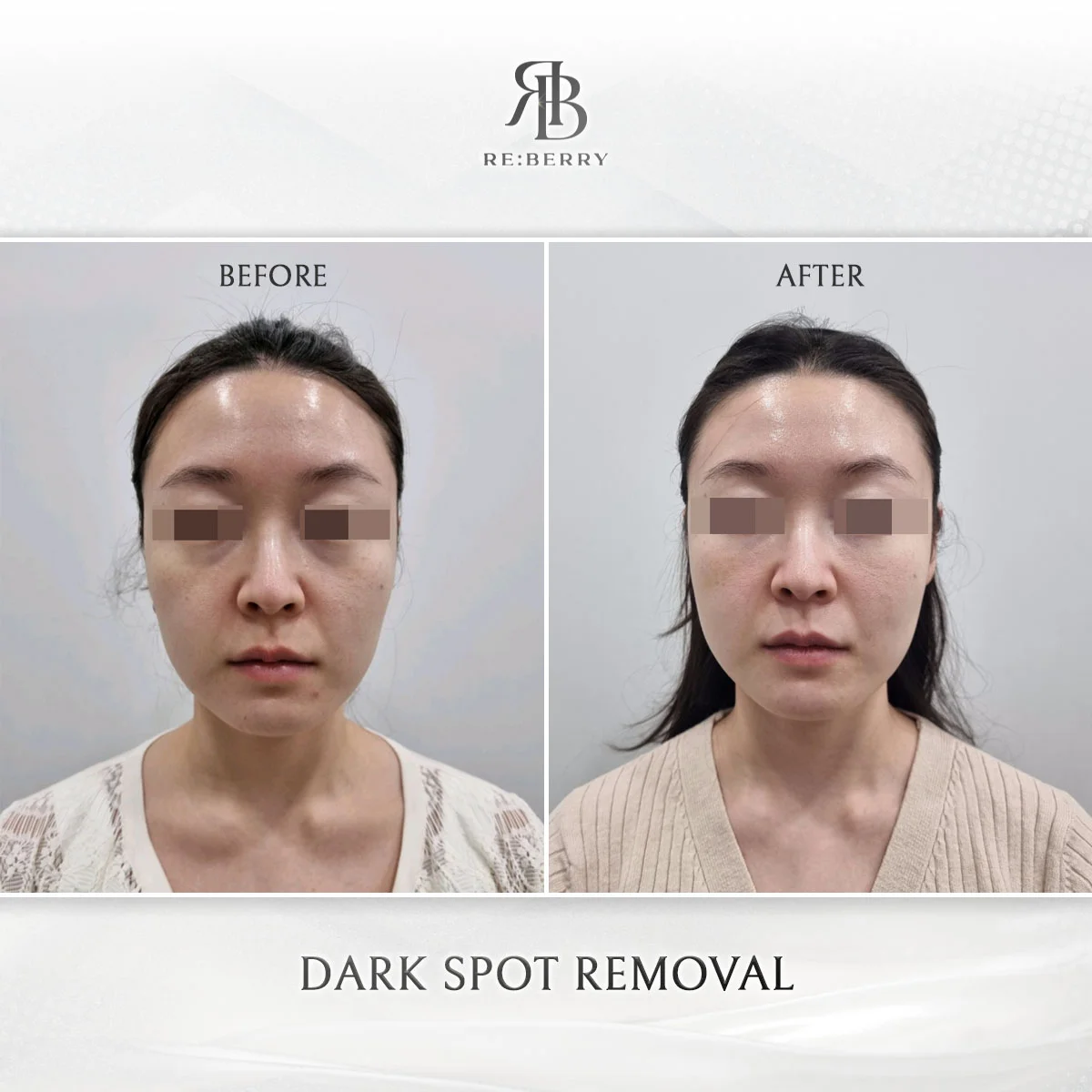
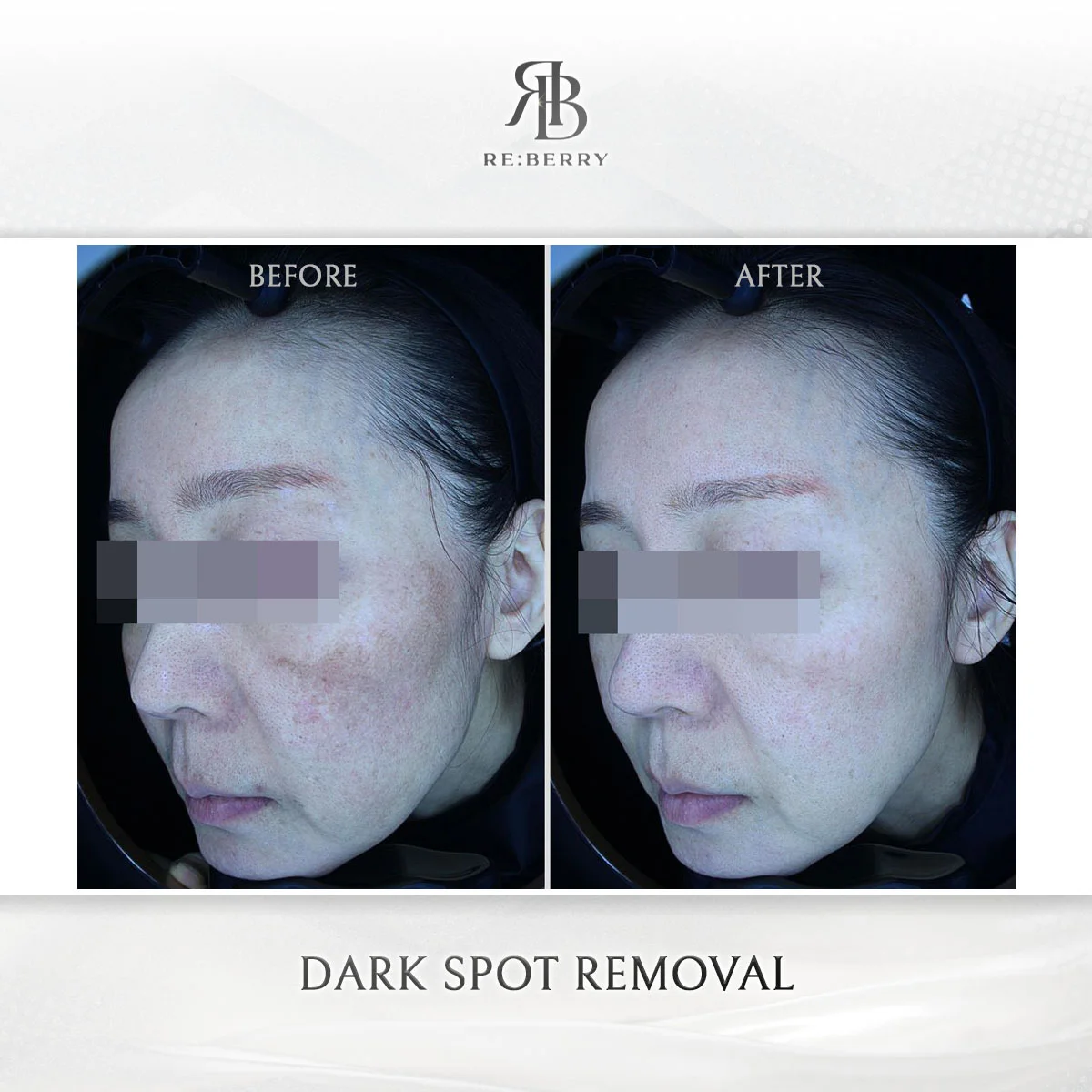
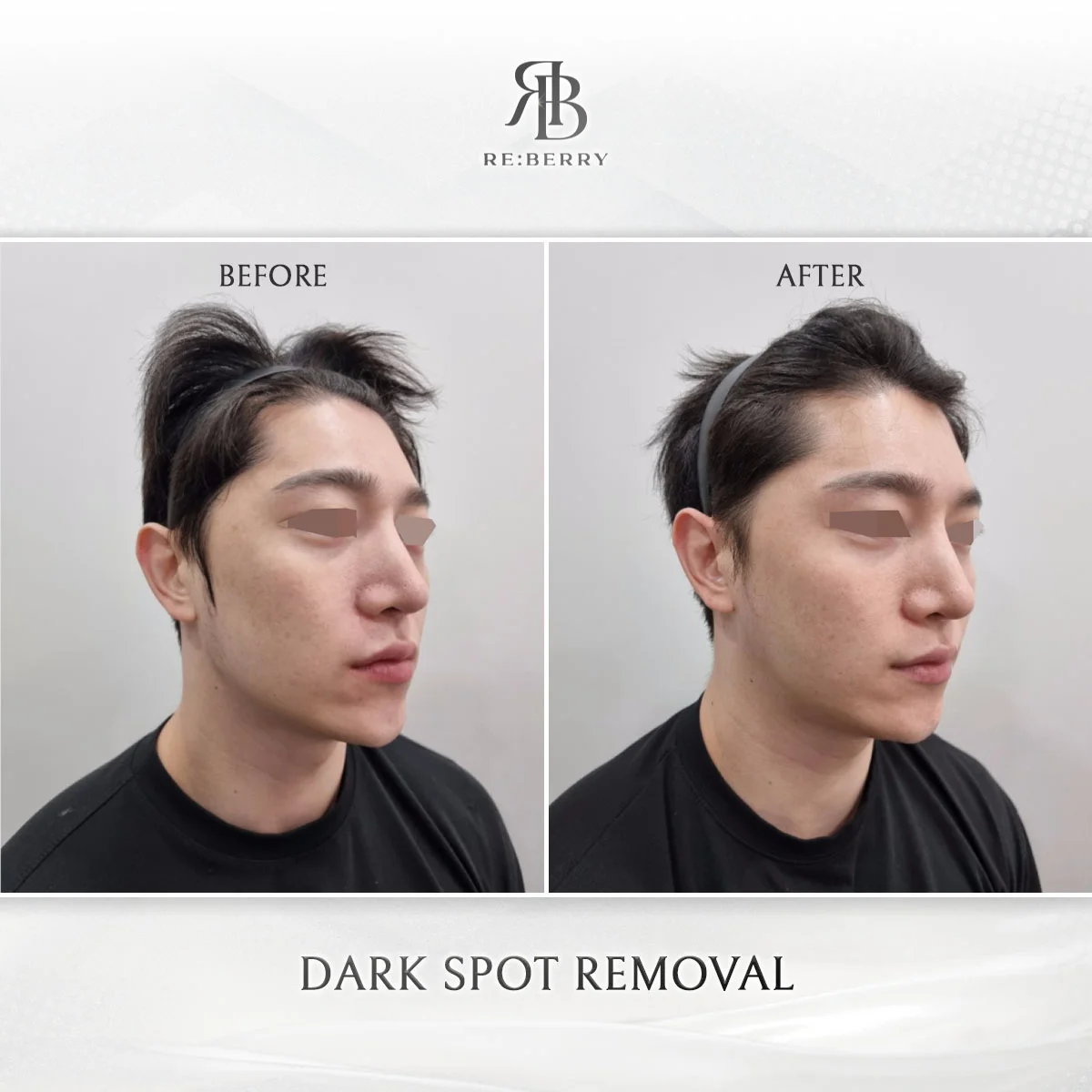
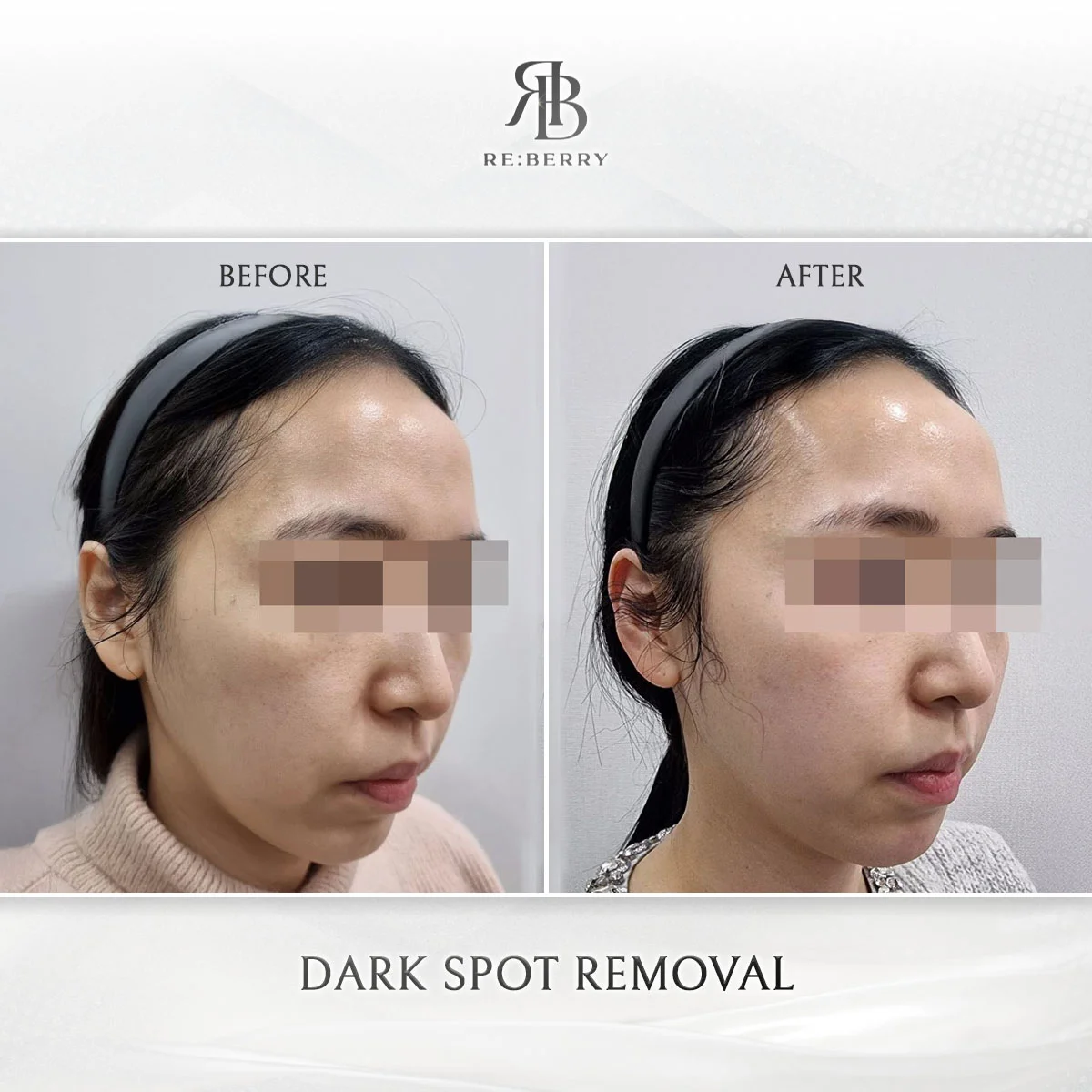
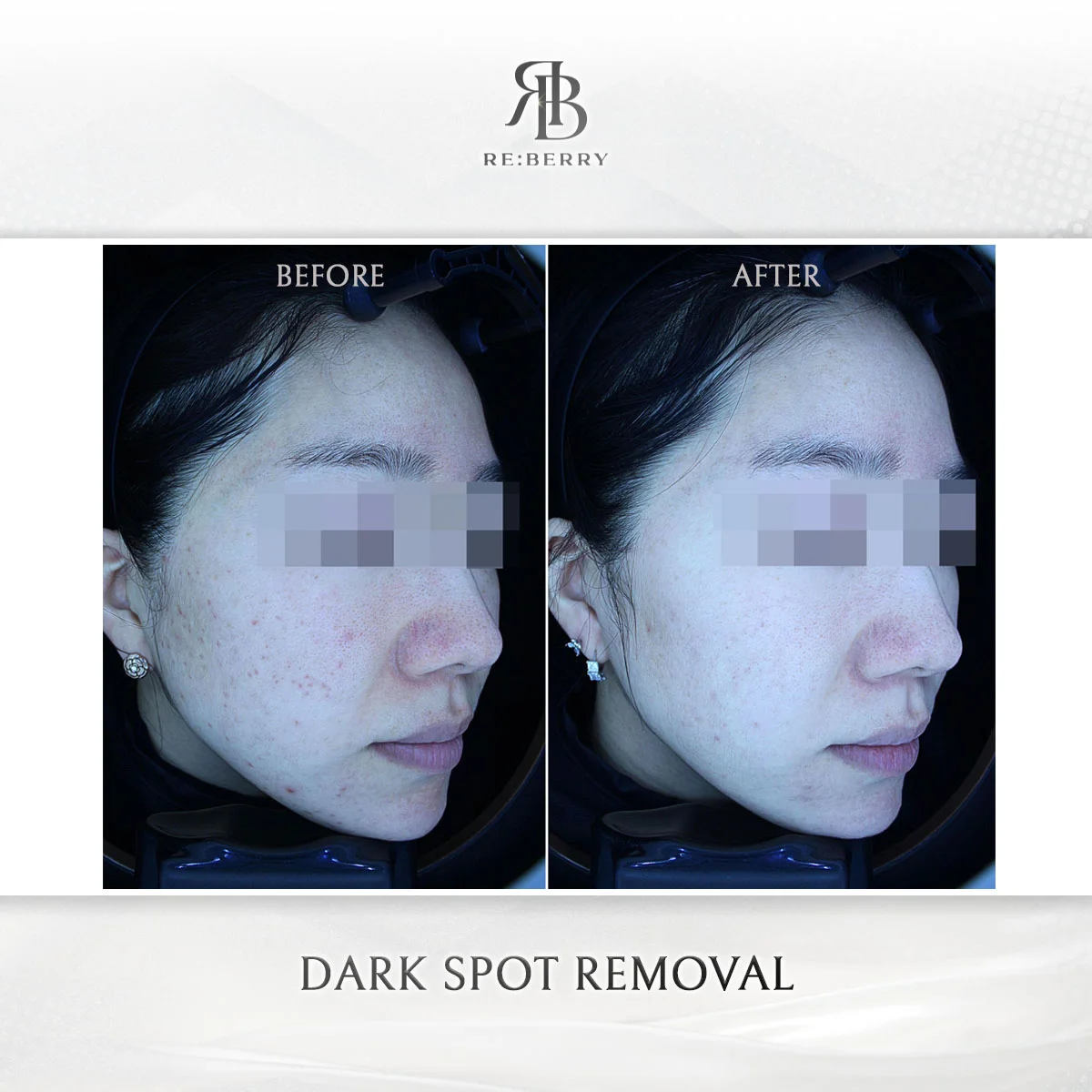
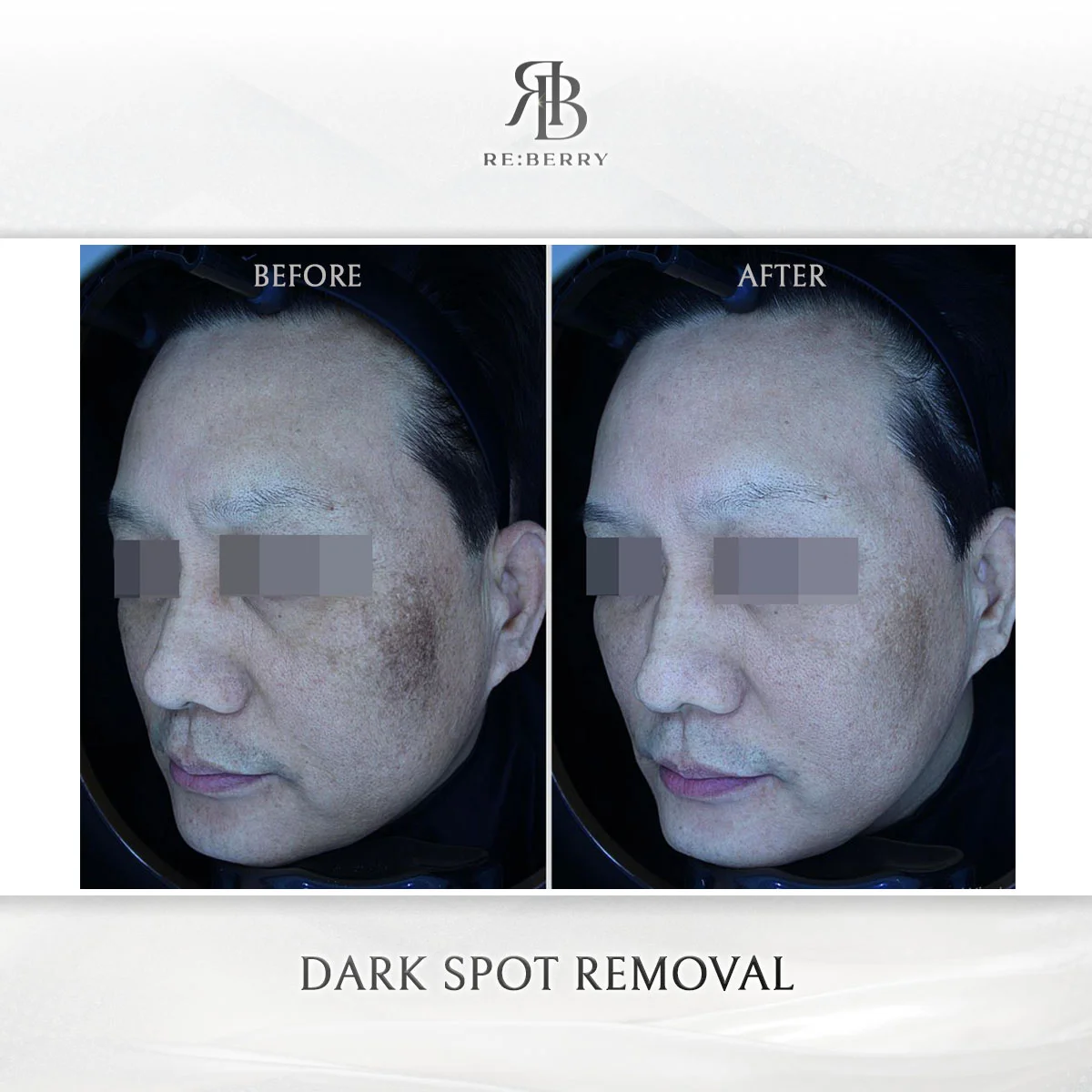
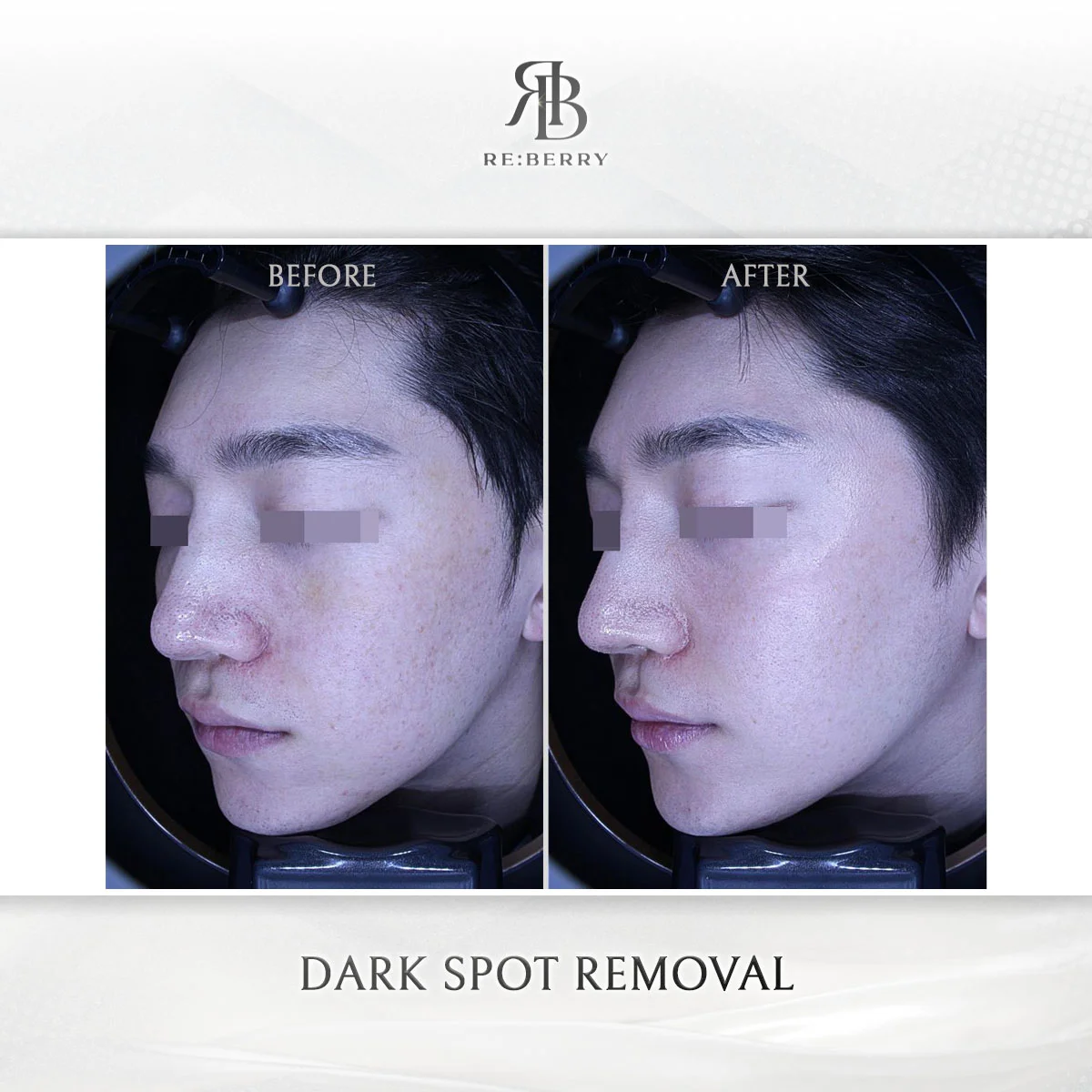
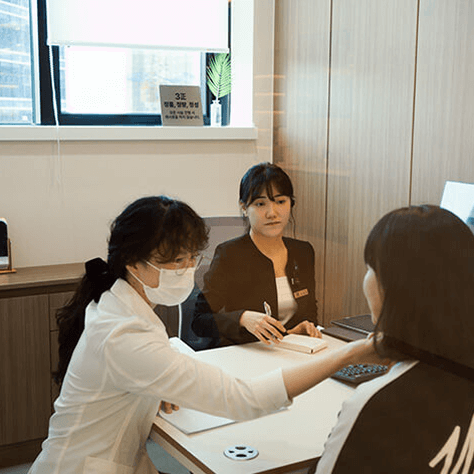
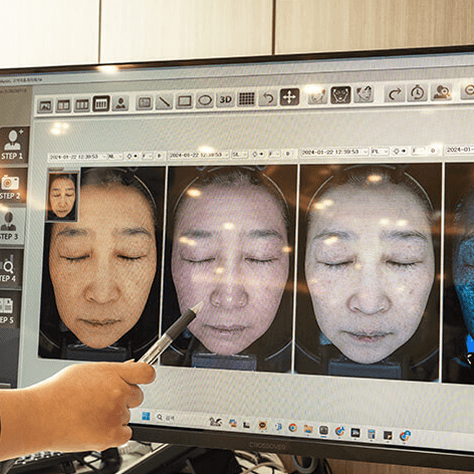
A licensed doctor confirms the lesions are milia, reviews your skin type and history in English, and explains whether extraction or fine CO2 laser suits you, plus any risks.
The area is cleaned and optionally numbed, then each cyst is treated with sterile single-use tools, taking seconds per lesion, with staff explaining aftercare afterward.
Most milia removal fits within a single short visit, and the doctor confirms if a stubborn or deeper cyst may need a brief second session.
Tiny crusts or slight redness usually settle over several days, and skin generally looks smooth again within about a week when aftercare is followed.
New milia can appear over time as skin cell turnover continues, so a doctor may suggest gentle exfoliation or retinoids and daily sunscreen to protect the treated skin.
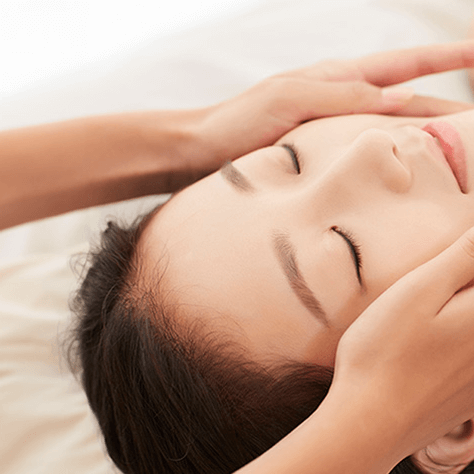
Yes, milia removal is generally safe in Korea when a licensed doctor uses sterile single-use tools and fine CO2 laser or extraction with settings matched to your skin. It is a minor procedure with a small risk of temporary redness or pigmentation. You can start on our laser treatment page to see how a doctor-led plan works.
Milia are tiny, firm white cysts, usually 1 to 2 mm across, that form when keratin gets trapped just under the skin, often around the eyes and cheeks. They are harmless and not contagious. Because they sit superficially, they can be removed precisely by a doctor rather than needing aggressive treatment for a cosmetic concern.
Discomfort is usually very mild and brief, since each cyst takes only seconds to treat. For sensitive areas, a topical anaesthetic can be applied for about 15 to 20 minutes beforehand. Most patients describe a small pressure or pinprick sensation rather than real pain during extraction or fine laser treatment.
Downtime is minimal, typically slight redness or tiny crusts that settle over several days. Skin usually looks smooth again within about a week when you follow aftercare. If fine CO2 laser was used, small scabs may form briefly. You can review gentle recovery options on our skin care page.
Scarring is uncommon when a doctor treats only the 1 to 2 mm cyst roof with correct depth. The main risk is temporary post-inflammatory pigmentation, more likely in deeper skin tones if laser energy is too high. Conservative settings and diligent sun protection keep this risk low for most patients.
Yes, when laser settings are matched to your skin type, which is essential because melanin absorbs laser energy. Deeper tones can be more prone to pigment change if settings are too aggressive, so a careful doctor works conservatively. You can review options on our laser treatment page and discuss your phototype at consultation.
At-home picking risks scarring, infection, and treating a lesion that was never diagnosed as milia in the first place. Milia sit under an intact skin surface, so squeezing rarely works and often damages the skin. A licensed doctor removes them safely with sterile technique and confirms the diagnosis first.
A doctor can usually treat several milia in a single short visit, since each lesion takes only seconds. Very numerous or deeper cysts may be staged across visits to keep the skin from being over-treated at once. Your doctor decides a safe number based on lesion depth and your skin’s tolerance.
It can be, when a doctor sequences treatments so your skin is not over-stressed. Some patients pair it with gentle resurfacing or a hydrafacial on a separate visit. Combining is common for international patients on limited time, but safe planning means spacing energy-based treatments appropriately across your stay.
The most common side effects are temporary redness, tiny crusts, and short-lived tenderness, which usually settle within days. Post-inflammatory pigmentation is the main concern in deeper skin tones and is minimised with conservative settings and sun care. Serious complications are uncommon when a licensed doctor performs the procedure with sterile technique.
Individual milia that are removed do not return, but new ones can form over time as skin cell turnover continues. This is not a one-time fix for everyone. A doctor may suggest gentle exfoliation, retinoids, or a supportive routine to reduce how often new milia appear on your skin.
Daily sunscreen, gentle non-irritating products, and not picking any crusts are core aftercare steps that lower the risk of pigmentation. Your doctor tailors advice to whether laser or extraction was used. A supportive skin care routine protects the treated area while it heals over the following days.
Every practising physician in Korea must hold a national medical licence, and a reputable clinic confirms a licensed doctor performs your procedure. Ask who examines your skin and who removes the milia. If only a coordinator handles everything and no doctor sees you, treat that as a warning sign before booking.
Yes, flying within a day or so is generally fine for this minor procedure. Cabin air is drying, so moisturise gently and protect treated skin from sun. If fine CO2 laser was used and small crusts are present, keep the area clean and avoid picking during travel, following the aftercare your doctor gives.
For milia removal alone, a single short visit is often enough, so even 1 to 2 days in Seoul can be sufficient. A slightly longer stay lets the doctor check early healing or treat a stubborn cyst. Many international patients combine it with other skin goals across a few days.
Both Seoul locations, Gangnam and Myeongdong, provide the same doctor-led, transparent care with full English support, and there is also a location near Incheon Airport for transit patients. The right choice usually depends on your schedule and where you are staying. Message us and we will confirm which location fits your route.
The clinic offers remote check-ins in English so care continues after you travel, and your treatment notes are kept on file. This helps if any pigmentation appears or you want advice on preventing new milia. You can continue a supportive skin care routine at home while staying in contact for guidance.
| Fine CO2 Laser (Doctor-Led) | Sterile Manual Extraction | At-Home / Non-Medical Removal | |
|---|---|---|---|
| Mechanism | Short CO2 laser pulses vaporise the cyst roof precisely | A sterile needle de-roofs the cyst, keratin is expressed | Squeezing or picking without diagnosis or sterility |
| Best for | Multiple or stubborn milia, deeper-set cysts | A few superficial, clearly diagnosed milia | Not advisable for medical or safety reasons |
| Pain / comfort | Mild, brief; topical numbing available | Very mild, quick pressure sensation | Variable, with real risk of injury |
| Downtime | Tiny crusts that settle over several days | Minimal, slight redness for a short time | Unpredictable, higher infection risk |
| Pigmentation risk | Low when settings match skin type | Low with correct sterile technique | Higher, with scarring and PIH more likely |
| Cost context | Depends on the number of lesions and sessions | Depends on the number of lesions treated | No cost but meaningful safety cost |
Real verified reviews from our Google Business Profile, across all Reberry Clinic locations.
PULLED LIVE FROM GOOGLE · GANGNAM · MYEONGDONG · INCHEON AIRPORT
Your treatment is planned and performed by experienced, MFDS-registered doctors across our Seoul-area clinics, with multilingual support for international patients.
Flagship clinic · KOL for leading lifting & regenerative devices · Featured in Authority Magazine (2026)
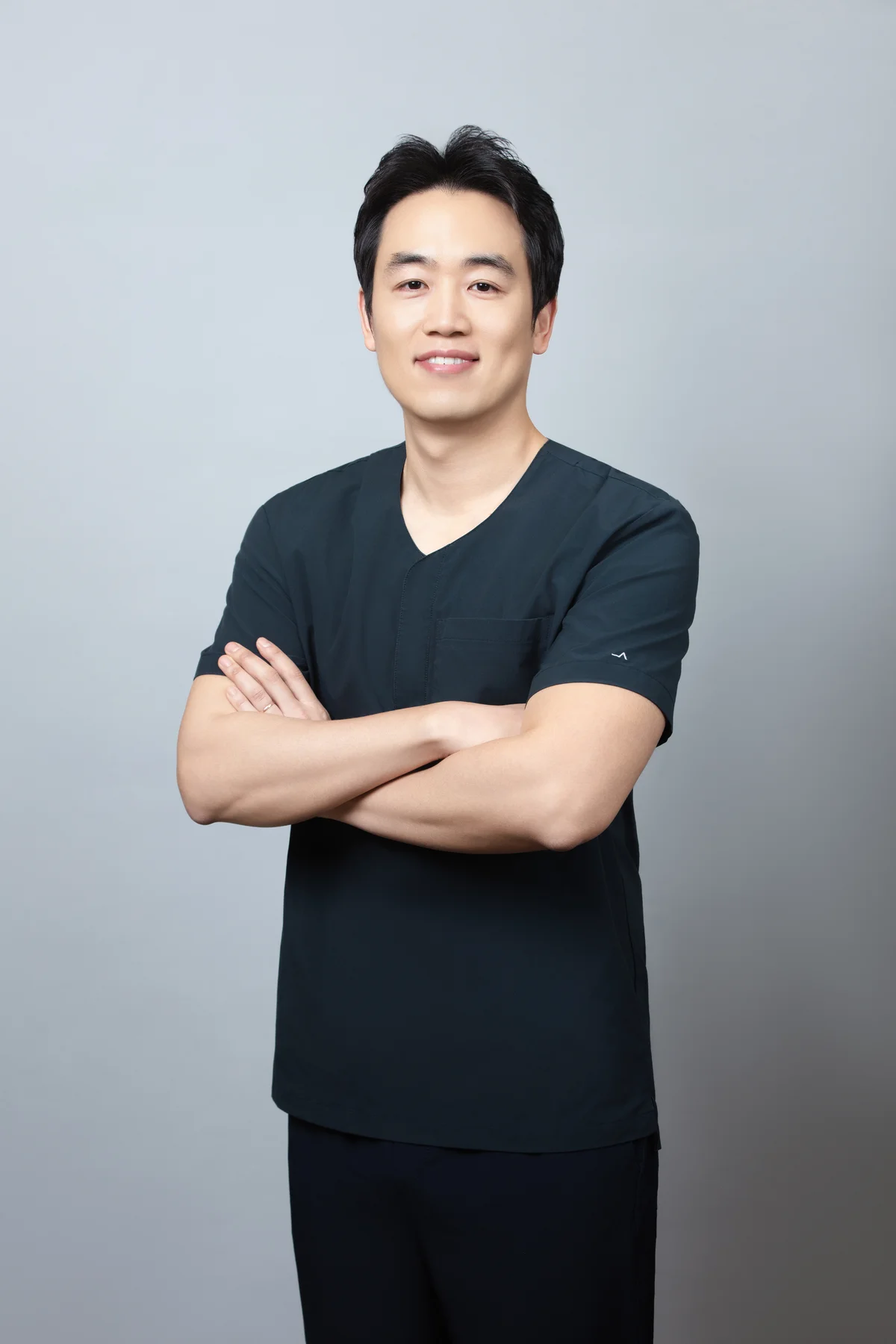
Multilingual tourist care beside Myeongdong Cathedral
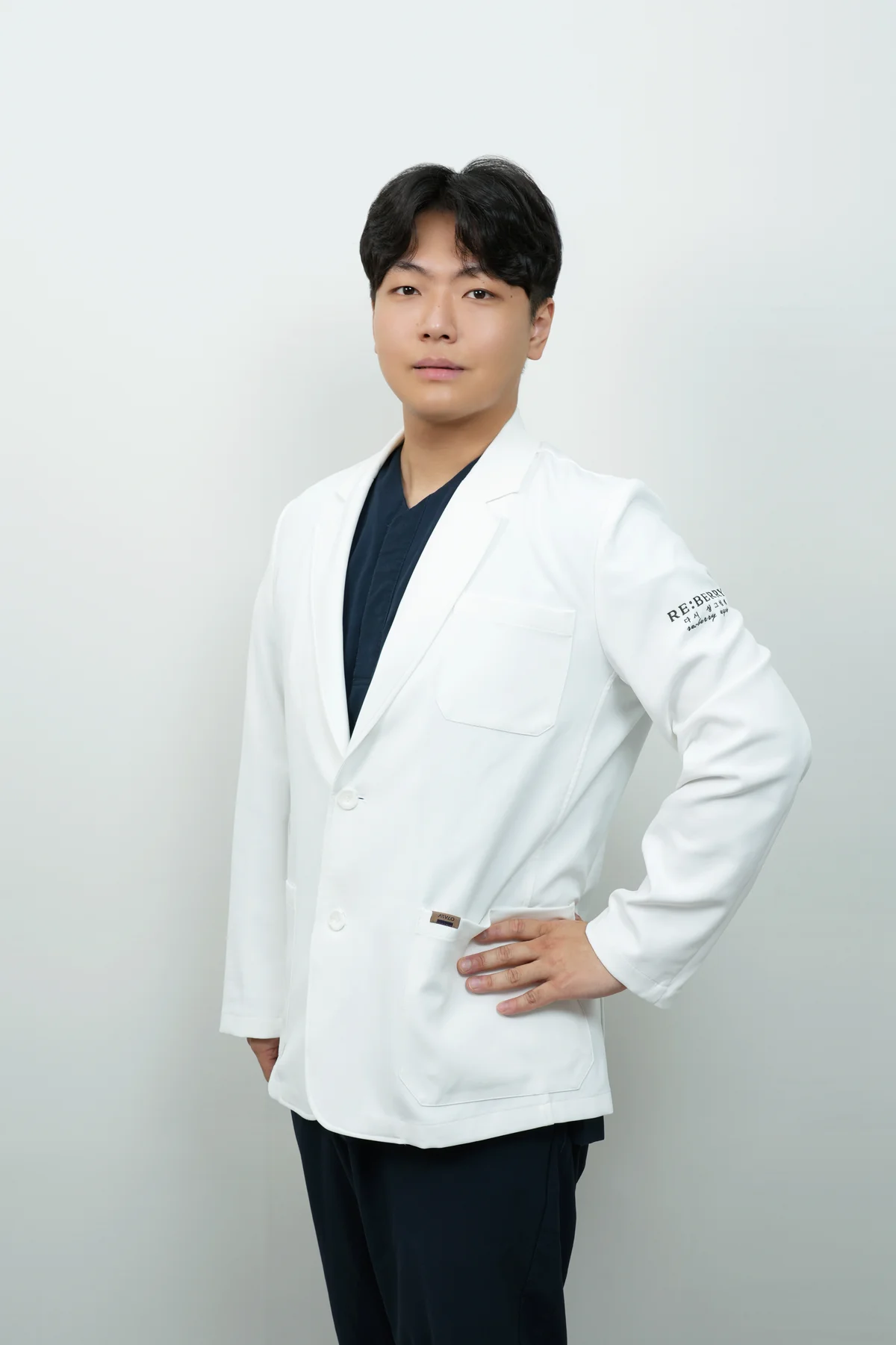
Fast, effective care 20 minutes from the terminals
Message us on WhatsApp for a free consultation in English about your milia, the right method for your skin, and a doctor-led plan at our Seoul locations.