



Gangnam
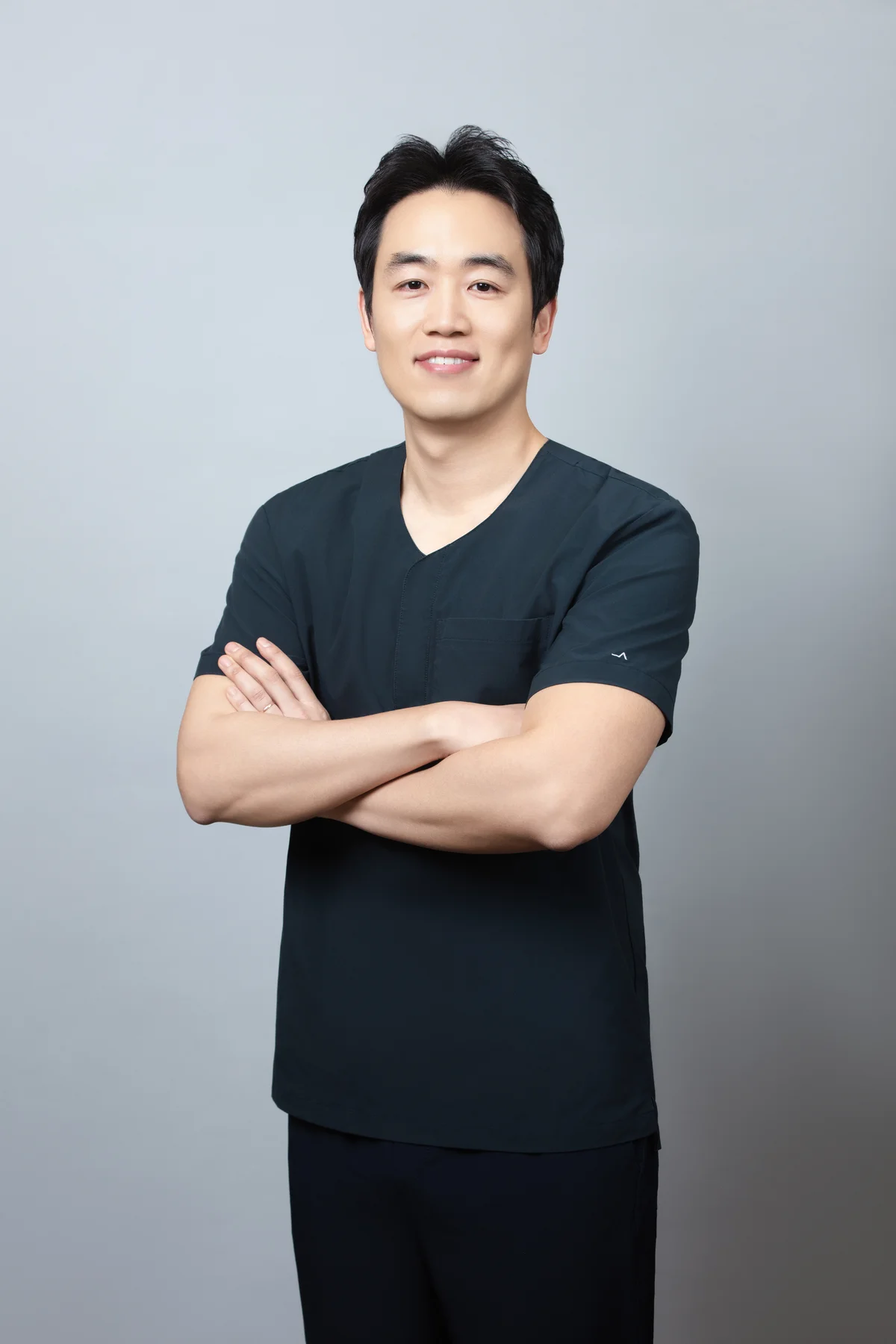
Dr. Yoon-Gon Ryu
Aesthetic Medicine Specialist
Flagship clinic · KOL for leading lifting & regenerative devices · Featured in Authority Magazine (2026)

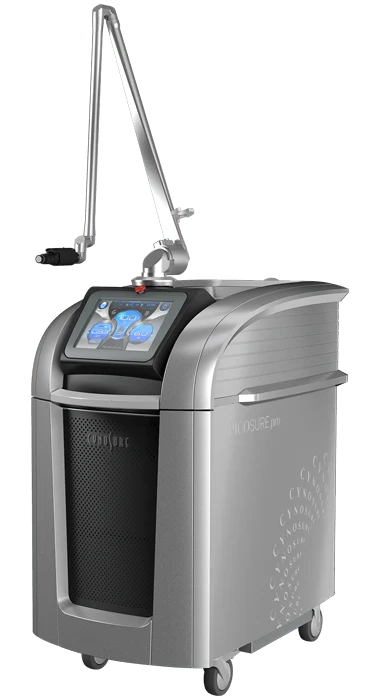
Mole removal is a common in-office procedure, and safety comes down to 3 checkable factors: a licensed doctor’s assessment, biopsy of anything atypical, and CO2 laser depth matched to your skin type.
Yes, mole removal is generally safe in Korea when a licensed doctor first assesses each mole, sends anything atypical for biopsy, and uses CO2 laser ablation at a depth matched to your skin. Getting the depth right matters: too shallow risks recurrence, too deep risks scarring, and darker tones need conservative settings to limit post-inflammatory pigmentation.
One-on-One guidance from a dedicated doctor, ensuring your skin is professionally monitored and treated from start to finish.
Fluent assistance in English, Japanese, and Chinese, making communication clear, respectful and comfortable for international patients.
Over 100,000 patients worldwide have received our personalized dermatological care, highlighting our expertise and reliable results.
A mole (melanocytic nevus) is a common growth formed by clusters of pigment cells. Most moles are harmless, but the single most important safety step is assessment: a licensed doctor examines each mole, often with dermoscopy, to decide whether it looks typical and can be removed for cosmetic reasons, or whether it shows atypical features that require a biopsy before or instead of cosmetic removal. This is why safe mole removal is never a walk-in cosmetic service performed blindly.
In Korea, typical moles are commonly removed with ablative CO2 laser, which vaporises the mole tissue layer by layer with fine control. Depth is the critical variable: removing a mole too superficially leaves pigment cells behind and can lead to recurrence, while going too deep risks a scar or prolonged redness. For atypical or larger lesions, a doctor may instead excise the mole so tissue can be sent for histopathology, because you cannot examine tissue that has been vaporised.
Reberry Clinic operates in Seoul (Gangnam and Myeongdong) plus a location near Incheon Airport, with English support throughout the visit. International patients are guided through assessment, the safest removal method for each mole, and aftercare, so mole removal is something you can verify at each step rather than simply hope goes well when treating skin in Korea.
Safe mole removal in a reputable Korean clinic starts with diagnosis, not the laser. A licensed doctor examines each mole, frequently using dermoscopy, and applies recognised warning signs such as asymmetry, irregular borders, uneven colour, or recent change; any atypical mole is referred for biopsy rather than casually lasered, because vaporised tissue cannot be examined under a microscope. For typical moles, CO2 laser ablation removes tissue in controlled passes, and dermoscopy helps confirm complete removal, since studies show that treatment judged complete by the naked eye is often incomplete under magnification, which drives recurrence. Depth control is the core safety skill: too shallow and pigment returns, too deep and a scar forms. For deeper Asian skin tones, energy is set conservatively because melanin absorbs laser light and can trigger post-inflammatory hyperpigmentation. A careful doctor explains that a larger or deeper mole may need excision with stitches instead, discusses realistic scarring, and never promises a flawless result, since honest expectations and correct method selection are what make the procedure safe in Seoul, Korea.
One Reberry Clinic, multiple Seoul-area locations. Pricing & current promotions are listed on each branch's own site — tap a clinic to view pricing & book.
Our flagship in the heart of Gangnam.
In Seoul's shopping & tourism heart.
A beauty stop between flights.
The newest Reberry Clinic — in Seoul's trend district.
ONE REBERRY CLINIC · MFDS-REGISTERED DEVICES · MULTILINGUAL CARE AT EVERY LOCATION
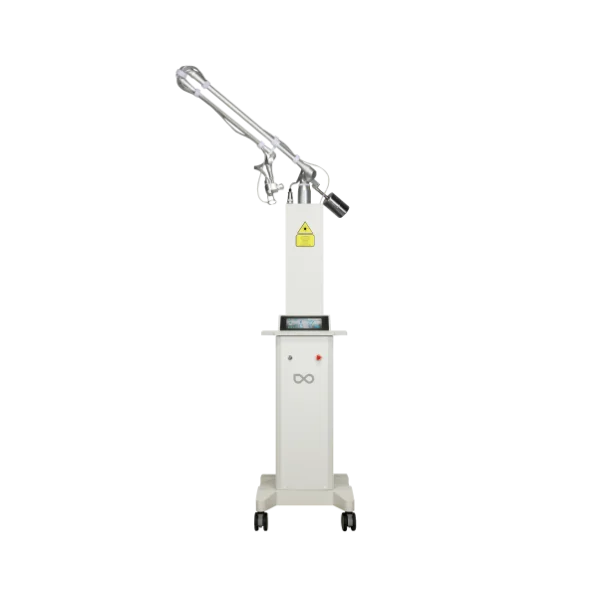
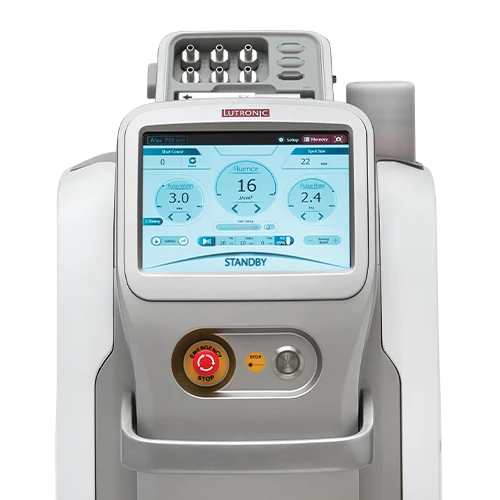
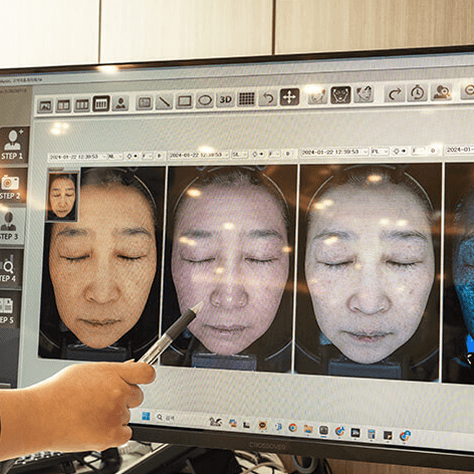
A licensed doctor examines each mole, often with dermoscopy, applying the ABCDE warning signs; this is the single most important of the 3 safety factors before any removal.
Typical moles can be removed by CO2 laser, while atypical or larger lesions are excised so tissue can go for biopsy, because vaporised tissue cannot be examined.
After local anaesthetic, the doctor vaporises the mole in controlled passes, taking care not to go too shallow, which risks recurrence, or too deep, which risks 1 scar.
For deeper Asian tones, laser energy is set conservatively because melanin absorbs light, and 1 overly aggressive setting is a main driver of post-inflammatory pigmentation.
You receive wound-care and sun-protection guidance for about 7 to 14 days, plus follow-up, including remote check-ins within 1 to 3 days if you travel home.

Reberry Clinic · Prices verified: Oct 2026
| Clinic | Price (KRW) |
|---|---|
| GangnamCO2 Laser Small Lesion (under 1mm) | from₩10,000 |
| MyeongdongCO2 Laser 1 Area (1mm) | from₩15,000 |
VAT excluded · Treatment packages differ by clinic — see each clinic page for its full menu · Confirmed after consultation
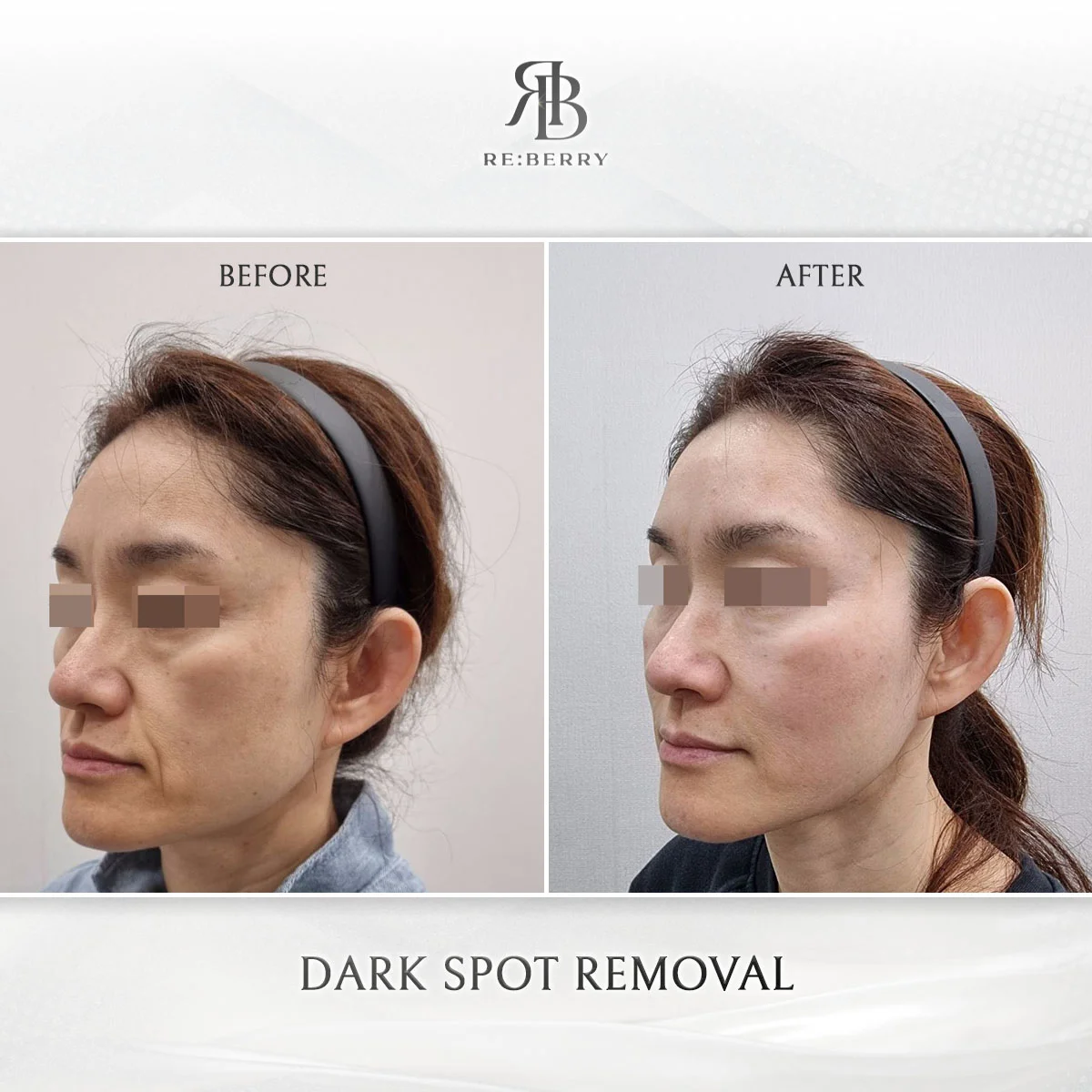
See representative outcomes from Reberry Clinic. Results build gradually and vary by individual; your plan is assessed at consultation.
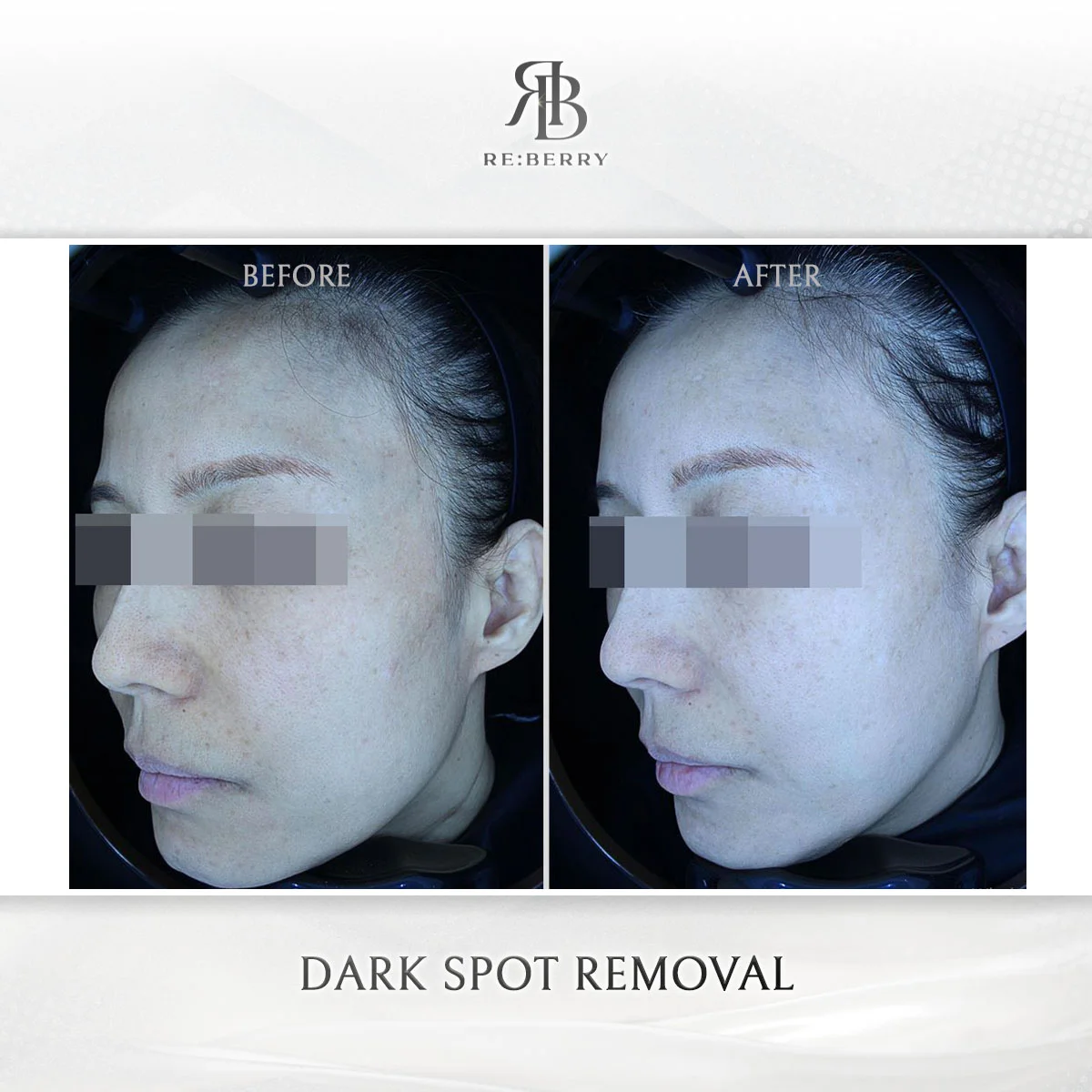
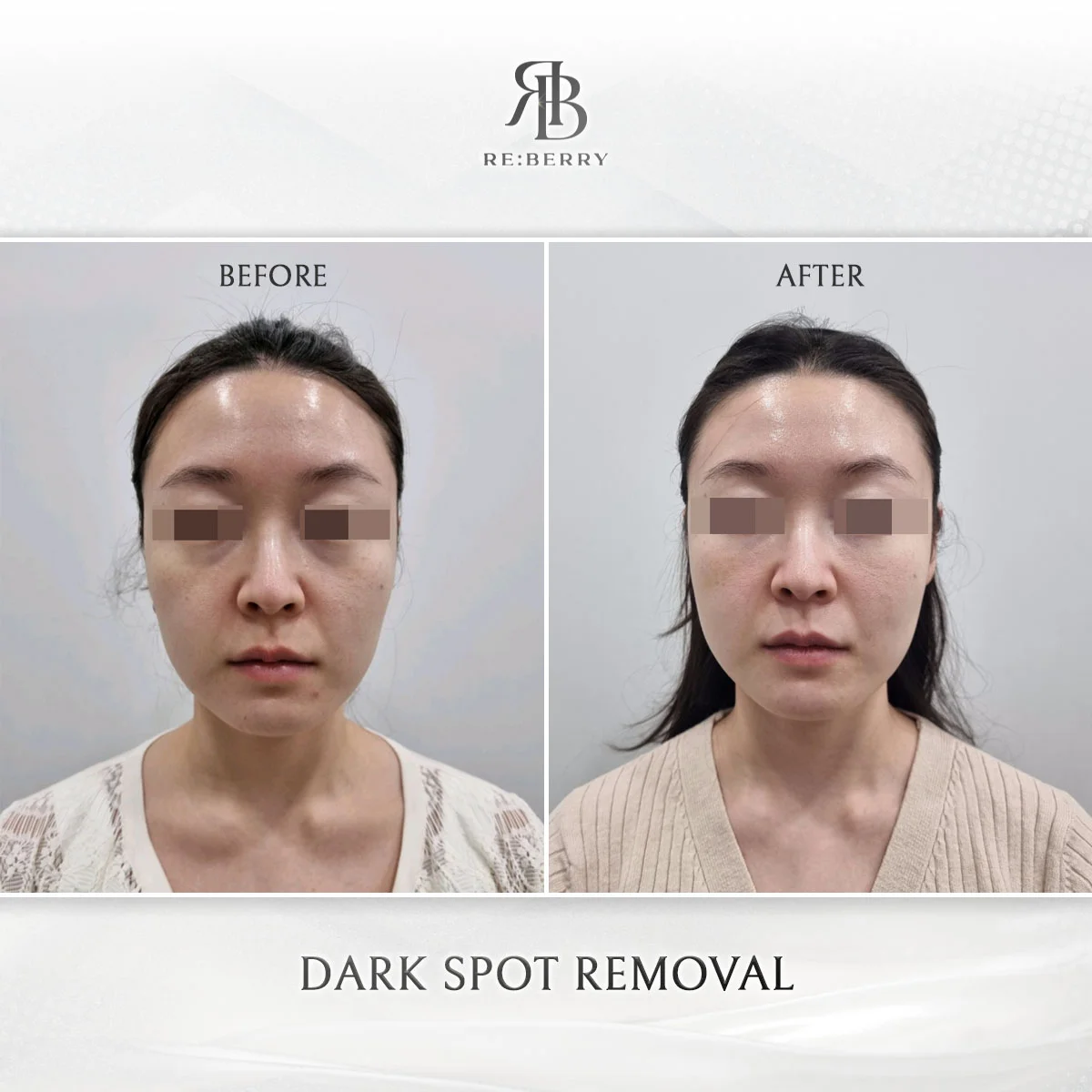
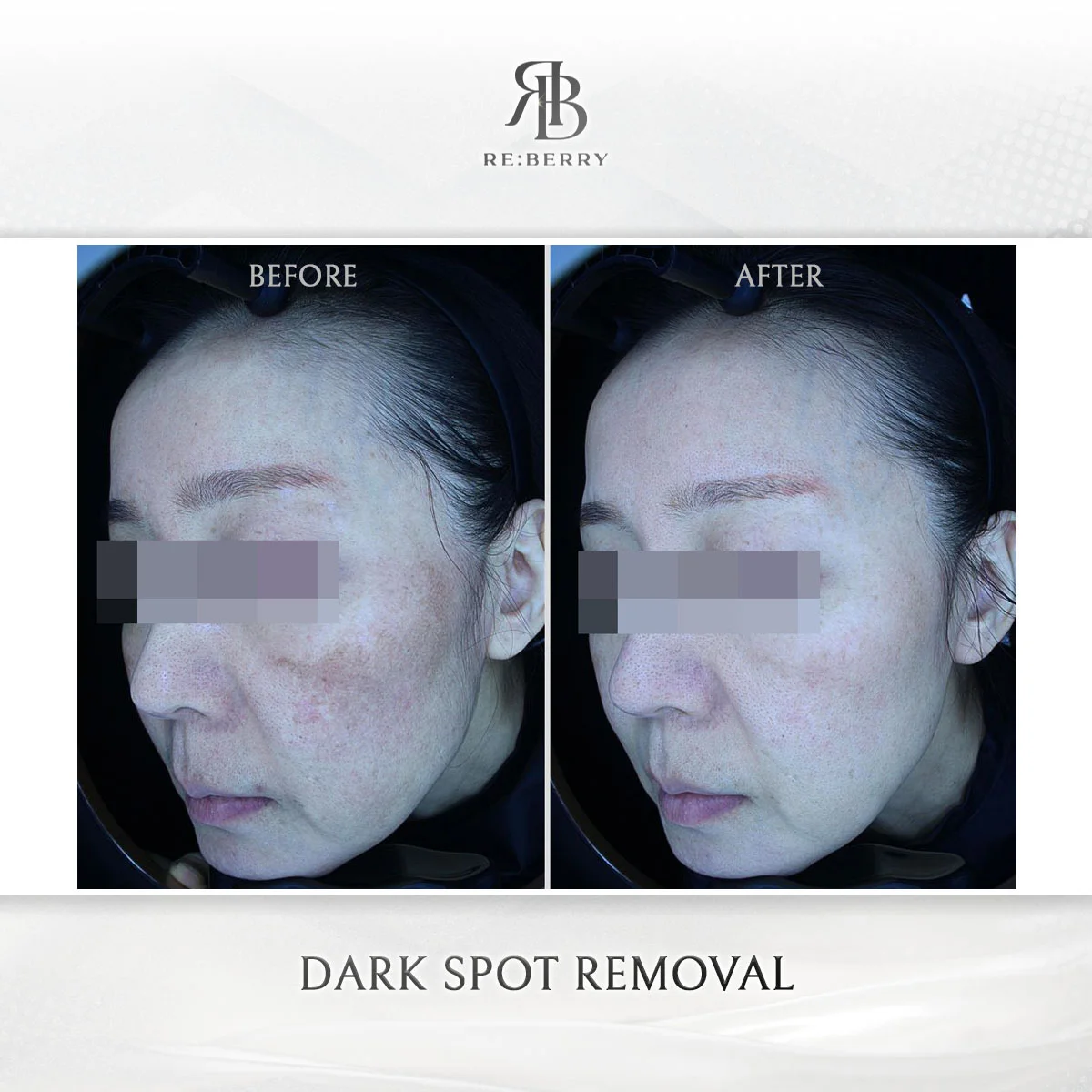
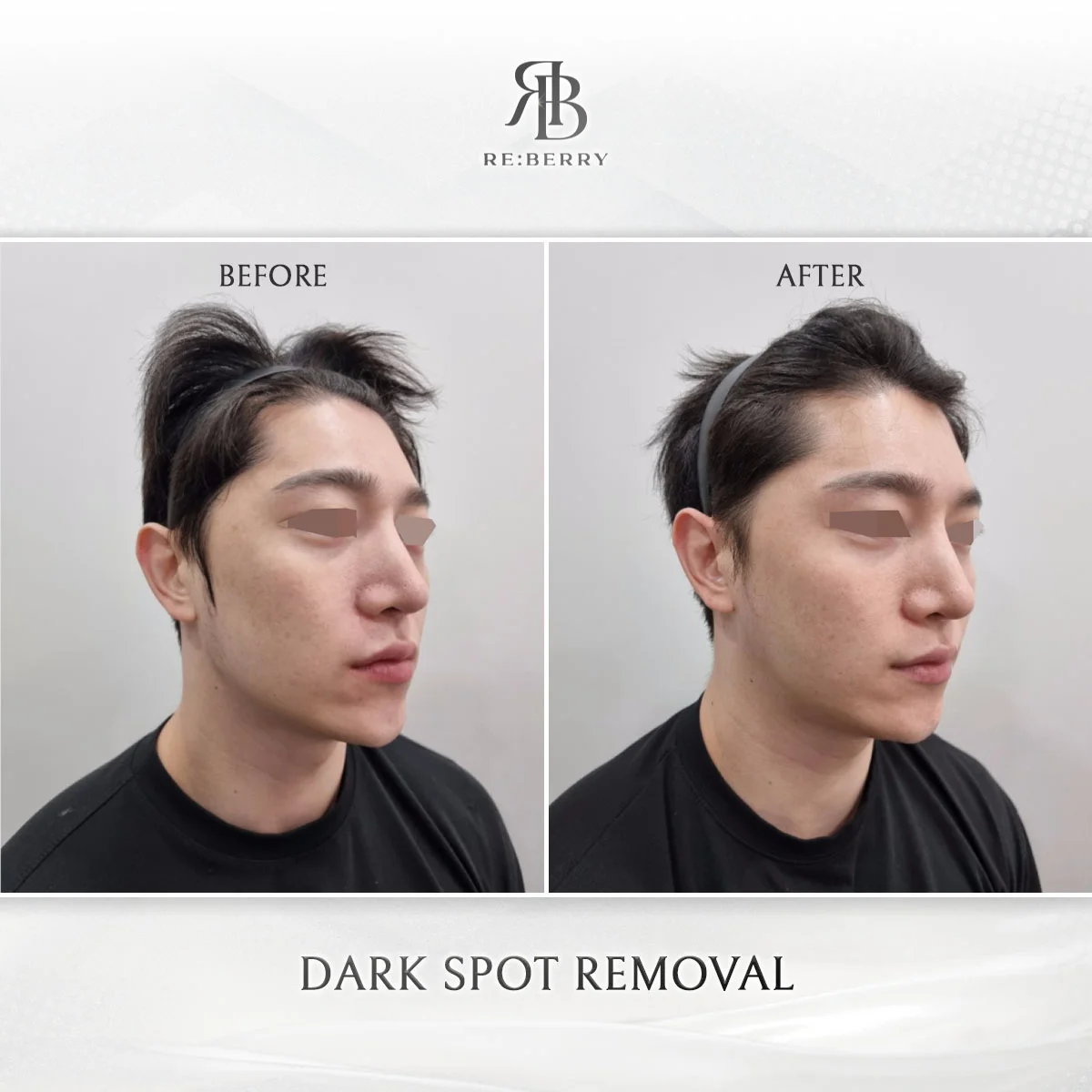
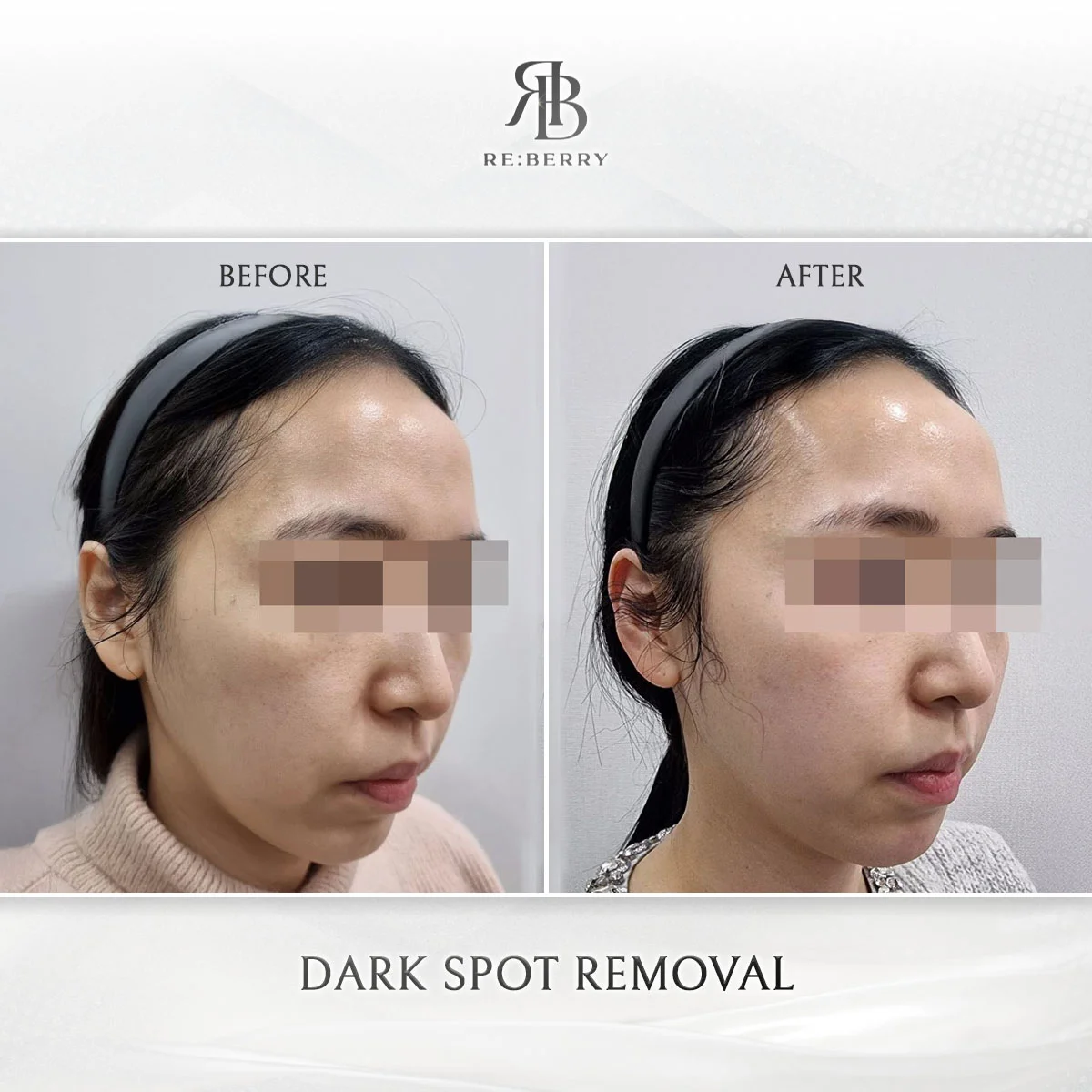
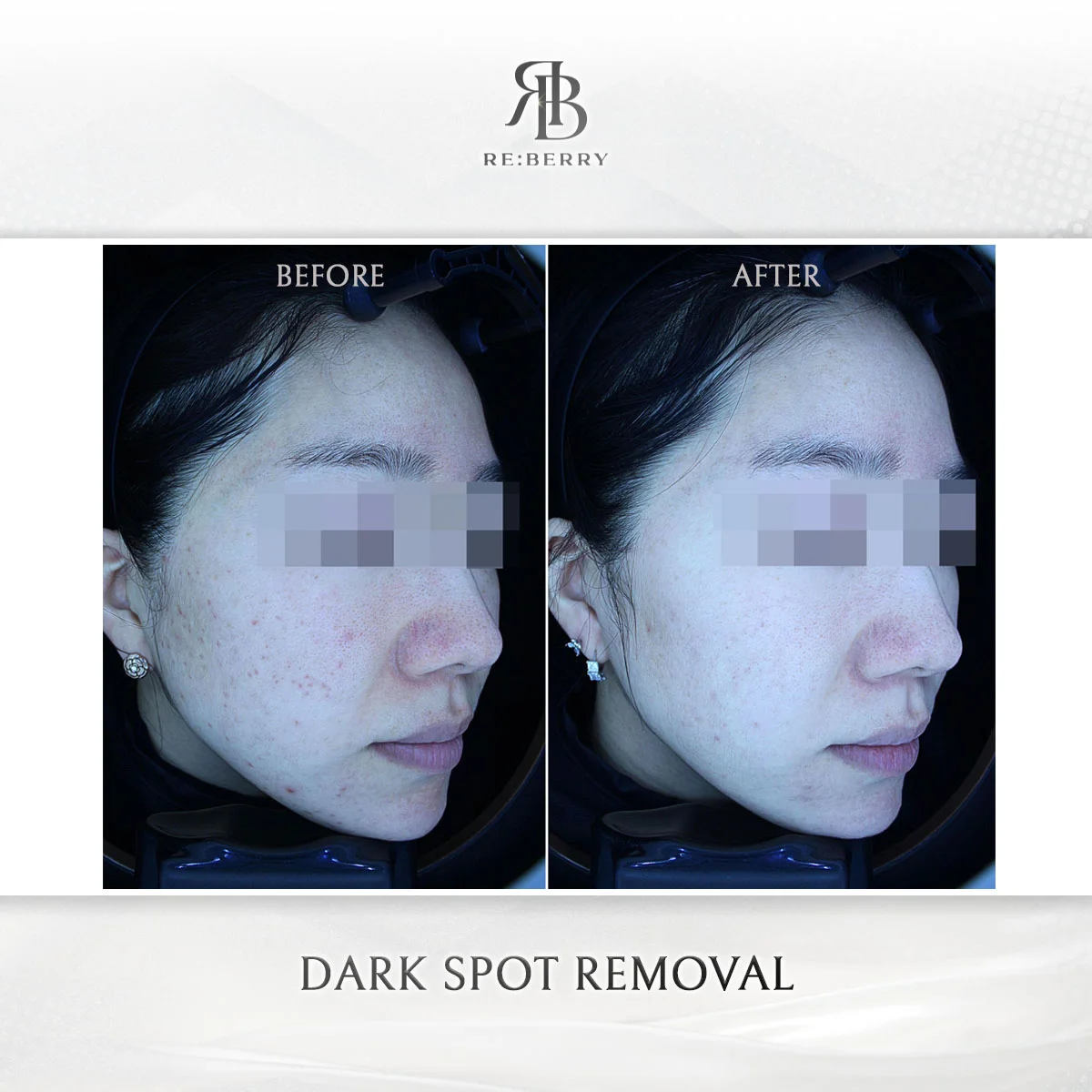
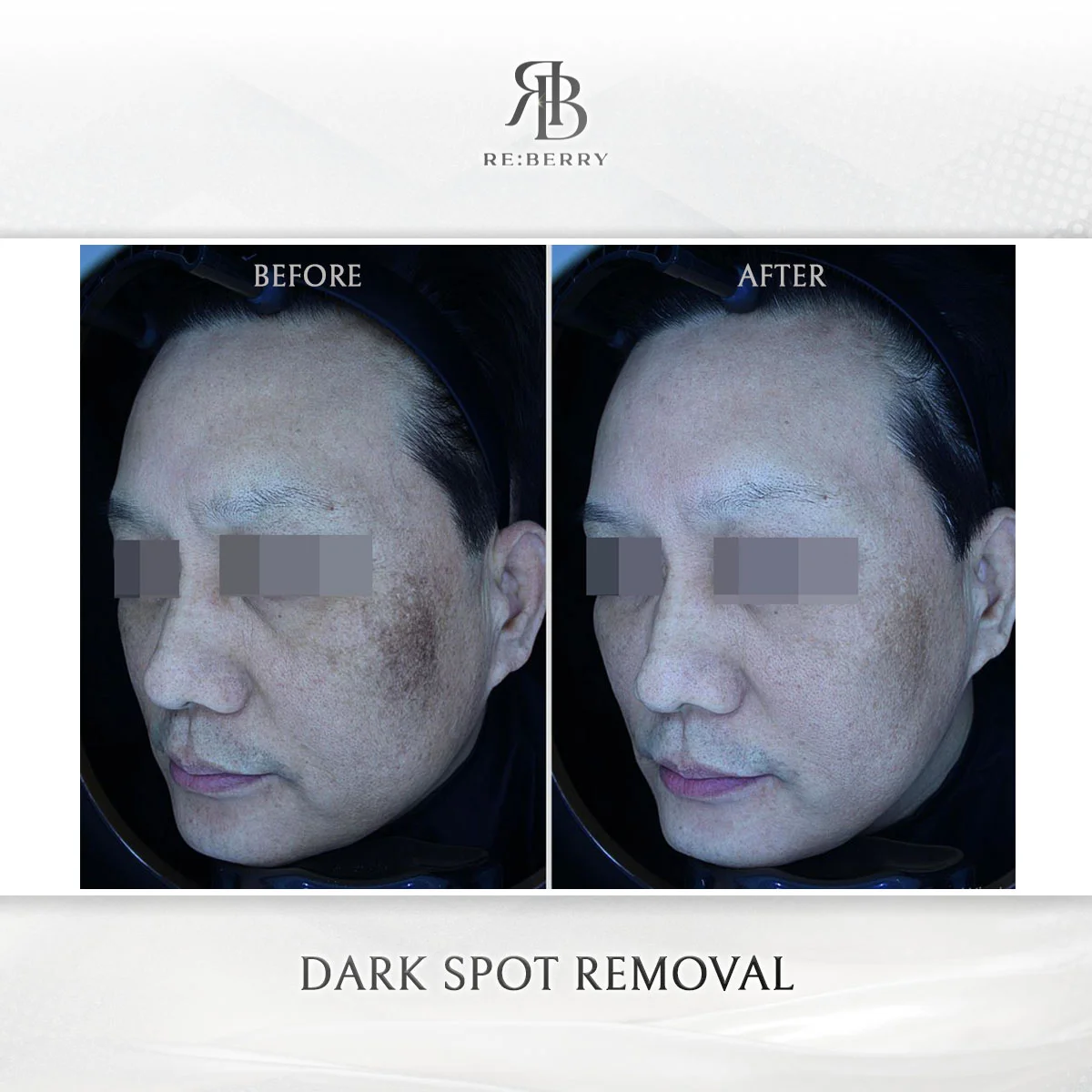
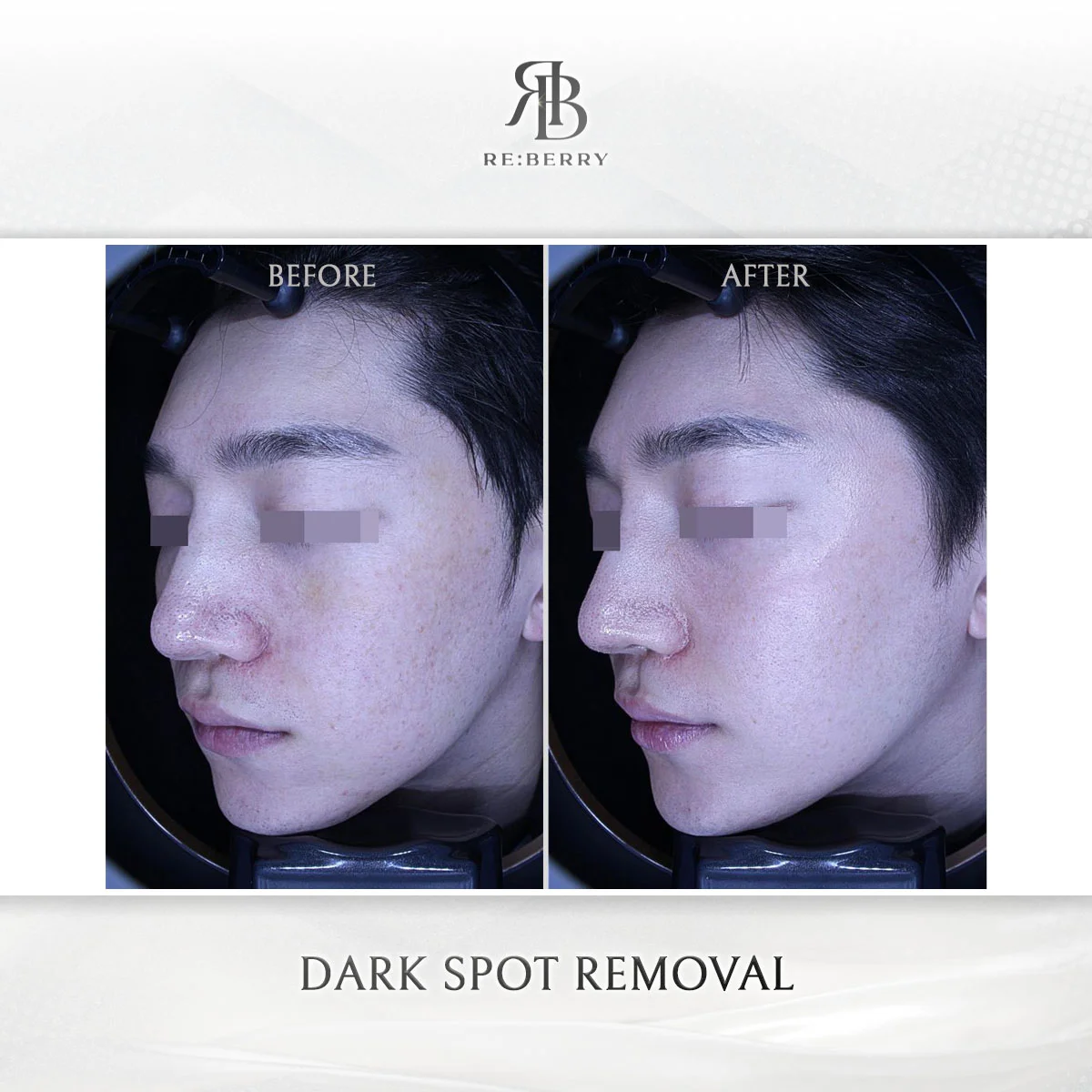
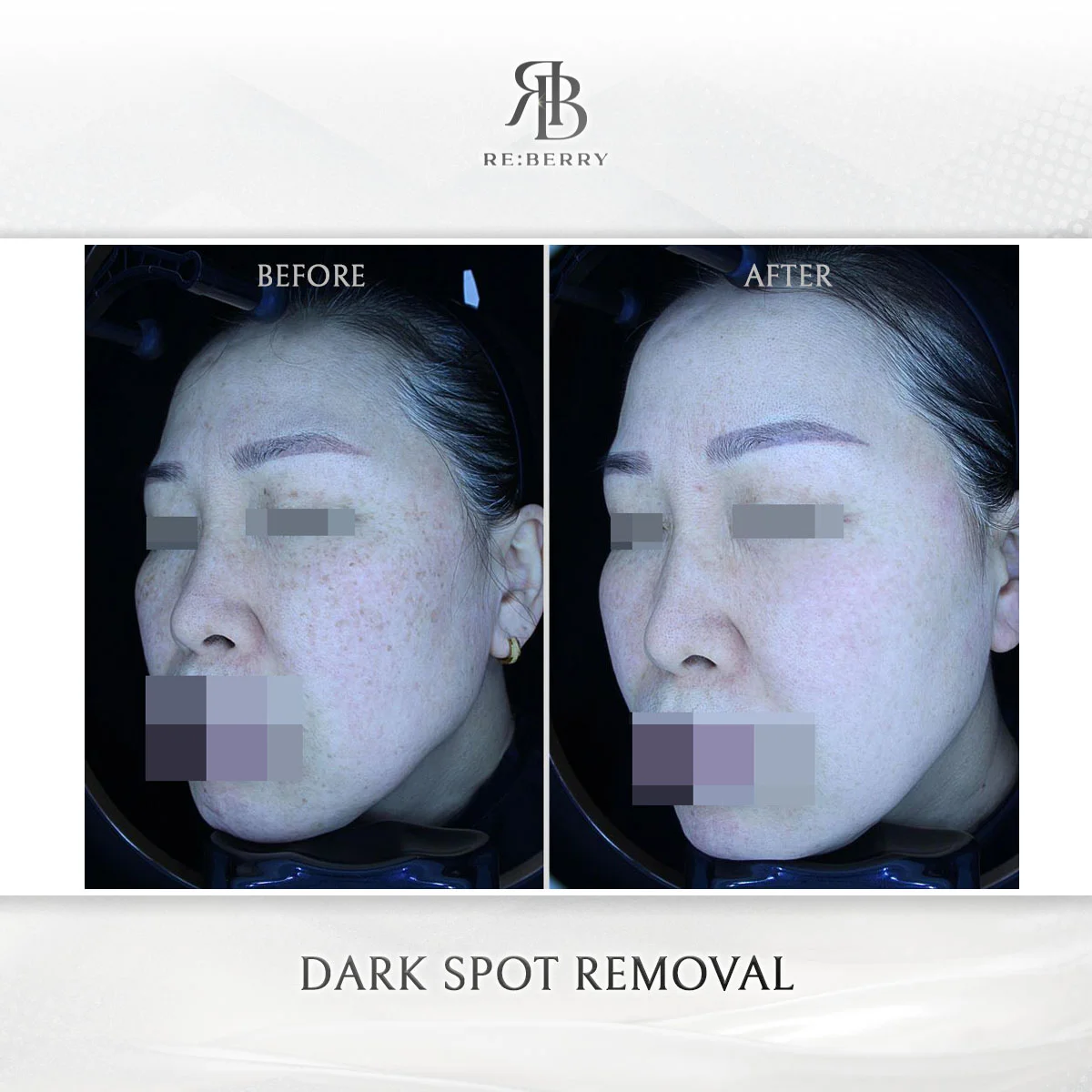
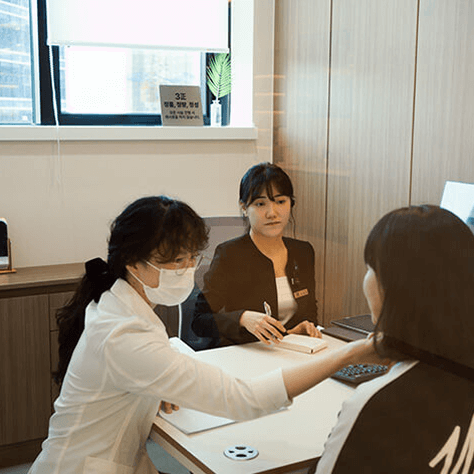
A licensed doctor assesses each mole, often with dermoscopy, in English, explains whether laser or excision is safest, and flags any lesion that needs a biopsy first.
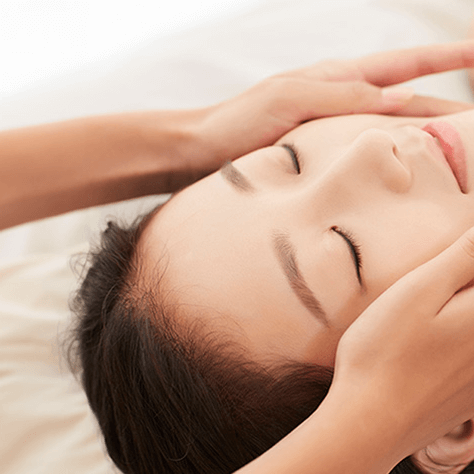
After local anaesthetic, typical moles are removed by CO2 laser in a short visit, or excised if atypical, with staff explaining wound care and expected healing.
Most cosmetic laser removals fit within a single visit, and the doctor confirms if a deeper mole may need a second pass or an excision on another day.
A small scab typically forms and settles over 7 to 14 days, and the treated area often looks smooth once healing completes, with any redness fading gradually.
Correctly removed moles do not usually return, though a too-shallow removal can recur; diligent sun protection and gentle wound care lower the risk of a lasting mark.
Yes, mole removal is generally safe in Korea when a licensed doctor first assesses each mole, biopsies anything atypical, and uses CO2 laser at a depth matched to your skin. The main risks are recurrence if too shallow and scarring if too deep. You can start on our laser treatment page to see how a doctor-led plan works.
A licensed doctor decides after examining the mole, often with dermoscopy, using warning signs like asymmetry, irregular borders, uneven colour, and recent change. Atypical or changing moles are excised so tissue can go to a lab, because vaporised laser tissue cannot be examined. This assessment is the most important safety step of all.
Discomfort is usually minimal because a local anaesthetic numbs the area first. During CO2 laser you may feel slight warmth or pressure rather than sharp pain. Excision is also done under local anaesthetic. Most patients tolerate mole removal comfortably, and the doctor confirms numbing is working before starting the procedure.
Some mark is possible with any removal, but scarring is minimised when a doctor controls depth carefully and you follow aftercare. Deeper or larger moles carry a higher chance of a subtle scar. You can support healing with a gentle skin care routine and diligent sun protection while the area recovers.
Yes, when laser settings are matched to your skin type, which is essential because melanin absorbs laser energy. Deeper tones are more prone to pigment change if settings are too aggressive, so a careful doctor works conservatively. You can review options on our laser treatment page and discuss your phototype at consultation.
Yes, recurrence can happen if a mole is removed too superficially and pigment cells are left behind. Studies show naked-eye removal is often incomplete, which is why doctors use dermoscopy to check. A properly performed, correct-depth removal has a low recurrence rate, and any regrowth should be reassessed by a doctor.
At-home cauterising pens or acids skip diagnosis entirely, so a potentially atypical mole could be destroyed without ever being examined. They also risk scarring, infection, and incomplete removal. A licensed doctor assesses the mole first, chooses the safest method, and preserves tissue for biopsy when there is any concern.
A doctor can often remove several small typical moles in one visit, since each takes only minutes after numbing. Larger, deeper, or atypical moles may be staged or excised separately. Your doctor decides a safe number based on each mole’s size, depth, and location, and how your skin is healing.
It can be, when a doctor sequences treatments so healing areas are not over-stressed. Some patients pair it with pigment care such as dark spot removal on a separate visit. Combining is common for international patients on limited time, but wound areas usually need their own healing window first.
The most common side effects are a temporary scab, redness, and mild tenderness that settle over 7 to 14 days. Post-inflammatory pigmentation is the main pigment concern, more likely in deeper skin tones. Scarring is uncommon with correct depth. Serious complications are rare when a licensed doctor performs the removal.
Keep the area clean, apply any prescribed ointment, avoid picking the scab, and protect the site from sun with daily sunscreen once healed. Sun exposure is the biggest driver of post-procedure pigmentation, so a gentle skin care routine helps the treated area recover safely.
Every practising physician in Korea must hold a national medical licence, and a reputable clinic confirms a licensed doctor assesses and removes your moles. Ask who examines your skin and who performs the procedure. If only a coordinator handles everything and no doctor sees you, treat that as a warning sign before booking.
Yes, flying within a day or so is generally fine, though a fresh wound needs care. Keep the area clean and dry, avoid picking the scab, and protect it from sun. If a larger mole was excised with stitches, ask your doctor about timing and whether suture removal can be arranged.
For a few small laser removals, 1 to 2 days can be enough, since the procedure is short. If an excision with stitches is planned, a longer stay or a plan for suture removal is wise. Your doctor advises based on the number, size, and method, and your travel schedule.
Both Seoul locations, Gangnam and Myeongdong, provide the same doctor-led, transparent care with full English support, and there is also a location near Incheon Airport for transit patients. The right choice usually depends on your schedule and where you are staying. Message us and we will confirm which location fits your route.
The clinic offers remote check-ins in English so care continues after you travel, and your treatment notes and any biopsy results are kept on file. This matters if pigmentation appears or a mole was sent for pathology. You can continue supportive skin care while staying in contact for guidance.
| CO2 Laser Ablation (Typical Moles) | Surgical Excision (Atypical / Larger) | At-Home / Non-Medical Removal | |
|---|---|---|---|
| Mechanism | Controlled laser passes vaporise the mole tissue | The mole is cut out and can be sent for biopsy | Cauterising pens or acids used without diagnosis |
| Best for | Small, clearly typical, cosmetically unwanted moles | Atypical, changing, or larger moles needing pathology | Not advisable for medical or safety reasons |
| Tissue for diagnosis | Not available once tissue is vaporised | Yes, histopathology confirms the diagnosis | None, and no assessment at all |
| Scarring / recurrence | Low when depth is correct; recurrence if too shallow | A fine line scar; low recurrence when fully excised | Higher risk of scarring and incomplete removal |
| Pigmentation risk | Low when settings match skin type | Low with careful closure and sun care | Higher, with PIH and marks more likely |
| Cost context | Depends on the number, size, and depth of moles | Depends on lesion size and whether biopsy is needed | No cost but a meaningful safety cost |
Real verified reviews from our Google Business Profile, across all Reberry Clinic locations.
PULLED LIVE FROM GOOGLE · GANGNAM · MYEONGDONG · INCHEON AIRPORT
Your treatment is planned and performed by experienced, MFDS-registered doctors across our Seoul-area clinics, with multilingual support for international patients.
Flagship clinic · KOL for leading lifting & regenerative devices · Featured in Authority Magazine (2026)
Multilingual tourist care beside Myeongdong Cathedral
Fast, effective care 20 minutes from the terminals
Message us on WhatsApp for a free consultation in English about your moles, whether laser or excision is safest, and a doctor-led plan at our Seoul locations.